~8 min read
Cleanroom Gowning Procedure SOP — A Step-by-Step Guide by GMP Grade
From undergarments to gloves: the standardized gowning sequence for GMP Grade A/B, C, and D. Includes grade-specific differences, common mistakes, and an audit-ready validation checklist.
The Standard GMP Gowning Sequence — Donning Order
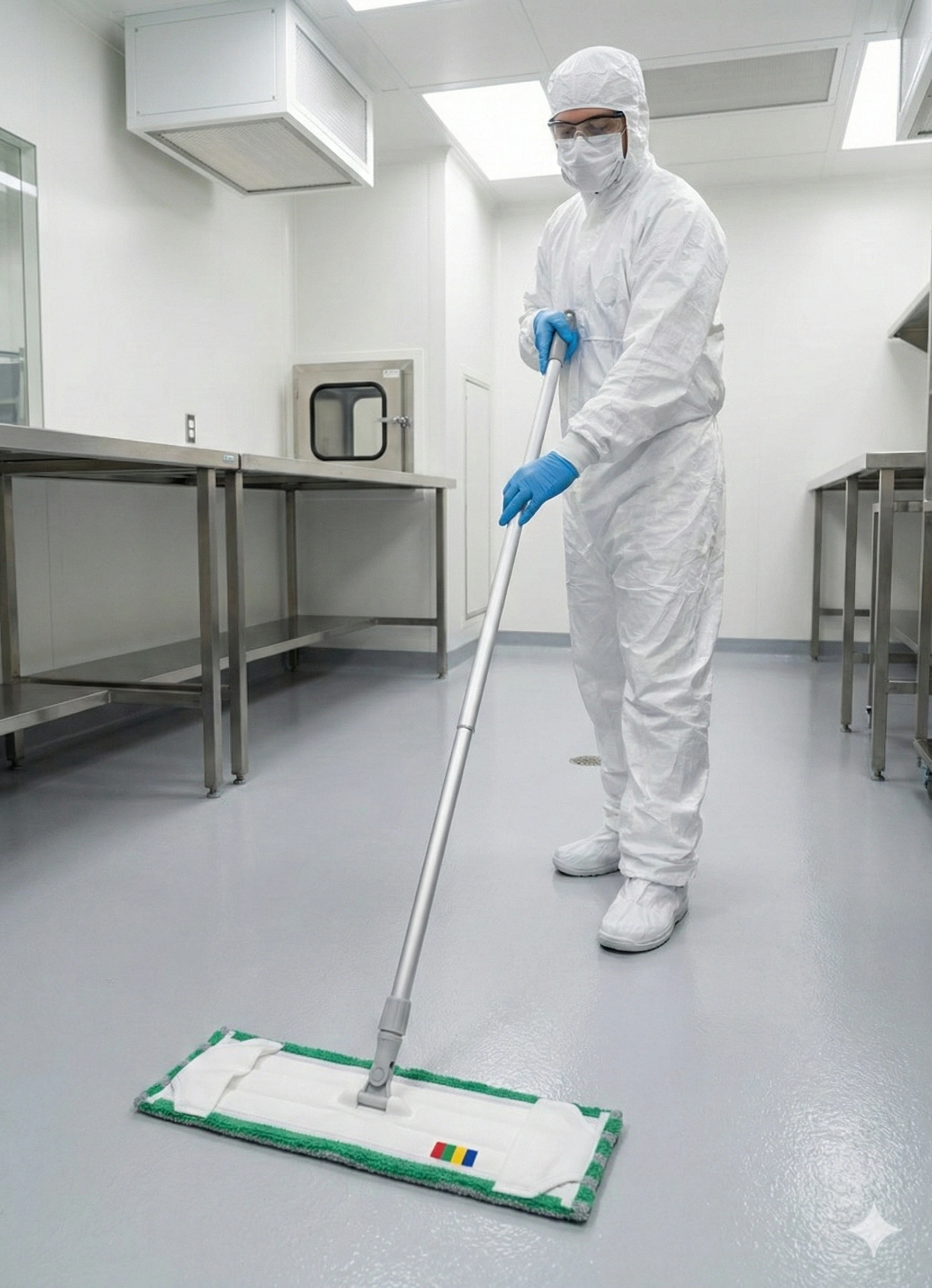
The gowning sequence moves from the innermost garment layer to the outermost. Each layer is donned in an order that minimizes contamination risk during the gowning process itself. The standard sequence applies across all GMP grades, with additional requirements at higher grades.
- Undergarments — Don dedicated cleanroom undergarments in the pre-change area. For Grade A/B: full cleanroom undergarments (top and bottom). For Grade C/D: cleanroom undergarment top recommended.
- Coverall — Don the coverall starting with legs, then arms, then zip or fasten the front closure. Ensure no personal clothing is visible at neck, wrists, or ankles.
- Boots or Shoe Covers — Put on cleanroom boots or shoe covers. Tuck coverall legs into boots or pull boot covers over coverall legs per facility SOP.
- Hood — Place the hood over the head. All hair must be contained. The hood should overlap the coverall collar to eliminate the neck gap.
- Face Mask — Apply the face mask, covering nose and mouth. Pinch the nose bridge for a secure fit. For Grade A/B: sterile mask required.
- Goggles — Position goggles over the eyes, outside the hood and mask edges. Fog-resistant models recommended for operator comfort and compliance.
- Gloves — Don gloves last, pulling glove cuffs over coverall sleeves. For Grade A/B: double-glove and change outer gloves at defined intervals per SOP.
Post-gowning inspection: Use a full-length mirror and perform a partner check. Any visible skin, hair, or personal clothing is a gowning failure. Correct before entering the cleanroom.
Grade-Specific Gowning Differences
| Requirement | Grade A/B (ISO 5) | Grade C (ISO 7) | Grade D (ISO 8) |
|---|---|---|---|
| Gowning Area Classification | Grade B or C with step-over bench | Grade C or D with step-over bench | Grade D or unclassified with bench |
| Undergarments | Full cleanroom undergarments, autoclavable | Cleanroom undergarment top recommended | Personal undergarments if fully covered |
| Coverall | Sterile, hooded, integrated boots | Autoclavable, hooded, separate boots | Autoclavable or disposable |
| Gloves | Sterile, double-glove, change per protocol | Non-sterile cleanroom gloves | Cleanroom-compatible gloves |
| Sterilization | All garments sterile at point of use | Autoclavable, non-sterile acceptable | Non-sterile acceptable |
Five Common Gowning Mistakes — and How to Prevent Them
Gowning Validation Checklist
Gowning is a validated process. The following checklist covers what auditors expect to see in a gowning validation program.
Cleanroom Gowning FAQ
What is the correct order for cleanroom gowning?
Undergarments → Coverall → Boots → Hood → Face Mask → Goggles → Gloves. Each layer is donned from innermost to outermost. Gloves are always last. For Grade A/B, double-glove after the initial glove donning.
What gowning is required for GMP Grade B?
Full cleanroom undergarments, sterile hooded coverall with integrated boots, sterile hood, sterile face mask, sterile goggles, and sterile gloves (double-glove). All garments sterile at point of use. Post-gowning mirror check and partner inspection before entry.
How is cleanroom gowning validated?
Through documented operator qualification (initial training, competency assessment, annual requalification), environmental monitoring data correlated with gowning procedures, and gowning failure tracking with corrective actions and retraining records.
What are the most common gowning audit findings?
Incomplete or undocumented operator gowning qualification, no requalification schedule, missing gowning failure records, and inconsistent gowning sequence between operators (SOP exists but is not followed uniformly).
Does Annex 1 require specific gowning validation?
Annex 1 requires that gowning procedures are validated, documented, and integrated into the contamination control strategy (CCS). It emphasizes operator qualification, environmental monitoring correlation, and periodic requalification. The specific gowning sequence is facility-defined but must be justified and documented.
Need Autoclavable Garments for Your Gowning Program?
MIDPOSI supplies autoclavable coveralls, hoods, boots, undergarments, goggles, and accessories for GMP gowning programs. Tell us your cleanroom grade and gowning requirements.
ISO 13485 Certified · Factory Direct Since 2004 · Documentation Support