ممسحة الغرفة النظيفة مقابل الممسحة العادية: ما الفرق؟
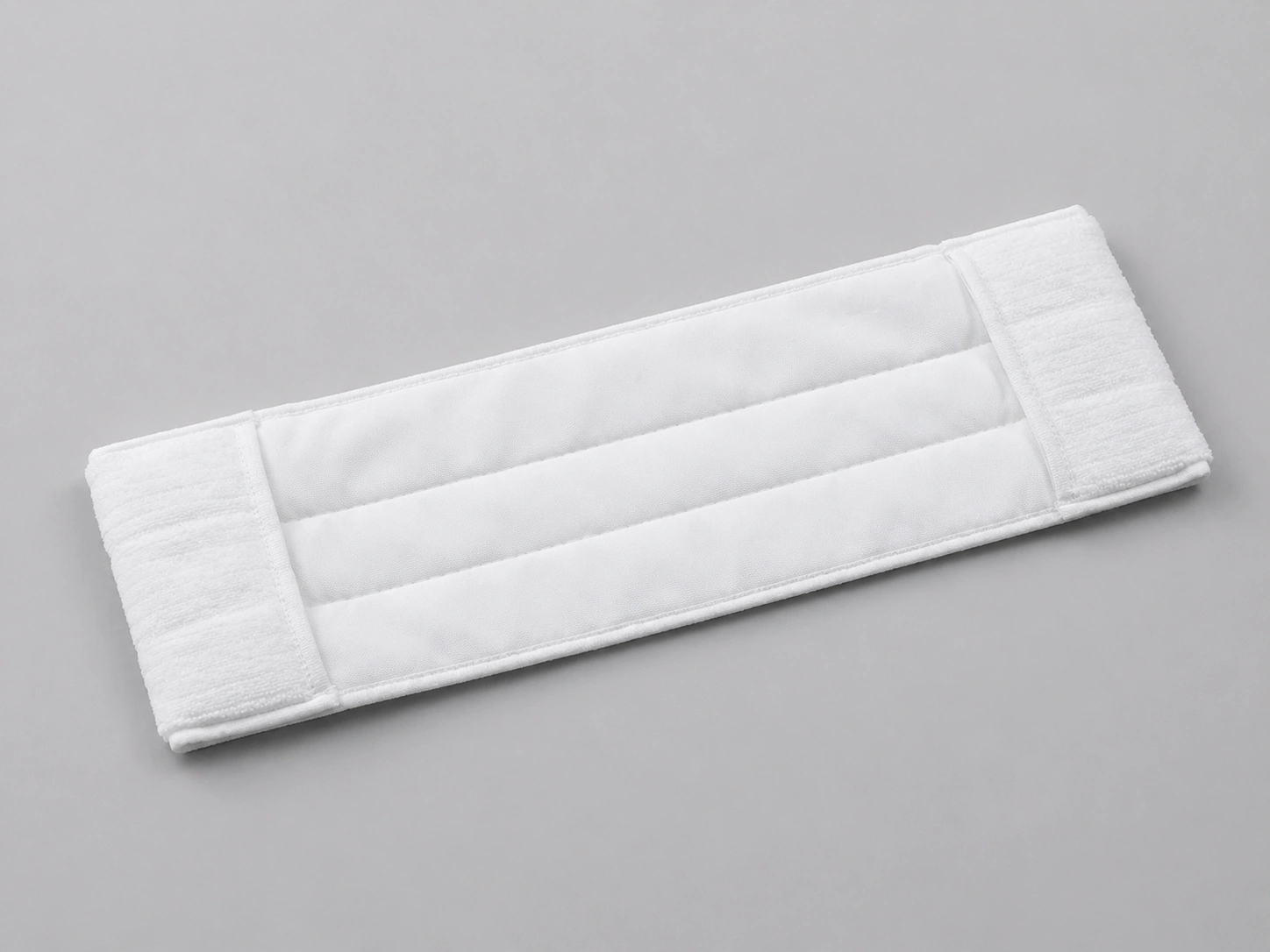
أ ممسحة غرفة نظيفة is a low-lint cleaning tool selected for controlled environments, while a regular mop is made for general cleaning and may release fibers, lint, or residues. The main difference is not only appearance; it is material construction, contamination control, packaging, cleanroom suitability, and how the mop fits into SOP-based cleaning workflows.
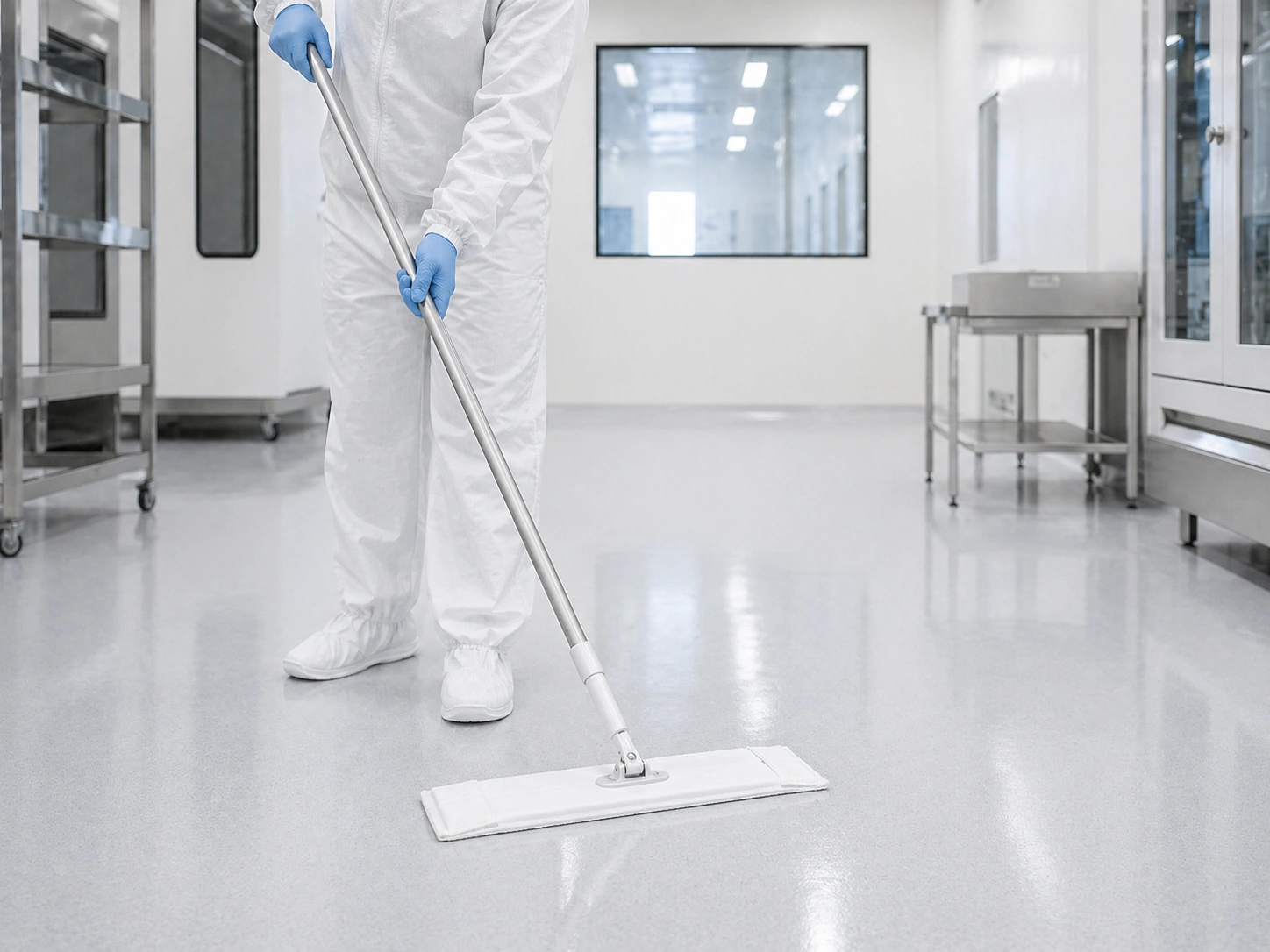
Regular mops are suitable for offices, warehouses, kitchens, and general floors. Clean room mops are selected for ISO-classified cleanrooms, GMP cleanroom workflows, pharmaceutical production, biotech facilities, semiconductor fabs, medical device manufacturing, and laboratories where particle and fiber control are important.
مقارنة سريعة: ممسحة الغرفة النظيفة مقابل الممسحة العادية
أسرع طريقة لفهم الفرق هي مقارنة مكان استخدام كل ممسحة، والمواد المستخدمة، وما هي المخاطر التي يجب على المشترين التحكم فيها.
| نقطة المقارنة | ممسحة الغرفة النظيفة | ممسحة عادية |
|---|---|---|
| الاستخدام الأساسي | البيئات الخاضعة للرقابة مثل غرف الأبحاث ISO وGMP | التنظيف التجاري أو الصناعي أو المنزلي العام |
| مادة | بوليستر منخفض الوبر، أو ألياف دقيقة، أو رغوة، أو مواد غير منسوجة | القطن أو الرايون أو الخلطات الاصطناعية العامة |
| التحكم في الجسيمات والألياف | تم اختياره للمساعدة في تقليل الوبر والألياف وإطلاق الجسيمات | قد يطلق الوبر أو الألياف أو البقايا أثناء الاستخدام |
| خيارات معقمة | قد تكون متاحة في إصدارات معقمة أو غير معقمة | عادة لا يتم توفيره في عبوات غرف الأبحاث المعقمة |
| التطبيقات النموذجية | الأدوية والتكنولوجيا الحيوية وأشباه الموصلات والأجهزة الطبية وغرف الأبحاث المخبرية | المكاتب والمستودعات والمطابخ والمناطق العامة والطوابق العامة |
| قلق المشتري | المواد ومستوى الوبر والعقم وملاءمة إجراءات التشغيل القياسية والوثائق واختبار العينات | السعر والمتانة والامتصاص وسهولة الاستخدام |
ما هي ممسحة الغرفة النظيفة؟
A clean room mop is a mop designed or selected for controlled environments where particle, fiber, lint, and residue control matter. It is usually made from low-lint materials and used with defined cleaning procedures.
Clean room mops may be used in ISO-classified cleanrooms, GMP cleanroom cleaning workflows, pharmaceutical production areas, biotechnology facilities, semiconductor fabs, medical device manufacturing environments, laboratories, and cleanroom service operations.
مادة منخفضة الوبر
يتم اختيار مماسح الغرفة النظيفة للمساعدة في تقليل إطلاق الوبر والألياف أثناء التنظيف المتحكم فيه.
التعبئة والتغليف الخاضعة للرقابة
تتوفر بعض الخيارات في عبوات معقمة أو متوافقة مع غرف الأبحاث وفقًا لاحتياجات المنشأة.
الاستخدام القائم على SOP
عادةً ما يتم استخدام مماسح الغرف النظيفة وفقًا لإجراءات التشغيل القياسية للتنظيف الداخلي ومتطلبات الجودة.
ما هي الممسحة العادية؟
A regular mop is designed for general cleaning in offices, homes, warehouses, kitchens, public spaces, and industrial floors. It is usually selected for absorbency, price, durability, and ease of use rather than cleanroom contamination control.
Regular mops often use cotton, rayon, sponge, or general synthetic materials. These materials may work well for ordinary floor cleaning, but they may not be appropriate for cleanrooms where lint, fibers, residues, and uncontrolled moisture can create quality concerns.
لماذا لا ينبغي استخدام المماسح العادية في غرف الأبحاث
Regular mops may not be suitable for cleanrooms because they can introduce fibers, lint, residues, and inconsistent liquid control into sensitive environments.
In cleanrooms, the cleaning tool itself becomes part of the contamination control strategy. A mop that is acceptable for general cleaning may create unnecessary risk in pharmaceutical, biotech, semiconductor, or medical device environments.
- قد تتساقط ألياف الممسحة العادية أثناء الاستخدام.
- قد تترك مواد الممسحة العامة وبرًا أو بقايا.
- قد لا تدعم العبوة القياسية احتياجات التخزين في غرف الأبحاث.
- عادة لا يتم توفير المماسح العادية في عبوات غرف الأبحاث المعقمة.
- قد لا تتناسب مع توقعات التنظيف والتوثيق المستندة إلى إجراءات التشغيل القياسية (SOP).
الاختلافات الرئيسية بين مماسح الغرفة النظيفة والمماسح العادية
The difference between a clean room mop and a regular mop is mainly about risk control. Buyers should compare material, lint release, absorbency, packaging, sterility, cleaning surface, and compatibility with facility procedures.
ممسحة الغرفة النظيفة
- تم اختياره لأداء تنظيف منخفض الوبر.
- قد تكون متاحة في إصدارات معقمة أو غير معقمة.
- يستخدم في بيئات ISO وGMP والأدوية والتكنولوجيا الحيوية وأشباه الموصلات.
- يمكن أن يدعم تنظيف الأرضيات والجدران والسقف بناءً على SOP.
- يتم تقييمها عادةً باستخدام مواصفات المنتج واختبار العينات.
ممسحة عادية
- مصممة للتنظيف العام بدلاً من التحكم في غرف الأبحاث.
- قد يطلق الوبر أو الألياف أو البقايا أثناء الاستخدام.
- عادة لا يتم توفيره في عبوات غرف الأبحاث المعقمة.
- مناسب للمكاتب والمستودعات والمطابخ والتنظيف العام للأرضيات.
- يتم اختياره عادة حسب السعر، والامتصاص، والمتانة.
مواد ممسحة الغرف النظيفة مقابل مواد الممسحة العادية
Clean room mop materials are usually selected to support low-lint controlled cleaning, while regular mop materials are selected for general absorbency and durability.
Common clean room mop materials include polyester, microfiber, foam, and nonwoven structures. Polyester is commonly selected for stable low-lint wiping. Microfiber may be selected for surface contact and particle pickup. Nonwoven options may support disposable cleaning workflows.
Regular mops often use cotton, sponge, rayon, or general synthetic yarns. These may be suitable for general cleaning, but they are not always appropriate for particle-sensitive cleanroom environments.
هل يجب أن تكون مماسح الغرف النظيفة معقمة؟
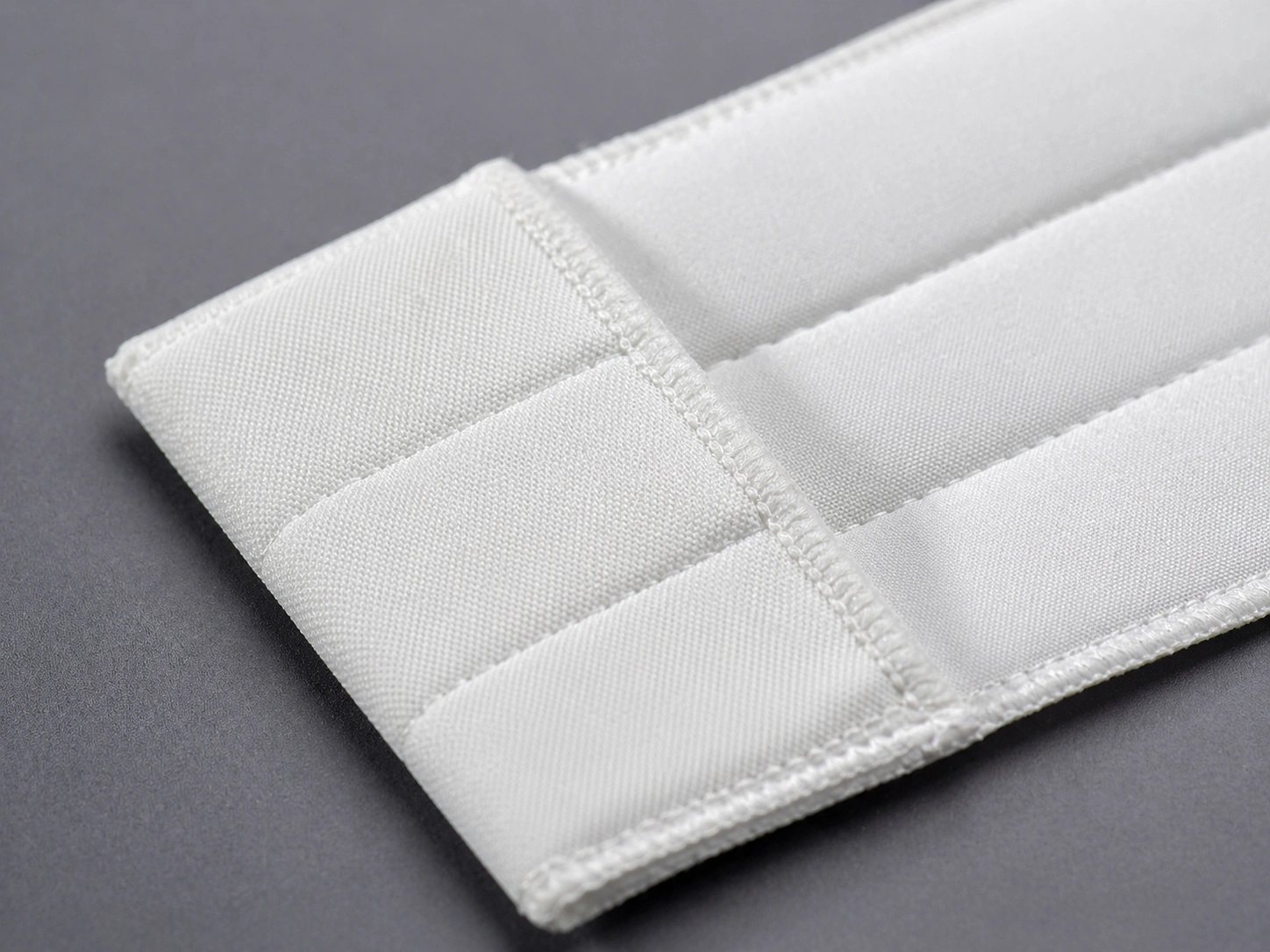
Clean room mops do not always need to be sterile. Sterility depends on the cleanroom zone, facility SOP, contamination control strategy, and quality requirements.
استخدم الخيارات المعقمة عندما
- يتطلب مرفق SOP العرض المعقم.
- يتم استخدام الممسحة في سير عمل أكثر صرامة للتحكم في التلوث.
- تتطلب فرق ضمان الجودة أو التحقق من الصحة معلومات عن العقم.
- The area requires gamma-irradiated mop pads or sterile packaging.
Use Non-Sterile Options When
- The SOP allows non-sterile mop pads.
- التطبيق هو التنظيف الروتيني للمنطقة الخاضعة للرقابة.
- The area does not require sterile presentation.
- The buyer needs cost-efficient replacement for routine cleaning.
When Should Buyers Use Clean Room Mops Instead of Regular Mops?
Buyers should use clean room mops when the cleaning area requires particle control, low-lint materials, controlled packaging, sterile or non-sterile selection, and SOP-based cleaning.
غرف الأبحاث الصيدلانية
Use clean room mops where GMP cleaning workflows, sterile-area support, or controlled cleaning procedures are required.
Semiconductor Fabs
Use low-lint cleanroom mop materials in particle-sensitive environments and controlled support areas.
تصنيع الأجهزة الطبية
Use clean room mops where fiber and particle control are important during production, assembly, or packaging.
For application-specific pages, see ممسحة غرف الأبحاث الصيدلانيةو biotech cleanroom mop، و semiconductor cleanroom mop.
How Should B2B Buyers Choose a Clean Room Mop?
B2B buyers should choose a clean room mop by matching the mop material, sterility level, cleaning surface, and packaging format to the facility’s SOP and cleanroom environment.
| سؤال المشتري | لماذا يهم؟ | الإجراء الموصى به |
|---|---|---|
| Is the mop low-lint? | Helps reduce fiber or lint transfer during cleaning | Review material and request samples |
| Is sterile packaging required? | Sterile presentation may be needed in specific cleanroom zones | Confirm with SOP and QA team |
| What surface will be cleaned? | Floors, walls, ceilings, and equipment may need different mop formats | Check mop head and frame compatibility |
| ما المطهرات التي سيتم استخدامها؟ | Material compatibility affects durability and cleaning performance | Request product information or test samples |
| Disposable or reusable? | Affects replacement workflow, laundering, validation, and cost | Compare total workflow cost, not only unit price |
MIDPOSI Clean Room Mop Options
MIDPOSI provides cleanroom mop pads and related cleanroom mop system options for controlled environments, including pharmaceutical, biotech, semiconductor, medical device, laboratory, and cleanroom service applications.
ال سلسلة ممسحة غرف الأبحاث البيضاء من MIDPOSI includes 40g, 55g, and 65g disposable mop pad options in sterile and non-sterile versions. These options help B2B buyers select mop pads according to cleaning workload, sterility requirement, packaging needs, and sample evaluation.
| خيار | الأفضل ل | النظر في المشتري |
|---|---|---|
| ممسحة خفيفة 40 جرام | Lightweight routine cleaning | Easier handling and cost-efficient disposable use |
| ممسحة متوسطة الحجم 55 جرام | Balanced cleanroom cleaning performance | Middle option between light and heavy-duty use |
| ممسحة شديدة التحمل بوزن 65 جرامًا | Higher absorbency and stronger wiping coverage | More demanding controlled cleaning tasks |
| النسخة العقيمة | Workflows requiring sterile presentation | Confirm SOP, packaging, and sterility needs |
| Non-Sterile Version | Routine controlled-area cleaning | Useful where SOP allows non-sterile mop pads |
FAQ: Clean Room Mop vs Regular Mop
What is the main difference between a clean room mop and a regular mop?
A clean room mop is selected for low-lint controlled cleaning in ISO, GMP, pharmaceutical, biotech, semiconductor, or laboratory environments. A regular mop is designed for general cleaning and may release lint, fibers, or residues.
Can regular mops be used in cleanrooms?
Regular mops are generally not recommended for cleanrooms because they may introduce fibers, lint, residues, or uncontrolled moisture. Cleanroom mop selection should follow the facility’s SOP and quality requirements.
Why do regular mops create contamination risks?
Regular mops may use materials that shed fibers or leave residues. Their packaging and construction are usually designed for general cleaning, not controlled cleanroom environments.
What materials are used in clean room mops?
Common clean room mop materials include polyester, microfiber, foam, and nonwoven materials. Buyers should compare lint level, absorbency, chemical compatibility, sterile availability, and disposable or reusable format.
Do clean room mops need to be sterile?
Not always. Sterile mop pads may be required in specific cleanroom zones or workflows, while non-sterile cleanroom mops may be suitable for routine controlled-area cleaning where the SOP allows.
How should B2B buyers choose clean room mops?
Buyers should compare mop material, lint level, sterility requirement, cleaning surface, disinfectant compatibility, packaging, sample availability, MOQ, and lead time.
Need Clean Room Mops for Your Facility or Distribution Business?
Contact MIDPOSI to discuss cleanroom mop pads, sterile or non-sterile options, mop bucket and wringer systems, and sample availability for your market.