تمثل مناطق الدرجة C وD غالبية المساحة المربعة للغرف النظيفة في منشأة GMP النموذجية - ومع ذلك، غالبًا ما يتم تصميم برامج التنظيف الخاصة بها كفكرة لاحقة. يوفر هذا الدليل أسلوبًا منظمًا لبناء برنامج أدوات تنظيف فعال من حيث التكلفة وعملي من الناحية التشغيلية وجاهز للتدقيق خصيصًا لمناطق الدعم. للحصول على نظرة عامة مصاحبة لمواصفات الممسحة على مستوى الصف، راجع GMP ممسحة غرف الأبحاث اختيار الصف حسب الصف مرشد.
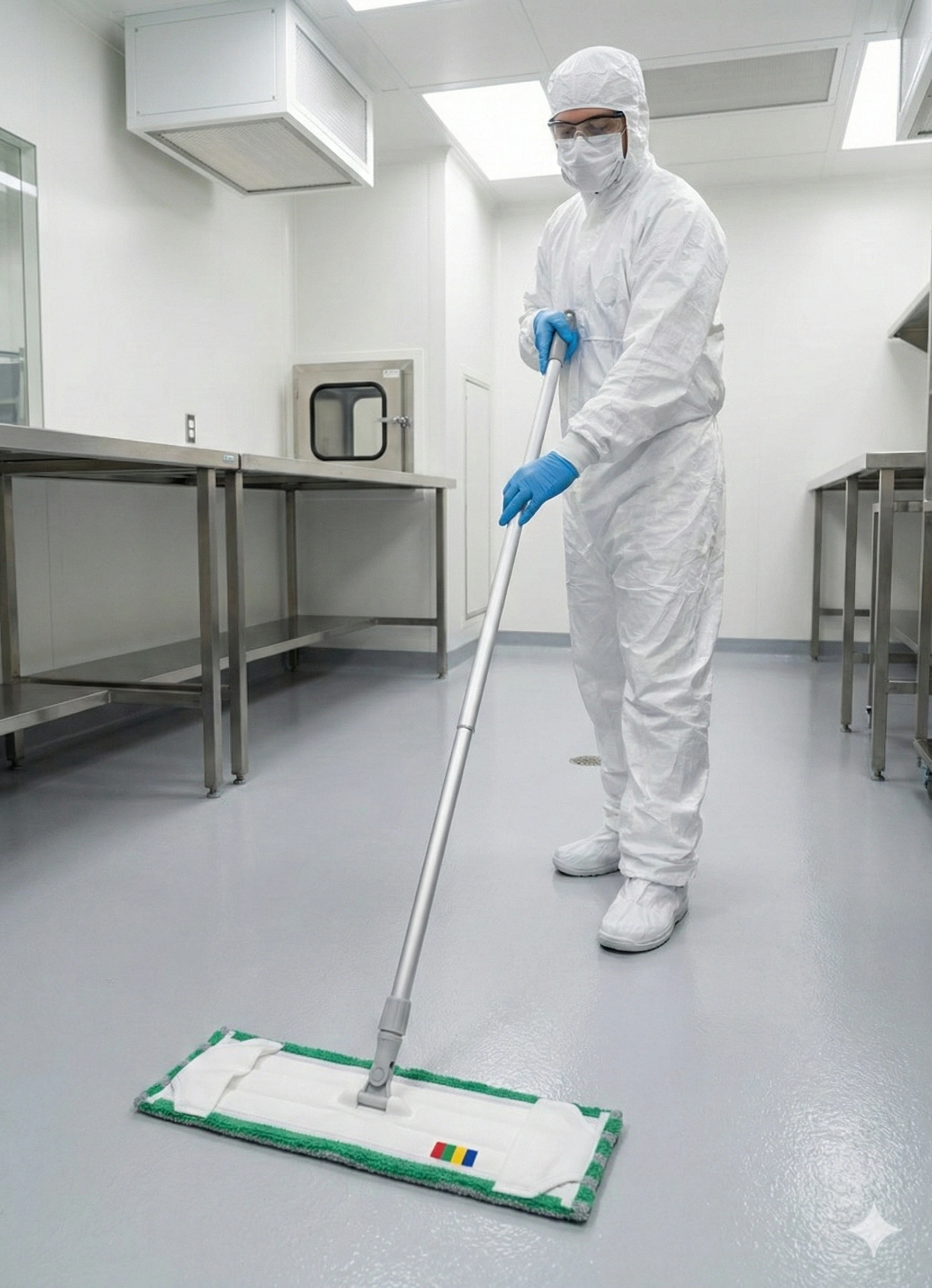
يتضمن إنشاء برنامج أداة تنظيف لمناطق GMP Grade C/D خمسة قرارات تصميم مترابطة: (1) اختر بين اقتصاديات الممسحة التي تستخدم لمرة واحدة والممسحة المغسولة استنادًا إلى الإنتاجية وقدرات المنشأة، (2) حدد مواد الممسحة المناسبة لكثافة تنظيف C/D وكيمياء المطهرات، (3) تطبيق فصل المناطق المرمز بالألوان لمنع التلوث المتبادل، (4) تصميم إجراءات التشغيل الموحدة مع التردد العملي، ومشغلات تغيير الممسحة، والتسلسل، و (5) تحديد متطلبات التوثيق المتناسبة مع مخاطر C/D - مفصلة بما يكفي لجاهزية التدقيق ولكن ليس المستوى المطلوب للمناطق المعقمة. يتم استكشاف كل قرار بالتفصيل أدناه.
أحد الأساليب الشائعة لبرامج تنظيف C/D هو أخذ مواصفات الدرجة A/B وإزالة ما يبدو غير ضروري: تخطي العقم، وخفض مستوى المواد، وشراء إطار أرخص. وينتج عن ذلك برنامج أرخص، لكنه ليس مصممًا بشكل جيد للواقع التشغيلي لمناطق الدعم.
يختلف الملف التشغيلي لمناطق C/D بشكل أساسي عن A/B في ثلاث طرق ينبغي أن تشكل تصميم البرنامج:
يتم تنظيف الممرات من الدرجة C/D وغرف الملابس وأقفال المواد بشكل متكرر وتغطي مساحة أكبر من المساحة المربعة مقارنة بالقلوب المعقمة. برنامج الممسحة المصمم لمجموعة صغيرة من الدرجة الأولى لا يصل حجمه إلى 2000 متر مربع² منطقة دعم C/D. أصبحت متانة الممسحة، وقدرتها على الامتصاص لكل وحدة، وإرهاق المشغل خلال جلسات التنظيف الممتدة، من معايير التصميم الأساسية - وليست اعتبارات ثانوية.
عادةً ما يتم إجراء التنظيف من الدرجة A/B بواسطة عدد صغير من المشغلين المدربين تدريباً عالياً باتباع بروتوكولات محكمة التحكم. غالبًا ما يتضمن تنظيف C/D فريقًا أكبر بمعدل دوران أعلى. يجب أن يكون نظام الممسحة وإجراءات التشغيل المعيارية (SOP) قويين بالنسبة لتقلبات المشغل - مع التسامح مع الاختلافات التقنية، وسهولة التدريب، وصعوبة إساءة الاستخدام. إذا تم تخطي خطوة SOP بسهولة أو إساءة فهمها، فسيتم ذلك.
عادةً ما تكون ميزانيات المواد الاستهلاكية من الدرجة A/B محمية لأن ضمان العقم غير قابل للتفاوض. تواجه ميزانيات C/D المزيد من التدقيق لأنه يُنظر إلى المخاطر على أنها أقل - ولكن نقص الإنفاق على أدوات التنظيف يمكن أن يخلق مشكلات تلوث تنتقل إلى مناطق أعلى درجة من خلال تدفق المواد والموظفين. إن تحدي تصميم البرنامج لا يتمثل في "الخيار الأرخص" بل في "تحسين التكلفة دون المساس بسلسلة مكافحة التلوث". أ نظرة عامة على نظام ممسحة غرف الأبحاث يمكن أن تساعد في تحديد أين تؤثر القرارات على مستوى المكونات على تكلفة البرنامج الإجمالية وأدائه.
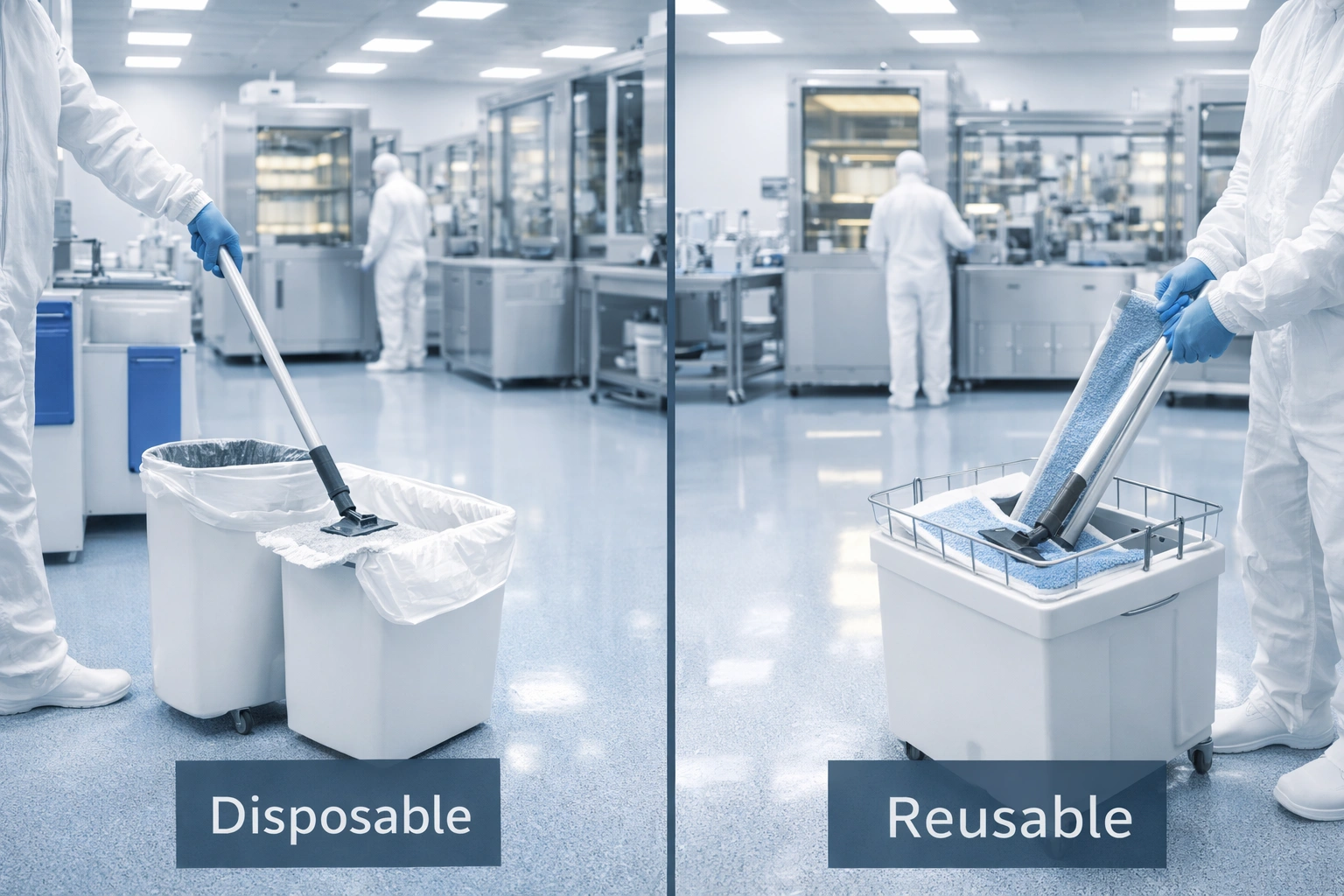
في الدرجة أ/ب، غالبًا ما تجعل متطلبات التعقيم قرارًا افتراضيًا يمكن التخلص منه - فاقتصاديات ضمان العقم تدفع إلى الاستخدام الفردي. في C/D، لا يكون العقم مطلوبًا بشكل عام، مما يفتح تحليلًا أكثر دقة للتكلفة بين الخيارات التي يمكن التخلص منها والمغسولة. للحصول على إطار القرار الكامل، راجع دليل قرار ممسحة غرف الأبحاث التي يمكن التخلص منها مقابل القابلة لإعادة الاستخدام.
| عامل | يمكن التخلص منها (استخدام واحد) | مغسول (متعدد الاستخدام) |
|---|---|---|
| تكلفة كل وحدة | الجزء الأمامي السفلي لكل غطاء ممسحة | أعلى مقدما. مطفأة على دورات |
| نقطة التعادل | غير متوفر (للاستخدام الفردي دائمًا) | عادة 20–40 دورة حسب تكلفة الغسيل |
| البنية التحتية لغسيل الملابس | لا شيء مطلوب | يتطلب عملية غسيل معتمدة (داخل الشركة أو متعاقد عليها) |
| خطر التلوث المتبادل | أقل (غلاف جديد لكل جلسة) | يتطلب الفصل المعتمد بين المناطق أثناء الغسيل |
| حجم النفايات | أعلى (يتم التخلص منه بعد كل استخدام) | أقل (يتم استبداله في نهاية العمر الصالح للاستخدام) |
| الأفضل ل | مرافق لا تتوفر فيها إمكانية غسيل الملابس؛ مناطق C/D أصغر؛ مرافق متعددة المنتجات حيث يكون الفصل صعبًا | مناطق C/D كبيرة مع مغسلة داخلية؛ مرافق المنتج الواحد؛ المرافق مع أهداف الاستدامة |
تمثل مناطق C/D مشكلة تحسين مواد مختلفة عن النوى المعقمة. في الدرجة A/B، يعد توليد الجسيمات هو معيار الاختيار السائد. في C/D، يتحول التوازن نحو المتانة في ظل الاستخدام عالي التردد و التوافق الكيميائي مع مطهرات المنشأة - لأنه سيتم استخدام الممسحة في مناطق أكبر، وبشكل متكرر، مع مواد تنظيف أكثر قوة.
يلعب كل من البوليستر والألياف الدقيقة دورًا في C/D، لكن منطق الاختيار يختلف عن الدرجات الأعلى. لإلقاء نظرة أعمق على المقايضات المادية، راجع دليل ممسحة غرف الأبحاث المصنوعة من الألياف الدقيقة.
يعد الترميز اللوني واحدًا من أكثر إجراءات التحكم في التلوث فعاليةً من الناحية التشغيلية - وفعالية من حيث التكلفة - المتاحة لبرامج C/D. نظام الألوان المصمم جيدًا يجعل انتهاكات المنطقة مرئية قبل أن تصبح ملاحظات تدقيق.
الممرات، غرف معادلة الضغط المادية، العباءات الثانوية. استخدم أغطية وأجهزة الممسحة ذات الرمز الأخضر.
الملابس الأولية، ونقل المواد إلى الدرجة ب. استخدم أغطية وأجهزة الممسحة ذات الرمز الأزرق.
ضمن أي درجة واحدة، يمكنك التمييز بين ممسحات الأرضية ومماسح الجدران/السقف. يستخدم اللون الأحمر عادة لتعيين الأرضيات.
يجب أن تتناول إجراءات التشغيل القياسية الخاصة بتنظيف C/D المعلمات التشغيلية التالية. هذه هي توصيات نقطة البداية التي ينبغي تكييفها مع التصميم المحدد لكل منشأة، وأنماط حركة المرور، وتقييم مخاطر مكافحة التلوث.
لكل نوبة عمل كحد أدنى لأيام الإنتاج النشطة. قد تتطلب الممرات ذات حركة المرور العالية وبوابات معادلة الضغط المادية مرتين في كل نوبة عمل. قم بتوثيق الأساس المنطقي لقرارات التردد في الإجراء التشغيلي الموحد (SOP)، مع الإشارة إلى حجم حركة المرور وبيانات المراقبة البيئية حيثما كان ذلك متاحًا.
حدد المحفز لتغيير غطاء الممسحة: لكل غرفة، لكل منطقة محددة (على سبيل المثال، لكل 50 مترًا²)، أو عندما تكون متسخة بشكل واضح. توفر سياسة التغيير لكل غرفة مع الحد الأقصى للمساحة أوضح مسار للتدقيق. يجب كتابة السياسة بحيث يتمكن المشغل من تنفيذها دون غموض.
إذا كانت المنشأة تستخدم عوامل مبيدة للأبواغ على أساس مجدول (على سبيل المثال، أسبوعيًا)، فيجب أن تحدد إجراءات التشغيل القياسية نوع غطاء الممسحة المستخدم للتطهير مبيد الأبواغ مقابل التطهير الروتيني. تخصص بعض المرافق مجموعات ممسحة منفصلة للتنظيف بمبيدات الأبواغ لتجنب التلوث المتبادل ببقايا المطهرات.
حدد ترتيب التنظيف داخل C/D: التدفق من الأنظف إلى الأقذر (مناطق الدرجة C قبل الدرجة D، إذا تم دمجها في وردية واحدة). داخل الغرفة: السقف، الجدران، أسطح المعدات، الأرضية - بهذا الترتيب. يجب أن يكون التسلسل واضحًا في الإجراء التشغيلي الموحد (SOP)، وليس مفترضًا.
تحديد إعداد المطهر، وعمر الوعاء، وتغيير وتيرة محلول دلو الممسحة. توثيق خطوات التحقق من تركيز المحلول. بالنسبة لمناطق C/D الكبيرة حيث يمكن استخدام الحل لفترات طويلة، حدد الحد الأقصى لعمر الحل ومتطلبات إعادة التحقق.
تحديد معايير الفحص البصري للتوقيع بعد التنظيف. بالنسبة لمناطق C/D، عادةً ما يكون الفحص البصري هو معيار الإطلاق الأساسي - ولكن يجب أن يحدد إجراء التشغيل المعياري (SOP) ما تعنيه عبارة "نظيف بصريًا" (لا توجد بقايا مرئية، ولا يوجد سائل ثابت، ولا حطام) بدقة كافية لجعل النجاح/الفشل متسقًا عبر المشغلين والورديات.
أحد أكثر أخطاء برنامج C/D شيوعًا هو تطبيق متطلبات التوثيق من الدرجة A/B لدعم المناطق - مما يؤدي إلى إنشاء أعباء عمل ورقية تستهلك موارد ضمان الجودة دون الاستفادة من ميزة التحكم في التلوث المقابلة. المبدأ هو التناسب: يجب أن تتطابق الوثائق مع المخاطر.
يجب أن تكون حزمة الوثائق الخاصة بـ C/D قابلة للاسترجاع خلال فترة زمنية معقولة، ويتم تنظيمها حسب المنطقة وتاريخ التنظيف، ومراجعتها بشكل دوري للتأكد من اكتمالها - ولكنها لا تحتاج إلى نفس العمق أو سرعة الاسترجاع مثل توثيق المنطقة المعقمة. عادةً ما يبحث المدقق الذي يراجع سجلات تنظيف الأقراص المضغوطة/D عن ملف برنامج فعال مع التنفيذ المتسق، وليس إمكانية التتبع الشاملة المتوقعة في الدرجة A/B.
تحمل الأرضيات في مناطق C/D حمولة جسيمية من حركة السير وحركة المواد. استخدام نفس الممسحة - أو حتى نفس نوع الممسحة دون تغيير - لنقل الجدران والأسقف التي يتم تحميلها لأعلى. قم بتعيين مجموعات ممسحة منفصلة أو فرض تسلسل صارم (الجدران قبل الأرضيات) مع تغيير الغطاء بين الأسطح.
يعد الفحص البصري مفيدًا ولكنه غير كافٍ باعتباره المعيار الوحيد لتغيير الممسحة في بيئات ممارسات التصنيع الجيدة. يمكن أن يصل تحميل الجسيمات والبقايا إلى مستويات تؤثر على فعالية التنظيف قبل أن تكون واضحة للعيان. توفر سياسة التغيير المحددة القائمة على المنطقة أو الغرفة الاتساق الذي لا يستطيع الحكم البصري وحده تحقيقه.
يؤدي تطبيق حزمة وثائق A/B الكاملة على مناطق C/D إلى إنشاء أعمال ورقية لا تعمل على تحسين التحكم في التلوث وتحويل موارد ضمان الجودة من المناطق الأكثر خطورة. قم بمراجعة كل نوع من المستندات: "هل تقلل هذه الوثيقة من مخاطر التلوث في C/D، أم أنها جمود إجرائي؟"
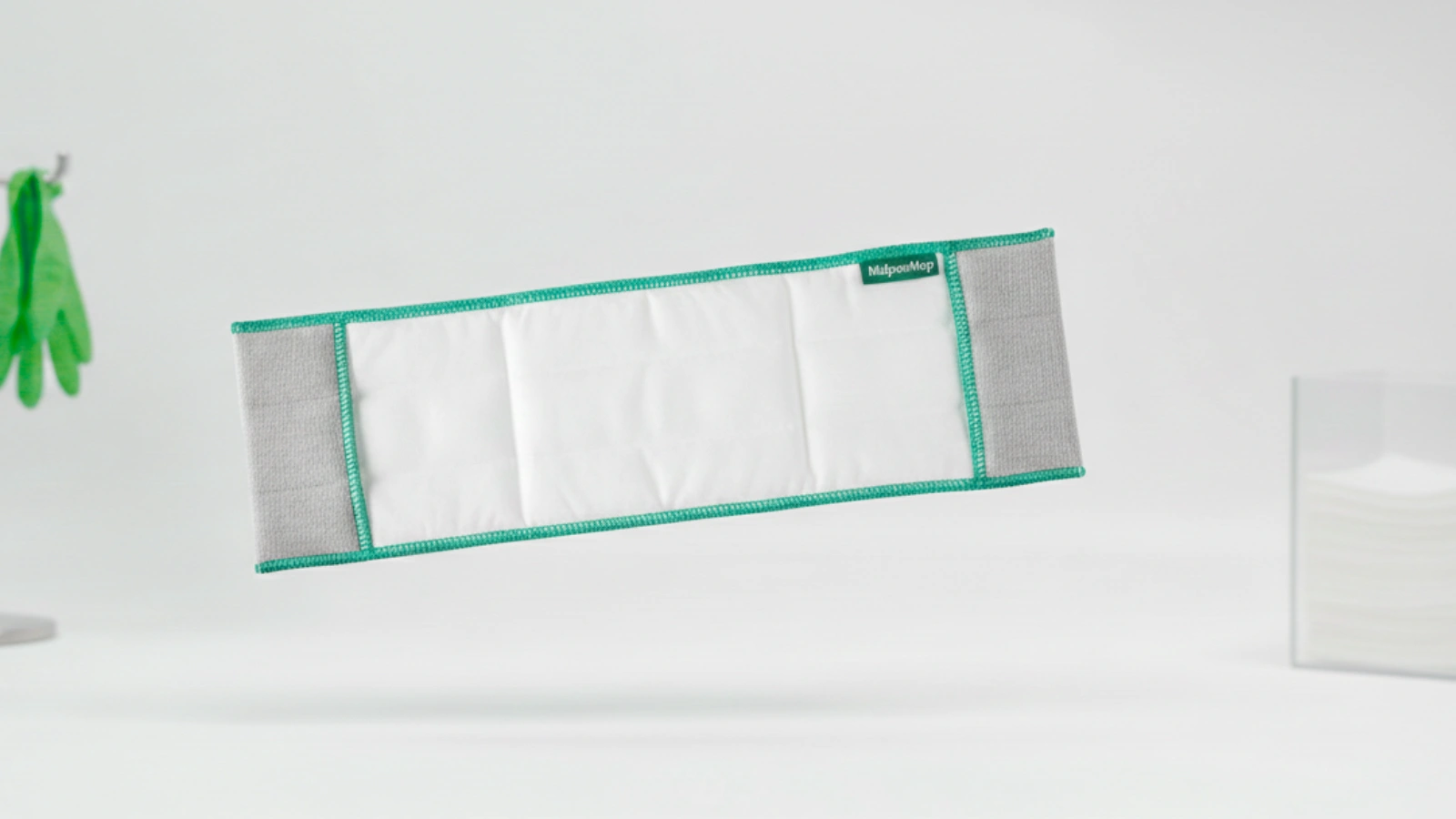
غالبًا ما تخصص برامج C/D ميزانية لأغطية الممسحة - المواد الاستهلاكية - أثناء إعادة استخدام الإطارات والمقابض القديمة أو غير المتطابقة. الإطار البالي الذي لا يثبت الغطاء بشكل مسطح على السطح يقلل من فعالية التنظيف بغض النظر عن جودة الغطاء. تضمين دورات استبدال الأجهزة في تصميم البرنامج.
إن برنامج تنظيف C/D الذي تم تصميمه مرة واحدة ولم تتم مراجعته مطلقًا سوف ينجرف. يجب أن يؤدي دوران المشغلين، والمطهرات الجديدة، وأنماط المرور المتغيرة، واتجاهات المراقبة البيئية إلى مراجعة البرنامج. قم ببناء مراجعة مجدولة - وليس مجرد مراجعة يتم تشغيلها بواسطة التدقيق - في تصميم البرنامج من البداية.
بشكل عام، لا - يتم تصنيف الدرجة C وD على أنها مناطق دعم "نظيفة" بموجب الملحق 1 من ممارسات التصنيع الجيدة للاتحاد الأوروبي، وليست مناطق معقمة. العقم ليس مطلبًا تنظيميًا لأدوات التنظيف المستخدمة في هذه المناطق. تعتبر أغطية الممسحة غير المعقمة قياسية لتطبيقات C/D. يجب تأكيد القرار من خلال تقييم مخاطر مكافحة التلوث في منشأتك. إذا اختارت المنشأة استخدام أغطية الممسحة المعقمة في C/D لتحقيق الاتساق التشغيلي، فيجب توثيق هذا القرار - ولكن يجب الاعتراف به باعتباره اختيارًا للمنشأة، وليس متطلبًا تنظيميًا.
احسب التكلفة الإجمالية لكل حدث تنظيف، وليس تكلفة كل وحدة. للإستخدام مرة واحدة: تكلفة الوحدة لغطاء الممسحة × الأغطية المستخدمة لكل وردية × الورديات في اليوم. للمغسولة: (تكلفة وحدة غطاء الممسحة ÷ العمر الصالح للاستخدام بالدورات) + (تكلفة الغسيل لكل دورة × الدورات لكل وردية × الورديات في اليوم). قم بتضمين التكاليف غير المباشرة: التحقق من الغسيل (للغسيل)، والتخلص من النفايات (للتخلص منها)، وتكلفة حمل المخزون. عادة ما تقع نقطة التعادل التي يصبح فيها الغسيل أرخص من الذي يمكن التخلص منه بين 20 و40 دورة استخدام، اعتمادًا على تكلفة الغسيل. يجب أن تتضمن المرافق التي ليس لديها قدرة غسيل معتمدة، تكلفة بناء تلك القدرة أو التعاقد عليها في التحليل.
على الأقل، ثلاث مجموعات ألوان لمنشأة C/D متعددة الدرجات: واحدة لأرضيات الدرجة C، وواحدة لأرضيات الدرجة D، وواحدة للجدران/الأسقف عبر كلا الدرجتين. إذا كانت المنشأة تحتوي أيضًا على منطقة انتقالية من الدرجة B يتم تنظيفها بواسطة نفس الفريق، فقم بإضافة مجموعة رابعة. المبدأ الأساسي هو أنه لا ينبغي على المشغل أبدًا أن يفكر فيما إذا كانت الممسحة في المنطقة الصحيحة أم لا، فاللون يجب أن يجيب على السؤال. يجب تطبيق الترميز اللوني على أغطية الممسحة، والإطارات، والمقابض (أو على الأقل الأغطية والمقابض) بحيث يمكن التعرف على المجموعة بأكملها بصريًا.
لكل غرفة أو لكل منطقة محددة (على سبيل المثال، 50 م²) هي نقطة بداية مشتركة لكل من C وD. قد تتطلب مناطق الانتقال من الدرجة C التي تغذي الدرجة B تغييرات أكثر تكرارًا - لكل 25–30 م² - لأن التلوث الذي تم إدخاله في C يمكن أن ينتقل إلى مناطق ذات درجة أعلى. يجب أن يعتمد التكرار المحدد على بيانات المراقبة البيئية الخاصة بمنشأتك وأن يتم توثيقه في إجراءات التشغيل القياسية الخاصة بالتنظيف. تجنب "التغيير عندما يكون متسخًا بشكل واضح" باعتباره المعيار الوحيد لمناطق ممارسات التصنيع الجيدة - حدد محفزًا كميًا يمكن للمشغلين اتباعه دون تفسير.
إن استخدام نفس الجرافة والعصارة عبر المناطق C وD يؤدي إلى خطر التلوث المتبادل. إذا كان من الضروري استخدام نظام دلو واحد لكلا الصفين، فقم بتنفيذ تسلسل تنظيف صارم (الدرجة C قبل الدرجة D) وقم بتغيير المحلول المطهر بين الدرجات. النهج المفضل هو مجموعات مخصصة لكل درجة مع تعريف مرمز بالألوان. يجب إدراج الدلاء نفسها في جدول التنظيف والتطهير، وليس فقط أغطية الممسحة.
يتوقع المراجع الذي يراجع تنظيف C/D عادةً ما يلي: تنظيف إجراءات التشغيل القياسية (SOPs) بترددات محددة ومشغلات التغيير، وسجلات التنظيف المكتملة التي توضح التاريخ/المنطقة/المشغل/المطهر، وسجلات تغيير غطاء الممسحة، ووثائق شهادة توثيق البرامج لمنتجات الممسحة المستخدمة، وسجلات تدريب المشغل، وأي تقارير انحراف عن التنظيف مع CAPA المرتبطة. إنهم عمومًا لا يبحثون عن شهادة التشعيع، أو وثائق ضمان العقم، أو بيانات السموم الداخلية للأدوات الخاصة بـ C/D. يجب أن توضح الوثائق أن البرنامج موجود، وأنه يتم اتباعه باستمرار، ويتم مراجعته بشكل دوري - وليس أنه يتطابق مع عمق توثيق المنطقة المعقمة.
سنويًا كمراجعة مجدولة، بالإضافة إلى المراجعات الناجمة عن الحدث عندما: يتم تقديم مطهر جديد، أو تظهر المراقبة البيئية اتجاهًا سلبيًا، أو يتغير تخطيط المنشأة أو أنماط حركة المرور، أو يتم تقديم منتج أو مورد جديد، أو يحدث انحراف متعلق بالتنظيف أو ملاحظة التدقيق. يجب أن تتضمن المراجعة السنوية المقررة ما يلي: مراجعة بيانات المراقبة البيئية للاتجاهات المتعلقة بالتنظيف، وتعليقات المشغل على الأدوات والإجراءات، ومراجعة أداء المورد، وتحليل فعالية التكلفة لتصميم منتج وبرنامج الممسحة الحالي.
سواء كنت تقوم ببناء برنامج C/D لمنشأة جديدة أو إعادة تصميم منشأة موجودة، يمكن لـ MIDPOSI تقديم عينات من المنتجات وتسعير الحجم للبرامج متعددة الدرجات وأوراق البيانات الفنية واستشارات تصميم البرنامج. اطلب عينات للتقييم الداخلي وفقًا لمطهرات وبروتوكولات C/D المحددة الخاصة بك.
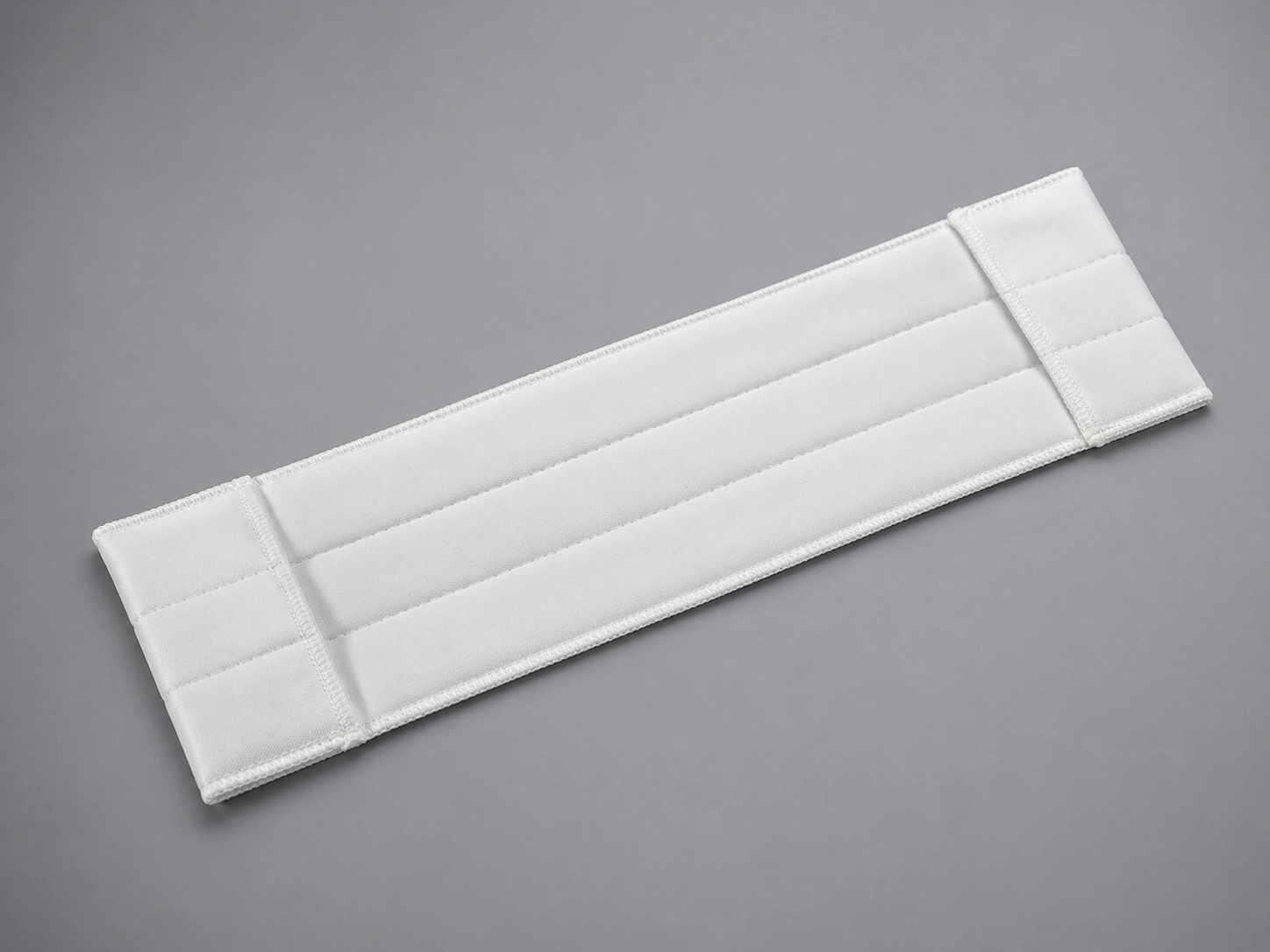
توفر MIDPOSI أغطية ممسحة غير معقمة، وأجهزة من الفولاذ المقاوم للصدأ، ووثائق فنية مناسبة للتقييم في برامج التنظيف من الدرجة C/D. تخطيط الحجم ودعم البرنامج متعدد المواقع متاح عند الطلب.
إخلاء المسؤولية: يوفر هذا الدليل إطارًا عامًا لتصميم برامج أدوات التنظيف من الدرجة C/D ولا يشكل نصيحة تنظيمية أو قانونية. ينبغي تحديد ترددات التنظيف، ومتطلبات التوثيق، ومحفزات تغيير الممسحة، ومعلمات البرنامج من قبل كل منشأة بناءً على تخطيطها المحدد، وأنماط حركة المرور، وبيانات المراقبة البيئية، وتقييم مخاطر مكافحة التلوث، والمتطلبات التنظيمية المعمول بها. لا تدعي MIDPOSI أن اتباع هذا الإطار يلبي جميع المتطلبات التنظيمية لجميع المرافق.