مقدمة
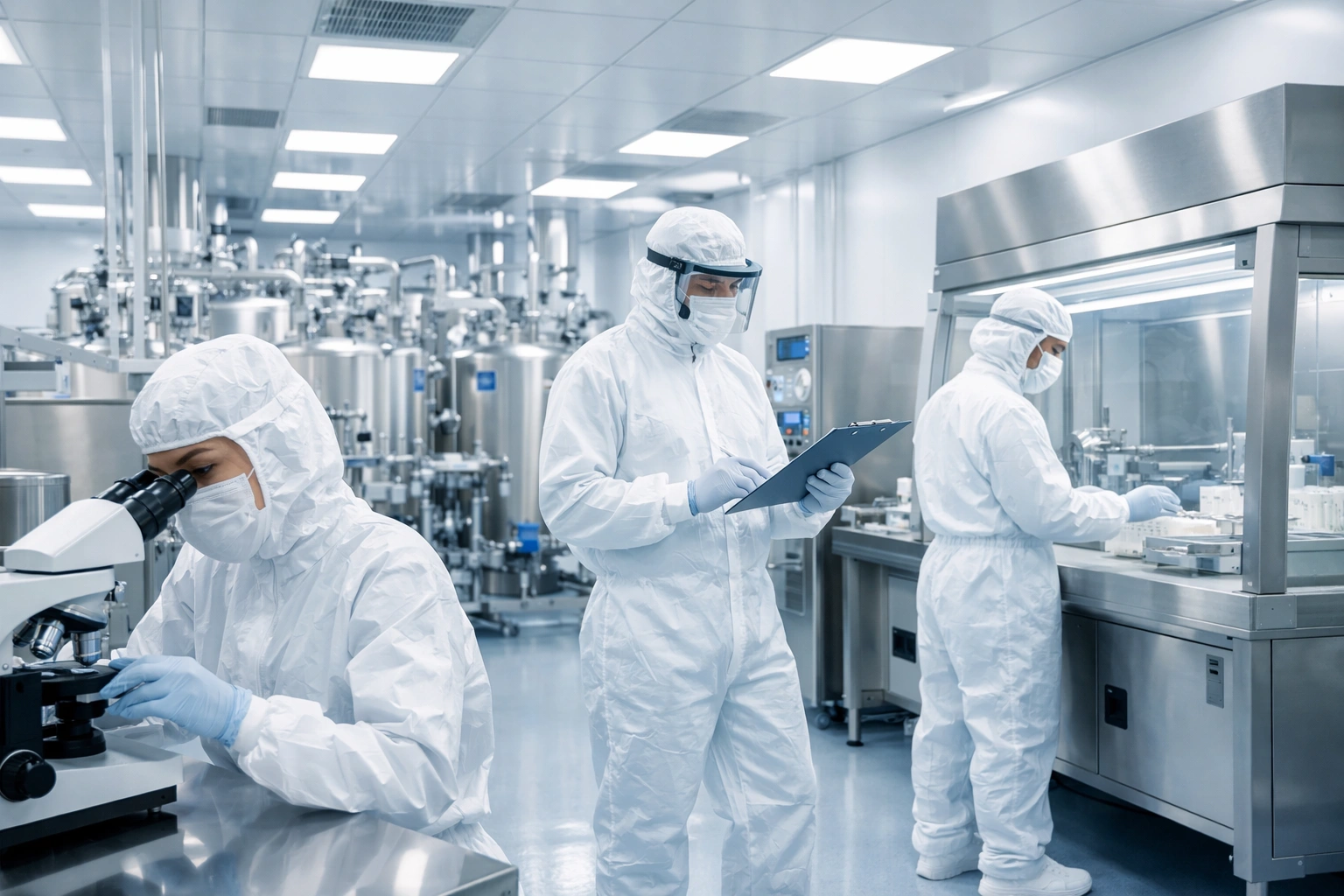
تعد إجراءات ارتداء الملابس في غرف الأبحاث أحد أهم إجراءات مكافحة تلوث الموظفين في صناعة الأدوية. جعل الملحق 1 (مراجعة 2022) توقعات ارتداء الملابس أكثر وضوحًا من خلال اشتراط الحصول على مؤهل رسمي للملابس، والمراقبة المستمرة، وضوابط أكثر صرامة على الدخول إلى بيئات الدرجة الأولى. :contentReference[oaicite:2]{index=2}
تؤكد مقالتك الأصلية بشكل صحيح على أن فشل العباءات يعد من بين أهم مصادر التلوث في عمليات غرف الأبحاث. لا ينبغي لبرنامج الملابس القوي أن يحدد فقط معدات الوقاية الشخصية التي يجب ارتداؤها، بل يجب أيضًا أن يحدد كيفية ارتدائها، وكيفية تأهيل الموظفين، وكيفية مراقبة الامتثال، وكيفية منع التلوث أثناء خلع الملابس. :contentReference[oaicite:3]{index=3}
المتطلبات التنظيمية
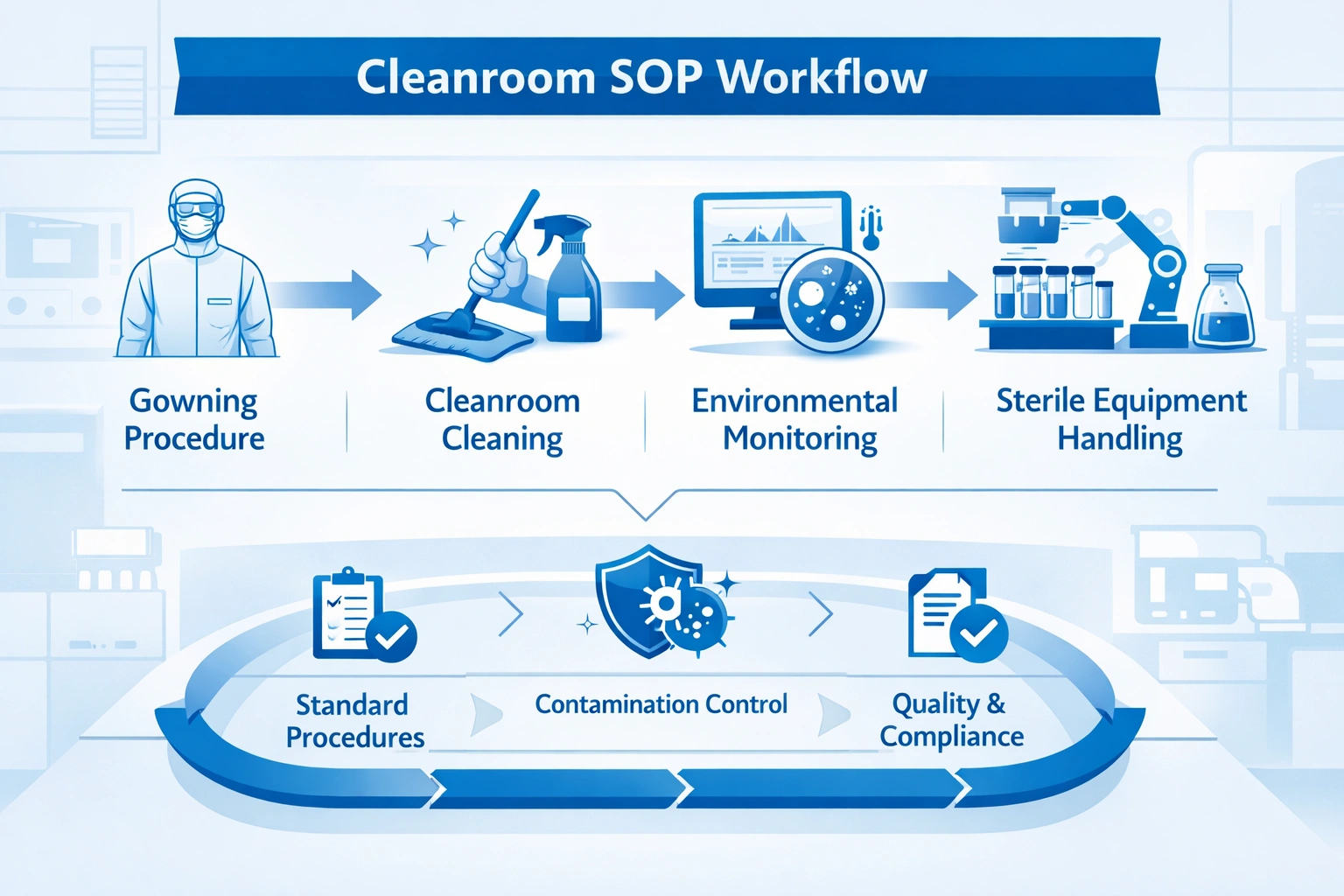
يتوقع الملحق 1 ضوابط ارتداء الملابس الخاصة بالصف ويتطلب أن يكون ارتداء الملابس في مناطق الدرجة "أ" مؤهلاً رسميًا. يجب على الموظفين إثبات قدرتهم على ارتداء الملابس بشكل صحيح ومتكرر دون التسبب في تلوث ميكروبيولوجي غير مقبول. :contentReference[oaicite:4]{index=4}
| درجة | التركيز المطلوب | معنى عملي |
|---|---|---|
| الدرجة أ (آيزو 5) | عباءات معقمة مؤهلة | معدات الوقاية الشخصية المعقمة الكاملة والتأهيل الرسمي قبل الدخول |
| الدرجة ب (آيزو 7) | عباءات كاملة غير معقمة | المعطف وغطاء الرأس والقفازات وأغطية الأحذية مع التحكم البصري |
| الصف ج / د | ملابس الغرفة النظيفة | ملابس غرف الأبحاث الأساسية المناسبة لمخاطر المنطقة |
| جميع الدرجات | التدريب، الإجراءات، المراقبة | مطلوب إجراءات التشغيل الموحدة الموثقة والتدريب ومراجعة الامتثال |
متطلبات ارتداء الملابس حسب الدرجة
الدرجة أ (آيزو 5)
مطلوب معدات الوقاية الشخصية المعقمة
- غطاء منتفخ معقم أو غطاء كامل للشعر
- قناع الوجه المعقم
- نظارات واقية معقمة أو حماية العين
- غطاء محرك السيارة المعقم
- المآزر المعقمة
- قفازات معقمة
- أغطية الأحذية المعقمة / الأحذية الزائدة
هدف السيطرة
- لا يوجد جلد مكشوف
- لا يوجد شعر مكشوف
- لا توجد فجوات في معدات الوقاية الشخصية في الرقبة أو الرسغين أو الكاحلين
- ملائمة بما يكفي للسماح بالحركة دون فتح الحواجز
الدرجة ب (آيزو 7)
تتطلب الدرجة B عادةً عباءات غير معقمة لكامل الجسم بما في ذلك المآزر وغطاء الرأس والقفازات وأغطية الأحذية. ولا يزال هدف المراقبة هو التغطية الكاملة، ولكن توقعات العقم أقل من الدرجة أ.
الدرجة C / D (ISO 8 / 9)
تتطلب الدرجة C وD عمومًا ملابس غرفة نظيفة مناسبة لمخاطر التلوث، مثل غطاء الشعر، ومعطف المختبر أو الرداء، والقفازات، والأحذية المخصصة أو أغطية الأحذية.
خطوات إجراء العباءة
توفر مقالتك الأصلية تسلسلًا قويًا لخطوات الدرجة الأولى. بالنسبة للنشر، أهم شيء هو توضيح المنطق: التحضير أولاً، ثم تغطية الرأس والوجه، ثم تغطية الجسم، ثم القفازات والأحذية، يليها الفحص البصري النهائي. :contentReference[oaicite:5]{index=5}
الخطوة 1: التحضير
قم بإزالة المجوهرات والساعات ومستحضرات التجميل والأغراض الشخصية. قم بغسل اليدين وتجفيفهما جيدًا قبل لمس معدات الوقاية الشخصية.
الخطوة 2: تغطية الرأس
ارتد غطاء الشعر وغطاء الرأس بحيث تتم حماية جميع مناطق الشعر والرقبة دون الكشف عن أي خيوط فضفاضة.
الخطوة 3: حماية العين والوجه
ضع القناع والنظارات الواقية بشكل صحيح حتى يظل الحاجز كاملاً ولا يخلق فجوات مع الغطاء.
الخطوة 4: تغطية الجسم
ارتدي المعاطف ذات المقاس الصحيح. يجب أن يوفر الثوب تغطية كاملة دون أن يكون فضفاضًا جدًا لدرجة أنه يسبب خطرًا أو ضيقًا جدًا لدرجة أنه يتمزق.
الخطوة 5: القفازات
قم بتعقيم اليدين، وارتداء القفازات المعقمة، وتأكد من أن القفاز يتداخل مع طرف الملابس دون أن يكون الجلد مكشوفًا.
الخطوة 6: الأحذية
ارتدِ أغطية الأحذية المعقمة أو فوق الأحذية وتأكد من التغطية الكاملة والملاءمة الآمنة.
الخطوة 7: الفحص النهائي
يتحقق المشرف أو المراجع المدرب من عدم وجود جلد مكشوف، وعدم وجود فجوات في معدات الوقاية الشخصية، ومن الملاءمة الصحيحة قبل الدخول إلى المنطقة.
عباءة المؤهلات
يتطلب الملحق 1 أن يُظهر الموظفون الذين يدخلون بيئات من الدرجة الأولى مؤهلات ناجحة في ارتداء الملابس. تنص مقالتك الأصلية بشكل صحيح على أنه يلزم إجراء 3 اختبارات متتالية بنتائج مقبولة تمامًا قبل أن يتمكن الموظفون من دخول مناطق الدرجة الأولى. :contentReference[oaicite:6]{index=6}
| درجة | نوع الاختبار | عينات | معايير القبول |
|---|---|---|---|
| الدرجة أ (آيزو 5) | تسوية اللوحات | 3 لكل شخص | 0 CFU لكل لوحة |
| الدرجة أ (آيزو 5) | منصات بصمة الإصبع | 5 للشخص الواحد | 0 CFU لكل وسادة |
| الدرجة ب (آيزو 7) | تسوية اللوحات | 3 لكل شخص | ≥ 1 CFU لكل لوحة |
| الدرجة ج (آيزو 8) | تسوية اللوحات | 1 لكل شخص | ≥ 5 CFU لكل لوحة |
| الدرجة د (آيزو 9) | تسوية اللوحات | 1 لكل شخص | ≥ 10 CFU لكل لوحة |
إجراءات نزع العباءة
غالبًا ما يتم التعامل مع إزالة الملابس على أنها نشاط أقل خطورة، لكن مقالتك الأصلية توضح بشكل صحيح أنه يمكن أن يصبح حدثًا للتلوث المتبادل إذا تمت إزالة معدات الوقاية الشخصية بشكل غير صحيح. المبدأ الأساسي هو الإزالة الخاضعة للتحكم من الداخل إلى الخارج، مع فصل النفايات وغسل اليدين في النهاية. :contentReference[oaicite:7]{index=7}
تسلسل أفضل الممارسات
- الخروج إلى منطقة إزالة العباءة المخصصة
- قم بإزالة أغطية الأحذية
- قم بإزالة القفازات
- قم بإزالة المعطف من الداخل إلى الخارج
- إزالة غطاء محرك السيارة وغطاء الشعر من الداخل إلى الخارج
- أداء غسل اليدين
لماذا يفشل نزع العباءة
- لمس الوجه أو الجلد المكشوف أثناء الإزالة
- التعامل غير السليم مع النفايات
- إزالة معدات الوقاية الشخصية بالترتيب الخاطئ
- شد الملابس بطريقة تؤدي إلى انتشار التلوث
مراقبة اللبس
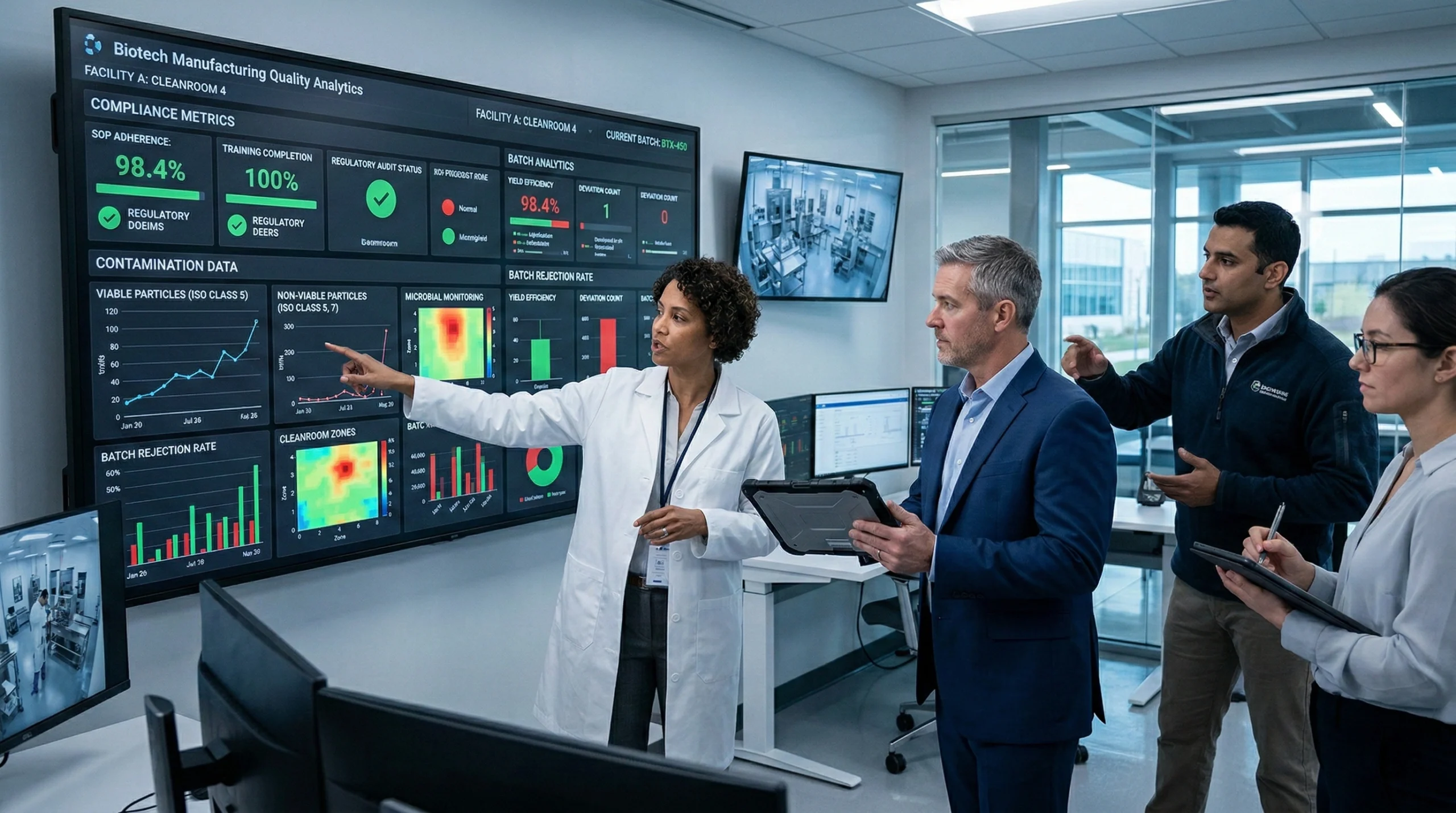
يتطلب نظام العباءات المتوافق أكثر من التدريب الأولي. وهو يتطلب مراقبة بصرية مستمرة واختبارات ميكروبيولوجية دورية وإعادة تأهيل سنوية. يعد هذا واحدًا من أقوى أقسام الامتثال في مقالتك الأصلية ويجب أن يظل محوريًا في النسخة المنشورة. :contentReference[oaicite:8]{index=8}
| نقطة الرصد | تكرار | توقع |
|---|---|---|
| تغطية الشعر | كل دخول | لا يوجد شعر مكشوف |
| الملاءمة والفجوات | كل دخول | لا توجد فتحات مرئية |
| الدموع / الضرر | كل دخول | لا ضرر لمعدات الوقاية الشخصية |
| سلامة القفازات | كل دخول | لا دموع أو ثقوب |
| الاختبارات الميكروبيولوجية | دورية / ربع سنوية | ضمن معايير خاصة بالمنطقة |
| إعادة التأهيل | سنويا | الحالية والموافقة عليها |
القضايا المشتركة & العلاج
تحدد مقالتك الأصلية بوضوح أكثر حالات فشل الملابس شيوعًا: التعرض للشعر، والفجوات في معدات الوقاية الشخصية، والقفازات الممزقة، ومعدات الوقاية الشخصية الملوثة، وضعف اللياقة البدنية. هذه هي بالضبط أنواع المشكلات التي يجب أن تؤدي إلى إعادة التدريب، ومراجعة الحجم، والإشراف الأكثر صرامة. :contentReference[oaicite:9]{index=9}
| مشكلة | السبب الجذري النموذجي | العلاج الموصى به |
|---|---|---|
| الشعر مكشوف | غطاء الشعر أو وضع غطاء محرك السيارة غير صحيح | إعادة التدريب والتحقق من المشرف |
| فجوات معدات الوقاية الشخصية | حجم خاطئ أو تناسب سيئة | إعادة حجم الملابس وتكرار التحقق من الملاءمة |
| قفازات ممزقة | حجم القفاز خاطئ أو ممارسة التعامل الضعيفة | استبدل القفازات وأعد التدريب على التقنية |
| معدات الوقاية الشخصية الملوثة | إعادة استخدام العناصر ذات الاستخدام الواحد أو سوء التخزين | فرض سياسة الاستخدام الفردي والتحكم في التخزين |
| الفشل الميكروبيولوجي | التلوث بالتقنية أو البيئة | مراجعة السبب الجذري، وإعادة التدريب، وإعادة التأهيل |
هل تحتاج إلى مساعدة في بناء نظام عباءة الملحق 1؟
احصل على إرشادات عملية بشأن هيكل إجراءات التشغيل القياسية (SOP) وتصميم المؤهلات ومراقبة الامتثال وتقليل مخاطر التلوث في البيئات الخاضعة للرقابة.
- الملحق 1 - إرشادات سير عمل العباءات المتوافقة
- منطق التأهيل وإعادة التدريب
- تحسين الرصد والجاهزية للتدقيق
أسئلة مكررة
ما هي مدة صلاحية تأهيل العباءات؟
عادةً ما يكون التأهيل الأولي صالحًا لمدة عام واحد، مع إعادة التأهيل السنوية المطلوبة بموجب الملحق 1. وقد يتم إجراء إعادة التأهيل المبكر بسبب تغيير الإجراء، أو أحداث التلوث، أو غياب الموظفين لفترة طويلة.
هل يمكن إعادة استخدام معدات الوقاية الشخصية المعقمة؟
لا، ينبغي التعامل مع معدات الوقاية الشخصية المعقمة من الدرجة الأولى على أنها تُستخدم لمرة واحدة لحماية ضمان العقم وتقليل مخاطر التلوث المتبادل.
ماذا يحدث إذا فشل الموظفون في تأهيل العباءات؟
يجب إعادة تدريب الموظفين ومراجعة السبب الجذري وإعادة اختباره. يجب ألا يدخلوا مناطق الدرجة الأولى حتى يتم إكمال التأهيل بنجاح.
كيف أختار حجم معدات الوقاية الشخصية الصحيح؟
يجب اختيار الحجم لضمان التغطية الكاملة بدون تمزقات أو ارتخاء مفرط أو فجوات متعلقة بالحركة. التحقق الأولي من الملاءمة ضروري.
هل يمكنني ارتداء المجوهرات أو مستحضرات التجميل في غرف الأبحاث؟
لا. تعد المجوهرات ومستحضرات التجميل والأغراض الشخصية من مصادر التلوث الرئيسية ويجب عدم أخذها إلى مناطق غرف الأبحاث الخاضعة للرقابة.
كيف يمكنني مراقبة الامتثال للعباءات؟
استخدم الفحص البصري عند كل إدخال، والاختبارات الميكروبيولوجية الدورية، وإعادة التأهيل السنوي، ومراجعة اتجاهات المراقبة البيئية حيثما كان ذلك مناسبًا.
الروابط الداخلية الموصى بها
- كيفية الاستعداد لتدقيق غرف الأبحاث GMP - للسجلات الرسمية، وأدلة الامتثال، وإعداد التدقيق
- مواقع المراقبة البيئية في غرف الأبحاث GMP - لمراقبة فعالية العباءات ومراقبة الأفراد
- مماسح غرف الأبحاث المعقمة للمعالجة المعقمة - للمواد الاستهلاكية المعقمة المستخدمة في بيئات الدرجة الأولى
- أفضل ممارسات صيانة غرف الأبحاث - للحفاظ على غرف الملابس ومناطق التغيير الخاضعة للرقابة
- تنظيف الغرف النظيفة والتعقيم SOP - لربط العباءات بسير العمل الأوسع لمكافحة التلوث