
مقدمة
صيانة غرف الأبحاث هي أساس مكافحة التلوث. حتى غرف الأبحاث الأكثر تصميمًا ستفشل في الحفاظ على المواصفات دون إجراءات صيانة متسقة وموثقة. يمكن إرجاع العديد من أحداث التلوث إلى فجوات الصيانة بدلاً من فشل التصميم.
تقوم مقالتك الأصلية بتأطير الصيانة بشكل صحيح كبرنامج قائم على المخاطر مرتبط بالمهام اليومية والأسبوعية والشهرية والربع سنوية، مع سلامة HEPA، وفرق الضغط، وتدفق الهواء، ونظافة السطح، والوثائق كنقاط تحكم أساسية. :contentReference[oaicite:2]{index=2}
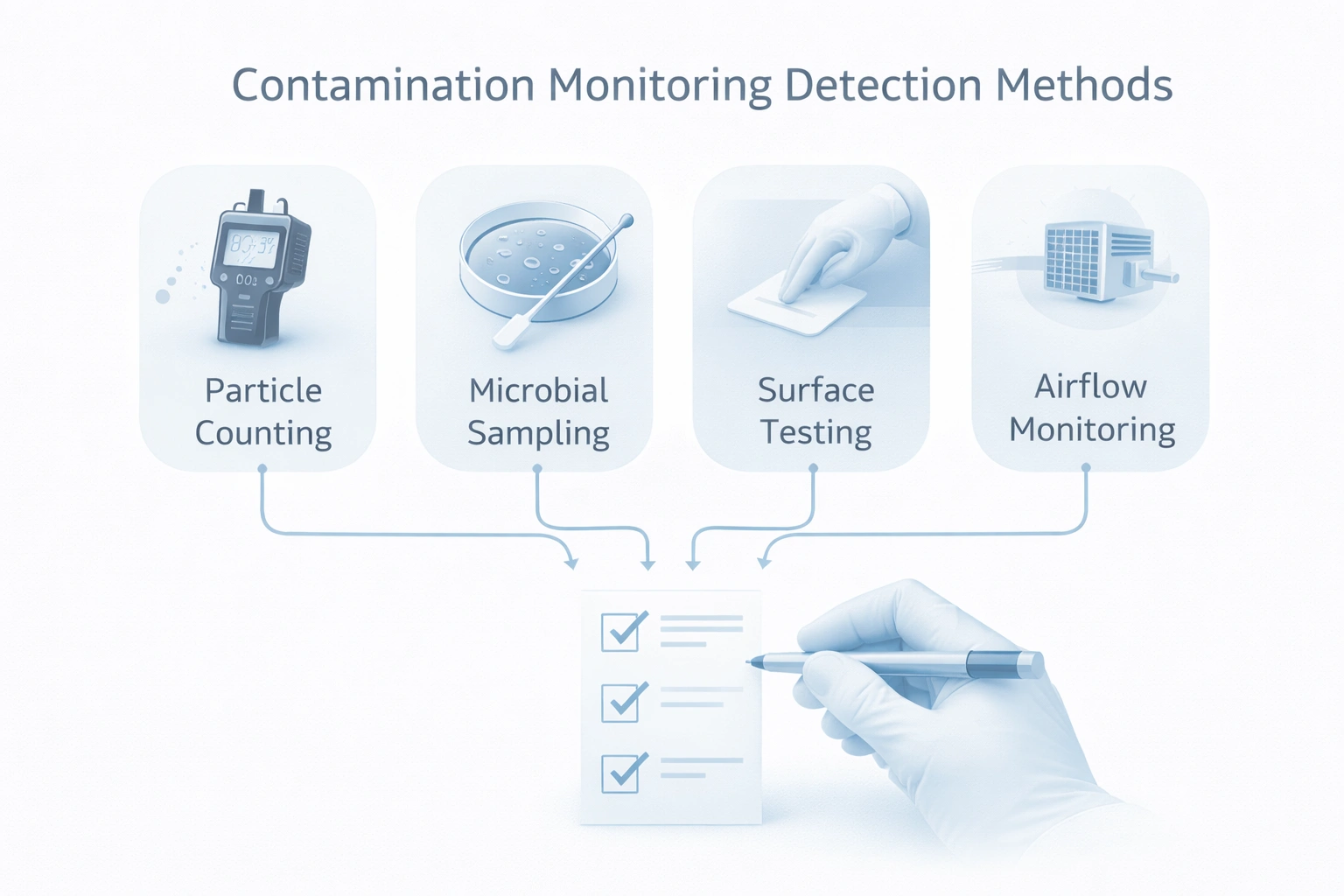
إطار برنامج الصيانة
أحد أقوى أجزاء مقالتك الأصلية هو مصفوفة صيانة MIDPOSI. فهو يعين أنشطة الصيانة لنقاط خطر التلوث ويعين التردد وتوقعات مؤشرات الأداء الرئيسية. وهذا أقوى بكثير من التعامل مع الصيانة كقائمة مرجعية عامة لأنه يربط الجهود مباشرة بمخاطر التلوث. :contentReference[oaicite:3]{index=3}
| متري | هدف | لماذا يهم |
|---|---|---|
| الانتهاء من الصيانة المجدولة | 100% | يظهر الانضباط والتحكم في البرنامج |
| الامتثال للصيانة الوقائية | 100% | يقلل من حالات الفشل في حالات الطوارئ |
| أحداث الصيانة الطارئة | < 5/سنة | يشير إلى نضج البرنامج الوقائي |
| وثائق الصيانة | 100% | أمر بالغ الأهمية لـ GMP والدفاع عن التدقيق |
| التوقف | < 2% | يعكس الكفاءة التشغيلية |
| تكلفة الصيانة مقابل الميزانية | ≥105% | يدعم العمليات المستدامة |
إجراءات الصيانة اليومية
يجب أن تركز الصيانة اليومية على ظروف التشغيل الأكثر حساسية: النظافة المرئية، وفرق الضغط، والحالة البيئية، ووظيفة المعدات الفورية. هذا هو المكان الذي يتم فيه ملاحظة الانحراف أولاً.
ينبغي أن تشمل الشيكات اليومية
- الفحص البصري للجدران والأسقف والأرضيات والنوافذ والأبواب والحشيات
- التحقق من الضغط التفاضلي
- تأكيد درجة الحرارة والرطوبة
- عدد الجسيمات أو مراجعة الحالة البيئية حيثما ينطبق ذلك
- حالة سطح المعدات وفحص الوظيفة الأساسية
إشارات فشل الصيانة اليومية
- فرق الضغط خارج النطاق
- بقايا مرئية أو تلف على الأسطح
- تدهور الحشية
- زيادة غير متوقعة في الجسيمات
- تدفق الهواء غير المبرر أو تغييرات المعدات
يجب أن تتحقق الصيانة اليومية أيضًا من اكتمال مهام تنظيف الأسطح. ومن الناحية العملية، يرتبط هذا مباشرة بحسابك تنظيف الغرف النظيفة والتعقيم SOP.
إجراءات الصيانة الأسبوعية
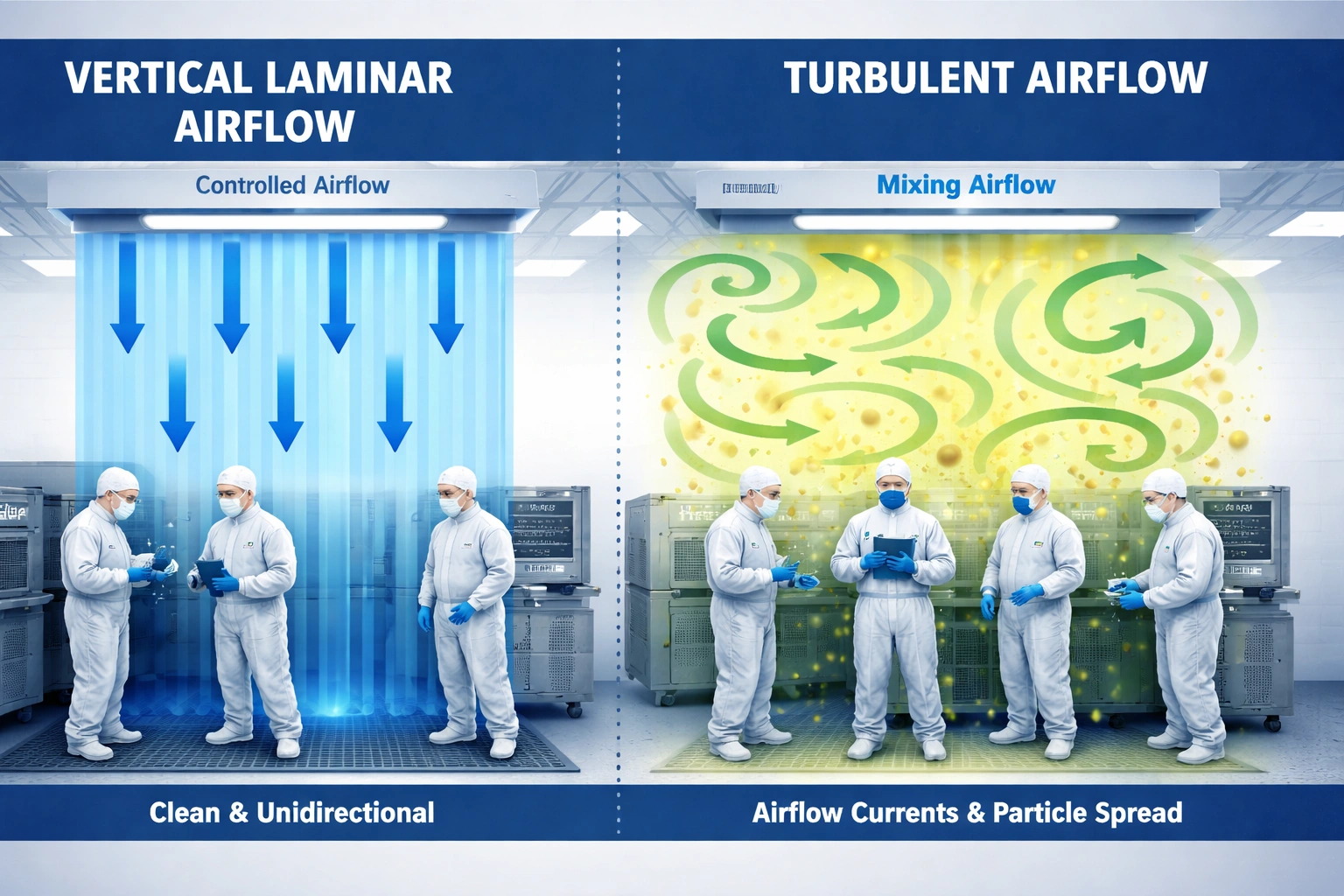
يجب أن تركز الصيانة الأسبوعية على الأنظمة التي تحافظ على ظروف مستقرة مع مرور الوقت: فحص حالة HEPA، ومراجعة اتجاه الضغط التفاضلي، وتوحيد تدفق الهواء، وسلامة الحشية، وتصور تدفق الهواء عند الحاجة.
| مهمة أسبوعية | غاية | نقطة القبول النموذجية |
|---|---|---|
| فحص مرشح HEPA | اكتشاف الأضرار المرئية أو مشكلات التحميل | لا ضرر، لا حالة غير طبيعية |
| التحقق من الضغط التفاضلي | حماية سلامة سلسلة الغرفة | ضمن النطاق المعتمد |
| فحص توحيد تدفق الهواء | كشف الانحراف في أداء العرض | ضمن حد الاختلاف المحدد |
| فحص الحشية والختم | منع التسرب وفقدان الضغط | لا يوجد تسرب أو تدهور |
| مراجعة تصور تدفق الهواء | كشف الاضطراب أو تدفق ماس كهربائى | الحفاظ على سلوك التدفق المتوقع |
إجراءات الصيانة الشهرية
يجب أن تتجاوز الصيانة الشهرية الملاحظة إلى التحقق. يتضمن ذلك اختبار سلامة HEPA، والتحقق من الجسيمات، ومراجعة المعايرة، وتقييم حالة المرشح على نطاق أوسع.
اختبار سلامة HEPA
استخدم طريقة معتمدة لاختبار التسرب وتأكد من أن التسرب لا يزال أقل من حد القبول.
التحقق من عدد الجسيمات
تأكد من أن أداء الغرفة يظل متوافقًا مع فئة ISO أو الهدف التشغيلي الداخلي.
التحقق من المعايرة
تأكد من أن عدادات الجسيمات، وأجهزة قياس تدفق الهواء، وأجهزة استشعار الضغط، وأجهزة استشعار درجة الحرارة، وأجهزة استشعار الرطوبة تظل محدثة ويمكن التحكم فيها.
مراجعة حالة الفلتر
استخدم اتجاه الضغط والتقييم المرئي لتحديد ما إذا كان ينبغي البدء في تخطيط الاستبدال.
إجراءات الصيانة ربع السنوية
الصيانة ربع السنوية هي الوقت المناسب لمراجعة النظام على نطاق أوسع: حالة وحدة معالجة الهواء، ومجاري الهواء، والوحدات الطرفية، وأدوات التحكم، وتكامل نظام إدارة المباني، وتخطيط الاستبدال، وأنشطة دعم إعادة التأهيل.
| التركيز ربع السنوي | لماذا يهم |
|---|---|
| فحص شامل للنظام | التحقق من التدهور الخفي عبر أنظمة التدفئة والتهوية وتكييف الهواء ودعم الغرف |
| تخطيط استبدال HEPA | يمنع الاستبدال التفاعلي بعد الانجراف الكبير |
| دعم إعادة تأهيل النظام | يربط حالة الصيانة بالحالة المؤهلة المستمرة |
| مراجعة مؤشرات الأداء الرئيسية للصيانة | يوضح ما إذا كان برنامج الصيانة يعمل بالفعل |
وهذه أيضًا هي النقطة التي يجب أن ترتبط بها الصيانة منطق التأهيل IQ / OQ / PQ, because maintenance drift and qualification drift are often linked.
صيانة نظام التدفئة والتهوية وتكييف الهواء (HVAC).
يعد أداء التدفئة والتهوية وتكييف الهواء (HVAC) أحد أقوى المؤشرات لاستقرار غرف الأبحاث. إذا انحرف تدفق الهواء أو الترشيح أو الضغط أو أجهزة التحكم، فإن خطر التلوث يزداد حتى لو ظل تنظيف السطح ثابتًا.
| مكون النظام | مهمة | تكرار | معايير القبول |
|---|---|---|---|
| أهو | فحص الفلتر / مراجعة الاستبدال | شهريا | لا يوجد ضرر واضح، انخفاض مقبول في الضغط |
| أهو | تنظيف لفائف | ربع سنوية | لا تراكم الحطام، وتدفق الهواء غير المقيد |
| مروحة / محرك | فحص الحزام والتشحيم | شهرية / ربع سنوية | التشغيلية وضمن مواصفات الصيانة |
| مرشحات هيبا | اختبار النزاهة | شهرية أو على أساس المخاطر | تسرب أقل من حد القبول |
| الضوابط / أجهزة الاستشعار | معايرة & التحقق من نقطة الضبط | شهرية / ربع سنوية | ضمن النطاق المعتمد وحالة المعايرة الحالية |
صيانة السطح
صيانة السطح ليست مجرد تكرار التنظيف. ويتضمن التحقق من أن طريقة التنظيف والمواد والكيمياء والتنفيذ تحافظ فعليًا على الأسطح ضمن حالة تلوث مقبولة.
أولويات صيانة السطح
- الأرضيات في المناطق ذات الحركة المرورية العالية
- الجدران والزوايا عرضة لعدم التنظيف
- أسطح المعدات ومحطات العمل
- مناطق اللبس ونقاط المرور
طرق التحقق من الصحة
- التفتيش البصري
- التحقق من عدد الجسيمات
- مراقبة قابلة للتطبيق حيثما ينطبق ذلك
- مراجعة الاتجاه عبر سجلات التنظيف الروتينية
يجب أن يرتبط هذا القسم ارتباطًا وثيقًا بملفك مماسح غرف الأبحاث المعقمة للمعالجة المعقمة و تنظيف الغرف النظيفة والتعقيم SOP, because maintenance effectiveness depends heavily on the mop system, chemistry, and execution standard.
التوثيق & السجلات
الصيانة التي لم يتم توثيقها لا يمكن الدفاع عنها. يجب أن تكون السجلات اليومية وعمليات التفتيش الأسبوعية وسجلات التحقق الشهرية وشهادات المعايرة وتقارير الانحراف وسجلات CAPA كاملة وحديثة وقابلة للمراجعة.
| نوع السجل | الاحتفاظ النموذجي | لماذا يهم |
|---|---|---|
| سجلات الصيانة اليومية | 2+ سنوات | يدعم أدلة التحكم الروتينية |
| سجلات الصيانة الأسبوعية / الشهرية | 3-5+ سنوات | يظهر انضباط الصيانة الوقائية |
| تصفية سجلات الاختبار | 5+ سنوات | أمر بالغ الأهمية لتاريخ سلامة HEPA |
| شهادات المعايرة | 5+ سنوات | يدعم صحة كافة القيم المقاسة |
| الانحراف / سجلات CAPA | 5+ سنوات | يظهر نضج التحقيق والتصحيح |
هل تحتاج إلى مساعدة في تعزيز التحكم في صيانة غرف الأبحاث؟
احصل على إرشادات عملية بشأن هيكل الصيانة، وفحوصات سلامة HEPA، والتحكم في السطح، وأنظمة التوثيق، وسير عمل منع التلوث التي يسهل إدارتها والدفاع عنها.
- دعم تصميم مصفوفة الصيانة
- إرشادات سير عمل تنظيف الأسطح
- التوثيق وتحسين الاستعداد للتدقيق
أسئلة مكررة
كم مرة يجب اختبار مرشحات HEPA للتأكد من سلامتها؟
يعتمد تكرار اختبار التكامل على مدى أهمية الغرفة ومعايير الموقع، ولكن الفترات الشهرية أو القائمة على المخاطر شائعة في البيئات عالية الجودة، مع إجراء اختبارات إضافية بعد الصيانة أو التعديلات.
ما هو الجدول الزمني الموصى به لاستبدال فلتر HEPA؟
يجب أن يعتمد الاستبدال على اتجاه انخفاض الضغط، أو عمر الخدمة، أو فشل اختبار السلامة، أو أحداث التلوث، أو الأضرار المادية - وليس على استبدال التقويم التعسفي وحده.
كيف يمكنني التحقق من فعالية الصيانة؟
استخدم المراقبة البيئية، والفحص البصري، والتحقق من تدفق الهواء والضغط، واختبار سلامة المرشح، ومراجعة اتجاه مؤشرات الأداء الرئيسية للتأكد من عمل برنامج الصيانة.
ما هي الوثائق المطلوبة لصيانة غرف الأبحاث؟
كحد أدنى: سجلات الصيانة المجدولة، وسجلات الاختبار، وحالة المعايرة، والانحرافات، والإجراءات التصحيحية، وأدلة المراجعة والموافقة.
كيف أوازن بين الصيانة الوقائية ومتطلبات الإنتاج؟
قم بتخطيط الصيانة أثناء فترة التوقف حيثما أمكن ذلك، وتسلسل العمل حسب أهمية المنطقة، والتنسيق مع الإنتاج، واستخدام المؤشرات التنبؤية لتجنب التدخل في حالات الطوارئ التخريبية.
ما هي الأعطال الأكثر شيوعاً في صيانة غرف الأبحاث؟
تشمل حالات الفشل الشائعة فقدان فحوصات سلامة HEPA، وانحراف الضغط غير الخاضع للمراقبة، وتدهور الحشية، والمعايرة المتأخرة، والوثائق غير الكاملة.