
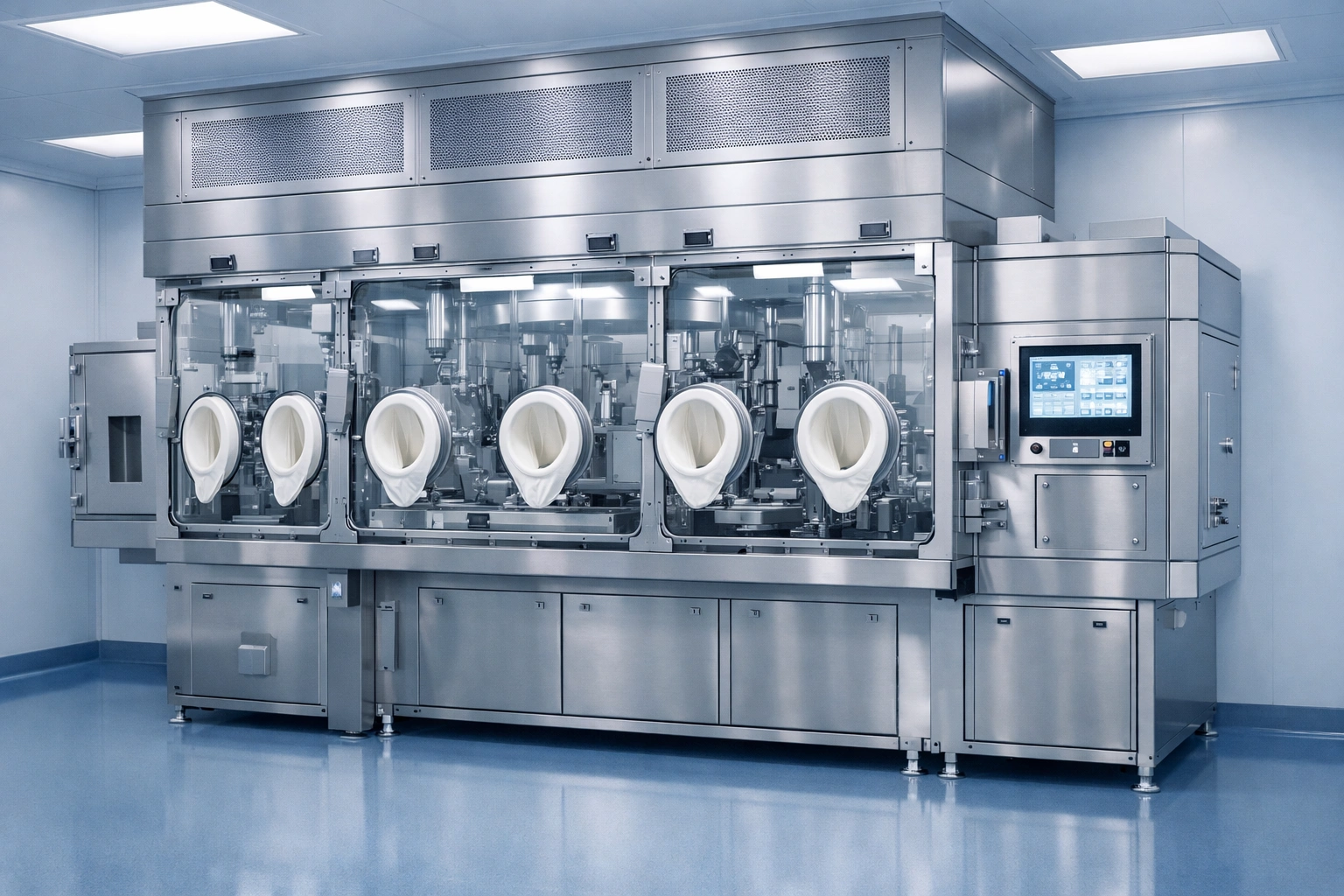
In the highly regulated pharmaceutical manufacturing industry, microbial contamination control is not merely a quality consideration—it's a fundamental requirement for ensuring patient safety and regulatory compliance. Isolator systems represent the pinnacle of contamination control technology, providing a physical barrier between sensitive pharmaceutical products and potential sources of contamination.
This comprehensive guide, based on industry best practices and technical expertise, provides process engineers and technical specialists with the knowledge needed to implement robust microbial contamination control protocols for isolator systems.
فهم تكنولوجيا نظام المعزل
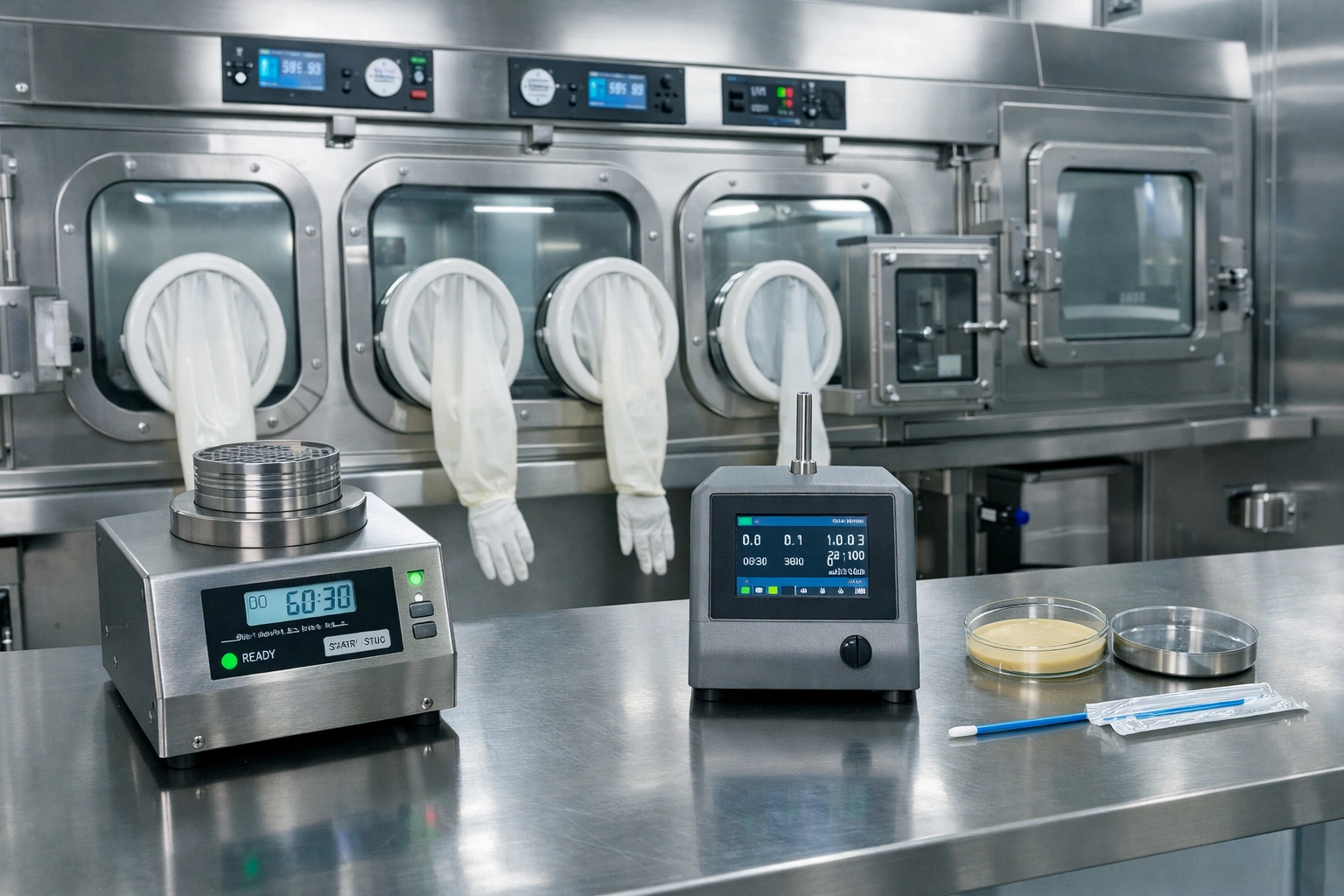
Isolator systems are engineered containment barriers designed to maintain sterility by creating physical separation between the product and the external environment. These systems incorporate advanced filtration, pressure control, and decontamination technologies to ensure aseptic conditions.
Core Technical Specifications
- HEPA/ULPA Filtration: 99.97% efficiency at 0.3µm particle size
- Pressure Control: Positive differential pressure ≥15 Pa
- Glove Port Integration: Ergonomic design for operator interaction
- Decontamination Systems: القدرة على VHP أو الأشعة فوق البنفسجية أو البخار في المكان
أنواع أنظمة العوازل الدوائية
العوازل المغلقة
Completely sealed systems with material transfer through sterilized containers. Ideal for potent compounds requiring maximum containment and zero operator exposure risk.
العوازل المفتوحة
التفاعل المباشر للمشغل عبر منافذ القفازات، مما يوفر المرونة لعمليات التصنيع المعقدة مع الحفاظ على سلامة التحكم في التلوث.
أنظمة RABS
Restricted Access Barrier Systems offering enhanced protection over traditional cleanrooms, providing a cost-effective solution for many pharmaceutical applications.
بروتوكولات المراقبة البيئية
تعد المراقبة البيئية الفعالة أمرًا بالغ الأهمية للحفاظ على سلامة أنظمة العزل وضمان الامتثال لمعايير الجودة الصيدلانية.
متطلبات الرصد والتردد
| المعلمة | طريقة | تكرار | معايير القبول |
|---|---|---|---|
| عدد قابل للحياة الهواء | التأثير النشط | أسبوعي | ≥1 CFU/m³ (الدرجة أ) |
| عدد الجسيمات | المراقبة المستمرة | في الوقت الحالى | حدود فئة ISO 5 |
| التلوث السطحي | مسحة / لوحات الاتصال | أسبوعي | ≥5 وحدة تشكيل مستعمرة/100 سم² |
الاتجاهات المستقبلية في تكنولوجيا المعزل
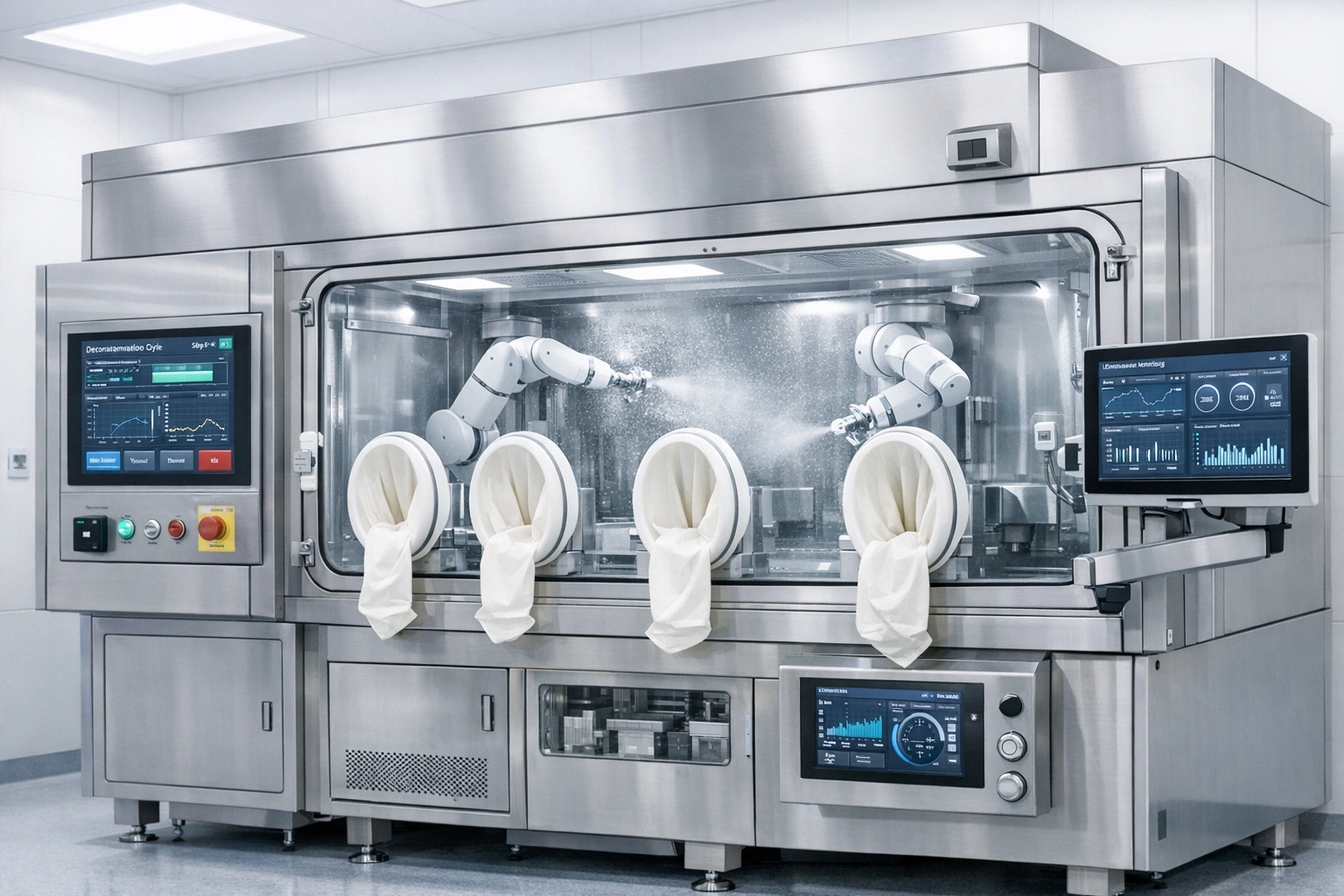
أنظمة المراقبة والأتمتة المتقدمة
The future of isolator technology lies in integration with IoT sensors, machine learning algorithms, and robotic automation. These innovations enable real-time contamination detection, predictive maintenance, and automated response protocols.
تكنولوجيا الاستشعار الذكية
- المراقبة المستمرة لجودة الهواء
- الكشف الميكروبي في الوقت الحقيقي
- تتبع الضغط ودرجة الحرارة
الأنظمة الآلية
- التعامل مع المواد الروبوتية
- دورات التطهير الآلي
- مراقبة الجودة المعتمدة على الذكاء الاصطناعي
اعتبارات التنفيذ للأنظمة المتقدمة
When implementing advanced isolator technology, pharmaceutical manufacturers should consider validation requirements, data integration capabilities, and change management strategies to ensure successful deployment and regulatory compliance.
استراتيجية الخلاصة والتنفيذ
Implementing effective microbial contamination control SOPs for isolator systems requires a comprehensive approach that integrates technical expertise, regulatory compliance, and operational excellence. The success of these systems depends on proper design, rigorous monitoring, and continuous improvement.
خطوات التنفيذ الرئيسية
- تصميم النظام واختياره: اختر نوع العازل المناسب بناءً على متطلبات المنتج واحتياجات الاحتواء
- توثيق التحقق: أكمل بروتوكولات التحقق من صحة IQ وOQ وPQ
- تطوير إجراءات التشغيل القياسية: إنشاء إجراءات تشغيل شاملة لجميع الموظفين
- التدريب والشهادة: تأكد من تدريب جميع المشغلين واعتمادهم بشكل صحيح
- المراقبة المستمرة: تنفيذ المراقبة البيئية المستمرة وتحليل الاتجاهات