لقد تحولت الاعتبارات البيئية في شراء المواد الاستهلاكية في غرف الأبحاث من اهتمام متخصص إلى قضية حوكمة سائدة. تواجه الآن شركات الأدوية والتكنولوجيا الحيوية المدرجة في الاتحاد الأوروبي أو التي تقدم طلباتها لدى هيئة الأوراق المالية والبورصة (SEC) متطلبات الإفصاح التنظيمي بموجب CSRD والقواعد المناخية المقترحة من هيئة الأوراق المالية والبورصات (SEC) - وتقع المواد الاستهلاكية في غرف الأبحاث، بما في ذلك المماسح والمناديل المبللة والملابس، ضمن حدود الإبلاغ عن النطاق 3 (الانبعاثات غير المباشرة). بالنسبة لمديري المشتريات ومسؤولي ضمان الجودة، لم يعد السؤال هو ما إذا كانت الاستدامة مهمة، ولكن كيفية تقييمها دون المساس بمكافحة التلوث أو الامتثال لممارسات التصنيع الجيدة.
ثلاثة ضغوط متقاربة تجعل هذا الموضوع ملحًا لفرق عمليات غرف الأبحاث:
لا تدعي هذه المقالة أن أحد أنواع ممسحات غرف الأبحاث هو "أكثر خضرة" عالميًا من الآخر. يعتمد الملف البيئي لبرنامج ممسحة غرف الأبحاث على المتغيرات الخاصة بالمنشأة: حجم الاستهلاك، وملف التلوث، والبنية التحتية لغسيل الملابس، ولوائح النفايات المحلية، ودرجات غرف الأبحاث التي يتم تقديمها. ما يلي هو إطار عمل لإجراء تقييم مستنير - وليس نتيجة معدة مسبقًا. للحصول على نظرة عامة شاملة عن فئة المنتج، راجع نظرة عامة على نظام ممسحة غرف الأبحاث.
السؤال الأكثر شيوعًا الذي يطرحه مديرو الاستدامة حول ممسحات غرف الأبحاث هو: "أيهما أفضل للبيئة - للاستعمال مرة واحدة أم يمكن إعادة استخدامه؟" الجواب الصادق هو أن أيا منهما ليس أفضل بشكل قاطع. ينقل كل خيار العبء البيئي إلى مرحلة مختلفة من دورة الحياة. تركز المماسح التي تستخدم لمرة واحدة التأثير على استهلاك المواد الخام وتوليد النفايات الصلبة. تركز المماسح القابلة لإعادة الاستخدام التأثير على استخدام المياه والمواد الكيميائية للغسيل وطاقة التعقيم. إن تقييم كل منشأة على حدة هو النهج الصحيح الوحيد.
ويقدم الجدول أدناه مقارنة عاملاً بعامل. هذه ليست بطاقة أداء تنتج "فائزًا" واحدًا - إنها أداة لتحديد العوامل الأكثر أهمية في السياق المحدد لمنشأتك. للتعرف على العوامل التشغيلية التي تتجاوز التأثير البيئي، راجع دليل قرار ممسحة غرف الأبحاث التي يمكن التخلص منها مقابل القابلة لإعادة الاستخدام.
| العامل البيئي | مماسح غرف الأبحاث القابل للتصرف | مماسح غرف الأبحاث القابلة لإعادة الاستخدام | السياق الرئيسي (ليس أي منهما أفضل بطبيعته) |
|---|---|---|---|
| استهلاك المواد الخام لكل دورة استخدام | أعلى نسبيًا - يتم استهلاك مواد جديدة مع كل استخدام؛ تستهلك المنشأة التي تتخلص من 500 رأس ممسحة أسبوعيًا 500 وحدة من المواد الخام أسبوعيًا. | دورة أقل نسبيًا لكل استخدام - يستخدم رأس الممسحة القابل لإعادة الاستخدام 75 مرة لإطفاء مدخلات المواد الخام عبر 75 حدث تنظيف. | يعتمد على عدد دورات إعادة الاستخدام. الممسحة القابلة لإعادة الاستخدام والتي تفشل بعد 10 دورات لها نسبة استهلاك منخفضة. تعمل الممسحة القابلة لإعادة الاستخدام التي تحقق 75-100 دورة على توزيع مدخلات المواد بشكل فعال. |
| تصنيع الطاقة لكل دورة استخدام | أقل لكل وحدة؛ أعلى نسبياً عند تجميعها على إجمالي الاستهلاك. تتطلب كل وحدة القطع والخياطة وختم الحواف والتعبئة. | أعلى لكل وحدة؛ أقل نسبيًا عند إطفائها على مدار دورات متعددة. قد يتطلب البناء الأكثر قوة طاقة إضافية لكل وحدة مصنعة. | الاستهلاك هو المتغير الحاسم. إذا حققت الممسحة القابلة لإعادة الاستخدام دورات كافية، فيمكن أن تكون طاقة التصنيع لكل دورة أقل بكثير من الاستخدام الفردي. |
| استهلاك المياه | الحد الأدنى - لا يوجد غسيل بعد الاستخدام. يقتصر استخدام المياه على عمليات التصنيع. | هام - الغسيل الصناعي يتطلب الماء للغسيل والشطف والتعقيم. قد تستخدم المغاسل التجارية ما بين 15 إلى 30 لترًا من الماء لكل كيلوغرام من المنسوجات المعالجة. | ندرة المياه خاصة بالمنطقة. تواجه المنشأة الواقعة في منطقة وفيرة بالمياه حسابات مختلفة عن تلك الموجودة في منطقة تعاني من إجهاد مائي. يمكن إعادة تدوير مياه الغسيل جزئيًا في أنظمة الحلقة المغلقة. |
| الاستخدام الكيميائي (المنظفات والمطهرات في الغسيل) | الحد الأدنى - لا توجد مواد كيميائية للغسيل. المطهر المستخدم فقط أثناء إجراء التنظيف الفعلي. | هام - منظفات الغسيل الصناعية، وأدوات ضبط الرقم الهيدروجيني، وأحيانًا المطهرات. تدخل هذه المواد الكيميائية إلى مجاري المياه العادمة وقد تحتاج إلى معالجة قبل تصريفها. | اختيار المواد الكيميائية للغسيل مهم. المنظفات القابلة للتحلل تقلل من عبء السمية المائية. يجب على المرافق التي تستخدم الغسيل في الموقع التحقق من قدرة معالجة مياه الصرف الصحي للنفايات السائلة من الغسيل. |
| حجم النفايات الصلبة | أعلى نسبيًا - كل حدث تنظيف يولد رأس ممسحة واحد مهمل. يمكن أن يصل الحجم الأسبوعي إلى عدة مئات من الوحدات لمنشأة متعددة الغرف. | أقل نسبيًا أثناء الخدمة - لكن المماسح القابلة لإعادة الاستخدام تصل في النهاية إلى نهاية عمرها الافتراضي وتدخل في مجرى النفايات. فالهدر مؤجل ولا يتم تجنبه. | النفايات التي يمكن التخلص منها مستمرة ويمكن التنبؤ بها. تعتبر النفايات القابلة لإعادة الاستخدام في نهاية العمر متقطعة وأقل قابلية للتنبؤ بها - مما قد يؤدي إلى تعقيد تخطيط إدارة النفايات والعقود. |
| بصمة التعقيم | تشعيع جاما أو تعقيم أكسيد الإيثيلين (EtO) في مرحلة التصنيع - يستهلك الكثير من الطاقة لكل وحدة، خاصة بالنسبة لأشعة جاما. يتضمن EtO اعتبارات التحكم في الانبعاثات. | التعقيم بالبخار في المنشأة أو المغسلة – طاقة التعقيم بالبخار لكل دورة. يمكن أن تكون الطاقة التراكمية عبر 75 دورة للأوتوكلاف كبيرة. | طرق تعقيم مختلفة وملامح بيئية مختلفة. قد يكون للتشعيع بأشعة جاما بصمة كربونية أقل لكل وحدة من التعقيم المتكرر — ولكن هذا يعتمد على مصدر طاقة منشأة جاما وكفاءة الأوتوكلاف. تتطلب المقارنة المباشرة بيانات خاصة بالمنشأة والتي لا تكون متاحة للعامة عادةً. |
| انبعاثات وسائل النقل | أعلى نسبيًا - شحنات أكثر تكرارًا لتجديد المخزون المستهلك. عمليات تسليم أسبوعية أو نصف أسبوعية للمنشأة ذات الاستهلاك العالي. | دورة استخدام أقل نسبيًا - تكون الشحنات أقل تكرارًا؛ يتم تسليم رأس الممسحة القابلة لإعادة الاستخدام مرة واحدة ويظل متداولًا. ومع ذلك، يضيف نقل الغسيل (إذا كان خارج الموقع) حلقة نقل متكررة. | تردد الشحن والمسافة هي المتغيرات السائدة. تتمتع المنشأة التي تتلقى شحنات ممسحة أسبوعية يمكن التخلص منها من شركة تصنيع بعيدة ببصمة نقل أعلى من تلك التي تستخدم المماسح القابلة لإعادة الاستخدام والمغسولة محليًا. يجب احتساب الخدمات اللوجستية العكسية لغسيل الملابس. |
| احتمالية النفايات الخطرة | نفس المخاطر - إذا كانت ملوثة بمركبات قوية، أو بقايا سامة للخلايا، أو مواد خطرة بيولوجيا، تصبح الممسحة نفايات خطرة بغض النظر عما إذا كانت قد بدأت كمرة واحدة أو قابلة لإعادة الاستخدام. | نفس ملف المخاطر - يعتمد تصنيف التلوث على ما تعرضت له الممسحة أثناء الاستخدام، وليس على نوع الممسحة. | ويعتمد هذا العامل على التلوث، وليس على نوع الممسحة. يجب على المنشآت التي تتعامل مع المركبات القوية تقييم تصنيف النفايات لجميع أنواع الممسحات بشكل متساوٍ. |
| طريق نهاية الحياة | عادة الحرق أو دفن النفايات. يمكن أن يؤدي حرق الطاقة من النفايات إلى استعادة بعض قيمة الطاقة. يساهم مكب النفايات في تراكم النفايات الصلبة على المدى الطويل. | وبعد دورة الاستخدام النهائية، تنطبق نفس المسارات – الحرق أو دفن النفايات. لقد تدهورت المادة من خلال الغسيل المتكرر، مما قد يقلل من قابلية إعادة التدوير المتبقية. | ولا يقدم أي من المسارين ميزة بيئية واضحة. قد يكون للحرق مع استعادة الطاقة تأثير صافي أقل من مدافن النفايات، ولكن هذا يعتمد على منشأة الحرق المحددة وكفاءتها في استعادة الطاقة. |
| إمكانية إعادة التدوير العملية | محدودة للغاية. المواد المختلطة (نسيج البوليستر، شريط الربط، خيوط الخياطة، الملصقات) والتلوث المحتمل تجعل إعادة التدوير بعد الاستخدام صعبة من الناحية الفنية وغير قابلة للتطبيق اقتصاديًا في معظم المناطق. | محدودة على قدم المساواة. الغسيل المتكرر يحط من سلامة الألياف. وبحلول نهاية العمر الافتراضي، تكون جودة المادة غير كافية لإعادة تدوير الألياف إلى ألياف. قد يكون من الممكن إعادة التدوير (على سبيل المثال، الخرق الصناعية، الحشو العازل) إذا كانت المادة غير ملوثة. | يعد إعادة التدوير الحقيقي للحلقة المغلقة لمماسح غرف الأبحاث المستخدمة أمرًا نادرًا في جميع أنحاء الصناعة. وينبغي التدقيق في ادعاءات "مماسح غرف الأبحاث القابلة لإعادة التدوير": اسأل عن البنية التحتية لإعادة التدوير الموجودة، وأين، وما إذا كانت المواد الملوثة مقبولة. في الوقت الحالي، تتبع معظم ممسحات غرف الأبحاث - التي يمكن التخلص منها وإعادة استخدامها على حد سواء - في نهاية المطاف مسارات الحرق أو طمر النفايات. |
تحدد المقارنات أعلاه اتجاهات التأثير البيئي - وليس نتائج التقييم الكمي لدورة الحياة (LCA). يتطلب تقييم دورة الحياة الصارم بيانات أولية خاصة بالمنشأة (أحجام الاستهلاك، ومصدر طاقة الغسيل، ومسافات النقل، وطريقة معالجة النفايات) التي لا تكون متاحة للعامة. هذا الجدول هو أداة لبناء القرار، وليس إعلان منتج بيئي تم التحقق منه. يجب على المنشآت التي تقوم بإعداد التقارير الرسمية البيئية والاجتماعية والحوكمة أن تطلب بيانات خاصة بالموردين وأن تفكر في تشغيل LCA من طرف ثالث إذا كانت المواد الاستهلاكية في غرف الأبحاث تمثل جزءًا ماديًا من بصمتها البيئية.
يتم توزيع التأثير البيئي لممسحة غرف الأبحاث على خمس مراحل مختلفة من دورة الحياة. وتنطوي كل مرحلة على أنواع مختلفة من العبء البيئي - انبعاثات الكربون، واستهلاك المياه، وإطلاق المواد الكيميائية، والنفايات الصلبة - ودرجات مختلفة من توافر البيانات. وفيما يلي تفصيل لكل مرحلة، مع الاعتراف الصادق بأماكن ندرة البيانات.
يتم تصنيع غالبية رؤوس ممسحة غرف الأبحاث من البوليستر - إما نسيج البوليستر ذو الخيوط المستمرة أو الألياف الدقيقة (ألياف البوليستر / البولي أميد المقسمة). البوليستر هو بوليمر صناعي مشتق من البتروكيماويات. ويشمل إنتاجه استخراج النفط الخام أو الغاز الطبيعي، والتكرير إلى حمض تيريفثاليك المنقى (PTA) ومونو إيثيلين جلايكول (MEG)، والبلمرة إلى راتنج البولي إيثيلين تيريفثاليت (PET).
تقدر البصمة الكربونية لألياف البوليستر الخام في الأدبيات المنشورة بحوالي 5-7 كجم من مكافئ ثاني أكسيد الكربون لكل كيلوغرام من الألياف، على الرغم من أن هذا يختلف باختلاف مصدر الطاقة المستخدم في منشأة الإنتاج. تحمل المماسح المصنوعة من الألياف الدقيقة، والتي تحتوي على مكون بولي أميد (عادة نايلون 6 أو نايلون 6,6)، عبئًا إضافيًا من المواد الخام - حيث أن إنتاج مادة البولي أميد له كثافة كربون أعلى لكل كيلوغرام من البوليستر.
فجوة البيانات: إن البصمة الكربونية المحددة لدرجات البوليستر المستخدمة في تصنيع ممسحة غرف الأبحاث ليست متاحة للعامة من الشركات المصنعة للممسحة. الأرقام المذكورة أعلاه هي تقديرات صناعية عامة لإنتاج ألياف البوليستر ولا ينبغي معاملتها كبيانات تم التحقق منها خاصة بالمنتج. يجب على المشترين الذين يقومون بتقييم المطالبات البيئية للمورد أن يطلبوا وثائق مصادر المواد الخام الخاصة بالمورد، بما في ذلك بلد المنشأ وهوية مورد الألياف.
Cleanroom mop manufacturing involves knitting or quilting the fabric, cutting to size, sewing edges, attaching binding tape or pocket sleeves, inserting labels, and packaging. The manufacturing energy footprint is dominated by knitting machinery and, where applicable, the thermal energy used in edge-sealing processes. For sterile mops, gamma irradiation or EtO sterilization adds a significant energy increment at this stage.
Manufacturing waste includes fabric offcuts from cutting operations, rejected units that fail visual or dimensional inspection, and packaging materials. The proportion of manufacturing scrap varies by production efficiency. Cleanroom-grade manufacturing, with its requirement for controlled environments and documented quality processes, may generate more rejected units than general textile manufacturing — but this is an assumption, not a confirmed data point.
فجوة البيانات: Energy consumption per mop head manufactured, manufacturing scrap rates, and sterilization energy intensity are not publicly disclosed by most cleanroom mop manufacturers. Buyers should request this data as part of supplier environmental questionnaires, recognizing that many suppliers may not yet have it available.
Cleanroom mops are manufactured predominantly in Asia and shipped globally to pharmaceutical and biotech facilities in North America, Europe, and other regions. Transportation emissions depend on shipping mode (sea freight vs air freight), distance, and shipment frequency.
For disposable mops, the transportation loop is continuous: new stock is shipped at the rate of consumption. For reusable mops, the transportation loop has two components — the initial product shipment (less frequent) and the laundry transport loop (recurring, if using an off-site laundry). If the laundry facility is closer to the end-user than the manufacturing facility, the recurring transport impact for reusable mops may be lower than the recurring shipment impact for disposables.
The use phase is where the environmental profiles of disposable and reusable mops diverge most sharply.
Disposable mop use phase: The mop is removed from packaging, used for one cleaning session or zone, and discarded. The in-use environmental impact is limited to the disinfectant or cleaning solution applied to the mop during cleaning — which is the same regardless of mop type. Sterile disposable mops have already been sterilized at the manufacturing stage; no additional sterilization energy is consumed at the facility.
Reusable mop use phase: بعد كل استخدام (أو بعد عدد محدد من الاستخدامات، لكل منشأة SOP)، يتم إرسال رأس الممسحة إلى الغسيل. يتضمن الغسيل الصناعي لمنسوجات الغرف النظيفة دورات غسيل متعددة في درجات حرارة مرتفعة (عادة 60-90 درجة مئوية لغسيل الغرف النظيفة)، والشطف، والتجفيف - وكلها تستهلك الماء والطاقة والمنظفات. إذا كانت الممسحة تتطلب إعادة تعقيمها قبل الاستخدام التالي، فإن دورة الأوتوكلاف تضيف المزيد من استهلاك الطاقة والمياه.
فجوة البيانات: The per-cycle energy and water consumption of cleanroom-grade industrial laundering is facility-specific and depends on laundry equipment efficiency, load size, water recycling systems, and the energy source for water heating. A facility using an on-site laundry powered by renewable electricity with water recycling has a fundamentally different use-phase footprint from a facility sending mops to an off-site laundry using natural gas heating and municipal water without recycling.
This stage is covered in detail in the Disposal Considerations section below. In summary: most cleanroom mops — disposable and reusable alike — are ultimately incinerated or landfilled. True material recycling of used cleanroom mops is rare. The environmental difference between end-of-life pathways (incineration with energy recovery vs landfill) is real but modest relative to the differences in the use phase.
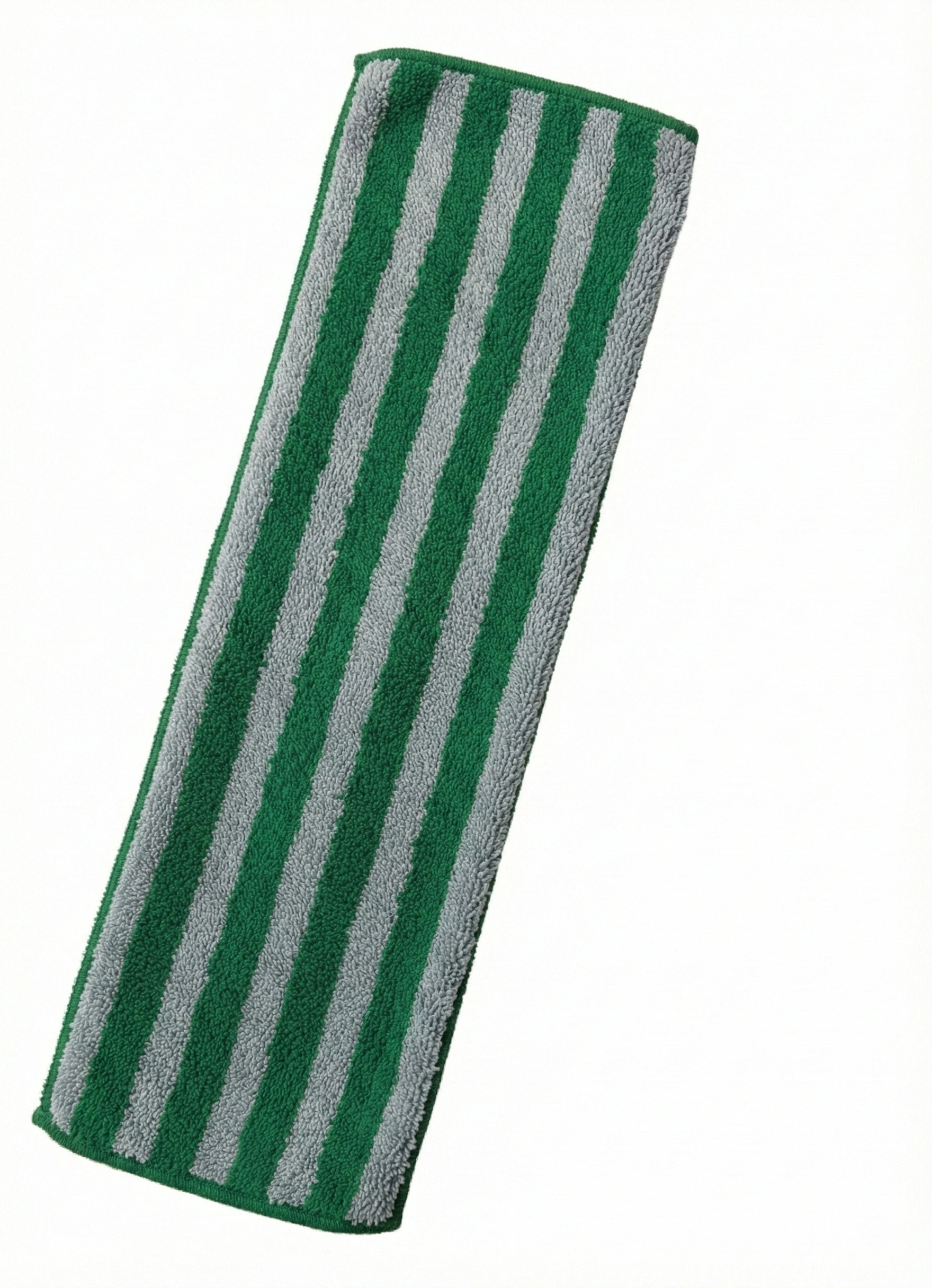
Waste classification — not mop type — is the single most important variable in the environmental impact of cleanroom mop disposal. A mop contaminated with a potent compound follows a fundamentally different disposal pathway than one used with routine disinfectants, regardless of whether it was designed as disposable or reusable.
The boundary between non-hazardous and hazardous waste for cleanroom mops depends on what the mop was exposed to during use:
| Waste Classification | Typical Contamination Scenario | Disposal Pathway | Cost Implication |
|---|---|---|---|
| Non-hazardous solid waste | Mops used with routine disinfectants (quaternary ammonium compounds, hydrogen peroxide, isopropyl alcohol) in standard cleanroom cleaning operations. No exposure to active pharmaceutical ingredients, potent compounds, or biohazard materials. | Standard waste to landfill or municipal waste-to-energy incineration. Follows local municipal solid waste regulations. | Lowest disposal cost. Often managed within the facility’s general waste contract. |
| Regulated medical waste | Mops exposed to biological agents, blood products, or used in biocontainment areas (BSL-2 or higher). Also applies to mops from vaccine manufacturing or cell therapy suites where biological contamination is present. | Autoclave treatment followed by landfill, or dedicated medical waste incineration. Must follow regulated medical waste handling, packaging, and manifest requirements. | Higher — medical waste disposal is typically 3-5 times more expensive per kilogram than non-hazardous solid waste disposal, depending on regional pricing. |
| Hazardous waste | Mops exposed to potent compounds, cytotoxic drugs, genotoxic materials, or solvents classified as hazardous under local regulations (e.g., RCRA in the US, Hazardous Waste Directive in the EU). Applies to mops used in areas where active pharmaceutical ingredients with occupational exposure limits (OELs) below a defined threshold are handled. | Hazardous waste incineration at a licensed facility. Requires hazardous waste manifest, licensed transporter, and documented chain of custody. May be subject to transboundary movement restrictions. | Highest — hazardous waste incineration costs are typically 5-10 times higher than non-hazardous waste disposal per kilogram. Transport, manifesting, and compliance documentation add further cost. |
Procurement insight: For facilities where a meaningful proportion of used mops fall into the hazardous or regulated medical waste categories, waste disposal cost becomes a significant total-cost-of-ownership driver. In these scenarios, any strategy that reduces the total mass of mop waste — including extending reusable mop life or optimizing change-out frequency — delivers a direct operational cost benefit alongside the environmental benefit.
Incineration with energy recovery (waste-to-energy): The most common disposal pathway for cleanroom mop waste in regions with developed waste-to-energy infrastructure (much of Western Europe, Japan, parts of North America). The polyester material in mop heads has a moderately high calorific value — approximately 20-25 MJ/kg, comparable to coal — meaning it can contribute to energy recovery in a well-operated incineration facility. However, the environmental benefit of energy recovery must be weighed against the CO2 emissions from combusting a fossil-fuel-derived material.
Landfill: The default pathway in regions without waste-to-energy infrastructure. Polyester is not biodegradable in landfill conditions — it will persist effectively indefinitely. Landfill also carries risks of leachate generation and methane emissions from the organic fraction of the waste stream (though the polyester mop material itself does not generate methane). From a climate perspective, landfill of polyester mops is generally considered a worse outcome than incineration with energy recovery, but the difference depends on the specific landfill’s gas capture system and the incinerator’s energy recovery efficiency.
Regulated medical waste incineration: Required for mops classified as regulated medical or hazardous waste. These incinerators operate at higher temperatures (typically above 1,000 degrees Celsius) than municipal waste incinerators and are subject to more stringent emissions controls. The higher temperature ensures destruction of organic contaminants but increases energy consumption per kilogram of waste processed.
The single most effective waste reduction strategy for a reusable cleanroom mop program is extending the number of validated use cycles per mop head. If a facility’s current practice achieves approximately 50 cycles per mop head and can be extended to 75 cycles through better maintenance, the annual consumption of mop heads — and the associated raw material, manufacturing, and disposal burden — decreases by one-third. This is a more immediate and demonstrable environmental gain than switching mop types or pursuing unproven recycling claims.
Key practices that support extended service life include:
For a comprehensive guide to mop maintenance practices, inspection criteria, and validated cycle management, see the صيانة ممسحة غرف الأبحاث ودليل طول العمر.
The following framework is designed for procurement managers, facility managers, and sustainability leads who need actionable steps — not theoretical models. Each step is independent; a facility can implement the steps in any order based on what is achievable within its current operational constraints.
Before making any changes, measure what you currently use. For a defined period (e.g., one calendar quarter), record: total mop heads consumed (by type — disposable vs reusable, by cleanroom grade), average cycles per reusable mop head, disposal volume by waste classification (non-hazardous, medical, hazardous), and total disposal cost. This baseline makes improvement measurable.
Send a structured data request to your current cleanroom mop supplier(s) covering: raw material composition (fiber type, weight, any recycled content), manufacturing location and energy source, available end-of-life guidance, and any third-party environmental certifications (e.g., OEKO-TEX, bluesign, GRS for recycled content). Be prepared that many suppliers — including large ones — may not yet have comprehensive environmental data. This request itself signals to the supply chain that environmental transparency is becoming a procurement criterion.
The lowest-impact mop is the one you do not use. Before debating disposable vs reusable, examine whether current consumption volume is justified. Are mop heads being changed more frequently than the validated SOP requires? Are serviceable reusable heads being retired early due to cosmetic staining rather than functional degradation? A 10-15% reduction in unnecessary consumption delivers an immediate environmental benefit regardless of mop type.
Ensure that used mops are classified and segregated into the correct waste stream at the point of disposal — not retrospectively. Co-mingling non-hazardous mops with hazardous waste unnecessarily increases hazardous waste volume and cost. Clear labeling, color-coded disposal containers, and operator training on waste segregation criteria are low-cost, high-impact interventions.
If you use reusable mops with on-site or contracted laundry, commission an audit of the laundry process from an environmental perspective. Document: water consumption per kilogram of textiles laundered, energy source for water heating, detergent type and biodegradability, and wastewater treatment pathway. Optimize laundry parameters (load size, temperature, cycle duration) for the minimum conditions required to achieve the validated cleanliness standard — avoiding over-processing that wastes energy and degrades mop material.
If your facility is certified to ISO 14001 or preparing for certification, mop waste reduction should be documented as an environmental aspect with defined objectives and targets. For example: “Reduce cleanroom mop head consumption by 15% (measured in units per square meter of cleanroom area cleaned) within 12 months.” This creates organizational accountability beyond the individual procurement or facility manager.
When the next mop supply contract comes up for review or tender, add environmental criteria to the buyer evaluation framework. Weight environmental criteria appropriately — they should influence the decision but not override contamination control requirements. Suggested criteria: supplier has documented environmental policy (pass/fail), supplier provides material composition and origin data (scored), supplier provides end-of-life disposal guidance (scored), supplier has third-party environmental certification for raw materials (bonus).
Mop program environmental performance is not solely a procurement issue, a facility issue, or a QA issue — it is all three. Schedule a brief quarterly review involving procurement, facility operations, QA, and the sustainability/EHS lead to review the baseline metrics established in Step 1, track progress, and identify new improvement opportunities. This institutionalizes the sustainability discussion and prevents it from being deprioritized when operational pressures increase.
EU GMP Annex 1 (Manufacture of Sterile Medicinal Products) does not directly regulate the environmental impact of cleanroom consumables. Its focus is contamination control. However, Annex 1’s emphasis on validated, documented, and risk-based cleaning processes has an indirect environmental implication: a well-validated cleaning program generates fewer cleaning failures, fewer re-clean events, and less wasted consumable material. Conversely, an Annex 1 remediation response to a contamination event can consume a disproportionate volume of mops, wipes, and disinfectants in a short period — a spike in environmental impact that a well-designed preventive cleaning program helps avoid.
Additionally, Annex 1’s requirements for documented contamination control strategy (CCS) provide a natural structure within which environmental aspects of cleaning consumables can be recorded. Facilities that already maintain a CCS document can add an environmental considerations section without creating a new governance framework. For grade-specific mop selection that supports Annex 1 compliance, see the دليل اختيار درجة ممسحة غرف الأبحاث GMP.
ISO 14001 is the international standard for environmental management systems. It requires organizations to identify their environmental aspects and impacts, establish objectives and targets for improvement, and demonstrate continual improvement. Cleanroom mop programs can be identified as an environmental aspect under ISO 14001 — specifically under the categories of “waste generation” and “resource consumption.”
For a pharmaceutical facility certified to ISO 14001, the following mop-related environmental aspects may be relevant:
ISO 14001 certification auditors may ask to see evidence that these aspects have been identified, evaluated, and where significant, addressed through objectives and action plans. The practical steps framework in the previous section provides a ready structure for ISO 14001 documentation.
For pharmaceutical companies subject to mandatory ESG reporting — particularly under the EU Corporate Sustainability Reporting Directive (CSRD) or proposed SEC climate disclosure rules — cleanroom consumables fall within Scope 3 (Category 1: Purchased Goods and Services) emissions. Scope 3 reporting requires companies to estimate the upstream carbon footprint of purchased products.
In practice, the contribution of cleanroom mops to a large pharmaceutical company’s total Scope 3 emissions is likely to be small relative to categories such as purchased raw materials, capital goods, or business travel. However, two factors make mop-related ESG reporting relevant:
There is no universal answer. Disposable mops have a higher raw material consumption and solid waste impact per use. Reusable mops have higher water, detergent, and laundry energy consumption per use. The overall environmental outcome depends on facility-specific variables: how many cycles the reusable mop achieves, the laundry energy source, water scarcity in the region, and whether used mops are incinerated or landfilled. A facility-level assessment considering all these variables is the only valid approach. Claims that one type is categorically “greener” should be treated with skepticism.
In practice, very rarely. Most used cleanroom mops cannot be recycled through standard textile recycling streams for three reasons: (1) they are constructed from mixed materials (polyester fabric, binding tape, stitching thread) that are difficult to separate mechanically; (2) post-use chemical or biological contamination makes the material unacceptable to recyclers; and (3) even if uncontaminated, the small volumes involved (relative to consumer textile waste) make dedicated collection and recycling infrastructure economically unviable. If a supplier claims their mops are “recyclable,” ask them to specify: what recycling infrastructure exists, where it is located, whether contaminated material is accepted, and what the recycled output is used for. In most cases, the practical end-of-life pathway for cleanroom mops — disposable and reusable alike — is incineration or landfill.
Classification depends on what the mop was exposed to during use, not on the mop type. Mops used only with routine disinfectants (quaternary ammonium compounds, hydrogen peroxide, isopropyl alcohol) in standard cleanroom cleaning are generally classified as non-hazardous solid waste. Mops exposed to biological agents or used in biocontainment areas are regulated medical waste. Mops exposed to potent compounds, cytotoxic drugs, or hazardous solvents are hazardous waste and must be managed under applicable hazardous waste regulations. Facilities should have a documented waste classification procedure that covers all cleaning consumables, including mops. When in doubt, consult your facility’s EHS officer or waste management contractor.
No. EU GMP Annex 1 regulates contamination control for sterile medicinal product manufacturing. It does not contain requirements or guidance on the environmental impact of cleaning consumables. However, Annex 1’s emphasis on validated, documented, and risk-based cleaning processes has an indirect environmental benefit: a well-validated program generates fewer cleaning failures and less wasted material. Facilities can incorporate environmental considerations into their contamination control strategy (CCS) documentation if they choose to do so, but this is not an Annex 1 requirement.
At minimum, request: (1) raw material composition — fiber type(s), weight, any recycled content; (2) country of manufacture and, if available, the primary energy source used in the manufacturing facility; (3) packaging composition and recyclability; (4) end-of-life disposal recommendations; and (5) any third-party environmental certifications held by the product or manufacturing facility. Be prepared that many suppliers — including large ones — may not yet have comprehensive environmental data for cleanroom consumables. Start with what is available and document data gaps transparently in your ESG reporting.
As of 2026, no published, peer-reviewed lifecycle assessment specifically for cleanroom mops has been identified. Generic LCA data for polyester textiles exists in academic and industry databases, but this data does not account for cleanroom-specific factors: controlled manufacturing environments, sterilization processes (gamma, EtO, autoclave), cleanroom-grade laundering requirements, or hazardous waste disposal pathways. A facility that needs LCA data for ESG reporting should consider two approaches: (1) request product-specific environmental data from the supplier, acknowledging that comprehensive LCA data may not exist yet; or (2) commission a simplified screening LCA using generic textile data with conservative assumptions about cleanroom-specific adders. In either case, document the limitations of the data transparently.
For reusable mop programs: extend validated cycle counts through better maintenance (visual inspection, laundry process optimization, segregation by contamination level), audit consumption against SOP requirements to identify unnecessary change-outs, and verify that mop heads are retired based on functional condition rather than cosmetic staining or calendar age. For disposable mop programs: right-size packaging and order quantities to avoid expiry-related waste, audit whether mop heads are being changed more frequently than the validated cleaning protocol requires, and ensure correct waste segregation so that non-hazardous mops are not unnecessarily routed to hazardous waste disposal. In both cases, a baseline consumption audit is the necessary first step.
Sustainability should be a weighted criterion in procurement decisions — not the dominant criterion, but not ignored either. The hierarchy of procurement criteria for a GMP cleanroom mop remains: (1) contamination control performance — does the mop meet the technical requirements for the cleanroom grades being served?; (2) supply reliability and quality consistency — can the supplier deliver consistent product on a reliable schedule?; (3) total cost of ownership, including purchase price, disposal cost, and laundry cost; and (4) environmental performance, including supplier environmental data availability, material composition transparency, and waste reduction potential. Sustainability can serve as a tiebreaker between two technically equivalent options and should be incorporated into the supplier evaluation scorecard with a reasonable weighting (e.g., 10-15% of the total evaluation score).
MIDPOSI’s white cleanroom mop series is available in both sterile and non-sterile configurations, in 40g, 55g, and 65g weights. Whether your facility uses a disposable, reusable, or mixed mop strategy, our products are designed for structured contamination-control cleaning programs in pharmaceutical, biotech, and medical device cleanrooms. We provide material composition data to support your procurement evaluation and sustainability documentation.
مصمم لبرامج تنظيف غرف الأبحاث المنظمة في مرافق الأدوية والتكنولوجيا الحيوية والأجهزة الطبية.
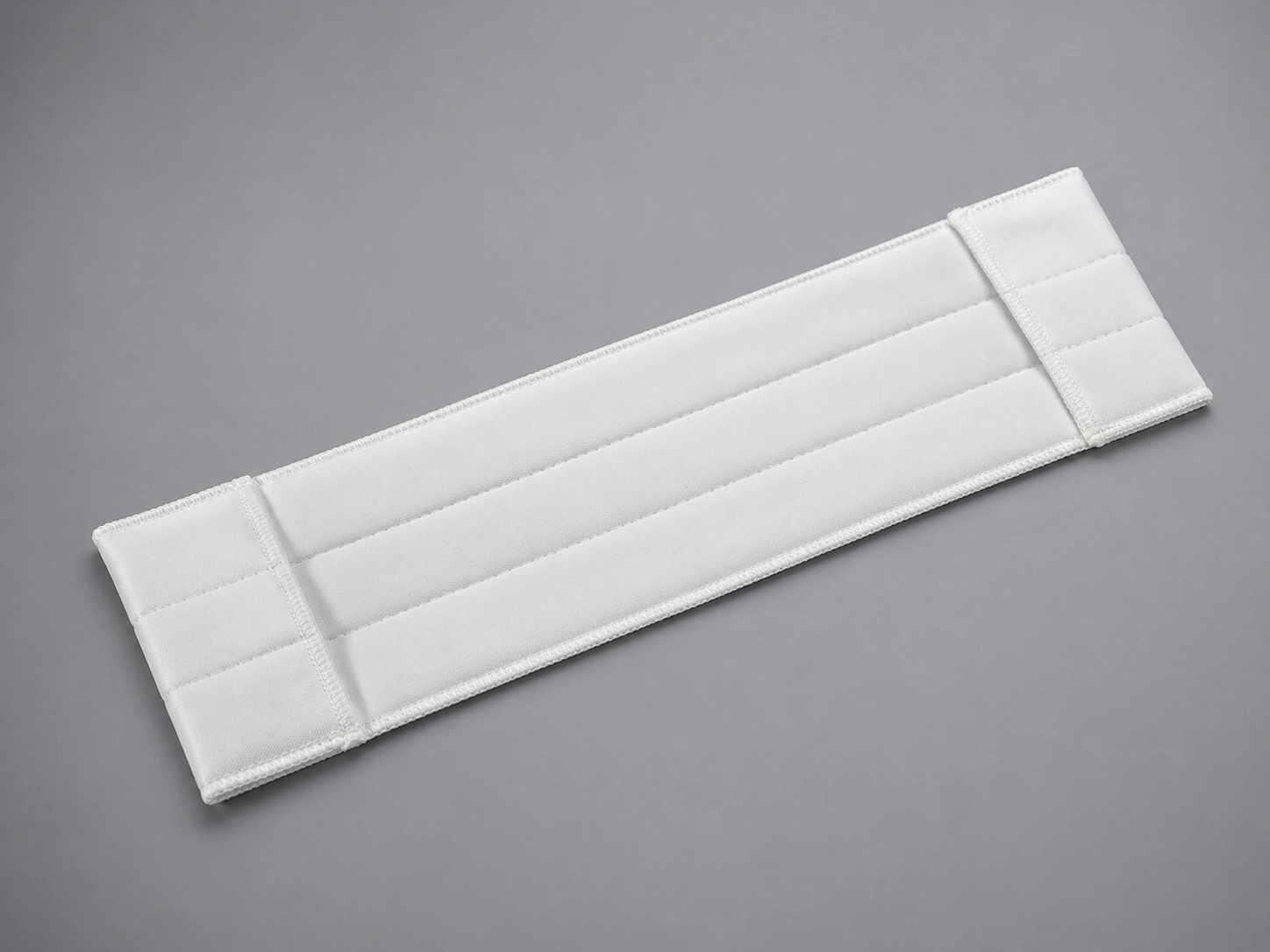
Cleanroom mops serve a contamination-control function first. Environmental sustainability should be evaluated as a secondary consideration. Reusable mop covers that are laundered and reprocessed according to validated SOPs may reduce single-use waste, but the facility’s contamination-control requirements take priority.
Recycling depends on the mop cover material (polyester, polyester-polyamide blend) and local recycling capabilities. Cleanroom mop covers that have been exposed to cleaning agents or disinfectants may not be suitable for standard recycling streams. Facilities should check with their waste management provider and review their environmental management plan.
The lifecycle depends on the mop cover material, cleaning frequency, disinfectant compatibility, and laundering process. Polyester mop covers may withstand more reprocessing cycles than microfiber blends under certain conditions. Facilities should track mop cover condition through visual inspection and replace covers when edge seal integrity, absorbency, or particle control degrades.
Yes. MIDPOSI offers both reusable and single-use cleanroom mop cover options. The choice between reusable and single-use should be evaluated based on the facility’s SOP, contamination-control strategy, risk assessment, and cleaning validation requirements.
Disposal procedures should follow the facility’s waste management SOP, environmental regulations, and contamination-control protocols. Mop covers used in higher-grade cleanroom areas may require different disposal handling than those from lower-grade support zones. Facilities should document disposal procedures in their cleaning SOP.