
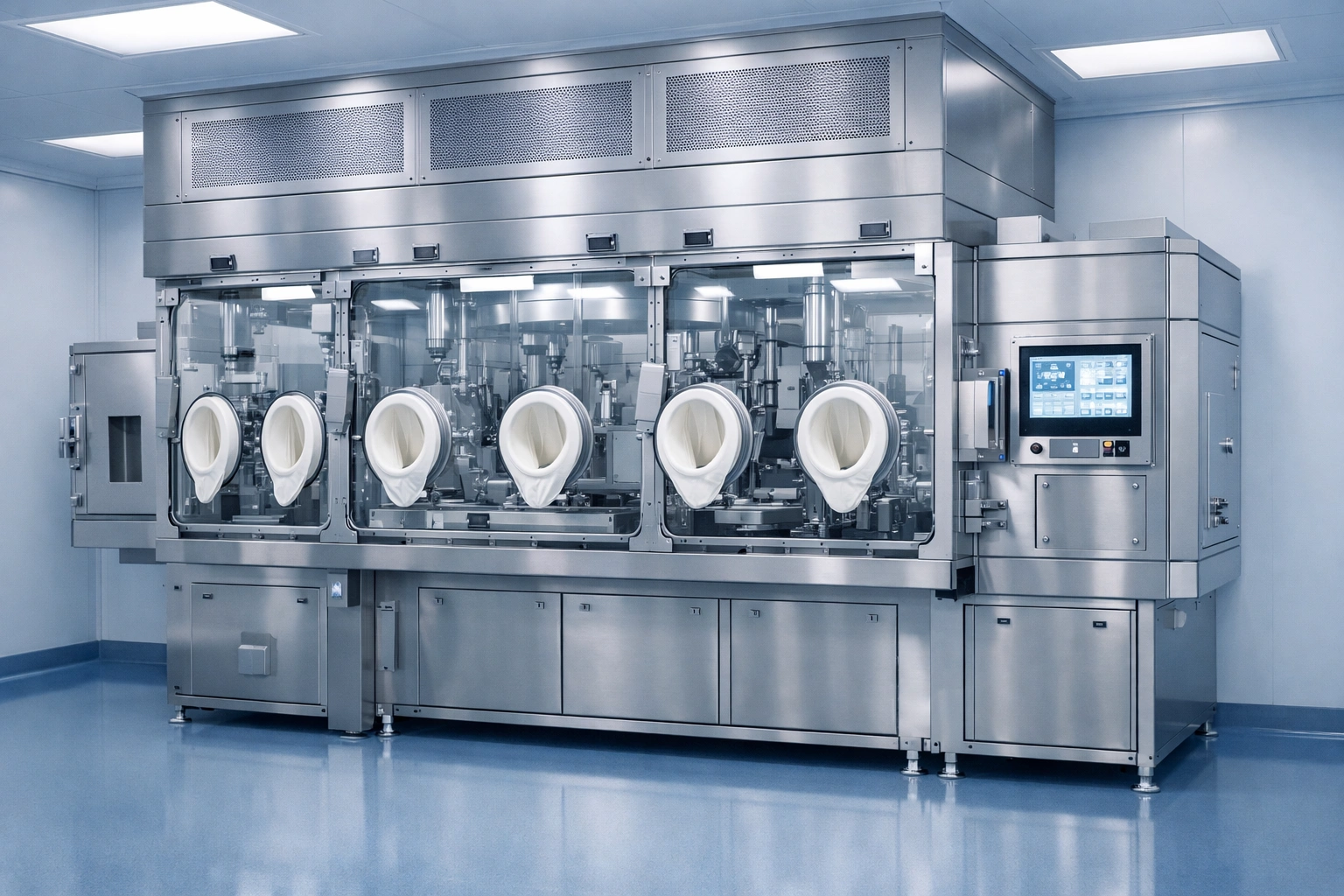
In the highly regulated pharmaceutical manufacturing industry, microbial contamination control is not merely a quality consideration—it's a fundamental requirement for ensuring patient safety and regulatory compliance. Isolator systems represent the pinnacle of contamination control technology, providing a physical barrier between sensitive pharmaceutical products and potential sources of contamination.
This comprehensive guide, based on industry best practices and technical expertise, provides process engineers and technical specialists with the knowledge needed to implement robust microbial contamination control protocols for isolator systems.
Forståelse af isolatorsystemteknologi
Isolator systems are engineered containment barriers designed to maintain sterility by creating physical separation between the product and the external environment. These systems incorporate advanced filtration, pressure control, and decontamination technologies to ensure aseptic conditions.
Kerne tekniske specifikationer
- HEPA/ULPA-filtrering: 99,97 % effektivitet ved 0,3 µm partikelstørrelse
- Trykkontrol: Positivt differenstryk ≥15 Pa
- Handskeportintegration: Ergonomisk design til operatørinteraktion
- Dekontamineringssystemer: VHP, UV eller damp på stedet
Typer af farmaceutiske isolatorsystemer
Lukkede isolatorer
Completely sealed systems with material transfer through sterilized containers. Ideal for potent compounds requiring maximum containment and zero operator exposure risk.
Åbn isolatorer
Direkte operatørinteraktion via handskeporte, hvilket giver fleksibilitet til komplekse fremstillingsprocesser, samtidig med at kontamineringskontrolintegriteten bevares.
RABS systemer
Restricted Access Barrier Systems offering enhanced protection over traditional cleanrooms, providing a cost-effective solution for many pharmaceutical applications.
Miljøovervågningsprotokoller
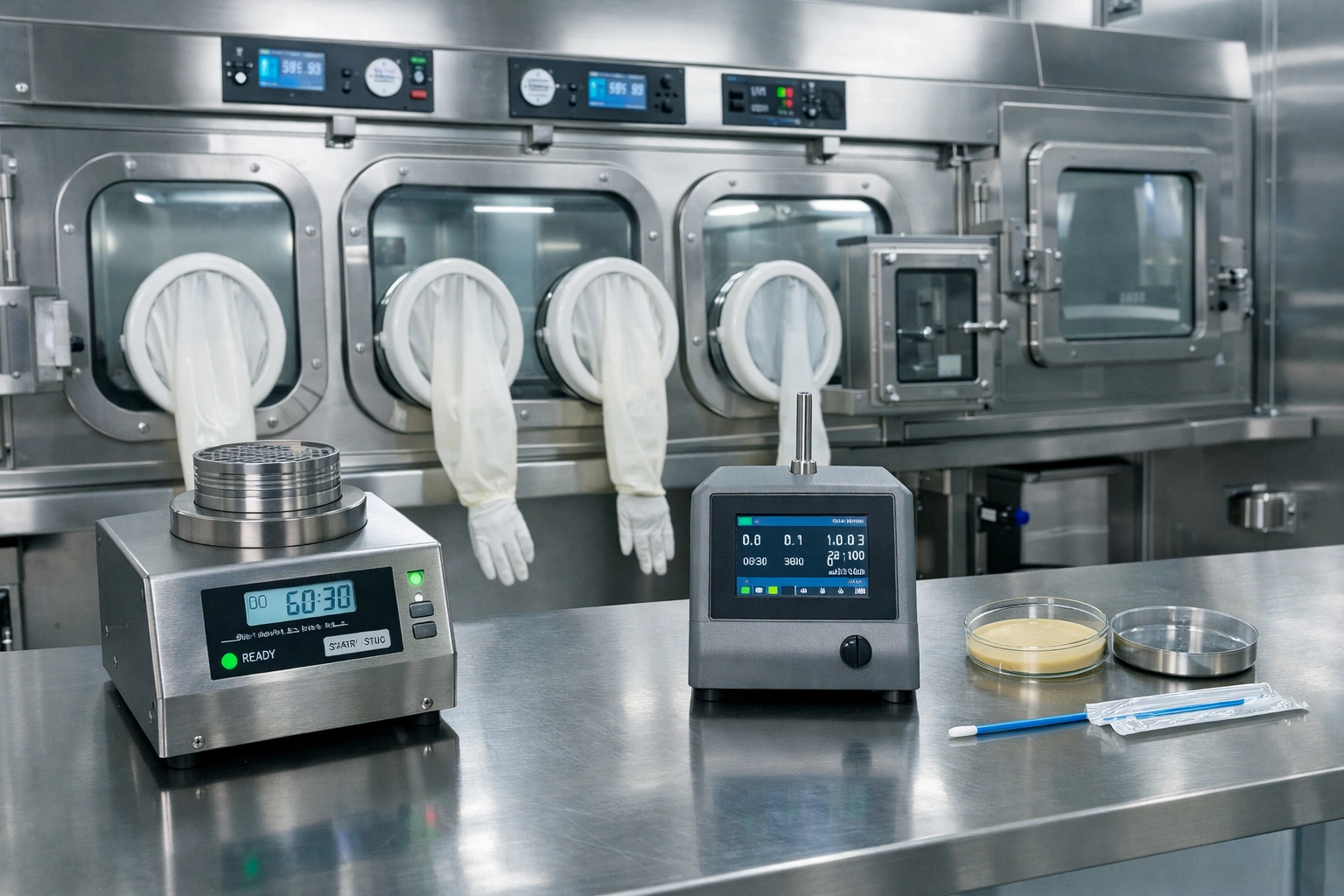
Effektiv miljøovervågning er afgørende for at opretholde integriteten af isolatorsystemer og sikre overholdelse af farmaceutiske kvalitetsstandarder.
Overvågningskrav og frekvens
| Parameter | Metode | Frekvens | Acceptkriterier |
|---|---|---|---|
| Air Viable Count | Aktiv påvirkning | Ugentlig | ≤1 CFU/m³ (grad A) |
| Partikelantal | Kontinuerlig overvågning | Realtid | ISO Klasse 5 grænser |
| Overfladeforurening | Vatpind/kontaktplader | Ugentlig | ≤5 CFU/100 cm² |
Fremtidige tendenser inden for isolatorteknologi
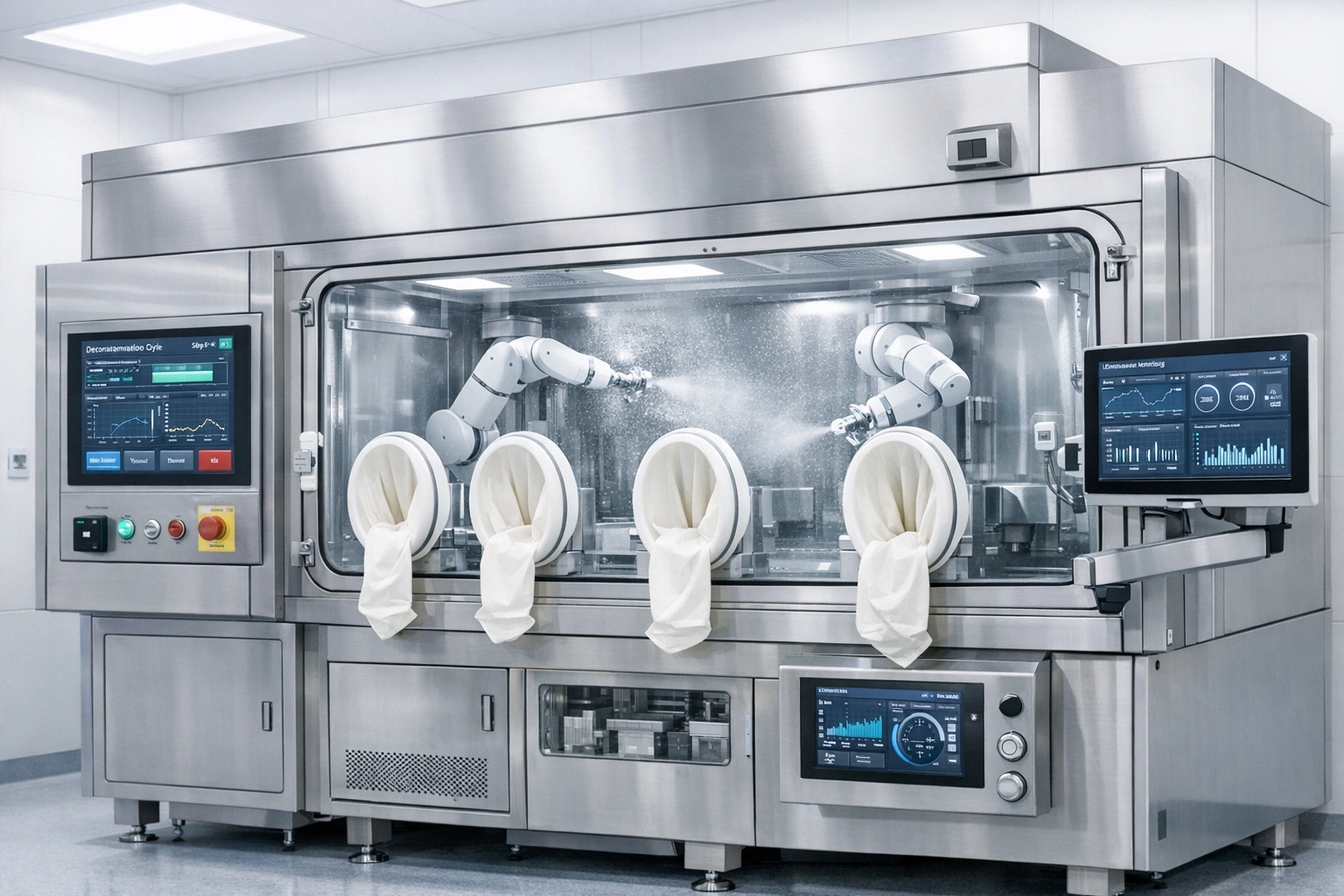
Avancerede overvågnings- og automationssystemer
The future of isolator technology lies in integration with IoT sensors, machine learning algorithms, and robotic automation. These innovations enable real-time contamination detection, predictive maintenance, and automated response protocols.
Smart Sensing-teknologi
- Kontinuerlig overvågning af luftkvaliteten
- Mikrobiel detektion i realtid
- Tryk og temperatur sporing
Automatiserede systemer
- Robotisk materialehåndtering
- Automatiserede dekontamineringscyklusser
- AI-drevet kvalitetskontrol
Implementeringsovervejelser for avancerede systemer
When implementing advanced isolator technology, pharmaceutical manufacturers should consider validation requirements, data integration capabilities, and change management strategies to ensure successful deployment and regulatory compliance.
Konklusion og implementeringsstrategi
Implementing effective microbial contamination control SOPs for isolator systems requires a comprehensive approach that integrates technical expertise, regulatory compliance, and operational excellence. The success of these systems depends on proper design, rigorous monitoring, and continuous improvement.
Vigtige implementeringstrin
- Systemdesign og valg: Vælg passende isolatortype baseret på produktkrav og indeslutningsbehov
- Godkendelsesdokumentation: Komplet IQ-, OQ- og PQ-valideringsprotokoller
- SOP udvikling: Skab omfattende driftsprocedurer for alt personale
- Uddannelse og certificering: Sørg for, at alle operatører er korrekt uddannet og certificeret
- Kontinuerlig overvågning: Implementere løbende miljøovervågning og trendanalyse