Effective Strategies for Cleanroom Contamination Prevention
Cleanroom contamination prevention is a proactive system. It requires understanding contamination pathways, controlling personnel behavior, selecting low-lint cleaning tools, applying repeatable mopping workflows, monitoring the environment, and keeping documentation ready for QA, CQV, and audit review.
Quick Answer
The most effective cleanroom contamination prevention strategy is to prevent contamination before it spreads: identify contamination pathways, control personnel and materials, use low-lint cleanroom mop systems, separate cleaning zones, verify results with environmental monitoring, and maintain audit-ready records.
1. Map Contamination Pathways Before Choosing a Cleaning Method
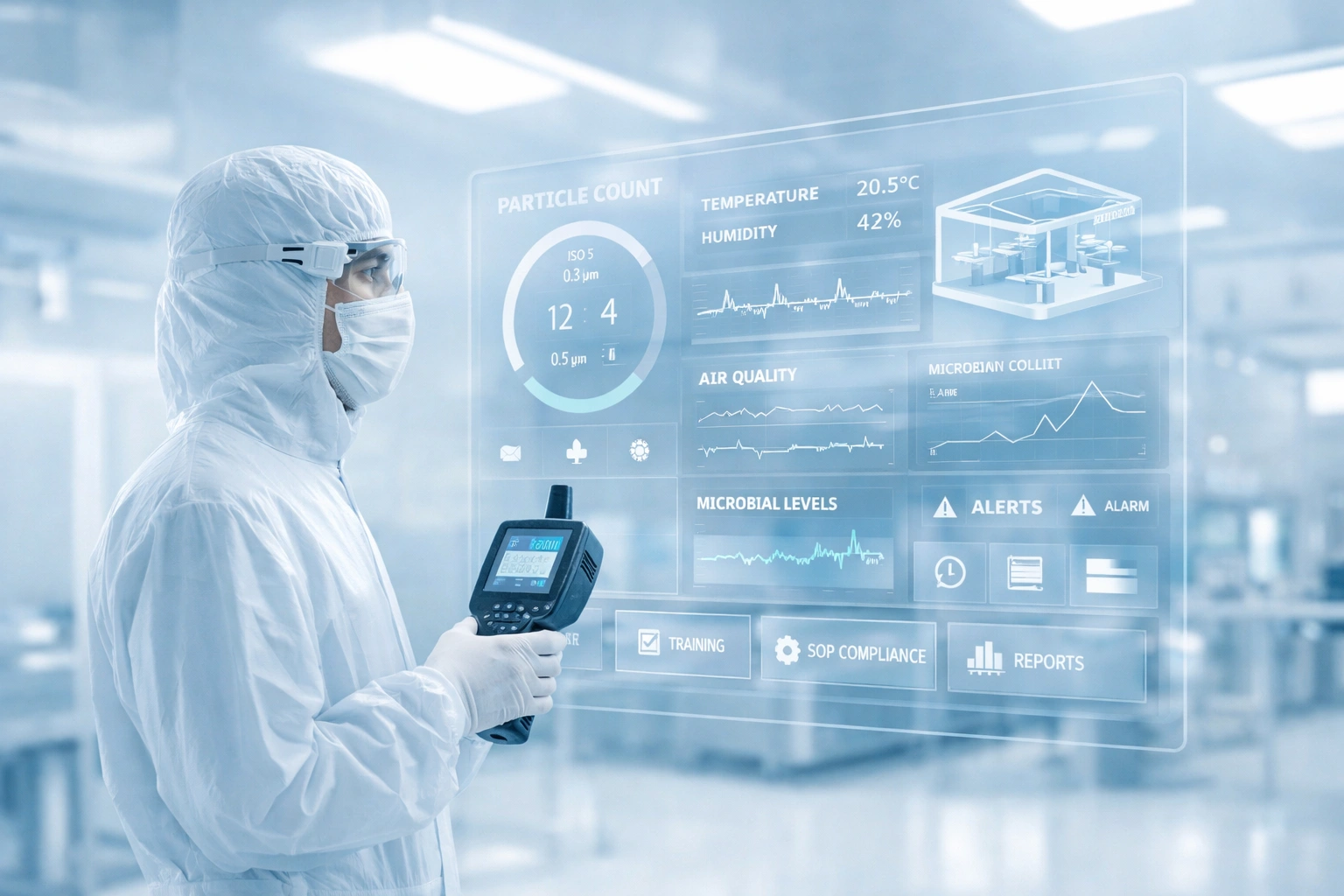
Cleanroom contamination prevention should begin with a pathway analysis. Many facilities focus only on cleaning frequency, but contamination often spreads through personnel movement, material transfer, packaging, wheels, tools, airflow disturbance, and improper cleaning direction.
A preventive program asks where contamination can enter, where it can accumulate, and how it can move from lower-control areas into higher-control zones. Once these pathways are understood, mop systems, SOPs, zoning rules, and documentation can be designed around real risk rather than routine habits.
People
Personnel can introduce skin particles, fibers, microorganisms, and glove-contact residues. Training and gowning control are essential.
Materials
Packaging, carts, cartons, and transferred items can carry particles or residues into controlled zones. Transfer SOPs must be defined.
Cleaning Tools
Incorrect mop heads, uncontrolled reuse, and poor tool storage can turn cleaning tools into contamination carriers.
2. Control Personnel, Gowning, and Material Transfer
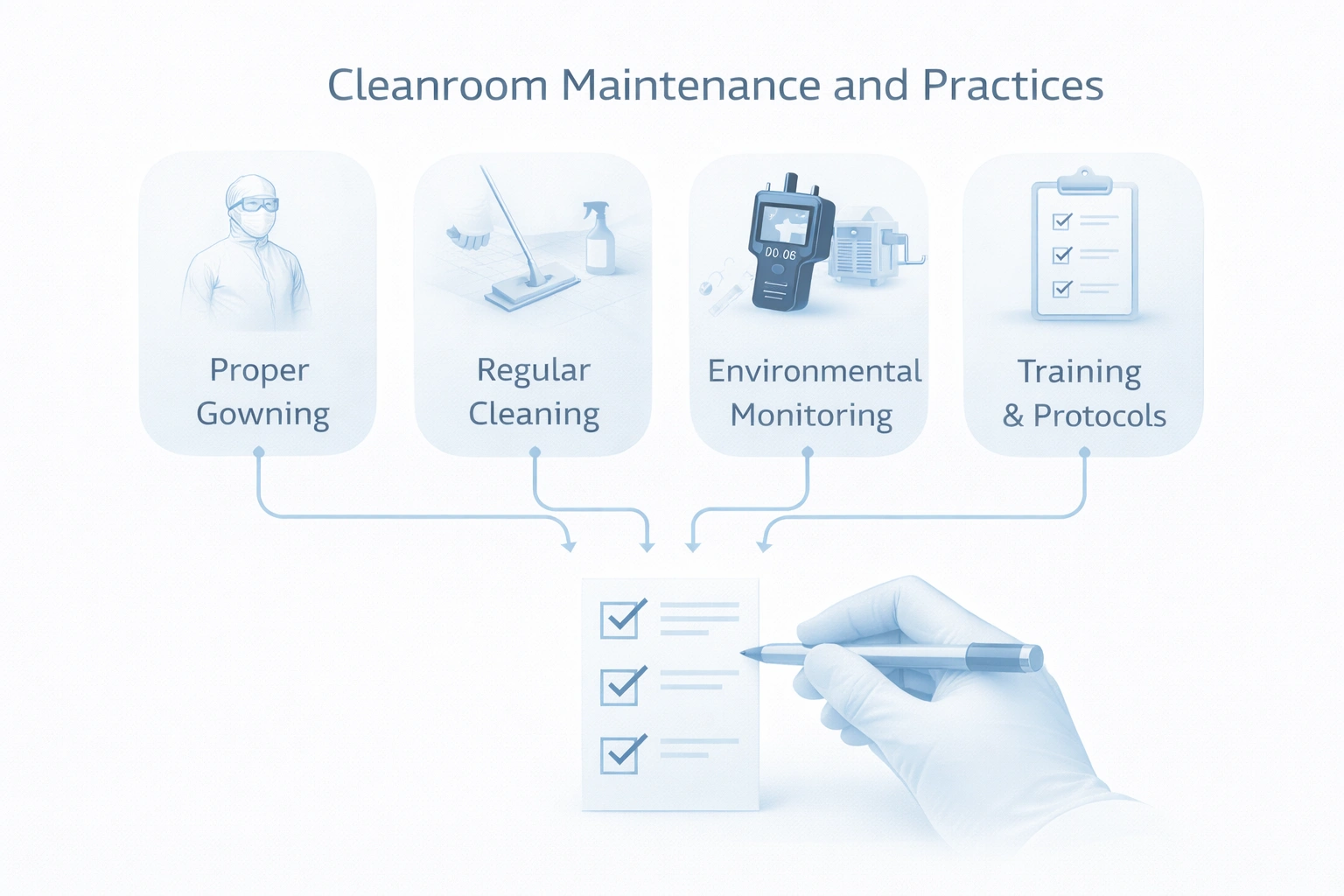
Personnel control is one of the most important prevention strategies because operators interact with rooms, tools, equipment, and materials every day. A strong program should define movement speed, glove sanitation, gowning sequence, material entry, exit flow, and response to contamination events.
Preventive personnel controls should include:
- Gowning discipline: define step-by-step gowning and requalification requirements.
- Movement control: reduce unnecessary movement and avoid rapid actions that disturb airflow.
- Glove control: define sanitization, replacement, and contamination-response rules.
- Transfer control: clean or wipe down materials before entry according to SOP.
- Training records: keep proof that operators understand and follow cleanroom behavior requirements.
Support this section with Cleanroom Personnel Training for GMP and Cleanroom Gowning Procedures and Annex 1 Compliance.
3. Use Low-Lint Cleanroom Mop Systems Instead of General Cleaning Tools
A cleanroom mop system is part of the contamination-prevention program. General-purpose mops may shed fibers, retain residues, spread contamination between zones, or lack documentation. In GMP and ISO-controlled areas, the mop system should be selected based on linting risk, absorbency, surface compatibility, sterile status, packaging, and traceability.
| Mop Selection Factor | Prevention Purpose | Best-Practice Direction |
|---|---|---|
| Low-lint construction | Reduces fiber and particle shedding | Use qualified polyester or microfiber mop options for controlled environments. |
| Sterile vs non-sterile configuration | Controls microbial introduction risk | Use sterile mop options for higher-risk or aseptic-support workflows. |
| Weight and absorbency | Controls wet contact, residue removal, and operator handling | Match mop weight to area size, chemical volume, and surface type. |
| Frame and handle compatibility | Controls reach, pressure, and attachment stability | Use compatible frames and handles for floors, walls, ceilings, and corners. |
| Documentation support | Supports QA review, validation, and supplier qualification | Keep specifications, COA references, batch traceability, and test documents available. |
4. Build a Preventive Mopping Workflow by Zone and Surface
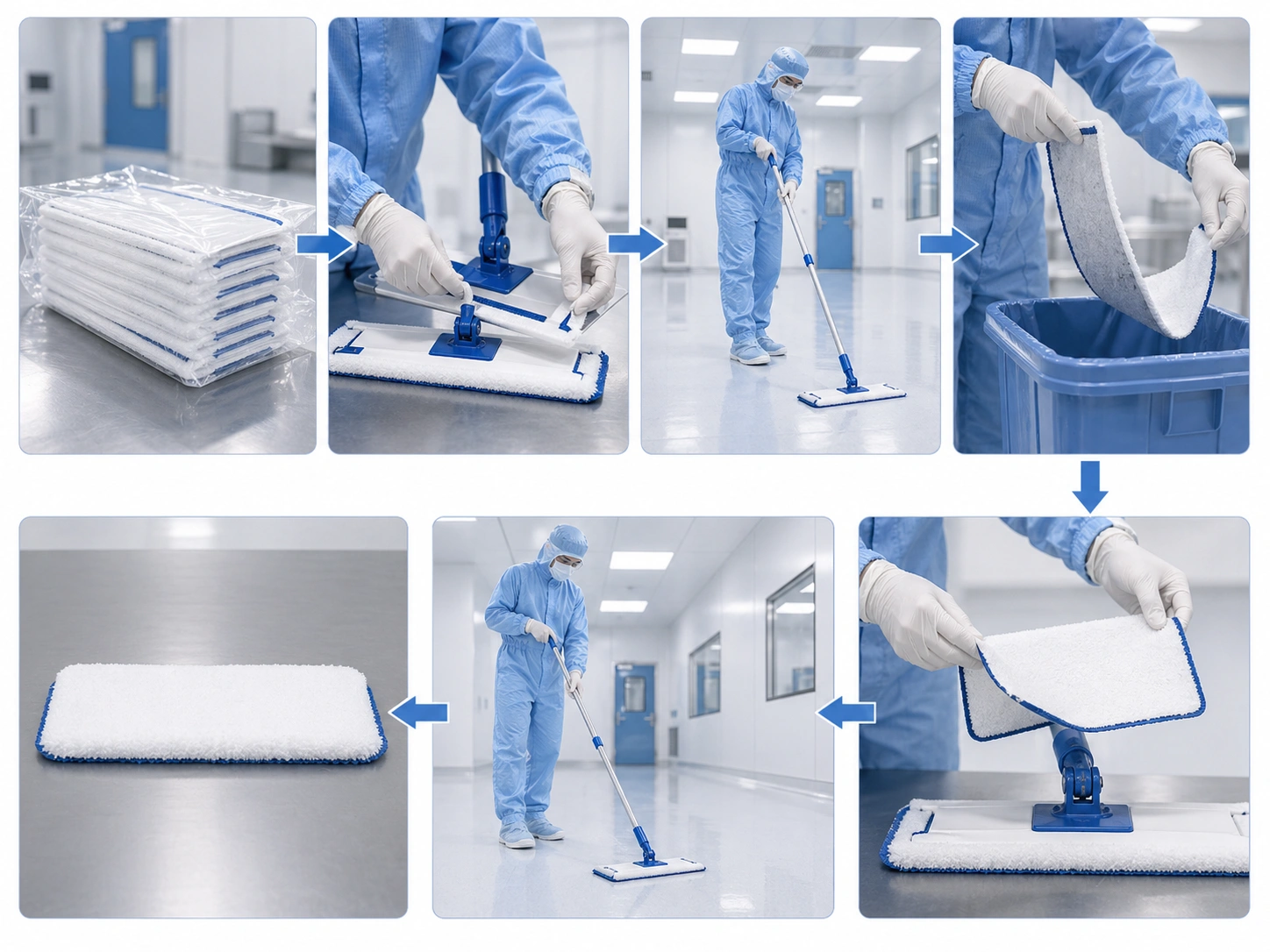
Contamination prevention depends on workflow control. Cleaning the right surface with the wrong sequence can move contamination into cleaner areas. A preventive mopping workflow should define room zoning, tool assignment, mop head change frequency, direction of movement, and cleaning sequence.
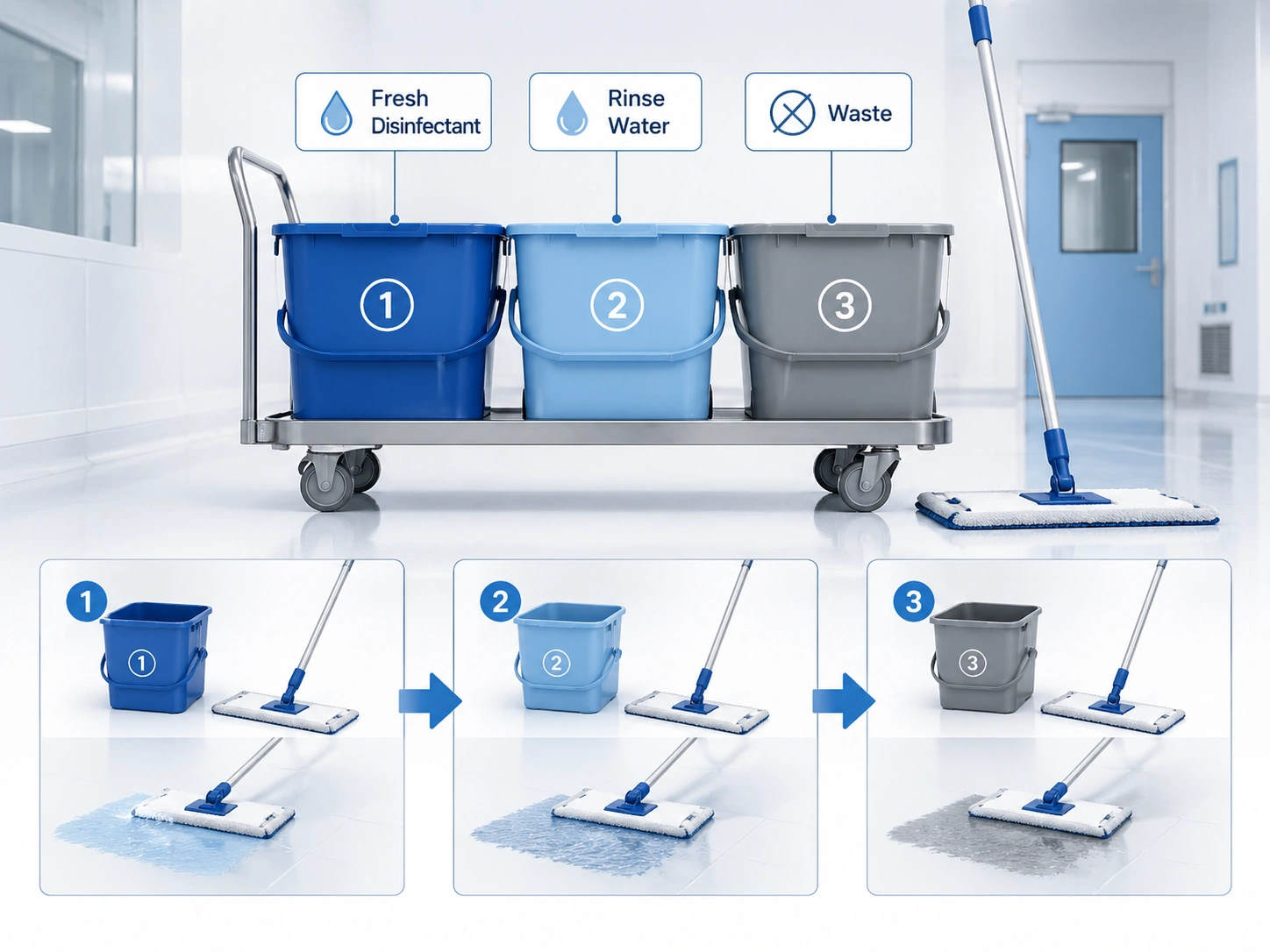
Preventive mopping workflow rules
- Clean from cleaner to less clean areas: avoid dragging contamination toward higher-risk zones.
- Use defined zones: divide large rooms into mapped sections with consistent direction.
- Control mop head replacement: define change rules by area, surface, soil load, and risk level.
- Separate tools by area: avoid uncontrolled cross-use across incompatible zones.
- Document each cleaning activity: record operator, area, product, chemical, date, and review status.
Useful supporting pages include Cleanroom Mopping SOP, Cleanroom Mop Frames, and Cleanroom Mop Handles.
5. Separate Disposable, Reusable, Sterile, and Non-Sterile Mop Logic
A prevention-focused program should not treat all mop products the same. Disposable mops can simplify replacement control and reduce reuse-related risks. Reusable systems may be suitable when washing, sterilization, lifecycle control, and documentation are properly validated. Sterile mops may be required where microbial introduction risk is higher.
| Mop Type | Primary Prevention Value | Common Use Logic | Related Resource |
|---|---|---|---|
| Disposable cleanroom mop | Reduces reuse and laundering-related uncertainty | Useful where controlled replacement and simplified workflow are preferred. | Disposable Cleanroom Mops |
| Sterile cleanroom mop | Reduces microbial introduction risk | Useful for higher-risk GMP-controlled cleaning workflows. | Sterile Cleanroom Mop |
| Microfiber cleanroom mop | Supports fine surface contact and liquid handling | Requires qualification based on linting, surface, and room grade. | Microfiber Cleanroom Mop |
| Polyester cleanroom mop | Supports low-lint controlled cleaning | Often used where fiber control and cleanroom compatibility are priorities. | Polyester vs Microfiber Cleanroom Mops |
6. Verify Prevention Strategy with Environmental Monitoring
Contamination prevention must be verified over time. Environmental monitoring helps confirm whether personnel controls, mopping workflows, material transfer controls, and tool selection are working as intended. Trends should be reviewed with cleaning logs, deviation records, and CAPA actions.
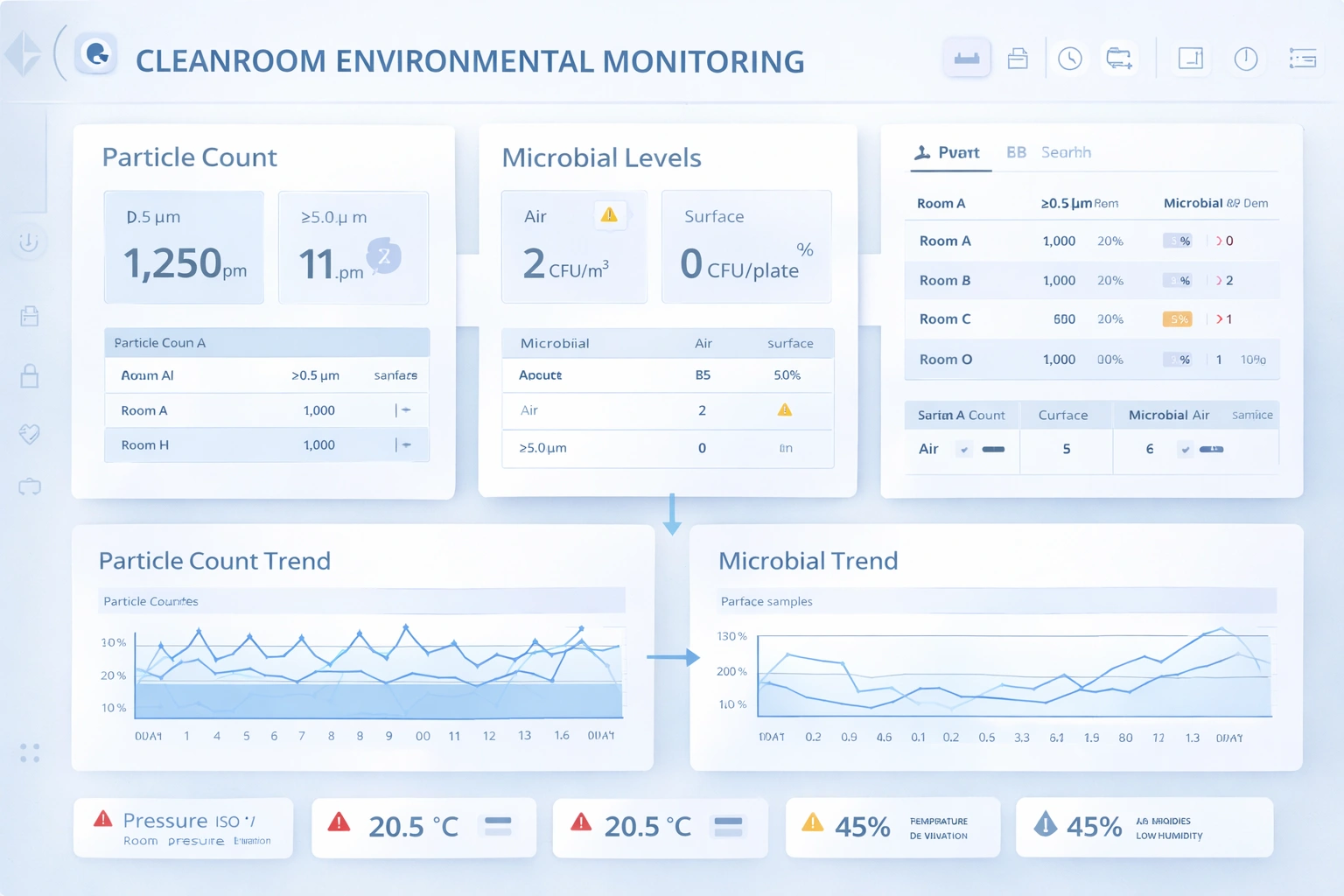
Monitoring data should answer:
- Are contamination levels stable after routine cleaning?
- Are specific rooms, shifts, surfaces, or transfer points showing repeated risk?
- Do cleaning records match environmental monitoring results?
- Are deviations linked to personnel behavior, materials, cleaning tools, or workflow gaps?
- Do CAPA actions include SOP update, retraining, tool change, or supplier review?
7. Keep Prevention Documentation Ready for QA and Audit Review
A contamination-prevention program is stronger when evidence is organized. QA, CQV, and procurement teams need more than a product name. They need documentation showing that the selected mop system is appropriate, traceable, and controlled within the facility’s cleaning program.
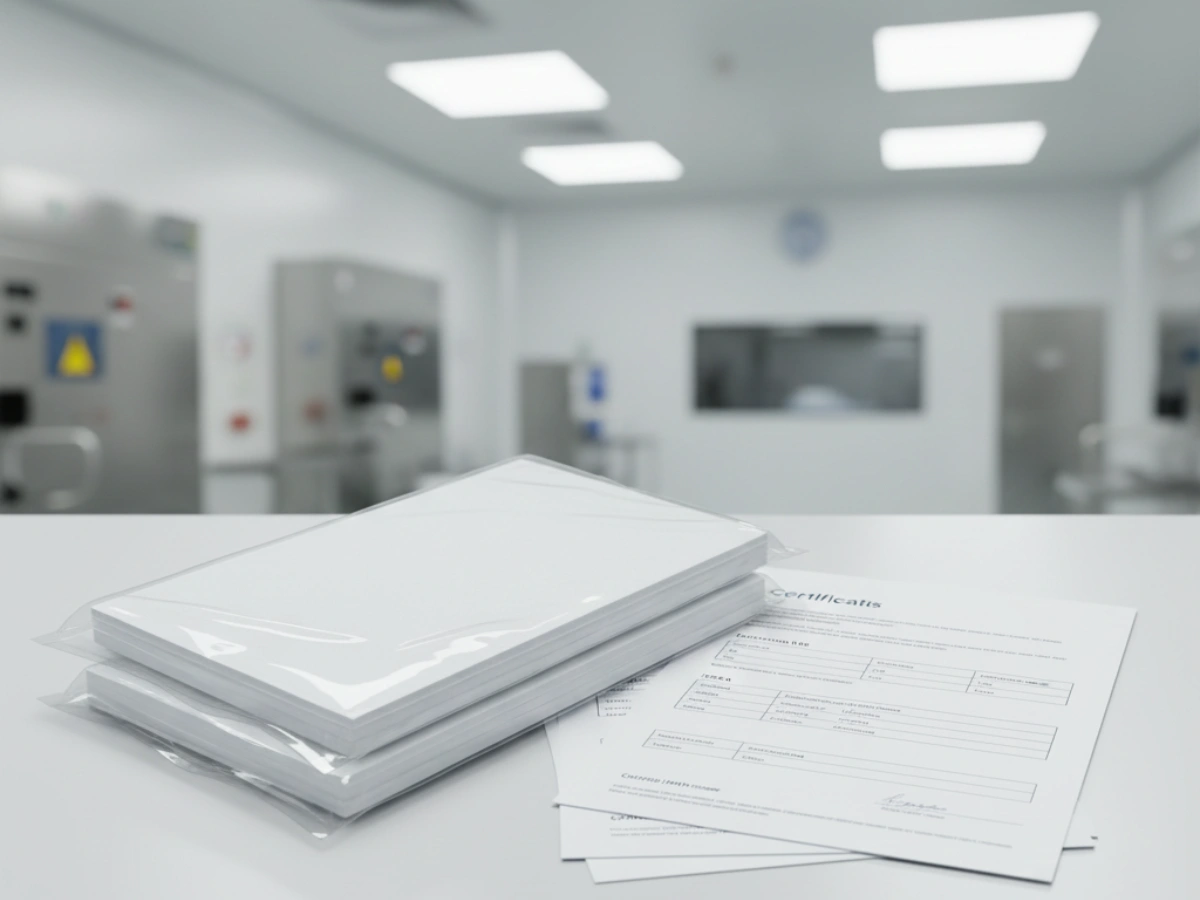
Recommended documentation package
- Cleanroom cleaning SOP and mopping SOP
- Product specification sheet for selected cleanroom mop system
- COA reference or batch-related release document according to selected model or sample lot
- Sterilization support documents for sterile mop options where applicable
- Lot or batch traceability record
- Training records for personnel using the mop system
- Environmental monitoring trend review
- Deviation and CAPA records related to cleaning or contamination events
Supporting pages include Cleanroom Mop Validation Documents & COA, Batch Traceability for Pharmaceutical Cleanroom Mops, and How to Qualify a Pharmaceutical Cleanroom Mop Supplier.
8. Create a Preventive Checklist for Cleanroom Teams
A practical prevention checklist helps operators, QA, and supervisors align on what must be controlled before, during, and after cleaning.
| Control Point | Prevention Question | Evidence to Keep |
|---|---|---|
| Personnel | Are operators trained, gowned correctly, and following movement rules? | Training and gowning qualification records |
| Materials | Are materials transferred according to cleanroom entry procedure? | Transfer log or material entry record |
| Mop system | Is the mop suitable for the room grade, surface, and sterile requirement? | Specification, COA reference, batch traceability |
| Workflow | Was the correct zone sequence and mopping pattern followed? | Cleaning log and SOP checklist |
| Monitoring | Do environmental monitoring results support the cleaning strategy? | EM trend report, deviation review, CAPA record |
Cleanroom contamination prevention is strongest when contamination pathways are mapped, tools are qualified, workflows are controlled, and every critical action can be supported by documentation.
Conclusion: Prevention Is More Effective Than Recovery
Effective cleanroom contamination prevention requires a proactive strategy. Instead of reacting only after failed monitoring results or audit findings, facilities should control the sources, tools, workflows, and documentation that influence contamination risk every day.
Low-lint cleanroom mop systems play an important role in this strategy because they directly affect floors, walls, ceilings, transfer areas, and routine cleaning workflows. When the mop system is matched to the cleanroom grade, sterile requirement, surface type, and documentation needs, it becomes part of a stronger contamination prevention program.
FAQ: Cleanroom Contamination Prevention
What is cleanroom contamination prevention?
Cleanroom contamination prevention is a proactive system that controls how particles, microorganisms, residues, personnel, materials, tools, and cleaning workflows enter or move through controlled environments.
Why are cleanroom mop systems important for contamination prevention?
Cleanroom mop systems help control contamination on floors, walls, ceilings, and large surfaces. Low-lint mop systems reduce fiber shedding and support repeatable cleaning workflows when used under a documented SOP.
When should a sterile cleanroom mop be used?
Sterile cleanroom mops are typically considered for higher-risk GMP-controlled areas, aseptic support workflows, or cleaning tasks where microbial introduction must be minimized and batch-related documentation is required.
How does environmental monitoring support contamination prevention?
Environmental monitoring verifies whether the prevention strategy is working over time. Monitoring trends can reveal repeated contamination sources, cleaning gaps, training issues, or material transfer risks.
What documents support an audit-ready contamination prevention program?
Key documents include cleaning SOPs, mopping SOPs, personnel training records, product specifications, COA references, batch traceability, sterilization support documents when applicable, environmental monitoring trends, deviation records, and CAPA reports.
Need a Cleanroom Mop System for Contamination Prevention?
MIDPOSI can help you review low-lint cleanroom mop systems, sterile and non-sterile configurations, documentation support, and sample options for pharmaceutical, biotech, medical device, semiconductor, and laboratory cleanrooms.