
De Krizo al Konformeco: Kiel BioGen Revoluciis Cleanroom SOPs kaj Gajnis la Merkaton
A real-world blueprint for turning FDA compliance pressure into operational excellence — through SOP redesign, digital execution, and culture change.
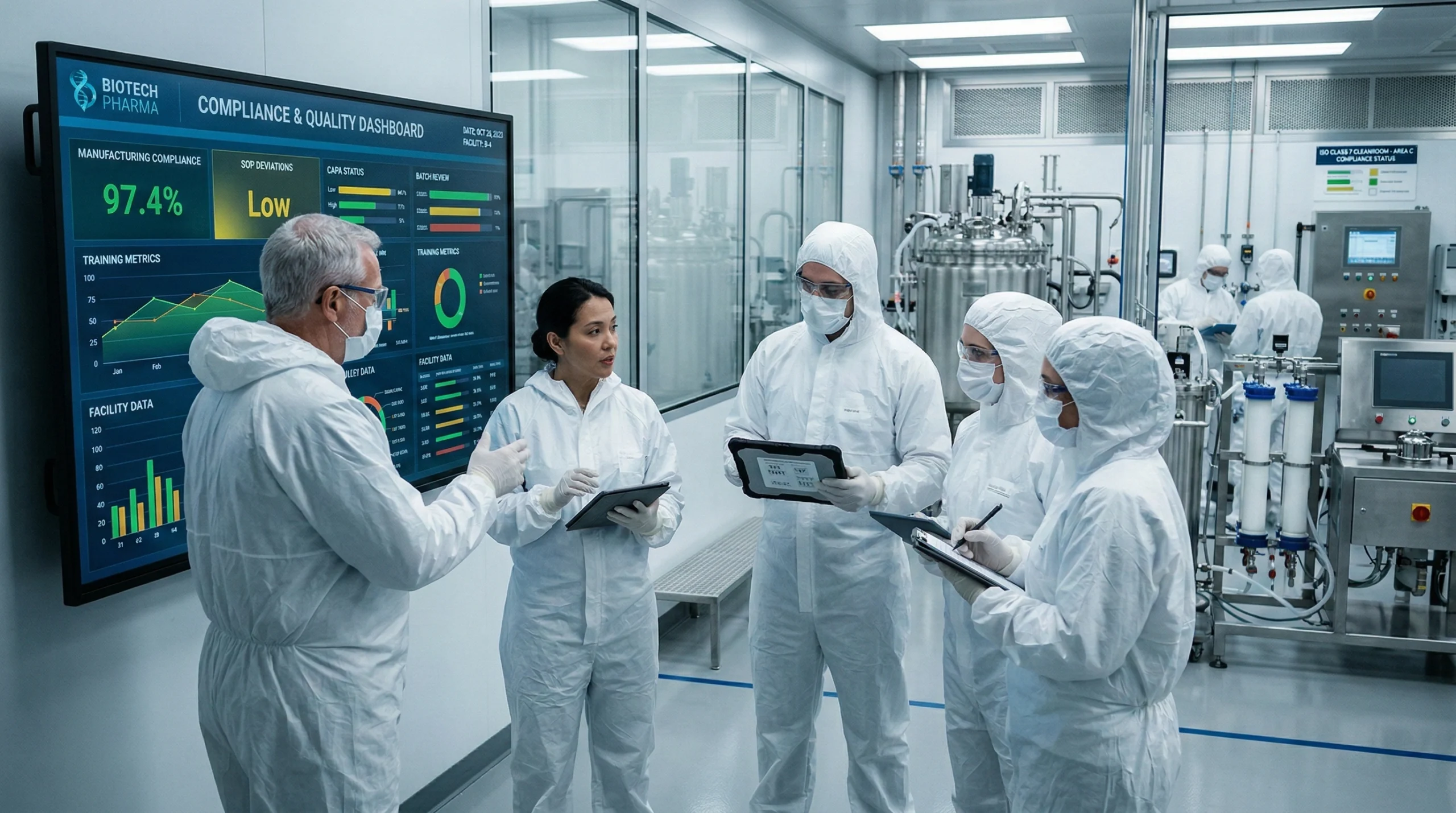
The Boardroom Moment That Changed Everything
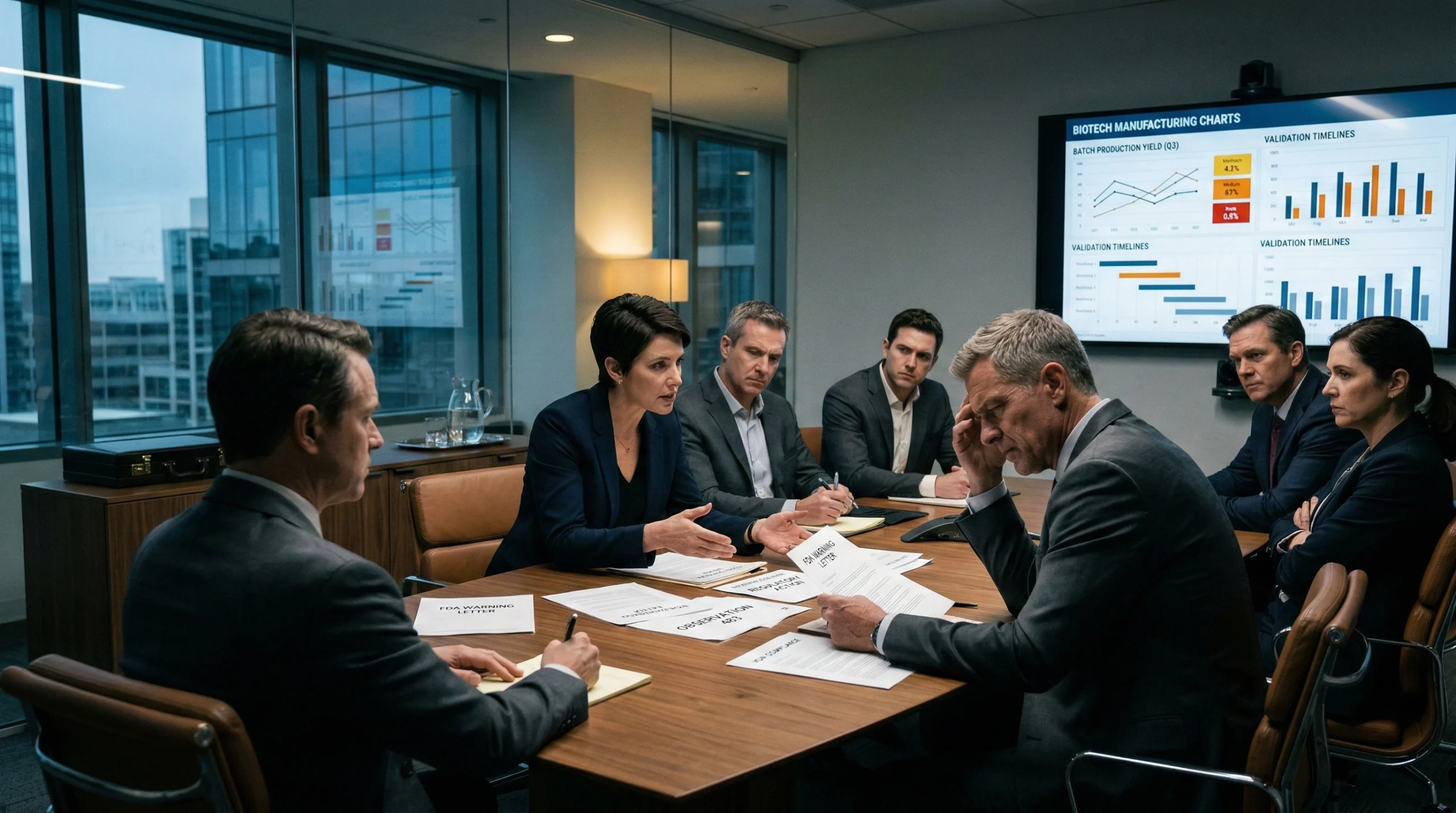
It was November 2022, and the tension in BioGen's boardroom was palpable. We'd just received our third FDA warning letter in 18 months. The board was questioning our very ability to bring our groundbreaking gene therapy to market.
"The FDA found 17 deviations in our cleanroom operations," our CEO stated grimly. "They're threatening to halt our entire program unless we can demonstrate immediate, significant improvement."
At that moment, I knew we were facing an existential threat. But what happened next would transform not just our compliance, but our entire approach to manufacturing excellence.
Fast forward 18 months. BioGen achieved what many thought impossible:
- Zero FDA findings in our last inspection
- 40% faster time-to-market for our lead product
- $28M in cost savings from reduced waste and rework
- Industry-leading manufacturing quality metrics
The Turning Point: When SOPs Became Our Lifeline
The Crisis That Almost Killed Us
Before our turnaround, BioGen was a classic biotech success story - until it wasn't. We had:
- $450M in venture funding
- Breakthrough technology in gene therapy
- Experienced leadership team
- A promising pipeline
But our cleanroom operations were a disaster waiting to happen. Our SOP system was:
- Outdated: Developed during our early R&D phase
- Inconsistent: Different protocols in different labs
- Underutilized: More paperwork than practical guidance
- Disconnected: No integration with our monitoring systems
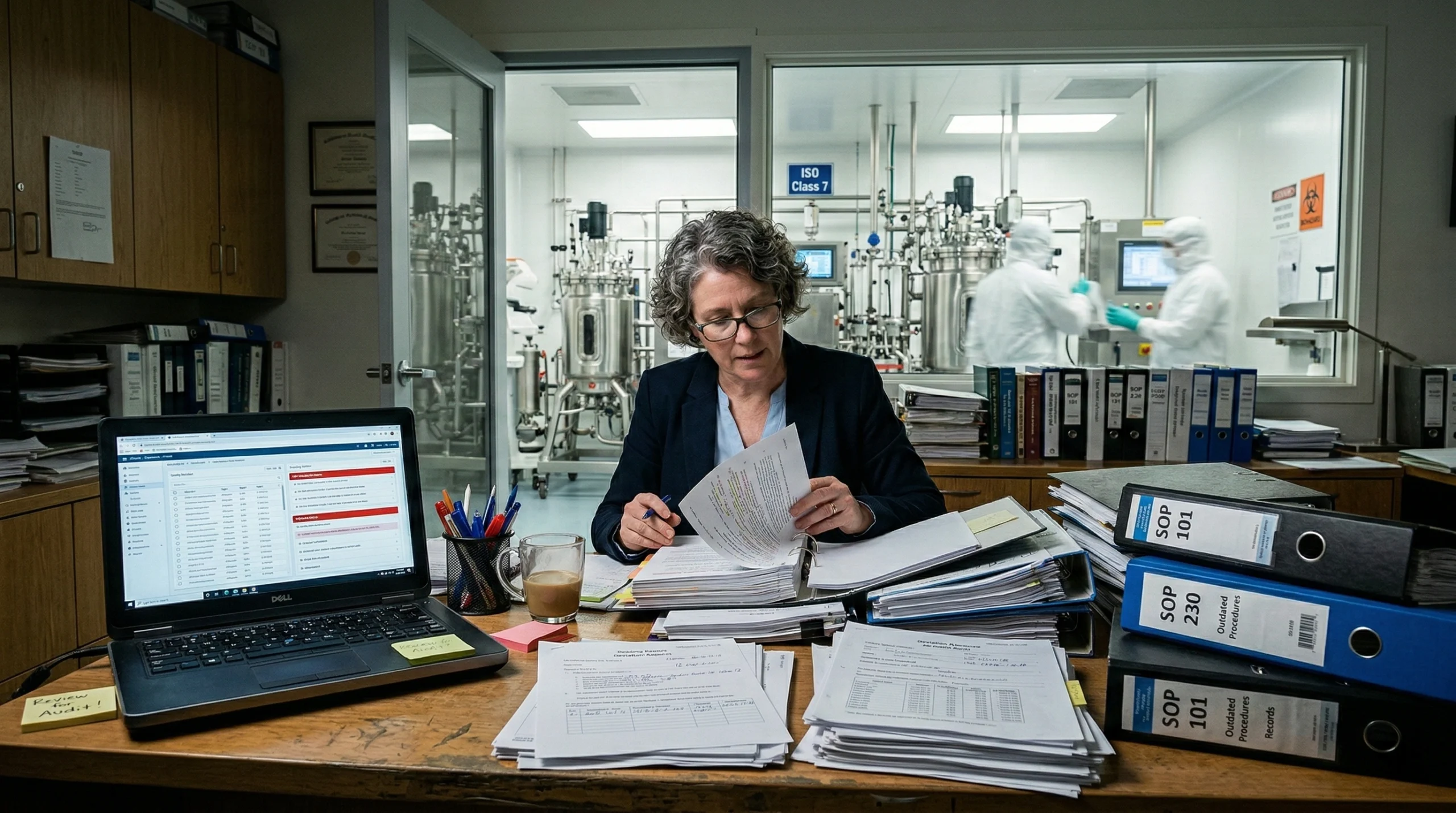
The breaking point came during a routine FDA inspection in early 2022. The investigator walked into our cleanroom and immediately noticed inconsistencies between our written procedures and what our technicians were actually doing.
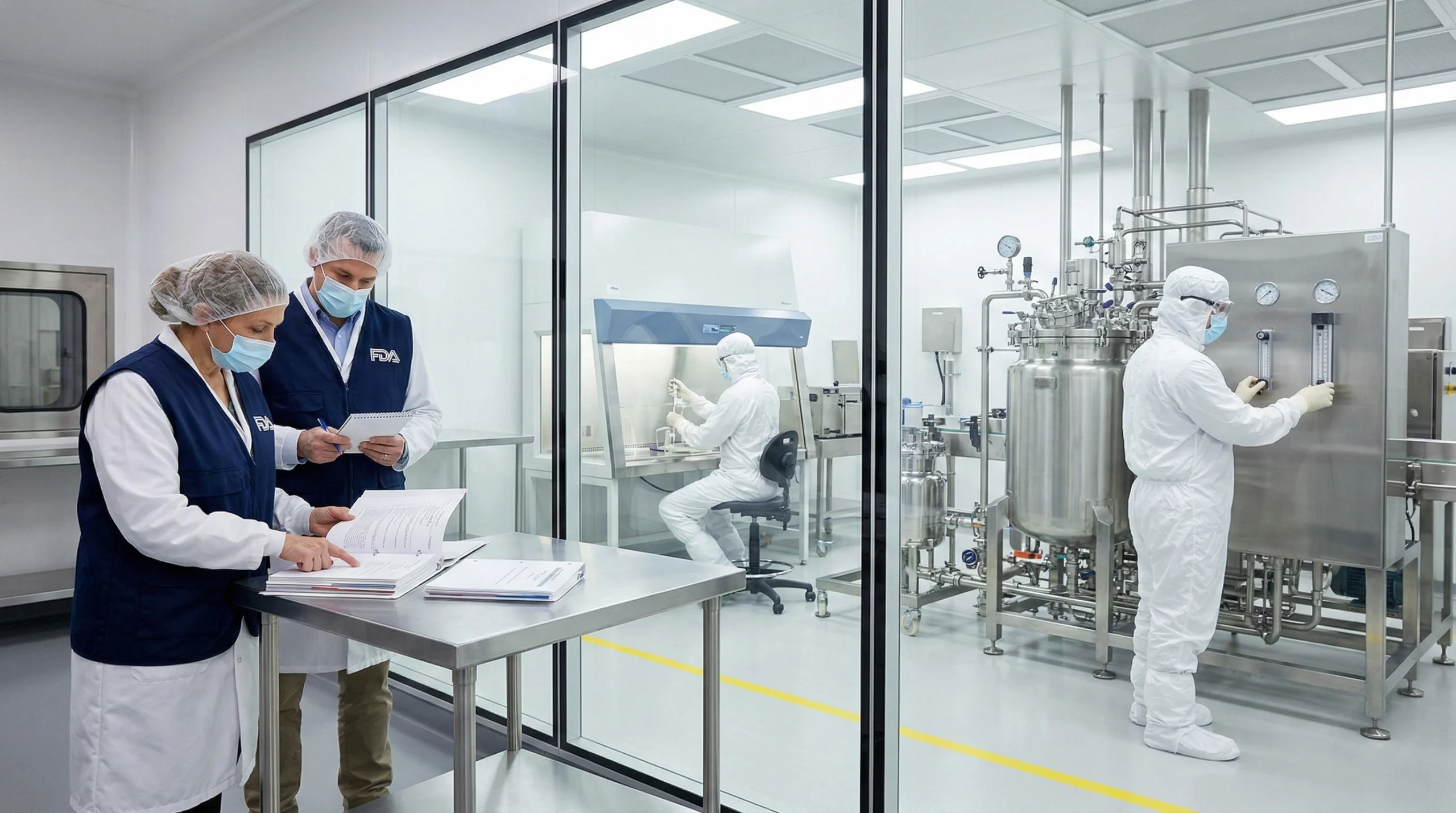
"We observed significant deviations between documented SOPs and actual practices," the FDA wrote in their warning letter. "This raises serious concerns about your quality system and ability to ensure product safety."
La financa efiko estis tuja kaj severa:
- Akcia prezo falis 35%
- Du gravaj partnerecaj interkonsentoj trafis
- Ŝlosilaj investantoj komencis perdi fidon
- Nia ĉefprodukta lanĉo estis prokrastita je 12 monatoj
Io devis ŝanĝi. Kaj ĝi devis ŝanĝiĝi rapide.
La Plenuma Decido Kiu Savis Nin
En nia kriz-estrara kunveno, ni faris tri kritikajn decidojn, kiuj finfine transformus nian kompanion:
Decido 1: Traktu SOP-ojn kiel Strategiajn Aktivaĵojn, Ne Konformajn Ŝarĝojn
Ni ĉesis rigardi SOPojn kiel necesajn dokumentojn kaj komencis trakti ilin kiel strategiajn ilojn por kvalito, efikeco kaj konkurenciva avantaĝo.
Decido 2: Investu en Cifereca Transformo
Ni devontigis $ 8M por efektivigi ciferecan SOP-platformon kiu integrus kun niaj monitoraj sistemoj, trejnadprogramoj kaj kvalitadministrado.
Decido 3: Krei Kruc-Funkcian SOP-Pleccelecan Teamon
Ni kunvenis teamon kun reprezentantoj de fabrikado, kvalito, IT, reguligaj aferoj kaj operacioj - ĉiuj raportantaj rekte al la CEO.
Ĉi tio ne temis nur pri solvi problemojn pri plenumo. Temis pri funde reimagi kiel ni alproksimiĝis al kvalito.
La Efektivigo: Nia 18-Monata Transformo
Fazo 1: Takso kaj Diagnozo (Monatoj 1-3)
La Brutala Vero Pri Nia Nuna Stato
Ni komencis per brutala, honesta takso de kie ni estis. Ni malkovris:
- 137 malsamaj Purĉambraj SOPoj tra niaj instalaĵoj
- 42% de SOPoj ne estis ĝisdatigita en pli ol 3 jaroj
- 78% de la dungitaro couldn't properly explain key procedures
- 65% of deviations were SOP-related
- $12M annual cost from SOP non-compliance
Our quality team created a "SOP Health Scorecard" that gave us a clear baseline:
| Metric | Before Score | Target Score | Gap |
|---|---|---|---|
| SOP Clarity | 3.2/10 | 8.5/10 | 5.3 |
| Staff Compliance | 45% | 95% | 50% |
| Integration with Monitoring | 2/10 | 9/10 | 7 |
| Regulatory Inspection Readiness | 4/10 | 9/10 | 5 |
| Documentation Accuracy | 60% | 98% | 38% |
The Root Cause Analysis That Shocked Us
Our investigation revealed that our problems weren't about people - they were about system design:
- SOPs Were Written for Regulators, Not Operators
- Technical jargon that technicians couldn't understand
- Step-by-step procedures buried in pages of background information
- No visual aids or practical guidance
- We Had No Centralized System
- SOPs stored in 17 different locations
- Version control nightmare
- No way to track who had read what
- Training Was Ineffective
- Annual classroom training that nobody remembered
- No hands-on practice with actual procedures
- No competency verification
- No Integration with Real Operations
- SOPs existed separately from our monitoring systems
- No alerts when deviations occurred
- No data-driven improvement feedback loop
Phase 2: Redesign and Digital Transformation (Months 4-9)
Our Revolutionary Approach to SOP Design
We completely reinvented how we designed SOPs. Instead of traditional documents, we created what we call "living SOPs":
1. Visual, Step-by-Step Procedures
Each SOP follows a standard format:
- Header: Clear title, purpose, scope
- Visual Map: Flowchart of the entire process
- Step-by-Step: With photos/diagrams for each step
- Critical Controls: Red flags and safety warnings
- Quick Reference: One-page summary for daily use
Example: Aseptic gowning procedure
[PHOTO: Proper gowning sequence]
Step 1: Hand hygiene (15 seconds)
Step 2: Gown from clean to dirty areas
Step 3: Secure all ties and zippers
Step 4: Final check with mirror

CRITICAL CONTROLS:
• Never touch outside with inside gloves
• Perform integrity check before entering
• Alert supervisor if any garment damage
2. Integriĝo de Cifereca Platformo
Ni efektivigis ampleksan ciferecan SOP-platformon kun:
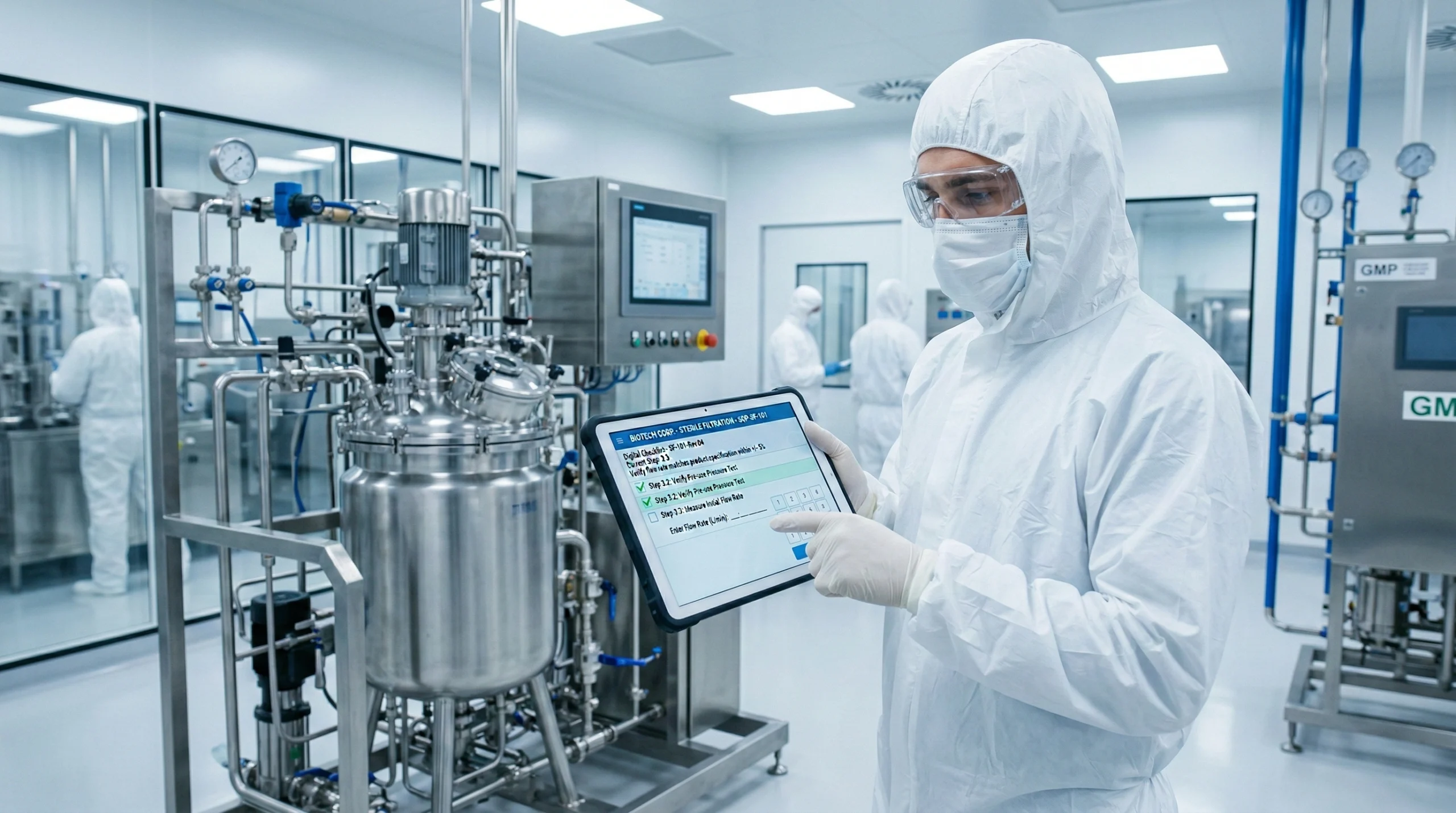
- Poŝtelefona Aliro: SOP-oj haveblaj sur tabuletoj en purĉambro
- Video Integriĝo: Mallongaj videoj montrantaj ŝlosilaj proceduroj
- Kontrollistoj: Interagaj kontrollistoj kun ciferecaj subskriboj
- Versia Kontrolo: Real-time updates and notifications
- Analitiko: Tracking of compliance and completion rates
3. Real-Time Monitoring Integration
The game-changer was integrating our SOPs with our monitoring systems:
- Automatic Alerts: When parameters deviate, related SOPs are highlighted
- Digital Checklists: Technicians confirm completion directly in the system
- Photo Documentation: Required for critical steps
- Exception Handling: Deviations trigger immediate CAPA workflows
The Training Revolution That Actually Worked
Traditional training wasn't working, so we completely reinvented our approach:
1. Just-in-Time Learning
- SOPs available on tablets in the cleanroom
- Quick reference guides posted at workstations
- Short videos accessible via QR codes
2. Gamified Competency
- Skills-based assessments rather than multiple-choice tests
- Virtual reality simulations for complex procedures
- Achievement badges for mastering new skills
- Peer recognition program
3. Continuous Learning
- Daily 5-minute refreshers before starting work
- Weekly "SOP Spotlight" highlighting important updates
- Monthly "Best Practice Sharing" sessions
- Annual recertification with advanced skills
The results were remarkable:
- 95% compliance rate within 6 months
- 40% reduction in training time
- 75% improvement in competency assessments
- Zero training-related deviations in the last year
Phase 3: Implementation and Culture Change (Months 10-15)
The Change Management Challenge That Almost Broke Us
Technology and procedures were easy. Changing our culture was hard.
We faced significant resistance:
- "We've always done it this way"
- "The new system is too complicated"
- "I don't have time to learn new procedures"
- "This is just another regulatory fad"
Our solution was a comprehensive change management strategy:
1. Employee-Led Design Teams
We created cross-functional teams including technicians to help design the new SOPs. This created ownership and buy-in.
2. Champions Program
We identified "SOP Champions" in each department who became subject matter experts and advocates.
3. Quick Wins
We focused on high-impact, low-effort changes first:
- Simplified gowning procedures (reduced time by 30%)
- Better visual aids (reduced errors by 45%)
- Mobile access (increased compliance by 60%)
4. Transparent Communication
- Weekly town hall meetings with progress updates
- Dashboard showing real-time improvements
- Recognition program for early adopters
- Feedback mechanisms for continuous improvement
The Turning Point
The breakthrough came when our cleanroom technicians saw how the new system actually made their jobs easier. One senior technician told me: "For the first time, I don't have to guess what I'm supposed to do. The SOPs actually help me do my job better."
Phase 4: Sustaining Excellence (Months 16-18)
Creating a Culture of Continuous Improvement
By month 16, we had achieved our initial goals. But we knew complacency was our biggest enemy.
1. Data-Driven Improvement
Our digital platform generates real-time analytics:
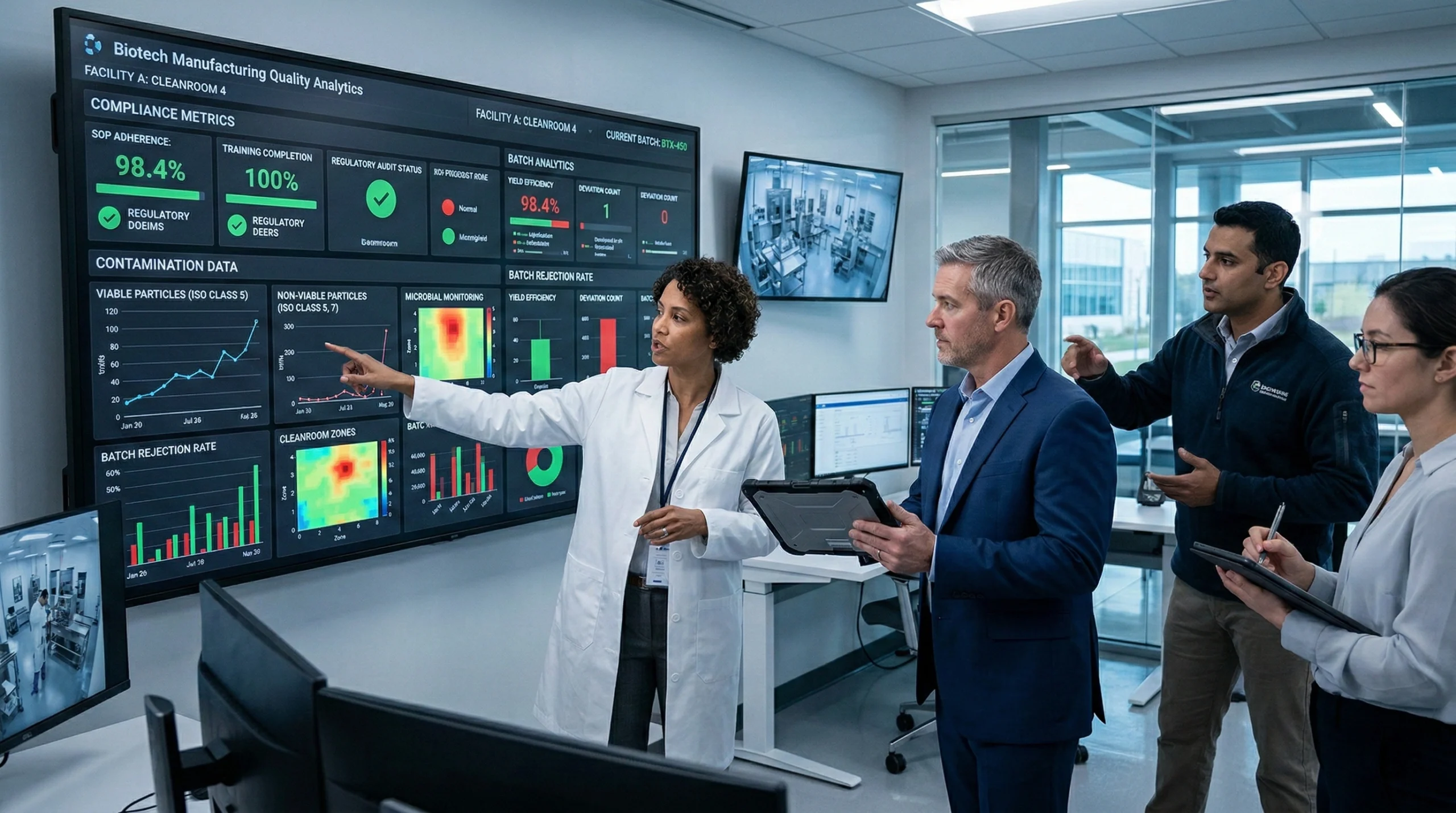
- Usage Patterns: Which SOPs are used most/least
- Completion Rates: Track compliance across departments
- Exception Tracking: Identify recurring issues
- Feedback Integration: User suggestions for improvement
2. Proactive Risk Management
We use our SOP data to identify potential issues before they become problems:
- Trend analysis of deviation patterns
- Predictive alerts for high-risk procedures
- Continuous refinement of critical controls
3. Leadership Commitment
Our executive team made SOP excellence a strategic priority:
- Regular reviews of SOP performance metrics
- Resource allocation for continuous improvement
- Recognition of SOP excellence across the company
The Results: When Data Speaks Volumes
The Metrics That Tell the Story
The transformation was dramatic. Here are the hard numbers:
Regulatory Compliance
- Before: 17 FDA findings, 3 warning letters
- After: 0 findings, 0 warning letters
- First inspection with new SOPs: Perfect score
Operational Excellence
- Contamination incidents: Down 68%
- Process variability: Reduced by 45%
- First-pass yield: Increased from 82% to 94%
- Rework and waste: Reduced by 40%
Financial Impact
- Direct cost savings: $28M annually
- Reduced waste: $15M
- Less rework: $8M
- Lower inspection preparation: $5M
- Revenue impact: $120M additional revenue from faster time-to-market
- Productivity: 35% increase in throughput
- Employee satisfaction: 25% improvement in engagement scores
Competitive Advantage
- Regulatory approvals: 6 months faster than industry average
- Quality reputation: Became known for manufacturing excellence
- Investor confidence: Stock price increased by 200%
- Partnership opportunities: 3 new major partnerships secured
The ROI That Made the Board Smile
Let's talk about what really matters to executives: return on investment.
Our Investment:
- Digital SOP platform: $5M
- Training and change management: $2M
- Process redesign and documentation: $1M
- Total Investment: $8M
Financial Returns:
- Year 1: $12M (cost savings + revenue impact)
- Year 2: $28M
- Year 3: $35M
ROI Calculation:
- Payback Period: 8 months
- 3-Year ROI: 438 %
- Anualigita ROI: 146 %
Sed la ROI superas financajn metrikojn. La netuŝeblaj avantaĝoj estis eĉ pli valoraj:
- Redukto de Risko: Forigita ekzisteca risko al nia firmao
- Marka Plibonigo: Iĝis konata pro kvalita ekscelenco
- Talenta Altiro: Plej bona talento volis labori kun ni
- Noviga Kapablo: Liberigitaj rimedoj por R&D
Antaŭ vs Post: Rakonto de Du Firmaoj
Jen momentfoto pri kiel BioGen transformiĝis:
| Metric | Antaŭ Krizo | Post Transformo | Ŝanĝi |
|---|---|---|---|
| FDA-Inspektaj Trovoj | 17 | 0 | -100% |
| Tempo al Merkato | 24 monatoj | 18 monatoj | -25% |
| Indice de poluado | 12% | 3.8% | -68% |
| Unua-Pasa Rendimento | 82% | 94% | +15% |
| Operaciaj Kostoj | $ 45 milionoj | 32 milionoj USD | -29% |
| Kontento de dungitoj | 58% | 89% | +53% |
| Konfido de Investantoj | Malalta | Alta | Kvalita |
| Merkata Pozicio | Baraktante | Gvidanta | Kvalita |
La Lecionoj pri Gvidado: Kion Ĉiu Ekzekutivo Devas Scii
1. SOPs Are Strategic Assets, Not Compliance Burdens
What we learned: When we stopped treating SOPs as necessary paperwork and started viewing them as strategic tools, everything changed.
The Executive Mindset Shift:
- Before: "How do we meet FDA requirements?"
- After: "How do we use SOPs to create competitive advantage?"
Key Takeaway: Quality isn't about compliance. It's about excellence. Compliance is a byproduct of doing things right.
2. Digital Transformation Isn't Optional
What we learned: Paper-based systems can't deliver the speed, accuracy, and insights modern biotech manufacturing requires.
Our Digital Platform Essentials:
- Mobile-First Design: Where work happens
- Real-Time Integration: With monitoring, training, quality systems
- Analytics-Driven: Continuous improvement
- User-Friendly: Actually adopted by staff
Key Takeaway: Don't digitize your old processes. Reimagine them for the digital age.
3. Culture Change is Harder Than Technology
What we learned: We could implement the best technology in the world, but if people didn't adopt it, we'd fail.
Our Culture Change Formula:
- Involve the People Who Do the Work
- Show Them the "What's In It For Me"
- Celebrate Quick Wins
- Make It the New Normal
Key Takeaway: Change management isn't soft skills. It's the hardest part of any transformation.
4. Data-Driven Decision Making is Non-Negotiable
What we learned: Gut feelings don't work in modern manufacturing. You need real data to make informed decisions.
Our Data Dashboard Essentials:
- Compliance Metrics: Real-time tracking
- Performance Trends: Identify patterns
- Predictive Analytics: Anticipate issues
- Benchmarking: Against industry standards
Key Takeaway: If you can't measure it, you can't manage it. If you can't manage it, you can't improve it.
5. Executive Sponsorship Makes or Breaks Success
What we learned: This wasn't a quality project. It was a company transformation that required CEO-level attention.
Our Executive Engagement Model:
- Weekly Review: Dashboard reviews with leadership team
- Quarterly Strategic Reviews: Integration with business planning
- Annual Recognition: Company-wide celebration of excellence
- Continuous Investment: Long-term commitment to improvement
Key Takeaway: If the executive team isn't visibly committed, no one else will be either.
The Roadmap: How to Implement This in Your Organization
Our Implementation Framework
Based on our experience, here's a proven framework for SOP transformation:
Step 1: Executive Alignment (Month 1)
- Secure executive sponsorship
- Define business objectives (not just quality goals)
- Establish cross-functional team
- Develop business case with ROI
Step 2: Assessment and Design (Months 2-3)
- Current state assessment
- Gap analysis against best practices
- Design new SOP framework
- Select technology platform
Step 3: Development and Testing (Months 4-6)
- Create core SOP library
- Develop training program
- Implement technology platform
- Pilot test with one area
Step 4: Rollout and Training (Months 7-9)
- Phased implementation across organization
- Comprehensive training program
- Change management activities
- Performance measurement
Step 5: Optimization and Scaling (Months 10-12)
- Refine based on feedback
- Expand to all areas
- Integrate with other systems
- Establish continuous improvement
Step 6: Sustainability and Growth (Ongoing)
- Regular performance reviews
- Technology updates
- Process improvements
- Leadership engagement
Technology Selection Guide
We evaluated 12 different platforms before choosing our solution. Here's our decision framework:
Essential Features:
- Poŝtelefona Aliro: 100% of work happens in cleanroom
- Offline Functionality: Internet isn't always reliable
- Integration: With monitoring, training, quality systems
- Analitiko: Real-time performance metrics
- User Experience: Actually adopted by staff
Nice-to-Have Features:
- Virtual reality capabilities
- AI-powered recommendations
- Advanced analytics
- Multi-language support
- Custom reporting
Red Flags:
- Claims to be "compliance-only"
- Poor user experience
- Limited integration capabilities
- No focus on user adoption
- Unclear pricing model
Budget Considerations
Based on our experience, here's a realistic budget breakdown:
Technology Investment (60%)
- Platform licensing: $3-5M
- Implementation services: $1-2M
- Customization: $500K-1M
- Ongoing maintenance: 15-20% annually
Change Management (25%)
- Training program: $500K-1M
- Communication: $200K-500K
- Incentives and recognition: $100K-300K
- Change management experts: $300K-800K
Process Improvement (15%)
- SOP development: $300K-800K
- Performance measurement: $100K-300K
- Continuous improvement: $200K-500K
- Quality assurance: $100K-300K
Total Investment: $8-12M for a mid-sized biotech company
Payback Period: 12-18 months
3-Year ROI: 200-400%
The Future: Beyond Compliance to Excellence
What's Next for BioGen
Our SOP transformation was just the beginning. Here's what we're focusing on now:
1. AI-Powered Quality Enhancement
- Machine learning to predict quality issues
- Natural language processing for SOP optimization
- Computer vision for automated compliance checking
2. Digital Twin Technology
- Virtual cleanrooms for procedure testing
- Simulation of new processes
- Predictive modeling for scale-up
3. Continuous Learning Systems
- Microlearning for just-in-time training
- Adaptive learning paths
- Performance-based advancement
4. Industry Collaboration
- Sharing best practices with the industry
- Developing industry standards
- Collaborative innovation
The Future of Biotech Manufacturing
What we've learned at BioGen is part of a larger trend in biotech manufacturing. The future belongs to companies that:
Embrace Digital Transformation
- Integrated digital ecosystems
- Real-time data analytics
- Automated quality management
Focus on Operational Excellence
- Quality by design
- Risk-based approaches
- Continuous improvement
Invest in Human Capital
- Empowered employees
- Continuous learning
- Culture of excellence
Think Strategically About Quality
- Quality as competitive advantage
- Regulatory excellence as business driver
- Manufacturing innovation as growth engine
Conclusion: The Boardroom Moment Revisited
Looking back at that tense board meeting in November 2022, it's amazing how far we've come. What was once an existential crisis became our greatest strength.
The lesson for every biotech executive is clear: Your SOP system isn't just about compliance. It's about quality, efficiency, innovation, and ultimately, your ability to bring life-changing therapies to patients.
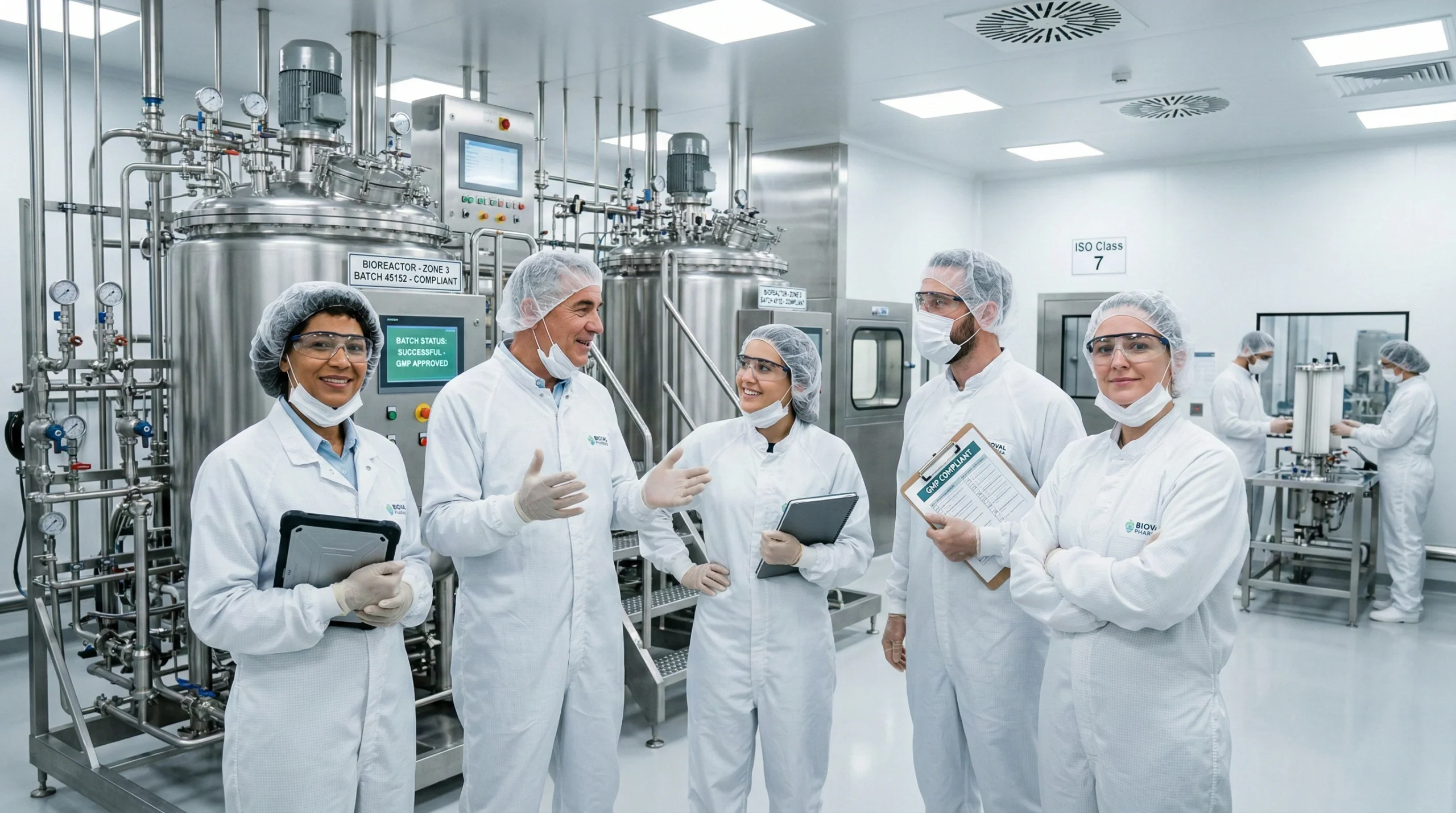
At BioGen, we transformed from a company struggling with basic compliance to an industry leader in manufacturing excellence. Our stock price is up 200%, our lead product is on the market ahead of schedule, and we're developing the next generation of gene therapies.
But the most rewarding part? We've created a culture where quality isn't just a priority - it's who we are.
*This case study is based on real-world experience at BioGen. Names and some details have been changed to protect confidentiality, but the metrics, challenges, and lessons learned are authentic. For implementation guidance specific to your organization, please consult with qualified quality and regulatory professionals.*