
Los trapeadores para salas blancas codificados por colores no tienen que ver con la estética. Es una estrategia de control visual que hace que las violaciones de zona sean inmediatamente visibles para los operadores, supervisores y auditores. Una combinación de colores bien diseñada se integra con los colores de las batas, la señalización de zonas y la documentación de POE para crear un sistema de prevención de contaminación cruzada que funcione a nivel del operador, no solo en el manual de control de calidad.
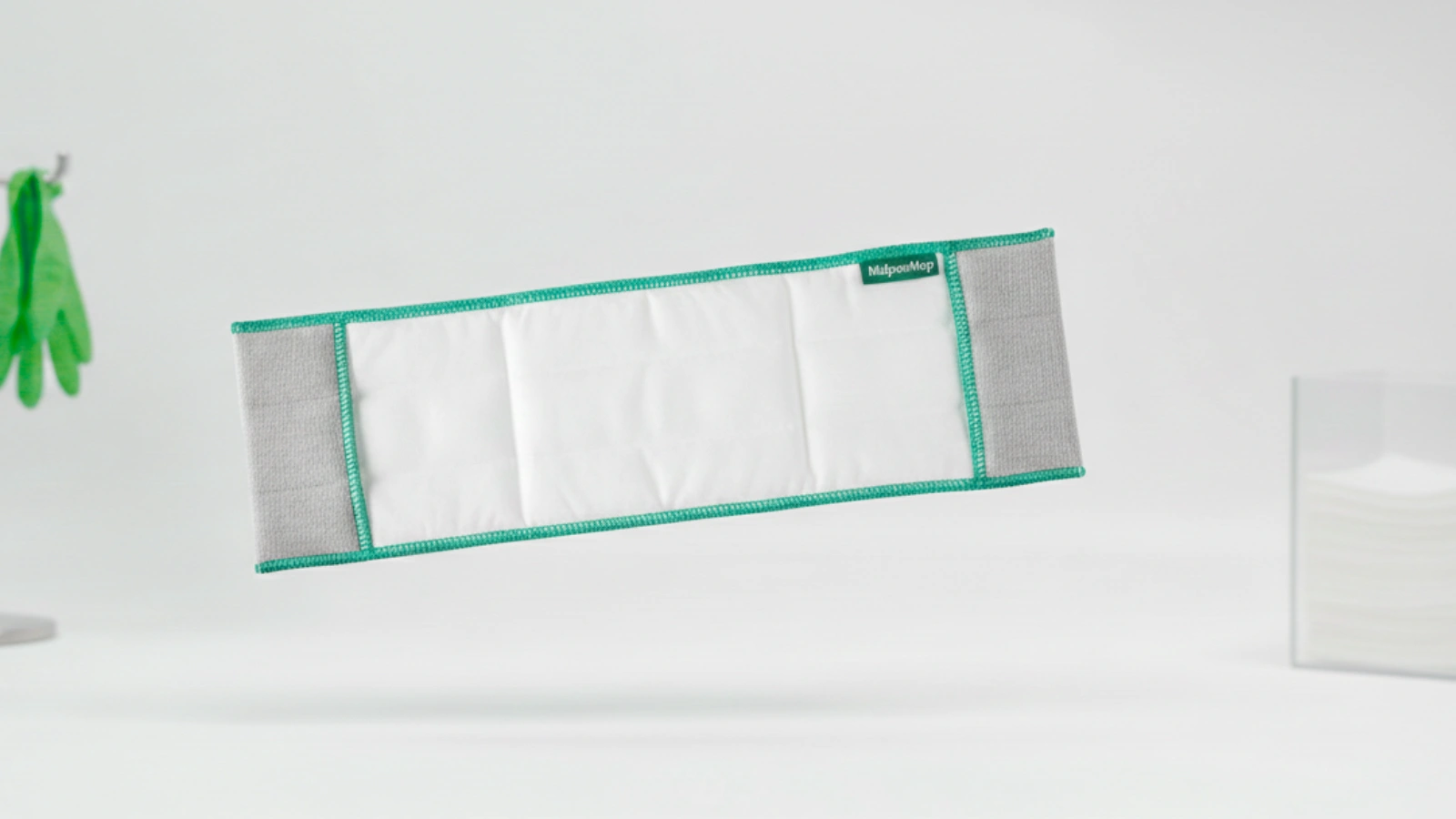
No existe un estándar universal único para la codificación de colores de los trapeadores para salas blancas. La mayoría de las instalaciones adoptan uno de tres enfoques: basado en zonas (por grado GMP), basado en riesgos (por nivel de riesgo de contaminación) o basado en líneas de productos (por área de fabricación). La siguiente tabla describe un mapeo basado en zonas al que se hace referencia comúnmente y que muchas instalaciones farmacéuticas y biotecnológicas multigrado utilizan como punto de partida.
| Zona/grado GMP | Color recomendado | Razón fundamental | Ejemplo de cabezal de trapeador |
|---|---|---|---|
| Grado A / ISO 5 (Núcleo Aséptico) | Blanco | El blanco se asocia con la esterilidad y la limpieza. Hace que cualquier contaminación visible sea inmediatamente evidente. Los cabezales de trapeador blancos estériles se seleccionan comúnmente para zonas de procesamiento aséptico. | Cabezal de fregona para sala blanca, estéril, 40-65 g/m2² |
| Grado B / ISO 7 (Soporte Estéril) | Azul | El azul se usa comúnmente para áreas de fondo y soporte adyacentes al Grado A. Es visualmente distinto del blanco y el verde en la mayoría de las condiciones de iluminación de las instalaciones. | Cabezal de trapeador para sala blanca con rayas o adornos azules |
| Grado C / ISO 8 (Soporte Controlado) | Verde | El verde se adopta ampliamente en las zonas de Grado C en las instalaciones farmacéuticas y biotecnológicas. Proporciona un límite visual claro entre áreas críticas y no críticas. | Cabezal de trapeador para sala blanca codificado por colores verdes |
| Grado D / ISO 8-9 (Sala limpia general) | Amarillo | El amarillo se utiliza a menudo para el área controlada más externa o de menor grado. Es visualmente distinto y rara vez se confunde con el azul o el verde. | Cabezal de trapeador para sala blanca con adornos amarillos o rayas amarillas |
| No Clasificado / Auxiliar (Pasillo, Preparación, Almacenamiento) | Rojo | El rojo indica "alerta" o "límite" y normalmente está reservado para áreas de apoyo no clasificadas. El uso del rojo aquí refuerza la separación psicológica de las zonas clasificadas. | Cabezal de trapeador para sala blanca de poliéster con ribete rojo, no estéril |
Este mapeo es una convención a la que se hace referencia comúnmente entre las instalaciones farmacéuticas y biotecnológicas. Las instalaciones individuales deben adaptar los colores según su esquema de vestimenta, las condiciones de iluminación y el historial de capacitación de los operadores. El principio más importante es la coherencia: una vez que se establece un mapeo de color a zona, se debe aplicar de manera uniforme en todas las herramientas de limpieza y documentarse en el SOP de la instalación.
En una instalación de sala blanca de múltiples zonas, los protocolos de limpieza generalmente especifican qué herramientas se asignan a cada zona. Pero los procedimientos escritos por sí solos tienen una limitación fundamental: dependen de que el operador lea, recuerde y aplique correctamente el procedimiento cada vez que se mueve entre zonas.
La codificación de colores soluciona esta limitación al incorporar asignaciones de zonas en la propia herramienta. Cuando el cabezal de un trapeador es verde y el letrero de entrada a la zona dice "Solo trapeadores verdes", la falta de coincidencia entre un trapeador azul y una zona verde es visible desde el otro lado de la habitación, antes de que el operador comience a limpiar. Ésta es la diferencia entre detectar una desviación en la etapa del procedimiento y descubrirla solo durante el monitoreo ambiental posterior a la limpieza.

El control de la contaminación se basa en defensas estratificadas. En los flujos de trabajo de limpieza, estas capas suelen incluir:
La codificación de colores funciona en la Capa 1. Proporciona el ciclo de retroalimentación más rápido posible y no depende de la alfabetización del operador, la preferencia de idioma o el nivel de fatiga. Esta es la razón por la que es un elemento ampliamente adoptado sistema de trapeador para sala limpia Diseño en instalaciones multizona.
Distinción clave: Una instalación que utiliza el mismo trapeador blanco en todas las zonas y se basa completamente en procedimientos operativos estándar escritos para evitar la contaminación cruzada solo tiene una defensa de Capa 2. Una instalación que asigna distintos colores de trapeador por zona y los combina con la señalización de la zona tiene una defensa de Capa 1 + Capa 2. La diferencia puede evaluarse durante las investigaciones de desviaciones y las auditorías de GMP.
Las instalaciones normalmente seleccionan entre tres marcos de codificación de colores según su estructura operativa, contexto regulatorio y objetivos de control de la contaminación. Cada esquema tiene una lógica, fortalezas y limitaciones distintas.
| Tipo de esquema | Lógica | Aplicación típica | Fortalezas | Limitaciones |
|---|---|---|---|---|
| Basado en zonas | El color se asigna según el grado GMP o la clase ISO. Grado A = Blanco, B = Azul, C = Verde, D = Amarillo. | Instalaciones de fabricación de productos farmacéuticos multigrado; instalaciones con límites GMP claramente definidos. | Fácil de alinear con las expectativas de grado regulatorio; se asigna directamente a los marcos de auditoría; fácil de recordar para los operadores. | Puede ser insuficiente cuando varias líneas de productos comparten el mismo grado pero necesitan segregación; requiere una designación de grado GMP consistente en todas las instalaciones. |
| Basado en riesgos | El color se asigna por nivel de riesgo de contaminación. Núcleo estéril = Blanco, soporte de alto riesgo = Azul, procesamiento general = Verde, no crítico = Amarillo. | Biotecnología R&D instalaciones; instalaciones donde las zonas de riesgo no se corresponden claramente con los grados GMP. | Más granular que basado en calificaciones; puede reflejar el riesgo de contaminación real con mayor precisión; adaptable a instalaciones con perfiles de riesgo en evolución. | Más difícil de documentar para fines de auditoría sin una justificación clara; requiere más capacitación de los operadores; Las definiciones de niveles de riesgo son específicas de cada instalación. |
| Basado en línea de productos | El color se asigna por área de fabricación o línea de producto. Suite del Producto A = Azul, Suite del Producto B = Verde, áreas compartidas = Amarillo. | Instalaciones CDMO multiproducto; Instalaciones con suites de fabricación dedicadas que nunca deben compartir herramientas. | Previene directamente la contaminación cruzada entre líneas de productos; fácil para los operadores asociar el color con un conjunto específico; evidencia clara de segregación para las auditorías de los clientes. | Se vuelve complejo con muchas líneas de productos; el suministro de color puede ser insuficiente para instalaciones con más de 5 áreas distintas; no refleja inherentemente el nivel de riesgo GMP. |
La decisión normalmente depende del principal problema de contaminación de la instalación:
Muchas instalaciones utilizan un enfoque híbrido: basado en zonas como marco principal, con segregación de líneas de productos agregada dentro de un solo grado cuando sea necesario. El Guía de selección de grados de trapeador para salas blancas GMP proporciona contexto adicional sobre los requisitos de trapeador específicos del grado que pueden informar la elección.

Diseñar un sistema de codificación de colores no se trata simplemente de asignar un color a cada habitación. Requiere un proceso deliberado y documentado que involucra mapeo de instalaciones, selección de esquemas, alineación con controles visuales existentes, selección de herramientas e integración de SOP. El marco de cinco pasos a continuación proporciona una estructura que se puede adaptar a la mayoría de los entornos de salas blancas multizona.
Comience con un plano de planta. Marque cada habitación y pasillo con su grado GMP (A/B/C/D) o clasificación ISO. Luego anotar cada área con su nivel de riesgo de contaminación: núcleo estéril, soporte de alto riesgo, procesamiento general, no crítico. Este mapa se convierte en el documento de referencia para todas las decisiones posteriores sobre codificación de colores.
Incluya espacios de transición: esclusas de aire, pasos de material y vestuarios. Estos son puntos de transferencia de contaminación comunes y deben tener asignaciones de colores claras.
Elija entre basado en zonas, basado en riesgos o basado en líneas de productos (consulte H2-3 para una comparación completa). El esquema seleccionado debe abordar la principal preocupación de contaminación de la instalación y ser defendible durante las auditorías regulatorias. Documente el fundamento: por qué se eligió este esquema, qué alternativas se consideraron y cómo se relaciona con la evaluación de riesgos de la instalación.
Este paso frecuentemente se pasa por alto. Si su instalación utiliza batas codificadas por colores (por ejemplo, batas azules para el Grado C, verdes para el Grado D), evite asignar colores de trapeador que entren en conflicto. Si los operadores usan batas verdes en una zona donde los trapeadores también son verdes, la distinción visual entre “persona” y “herramienta” puede verse disminuida. El color del trapeador debe ser claramente visible contra la bata del operador y la superficie del piso.
En algunas instalaciones, los colores de los trapeadores están alineados intencionalmente con los colores de las batas para reforzar la identidad de la zona. En otros, contrastan intencionalmente para evitar confusión. Ambos enfoques son válidos; la elección debe documentarse con una justificación.
La codificación de colores no debe limitarse a los cabezales de los trapeadores. Considere el conjunto completo de la herramienta de limpieza:
El sistema de codificación de colores debe estar codificado en el POE de limpieza de la instalación. Una descripción textual por sí sola no es suficiente. Incluir:
El apéndice visual es particularmente valioso para la capacitación de los operadores y la preparación para las auditorías. Un auditor de GMP que revise el POE debería poder comprender el sistema de codificación de colores únicamente a partir de la referencia visual.
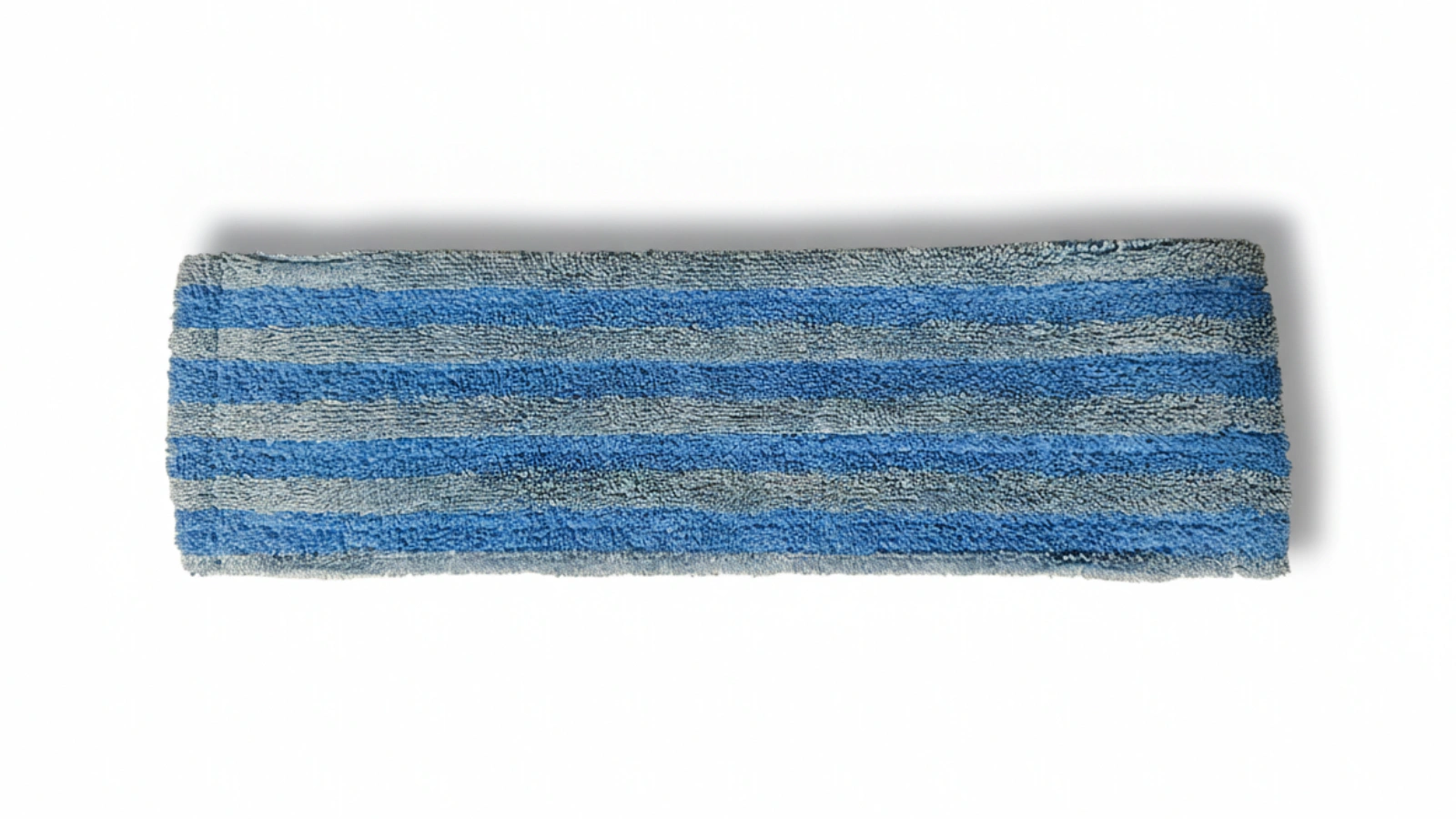
Un sistema de codificación de colores que existe únicamente en los cabezales de los trapeadores no proporciona el beneficio total de control de la contaminación. El sistema debe ser visible y coherente en al menos cuatro puntos de contacto de la instalación.
El vestuario es a menudo el primer punto donde un operador se encuentra con el sistema de codificación de colores. Considere los siguientes enfoques de integración:
La señalización de entrada a la zona debe mostrar el color de trapeador asignado a la zona. Los formatos comunes incluyen:
El POE de limpieza debe incluir un apéndice visual que cualquier auditor o nuevo operador pueda entender en cuestión de minutos. Contenidos recomendados:
La capacitación de los operadores sobre el sistema de codificación de colores generalmente se realiza a través de:
Nota práctica: La orientación sobre códigos de colores generalmente se presenta en los materiales de capacitación de POE utilizando documentos impresos en colores. Sin embargo, algunos operadores pueden tener deficiencias en la visión de los colores. Las instalaciones incorporan cada vez más identificadores basados en patrones (rayas, puntos, galones) junto con códigos de colores para garantizar una legibilidad universal. Este es un detalle que puede surgir durante las auditorías realizadas por inspectores de GMP con experiencia.
Incluso las implementaciones de códigos de colores bien intencionadas pueden fallar si no se prevén ciertos errores comunes. Los siguientes escenarios se basan en patrones observados en instalaciones de salas blancas de múltiples zonas y se presentan aquí como consideraciones para la planificación, no como predicciones definitivas para una sola instalación.
Qué sale mal: El azul claro y el verde claro pueden parecer casi idénticos en determinadas condiciones de iluminación de salas blancas (por ejemplo, iluminación teñida de amarillo en áreas de fotolitografía o entornos ISO 5 con bajo nivel de lúmenes).
Enfoque recomendado: Pruebe muestras de color bajo las condiciones de iluminación reales de cada zona antes de finalizar la combinación de colores. Elija colores visualmente distintos: blanco, azul, verde, amarillo y rojo proporciona un mayor contraste que las variaciones dentro de la misma familia de tonos. Si se requieren tanto azul como verde, use azul oscuro y verde brillante en lugar de variantes claras de ambos.
Qué sale mal: Los cabezales de los trapeadores se reemplazan con frecuencia. Si el marco y el mango no están codificados por colores, la asignación de zona desaparece cuando se cambia el cabezal. Un operador nuevo o un cabezal de repuesto de un lote diferente puede no llevar ninguna identificación visual.
Enfoque recomendado: Utilice bandas, fundas o etiquetas de identificación de colores en marcos y manijas como identificador secundario persistente. Incluso si el color del cabezal del trapeador se desvanece o se reemplaza, el color del marco sigue siendo un indicador de zona. Revisar Tipos de cabezales de fregona para salas blancas para comprender la compatibilidad del marco de la cabeza y las opciones de identificación.
Qué sale mal: El POE describe el sistema de codificación de colores únicamente en texto (por ejemplo, “Las zonas de Grado A deberán usar cabezales de trapeador blancos”). Sin referencias visuales, los operadores deben traducir internamente el texto en una decisión de color, y los auditores no pueden verificar de forma independiente el sistema únicamente a partir de la documentación.
Enfoque recomendado: Incluya un apéndice visual en cada POE de limpieza. Muestre fotografías de cada trapeador codificado por colores junto a su zona designada. Agregue un mapa en color simplificado de una página al que los operadores puedan consultar en el carro de limpieza.
Qué sale mal: El sistema de codificación de colores está documentado en el SOP, pero los operadores no recibieron capacitación formal. Es posible que entiendan que “los trapeadores verdes van a alguna parte”, pero no en qué zonas específicas, o pueden suponer que usar cualquier trapeador del contenedor del color correcto es suficiente independientemente de la zona real.
Enfoque recomendado: Incluir la codificación por colores como módulo específico en la formación de operadores. Realice una prueba práctica: el operador debe identificar correctamente qué color de trapeador pertenece a cada zona y demostrar el procedimiento de notificación de desviaciones. La capacitación debe volver a impartirse cada vez que cambie la combinación de colores o se agreguen nuevas zonas.
Qué sale mal: La instalación utiliza batas verdes para el Grado C y trapeadores verdes para el Grado C. Si bien esto parece consistente, es posible que los operadores que usan batas verdes no registren visualmente un trapeador verde como un objeto distinto. El trapeador puede mezclarse con el campo visual, reduciendo el beneficio de “reconocimiento instantáneo” que pretende proporcionar el código de colores.
Enfoque recomendado: Decida intencionalmente si los colores de la fregona y la bata deben coincidir (reforzando la identidad de la zona) o contrastar (mejorando la visibilidad de la herramienta). Documente la justificación. Si se selecciona combinar, asegúrese de que el color de la fregona esté lo suficientemente saturado o tenga un patrón suficiente para permanecer visible contra el color de la bata en todas las condiciones de iluminación.
Durante las inspecciones de GMP, los auditores pueden revisar el sistema de codificación de colores de la instalación como parte de una estrategia más amplia de control de la contaminación. Si bien no existe una regulación GMP que exija explícitamente colores de trapeadores específicos, los auditores generalmente evalúan si el sistema de codificación de colores está documentado, comprendido, aplicado de manera consistente y eficaz para prevenir la contaminación cruzada.
Para instalaciones que requieren validado trapeador de sala blanca para limpieza de instalaciones GMP, el sistema de codificación de colores a menudo se revisa junto con la evidencia de validación de limpieza y Documentos de validación de fregona para salas blancas. para confirmar que la segregación de zonas está respaldada por pruebas documentadas.
La siguiente lista de verificación resume lo que los auditores pueden evaluar durante una revisión del sistema de codificación de colores. Cada elemento representa un patrón de consulta típico, no un requisito reglamentario.
Consideración de auditoría: Un sistema de codificación de colores que existe en el POE pero que no se observa consistentemente en la práctica puede evaluarse de manera más crítica que ningún sistema formal de codificación de colores. La expectativa típica de un auditor es que los procedimientos documentados coincidan con las prácticas observadas. Si el SOP establece “trapeadores verdes solo en Grado C” pero el auditor observa un trapeador azul en Grado C, es probable que esto se plantee como una desviación, independientemente de si realmente ocurrió o no contaminación.
La codificación de colores es un elemento de una estrategia integral de control de la contaminación. Los siguientes temas abordan áreas relacionadas que los equipos de adquisiciones y control de calidad generalmente evalúan junto con las decisiones de codificación de colores.
No existe un estándar regulatorio único que exija colores de trapeador específicos para todas las instalaciones. Sin embargo, una convención a la que se hace referencia comúnmente entre las instalaciones farmacéuticas y biotecnológicas asigna el blanco al Grado A (núcleo aséptico), el azul al Grado B (soporte estéril), el verde al Grado C (soporte controlado), el amarillo al Grado D (sala blanca general) y el rojo a las áreas auxiliares no clasificadas. Las instalaciones individuales deben seleccionar un esquema que se alinee con su estructura de grados GMP, colores de batas y perfil de riesgo de contaminación, y documentar la justificación en sus POE de limpieza.
El blanco normalmente se selecciona para las zonas de procesamiento aséptico de Grado A (ISO 5), ya que está asociado con la esterilidad y hace que cualquier contaminación visible sea evidente de inmediato. El azul se asigna comúnmente a las áreas de soporte estériles de Grado B (ISO 7). Sin embargo, algunas instalaciones utilizan el blanco tanto en el Grado A como en el Grado B, distinguiendo las zonas por el estado de esterilidad del trapeador en lugar del color del trapeador. La consideración clave es que los trapeadores de grado estéril utilizados en zonas de Grado A/B deben contar con un embalaje adecuado y procedimientos de transferencia asépticos, independientemente del color.
La prevención suele depender de múltiples controles integrados. Primero, almacene los trapeadores en estantes etiquetados con colores en cada límite de zona, de modo que el trapeador correcto esté ubicado físicamente donde se necesita. En segundo lugar, coloque letreros de entrada a la zona codificados por colores que coincidan con el color del trapeador. En tercer lugar, capacitar a los operadores sobre la combinación de colores y realizar evaluaciones prácticas. Cuarto, implementar un procedimiento de notificación de desviaciones para que los trapeadores colocados incorrectamente sean señalados e investigados. En quinto lugar, considere agregar identificadores estampados (rayas, galones) junto con el color para los operadores con deficiencias en la visión del color. La codificación de colores por sí sola es una señal visual; es eficaz cuando se combina con capacitación, señalización, disciplina de almacenamiento y gestión de desviaciones.
Se recomienda encarecidamente codificar los identificadores y marcos con colores como identificador secundario o persistente. Los cabezales de los trapeadores son consumibles y pueden ser reemplazados; Si solo el cabezal está codificado por colores, la asignación de zona desaparece entre cambios de cabezal. La codificación de colores del marco (mediante bandas, fundas o etiquetas de colores) y la identificación del mango (secciones de agarre de colores o etiquetas de tapa de extremo) garantizan que la asignación de zonas permanezca visible independientemente del reemplazo del cabezal. Durante las auditorías, las manijas y marcos almacenados en estantes específicos de zona con etiquetas de colores coincidentes brindan evidencia visual inmediata de la segregación de zonas.
La integración puede seguir uno de dos enfoques. El enfoque de “combinación” alinea el color de la fregona con el color de la bata (por ejemplo, batas verdes y fregonas verdes en la misma zona), lo que refuerza la identidad de la zona y simplifica la asociación del operador. El enfoque de “contraste” utiliza distintos colores de trapeador que se destacan sobre los colores de vestimenta, mejorando la visibilidad de la herramienta. Ambos son válidos. Las instalaciones deben documentar el enfoque y la justificación elegidos. Como mínimo, se debe publicar en la sala de vestuario una tabla de referencia que muestre el nombre de la zona, el color de la bata y el color del trapeador para que los operadores puedan confirmar la asignación correcta de la herramienta antes de ingresar al área clasificada.
Los auditores generalmente verifican seis áreas: (1) si existe un esquema de codificación de colores documentado con una justificación escrita, (2) si los operadores pueden indicar correctamente la asignación de zonas de colores para su área de trabajo, (3) si las áreas de almacenamiento de trapeadores muestran una segregación de colores visible, (4) si el apéndice visual del SOP de limpieza coincide con los colores de las trapeadores y la señalización de zonas observadas, (5) si los registros de capacitación de los operadores incluyen la codificación de colores como un módulo específico, y (6) si las desviaciones anteriores de la codificación de colores se investigaron y abordaron a través de CAPA. La preocupación clave de la auditoría es la coherencia entre la documentación y la práctica observada, no el cumplimiento de ningún estándar de color específico.
Las instalaciones pueden crear su propia combinación de colores. No existe ninguna regulación que requiera un mapeo específico de color a zona. Sin embargo, la creación de un esquema personalizado conlleva una carga de documentación adicional: la justificación debe documentarse explícitamente, el esquema no debe entrar en conflicto con otros controles visuales en la instalación (vestimentas, señales, marcas de seguridad) y los operadores pueden necesitar una capacitación más intensiva ya que no pueden confiar en convenciones a las que se hace referencia comúnmente. La ventaja de seguir una convención ampliamente utilizada (blanco/azul/verde/amarillo/rojo) es que es ampliamente reconocible para los auditores familiarizados con instalaciones multigrado y tiende a ser intuitiva para los operadores que han trabajado en otros entornos regulados.
La capacitación sobre un sistema codificado por colores nuevo o revisado generalmente sigue una secuencia estructurada. En primer lugar, impartir instrucción estilo aula que cubra el mapeo de color a zona, la justificación de cada tarea y el procedimiento de notificación de desviaciones. En segundo lugar, realice un recorrido práctico por las instalaciones donde los operadores identifiquen físicamente cada zona y el color de trapeador asignado. En tercer lugar, realice una evaluación práctica en la que el operador debe seleccionar el trapeador correcto para una zona determinada y demostrar la respuesta de desviación. En cuarto lugar, proporcione tarjetas laminadas de referencia rápida que puedan fijarse en los carros de limpieza. Quinto, programe una sesión de actualización de seguimiento entre 30 y 60 días después de la implementación para abordar preguntas y reforzar el comportamiento correcto. Los registros de capacitación deben mantenerse como parte del sistema de documentación GMP de la instalación.
Analice la estructura de zonas de su instalación y los requisitos de codificación de colores con nuestro equipo. Podemos ayudarle a hacer coincidir las especificaciones del cabezal del trapeador, las opciones de esterilidad y la identificación del color con los límites de grado GMP y el marco de SOP de limpieza.
MIDPOSI suministra sistemas de trapeador para salas blancas a instalaciones farmacéuticas, de biotecnología y de dispositivos médicos. Las consultas se atienden con confidencialidad y sin compromiso.