クリーンルームモップと通常のモップ: 違いは何ですか?
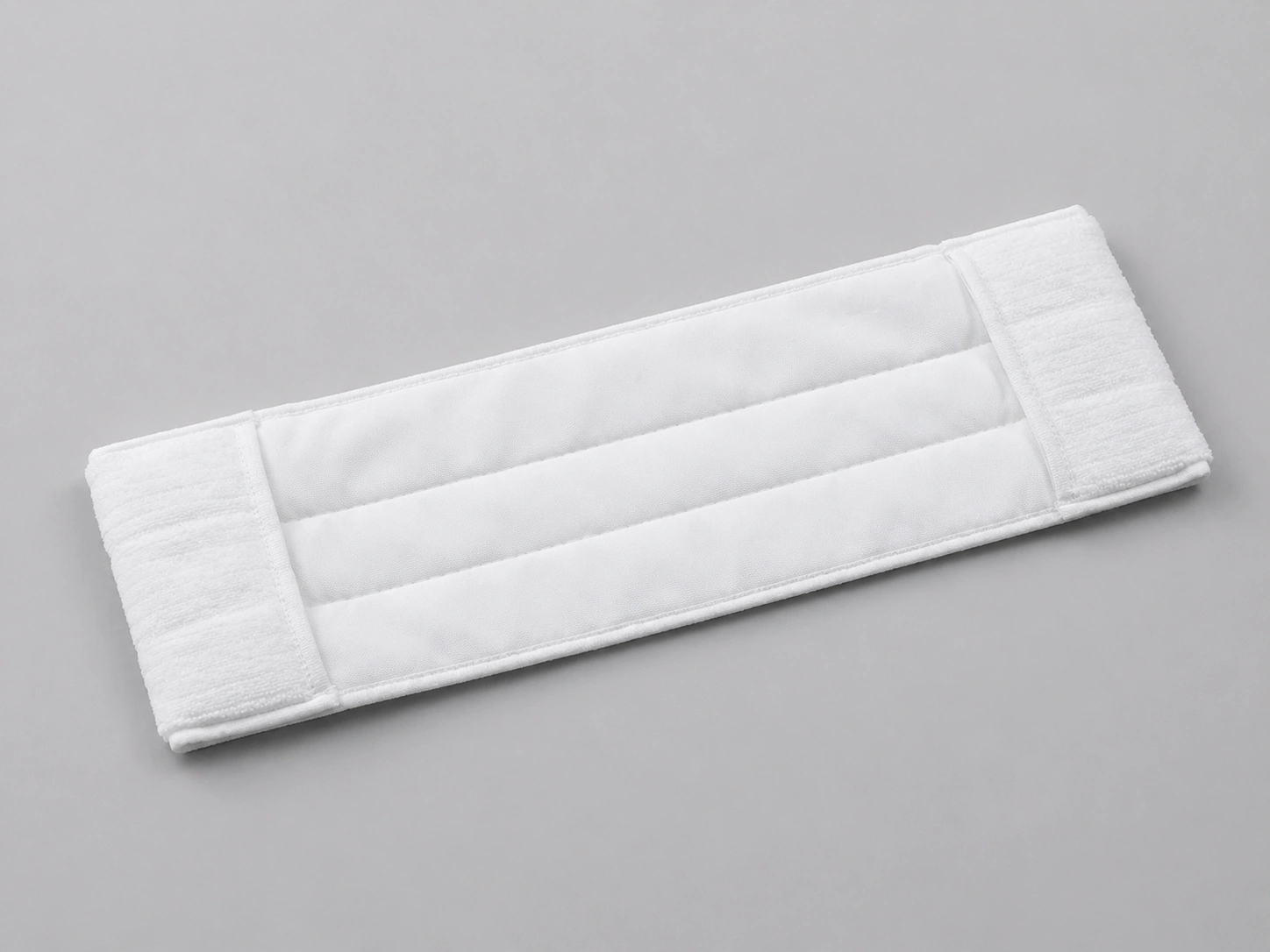
あ クリーンルームモップ is a low-lint cleaning tool selected for controlled environments, while a regular mop is made for general cleaning and may release fibers, lint, or residues. The main difference is not only appearance; it is material construction, contamination control, packaging, cleanroom suitability, and how the mop fits into SOP-based cleaning workflows.
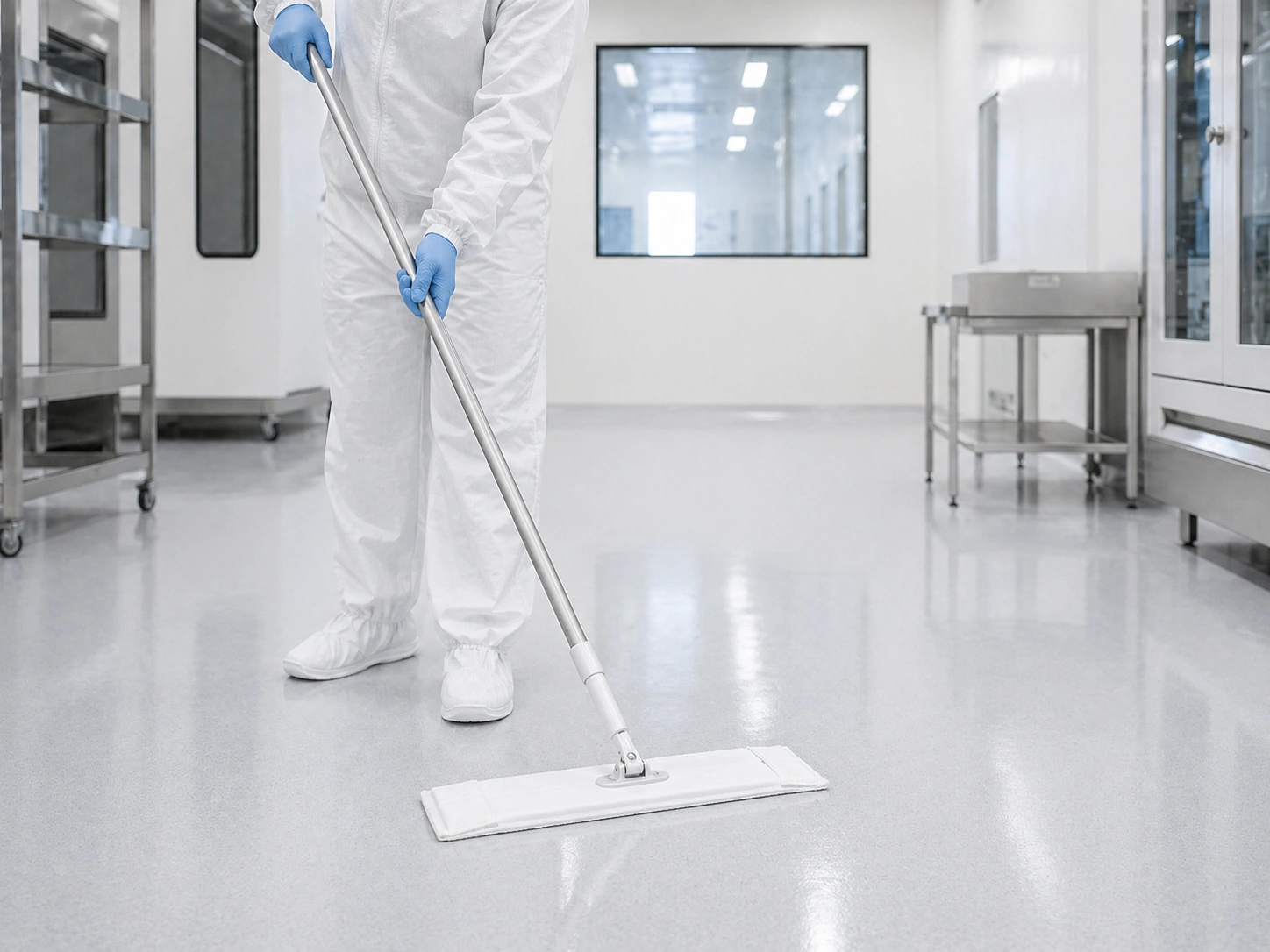
Regular mops are suitable for offices, warehouses, kitchens, and general floors. Clean room mops are selected for ISO-classified cleanrooms, GMP cleanroom workflows, pharmaceutical production, biotech facilities, semiconductor fabs, medical device manufacturing, and laboratories where particle and fiber control are important.
簡単な比較: クリーンルームモップと通常のモップ
違いを理解する最も早い方法は、各モップが使用される場所、使用される素材、購入者が管理する必要があるリスクを比較することです。
| 比較ポイント | クリーンルームモップ | レギュラーモップ |
|---|---|---|
| 主な用途 | 管理された環境 ISOやGMPクリーンルームなど | 一般的な商業、工業、または家庭の清掃 |
| 材料 | 毛羽立ちの少ないポリエステル、マイクロファイバー、フォーム、または不織布素材 | 綿、レーヨン、または一般的な合成繊維混紡 |
| 粒子と繊維の制御 | 糸くず、繊維、粒子の放出を軽減するために選択されました | 糸くず、繊維、残留物が出る可能性があります 使用中 |
| 無菌オプション | 滅菌または非滅菌バージョンで入手可能 | 通常、無菌クリーンルーム包装では提供されません |
| 代表的な用途 | 製薬、バイオテクノロジー、半導体、医療機器、研究室のクリーンルーム | オフィス、倉庫、厨房、公共エリア、一般フロア |
| 購入者の懸念 | 素材、糸くずレベル、無菌性、SOP 適合性、文書化、およびサンプルテスト | 価格、耐久性、吸収性、使いやすさ |
クリーンルームモップとは何ですか?
A clean room mop is a mop designed or selected for controlled environments where particle, fiber, lint, and residue control matter. It is usually made from low-lint materials and used with defined cleaning procedures.
Clean room mops may be used in ISO-classified cleanrooms, GMP cleanroom cleaning workflows, pharmaceutical production areas, biotechnology facilities, semiconductor fabs, medical device manufacturing environments, laboratories, and cleanroom service operations.
糸くずの出にくい素材
クリーン ルーム モップは、制御された清掃中に糸くずや繊維の放出を減らすために選択されます。
管理された包装
一部のオプションは、施設のニーズに応じて、滅菌またはクリーンルーム対応のパッケージで利用できます。
SOPに基づく使用
クリーン ルーム モップは通常、内部清掃 SOP と品質要件に従って使用されます。
通常のモップとは何ですか?
A regular mop is designed for general cleaning in offices, homes, warehouses, kitchens, public spaces, and industrial floors. It is usually selected for absorbency, price, durability, and ease of use rather than cleanroom contamination control.
Regular mops often use cotton, rayon, sponge, or general synthetic materials. These materials may work well for ordinary floor cleaning, but they may not be appropriate for cleanrooms where lint, fibers, residues, and uncontrolled moisture can create quality concerns.
クリーンルームで通常のモップを使用してはいけない理由
Regular mops may not be suitable for cleanrooms because they can introduce fibers, lint, residues, and inconsistent liquid control into sensitive environments.
In cleanrooms, the cleaning tool itself becomes part of the contamination control strategy. A mop that is acceptable for general cleaning may create unnecessary risk in pharmaceutical, biotech, semiconductor, or medical device environments.
- 通常のモップは使用中に繊維が抜ける場合があります。
- 一般的なモップ材では糸くずやカスが残る場合があります。
- 標準のパッケージでは、クリーンルームでの保管のニーズに対応できない場合があります。
- 通常のモップは、通常、無菌クリーンルーム用のパッケージでは提供されません。
- これらは、SOP ベースのクリーニングと文書化の期待に適合しない可能性があります。
クリーンルームモップと通常のモップの主な違い
The difference between a clean room mop and a regular mop is mainly about risk control. Buyers should compare material, lint release, absorbency, packaging, sterility, cleaning surface, and compatibility with facility procedures.
クリーンルームモップ
- 糸くずの少ない洗浄性能を重視して選択されています。
- 滅菌バージョンまたは非滅菌バージョンが入手可能です。
- ISO、GMP、製薬、バイオテクノロジー、半導体環境で使用されます。
- SOP ベースの床、壁、天井の清掃をサポートできます。
- 通常、製品仕様とサンプルテストによって評価されます。
レギュラーモップ
- クリーンルーム管理ではなく、一般的な清掃用に設計されています。
- 使用中に糸くず、繊維、または残留物が放出される場合があります。
- 通常、無菌クリーンルーム包装では提供されません。
- オフィス、倉庫、厨房、一般的な床の清掃に適しています。
- 通常、価格、吸収性、耐久性によって選択されます。
クリーンルームモップ材と通常のモップ材
Clean room mop materials are usually selected to support low-lint controlled cleaning, while regular mop materials are selected for general absorbency and durability.
Common clean room mop materials include polyester, microfiber, foam, and nonwoven structures. Polyester is commonly selected for stable low-lint wiping. Microfiber may be selected for surface contact and particle pickup. Nonwoven options may support disposable cleaning workflows.
Regular mops often use cotton, sponge, rayon, or general synthetic yarns. These may be suitable for general cleaning, but they are not always appropriate for particle-sensitive cleanroom environments.
クリーンルームモップは無菌である必要がありますか?
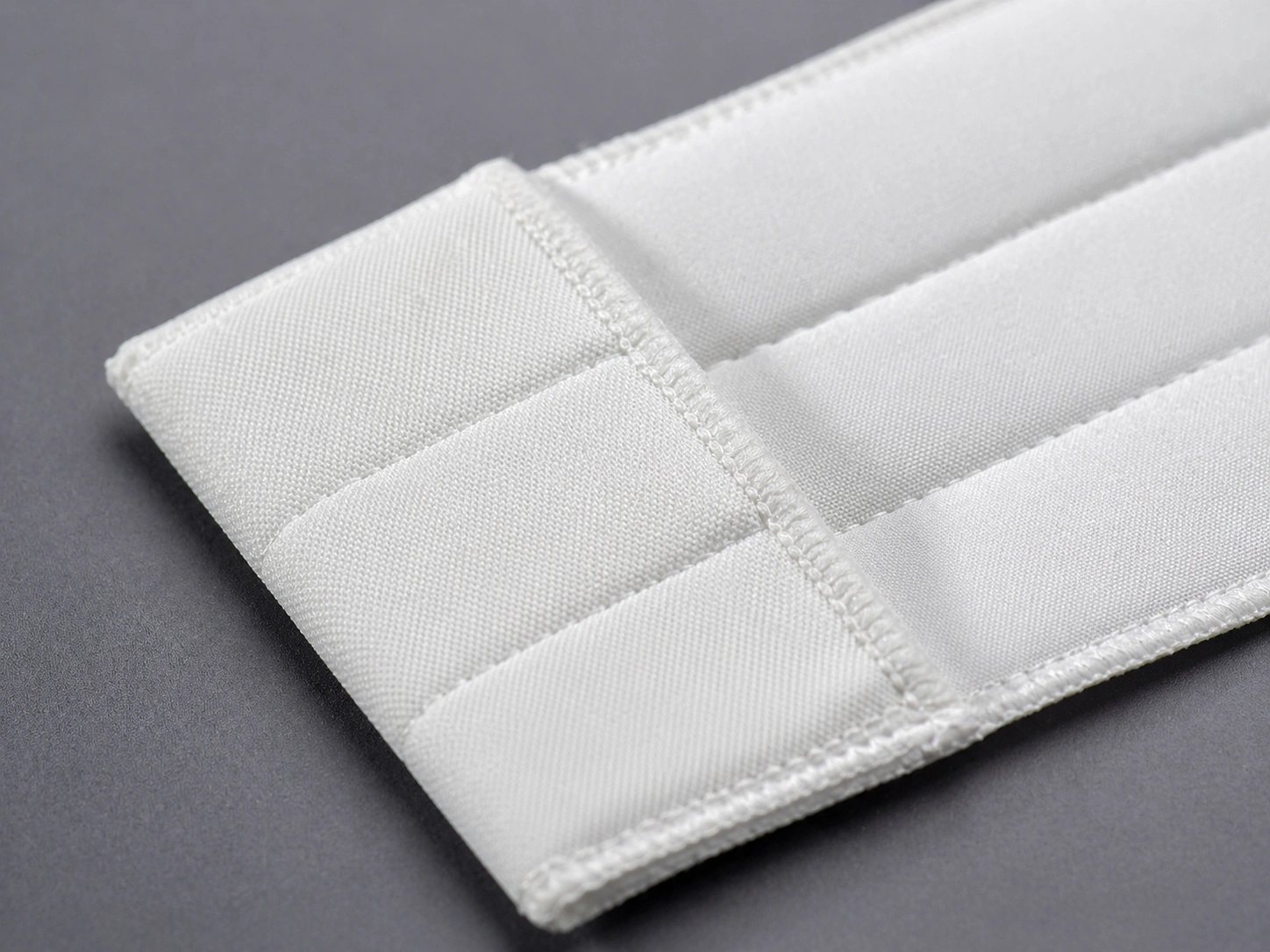
Clean room mops do not always need to be sterile. Sterility depends on the cleanroom zone, facility SOP, contamination control strategy, and quality requirements.
次の場合に滅菌オプションを使用する
- 施設 SOP では無菌提示が必要です。
- モップは、より厳格な汚染管理ワークフローで使用されます。
- QA または検証チームには無菌情報が必要です。
- このエリアにはガンマ線照射されたモップパッドまたは滅菌包装が必要です。
非滅菌オプションを使用する場合
- SOP では、非滅菌のモップパッドが許可されています。
- 用途は定期的な管理区域の清掃です。
- この領域は無菌状態での提示を必要としません。
- 購入者は定期的な清掃のためにコスト効率の高い交換品を必要としています。
購入者が通常のモップの代わりにクリーンルームモップを使用する必要があるのはどのような場合ですか?
Buyers should use clean room mops when the cleaning area requires particle control, low-lint materials, controlled packaging, sterile or non-sterile selection, and SOP-based cleaning.
製薬用クリーンルーム
GMP 洗浄ワークフロー、無菌エリアのサポート、または管理された洗浄手順が必要な場合は、クリーン ルーム モップを使用します。
半導体ファブ
粒子に敏感な環境や管理されたサポートエリアでは、糸くずの出にくいクリーンルーム用モップ材を使用してください。
医療機器製造
生産、組み立て、梱包中に繊維や粒子の制御が重要な場合は、クリーン ルーム モップを使用してください。
アプリケーション固有のページについては、次を参照してください。 製薬用クリーンルームモップ、 バイオテクノロジークリーンルームモップ、 そして 半導体クリーンルームモップ.
B2Bバイヤーはクリーンルームモップをどのように選択すべきですか?
B2B buyers should choose a clean room mop by matching the mop material, sterility level, cleaning surface, and packaging format to the facility’s SOP and cleanroom environment.
| 購入者の質問 | なぜそれが重要なのか | 推奨されるアクション |
|---|---|---|
| モップは糸くずが出にくいですか? | クリーニング中の繊維や糸くずの移動を軽減します。 | 資料を確認してサンプルをリクエストする |
| 滅菌包装は必要ですか? | 特定のクリーンルームゾーンでは無菌状態の提示が必要な場合があります | SOP および QA チームに確認する |
| どの表面が掃除されますか? | 床、壁、天井、設備には異なるモップ形式が必要な場合があります | モップヘッドとフレームの互換性を確認する |
| どのような消毒剤が使用されるのでしょうか? | 材料の適合性は耐久性と洗浄性能に影響します | 製品情報またはテストサンプルをリクエストする |
| 使い捨てですか、それとも再利用可能ですか? | 交換ワークフロー、ロンダリング、検証、コストに影響を与える | 単価だけでなく、ワークフローの総コストを比較する |
MIDPOSI クリーン ルーム モップ オプション
MIDPOSI provides cleanroom mop pads and related cleanroom mop system options for controlled environments, including pharmaceutical, biotech, semiconductor, medical device, laboratory, and cleanroom service applications.
の MIDPOSI ホワイトクリーンルームモップシリーズ includes 40g, 55g, and 65g disposable mop pad options in sterile and non-sterile versions. These options help B2B buyers select mop pads according to cleaning workload, sterility requirement, packaging needs, and sample evaluation.
| オプション | 最適な用途 | 購入者の検討事項 |
|---|---|---|
| ライトモップ 40g | 日常的な簡単な掃除 | 取り扱いが容易になり、コスト効率の高い使い捨て製品を使用できるようになりました。 |
| 55g 中モップ | バランスの取れたクリーンルーム洗浄性能 | 軽量用途とヘビーデューティ用途の中間のオプション |
| 65g 強力モップ | 高い吸収力と強力な拭き取り範囲 | より要求の厳しい管理された清掃タスク |
| 無菌バージョン | 無菌的なプレゼンテーションを必要とするワークフロー | SOP、包装、無菌性のニーズを確認する |
| 非滅菌バージョン | 管理区域の定期清掃 | SOP が非滅菌モップパッドを許可する場合に便利です |
FAQ: クリーンルームモップと通常のモップ
クリーンルームモップと通常のモップの主な違いは何ですか?
A clean room mop is selected for low-lint controlled cleaning in ISO, GMP, pharmaceutical, biotech, semiconductor, or laboratory environments. A regular mop is designed for general cleaning and may release lint, fibers, or residues.
通常のモップはクリーンルームで使用できますか?
Regular mops are generally not recommended for cleanrooms because they may introduce fibers, lint, residues, or uncontrolled moisture. Cleanroom mop selection should follow the facility’s SOP and quality requirements.
通常のモップで汚染のリスクが生じるのはなぜですか?
Regular mops may use materials that shed fibers or leave residues. Their packaging and construction are usually designed for general cleaning, not controlled cleanroom environments.
クリーンルームモップにはどのような素材が使用されていますか?
Common clean room mop materials include polyester, microfiber, foam, and nonwoven materials. Buyers should compare lint level, absorbency, chemical compatibility, sterile availability, and disposable or reusable format.
クリーンルームモップは無菌である必要がありますか?
Not always. Sterile mop pads may be required in specific cleanroom zones or workflows, while non-sterile cleanroom mops may be suitable for routine controlled-area cleaning where the SOP allows.
B2Bバイヤーはクリーンルームモップをどのように選択すべきですか?
Buyers should compare mop material, lint level, sterility requirement, cleaning surface, disinfectant compatibility, packaging, sample availability, MOQ, and lead time.
あなたの施設や流通業にクリーンルームモップが必要ですか?
Contact MIDPOSI to discuss cleanroom mop pads, sterile or non-sterile options, mop bucket and wringer systems, and sample availability for your market.