クリーンルームガウン手順 SOP — GMP グレード別のステップバイステップガイド

SOPガイド
約 8 分で読めます

クリーンルームガウン手順 SOP — GMP グレード別のステップバイステップガイド

下着から手袋まで: GMP グレード A/B、C、D の標準化されたガウンの順序。グレード固有の違い、よくある間違い、監査対応の検証チェックリストが含まれています。
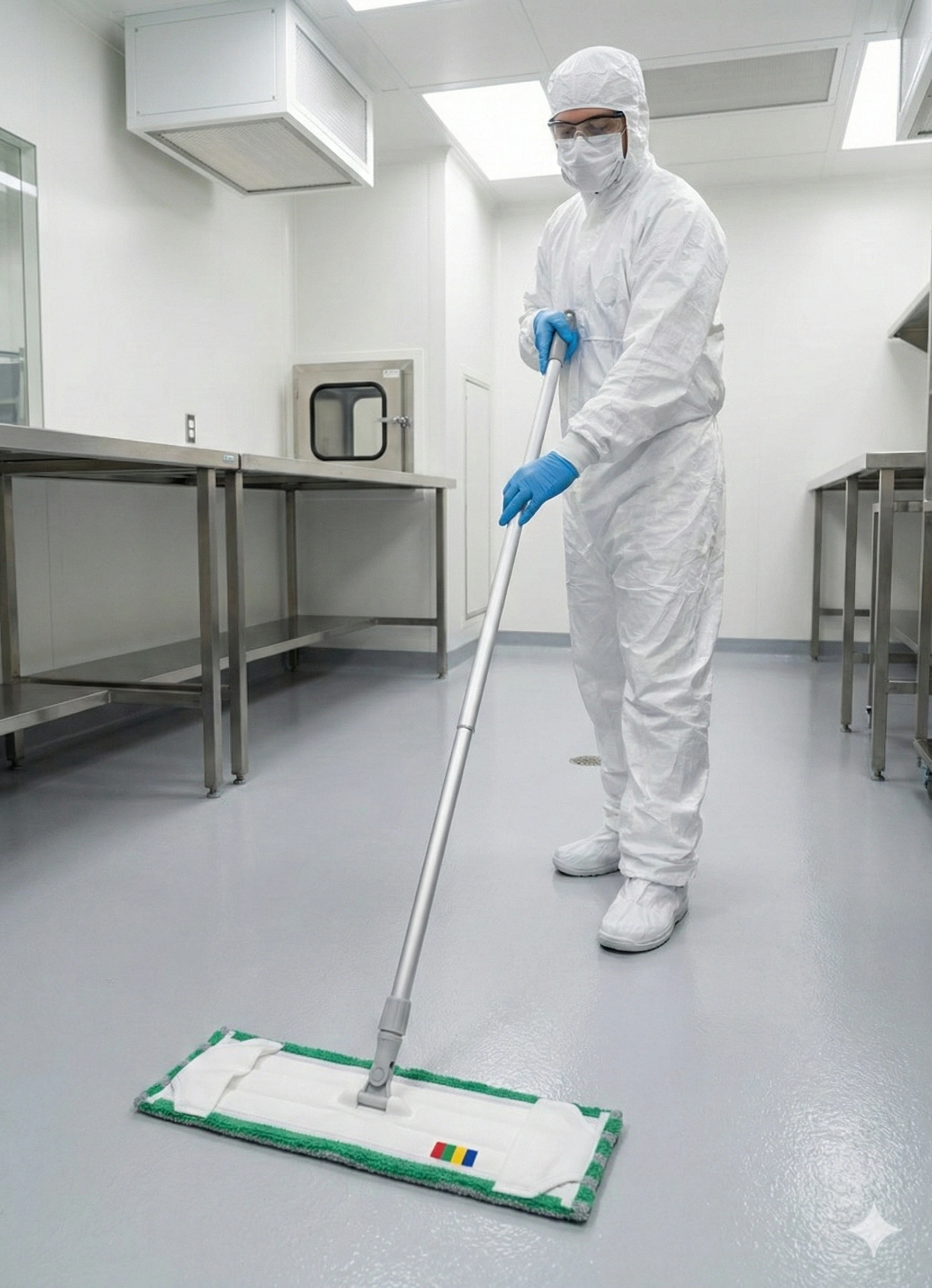
GMP クリーンルームに入る前に完全な PPE を着用してガウン手順を実行するクリーンルーム オペレーター

標準 GMP ガウンの順序 - 着用順序

ガウンの順序は、最も内側の衣服層から最も外側の層に移動します。各レイヤーは、ガウンのプロセス自体中の汚染リスクを最小限に抑える順序で着用されます。標準シーケンスはすべての GMP グレードに適用され、より高いグレードでは追加の要件が適用されます。

  1. 下着 — Don dedicated cleanroom undergarments in the pre-change area. For Grade A/B: full cleanroom undergarments (top and bottom). For Grade C/D: cleanroom undergarment top recommended.
  2. つなぎ服 — Don the coverall starting with legs, then arms, then zip or fasten the front closure. Ensure no personal clothing is visible at neck, wrists, or ankles.
  3. Boots or Shoe Covers — Put on cleanroom boots or shoe covers. Tuck coverall legs into boots or pull boot covers over coverall legs per facility SOP.
  4. フード — Place the hood over the head. All hair must be contained. The hood should overlap the coverall collar to eliminate the neck gap.
  5. Face Mask — Apply the face mask, covering nose and mouth. Pinch the nose bridge for a secure fit. For Grade A/B: sterile mask required.
  6. ゴーグル — Position goggles over the eyes, outside the hood and mask edges. Fog-resistant models recommended for operator comfort and compliance.
  7. 手袋 — Don gloves last, pulling glove cuffs over coverall sleeves. For Grade A/B: double-glove and change outer gloves at defined intervals per SOP.

Post-gowning inspection: Use a full-length mirror and perform a partner check. Any visible skin, hair, or personal clothing is a gowning failure. Correct before entering the cleanroom.

Grade-Specific Gowning Differences

要件 グレード A/B (ISO 5) グレード C (ISO 7) グレード D (ISO 8)
Gowning Area Classification Grade B or C with step-over bench Grade C or D with step-over bench Grade D or unclassified with bench
下着 Full cleanroom undergarments, autoclavable Cleanroom undergarment top recommended Personal undergarments if fully covered
つなぎ服 Sterile, hooded, integrated boots Autoclavable, hooded, separate boots Autoclavable or disposable
手袋 Sterile, double-glove, change per protocol Non-sterile cleanroom gloves Cleanroom-compatible gloves
殺菌 All garments sterile at point of use オートクレーブ可能、非滅菌可 非滅菌も可

Five Common Gowning Mistakes — and How to Prevent Them

1. Hood-coverall gap. The hood does not overlap the coverall collar, leaving a neck gap. Fix: train operators to pull the hood down over the collar and check in the mirror.
2. Wrist gap. Glove cuffs ride up, exposing skin at the wrist. Fix: double-glove for Grade A/B. For all grades, pull glove cuffs over coverall sleeves and verify seal visually.
3. Incorrect donning order. Gloves donned before the mask, contaminating the mask. Fix: post the gowning sequence visibly in the gowning room. Train and re-train.
4. No post-gowning inspection. Operators skip the mirror check. Fix: make post-gowning inspection mandatory. A partner check catches what a mirror misses.
5. Jewelry and personal items under garments. Watches, rings, and phones worn under coveralls create particle sources and damage garments. Fix: provide lockers in the pre-change area and enforce a no-personal-items policy.

Gowning Validation Checklist

Gowning is a validated process. The following checklist covers what auditors expect to see in a gowning validation program.

Written gowning SOP with donning sequence, grade-specific requirements, and post-gowning inspection criteria.
Gowning qualification records for each operator — initial training, competency assessment, and periodic requalification (typically annual).
Environmental monitoring data demonstrating that the gowning procedure achieves the required cleanliness level.
Gowning failure records — what happened, corrective action, and retraining documentation.
Garment integrity inspection records — garments checked before each use for damage or wear.

Cleanroom Gowning FAQ

What is the correct order for cleanroom gowning?

Undergarments → Coverall → Boots → Hood → Face Mask → Goggles → Gloves. Each layer is donned from innermost to outermost. Gloves are always last. For Grade A/B, double-glove after the initial glove donning.

What gowning is required for GMP Grade B?

Full cleanroom undergarments, sterile hooded coverall with integrated boots, sterile hood, sterile face mask, sterile goggles, and sterile gloves (double-glove). All garments sterile at point of use. Post-gowning mirror check and partner inspection before entry.

How is cleanroom gowning validated?

Through documented operator qualification (initial training, competency assessment, annual requalification), environmental monitoring data correlated with gowning procedures, and gowning failure tracking with corrective actions and retraining records.

What are the most common gowning audit findings?

Incomplete or undocumented operator gowning qualification, no requalification schedule, missing gowning failure records, and inconsistent gowning sequence between operators (SOP exists but is not followed uniformly).

Does Annex 1 require specific gowning validation?

Annex 1 requires that gowning procedures are validated, documented, and integrated into the contamination control strategy (CCS). It emphasizes operator qualification, environmental monitoring correlation, and periodic requalification. The specific gowning sequence is facility-defined but must be justified and documented.

Need Autoclavable Garments for Your Gowning Program?

MIDPOSI supplies autoclavable coveralls, hoods, boots, undergarments, goggles, and accessories for GMP gowning programs. Tell us your cleanroom grade and gowning requirements.

ISO 13485 Certified · Factory Direct Since 2004 · Documentation Support

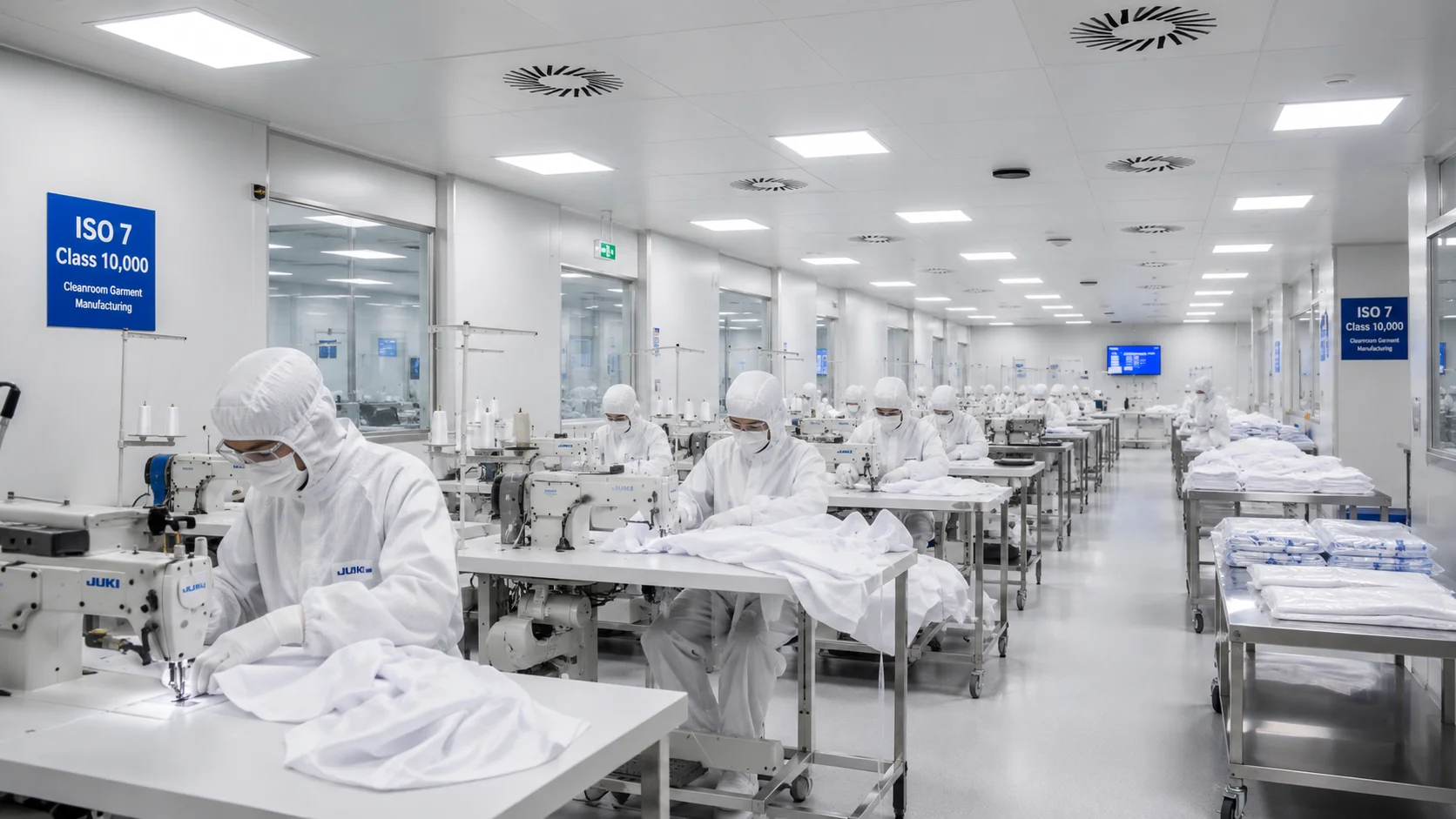
GMP cleanroom garment manufacturing

ニュースレターを購読する

クリーンルーム消耗品の最新情報をお届けします

さらに探索する

当社の製品についてさらに詳しく知りたいですか?

ラインを送って連絡を取り続けてください

無料です!

クリーンルーム衣類調達の 9 つの間違いを回避する

22