クリーンルーム IQ/OQ/PQ とは何ですか?
Cleanroom qualification is the structured process used to prove that a cleanroom and its supporting systems are suitable for intended use. The three most recognized stages are IQ, OQ and PQ.
In practice, these stages are not just paperwork milestones. They form the evidence chain that links design intent, installation status, operational controls and routine performance. Without that chain, a cleanroom may appear functional but remain weak from a GMP or audit perspective.
IQ = 設置資格
- システムが正しくインストールされたことを確認します
- 図面、材料、部品のチェック
- ユーティリティ、ラベル付け、ドキュメントの検証
OQ = 運用資格
- 定義された動作制限の下でクリーンルームをテストします
- アラーム、エアフロー、圧力、回復および制御を検証します
- システムが意図したとおりに動作することを示します
PQ = パフォーマンス資格
- 一貫した現実世界のパフォーマンスを実証
- 認定を実際のプロセス条件にリンク
- 日常的な生産または運用の準備をサポート
なぜそれが重要なのか
- GMP準拠の証拠を構築する
- 汚染管理の不確実性を軽減
- 監査の防御性と変更管理を向上します
クリーンルーム認定が GMP 準拠に重要な理由
A cleanroom is not qualified simply because it was built according to specification. It must be shown, with documented evidence, to operate and perform in a controlled, repeatable way. This is especially important in regulated environments where contamination risk, process consistency and data integrity all matter.
Qualification also protects the business side of operations. A weak validation framework can delay product release, increase deviation investigations, create repeated rework and undermine procurement decisions. A strong qualification strategy helps standardize equipment selection, SOP execution, environmental monitoring and cleaning system design.
このトピックはあなたの問題に直接つながるはずです クリーンルーム資格検証SOPテンプレート, your FDA cGMP クリーンルーム検証チェックリスト, and your EU GMP Annex 1 SOP 文書化戦略.
設置資格: クリーンルームが正しく設置されたことの証明
IQ is the stage where the team confirms the cleanroom and its associated systems match approved design requirements. This includes room construction elements, utilities, HVAC components, HEPA or ULPA filtration setup, instruments, labeling, equipment lists, approved materials and document traceability.
一般的な IQ スコープの内容
設計と文書のレビュー
承認された図面、仕様書、機器マニュアル、および材料証明書は、設置状態と一致している必要があります。
コンポーネントの検証
エアハンドリングユニット、フィルター、圧力計、ドア、パススルー、監視装置などの重要なコンポーネントが正しく取り付けられていることを確認します。
ユーティリティとサービスの確認
必要な電気、圧縮空気、水、ガス、または制御インターフェースが正しく接続され、識別されていることを検証します。
校正および識別ステータス
動作テストを開始する前に、校正が必要な機器が特定され、管理されていることを確認します。
IQ is often undervalued, but weak IQ creates downstream failures in OQ and PQ. If the installed condition is not documented properly, later performance results become harder to interpret and defend.
運用資格: クリーンルームが定義された制限内で動作することを検証する
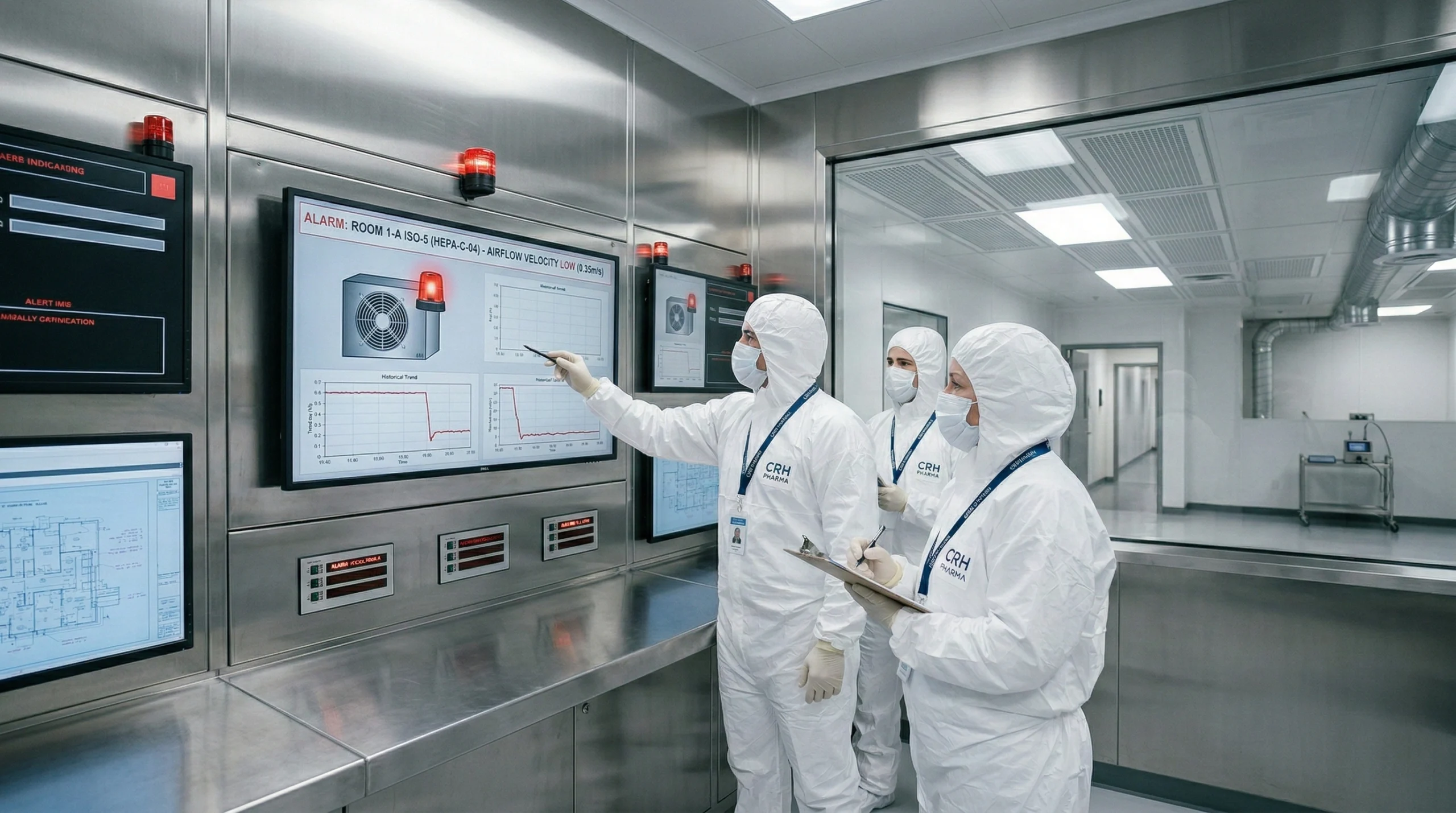
OQ confirms the cleanroom functions as intended under controlled operating conditions. This is where teams test alarms, airflow behavior, pressure differentials, temperature and humidity ranges, air change performance, recovery and other operating parameters.
The purpose of OQ is not merely to collect numbers. It is to prove that control systems, room behavior and operating limits are defined, understood and repeatable.
共通の OQ テスト領域
- 気流速度と気流の可視化
- 差圧検証
- 温度と湿度のマッピング
- アラームチャレンジテストと応答検証
- 動作障害後の復帰時間
- 環境モニタリング戦略の調整
OQ はお客様と密接に関係している必要があります。 リスクベースのクリーンルーム環境モニタリング戦略, because routine monitoring logic becomes stronger when it is built on verified operational behavior rather than assumption.

パフォーマンス認定: 信頼できる現実世界のパフォーマンスを実証する
PQ is the stage where the team proves the cleanroom can consistently support intended use during routine operation. Unlike IQ and OQ, which are more structured around design and system limits, PQ focuses on actual operating performance, including personnel, workflows, cleaning practices, environmental monitoring trends and process interaction.
In many regulated facilities, PQ is where the cleanroom becomes meaningful from a compliance standpoint. It shows that the room does not just operate in theory, but performs reliably in the presence of people, materials, interventions and routine demand.
PQ は通常考慮します
- 日常的な環境モニタリングのパフォーマンス
- オペレーターのガウンと行動制御
- 洗浄と消毒の効果
- 一般的な生産負荷またはプロセス負荷
- 長期にわたる傾向の一貫性
- 逸脱と逸脱への対応の成熟度
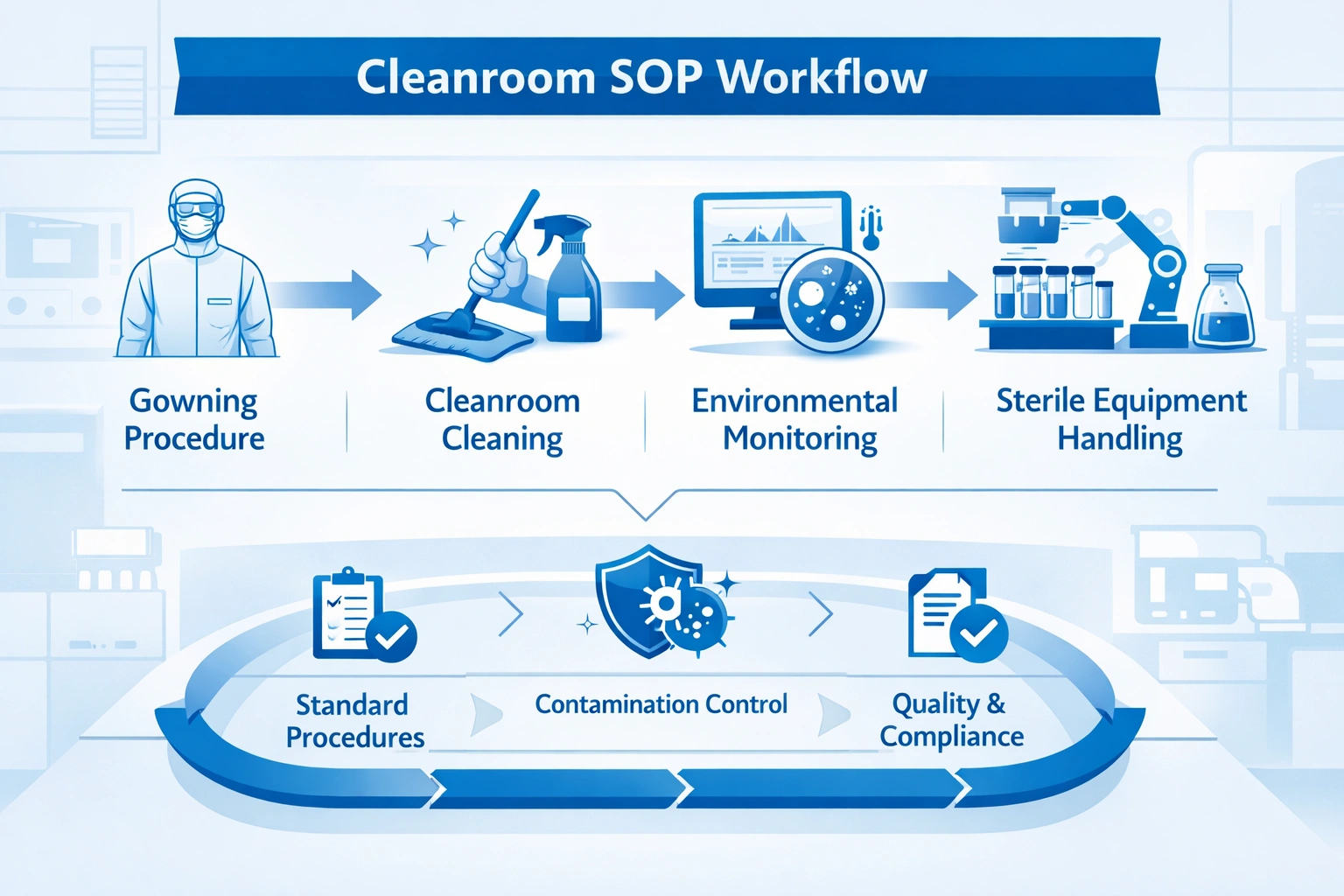
PQ は自然に次のようにリンクします クリーンルーム清掃SOP、 アラートおよびエクスカーション対応ワークフロー, and GMP監査の準備.
IQ/OQ/PQ 資格マトリックス
The table below helps teams quickly separate what belongs in each phase. This is useful for protocol writing, project planning and avoiding the common mistake of mixing installation evidence with routine performance evidence.
| 予選ステージ | 主な目的 | 典型的な証拠 | 弱い場合の重要なリスク |
|---|---|---|---|
| IQ | 正しくインストールされていることを確認する | 図面、機器リスト、証明書、ユーティリティチェック、ラベル表示、校正ステータス | その後の結果は信頼したり擁護したりするのが難しい場合があります |
| OQ | 定義された制限内で正しい動作を検証する | エアフロー、圧力、アラーム、回復、温度、湿度、および制御課題データ | 運用状況はまだよくわかっていない |
| PQ | 信頼できる日常パフォーマンスを実証 | 傾向データ、ワークフローの証拠、EM の結果、洗浄の有効性、継続的な一貫性 | 現実世界のコンプライアンスリスクは、逸脱が発生するまで隠蔽されたままです |
クリーンルーム IQ/OQ/PQ ドキュメント パック
A complete cleanroom qualification file should allow an auditor to understand what was installed, how it was tested, what acceptance criteria were used and whether the cleanroom can support routine operation.
承認された資格計画
範囲、責任、承認基準、および実行順序を定義します。
IQプロトコルとレポート
インストール、ユーティリティ、コンポーネント、図面、マニュアル、校正ステータスを確認します。
OQ プロトコルとレポート
エアフロー、圧力、アラーム、回復、環境制御などの動作テストを文書化します。
PQ プロトコルとレポート
環境モニタリング、ワークフロー、清掃の証拠を使用して日常的なパフォーマンスを実証します。
偏差とCAPAレコード
認定の失敗、調査、是正措置、最終的な承認の決定を記録します。
最終資格の概要
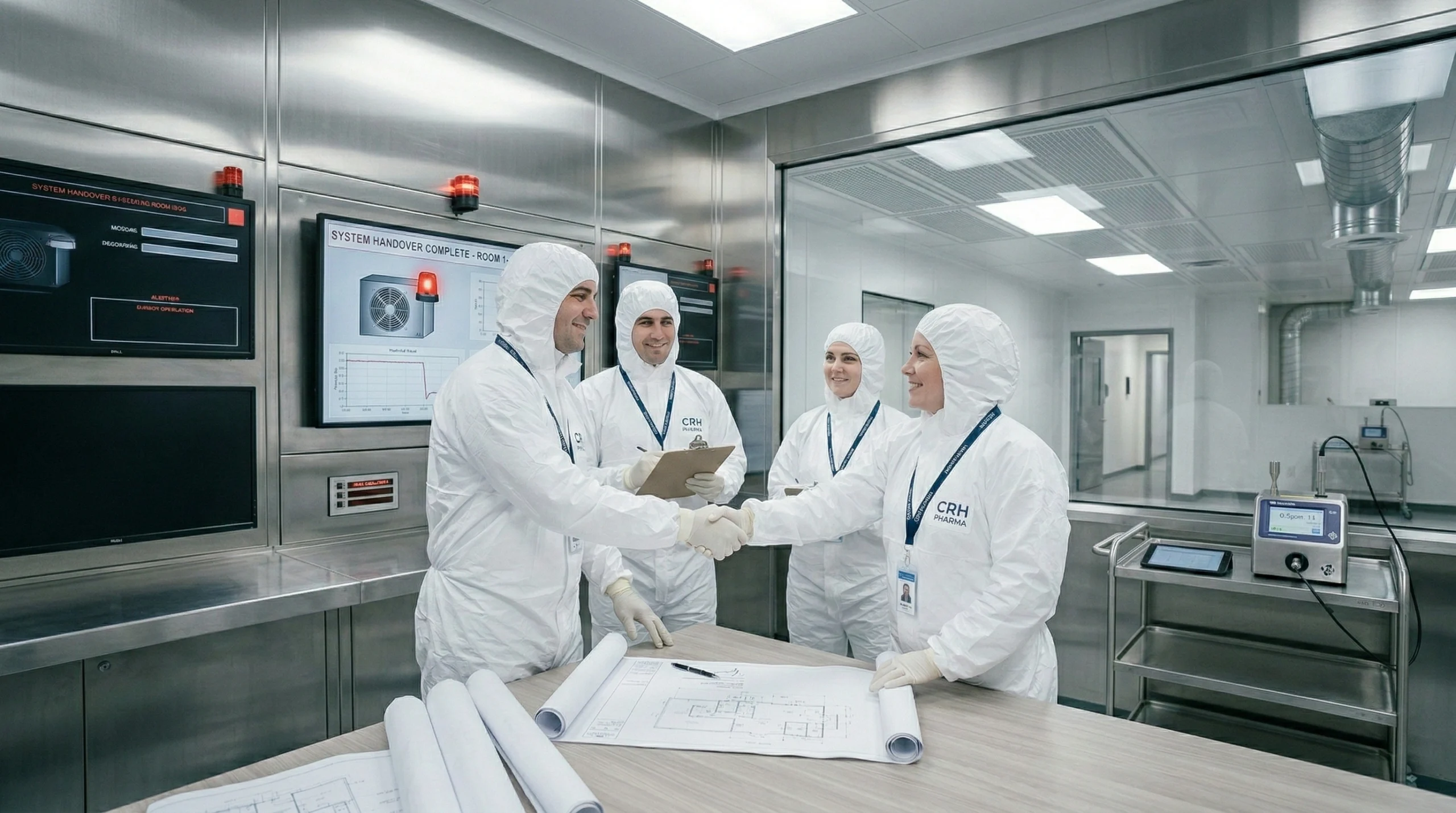
結果、未解決のリスク、承認、日常使用の準備状況を要約します。
資格と洗浄システムおよび消耗品の選択との関係
Qualification does not stop at air handling and room classification. In actual GMP operation, routine performance is shaped by details: how operators gown, how surfaces are cleaned, which mop systems are used, whether consumables are traceable and whether SOP execution is consistent.
This is where procurement and contamination-control choices become validation-relevant. A cleanroom may pass formal tests, but still struggle in PQ or ongoing monitoring if routine cleaning materials generate lint, leave residues or lack documentation support.
資格関連の消耗要素
- 低リントのクリーンルーム対応構造
- 材料の一貫性とロット管理
- 必要に応じて無菌または滅菌ルート
- 追跡可能なドキュメントと COA サポート
一般的な下流効果
- 洗浄再現性の向上
- 捜査支援の強化
- 原因不明のエクステンションの減少
- より防御可能な PQ とトレンドのレビュー
IQ/OQ/PQ 資格に関するよくある間違い
1. IQ、OQ、PQ を単なる事務処理として扱う
認定を文書化の練習としてのみ行う場合、実際の運用上のリスクは、逸脱や監査によって暴露されるまで隠されたままになります。
2. 混合段階の目的
チームは多くの場合、OQ 中の日常的なパフォーマンスを証明したり、弱い IQ を補うために PQ データを使用したりしようとします。各ステージでは異なる質問に答える必要があります。
3. 環境監視ロジックの無視
監視場所とアラート/アクション ロジックが実際の部屋の動作とリスクに関連付けられていない場合、認定は非常に弱くなります。
4. 清掃とオペレーターの行為の見落とし
PQ は装備だけではありません。それは、人、介入、材料、日常的な清掃の実行によって部屋がどのように機能するかを反映する必要があります。
5. 弱い監査トレーサビリティ
プロトコル、生データ、逸脱、承認、および SOP 参照が明確に関連付けられていない場合、検査中に適格性を守ることが困難になる可能性があります。
検証ワークフローに適合するクリーンルーム用消耗品が必要ですか?
MIDPOSI supports cleanroom teams that need contamination-control consumables aligned with SOP execution, routine cleaning, qualification logic and audit-ready documentation.
- 制御された清掃ワークフローのためのクリーンルームモップシステム
- 再利用可能な衣類プログラム用のオートクレーブ可能なクリーンルーム衣類
- GMP および ISO クリーンルーム環境向けの消耗品の推奨事項
- QA、検証、調達、販売代理店チーム向けの製品サポート
クリーンルーム検証チーム向けの参考資料
Cleanroom IQ/OQ/PQ qualification is closely connected with SOP control, environmental monitoring, audit preparation and routine cleaning execution. The following guides can help build a stronger validation and contamination-control documentation system.
- クリーンルーム認定検証 SOP テンプレート — プロトコルの構造、責任、および認定文書の流れ。
- FDA cGMP クリーンルーム検証チェックリスト — 検査指向の検証証拠と監査レビューポイント。
- EU GMP Annex 1 クリーンルーム SOP 文書 — 文書管理と規制上の期待。
- リスクベースのクリーンルーム環境モニタリング SOP ガイド — OQ/PQ モニタリング ロジックとルーチン制御。
- GMP クリーンルーム監査の準備方法 — 資格の防御性と監査の準備。
- クリーンルーム清掃SOP — PQ、ルーチン操作およびクリーニングの実行。
- クリーンルーム汚染管理ガイド — 資格書類を超えた汚染管理原則。
よくある質問
クリーンルーム資格におけるIQ、OQ、PQの違いは何ですか?
IQ verifies correct installation, OQ verifies correct operation within predefined limits, and PQ demonstrates reliable performance during real routine use.
IQ/OQ/PQ が GMP クリーンルームにとって重要なのはなぜですか?
IQ/OQ/PQ provides documented evidence that the cleanroom is installed correctly, operates properly and consistently supports intended use, which is essential for GMP compliance, contamination control and audit readiness.
クリーンルームの資格には環境モニタリングと清掃が含まれますか?
Yes. During OQ and PQ, environmental monitoring strategy, operator behavior, gowning control and cleaning effectiveness are all relevant to proving controlled routine performance.
クリーンルームは IQ と OQ に合格しても、PQ に合格しない可能性がありますか?
Yes. A cleanroom may be installed correctly and operate within technical limits, yet still underperform in routine use because of workflow issues, poor cleaning execution, operator interventions or unstable environmental monitoring trends.
クリーンルーム IQ/OQ/PQ には通常どのような書類が必要ですか?
Typical documents include approved protocols, drawings, equipment lists, calibration records, test results, deviation reports, environmental monitoring records, SOP references and final qualification reports.