
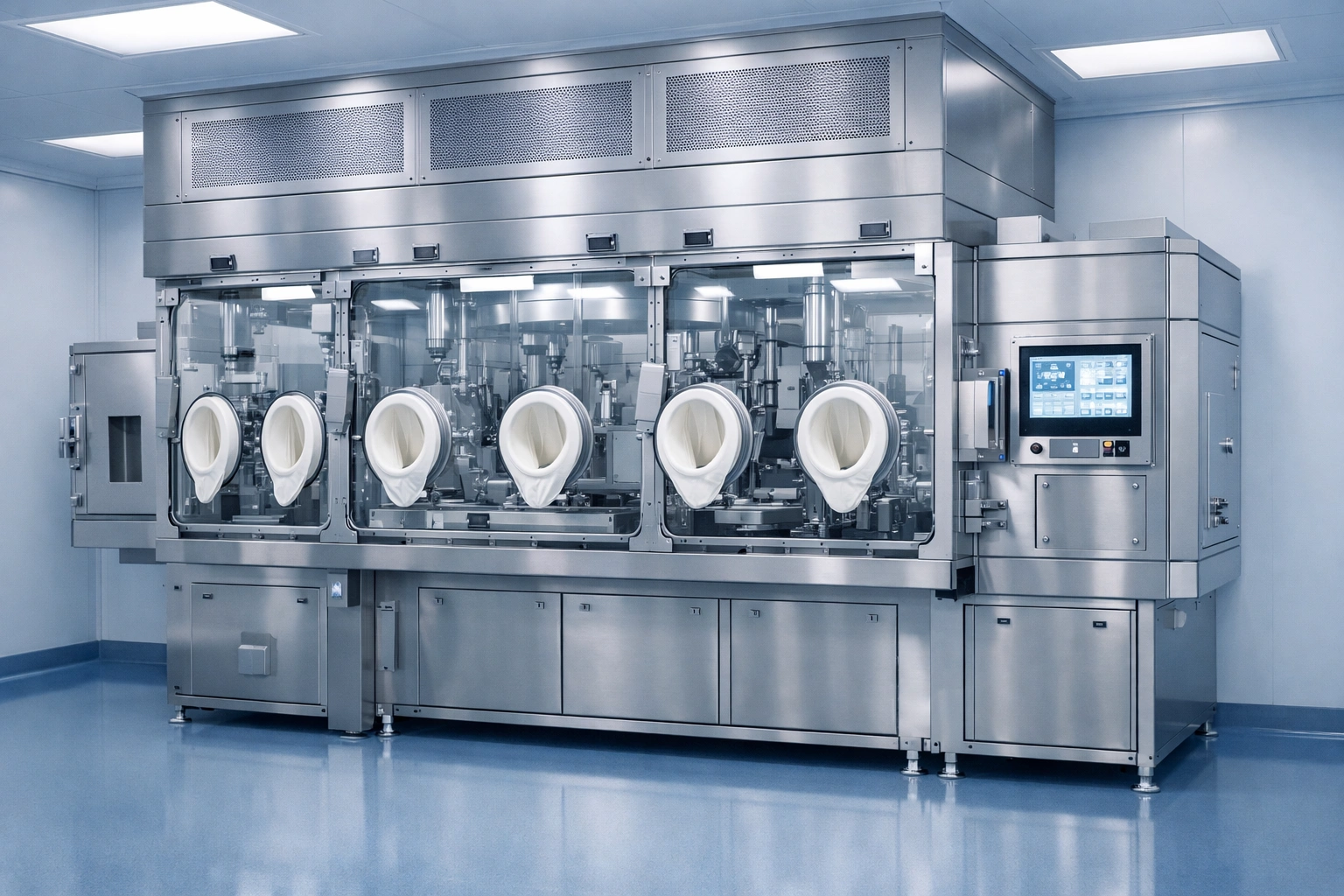
In the highly regulated pharmaceutical manufacturing industry, microbial contamination control is not merely a quality consideration—it's a fundamental requirement for ensuring patient safety and regulatory compliance. Isolator systems represent the pinnacle of contamination control technology, providing a physical barrier between sensitive pharmaceutical products and potential sources of contamination.
This comprehensive guide, based on industry best practices and technical expertise, provides process engineers and technical specialists with the knowledge needed to implement robust microbial contamination control protocols for isolator systems.
アイソレータシステムテクノロジーを理解する
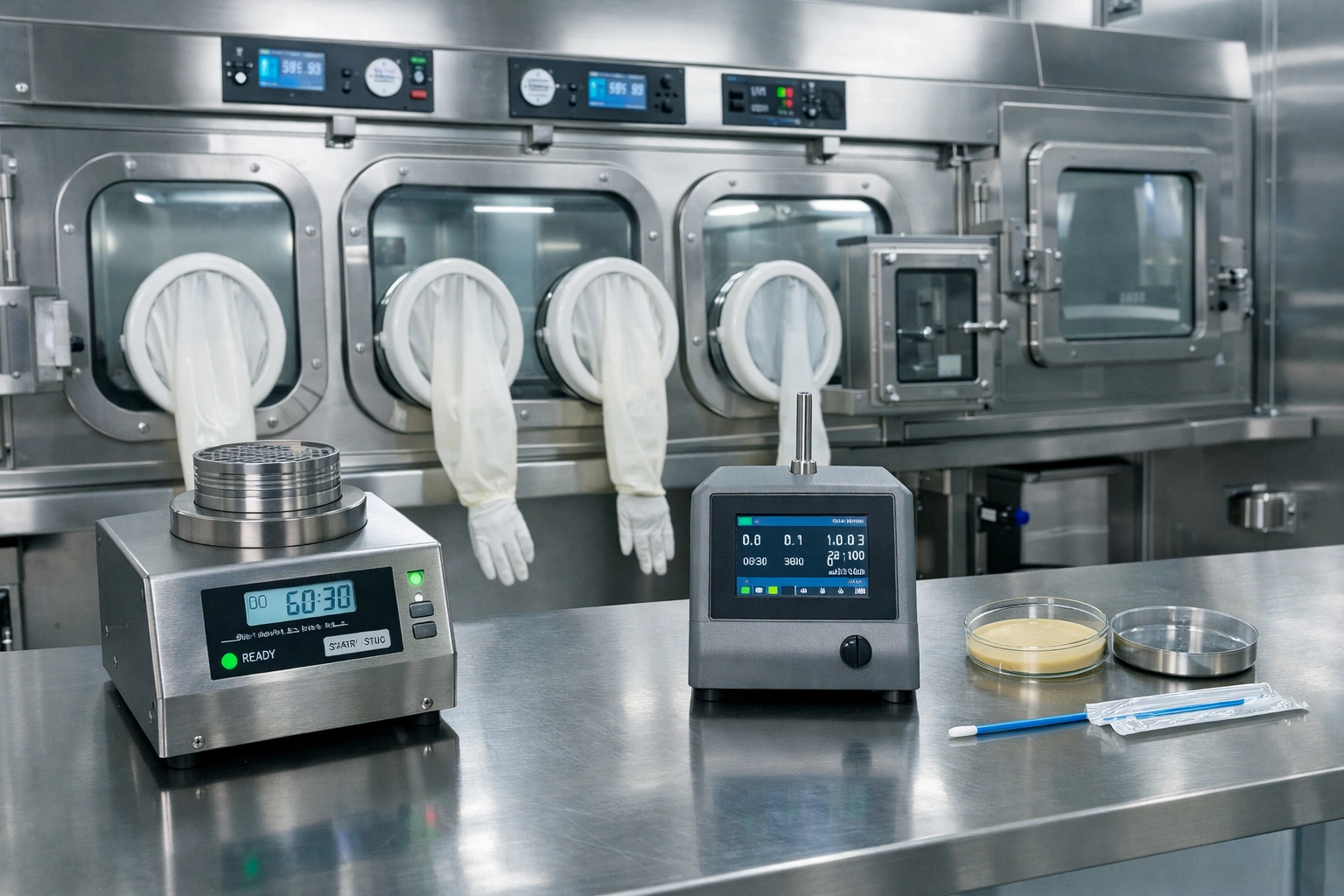
Isolator systems are engineered containment barriers designed to maintain sterility by creating physical separation between the product and the external environment. These systems incorporate advanced filtration, pressure control, and decontamination technologies to ensure aseptic conditions.
主要な技術仕様
- HEPA/ULPA濾過: 粒子サイズ 0.3µm で 99.97% の効率
- 圧力制御: 正の差圧 ≥15 Pa
- グローブポートの統合: オペレーターとの対話のための人間工学に基づいたデザイン
- 除染システム: VHP、UV、または定置蒸気機能
医薬品アイソレータ システムの種類
密閉型アイソレータ
Completely sealed systems with material transfer through sterilized containers. Ideal for potent compounds requiring maximum containment and zero operator exposure risk.
オープンアイソレータ
グローブポートを介したオペレーターの直接対話により、汚染管理の完全性を維持しながら複雑な製造プロセスに柔軟性を提供します。
RABS システム
Restricted Access Barrier Systems offering enhanced protection over traditional cleanrooms, providing a cost-effective solution for many pharmaceutical applications.
環境モニタリングプロトコル
効果的な環境モニタリングは、アイソレータ システムの完全性を維持し、医薬品の品質基準への準拠を確保するために重要です。
モニタリングの要件と頻度
| パラメータ | 方法 | 頻度 | 合格基準 |
|---|---|---|---|
| 空気生存数 | 活発な宿便 | 毎週 | ≤1 CFU/m3 (グレード A) |
| 粒子数 | 継続的な監視 | リアルタイム | ISO クラス 5 の制限 |
| 表面の汚染 | スワブ/コンタクトプレート | 毎週 | ≤5 CFU/100cm² |
アイソレータ技術の今後の動向
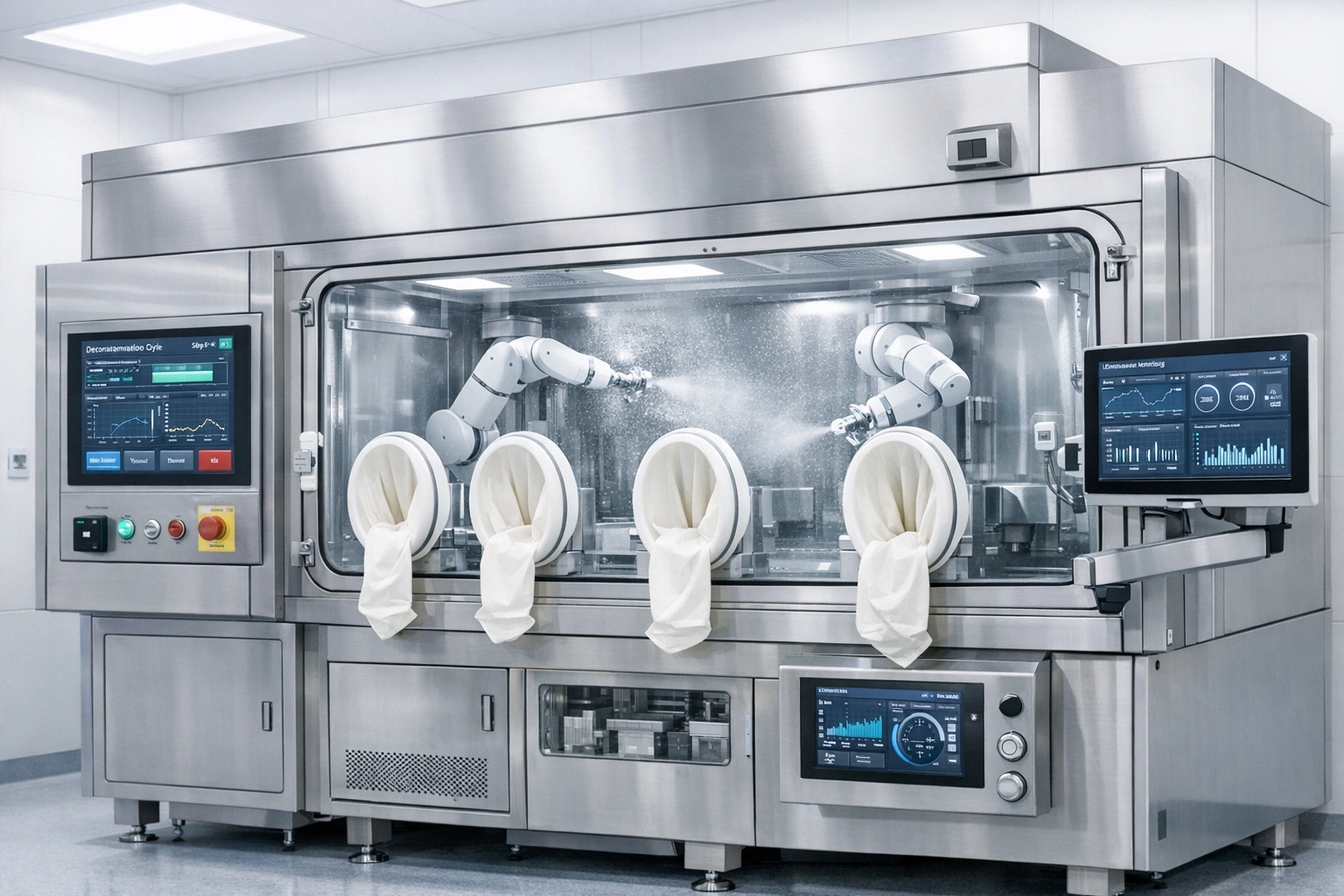
高度な監視および自動化システム
The future of isolator technology lies in integration with IoT sensors, machine learning algorithms, and robotic automation. These innovations enable real-time contamination detection, predictive maintenance, and automated response protocols.
スマートセンシング技術
- 継続的な大気質モニタリング
- リアルタイム微生物検出
- 圧力と温度の追跡
自動化システム
- ロボットによるマテリアルハンドリング
- 自動化された除染サイクル
- AIを活用した品質管理
高度なシステムの実装に関する考慮事項
When implementing advanced isolator technology, pharmaceutical manufacturers should consider validation requirements, data integration capabilities, and change management strategies to ensure successful deployment and regulatory compliance.
結論と実施戦略
Implementing effective microbial contamination control SOPs for isolator systems requires a comprehensive approach that integrates technical expertise, regulatory compliance, and operational excellence. The success of these systems depends on proper design, rigorous monitoring, and continuous improvement.
主な実装手順
- システムの設計と選択: 製品要件と封じ込めのニーズに基づいて、適切なアイソレータのタイプを選択してください
- 検証ドキュメント: 完全な IQ、OQ、および PQ 検証プロトコル
- SOPの開発: すべての担当者向けの包括的な操作手順を作成する
- トレーニングと認定: すべてのオペレーターが適切な訓練を受け、認定を受けていることを確認する
- 継続的なモニタリング: 継続的な環境モニタリングと傾向分析の実施