GMP洗浄とは何ですか?
GMP洗浄 is a controlled cleaning process used in pharmaceutical, biotechnology, medical device, laboratory, and other regulated environments to help reduce contamination risks. It usually involves written SOPs, trained operators, approved cleaning agents, cleanroom-compatible tools, defined cleaning frequency, documentation, and QA review.
GMP cleaning means cleaning according to Good Manufacturing Practice expectations. In cleanrooms, it focuses on controlling particles, residues, microorganisms, cleaning-agent use, cross-contamination, operator technique, and documentation so the facility can support product quality and audit readiness.
GMP洗浄とは何を意味しますか?
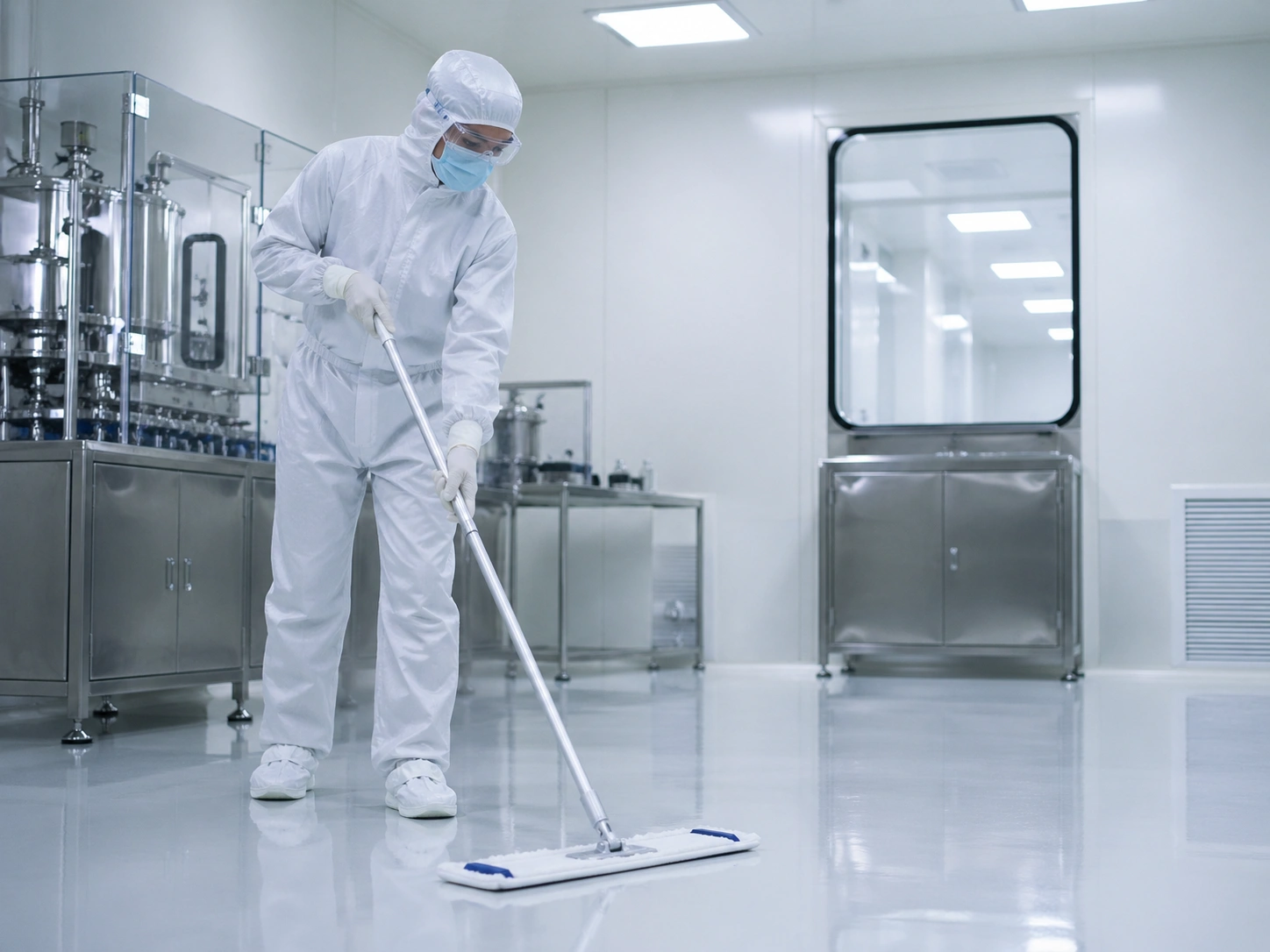
GMP cleaning means cleaning under a controlled quality system rather than performing ordinary housekeeping. The goal is to reduce contamination risks that may affect product quality, patient safety, process reliability, or cleanroom control.
In regulated cleanrooms, cleaning is normally connected to SOPs, contamination control strategy, environmental monitoring, disinfectant use, personnel training, cleaning records, and QA oversight. EU GMP Annex 1 emphasizes contamination control strategy, cleanroom classification, qualification, monitoring, and personnel gowning as important principles for sterile manufacturing and other products where contamination control is important. :contentReference[oaicite:0]{index=0}
GMP 洗浄と通常の洗浄の比較
Regular cleaning focuses mainly on visible dirt and general hygiene. GMP cleaning focuses on contamination control, repeatability, qualification, documentation, and suitability for regulated environments.
| 比較ポイント | GMP洗浄 | 定期的な清掃 |
|---|---|---|
| 主な目的 | 汚染リスクを軽減し、製品の品質をサポートします | 目に見える汚れを取り除き、全体的な清潔さを維持します |
| 手順 | 定義されたツール、エージェント、シーケンス、およびレコードを含む作成された SOP | 一般的な清掃ルーチンまたは管理業務 |
| ツール | クリーンルーム対応のモップ、ワイプ、バケツ、衣類、PPE | 市販の標準的な掃除道具 |
| ドキュメンテーション | クリーニングログ、バッチ関連記録、トレーニング記録、および必要に応じて QA レビュー | 多くの場合、限定的または非公式 |
| 環境 | 製薬、バイオテクノロジー、医療機器、ISO クリーンルーム、管理された製造 | オフィス、公共エリア、倉庫、または一般施設 |
クリーンルームでGMP洗浄が重要な理由
Cleanrooms are controlled environments where airborne particles, microorganisms, fibers, residues, and process-related contamination must be managed. ISO 14644-1 classifies cleanrooms based on airborne particle concentration, making particle control a core part of cleanroom operation. :contentReference[oaicite:1]{index=1}
粒子制御
GMP 洗浄は、管理された環境に影響を与える可能性のある粒子、繊維、残留物を減らすのに役立ちます。
微生物制御
洗浄と消毒のワークフローは、GMP エリアにおける微生物汚染リスクの管理に役立ちます。
監査の準備状況
記録、SOP、トレーニング、サプライヤー文書は、QA レビューと顧客監査のサポートに役立ちます。
GMP 洗浄プログラムの中核要素
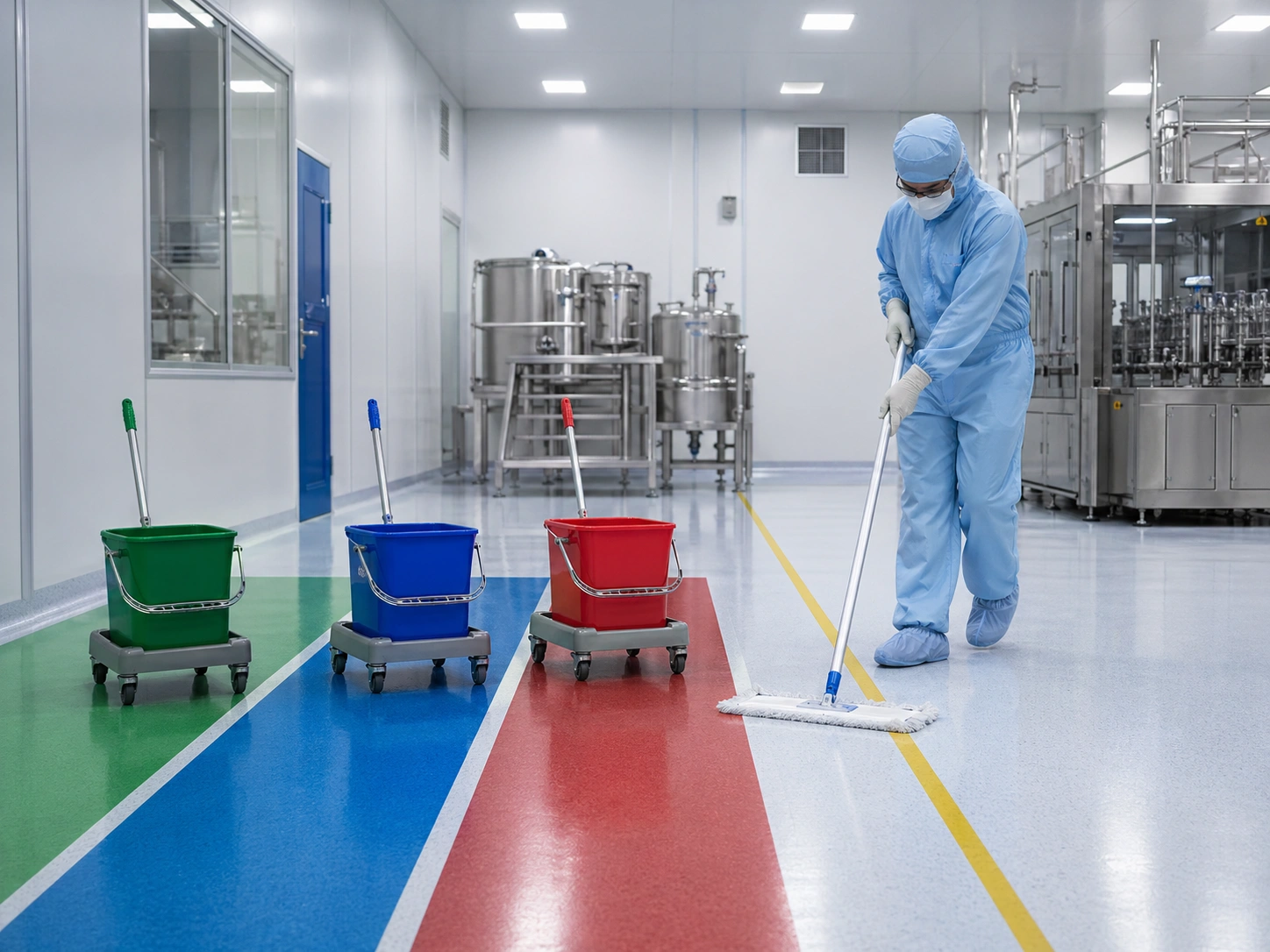
A GMP cleaning program should be systematic, repeatable, and reviewable. The exact design depends on the product, facility type, room grade, cleaning agent, process risk, and internal SOP.
典型的な GMP 洗浄要素には次のものがあります。
- 承認された洗浄および消毒 SOP
- 定義された洗浄頻度と洗浄順序
- クリーンルーム対応モップ、ワイプ、バケツ、衣類
- 消毒剤の準備、接触時間、必要に応じたローテーション
- オペレーターのトレーニングとガウンの規律
- 該当する場合、クリーニング記録、バッチ記録、またはログブック
- QAレビューと逸脱の処理
GMP洗浄が使用される場所
GMP cleaning is used in regulated or controlled production environments where contamination could affect product quality, patient safety, device performance, or process control.
医薬品製造
生産エリア、無菌サポートスペース、調合室、充填サポートエリア、クリーンルームの廊下で使用されます。
バイオテクノロジー施設
研究、パイロット生産、細胞培養、バイオプロセス環境における制御された洗浄をサポートします。
医療機器製造
組立、梱包、検査、およびクリーンな生産エリアにおける制御された表面洗浄をサポートします。
研究室
管理された洗浄、残留物管理、および文書化された手順が必要な場合に使用されます。
無菌処理サポート
FDA の無菌処理ガイダンスは、クリーンルーム制御、差圧、および手順を CGMP の期待と結びつけます。 :contentReference[oaicite:2]{index=2}
管理された倉庫保管
SOP で必要な場合は、原材料、包装、サンプリング、および管理された保管場所をサポートする場合があります。
GMP洗浄の段階的な仕組み
GMP cleaning should follow the facility’s approved SOP. A typical workflow may include preparation, cleaning, disinfection, tool replacement, inspection, and documentation.
| ステップ | 何が起こるのですか | GMP管理の目的 |
|---|---|---|
| 1. 準備 | 部屋の状況、個人用保護具、清掃用具、消毒剤、必要な記録の確認 | 制御されない清掃活動を防止します |
| 2. ツールの選択 | 必要に応じて、クリーンルームモップ、ワイプ、バケツ、フレーム、ハンドル、または滅菌ツールを選択します | ツールがSOPと部屋のリスクレベルに一致していることを確認 |
| 3. 洗浄手順 | きれいな場所からあまりきれいではない場所へ、または検証された施設の SOP に従って清掃します。 | 相互汚染のリスクを軽減します |
| 4. 消毒 | 規定の接触時間と濃度で承認された消毒剤を塗布します。 | 微生物制御をサポート |
| 5. 検査 | 表面、残留物、工具、洗浄の完了度を確認します。 | オペレーターの検証とQAレビューをサポート |
| 6. 文書化 | 必要に応じて、清掃活動、部屋、日付、作業者、製品、および逸脱を記録します。 | トレーサビリティと監査の準備をサポート |
GMP 洗浄においてクリーンルーム モップ システムが重要な理由
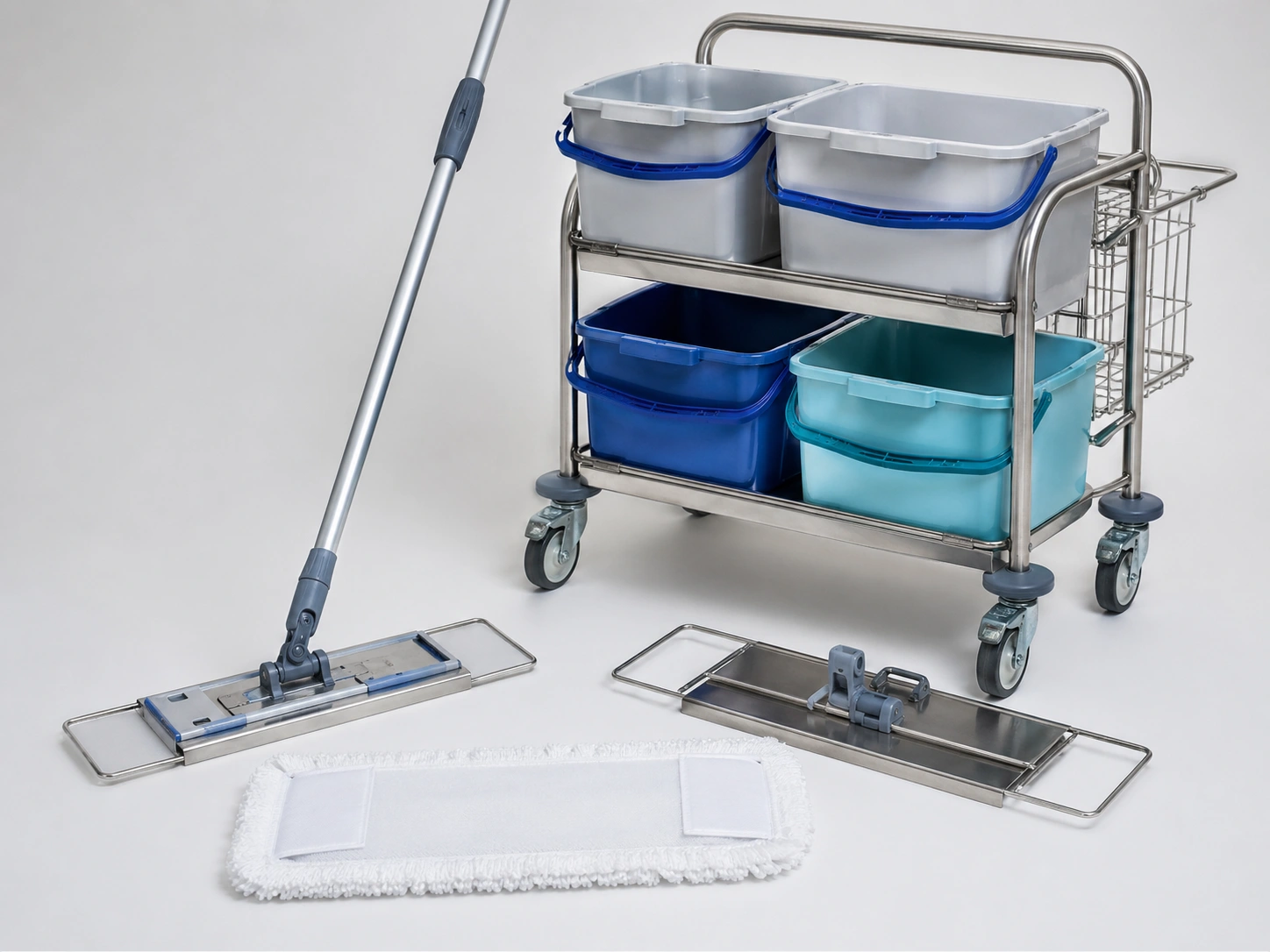
In GMP cleanrooms, the mop is not just a cleaning accessory. It is part of a controlled cleaning system. The mop cover, frame, handle, bucket, wringer, material, packaging, and replacement workflow can all affect cleaning consistency.
購入者がレビューすべきGMPクリーニングツール
Buyers should review cleaning tools based on material, cleanroom suitability, packaging, sterility requirement, chemical compatibility, documentation, and supplier consistency.
| 道具 | GMP洗浄における役割 | 購入者レビューポイント |
|---|---|---|
| クリーンルームモップ | 床、壁、天井、管理された表面の清掃 | 糸くずの出にくい素材、滅菌オプション、サイズ、パッケージング、フレームの互換性 |
| クリーンルームワイプ | 小さな表面、機器、ベンチ、および制御された拭き取り | 材質、粒子制御、吸収性、化学的適合性 |
| モップバケツと絞り器 | 液体管理、消毒剤塗布、廃棄物の分別 | シングル、デュアル、トリプルバケットのワークフローと材料の適合性 |
| クリーンルーム用衣類 | 人員の汚染管理 | 再利用可能、オートクレーブ可能、滅菌済み、または管理されたエリアの衣服の要件 |
| PPE と付属品 | オペレーターの保護と汚染管理のサポート | 手袋、ゴーグル、マスク、ブーツ、ガウンの互換性 |
GMP 洗浄のよくある間違い
GMP cleaning problems often come from uncontrolled tools, unclear SOPs, poor documentation, improper disinfectant use, or weak operator training.
一般的なリスク
- 管理されたクリーンルームエリアでの通常のモップの使用
- 交換ワークフローを定義せずにモップヘッドを再利用する
- 異なるクリーンルームゾーン間でのツールの混合
- 明確な接触時間や濃度管理を行わずに消毒剤を使用する
- 清掃記録またはオペレーターの署名の欠落
- 消耗品の洗浄に関するサプライヤーの文書が不十分
より良い練習
- クリーンルーム対応の糸くずの出にくいクリーニングツールを使用する
- 清掃の方向、頻度、ツールの交換を定義する
- エリア、ゾーン、またはリスクレベルごとにツールを分ける
- 電車の運転士と書類の清掃活動
- まとめ買いする前に製品仕様を確認してください
- サンプルの承認とサプライヤーの認定記録を保管する
GMP クリーニングツールのレビューをサポートする文書は何ですか?
Documentation helps buyers and QA teams review whether a cleaning tool is suitable for internal procedures. For cleanroom mops and related consumables, the document package may vary by supplier and product type.
MIDPOSI による GMP 洗浄ワークフローのサポート方法
MIDPOSI supports B2B buyers with cleanroom mop systems, sterile and non-sterile mop options, microfiber and polyester mop materials, cleanroom frames, handles, buckets, and documentation support for controlled cleaning programs.
低リントモップオプション
クリーンルームモップの素材は、洗浄を制御し、繊維抜けの懸念を軽減するために選択されています。
無菌 & 非滅菌の選択肢
無菌提示または定期的な管理エリアの清掃を必要とする GMP エリア用のオプション。
B2B ドキュメントのサポート
製品仕様、梱包詳細、サンプルサポート、調達レビューのためのサプライヤーとのコミュニケーション。
GMP洗浄に関するよくある質問
GMP洗浄とは何ですか?
GMP cleaning is a controlled cleaning process used in regulated manufacturing environments to help reduce contamination risks. It usually involves SOPs, trained operators, approved cleaning agents, suitable tools, records, and QA review.
GMP洗浄の目的は何ですか?
The purpose of GMP cleaning is to help control particles, residues, microorganisms, and cross-contamination risks that may affect product quality, process control, or patient safety.
GMP洗浄はクリーンルーム洗浄と同じですか?
Not always. Cleanroom cleaning focuses on cleaning controlled environments, while GMP cleaning adds quality-system expectations such as SOPs, documentation, training, QA review, and contamination-control requirements.
GMPクリーンルームの清掃にはどのようなツールが使用されますか?
Common tools include low-lint cleanroom mops, cleanroom wipes, mop frames, handles, buckets, wringers, cleanroom garments, gloves, goggles, and other controlled-area PPE or accessories.
GMP 洗浄に低リントモップが使用されるのはなぜですか?
Low-lint mops are used because ordinary mops may release fibers or particles. Low-lint mop materials help reduce fiber-shedding concerns during controlled cleaning workflows.
クリーンルームモップはGMP準拠を保証しますか?
No. A cleanroom mop does not guarantee GMP compliance. It supports GMP cleaning only when selected, qualified, documented, and used according to the facility’s approved SOP and quality system.
GMP 洗浄ワークフロー用のクリーンルーム ツールが必要ですか?
Contact MIDPOSI to discuss low-lint cleanroom mops, sterile and non-sterile options, bucket systems, documentation support, and sample availability for GMP cleanroom cleaning.