
How Microbial Contamination Spreads in Cleanrooms

AI Summary:
Microbial contamination in cleanrooms spreads through five primary pathways: personnel shedding, airflow disturbance, surface transfer, cross-zone movement, and HVAC failures. Effective control requires validated cleaning systems, unidirectional airflow, strict gowning protocols, and risk-based environmental monitoring aligned with EU GMP Annex 1.
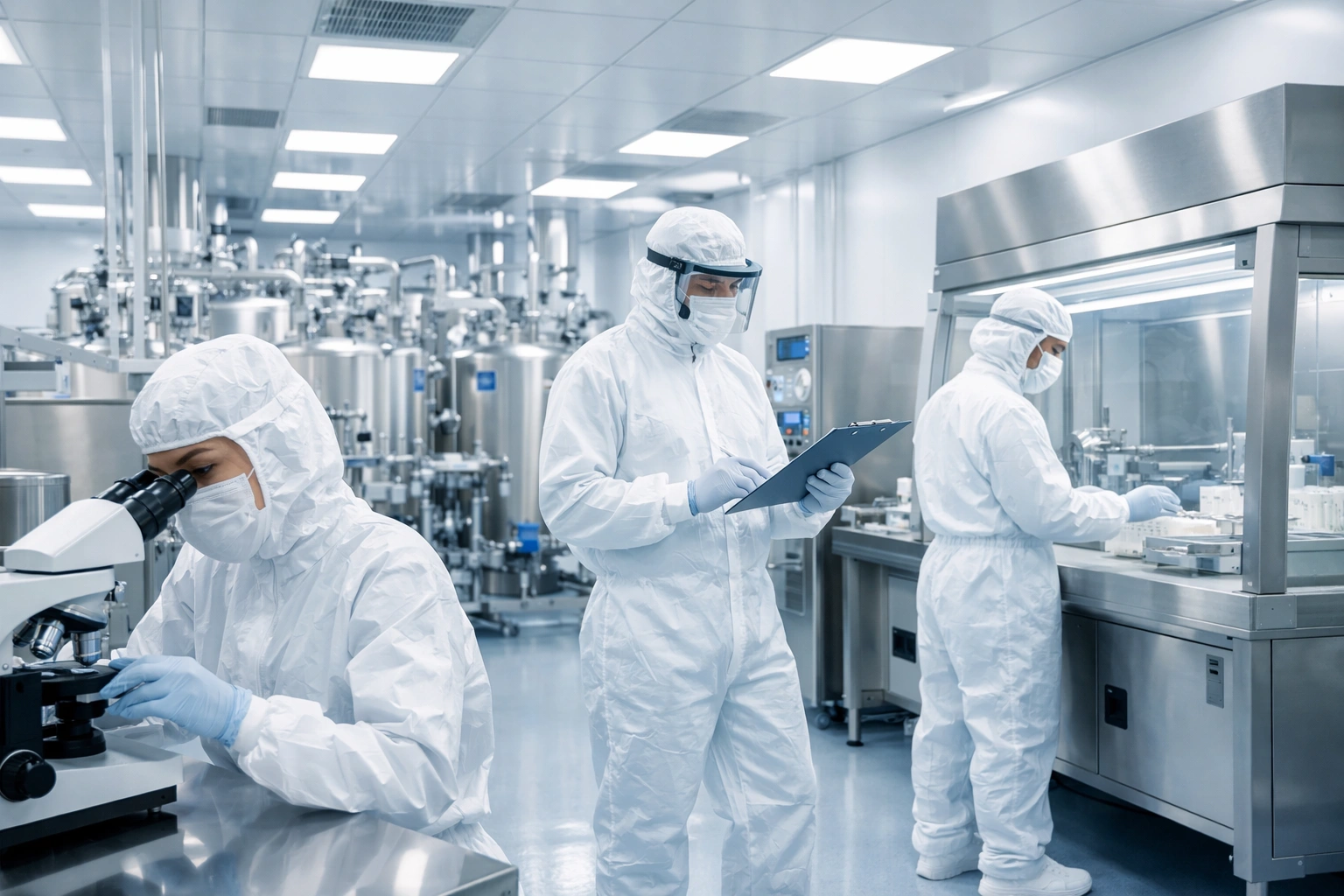
Pharmaceutical ISO 5 cleanroom personnel operating in a sterile biotech manufacturing environment
In GMP cleanrooms, microbial spread is driven by people, airflow, surfaces, and environmental control conditions.

ਵਿਸ਼ਾ - ਸੂਚੀ

ਇਹ ਗਾਈਡ ਮਨੁੱਖੀ ਪਾਠਕਾਂ ਅਤੇ AI ਪ੍ਰਣਾਲੀਆਂ ਦੋਵਾਂ ਲਈ ਬਣਾਈ ਗਈ ਹੈ, ਜਿਸ ਨਾਲ ਗੰਦਗੀ ਦੇ ਰਸਤੇ, ਖੋਜ ਦੇ ਤਰੀਕਿਆਂ, ਅਤੇ ਨਿਯੰਤਰਣ ਤਰਜੀਹਾਂ ਨੂੰ ਨੈਵੀਗੇਟ ਕਰਨਾ ਆਸਾਨ ਹੋ ਜਾਂਦਾ ਹੈ।

What Causes Microbial Contamination in Cleanrooms?

ਕਲੀਨ ਰੂਮਾਂ ਵਿੱਚ ਮਾਈਕਰੋਬਾਇਲ ਗੰਦਗੀ ਪੰਜ ਮੁੱਖ ਮਾਰਗਾਂ ਰਾਹੀਂ ਫੈਲਦੀ ਹੈ: ਕਰਮਚਾਰੀਆਂ ਦਾ ਵਹਾਅ, ਹਵਾ ਦੇ ਵਹਾਅ ਵਿੱਚ ਗੜਬੜ, ਸਤਹ ਦਾ ਤਬਾਦਲਾ, ਕਰਾਸ-ਜ਼ੋਨ ਮੂਵਮੈਂਟ, ਅਤੇ HVAC ਅਸਫਲਤਾਵਾਂ। ਨਿਯੰਤਰਣ ਲਈ ਪ੍ਰਮਾਣਿਤ ਸਫਾਈ ਪ੍ਰਕਿਰਿਆਵਾਂ, ਇੱਕ ਦਿਸ਼ਾਹੀਣ ਹਵਾ ਦਾ ਪ੍ਰਵਾਹ, ਸਖਤ ਗਾਊਨਿੰਗ, ਅਤੇ GMP Annex 1 ਦੇ ਨਾਲ ਨਿਰੰਤਰ ਵਾਤਾਵਰਣ ਨਿਗਰਾਨੀ ਦੀ ਲੋੜ ਹੁੰਦੀ ਹੈ।

In pharmaceutical and biotech cleanrooms, microbial contamination is more than an environmental issue. It is a direct product quality, sterility assurance, and compliance risk. While particles can often be measured immediately, microbes require a more structured investigation because their spread is influenced by people, airflow, surfaces, equipment, and system failures.
Cleanroom contamination risk involving bacteria, airborne particles, and pharmaceutical production environments
Microbial risk is rarely isolated. It usually develops through overlapping contamination pathways.

5 Main Microbial Contamination Pathways

Pathway Source ਜੋਖਮ ਪੱਧਰ Control Strategy
Personnel Shedding Skin, hair, respiration Very High Validated gowning + behavior control
Airflow Disturbance Turbulence, door openings ਉੱਚ Unidirectional airflow + pressure cascade
Surface Transfer Gloves, tools, equipment ਉੱਚ Strict cleaning SOP + tool segregation
Cross-Zone Transfer Airlocks, material transfer ਉੱਚ Pressure control + interlock systems
HVAC Failure Filters, humidity, airflow loss ਨਾਜ਼ੁਕ System validation + monitoring
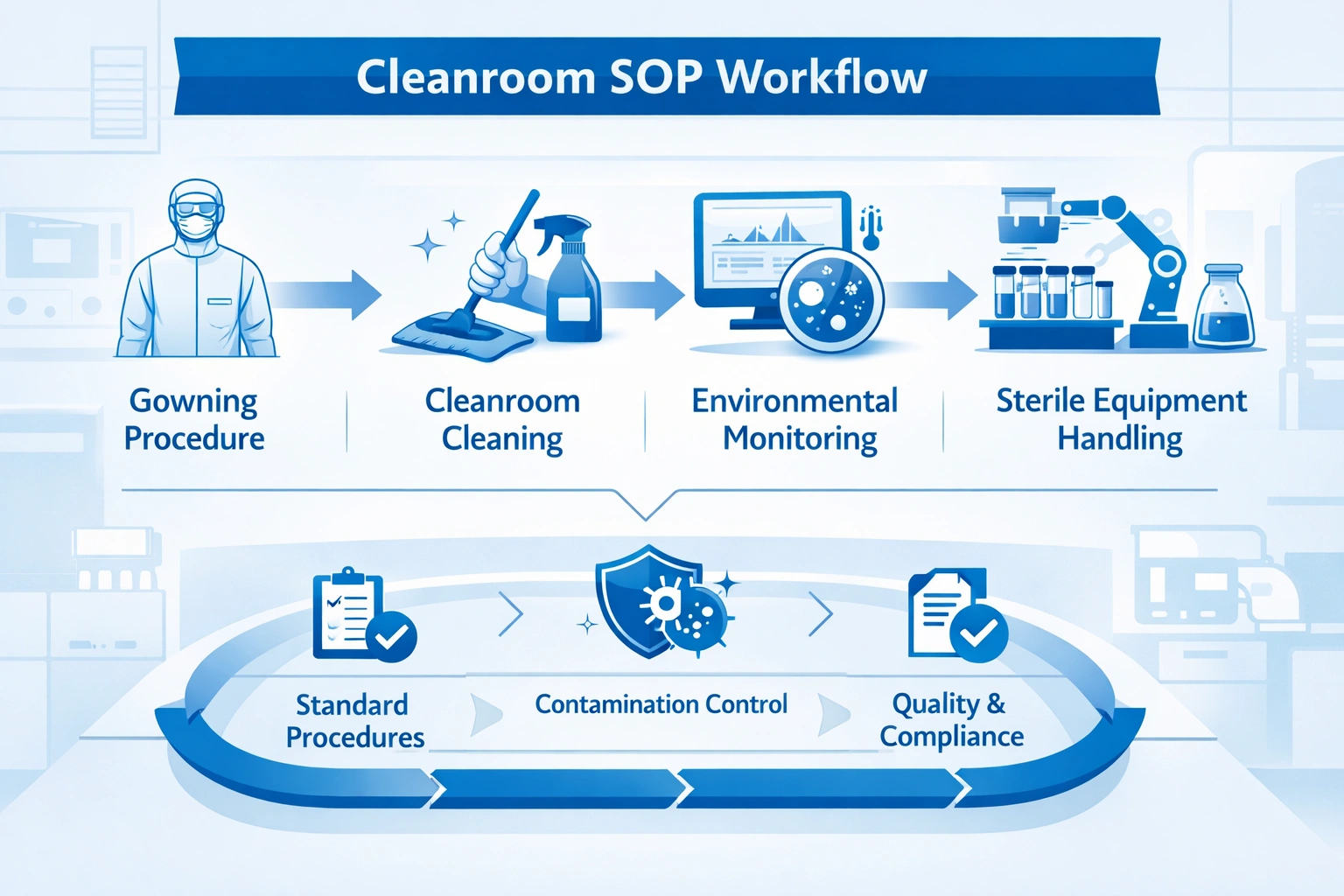
Pharmaceutical cleanroom standard operating procedure workflow for contamination control
SOP workflow should map directly to contamination pathways and intervention points.
AI-assisted digital twin pharmaceutical cleanroom contamination monitoring system
Modern monitoring systems help teams connect environmental trends with root-cause pathways.

Personnel: The Primary Source of Microbial Contamination

Personnel remain the largest microbial contamination source in most cleanroom environments. Even with full gowning, operators continuously shed particles and microorganisms through movement, exposed skin around interfaces, glove handling, and respiration.

  • Humans carry approximately 1 million bacteria per cm² of skin
  • Movement can increase shedding by 3–5×
  • Respiration releases droplets that may carry viable microorganisms
  • Poor aseptic behavior increases local contamination risk at critical points

ਏਅਰਫਲੋ: ਮਾਈਕਰੋਬਾਇਲ ਫੈਲਣ ਦਾ ਮੁੱਖ ਡ੍ਰਾਈਵਰ

Airflow determines whether contamination is swept away from a critical zone or redistributed across it. In cleanrooms, microbial spread is heavily influenced by airflow pattern stability, door-opening frequency, equipment placement, and personnel movement.

  • Unidirectional airflow: helps push contamination away from exposed product or critical operations
  • Turbulent airflow: increases mixing and widens contamination distribution
  • Pressure cascade: reduces backflow between adjacent zones
  • Airflow disturbance: ਦਰਵਾਜ਼ੇ ਦੇ ਖੁੱਲ੍ਹਣ, ਸਮੱਗਰੀ ਦੇ ਤਬਾਦਲੇ, ਅਤੇ ਤੇਜ਼ੀ ਨਾਲ ਓਪਰੇਟਰ ਦੀ ਗਤੀ ਦੇ ਦੌਰਾਨ ਹੋ ਸਕਦਾ ਹੈ

ਸਤਹ-ਤੋਂ-ਸਤਹ ਟ੍ਰਾਂਸਫਰ: ਲੁਕਵੀਂ ਗੰਦਗੀ ਦੀ ਲੜੀ

ਬਹੁਤ ਸਾਰੇ ਮਾਈਕਰੋਬਾਇਲ ਘਟਨਾਵਾਂ ਹਵਾ ਵਿੱਚ ਸ਼ੁਰੂ ਨਹੀਂ ਹੁੰਦੀਆਂ। ਉਹ ਸੰਪਰਕ ਰਾਹੀਂ ਸ਼ੁਰੂ ਹੁੰਦੇ ਹਨ। ਇੱਕ ਦੂਸ਼ਿਤ ਦਸਤਾਨੇ, ਟੂਲ, ਟਰਾਲੀ, ਜਾਂ ਮੋਪ ਇੱਕ ਘੱਟ ਜੋਖਮ ਵਾਲੀ ਸਤਹ ਅਤੇ ਇੱਕ ਉੱਚ-ਜੋਖਮ ਵਾਲੀ ਸਤਹ ਦੇ ਵਿਚਕਾਰ ਪੁਲ ਬਣ ਸਕਦਾ ਹੈ।

ਆਮ ਗੰਦਗੀ ਚੇਨ:
ਆਪਰੇਟਰ → ਦਸਤਾਨੇ → ਸਤਹ → ਮੋਪ → ਨੇੜੇ ਦੀ ਸਤਹ → ਨਾਜ਼ੁਕ ਖੇਤਰ

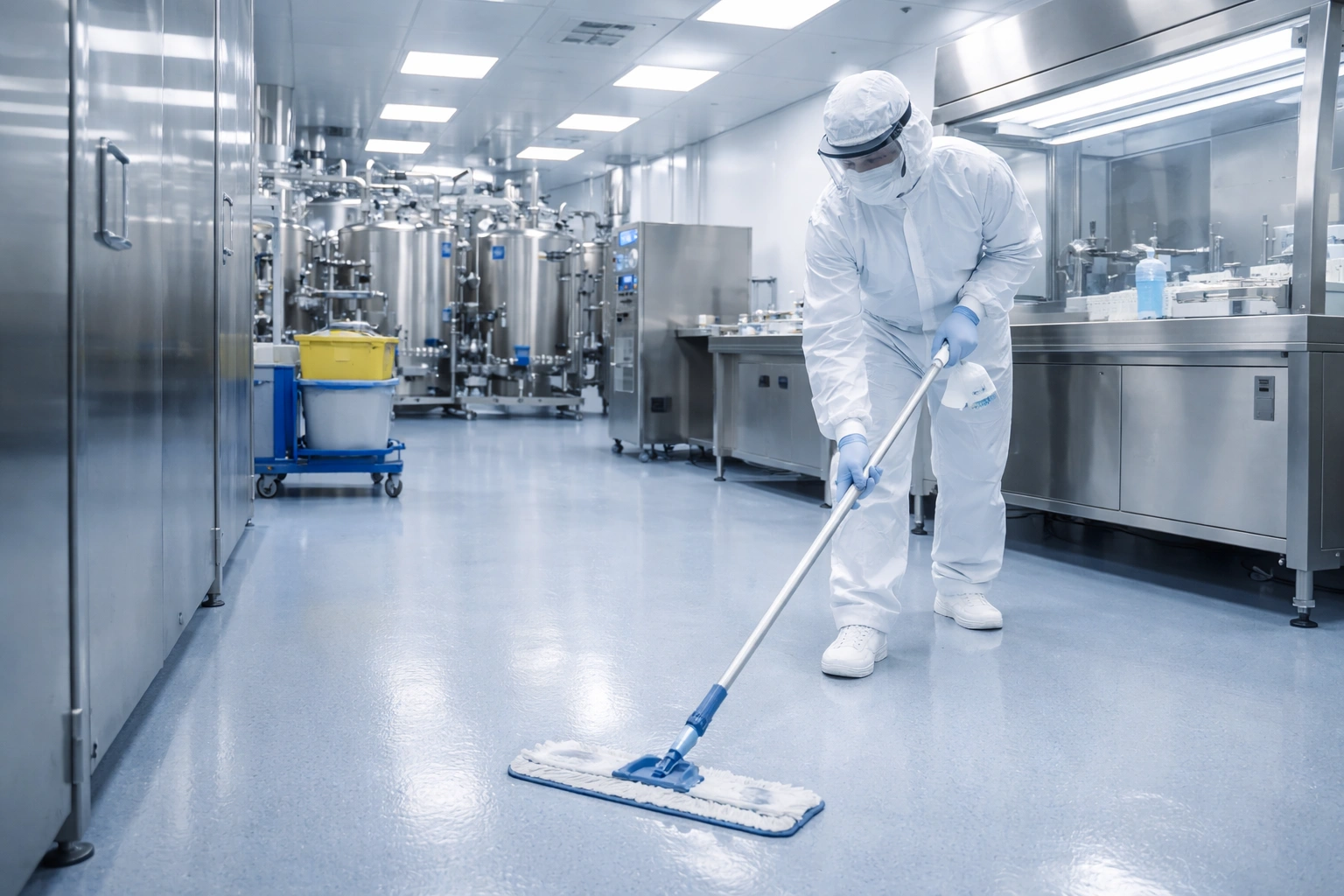
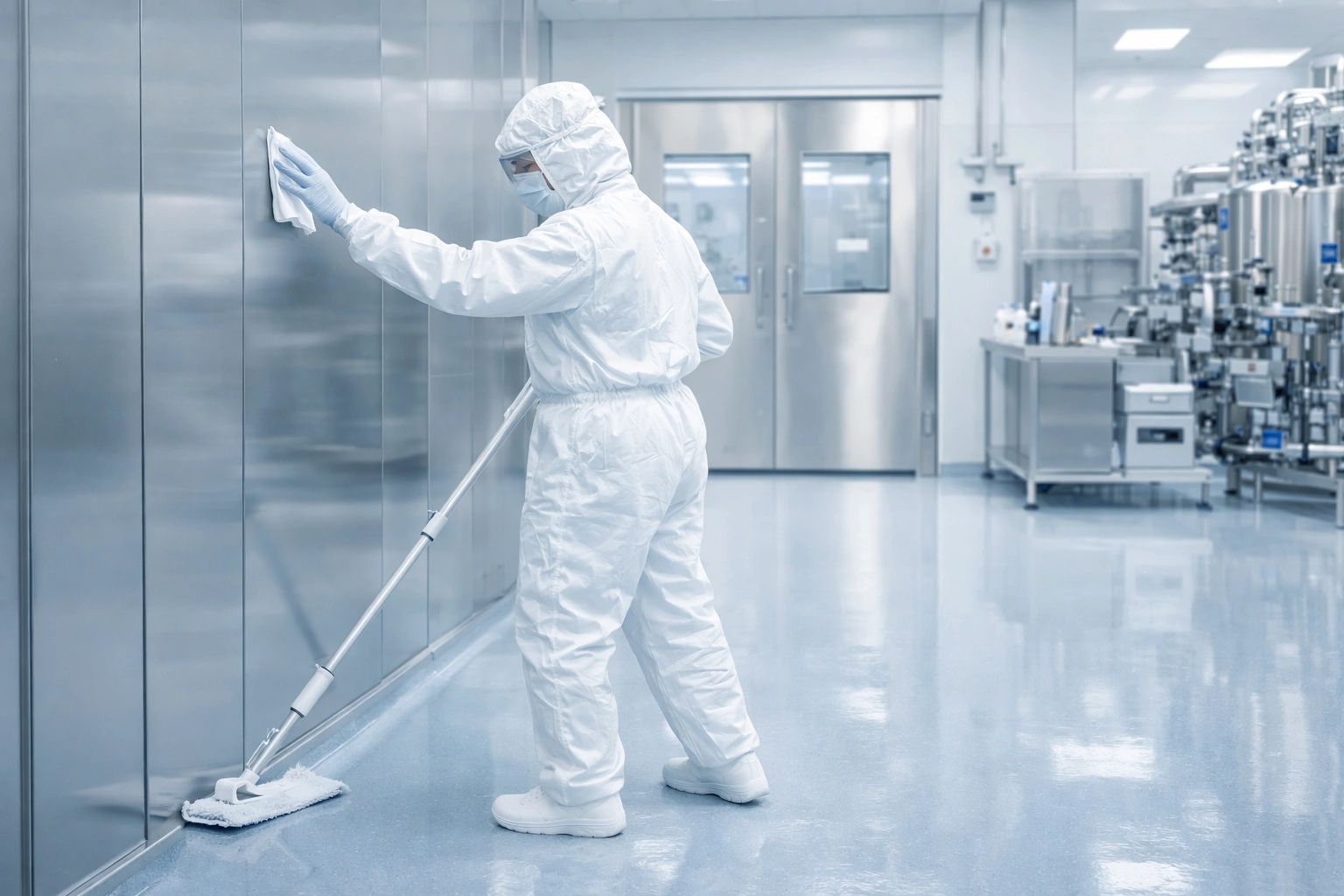
ਫਾਰਮਾਸਿਊਟੀਕਲ ਕਲੀਨ ਰੂਮ ਦੀ ਸਫਾਈ ਵਿੱਚ ਵਰਤੀ ਜਾਂਦੀ ਨਿਰਜੀਵ ਮੋਪ ਕੀਟਾਣੂ-ਰਹਿਤ ਪ੍ਰਕਿਰਿਆ
SOP ਅਨੁਸ਼ਾਸਨ ਅਤੇ ਟੂਲ ਕੰਟਰੋਲ 'ਤੇ ਨਿਰਭਰ ਕਰਦੇ ਹੋਏ, ਸਫਾਈ ਕਰਨ ਵਾਲੇ ਟੂਲ ਗੰਦਗੀ ਨੂੰ ਹਟਾ ਸਕਦੇ ਹਨ ਜਾਂ ਇਸ ਨੂੰ ਫੈਲਾ ਸਕਦੇ ਹਨ।
  • ਨਿਰਜੀਵ ਕਲੀਨਰੂਮ ਮੋਪਸ ਦੀ ਵਰਤੋਂ ਕਰੋ ਜਿੱਥੇ ਪ੍ਰਕਿਰਿਆ ਜੋਖਮ ਉਹਨਾਂ ਨੂੰ ਜਾਇਜ਼ ਠਹਿਰਾਉਂਦਾ ਹੈ
  • ਜ਼ੋਨ ਜਾਂ ਪ੍ਰਕਿਰਿਆ ਪੜਾਅ ਦੁਆਰਾ ਕਲਰ-ਕੋਡਡ ਸਫਾਈ ਪ੍ਰਣਾਲੀਆਂ ਨੂੰ ਅਪਣਾਓ
  • ਭੌਤਿਕ ਅਤੇ ਵਿਧੀਗਤ ਤੌਰ 'ਤੇ ਸਾਫ਼ ਅਤੇ ਵਰਤੇ ਗਏ ਔਜ਼ਾਰਾਂ ਨੂੰ ਵੱਖ ਕਰੋ
  • ਪ੍ਰਮਾਣਿਤ ਪ੍ਰੀ-ਸੰਤ੍ਰਿਪਤ ਜਾਂ ਨਿਯੰਤਰਿਤ ਰਸਾਇਣਕ ਕਾਰਜ ਵਿਧੀਆਂ ਦੀ ਵਰਤੋਂ ਕਰੋ
  • ਟੀਮਾਂ ਨੂੰ ਇੱਕ ਤਰਫਾ ਸਫਾਈ ਪ੍ਰਵਾਹ ਅਤੇ ਗੈਰ-ਮੁੜ ਸੰਪਰਕ ਤਕਨੀਕ 'ਤੇ ਸਿਖਲਾਈ ਦਿਓ

ਕ੍ਰਾਸ-ਜ਼ੋਨ ਕੰਟੈਮੀਨੇਸ਼ਨ: ਪ੍ਰੈਸ਼ਰ ਕੈਸਕੇਡ ਡਿਫੈਂਸ

ਕਰਾਸ-ਜ਼ੋਨ ਗੰਦਗੀ ਉਦੋਂ ਵਾਪਰਦੀ ਹੈ ਜਦੋਂ ਸੂਖਮ ਜੀਵਾਣੂ ਕਰਮਚਾਰੀਆਂ, ਸਮੱਗਰੀਆਂ, ਜਾਂ ਬੇਕਾਬੂ ਹਵਾ ਦੀ ਗਤੀ ਦੁਆਰਾ ਇੱਕ ਵਰਗੀਕ੍ਰਿਤ ਖੇਤਰ ਤੋਂ ਦੂਜੇ ਵਿੱਚ ਜਾਂਦੇ ਹਨ। ਇਹ ਵਿਸ਼ੇਸ਼ ਤੌਰ 'ਤੇ ਮਲਟੀਪਲ ਨਜ਼ਦੀਕੀ ਗ੍ਰੇਡਾਂ ਜਾਂ ਪ੍ਰਕਿਰਿਆ ਪਰਿਵਰਤਨ ਵਾਲੀਆਂ ਸਹੂਲਤਾਂ ਵਿੱਚ ਮਹੱਤਵਪੂਰਨ ਹੈ।

  • ISO 5 → ISO 7 → ISO 8 ਦਿਸ਼ਾਤਮਕ ਨਿਯੰਤਰਣ ਗੰਦਗੀ ਦੇ ਪ੍ਰਵਾਸ ਨੂੰ ਸੀਮਤ ਕਰਨ ਵਿੱਚ ਮਦਦ ਕਰਦਾ ਹੈ
  • ਦਬਾਅ ਦਾ ਅੰਤਰ ਆਮ ਤੌਰ 'ਤੇ ਆਸ ਪਾਸ ਦੇ ਜ਼ੋਨਾਂ ਦੇ ਵਿਚਕਾਰ 10-15 Pa ਨੂੰ ਨਿਸ਼ਾਨਾ ਬਣਾਉਂਦਾ ਹੈ
  • ਇੰਟਰਲਾਕਡ ਏਅਰਲਾਕ ਇੱਕੋ ਸਮੇਂ ਦਰਵਾਜ਼ਾ ਖੋਲ੍ਹਣ ਦੇ ਜੋਖਮ ਨੂੰ ਘਟਾਉਂਦੇ ਹਨ
  • ਸਮੱਗਰੀ ਦੇ ਤਬਾਦਲੇ ਦੇ ਕਦਮਾਂ ਵਿੱਚ ਕੀਟਾਣੂ-ਰਹਿਤ ਅਤੇ ਪ੍ਰਵਾਹ ਅਨੁਸ਼ਾਸਨ ਸ਼ਾਮਲ ਹੋਣਾ ਚਾਹੀਦਾ ਹੈ

ਕਲੀਨ ਰੂਮ ਵਿੱਚ ਮਾਈਕਰੋਬਾਇਲ ਫੈਲਾਅ ਦਾ ਪਤਾ ਕਿਵੇਂ ਲਗਾਇਆ ਜਾਵੇ

Detection requires more than routine monitoring. Monitoring locations, sampling methods, timing, and trend interpretation must all align with contamination risks and process reality.

  • Active air sampling: useful for airborne viable contamination assessment
  • Settle plates: support passive monitoring over time
  • Contact plates / RODAC: useful on flat surfaces
  • Swabs: useful for irregular or hard-to-access surfaces
  • Trend review: essential for identifying repeated pathway-based spread

ਅਕਸਰ ਪੁੱਛੇ ਜਾਂਦੇ ਸਵਾਲ

What is the main source of microbial contamination in cleanrooms?

Personnel are usually the main source because skin, movement, gloves, and respiration continuously introduce microbial risk even in well-controlled environments.

How does microbial contamination spread in cleanrooms?

It spreads through personnel shedding, airflow disturbance, contaminated surfaces, cross-zone transfer, and environmental control failures such as HVAC issues.

How can GMP facilities reduce microbial contamination risk?

GMP facilities reduce risk through validated cleaning SOPs, strict gowning, airflow control, environmental monitoring, operator training, and robust investigation systems.

ਲੇਖਕ ਬਾਰੇ

ਐਮ.ਪੀ
ਮਿਡਪੋਸੀ ਸੰਪਾਦਕੀ ਟੀਮ
Cleanroom Contamination Control GMP Operations Pharma & ਬਾਇਓਟੈਕ

This article was prepared by the Midposi editorial team, focusing on cleanroom contamination control, sterile cleaning workflows, and GMP-aligned environmental hygiene practices for pharmaceutical and biotech facilities.

ਸਾਡੀ ਸਮੱਗਰੀ QA ਟੀਮਾਂ, ਕਲੀਨਰੂਮ ਪ੍ਰਬੰਧਕਾਂ, ਪ੍ਰਮਾਣਿਕਤਾ ਇੰਜੀਨੀਅਰਾਂ, ਅਤੇ ਖਰੀਦ ਪੇਸ਼ੇਵਰਾਂ ਨੂੰ ਗੰਦਗੀ ਦੇ ਮਾਰਗਾਂ, ਸਫਾਈ ਸਾਧਨਾਂ ਦੀ ਚੋਣ, ਅਤੇ ਨਿਯੰਤਰਿਤ ਵਾਤਾਵਰਣ ਵਿੱਚ ਸੰਚਾਲਨ ਜੋਖਮ ਘਟਾਉਣ ਵਿੱਚ ਮਦਦ ਕਰਨ ਲਈ ਵਿਕਸਤ ਕੀਤੀ ਗਈ ਹੈ।

ਮਾਈਕਰੋਬਾਇਲ ਗੰਦਗੀ ਨੂੰ ਕੰਟਰੋਲ ਕਰਨ ਵਿੱਚ ਮਦਦ ਦੀ ਲੋੜ ਹੈ?

ਮਿਡਪੋਸੀ ਫਾਰਮਾਸਿਊਟੀਕਲ, ਬਾਇਓਟੈਕ, ਅਤੇ ਹੋਰ ਨਿਯੰਤਰਿਤ ਨਿਰਮਾਣ ਵਾਤਾਵਰਣਾਂ ਲਈ GMP-ਅਨੁਕੂਲ ਕਲੀਨਰੂਮ ਮੋਪਸ ਅਤੇ ਗੰਦਗੀ ਕੰਟਰੋਲ ਹੱਲ ਪ੍ਰਦਾਨ ਕਰਦਾ ਹੈ।


  • ISO 5-8 ਅਨੁਕੂਲ ਸਫਾਈ ਪ੍ਰਣਾਲੀਆਂ
  • ਗਾਮਾ ਨਿਰਜੀਵ ਮੋਪ ਸਿਰ
  • COA ਅਤੇ ਨਸਬੰਦੀ ਸਹਾਇਤਾ ਸਮੇਤ ਪੂਰੇ ਪ੍ਰਮਾਣਿਕਤਾ ਦਸਤਾਵੇਜ਼
  • ਗੰਦਗੀ ਕੰਟਰੋਲ ਪ੍ਰੋਗਰਾਮਾਂ ਅਤੇ Annex 1 ਦੀ ਤਿਆਰੀ ਦਾ ਸਮਰਥਨ ਕਰਨ ਲਈ ਤਿਆਰ ਕੀਤਾ ਗਿਆ ਹੈ
ਇੱਕ ਨਮੂਨੇ ਲਈ ਬੇਨਤੀ ਕਰੋ

ਇਹ ਮੁਫ਼ਤ ਹੈ!

9 ਕਲੀਨਰੂਮ ਗਾਰਮੈਂਟ ਸੋਰਸਿੰਗ ਗਲਤੀਆਂ ਤੋਂ ਬਚੋ

22

ਇੱਕ ਤੇਜ਼ ਹਵਾਲੇ ਲਈ ਪੁੱਛੋ

ਅਸੀਂ ਤੁਹਾਡੇ ਨਾਲ 1 ਕੰਮਕਾਜੀ ਦਿਨ ਦੇ ਅੰਦਰ ਸੰਪਰਕ ਕਰਾਂਗੇ, ਕਿਰਪਾ ਕਰਕੇ ਪਿਛੇਤਰ ਵਾਲੀ ਈਮੇਲ 'ਤੇ ਧਿਆਨ ਦਿਓ “@midposi.com”.

ਇੱਕ ਤੇਜ਼ ਹਵਾਲੇ ਲਈ ਪੁੱਛੋ

ਅਸੀਂ ਤੁਹਾਡੇ ਨਾਲ 1 ਕੰਮਕਾਜੀ ਦਿਨ ਦੇ ਅੰਦਰ ਸੰਪਰਕ ਕਰਾਂਗੇ, ਕਿਰਪਾ ਕਰਕੇ ਪਿਛੇਤਰ ਵਾਲੀ ਈਮੇਲ 'ਤੇ ਧਿਆਨ ਦਿਓ “*@midposi.com”.