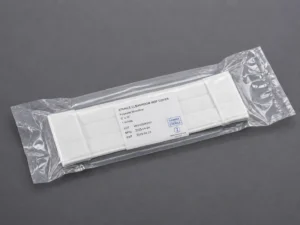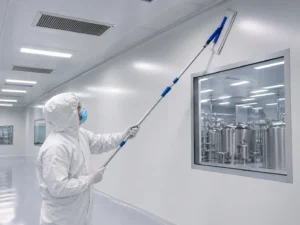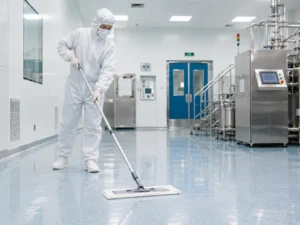
ਕਲੀਨਰੂਮ ਮੋਪ ਹੈੱਡ ਤੁਹਾਡੇ ਸਫਾਈ ਟੂਲ ਦਾ ਸਿਰਫ਼ ਕਾਰੋਬਾਰੀ ਅੰਤ ਨਹੀਂ ਹੈ - ਇਹ ਗੰਦਗੀ ਨਿਯੰਤਰਣ ਅਤੇ ਰੈਗੂਲੇਟਰੀ ਪਾਲਣਾ ਵਿਚਕਾਰ ਮਹੱਤਵਪੂਰਨ ਇੰਟਰਫੇਸ ਹੈ। ਗਲਤ ਸਮੱਗਰੀ ਚੁਣੋ ਅਤੇ ਤੁਸੀਂ ਵਾਤਾਵਰਣ ਨਿਗਰਾਨੀ ਅਸਫਲਤਾਵਾਂ, ਆਡਿਟ ਖੋਜਾਂ, ਅਤੇ ਸੰਭਾਵੀ ਬੈਚ ਅਸਵੀਕਾਰ ਦੇਖੋਗੇ। ਸਹੀ ਢੰਗ ਨਾਲ ਚੁਣੋ ਅਤੇ ਤੁਹਾਨੂੰ ਆਪਣੀ ਗੰਦਗੀ ਨਿਯੰਤਰਣ ਰਣਨੀਤੀ ਵਿੱਚ ਇੱਕ ਪ੍ਰਮਾਣਿਤ ਕੰਪੋਨੈਂਟ ਮਿਲਿਆ ਹੈ ਜੋ ਸੈਂਕੜੇ ਨਸਬੰਦੀ ਚੱਕਰਾਂ ਵਿੱਚ ਭਰੋਸੇਯੋਗ ਢੰਗ ਨਾਲ ਪ੍ਰਦਰਸ਼ਨ ਕਰਦਾ ਹੈ। ਇਹ ਗਾਈਡ ਪੌਲੀਏਸਟਰ ਸੀਲਡ-ਐਜ, ਮਾਈਕ੍ਰੋਫਾਈਬਰ ਮਲਟੀ-ਲੇਅਰ, ਫੋਮ-ਕੋਰ, ਅਤੇ ਪਿਘਲਣ ਵਾਲੇ ਨਾਨਵੋਵਨ ਮੋਪ ਹੈੱਡਾਂ ਦੇ ਪਿੱਛੇ ਸਮੱਗਰੀ ਵਿਗਿਆਨ ਨੂੰ ਡੀਕੋਡ ਕਰਦੀ ਹੈ, ਇਹ ਦੱਸਦੀ ਹੈ ਕਿ ਕਿਵੇਂ ਫਾਈਬਰ ਨਿਰਮਾਣ, ਕਿਨਾਰੇ ਦਾ ਇਲਾਜ, ਅਤੇ ਰਸਾਇਣਕ ਅਨੁਕੂਲਤਾ ਕਣ ਪੈਦਾ ਕਰਨ ਦੀਆਂ ਦਰਾਂ, ਨਸਬੰਦੀ ਟਿਕਾਊਤਾ, ਅਤੇ ਮਾਲਕੀ ਦੀ ਕੁੱਲ ਲਾਗਤ ਨੂੰ ਨਿਰਧਾਰਤ ਕਰਦੀ ਹੈ। ਭਾਵੇਂ ਤੁਸੀਂ ISO ਕਲਾਸ 5 ਐਸੇਪਟਿਕ ਪ੍ਰੋਸੈਸਿੰਗ ਲਈ ਯੋਗ ਸਾਜ਼ੋ-ਸਾਮਾਨ ਪ੍ਰਾਪਤ ਕਰ ਰਹੇ ਹੋ ਜਾਂ ਕਲਾਸ 8 ਸਹਾਇਤਾ-ਖੇਤਰ ਸਫਾਈ ਪ੍ਰੋਟੋਕੋਲ ਨੂੰ ਅਨੁਕੂਲਿਤ ਕਰ ਰਹੇ ਹੋ, ਤੁਹਾਨੂੰ ਆਪਣੀ ਸਹੂਲਤ ਦੀਆਂ ਗੰਦਗੀ ਨਿਯੰਤਰਣ ਲੋੜਾਂ ਨਾਲ ਮੋਪ ਹੈੱਡ ਸਮੱਗਰੀ ਨਾਲ ਮੇਲ ਕਰਨ ਲਈ ਤਕਨੀਕੀ ਵਿਸ਼ੇਸ਼ਤਾਵਾਂ ਅਤੇ ਫੈਸਲਾ ਫਰੇਮਵਰਕ ਮਿਲੇਗਾ।
ਇੱਕ ਕਲੀਨਰੂਮ ਮੋਪ ਹੈਡ ਕੀ ਹੈ? (ISO & GMP ਪਰਿਭਾਸ਼ਾ)
ਇੱਕ ਕਲੀਨਰੂਮ ਮੋਪ ਹੈੱਡ ਇੱਕ ਘੱਟ-ਲਿੰਟ, ਪ੍ਰਮਾਣਿਤ ਸਫਾਈ ਸਬਸਟਰੇਟ ਹੈ ਜੋ ਵਾਧੂ ਕਣਾਂ ਜਾਂ ਵਿਹਾਰਕ ਜੀਵਾਂ ਨੂੰ ਪੇਸ਼ ਕੀਤੇ ਬਿਨਾਂ ਵਰਗੀਕ੍ਰਿਤ ਸਤਹਾਂ ਤੋਂ ਕਣਾਂ ਅਤੇ ਮਾਈਕ੍ਰੋਬਾਇਲ ਗੰਦਗੀ ਨੂੰ ਹਟਾਉਣ ਲਈ ਤਿਆਰ ਕੀਤਾ ਗਿਆ ਹੈ। ਪਰੰਪਰਾਗਤ ਜੈਨੀਟੋਰੀਅਲ ਮੋਪਾਂ ਦੇ ਉਲਟ-ਜੋ ਰੇਸ਼ੇ ਵਹਾਉਂਦੇ ਹਨ, ਖੁੱਲ੍ਹੇ ਬੁਣਾਈ ਵਿੱਚ ਦੂਸ਼ਿਤ ਪਦਾਰਥਾਂ ਨੂੰ ਫੜ੍ਹਦੇ ਹਨ, ਅਤੇ ਉਦਯੋਗਿਕ ਕੀਟਾਣੂਨਾਸ਼ਕਾਂ ਦੇ ਹੇਠਾਂ ਡਿਗਰੇਡ ਕਰਦੇ ਹਨ-ਕਲੀਨਰੂਮ ਮੋਪ ਹੈੱਡ ਇੰਜਨੀਅਰਡ ਸਮੱਗਰੀਆਂ (ਨਿਰੰਤਰ-ਫਿਲਾਮੈਂਟ ਪੋਲਿਸਟਰ, ਸੀਲਡ-ਐਜ ਮਾਈਕਰੋਫਾਈਬਰ, ਬੰਦ-ਸੈੱਲ ਫੋਮ, ਜਾਂ ਪਿਘਲੇ-ਫੁੱਲਣ ਵਾਲੇ ਨਾਨ-ਬੁਣੇ) ਦੀ ਵਰਤੋਂ ਕਰਦੇ ਹਨ ਜੋ ਕਿ ਪੁਨਰ-ਨਿਰਮਾਣ ਵਾਲੇ ਹਿੱਸੇ ਨੂੰ ਪੂਰਾ ਕਰਦੇ ਹਨ। ਚੱਕਰ EU GMP Annex 1 ਇਹ ਮੰਗ ਕਰਦਾ ਹੈ ਕਿ "ਕਲੀਨ ਰੂਮਾਂ ਵਿੱਚ ਵਰਤੀਆਂ ਜਾਣ ਵਾਲੀਆਂ ਸਮੱਗਰੀਆਂ ਨੂੰ ਕਣਾਂ ਦੇ ਉਤਪਾਦਨ ਨੂੰ ਘੱਟ ਤੋਂ ਘੱਟ ਕਰਨ ਲਈ ਚੁਣਿਆ ਜਾਣਾ ਚਾਹੀਦਾ ਹੈ ਅਤੇ ਕੀਟਾਣੂਨਾਸ਼ਕ ਏਜੰਟਾਂ ਅਤੇ ਸਪੋਰੀਸਾਈਡਲ ਏਜੰਟਾਂ ਦੀ ਵਾਰ-ਵਾਰ ਵਰਤੋਂ ਲਈ ਢੁਕਵਾਂ ਹੋਣਾ ਚਾਹੀਦਾ ਹੈ।" ISO 14644-14 ਟੈਸਟ ਵਿਧੀ ਪ੍ਰਦਾਨ ਕਰਦਾ ਹੈ: ਟੀਚੇ ISO ਵਰਗੀਕਰਣ (ਕਲਾਸ 5 ਖੇਤਰ ਸਿਰਫ 3,520 ਕਣਾਂ ਦੀ ਆਗਿਆ ਦਿੰਦੇ ਹਨ ≥0.5 µm, 300 µm, 300 µ08 ਕਣਾਂ ਦੀ ਇਜਾਜ਼ਤ ਦਿੰਦੇ ਹਨ) ਨਾਲ ਸਵੀਕ੍ਰਿਤੀ ਦੇ ਮਾਪਦੰਡਾਂ ਦੇ ਨਾਲ ਸਿਮੂਲੇਟਡ ਵਰਤੋਂ ਦੀਆਂ ਸਥਿਤੀਆਂ (ਮਕੈਨੀਕਲ ਤਣਾਅ, ਗਿੱਲੇ ਮੋਪਿੰਗ ਮੋਸ਼ਨ) ਦੇ ਤਹਿਤ ਕਣ ਪੈਦਾ ਕਰਨ ਦੀ ਜਾਂਚ ਤੋਂ ਐਮਓਪੀ ਹੈੱਡਸ।
How Cleanroom Mop Heads Differ from Standard Mops
Standard janitorial mops fail cleanroom qualification on three fronts. First, particle generation: cotton-loop and cut-end string mops shed thousands of fibers per stroke—acceptable in an office break room, catastrophic in an aseptic processing suite where a single batch of contaminated product can trigger FDA warning letters. Cleanroom mop heads use continuous-filament construction (no cut ends to fray) and sealed edges (ultrasonic welding, laser cutting, thermal bonding) to eliminate fiber release.
ਦੂਜਾ, ਮਾਈਕਰੋਬਾਇਲ ਬੰਦਰਗਾਹ: ਪਰੰਪਰਾਗਤ ਮੋਪਾਂ ਵਿੱਚ ਖੁੱਲੇ ਧਾਗੇ ਦੇ ਲੂਪ ਅਤੇ ਸੋਜ਼ਕ ਕੋਰ ਹੁੰਦੇ ਹਨ ਜੋ ਬਾਇਓਬਰਡਨ ਨੂੰ ਫਸਾਉਂਦੇ ਹਨ, ਪੂਰੀ ਤਰ੍ਹਾਂ ਕੀਟਾਣੂ-ਰਹਿਤ ਹੋਣ ਦਾ ਵਿਰੋਧ ਕਰਦੇ ਹਨ, ਅਤੇ ਬਾਅਦ ਵਿੱਚ ਮੋਪਿੰਗ ਦੌਰਾਨ ਸਤਹਾਂ ਨੂੰ ਮੁੜ ਦੂਸ਼ਿਤ ਕਰਦੇ ਹਨ। ਕਲੀਨਰੂਮ ਡਿਜ਼ਾਈਨ ਨਿਰਵਿਘਨ, ਗੈਰ-ਪੋਰਸ ਸਮੱਗਰੀ ਜਾਂ ਕੱਸ ਕੇ ਬੁਣੇ ਹੋਏ ਢਾਂਚੇ ਦੀ ਵਰਤੋਂ ਕਰਦੇ ਹਨ ਜੋ ਲਾਂਡਰਿੰਗ ਦੌਰਾਨ ਕੈਪਚਰ ਕੀਤੇ ਕਣਾਂ ਨੂੰ ਛੱਡਦੇ ਹਨ ਅਤੇ ਮਾਈਕਰੋਬਾਇਲ ਵਿਕਾਸ ਲਈ ਸਥਾਨ ਪ੍ਰਦਾਨ ਨਹੀਂ ਕਰਦੇ ਹਨ।
ਤੀਜਾ, ਰਸਾਇਣਕ ਟਿਕਾਊਤਾ: ਫਾਰਮਾਸਿਊਟੀਕਲ-ਗ੍ਰੇਡ ਕੀਟਾਣੂਨਾਸ਼ਕ (70% ਆਈਸੋਪ੍ਰੋਪਾਈਲ ਅਲਕੋਹਲ, 3-6% ਹਾਈਡ੍ਰੋਜਨ ਪਰਆਕਸਾਈਡ, 500-5000 ਪੀਪੀਐਮ ਸੋਡੀਅਮ ਹਾਈਪੋਕਲੋਰਾਈਟ) ਦੇ ਅਧੀਨ ਮਿਆਰੀ ਮੋਪਸ ਖਰਾਬ ਹੋ ਜਾਂਦੇ ਹਨ। ਫਾਈਬਰ ਤਨਾਅ ਦੀ ਤਾਕਤ ਗੁਆ ਦਿੰਦੇ ਹਨ, ਕਿਨਾਰੇ ਖੁੱਲ੍ਹ ਜਾਂਦੇ ਹਨ, ਅਤੇ ਕਣਾਂ ਦੀ ਛਾਂਗਣ ਤੇਜ਼ ਹੋ ਜਾਂਦੀ ਹੈ - ਅਸਲ ਵਿੱਚ ਵਾਤਾਵਰਣ ਦੀ ਨਿਗਰਾਨੀ ਕੀ ਫੜੇਗੀ। ਕਲੀਨਰੂਮ ਮੋਪ ਹੈੱਡਾਂ ਨੂੰ 50-200 ਐਕਸਪੋਜ਼ਰ ਚੱਕਰਾਂ ਵਿੱਚ ਅਯਾਮੀ ਸਥਿਰਤਾ, ਰੰਗ ਧਾਰਨ, ਅਤੇ ਫਾਈਬਰ ਅਖੰਡਤਾ ਦੀ ਪੁਸ਼ਟੀ ਕਰਨ ਲਈ ASTM D543 ਰਸਾਇਣਕ ਪ੍ਰਤੀਰੋਧ ਟੈਸਟਿੰਗ ਤੋਂ ਗੁਜ਼ਰਨਾ ਪੈਂਦਾ ਹੈ।
ISO 14644 & EU GMP ਲੋੜਾਂ ਜੋ ਮੋਪ ਹੈੱਡਾਂ ਨੂੰ ਪ੍ਰਭਾਵਤ ਕਰਦੀਆਂ ਹਨ
ISO 14644-14 defines particle generation testing protocols: cleanroom consumables (including mop heads) undergo mechanical stress simulations (wiping motions, abrasion) while particle counters sample the local environment at 0.5 µm and 5 µm size channels. The mop head passes if particle concentrations remain below the target ISO class limits during simulated operational conditions. For ISO Class 5 (Grade A/B pharmaceutical aseptic processing), this means near-zero shedding—fewer than 10 particles ≥0.5 µm per stroke under test conditions. Class 7 and 8 support areas accept slightly higher generation but still require low-lint materials with documented test data.
EU GMP Annex 1 (2022 ਸੰਸ਼ੋਧਨ) ਨਿਰਜੀਵਤਾ ਅਤੇ ਪ੍ਰਮਾਣਿਕਤਾ ਲੋੜਾਂ ਨੂੰ ਜੋੜਦਾ ਹੈ। ਗ੍ਰੇਡ ਏ ਅਤੇ ਗ੍ਰੇਡ ਬੀ ਜ਼ੋਨਾਂ ਨੂੰ ਵਰਤਣ ਤੋਂ ਪਹਿਲਾਂ ਨਿਰਜੀਵ ਕੀਟਾਣੂਨਾਸ਼ਕ ਅਤੇ ਸਫਾਈ ਸਾਧਨਾਂ ਦੀ ਲੋੜ ਹੁੰਦੀ ਹੈ—ਤੁਹਾਡੇ ਮੋਪ ਹੈੱਡ ਨੂੰ ਜਾਂ ਤਾਂ ਸਟੇਰਿਲਿਟੀ ਅਸ਼ੋਰੈਂਸ ਲੈਵਲ (SAL) 10⁻⁶ ਦਸਤਾਵੇਜ਼ਾਂ ਦੇ ਨਾਲ ਪ੍ਰੀ-ਸਟਰਿਲਾਈਜ਼ਡ (ਗਾਮਾ ਰੇਡੀਏਸ਼ਨ, ਈਥੀਲੀਨ ਆਕਸਾਈਡ ਗੈਸ, ਆਟੋਕਲੇਵ) ਹੋਣਾ ਚਾਹੀਦਾ ਹੈ, ਜਾਂ ਆਟੋਕੋਲਾਡਹਾਊਸ ਵਿੱਚ ਲਾਂਡਰਡ ਅਤੇ ਪਰੋ-ਕੋਲਾਵੇਲਡਹਾਊਸ। ਰੈਗੂਲੇਸ਼ਨ ਪ੍ਰਮਾਣਿਤ ਸਫਾਈ ਪ੍ਰਕਿਰਿਆਵਾਂ ਨੂੰ ਵੀ ਲਾਜ਼ਮੀ ਕਰਦਾ ਹੈ ਜੋ "ਅਵਸ਼ੇਸ਼ਾਂ ਨੂੰ ਹਟਾਉਂਦੀਆਂ ਹਨ ਜੋ ਕੀਟਾਣੂਨਾਸ਼ਕ ਪ੍ਰਕਿਰਿਆ ਨੂੰ ਰੋਕ ਸਕਦੀਆਂ ਹਨ" ਅਤੇ "ਇੱਕ ਸਪੋਰੀਸਾਈਡਲ ਏਜੰਟ ਦੀ ਸਮੇਂ-ਸਮੇਂ 'ਤੇ ਵਰਤੋਂ" ਦੇ ਨਾਲ "ਇੱਕ ਤੋਂ ਵੱਧ ਕਿਸਮ ਦੇ ਕੀਟਾਣੂਨਾਸ਼ਕ" ਦੀ ਵਰਤੋਂ ਕਰਦੇ ਹੋਏ ਕੀਟਾਣੂਨਾਸ਼ਕ ਪ੍ਰਭਾਵ ਨੂੰ ਪ੍ਰਮਾਣਿਤ ਕਰਦਾ ਹੈ। ਅਨੁਵਾਦ: ਤੁਹਾਡੀ ਮੋਪ ਹੈੱਡ ਸਮੱਗਰੀ ਨੂੰ ਘਟੀਆ ਜਾਂ ਘਟਾਏ ਕਣਾਂ ਤੋਂ ਬਿਨਾਂ ਹਮਲਾਵਰ ਰਸਾਇਣਕ ਰੋਟੇਸ਼ਨ (ਅਲਕੋਹਲ, ਪੈਰੋਕਸਾਈਡ, ਹਾਈਪੋਕਲੋਰਾਈਟਸ, ਕੁਆਟਰਨਰੀ ਅਮੋਨੀਅਮ ਮਿਸ਼ਰਣ) ਤੋਂ ਬਚਣਾ ਚਾਹੀਦਾ ਹੈ। ਬੁਨਿਆਦੀ ਗੰਦਗੀ ਨਿਯੰਤਰਣ ਸਿਧਾਂਤਾਂ ਲਈ, ਇਹ ਸਮਝਣ ਦੇ ਨਾਲ ਸ਼ੁਰੂ ਕਰੋ ਕਿ ਕਿਵੇਂ ISO ਕਲਾਸ ਡਰਾਈਵ ਉਪਕਰਣ ਦੀਆਂ ਵਿਸ਼ੇਸ਼ਤਾਵਾਂ ਨੂੰ ਸੀਮਿਤ ਕਰਦਾ ਹੈ।
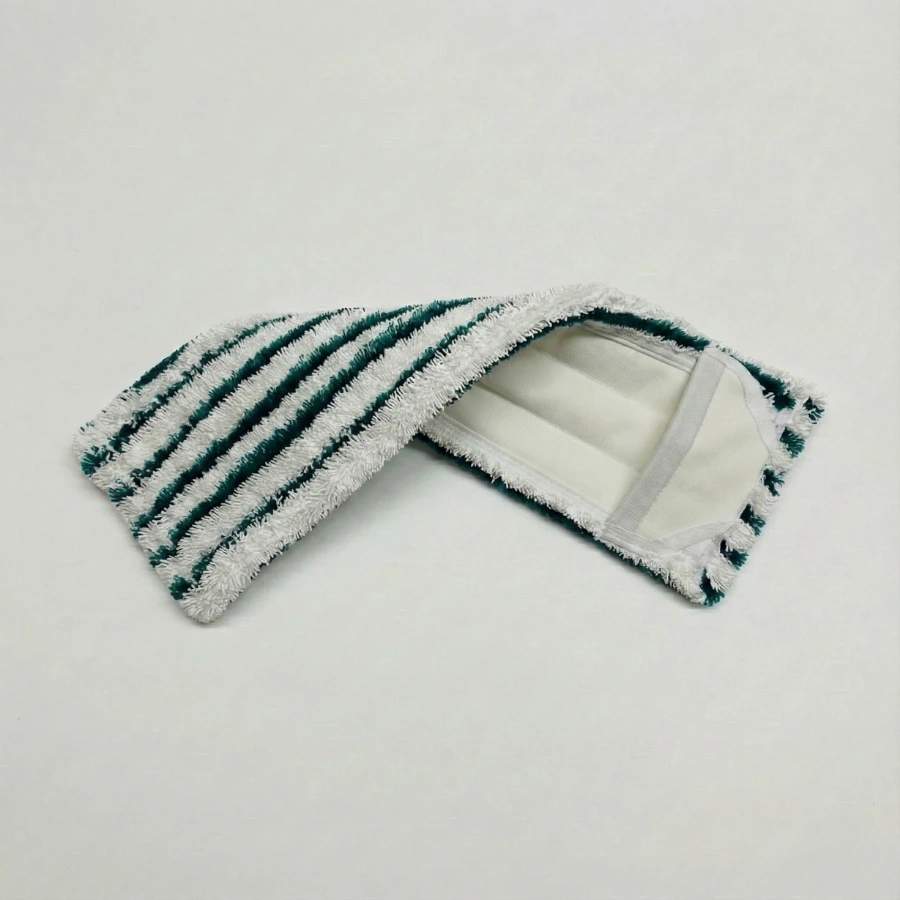
ਮੋਪ ਹੈੱਡ ਮਟੀਰੀਅਲ ਮਾਇਨੇ ਕਿਉਂ ਰੱਖਦਾ ਹੈ
ਮੋਪ ਹੈਡ ਸਮੱਗਰੀ ਚਾਰ ਪ੍ਰਦਰਸ਼ਨ ਵਿਸ਼ੇਸ਼ਤਾਵਾਂ ਨੂੰ ਨਿਰਧਾਰਤ ਕਰਦੀ ਹੈ ਜੋ ਵਾਤਾਵਰਣ ਦੀ ਨਿਗਰਾਨੀ ਦੀ ਪਾਲਣਾ, ਪ੍ਰਮਾਣਿਕਤਾ ਵਰਕਲੋਡ, ਅਤੇ ਮਲਕੀਅਤ ਦੀ ਕੁੱਲ ਲਾਗਤ ਨੂੰ ਸਿੱਧੇ ਤੌਰ 'ਤੇ ਪ੍ਰਭਾਵਤ ਕਰਦੀਆਂ ਹਨ: ਕਣ ਪੈਦਾ ਕਰਨ ਦੀਆਂ ਦਰਾਂ, ਰਸਾਇਣਕ ਅਨੁਕੂਲਤਾ, ਨਸਬੰਦੀ ਪ੍ਰਤੀਰੋਧ, ਅਤੇ ਸਮਾਈ ਕੁਸ਼ਲਤਾ। ਇਹ ਐਬਸਟਰੈਕਟ ਵਿਸ਼ੇਸ਼ਤਾਵਾਂ ਨਹੀਂ ਹਨ - ਇਹ ਇੱਕ FDA ਨਿਰੀਖਣ ਪਾਸ ਕਰਨ ਅਤੇ "ਨਾਕਾਫ਼ੀ ਸਫਾਈ ਉਪਕਰਣ ਯੋਗਤਾ" ਲਈ 483 ਨਿਰੀਖਣ ਪ੍ਰਾਪਤ ਕਰਨ ਵਿੱਚ ਅੰਤਰ ਹਨ।
ਕਣ ਜਨਰੇਸ਼ਨ (ISO 14644-14)
ਕਣ ਉਤਪਾਦਨ ਕਲੀਨਰੂਮ ਮੋਪ ਹੈੱਡਾਂ ਲਈ ਪ੍ਰਾਇਮਰੀ ਫੇਲ ਮੋਡ ਹੈ। ਹਰ ਫਾਈਬਰ ਜੰਕਸ਼ਨ, ਕੱਟ ਕਿਨਾਰੇ, ਅਤੇ ਮਕੈਨੀਕਲ ਤਣਾਅ ਬਿੰਦੂ ਇੱਕ ਸੰਭਾਵੀ ਕਣ ਸਰੋਤ ਹੈ। ਨਿਰੰਤਰ-ਫਿਲਾਮੈਂਟ ਪੋਲਿਸਟਰ ਬੁਣਾਈ ISO 14644-14 ਟੈਸਟ ਸਥਿਤੀਆਂ ਦੇ ਤਹਿਤ ਮੋਪਡ ਸਤਹ ਦੇ ਪ੍ਰਤੀ ਵਰਗ ਮੀਟਰ ≥0.5 µm ਤੋਂ ਘੱਟ ਕਣ ਜਾਰੀ ਕਰਦੀ ਹੈ; ਕੱਟ-ਪਾਇਲ ਕਪਾਹ ਉਸੇ ਖੇਤਰ ਵਿੱਚ 10,000+ ਕਣ ਛੱਡ ਸਕਦਾ ਹੈ। ਉਸਾਰੀ ਦਾ ਤਰੀਕਾ ਮਹੱਤਵਪੂਰਨ ਹੈ: ਅਲਟਰਾਸੋਨਿਕ-ਵੇਲਡ ਸੀਲਬੰਦ ਕਿਨਾਰੇ ਭੜਕੀਆਂ ਹੋਈਆਂ ਸਰਹੱਦਾਂ ਨੂੰ ਖਤਮ ਕਰਦੇ ਹਨ ਜਿੱਥੇ ਪਰੰਪਰਾਗਤ ਮੋਪਸ ਫਾਈਬਰਾਂ ਨੂੰ ਵਹਾਉਂਦੇ ਹਨ; ਲੇਜ਼ਰ-ਕੱਟ ਮਾਈਕ੍ਰੋਫਾਈਬਰ ਕਿਨਾਰੇ ਨੂੰ ਖੋਲ੍ਹਣ ਤੋਂ ਰੋਕਦਾ ਹੈ; ਹੀਟ-ਬਾਂਡਡ ਗੈਰ-ਬੁਣੇ ਜਾਲ ਫਾਈਬਰ-ਟੂ-ਫਾਈਬਰ ਬਾਂਡ ਪੁਆਇੰਟਾਂ 'ਤੇ ਤਣਾਅ ਨੂੰ ਵੰਡਦੇ ਹਨ ਨਾ ਕਿ ਇਸ ਨੂੰ ਸੀਮਾਂ 'ਤੇ ਕੇਂਦ੍ਰਿਤ ਕਰਦੇ ਹਨ।
ਫਾਈਬਰ ਵਿਆਸ ਕਣ ਕੈਪਚਰ ਅਤੇ ਸ਼ੈਡਿੰਗ ਗਤੀਸ਼ੀਲਤਾ ਨੂੰ ਚਲਾਉਂਦਾ ਹੈ। ਮਾਈਕ੍ਰੋਫਾਈਬਰ (ਇਸ ਤਰ੍ਹਾਂ ਪਰਿਭਾਸ਼ਿਤ <1 ਡੈਨੀਅਰ, ਲਗਭਗ 10 µm ਵਿਆਸ) ਵਿੱਚ ਮਿਆਰੀ ਪੋਲਿਸਟਰ (2–5 ਡੈਨੀਅਰ, 20–50 µm) ਨਾਲੋਂ ਪ੍ਰਤੀ ਗ੍ਰਾਮ ਸਤਹ ਖੇਤਰ ਉੱਚਾ ਹੁੰਦਾ ਹੈ, ਕਣ ਚੁੱਕਣ ਵਿੱਚ ਸੁਧਾਰ ਹੁੰਦਾ ਹੈ—ਪਰ ਕੇਵਲ ਤਾਂ ਹੀ ਜੇਕਰ ਫਾਈਬਰ ਬਣਤਰ ਬਰਕਰਾਰ ਰਹੇ। ਸਪਲਿਟ ਮਾਈਕ੍ਰੋਫਾਈਬਰ (ਸਿਤਾਰੇ ਦੇ ਆਕਾਰ ਦੇ ਕਰਾਸ-ਸੈਕਸ਼ਨਾਂ ਦੇ ਨਾਲ ਕੇਸ਼ਿਕਾ ਚੈਨਲ ਬਣਾਉਂਦੇ ਹਨ) ਗੋਲ ਮੋਨੋਫਿਲਾਮੈਂਟ ਨਾਲੋਂ ਵਧੇਰੇ ਪ੍ਰਭਾਵਸ਼ਾਲੀ ਢੰਗ ਨਾਲ ਕਣਾਂ ਨੂੰ ਕੈਪਚਰ ਕਰਦਾ ਹੈ ਪਰ ਲਾਂਡਰਿੰਗ ਦੌਰਾਨ ਮਕੈਨੀਕਲ ਨੁਕਸਾਨ ਲਈ ਵਧੇਰੇ ਕਮਜ਼ੋਰ ਹੁੰਦਾ ਹੈ। ਪੋਲੀਸਟਰ ਨਿਰੰਤਰ ਫਿਲਾਮੈਂਟ ਪ੍ਰਦਰਸ਼ਨ ਦੇ ਨਾਲ ਟਿਕਾਊਤਾ ਨੂੰ ਸੰਤੁਲਿਤ ਕਰਦਾ ਹੈ: ਮਾਈਕ੍ਰੋਫਾਈਬਰ ਨਾਲੋਂ ਮੋਟਾ ਪਰ ਫਿਰ ਵੀ ਘੱਟ-ਲਿੰਟ ਜਦੋਂ ਸਹੀ ਢੰਗ ਨਾਲ ਬੁਣਿਆ ਜਾਂਦਾ ਹੈ, ਅਤੇ 150+ ਆਟੋਕਲੇਵ ਚੱਕਰਾਂ ਵਿੱਚ ਘਬਰਾਹਟ ਲਈ ਵਧੇਰੇ ਰੋਧਕ ਹੁੰਦਾ ਹੈ।
ਕੀਟਾਣੂਨਾਸ਼ਕ ਦੇ ਨਾਲ ਰਸਾਇਣਕ ਅਨੁਕੂਲਤਾ
ਫਾਰਮਾਸਿਊਟੀਕਲ ਕੰਟੈਮੀਨੇਸ਼ਨ ਕੰਟਰੋਲ ਰਣਨੀਤੀਆਂ ਮਾਈਕਰੋਬਾਇਲ ਪ੍ਰਤੀਰੋਧ ਨੂੰ ਰੋਕਣ ਲਈ ਕਈ ਕੀਟਾਣੂਨਾਸ਼ਕ ਰਸਾਇਣਾਂ ਨੂੰ ਘੁੰਮਾਉਂਦੀਆਂ ਹਨ: 70% ਆਈਸੋਪ੍ਰੋਪਾਈਲ ਅਲਕੋਹਲ (ਬੈਕਟੀਰੀਸਾਈਡਲ, ਤੇਜ਼-ਵਾਸ਼ਪੀਕਰਨ), 3–6% ਹਾਈਡਰੋਜਨ ਪਰਆਕਸਾਈਡ (ਸਪੋਰੀਸਾਈਡਲ, ਆਕਸੀਡਾਈਜ਼ਿੰਗ), 500-5000 ਪੀਪੀਐਮ ਸੋਡੀਅਮ, ਹਾਈਪੋਕੋਰਾਈਡਰੋਸਪੈਕਟਿਵ ਅਤੇ ਹਾਈਪੋਕੋਰੋਸਪੈਕਟਰੀ), ਅਮੋਨੀਅਮ ਮਿਸ਼ਰਣ (ਬਕਾਇਆ ਗਤੀਵਿਧੀ, ਘੱਟ ਜ਼ਹਿਰੀਲੇਪਨ)। ਤੁਹਾਡੇ ਮੋਪ ਸਿਰ ਨੂੰ ਫਾਈਬਰ ਡਿਗਰੇਡੇਸ਼ਨ, ਰੰਗ ਫਿੱਕਾ ਜਾਂ ਅਯਾਮੀ ਤਬਦੀਲੀ ਤੋਂ ਬਿਨਾਂ ਉਹਨਾਂ ਸਾਰਿਆਂ ਨੂੰ ਬਚਣਾ ਚਾਹੀਦਾ ਹੈ।
ਪੌਲੀਏਸਟਰ ਅਤੇ ਪੌਲੀਅਮਾਈਡ (ਨਾਈਲੋਨ) ਅਲਕੋਹਲ ਅਤੇ ਕਵਾਟਸ ਲਈ ਸ਼ਾਨਦਾਰ ਪ੍ਰਤੀਰੋਧ ਦਿਖਾਉਂਦੇ ਹਨ ਪਰ ਆਕਸੀਡਾਈਜ਼ਰ ਸਹਿਣਸ਼ੀਲਤਾ ਵਿੱਚ ਵੱਖੋ-ਵੱਖਰੇ ਹੁੰਦੇ ਹਨ। ਪੌਲੀਏਸਟਰ 100+ ਚੱਕਰਾਂ ਵਿੱਚ ਮੱਧਮ ਹਾਈਡ੍ਰੋਜਨ ਪਰਆਕਸਾਈਡ ਗਾੜ੍ਹਾਪਣ (6% ਤੱਕ) ਅਤੇ ਘੱਟ-ਇਕਾਗਰਤਾ ਬਲੀਚ (500-1000 ppm) ਦਾ ਸਾਮ੍ਹਣਾ ਕਰਦਾ ਹੈ; ਉੱਚ ਬਲੀਚ ਪੱਧਰ (>1%) ਪੀਲੇ ਅਤੇ ਤਣਾਅ ਦੀ ਤਾਕਤ ਦੇ ਨੁਕਸਾਨ ਨੂੰ ਤੇਜ਼ ਕਰਦਾ ਹੈ। ਪੌਲੀਮਾਈਡ ਆਕਸੀਡਾਈਜ਼ਰਾਂ ਦੇ ਅਧੀਨ ਤੇਜ਼ੀ ਨਾਲ ਘਟਦਾ ਹੈ - ਹਮਲਾਵਰ ਸਪੋਰੀਸਾਈਡਲ ਪ੍ਰੋਟੋਕੋਲ ਦੀ ਵਰਤੋਂ ਕਰਨ ਵਾਲੀਆਂ ਸਹੂਲਤਾਂ ਲਈ ਇੱਕ ਮਹੱਤਵਪੂਰਨ ਵਿਚਾਰ। ਪੌਲੀਯੂਰੇਥੇਨ ਫੋਮ ਅਲਕੋਹਲ ਦਾ ਚੰਗੀ ਤਰ੍ਹਾਂ ਵਿਰੋਧ ਕਰਦਾ ਹੈ ਪਰ ਸਥਾਈ ਪੈਰੋਕਸਾਈਡ ਜਾਂ ਬਲੀਚ ਐਕਸਪੋਜ਼ਰ (ਆਮ ਤੌਰ 'ਤੇ 20-50 ਚੱਕਰ ਦਿਸਣ ਤੋਂ ਪਹਿਲਾਂ 100-200 ਪੌਲੀਏਸਟਰ ਬੁਣਨ ਲਈ) ਦੇ ਅਧੀਨ ਚੱਕਰ ਦੀ ਉਮਰ ਨੂੰ ਦਰਸਾਉਂਦਾ ਹੈ। ਪਿਘਲਣ ਵਾਲੇ ਪੌਲੀਪ੍ਰੋਪਾਈਲੀਨ ਨਾਨ-ਬੁਣੇ ਜ਼ਿਆਦਾਤਰ ਕੀਟਾਣੂਨਾਸ਼ਕਾਂ ਨੂੰ ਸੰਭਾਲਦੇ ਹਨ ਪਰ ਪ੍ਰਮਾਣਿਕਤਾ ਦੀ ਗੁੰਝਲਤਾ ਤੋਂ ਬਚਣ ਲਈ ਅਕਸਰ ਸਿੰਗਲ-ਵਰਤੋਂ ਵਜੋਂ ਨਿਰਧਾਰਤ ਕੀਤੇ ਜਾਂਦੇ ਹਨ।
ASTM D543 ਟੈਸਟ ਫਰੇਮਵਰਕ ਪ੍ਰਦਾਨ ਕਰਦਾ ਹੈ: ਪਰਿਭਾਸ਼ਿਤ ਅਵਧੀ (50-200 ਵਰਤੋਂ ਚੱਕਰਾਂ ਦੀ ਨਕਲ ਕਰਦੇ ਹੋਏ) ਲਈ ਕੰਮ ਕਰਨ ਵਾਲੇ ਤਾਪਮਾਨਾਂ 'ਤੇ ਤੁਹਾਡੀ ਸਹੂਲਤ ਦੇ ਕੀਟਾਣੂਨਾਸ਼ਕ ਗਾੜ੍ਹਾਪਣ ਲਈ ਐਮਓਪੀ ਹੈੱਡ ਸਮੱਗਰੀਆਂ ਦਾ ਪਰਦਾਫਾਸ਼ ਕਰੋ, ਫਿਰ ਪੁੰਜ, ਮਾਪ, ਤਣਾਅ ਸ਼ਕਤੀ, ਅਤੇ ਦਿੱਖ ਦੀ ਦਿੱਖ ਵਿੱਚ ਤਬਦੀਲੀਆਂ ਨੂੰ ਮਾਪੋ। ਸਵੀਕ੍ਰਿਤੀ ਦੇ ਮਾਪਦੰਡ ਨੂੰ ਬਦਲਣ ਤੋਂ ਪਹਿਲਾਂ ਅਧਿਕਤਮ ਸਵੀਕਾਰਯੋਗ ਗਿਰਾਵਟ ਨੂੰ ਪਰਿਭਾਸ਼ਿਤ ਕਰਨਾ ਚਾਹੀਦਾ ਹੈ - ਆਮ ਤੌਰ 'ਤੇ <5% ਪੁੰਜ ਤਬਦੀਲੀ, <2% ਅਯਾਮੀ ਪਰਿਵਰਤਨ, ਅਤੇ ਕੋਈ ਡੈਲਾਮੀਨੇਸ਼ਨ ਜਾਂ ਫਾਈਬਰ ਪੁੱਲ-ਆਊਟ ਨਹੀਂ।
ਨਸਬੰਦੀ ਪ੍ਰਤੀਰੋਧ (ਆਟੋਕਲੇਵ / ਗਾਮਾ / ਈਓ)
ਨਸਬੰਦੀ ਵਿਧੀ ਅਨੁਕੂਲਤਾ ਇਹ ਨਿਰਧਾਰਤ ਕਰਦੀ ਹੈ ਕਿ ਕੀ ਤੁਹਾਡਾ ਮੋਪ ਹੈੱਡ ਗ੍ਰੇਡ A/B ਐਸੇਪਟਿਕ ਜ਼ੋਨ ਵਿੱਚ ਦਾਖਲ ਹੋ ਸਕਦਾ ਹੈ ਜਾਂ ਗ੍ਰੇਡ C/D ਸਹਾਇਤਾ ਖੇਤਰਾਂ ਤੱਕ ਸੀਮਿਤ ਰਹਿੰਦਾ ਹੈ। ਆਟੋਕਲੇਵੇਬਲ ਐਮਓਪ ਹੈਡਜ਼ 100-200 ਆਟੋਕਲੇਵ ਰਨ ਦੇ ਯੋਗ ਚੱਕਰ ਦੇ ਜੀਵਨ ਦੇ ਨਾਲ, ਸੁੰਗੜਨ, ਫਾਈਬਰ ਪਿਘਲਣ, ਜਾਂ ਸੀਮ ਵੱਖ ਹੋਣ ਤੋਂ ਬਿਨਾਂ ਦੁਹਰਾਉਣ ਵਾਲੇ 121°C ਭਾਫ਼ ਚੱਕਰ (ਘੱਟੋ-ਘੱਟ 30 ਮਿੰਟ) ਤੋਂ ਬਚਦੇ ਹਨ—ਪੋਲੀਏਸਟਰ ਅਤੇ ਕੁਝ ਪੋਲੀਮਾਈਡਜ਼ ਇੱਥੇ ਉੱਤਮ ਹਨ। ਮਾਈਕ੍ਰੋਫਾਈਬਰ ਮਿਸ਼ਰਣ (ਪੋਲੀਏਸਟਰ/ਪੋਲੀਅਮਾਈਡ) ਵੇਰੀਏਬਲ ਪ੍ਰਦਰਸ਼ਨ ਦਿਖਾਉਂਦੇ ਹਨ; ਕੁਝ 50 ਚੱਕਰਾਂ ਤੋਂ ਬਾਅਦ 3-5% ਸੁੰਗੜਦੇ ਹਨ, ਤੁਹਾਡੇ ਪ੍ਰਮਾਣਿਕਤਾ ਪ੍ਰੋਟੋਕੋਲ ਵਿੱਚ ਅਯਾਮੀ ਯੋਗਤਾ ਅਤੇ ਅਧਿਕਤਮ-ਚੱਕਰ ਸੀਮਾਵਾਂ ਦੀ ਲੋੜ ਹੁੰਦੀ ਹੈ।
ਗਾਮਾ ਰੇਡੀਏਸ਼ਨ ਨਸਬੰਦੀ (SAL 10⁻⁶ ਪ੍ਰਾਪਤ ਕਰਨ ਲਈ 25-40 kGy ਖੁਰਾਕ) ਪਹਿਲੀ ਵਰਤੋਂ ਤੋਂ ਪਹਿਲਾਂ ਇੱਕ ਵਾਰ ਵਰਤੋਂ ਵਾਲੇ ਡਿਸਪੋਸੇਬਲ ਮੋਪ ਹੈੱਡਾਂ ਜਾਂ ਮੁੜ ਵਰਤੋਂ ਯੋਗ ਪ੍ਰਣਾਲੀਆਂ ਦੀ ਸ਼ੁਰੂਆਤੀ ਨਸਬੰਦੀ ਦੇ ਅਨੁਕੂਲ ਹੈ। ਪੋਲੀਸਟਰ, ਪੋਲੀਅਮਾਈਡ ਅਤੇ ਪੌਲੀਪ੍ਰੋਪਾਈਲੀਨ ਗਾਮਾ ਖੁਰਾਕਾਂ ਨੂੰ ਬਿਨਾਂ ਕਿਸੇ ਤਾਕਤ ਦੇ ਨੁਕਸਾਨ ਦੇ ਬਰਦਾਸ਼ਤ ਕਰਦੇ ਹਨ। ਈਥੀਲੀਨ ਆਕਸਾਈਡ (EO) ਗੈਸ ਨਸਬੰਦੀ ਤਾਪਮਾਨ-ਸੰਵੇਦਨਸ਼ੀਲ ਸਮੱਗਰੀਆਂ ਲਈ ਕੰਮ ਕਰਦੀ ਹੈ ਪਰ ਇਸ ਲਈ EO ਰਹਿੰਦ-ਖੂੰਹਦ ਟੈਸਟਿੰਗ ਅਤੇ ਏਰੇਸ਼ਨ ਪੀਰੀਅਡ ਦੀ ਲੋੜ ਹੁੰਦੀ ਹੈ - ਜ਼ਿਆਦਾਤਰ GMP ਸੁਵਿਧਾਵਾਂ ਵਿੱਚ ਆਟੋਕਲੇਵ ਉਪਲਬਧਤਾ ਦਿੱਤੇ ਜਾਣ ਵਾਲੇ ਮੋਪ ਹੈੱਡਾਂ ਲਈ ਘੱਟ ਆਮ।
Foam-core mop heads present a sterilization trade-off: polyurethane foam survives autoclaving but shows accelerated compression set (permanent thickness reduction) after 20–30 cycles, reducing fluid-holding capacity and mopping efficiency. Many foam-core products are supplied pre-sterilized (gamma or EO) as single-use consumables to avoid in-house autoclave validation complexity.
ਸਮਾਈ & ਕਵਰੇਜ ਕੁਸ਼ਲਤਾ
Absorbency determines how much disinfectant solution the mop head holds and distributes across the target surface. Higher absorbency reduces the number of dipping cycles (fewer interruptions, faster cleaning), ensures consistent disinfectant contact time, and prevents streaking from inadequate fluid coverage. Microfiber leads in absorbency (6–8× its dry weight) thanks to capillary action in split-fiber channels. Polyester knit follows at 4–6×, and polyurethane foam ranges 5–7× depending on cell structure. Melt-blown nonwovens typically achieve 3–5× but are often pre-saturated by the manufacturer to ensure consistent disinfectant loading.
Coverage efficiency—the floor area cleaned per mop head before saturation or visible soiling—affects per-use cost and operator productivity. A double-sided polyester mop head (flip when one side is soiled) covers 50–100 m² before replacement; a single-use foam pad might handle 20–30 m². For large-area cleanrooms (pharmaceutical packaging suites, medical device assembly zones), higher absorbency and coverage translate directly to reduced mop head consumption and lower TCO.

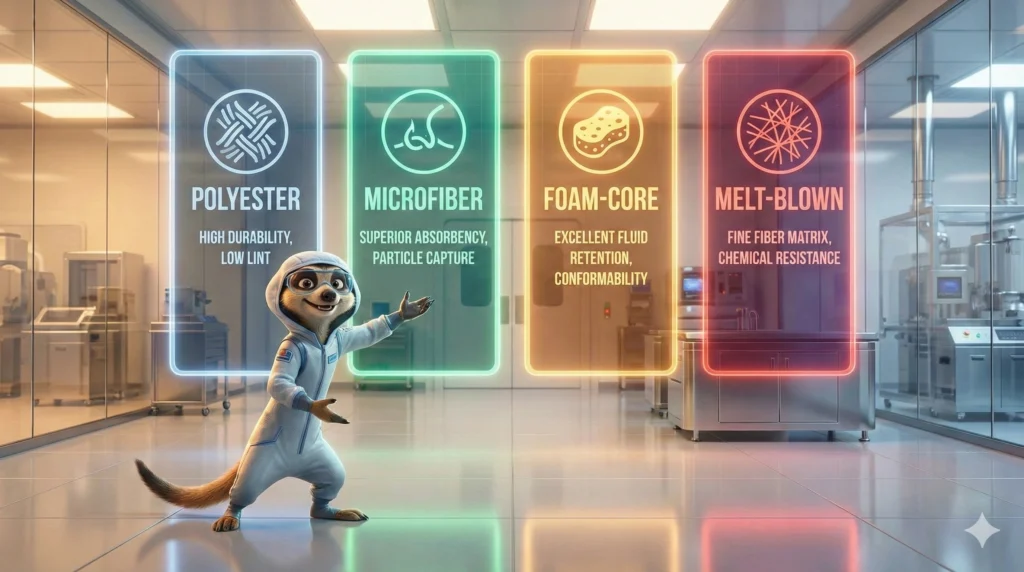
Figure 1: Microscopic comparison of the four main cleanroom mop head material types. Panel 1 shows polyester sealed-edge construction with continuous filament weave and tight knit density that minimizes particle generation. Panel 2 displays microfiber multi-layer structure with ultra-fine split fibers (<1 denier) creating capillary channels for superior absorbency. Panel 3 reveals foam-core open-cell polyurethane structure providing controlled disinfectant release. Panel 4 illustrates melt-blown nonwoven random fiber web (1-5 µm diameter) with heat-bonded junctions. Understanding these structural differences is critical for matching mop head material to ISO classification requirements and disinfectant protocols.
The 4 Main Types of Cleanroom Mop Heads
Polyester Sealed-Edge Mop Heads
ਪੋਲੀਸਟਰ ਸੀਲਡ-ਐਜ ਐਮਓਪੀ ਹੈਡਸ ਫਲੈਟ-ਪੈਡ ਜਾਂ ਟਿਊਬਲਰ-ਮੋਪ ਕੌਂਫਿਗਰੇਸ਼ਨਾਂ ਵਿੱਚ ਬੁਣੇ ਹੋਏ ਨਿਰੰਤਰ-ਫਿਲਾਮੈਂਟ ਪੋਲੀਸਟਰ ਧਾਗੇ (ਕੋਈ ਕੱਟੇ ਸਿਰੇ ਨਹੀਂ) ਦੀ ਵਰਤੋਂ ਕਰਦੇ ਹਨ, ਜਿਸਦੇ ਕਿਨਾਰਿਆਂ ਨੂੰ ਅਲਟਰਾਸੋਨਿਕ ਵੈਲਡਿੰਗ, ਲੇਜ਼ਰ ਕਟਿੰਗ, ਜਾਂ ਥਰਮਲ ਬੰਧਨ ਦੁਆਰਾ ਸੀਲ ਕੀਤਾ ਜਾਂਦਾ ਹੈ ਤਾਂ ਜੋ ਫਰੇਇੰਗ ਨੂੰ ਰੋਕਿਆ ਜਾ ਸਕੇ। ਇਹ ਨਿਰਮਾਣ ਪਰੰਪਰਾਗਤ ਮੋਪਸ ਵਿੱਚ ਪ੍ਰਾਇਮਰੀ ਕਣ ਸਰੋਤ ਨੂੰ ਖਤਮ ਕਰਦਾ ਹੈ - ਮਕੈਨੀਕਲ ਤਣਾਅ ਦੇ ਅਧੀਨ ਵਹਿਣ ਵਾਲੇ ਕੱਟੇ ਹੋਏ ਫਾਈਬਰਸ। ਨਿਰੰਤਰ ਫਿਲਾਮੈਂਟ ਢਾਂਚਾ ਇਸ ਨੂੰ ਸਮਾਪਤੀ ਬਿੰਦੂਆਂ 'ਤੇ ਕੇਂਦ੍ਰਿਤ ਕਰਨ ਦੀ ਬਜਾਏ ਸਮੁੱਚੀ ਬੁਣਾਈ ਵਿੱਚ ਤਣਾਅ ਨੂੰ ਵੰਡਦਾ ਹੈ, ਜਿਸ ਨਾਲ ਇਹ ਮੋਪਸ ਕਿਨਾਰੇ ਦੇ ਡੈਲੇਮੀਨੇਸ਼ਨ ਜਾਂ ਫਾਈਬਰ ਪੁੱਲ-ਆਊਟ ਦੇ ਬਿਨਾਂ 100-200 ਆਟੋਕਲੇਵ ਚੱਕਰਾਂ ਨੂੰ ਜਿਉਂਦੇ ਰਹਿਣ ਦਿੰਦੇ ਹਨ।
ISO ਕਲਾਸ ਅਨੁਕੂਲਤਾ: ISO Class 3–8 (vendor data varies; best performers validated for Class 5–7). Polyester sealed-edge mops meet pharmaceutical Grade C/D requirements and many Grade B applications when properly laundered and autoclaved. They’re the workhorse of medical device cleanrooms, pharmaceutical packaging areas, and electronics assembly zones.
Sterilization Capability: Fully autoclavable at 121°C for 30 minutes, with qualified cycle life typically 150–200 runs before dimensional changes exceed acceptance criteria (<2% shrinkage). Compatible with gamma radiation sterilization (25–40 kGy) for single-use sterile variants. Some vendors supply pre-sterilized polyester mops with SAL 10⁻⁶ documentation for facilities without in-house autoclave capacity.
ਪ੍ਰੋ: ਮੁੜ ਵਰਤੋਂ ਯੋਗ ਮੋਪ ਹੈੱਡਾਂ ਵਿੱਚ ਸਭ ਤੋਂ ਲੰਬਾ ਚੱਕਰ ਜੀਵਨ (150-200 ਆਟੋਕਲੇਵ ਚੱਕਰ = ਪੈਮਾਨੇ 'ਤੇ ਸਭ ਤੋਂ ਘੱਟ ਪ੍ਰਤੀ-ਵਰਤੋਂ ਦੀ ਲਾਗਤ)। ਅਲਕੋਹਲ, ਪੈਰੋਕਸਾਈਡ (6% ਤੱਕ), ਅਤੇ ਮੱਧਮ ਬਲੀਚ ਗਾੜ੍ਹਾਪਣ (500-1000 ppm) ਲਈ ਸ਼ਾਨਦਾਰ ਰਸਾਇਣਕ ਵਿਰੋਧ। ਸੀਲਬੰਦ ਕਿਨਾਰੇ ਫਾਈਬਰ ਸ਼ੈਡਿੰਗ ਨੂੰ ਖਤਮ ਕਰਦੇ ਹਨ - ISO ਕਲਾਸ 5-7 ਕਣ ਨਿਯੰਤਰਣ ਲਈ ਮਹੱਤਵਪੂਰਨ। ਤਰਲ ਵੰਡ ਜਾਂ ਕਣ ਕੈਪਚਰ ਨੂੰ ਅਨੁਕੂਲ ਬਣਾਉਣ ਲਈ ਮਲਟੀਪਲ ਬੁਣਾਈ ਪੈਟਰਨਾਂ (ਹੈਰਿੰਗਬੋਨ, ਪਲੇਨ ਵੇਵ, ਲੂਪਡ ਕਿਨਾਰਿਆਂ) ਵਿੱਚ ਉਪਲਬਧ ਹੈ। ਵਾਰ-ਵਾਰ ਲਾਂਡਰਿੰਗ ਅਤੇ ਘਬਰਾਹਟ ਦੇ ਅਧੀਨ ਮਜ਼ਬੂਤ ਮਕੈਨੀਕਲ ਟਿਕਾਊਤਾ।
ਵਿਪਰੀਤ: Lower absorbency than microfiber (4–6× vs. 6–8×), requiring more frequent dipping for large-area mopping. Not pre-sterilized unless specified—requires in-house autoclave validation for Grade A/B use. Degrades faster under high-concentration bleach (>1% sodium hypochlorite) compared to polypropylene nonwoven. Knit construction can trap small particles in yarn interstices if not thoroughly laundered between uses.
Microfiber Multi-Layer Mop Heads
Microfiber mop heads use ultra-fine synthetic fibers (<1 denier, typically 10 µm diameter) in split or non-split configurations, often layered or laminated to balance particle capture with durability. Split microfiber—with star-shaped or wedge-shaped cross-sections creating capillary channels—excels at particle pickup: the channels trap particles mechanically and hold fluid via capillary action, achieving 6–8× absorbency. Non-split microfiber uses round monofilament and shows better abrasion resistance but lower fluid loading. Many cleanroom microfiber mops use a polyester/polyamide blend (80/20 or 70/30) to balance cleanability with chemical resistance.
Particle Performance: Superior particle capture compared to standard polyester thanks to higher surface area per gram and split-fiber channel mechanics. Under ISO 14644-14 testing, properly constructed sealed-edge microfiber releases <10 particles ≥0.5 µm per stroke—suitable for ISO Class 5–7 when edges are laser-cut or ultrasonically sealed. However, split microfiber is more vulnerable to mechanical damage during aggressive laundering; cycle life drops to 50–100 autoclave runs before fiber structure degrades and particle generation increases.
Fluid Loading: Highest absorbency among woven mop head types (6–8× dry weight), reducing dipping frequency and improving coverage efficiency. The capillary channels distribute disinfectant evenly across the mop surface, ensuring consistent contact time and reducing streaking—important for sporicidal agent application where contact time validation is critical.
Common Use Cases: ISO Class 5–7 pharmaceutical cleanrooms where high particle capture efficiency justifies shorter cycle life (aseptic processing support areas, isolator interiors, gowning room walls/ceilings). Medical device cleanrooms with moderate disinfectant protocols (IPA, quats, low-concentration peroxide). Facilities prioritizing single-pass cleaning efficiency over maximum reusable cycle count. Often specified for critical surface wiping (equipment exteriors, pass-through chambers) where particle capture matters more than durability.
ਸੀਮਾਵਾਂ: Shorter cycle life than polyester knit (50–100 autoclave cycles typical; some shrink 3–5% after 50 runs). Split microfiber degrades faster under aggressive oxidizers (high-concentration peroxide, bleach)—polyamide component is particularly vulnerable. More expensive per unit than polyester sealed-edge. Requires careful laundry protocols to avoid fiber damage (low mechanical agitation, no fabric softeners, moderate temperatures).
Foam-Core Mop Heads
Foam-core mop heads use polyurethane or polyether foam substrates, often laminated with a thin microfiber or polyester outer layer for abrasion protection. The open-cell foam structure absorbs disinfectant solution and releases it gradually during mopping, providing even fluid distribution without pooling or streaking. This “controlled release” characteristic makes foam cores popular for sporicidal agent application where consistent surface contact time is essential for validation. Many vendors supply foam-core mops as single-use pre-sterilized consumables to sidestep the foam’s limited autoclave cycle life.
Even Disinfectant Release: The open-cell structure acts as a fluid reservoir, delivering consistent disinfectant coverage across the mopped surface. Unlike woven materials that can oversaturate in some areas and underlayer in others, foam maintains uniform fluid distribution—critical for validating sporicidal contact time per EU GMP Annex 1 requirements.
Sterile Disposable Option: Foam-core mops are commonly supplied pre-sterilized (gamma radiation or EO gas, SAL 10⁻⁶ documentation) as single-use consumables. This eliminates in-house autoclave validation workload and cross-contamination risk between batches—attractive for clinical trial manufacturers, multi-product facilities requiring batch segregation, and small biotech operations without validated laundry infrastructure. Vendors often package them in sealed sterile pouches pre-saturated with disinfectant (IPA, quat solutions) for turnkey Grade A/B use.
TCO Considerations: Foam-core disposables cost $10–$15 per unit versus $2–$4 per laundered cycle for reusable polyester—the 3–5× cost premium buys sterility assurance and eliminates validation overhead. For low-volume operations (small-batch manufacturing, R&D cleanrooms, pilot facilities), the higher per-use cost is offset by avoided laundry capital investment and QA validation labor. For high-volume production (multiple daily cleaning cycles, large floor areas), reusable polyester or microfiber delivers better TCO.
Reusable foam-core mops (autoclaved in-house) show compression set after 20–30 cycles—the foam loses thickness permanently, reducing fluid capacity and mopping efficiency. Chemical resistance is moderate: excellent with alcohols and quats, but hydrogen peroxide (>3%) and bleach (>500 ppm) accelerate foam degradation. Facilities using aggressive sporicidal rotation should specify single-use foam or switch to polyester knit for support areas.
Melt-Blown Nonwoven Mop Heads
Melt-blown nonwoven mop heads use polypropylene or polyester fibers extruded at high temperature and blown into ultra-fine random webs (fiber diameter 1–5 µm), then heat-bonded without weaving or knitting. The resulting material is lightweight, low-lint (no yarn structure to unravel), and inexpensive to manufacture—making it ideal for single-use GMP workflows. Melt-blown nonwovens dominate in electronics cleanrooms (semiconductor fabs, disk drive assembly) and are increasingly adopted in pharmaceutical packaging areas where disposable workflows reduce cross-contamination risk.
Single-Use GMP Workflows: Melt-blown nonwoven mops eliminate the validation complexity of reusable systems: no laundry qualification, no autoclave cycle-life studies, no cross-contamination risk between product batches or manufacturing campaigns. Use once, discard, open a fresh sterile mop for the next cleaning cycle. This workflow suits contract manufacturers handling multiple API families, facilities with frequent product changeovers, and operations where cleaning validation burden outweighs consumable cost.
Compatibility with Sporicidal Agents: Polypropylene-based melt-blown nonwovens show excellent chemical resistance to alcohols, peroxides, hypochlorites, and phenolics—better than polyester or polyamide in sustained bleach exposure. The fiber-to-fiber heat-bonded structure distributes chemical stress without seams or stitching that could fail under aggressive disinfectants. However, the thin material (typically 40–80 gsm) degrades rapidly with mechanical abrasion; these mops are specified for single-use only.
ਲਾਗਤ & Risk Trade-offs: Per-unit cost is low ($3–$8 for pre-sterilized nonwoven mops) but still 2–4× higher than per-cycle cost of reusable polyester at scale. The trade-off calculation hinges on validation workload: if your QA team spends $5,000–$10,000 qualifying and requalifying a reusable mop system (particle generation testing, autoclave validation, laundry protocol, periodic requalification), single-use nonwovens pay back quickly. Conversely, a facility mopping 50+ areas twice daily (36,500 mop heads/year) faces $110,000–$290,000 annual consumable cost with disposables versus $15,000–$30,000 for reusables—TCO favors reusable systems at high volume.
Particle generation performance varies with manufacturing quality. Premium melt-blown nonwovens (tight fiber web, uniform bonding) achieve ISO Class 5–7 validation; lower-cost variants may only qualify for Class 8 support areas. Demand ISO 14644-14 test data from vendors and verify particle generation acceptance criteria match your target classification.

Figure 2: Decision tree for matching cleanroom mop head material to ISO classification requirements. ISO Class 5 (Grade A/B aseptic processing) demands sealed-edge polyester or microfiber with validated sterility assurance and <10 particles ≥0.5 µm per stroke. Class 6 accepts broader options including premium nonwovens while maintaining low-lint requirements. Class 7 permits all four material types with focus on chemical compatibility. Class 8 allows full material selection with TCO optimization priority. Use this framework to narrow material options based on your facility’s most restrictive ISO class, then apply disinfectant compatibility and sterilization method criteria for final selection.
How to Select the Right Cleanroom Mop Head (GMP Decision Guide)
Match by ISO Class (ISO 5, 6, 7, 8)
ISO Class 5 (Grade A/B pharmaceutical aseptic processing): Requires near-zero particle generation and validated sterility assurance. Specify sealed-edge polyester or sealed-edge microfiber with documented ISO 14644-14 test data showing <10 particles ≥0.5 µm per stroke. Pre-sterilized options (gamma, EO, or autoclave with SAL 10⁻⁶) eliminate in-house sterilization validation workload. Foam-core disposables work if supplied sterile and pre-saturated; avoid reusable foam due to compression set degradation. Melt-blown nonwovens qualify only if vendor provides Class 5 validation documentation.
ISO Class 6 (Grade B background areas, Grade C critical zones): Accepts both sealed-edge polyester and microfiber, plus high-quality foam-core and premium melt-blown nonwovens. Sterilization can be in-house autoclave (reusables) or vendor-supplied sterile consumables. Particle generation limits are less stringent than Class 5 but still require low-lint construction and sealed edges. This is the sweet spot for reusable polyester: validated performance, strong TCO, manageable autoclave cycle life.
ISO Class 7 (Grade C support areas, medical device assembly): Broadest material options. Polyester sealed-edge, microfiber, foam-core (reusable or disposable), and melt-blown nonwovens all perform adequately with proper edge treatment. Disinfection (thorough chemical treatment) may suffice in place of sterilization depending on facility contamination control strategy, though many pharmaceutical operations still autoclave all cleaning tools. Focus on chemical compatibility and cycle life rather than absolute particle generation minimums.
ISO Class 8 (pharmaceutical packaging, gowning rooms, airlocks): All four mop head types suitable. This is where TCO optimization matters most: high-volume daily mopping makes reusable polyester economically attractive ($2–$4 per cycle vs. $8–$15 per disposable). Melt-blown nonwovens work well for facilities prioritizing simplified workflows over per-use cost. Foam-core disposables may be over-specified (paying for sterility assurance you don’t need); reserve for batch-segregation scenarios or facilities without laundry infrastructure.

Match by Disinfectant Program
Alcohol-heavy protocols (70% IPA as primary disinfectant): All four material types show excellent IPA compatibility. Choose based on other factors (ISO class, sterilization method, TCO). Polyester and melt-blown nonwoven offer best long-term durability; microfiber and foam handle IPA well but may degrade faster under mechanical stress.
Peroxide-based sporicidal rotation (3–6% H₂O₂): Polyester sealed-edge excels (stable across 100+ cycles at 6% H₂O₂). Microfiber suitable if peroxide concentration stays ≤3% and cycle life expectations are modest (50–100 cycles). Foam-core degrades faster; limit to ≤3% peroxide or specify single-use. Polypropylene melt-blown nonwovens show excellent peroxide resistance but are typically single-use anyway.
Bleach (sodium hypochlorite) protocols (500–5000 ppm): Polypropylene melt-blown nonwoven shows best chemical resistance but is single-use. Polyester tolerates 500–1000 ppm across 100+ cycles; higher concentrations (>1%) cause yellowing and accelerated degradation. Microfiber (especially polyamide-blend) degrades quickly under bleach; avoid for facilities with >1000 ppm protocols. Foam-core limited to ≤500 ppm or single-use.
ਕੁਆਟਰਨਰੀ ਅਮੋਨੀਅਮ ਮਿਸ਼ਰਣ (ਕਵਾਟਸ): All material types compatible. Quats are gentler than oxidizers; choose based on ISO class and TCO rather than chemical resistance concerns. Note: quats can adsorb to cellulosic materials; stick with synthetic polyester/polypropylene cleanroom mop heads to avoid disinfectant binding that reduces effectiveness.
Multi-disinfectant rotation (Annex 1 compliance): Polyester sealed-edge handles the broadest chemical rotation without degradation. Specify polyester for facilities rotating IPA, moderate peroxide, low-concentration bleach, and quats. Microfiber acceptable if bleach is low-concentration or infrequent. Foam-core and melt-blown nonwoven work as single-use consumables (one mop per disinfectant type if needed) but higher cost.
Match by Sterilization Method (Autoclave, Gamma, EO, Chemical)
Autoclave (121°C steam, in-house processing): Polyester sealed-edge is the gold standard (150–200 qualified cycles). Microfiber acceptable (50–100 cycles; verify dimensional stability in qualification studies). Foam-core limited (20–30 cycles before compression set). Melt-blown nonwoven not typically autoclaved (specified as single-use).
Gamma radiation (vendor-supplied sterile): All four material types tolerate 25–40 kGy gamma sterilization without significant degradation. Common for single-use consumables: sterile foam-core, sterile melt-blown nonwoven, sterile polyester (initial sterilization for reusable systems). Vendor must provide dose-audit records and SAL 10⁻⁶ documentation.
Ethylene oxide gas (EO): Suitable for temperature-sensitive foam-core materials that can’t withstand repeated autoclaving. Less common for mop heads given autoclave prevalence in pharmaceutical facilities. Requires EO residual testing and aeration periods; adds lead time and complexity compared to autoclave. Specify only if autoclave unavailable or foam material can’t survive steam.
Chemical disinfection only (no terminal sterilization): Acceptable for ISO Class 7–8 support areas where contamination control strategy permits thoroughly disinfected (not sterile) cleaning tools. All material types work; choose based on absorbency, coverage, and TCO. Not acceptable for Grade A/B aseptic zones per EU GMP Annex 1.
Match by Frequency of Use & TCO
ਉੱਚ-ਆਵਾਜ਼ ਦੀਆਂ ਸਹੂਲਤਾਂ (ਕਈ ਰੋਜ਼ਾਨਾ ਸਫਾਈ ਚੱਕਰ, ਵੱਡੇ ਫਰਸ਼ ਖੇਤਰ): ਮੁੜ ਵਰਤੋਂ ਯੋਗ ਪੋਲਿਸਟਰ ਸੀਲਡ-ਐਜ ਸਭ ਤੋਂ ਘੱਟ TCO ਪ੍ਰਦਾਨ ਕਰਦਾ ਹੈ। ਸਲਾਨਾ ਐਮਓਪੀ ਹੈੱਡ ਖਪਤ (ਖੇਤਰ × ਮੋਪਿੰਗ ਬਾਰੰਬਾਰਤਾ × 365 ਦਿਨ) ਦੀ ਗਣਨਾ ਕਰੋ, ਫਿਰ ਤੁਲਨਾ ਕਰੋ: $2–$4 ਪ੍ਰਤੀ ਚੱਕਰ (150–200 ਚੱਕਰ ਜੀਵਨ) ਬਨਾਮ ਡਿਸਪੋਸੇਬਲ $8–$15 ਪ੍ਰਤੀ ਵਰਤੋਂ 'ਤੇ ਪੋਲੀਸਟਰ। ਰੋਜ਼ਾਨਾ ਦੋ ਵਾਰ 20 ਖੇਤਰਾਂ ਨੂੰ ਮੋਪਿੰਗ ਕਰਨ ਦੀ ਸਹੂਲਤ 14,600 ਐਮਓਪੀ ਹੈਡਜ਼/ਸਾਲ ਦੀ ਖਪਤ ਕਰਦੀ ਹੈ—ਮੁੜ ਵਰਤੋਂ ਯੋਗ ਪੋਲੀਸਟਰ ਦੀ ਸਾਲਾਨਾ ਕੀਮਤ $29,000–$58,000 ਹੈ; ਡਿਸਪੋਸੇਬਲ ਦੀ ਕੀਮਤ $117,000–$219,000 ਹੈ। $60,000–$160,000 ਦੀ ਬੱਚਤ ਲਾਂਡਰੀ ਅਤੇ ਆਟੋਕਲੇਵ ਪ੍ਰਮਾਣਿਕਤਾ ਨਿਵੇਸ਼ ਨੂੰ ਜਾਇਜ਼ ਠਹਿਰਾਉਂਦੀ ਹੈ।
ਘੱਟ-ਆਵਾਜ਼ ਦੀਆਂ ਸਹੂਲਤਾਂ (ਛੋਟਾ-ਬੈਚ, ਆਰ&ਡੀ, ਪਾਇਲਟ ਓਪਰੇਸ਼ਨ): ਸਿੰਗਲ-ਵਰਤੋਂ ਫੋਮ-ਕੋਰ ਜਾਂ ਪਿਘਲ-ਫੁੱਲਿਆ ਨਾਨਵੋਵਨ ਪ੍ਰਮਾਣਿਕਤਾ ਓਵਰਹੈੱਡ ਨੂੰ ਖਤਮ ਕਰਦਾ ਹੈ। ਜੇਕਰ ਤੁਸੀਂ ਰੋਜ਼ਾਨਾ 5 ਖੇਤਰਾਂ (1,825 ਐਮਓਪੀ ਹੈਡਜ਼/ਸਾਲ) ਨੂੰ ਮੋਪਿੰਗ ਕਰ ਰਹੇ ਹੋ, ਤਾਂ ਡਿਸਪੋਸੇਬਲ ਦੀ ਲਾਗਤ $14,600–$27,375 ਸਾਲਾਨਾ — ਪ੍ਰਬੰਧਨਯੋਗ ਹੈ। ਲਾਂਡਰੀ ਬੁਨਿਆਦੀ ਢਾਂਚੇ, ਆਟੋਕਲੇਵ ਪ੍ਰਮਾਣਿਕਤਾ, ਅਤੇ QA ਲੇਬਰ ਦੀ ਬਚੀ ਹੋਈ ਲਾਗਤ ਖਪਤਯੋਗ ਪ੍ਰੀਮੀਅਮ ਤੋਂ ਵੱਧ ਹੋ ਸਕਦੀ ਹੈ।
ਵਾਰ-ਵਾਰ ਬਦਲਣ ਵਾਲੇ SOPs (ਪ੍ਰਤੀ-ਬੈਚ, ਪ੍ਰਤੀ-ਸ਼ਿਫਟ ਬਦਲੀ): ਘੱਟ ਪ੍ਰਤੀ ਯੂਨਿਟ ਲਾਗਤ ਸਿੰਗਲ-ਵਰਤੋਂ ਦੇ ਵਿਕਲਪਾਂ ਦਾ ਸਮਰਥਨ ਕਰੋ। ਮੈਲਟ-ਬਲਾਊਨ ਨਾਨਵੋਵਨ ($3–$8) ਫੋਮ-ਕੋਰ ਡਿਸਪੋਸੇਬਲਜ਼ ($10–$15) ਨਾਲੋਂ ਬਿਹਤਰ ਅਰਥ-ਵਿਵਸਥਾ ਦੀ ਪੇਸ਼ਕਸ਼ ਕਰਦਾ ਹੈ, ਜੋ ਕਿ ਪਹਿਨਣ ਦੀ ਪਰਵਾਹ ਕੀਤੇ ਬਿਨਾਂ ਹਰ ਸ਼ਿਫਟ ਮੋਪ ਨੂੰ ਬਦਲਦੀਆਂ ਹਨ। ਵਿਕਲਪਕ ਤੌਰ 'ਤੇ, ਪ੍ਰਤੀ-ਵਰਤੋਂ ਦੀ ਲਾਗਤ ਨੂੰ ਵਧਾਏ ਬਿਨਾਂ ਬਦਲਣ ਦੀ ਬਾਰੰਬਾਰਤਾ ਨੂੰ ਘਟਾਉਣ ਲਈ ਦੋ-ਪਾਸੜ ਮੁੜ ਵਰਤੋਂ ਯੋਗ ਪੌਲੀਏਸਟਰ (ਜਦੋਂ ਇੱਕ ਪਾਸੇ ਦੀ ਮਿੱਟੀ ਨੂੰ ਫਲਿਪ ਕਰੋ) ਲਾਗੂ ਕਰੋ।
ਬਹੁ-ਉਤਪਾਦ ਨਿਰਮਾਤਾ (ਬੈਚ ਅਲੱਗ-ਥਲੱਗ ਲੋੜੀਂਦਾ): ਸਿੰਗਲ-ਵਰਤੋਂ ਦੀ ਖਪਤ ਵਾਲੀਆਂ ਚੀਜ਼ਾਂ (ਫੋਮ-ਕੋਰ, ਪਿਘਲ ਕੇ ਉੱਡਣ ਵਾਲੇ ਨਾਨ-ਬੁਣੇ) ਅੰਤਰ-ਦੂਸ਼ਣ ਦੇ ਜੋਖਮ ਨੂੰ ਖਤਮ ਕਰਦੇ ਹਨ ਅਤੇ ਸਫਾਈ ਪ੍ਰਮਾਣਿਕਤਾ ਨੂੰ ਸਰਲ ਬਣਾਉਂਦੇ ਹਨ। ਮੁੜ ਵਰਤੋਂ ਯੋਗ ਪ੍ਰਣਾਲੀਆਂ ਲਈ ਪ੍ਰਮਾਣਿਤ ਸਫਾਈ-ਵਿਚਕਾਰ-ਮੁਹਿੰਮ ਪ੍ਰੋਟੋਕੋਲ ਅਤੇ ਪ੍ਰਤੀ ਉਤਪਾਦ ਪਰਿਵਾਰ ਲਈ ਸਮਰਪਿਤ ਐਮਓਪੀ ਵਸਤੂਆਂ ਦੀ ਲੋੜ ਹੁੰਦੀ ਹੈ — ਪ੍ਰਮਾਣਿਕਤਾ ਅਤੇ ਵਸਤੂ ਸੂਚੀ ਦੀ ਗੁੰਝਲਤਾ ਅਕਸਰ ਡਿਸਪੋਸੇਬਲ ਲਾਗਤ ਪ੍ਰੀਮੀਅਮ ਤੋਂ ਵੱਧ ਜਾਂਦੀ ਹੈ। ਲਈ ਪੂਰੀ ਐਮਓਪੀ ਸਿਸਟਮ ਚੋਣ ਮਾਰਗਦਰਸ਼ਨ, ਏਕੀਕ੍ਰਿਤ ਮੋਪ ਪ੍ਰਣਾਲੀਆਂ ਦੀ ਤੁਲਨਾ ਕਰਨ ਲਈ ਖਰੀਦਦਾਰ ਦੀ ਗਾਈਡ ਵੇਖੋ।

ਮੋਪ ਹੈੱਡ ਨੂੰ ਕਦੋਂ ਬਦਲਣਾ ਹੈ
Mop head replacement isn’t guesswork—it’s a validated decision based on visual inspection criteria, cycle count limits, and environmental monitoring trends. Replace too early and you waste budget on unnecessary consumables; replace too late and you risk particle generation excursions, EM failures, and audit findings.
Signs of Fiber Degradation
ਕਣ ਉਤਪੰਨ ਹੋਣ ਤੋਂ ਪਹਿਲਾਂ ਵਿਜ਼ੂਅਲ ਨਿਰੀਖਣ ਸਭ ਤੋਂ ਵੱਧ ਗਿਰਾਵਟ ਨੂੰ ਫੜਦਾ ਹੈ। ਹਰ ਲਾਂਡਰੀ/ਆਟੋਕਲੇਵ ਚੱਕਰ (ਦੁਬਾਰਾ ਵਰਤੋਂ ਯੋਗ) ਜਾਂ ਵਰਤੋਂ ਤੋਂ ਪਹਿਲਾਂ (ਪ੍ਰੀ-ਸਟਰਿਲਾਈਜ਼ਡ ਡਿਸਪੋਸੇਬਲ) ਦੇ ਬਾਅਦ ਮੋਪ ਹੈੱਡਾਂ ਦੀ ਜਾਂਚ ਕਰੋ। ਜੇਕਰ ਤੁਸੀਂ ਦੇਖਦੇ ਹੋ ਤਾਂ ਤੁਰੰਤ ਬਦਲੋ: ਕਿਨਾਰੇ ਦੀ ਫਰੇਇੰਗ ਜਾਂ ਅਨਸੀਲਿੰਗ (ਸੀਲਬੰਦ ਕਿਨਾਰਿਆਂ ਨੂੰ ਵੱਖ ਕਰਨਾ, ਕੱਟੇ ਹੋਏ ਫਾਈਬਰ ਸਿਰਿਆਂ ਨੂੰ ਐਕਸਪੋਜ਼ ਕਰਨਾ), ਫਾਈਬਰ ਪਿਲਿੰਗ ਜਾਂ ਫਜ਼ਿੰਗ (ਲਗਾਤਾਰ ਫਿਲਾਮੈਂਟ ਬਣਤਰ ਦੇ ਮਕੈਨੀਕਲ ਟੁੱਟਣ ਨੂੰ ਦਰਸਾਉਂਦਾ ਹੈ), ਡੈਲਾਮੀਨੇਸ਼ਨ (ਫੋਮ ਕੋਰ ਬਾਹਰੀ ਪਰਤ ਤੋਂ ਵੱਖ ਹੁੰਦਾ ਹੈ, ਮਾਈਕ੍ਰੋਫਾਈਬਰ ਲੇਅਰਾਂ ਦਾ ਛਿਲਕਾ ਹੁੰਦਾ ਹੈ), ਸੀਮ ਵੱਖ ਹੋਣਾ ਜਾਂ ਫੈਚਿੰਗ ਹੈੱਡਿੰਗ ਮੋਮੋਮੀਟਰ 'ਤੇ ਰੰਗ ਸਵੀਕ੍ਰਿਤੀ ਦੇ ਮਾਪਦੰਡ ਤੋਂ ਪਰੇ (ਅਕਸਰ ਰਸਾਇਣਕ ਗਿਰਾਵਟ ਅਤੇ ਘਟੀ ਹੋਈ ਤਣਾਅ ਦੀ ਤਾਕਤ ਨਾਲ ਸਬੰਧ ਰੱਖਦਾ ਹੈ)।
ਪੋਲਿਸਟਰ ਅਤੇ ਮਾਈਕ੍ਰੋਫਾਈਬਰ ਲਈ, ਆਪਣੇ ਦਸਤਾਨੇ ਵਾਲੇ ਹੱਥ ਨੂੰ ਮੋਪ ਦੀ ਸਤ੍ਹਾ 'ਤੇ ਚਲਾਓ-ਜੇਕਰ ਫਾਈਬਰ ਖਾਲੀ ਹੋ ਜਾਂਦੇ ਹਨ ਜਾਂ ਢਿੱਲੇ ਮਹਿਸੂਸ ਕਰਦੇ ਹਨ, ਤਾਂ ਸਮੱਗਰੀ ਜੀਵਨ ਦੇ ਅੰਤ 'ਤੇ ਪਹੁੰਚ ਗਈ ਹੈ। ਫੋਮ-ਕੋਰ ਲਈ, ਸਥਾਈ ਕੰਪਰੈਸ਼ਨ ਦੀ ਜਾਂਚ ਕਰਨ ਲਈ ਸਕਿਊਜ਼ ਕਰੋ (ਫੋਮ ਪੂਰੀ ਤਰ੍ਹਾਂ ਵਾਪਸ ਨਹੀਂ ਆਉਂਦਾ)। ਪਿਘਲੇ ਹੋਏ ਨਾਨ-ਬੁਣੇ ਲਈ, ਫਟਣ ਵਾਲੇ ਜਾਂ ਪਤਲੇ ਚਟਾਕ ਦੀ ਭਾਲ ਕਰੋ ਜਿੱਥੇ ਸਮੱਗਰੀ ਦੀ ਪਾਰਦਰਸ਼ਤਾ ਵਧਦੀ ਹੈ।
ਸਮਾਈ ਦਾ ਨੁਕਸਾਨ
Absorbency degradation signals that the mop head can no longer distribute disinfectant effectively. Test by weighing the mop head dry, saturating in distilled water, gently squeezing excess, and reweighing. Compare to baseline absorbency from qualification studies. Replace when absorbency drops below 80% of qualified baseline—typically this occurs at 60–80% of maximum cycle life for polyester knit, earlier for foam-core (50–60% of cycle life) due to compression set.
ਸੋਜ਼ਸ਼ ਦੇ ਨੁਕਸਾਨ ਦੇ ਸੰਚਾਲਨ ਸੰਕੇਤਾਂ ਵਿੱਚ ਸ਼ਾਮਲ ਹਨ ਸਤਹ ਦੀ ਨਮੀ ਨੂੰ ਬਣਾਈ ਰੱਖਣ ਲਈ ਡੁਬੋਣ ਦੀ ਵਧੀ ਹੋਈ ਬਾਰੰਬਾਰਤਾ, ਮੋਪਿੰਗ ਦੌਰਾਨ ਦਿਖਾਈ ਦੇਣ ਵਾਲੀ ਸੁੱਕੀ ਸਟ੍ਰੀਕਿੰਗ (ਕੀਟਾਣੂਨਾਸ਼ਕ ਕਵਰੇਜ ਨਾਕਾਫ਼ੀ), ਅਤੇ ਮੋਪ ਦੇ "ਵਰਤਿਆ" ਮਹਿਸੂਸ ਹੋਣ ਤੋਂ ਪਹਿਲਾਂ ਕਵਰੇਜ ਖੇਤਰ ਨੂੰ ਘਟਾਇਆ ਜਾਂਦਾ ਹੈ। ਇਹਨਾਂ ਨਿਰੀਖਣਾਂ ਨੂੰ ਸਾਫ਼ ਕਰਨ ਵਾਲੇ ਲੌਗਾਂ ਵਿੱਚ ਦਸਤਾਵੇਜ਼ੀ ਬਣਾਓ; ਸ਼ੁਰੂਆਤੀ ਸੋਜ਼ਸ਼ ਦੇ ਨੁਕਸਾਨ ਦੇ ਪੈਟਰਨ ਇਹ ਸੰਕੇਤ ਕਰ ਸਕਦੇ ਹਨ ਕਿ ਤੁਹਾਡੀ ਕੀਟਾਣੂਨਾਸ਼ਕ ਗਾੜ੍ਹਾਪਣ ਜਾਂ ਆਟੋਕਲੇਵ ਪੈਰਾਮੀਟਰ ਐਮਓਪੀ ਸਮੱਗਰੀ ਦੀ ਯੋਗਤਾ ਦੀਆਂ ਸੀਮਾਵਾਂ ਨੂੰ ਪਾਰ ਕਰ ਰਹੇ ਹਨ।
ਆਟੋਕਲੇਵ ਸਾਈਕਲ ਲਾਈਫ ਸੀਮਾਵਾਂ
ਹਰੇਕ ਮੁੜ-ਵਰਤਣਯੋਗ ਐਮਓਪੀ ਹੈੱਡ ਵਿੱਚ ਅਧਿਕਤਮ ਯੋਗ ਆਟੋਕਲੇਵ ਚੱਕਰ ਦੀ ਗਿਣਤੀ ਹੁੰਦੀ ਹੈ ਜਿਸ ਤੋਂ ਅੱਗੇ ਆਯਾਮੀ ਸਥਿਰਤਾ, ਕਣ ਪੈਦਾ ਕਰਨ, ਅਤੇ ਨਿਰਜੀਵਤਾ ਦੀ ਗਾਰੰਟੀ ਨਹੀਂ ਦਿੱਤੀ ਜਾ ਸਕਦੀ ਹੈ। ਪੋਲੀਸਟਰ ਸੀਲ-ਕਿਨਾਰੇ: 150-200 ਚੱਕਰ ਖਾਸ। ਮਾਈਕ੍ਰੋਫਾਈਬਰ: 50-100 ਚੱਕਰ (ਪੋਲੀਏਸਟਰ-ਅਮੀਰ ਮਿਸ਼ਰਣਾਂ ਲਈ ਉੱਚੇ ਸਿਰੇ, ਪੋਲੀਅਮਾਈਡ-ਭਾਰੀ ਲਈ ਘੱਟ)। ਫੋਮ-ਕੋਰ ਮੁੜ ਵਰਤੋਂ ਯੋਗ: ਸੰਕੁਚਨ ਸੈੱਟ ਸਵੀਕ੍ਰਿਤੀ ਤੋਂ ਵੱਧ ਹੋਣ ਤੋਂ ਪਹਿਲਾਂ 20-30 ਚੱਕਰ। ਪਿਘਲਿਆ ਹੋਇਆ ਨਾਨ ਬੁਣਿਆ: ਆਟੋਕਲੇਵਿੰਗ ਲਈ ਯੋਗ ਨਹੀਂ (ਸਿਰਫ ਸਿੰਗਲ-ਵਰਤੋਂ)।
ਇੱਕ ਟਰੈਕਿੰਗ ਸਿਸਟਮ ਨੂੰ ਲਾਗੂ ਕਰੋ—ਸਾਈਕਲ ਕਾਉਂਟ ਲੌਗਸ ਦੇ ਨਾਲ ਵਿਅਕਤੀਗਤ ਮੋਪ ਹੈੱਡ ਸੀਰੀਅਲ ਨੰਬਰ ਜਾਂ ਬੈਚ ਪਛਾਣਕਰਤਾ। ਸੁਰੱਖਿਆ ਹਾਸ਼ੀਏ ਵਜੋਂ ਵੱਧ ਤੋਂ ਵੱਧ ਯੋਗ ਸਾਈਕਲ ਜੀਵਨ ਦੇ 80% 'ਤੇ ਮੋਪਸ ਨੂੰ ਬਦਲੋ; ਪੂਰਨ ਸੀਮਾ ਵੱਲ ਨਾ ਧੱਕੋ। ਉਦਾਹਰਨ ਲਈ, 200 ਸਾਈਕਲਾਂ ਲਈ ਯੋਗਤਾ ਪ੍ਰਾਪਤ ਪੋਲੀਸਟਰ ਮੋਪ ਨੂੰ 160 ਚੱਕਰਾਂ 'ਤੇ ਰਿਟਾਇਰ ਕੀਤਾ ਜਾਣਾ ਚਾਹੀਦਾ ਹੈ ਭਾਵੇਂ ਵਿਜ਼ੂਅਲ ਨਿਰੀਖਣ ਸਵੀਕਾਰਯੋਗ ਲੱਗਦਾ ਹੈ। ਚੱਕਰ ਜੀਵਨ ਦਾ ਆਖਰੀ 20% ਉਹ ਹੁੰਦਾ ਹੈ ਜਿੱਥੇ ਕਣ ਪੈਦਾ ਹੋਣ ਦਾ ਜੋਖਮ ਤੇਜ਼ ਹੁੰਦਾ ਹੈ।
EM ਭਟਕਣਾ ਜਾਂ ਵਧੀ ਹੋਈ ਕਣ ਸ਼ੈਡਿੰਗ
ਵਾਤਾਵਰਨ ਨਿਗਰਾਨੀ ਸੈਰ-ਸਪਾਟੇ ਅੰਤਮ ਬਦਲੀ ਟਰਿੱਗਰ ਹਨ। ਜੇ ਮੋਪਿੰਗ ਦੇ ਤੁਰੰਤ ਬਾਅਦ ਖੇਤਰਾਂ ਵਿੱਚ ਕਣਾਂ ਦੀ ਗਿਣਤੀ ਵਧ ਜਾਂਦੀ ਹੈ, ਜਾਂ ਜੇਕਰ ਰੁਝਾਨ ਸਫਾਈ ਦੇ ਕਾਰਜਕ੍ਰਮ ਨਾਲ ਸੰਬੰਧਿਤ ਗੈਰ-ਵਿਵਹਾਰਕ ਕਣਾਂ ਦੀ ਗਾੜ੍ਹਾਪਣ ਨੂੰ ਦਰਸਾਉਂਦੇ ਹਨ, ਤਾਂ ਪਹਿਲਾਂ ਆਪਣੇ ਮੋਪ ਸਿਰਾਂ ਦੀ ਜਾਂਚ ਕਰੋ। ਮੌਜੂਦਾ ਵਸਤੂ ਸੂਚੀ ਤੋਂ ਨਮੂਨੇ ਖਿੱਚੋ, ISO 14644-14 ਕਣ ਪੈਦਾ ਕਰਨ ਦੀ ਜਾਂਚ ਚਲਾਓ (ਜਾਂ ਕਿਸੇ ਯੋਗਤਾ ਪ੍ਰਾਪਤ ਲੈਬ ਨੂੰ ਭੇਜੋ), ਅਤੇ ਨਤੀਜਿਆਂ ਦੀ ਸ਼ੁਰੂਆਤੀ ਯੋਗਤਾ ਡੇਟਾ ਨਾਲ ਤੁਲਨਾ ਕਰੋ। ਜੇ ਕਣ ਉਤਪੱਤੀ ਸਵੀਕ੍ਰਿਤੀ ਦੇ ਮਾਪਦੰਡ ਤੋਂ ਵੱਧ ਗਈ ਹੈ, ਤਾਂ ਪੂਰੇ ਐਮਓਪੀ ਹੈੱਡ ਇਨਵੈਂਟਰੀ ਲਾਟ ਨੂੰ ਬਦਲੋ ਅਤੇ ਮੂਲ ਕਾਰਨਾਂ ਦੀ ਜਾਂਚ ਕਰੋ-ਸੰਭਾਵਤ ਤੌਰ 'ਤੇ ਜਾਂ ਤਾਂ ਚੱਕਰ ਦੀ ਜੀਵਨ ਸੀਮਾ ਤੋਂ ਵੱਧ ਗਈ ਹੈ, ਕੀਟਾਣੂਨਾਸ਼ਕ ਐਕਸਪੋਜ਼ਰ ਤੋਂ ਰਸਾਇਣਕ ਗਿਰਾਵਟ, ਜਾਂ ਬਚੇ ਕਣਾਂ ਨੂੰ ਹਟਾਉਣ ਲਈ ਨਾਕਾਫ਼ੀ ਲਾਂਡਰਿੰਗ।
ਮਜਬੂਤ CCS ਅਤੇ ਟ੍ਰੈਂਡਿੰਗ ਪ੍ਰਣਾਲੀਆਂ ਵਾਲੀਆਂ ਸਹੂਲਤਾਂ ਲਈ, ਚੇਤਾਵਨੀ ਥ੍ਰੈਸ਼ਹੋਲਡ ਸੈੱਟ ਕਰੋ: ਜੇਕਰ ਕਿਸੇ ਖਾਸ ਖੇਤਰ ਵਿੱਚ ਕਣਾਂ ਦੀ ਗਿਣਤੀ ISO ਕਲਾਸ ਸੀਮਾ ਦੇ 50% ਤੋਂ ਵੱਧ ਹੁੰਦੀ ਹੈ ਤਾਂ ਸਫਾਈ ਤੋਂ ਬਾਅਦ ਲਗਾਤਾਰ ਦੋ ਨਿਗਰਾਨੀ ਇਵੈਂਟਾਂ ਲਈ, ਉਸ ਖੇਤਰ ਵਿੱਚ ਵਰਤੇ ਜਾਣ ਵਾਲੇ ਸਾਰੇ ਮੋਪ ਹੈੱਡਾਂ ਨੂੰ ਕੁਆਰੰਟੀਨ ਕਰੋ ਅਤੇ ਕਣ ਪੈਦਾ ਕਰਨ ਦੀ ਮੁੜ-ਯੋਗਤਾ ਜਾਂਚ ਕਰੋ। ਇਹ ਕਿਰਿਆਸ਼ੀਲ ਪਹੁੰਚ ਅਸਲ EM ਅਸਫਲਤਾਵਾਂ ਅਤੇ ਬੈਚ ਪ੍ਰਭਾਵ ਨੂੰ ਰੋਕਦੀ ਹੈ। ਲਈ ਵਿਸਤ੍ਰਿਤ ਸਮੱਗਰੀ ਪ੍ਰਦਰਸ਼ਨ ਤੁਲਨਾ, ਮਾਈਕ੍ਰੋਫਾਈਬਰ ਬਨਾਮ ਪੋਲਿਸਟਰ ਵਿਸ਼ਲੇਸ਼ਣ ਦੇਖੋ।
ਕਲੀਨਰੂਮ ਮੋਪ ਹੈਡ ਤੁਲਨਾ ਸਾਰਣੀ
| ਸਮੱਗਰੀ ਦੀ ਕਿਸਮ | ISO ਕਲਾਸ ਅਨੁਕੂਲਤਾ | ਕਣ ਉਤਪੰਨ | ਆਟੋਕਲੇਵ ਸਾਈਕਲ ਲਾਈਫ | ਰਸਾਇਣਕ ਪ੍ਰਤੀਰੋਧ | ਸਮਾਈ | ਪ੍ਰਤੀ-ਵਰਤੋਂ ਦੀ ਲਾਗਤ | ਵਧੀਆ ਵਰਤੋਂ ਦਾ ਕੇਸ |
| ਪੋਲੀਸਟਰ ਸੀਲਡ-ਐਜ | ਕਲਾਸ 3–8 (ਪ੍ਰਮਾਣਿਤ 5–7) | <10 ਕਣ ≥0.5 µm | 150-200 ਚੱਕਰ | ਸ਼ਾਨਦਾਰ (IPA, ਦਰਮਿਆਨੀ ਪਰਆਕਸਾਈਡ/ਬਲੀਚ) | 4–6× | $2–$4 | ਉੱਚ-ਆਵਾਜ਼ ਦੀਆਂ ਸਹੂਲਤਾਂ, ਗ੍ਰੇਡ C/D ਖੇਤਰ, ਪੈਮਾਨੇ 'ਤੇ ਵਧੀਆ TCO |
| ਮਾਈਕ੍ਰੋਫਾਈਬਰ ਮਲਟੀ-ਲੇਅਰ | ਕਲਾਸ 5-7 | <10 ਕਣ ≥0.5 µm | 50-100 ਚੱਕਰ | ਚੰਗਾ (IPA, quats); ਸੀਮਤ ਬਲੀਚ ਸਹਿਣਸ਼ੀਲਤਾ | 6–8× | $4–$8 | ਨਾਜ਼ੁਕ ਸਤਹ ਪੂੰਝਣ, ਐਸੇਪਟਿਕ ਪ੍ਰੋਸੈਸਿੰਗ ਸਹਾਇਤਾ ਖੇਤਰ, ਉੱਚ ਕਣ ਕੈਪਚਰ |
| ਫੋਮ-ਕੋਰ (ਡਿਸਪੋਜ਼ੇਬਲ) | ਕਲਾਸ 5-8 | <20 ਕਣ ≥0.5 µm | 20-30 ਚੱਕਰ (ਮੁੜ ਵਰਤੋਂ ਯੋਗ) | ਮੱਧਮ (IPA, quats); ਪਰਆਕਸਾਈਡ/ਬਲੀਚ ਦੇ ਅਧੀਨ ਘਟਦਾ ਹੈ | 5–7× | $10–$15 | ਘੱਟ-ਆਵਾਜ਼ ਦੀਆਂ ਸਹੂਲਤਾਂ, ਬੈਚ ਅਲੱਗ-ਥਲੱਗ, ਟਰਨਕੀ ਨਿਰਜੀਵ ਖਪਤਯੋਗ ਚੀਜ਼ਾਂ |
| ਪਿਘਲਿਆ-ਫੁੱਲਿਆ ਹੋਇਆ ਗੈਰ-ਬਣਿਆ ਹੋਇਆ | ਕਲਾਸ 5-8 (ਗੁਣਵੱਤਾ-ਨਿਰਭਰ) | ਵਿਕਰੇਤਾ ਦੁਆਰਾ ਵੇਰੀਏਬਲ | ਸਿਰਫ਼ ਸਿੰਗਲ-ਵਰਤੋਂ | ਸ਼ਾਨਦਾਰ (ਸਾਰੇ ਕੀਟਾਣੂਨਾਸ਼ਕ, ਵਿਸ਼ੇਸ਼ ਬਲੀਚ) | 3–5× | $3–$8 | ਸਿੰਗਲ-ਯੂਜ਼ ਵਰਕਫਲੋ, ਬਹੁ-ਉਤਪਾਦ ਨਿਰਮਾਤਾ, ਸਰਲ ਪ੍ਰਮਾਣਿਕਤਾ |
ਇਸ ਸਾਰਣੀ ਨੂੰ ਕਿਵੇਂ ਵਰਤਣਾ ਹੈ: ਅਸੰਗਤ ਵਿਕਲਪਾਂ ਨੂੰ ਖਤਮ ਕਰਨ ਲਈ ਆਪਣੀ ISO ਕਲਾਸ ਲੋੜ (ਕਾਲਮ 2) ਨਾਲ ਸ਼ੁਰੂ ਕਰੋ। ਕਣ ਪੈਦਾ ਕਰਨ ਦੀ ਸਵੀਕ੍ਰਿਤੀ ਦੀ ਪੁਸ਼ਟੀ ਕਰੋ (ਕਾਲਮ 3) ਤੁਹਾਡੀ ਯੋਗਤਾ ਦੇ ਮਾਪਦੰਡ ਨਾਲ ਮੇਲ ਖਾਂਦਾ ਹੈ। ਜੇਕਰ ਮੁੜ ਵਰਤੋਂ ਯੋਗ ਹੈ, ਤਾਂ ਪੁਸ਼ਟੀ ਕਰੋ ਕਿ ਆਟੋਕਲੇਵ ਸਾਈਕਲ ਲਾਈਫ (ਕਾਲਮ 4) ਪ੍ਰਮਾਣਿਕਤਾ ਨਿਵੇਸ਼ ਨੂੰ ਜਾਇਜ਼ ਠਹਿਰਾਉਂਦਾ ਹੈ। ਆਪਣੇ ਕੀਟਾਣੂਨਾਸ਼ਕ ਰੋਟੇਸ਼ਨ ਨਾਲ ਰਸਾਇਣਕ ਪ੍ਰਤੀਰੋਧ (ਕਾਲਮ 5) ਦਾ ਮੇਲ ਕਰੋ। ਪ੍ਰਤੀ-ਵਰਤੋਂ ਦੀ ਲਾਗਤ (ਕਾਲਮ 7) ਅਤੇ ਸਾਲਾਨਾ ਵਾਲੀਅਮ ਦੀ ਵਰਤੋਂ ਕਰਦੇ ਹੋਏ 12-ਮਹੀਨੇ ਦੇ TCO ਦੀ ਗਣਨਾ ਕਰੋ। ਇਹ ਪੁਸ਼ਟੀ ਕਰਨ ਲਈ "ਬੈਸਟ ਯੂਜ਼ ਕੇਸ" (ਕਾਲਮ 8) ਦਾ ਹਵਾਲਾ ਦਿਓ ਸਮੱਗਰੀ ਤੁਹਾਡੇ ਸੰਚਾਲਨ ਮਾਡਲ ਦੇ ਅਨੁਕੂਲ ਹੈ।
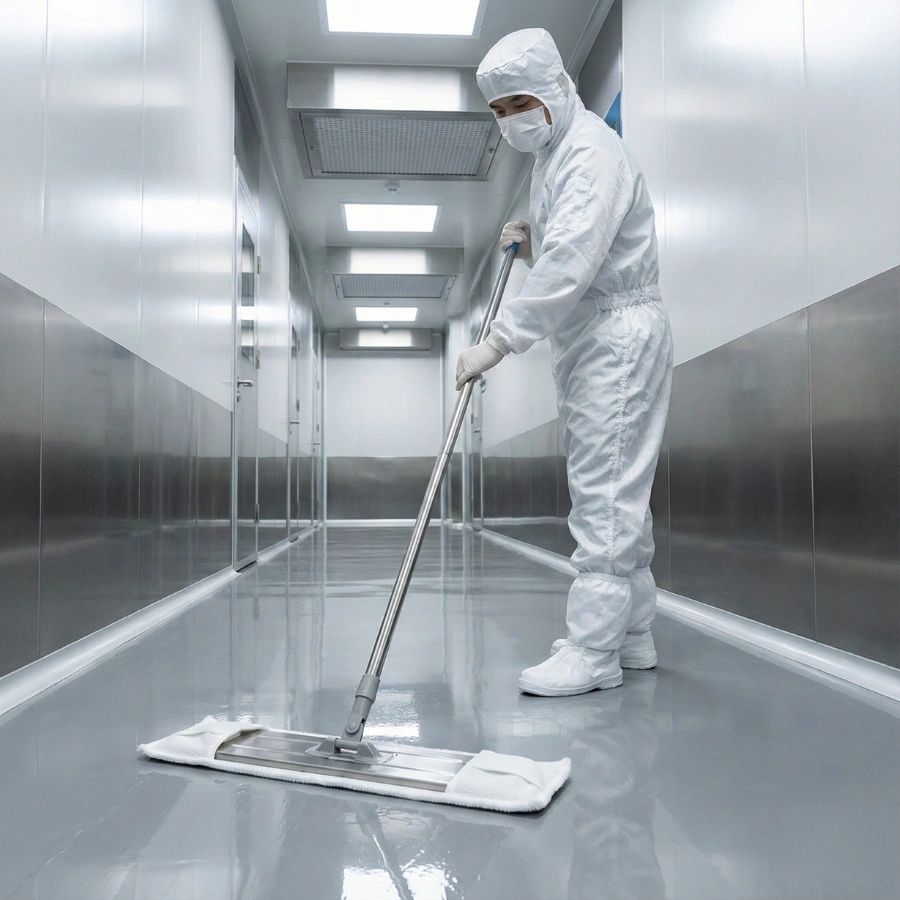
MIDPOSI ਕਲੀਨਰੂਮ ਮੋਪ ਹੈਡ ਵਿਕਲਪ (GMP-ਰੈਡੀ)
MIDPOSI ISO ਕਲਾਸ 5–8 ਫਾਰਮਾਸਿਊਟੀਕਲ ਅਤੇ ਮੈਡੀਕਲ ਡਿਵਾਈਸ ਐਪਲੀਕੇਸ਼ਨਾਂ ਲਈ ਤਿਆਰ ਕੀਤੇ ਪੋਲੀਸਟਰ ਸੀਲਡ-ਐਜ ਅਤੇ ਮਾਈਕ੍ਰੋਫਾਈਬਰ ਕਲੀਨਰੂਮ ਮੋਪ ਹੈੱਡ ਦੀ ਸਪਲਾਈ ਕਰਦਾ ਹੈ। ਪੋਲਿਸਟਰ ਲਾਈਨ ਅਲਟਰਾਸੋਨਿਕ-ਸੀਲਡ ਕਿਨਾਰਿਆਂ ਦੇ ਨਾਲ ਨਿਰੰਤਰ-ਫਿਲਾਮੈਂਟ ਧਾਗੇ ਦੀ ਵਰਤੋਂ ਕਰਦੀ ਹੈ, ਗ੍ਰੇਡ C/D ਫਾਰਮਾਸਿਊਟੀਕਲ ਨਿਰਮਾਣ ਅਤੇ ਮੈਡੀਕਲ ਡਿਵਾਈਸ ਅਸੈਂਬਲੀ ਕਲੀਨਰੂਮ ਲਈ ਅਨੁਕੂਲ ਕਣ ਉਤਪਾਦਨ ਪ੍ਰਦਰਸ਼ਨ ਪ੍ਰਦਾਨ ਕਰਦੀ ਹੈ। ਕੁਆਲੀਫਾਈਡ ਆਟੋਕਲੇਵ ਸਾਈਕਲ ਲਾਈਫ ਰੇਂਜ 150-200 121°C 'ਤੇ ਚੱਲਦੀ ਹੈ, ਉੱਚ-ਆਵਾਜ਼ ਦੀਆਂ ਸਹੂਲਤਾਂ ਲਈ ਮਜ਼ਬੂਤ TCO ਪ੍ਰਦਾਨ ਕਰਦੀ ਹੈ। ਰਸਾਇਣਕ ਅਨੁਕੂਲਤਾ ਟੈਸਟਿੰਗ IPA, ਹਾਈਡ੍ਰੋਜਨ ਪਰਆਕਸਾਈਡ (6% ਤੱਕ), ਅਤੇ ਮੱਧਮ ਬਲੀਚ ਗਾੜ੍ਹਾਪਣ (500–1000 ppm) ਵਿੱਚ ਸਥਿਰਤਾ ਦੀ ਪੁਸ਼ਟੀ ਕਰਦੀ ਹੈ - EU GMP Annex 1 ਪ੍ਰਤੀ ਬਹੁ-ਕੀਟਾਣੂਨਾਸ਼ਕ ਰੋਟੇਸ਼ਨ ਪ੍ਰੋਟੋਕੋਲ ਲਈ ਅਨੁਕੂਲ।
ਮਾਈਕ੍ਰੋਫਾਈਬਰ ਵਿਕਲਪ ਲੇਜ਼ਰ-ਕੱਟ ਕਿਨਾਰਿਆਂ ਦੇ ਨਾਲ ਸਪਲਿਟ-ਫਾਈਬਰ ਪੌਲੀਏਸਟਰ/ਪੋਲੀਅਮਾਈਡ ਮਿਸ਼ਰਣ ਦੀ ਵਰਤੋਂ ਕਰਦਾ ਹੈ, ਐਪਲੀਕੇਸ਼ਨਾਂ ਨੂੰ ਨਿਸ਼ਾਨਾ ਬਣਾਉਂਦਾ ਹੈ ਜਿੱਥੇ ਕਣ ਕੈਪਚਰ ਕੁਸ਼ਲਤਾ ਛੋਟੇ ਚੱਕਰ ਜੀਵਨ (50-100 ਆਟੋਕਲੇਵ ਰਨ) ਨੂੰ ਜਾਇਜ਼ ਠਹਿਰਾਉਂਦੀ ਹੈ। ਸੋਜ਼ਸ਼ 6–8× ਸੁੱਕੇ ਭਾਰ ਤੱਕ ਪਹੁੰਚਦੀ ਹੈ, ਡੁਬੋਣ ਦੀ ਬਾਰੰਬਾਰਤਾ ਨੂੰ ਘਟਾਉਂਦੀ ਹੈ ਅਤੇ ਵੱਡੇ-ਖੇਤਰ ਦੇ ਕਲੀਨ ਰੂਮ ਵਿੱਚ ਕਵਰੇਜ ਵਿੱਚ ਸੁਧਾਰ ਕਰਦੀ ਹੈ। MIDPOSI ਬੇਨਤੀ 'ਤੇ ਅਨੁਕੂਲਤਾ ਦੇ ਸਰਟੀਫਿਕੇਟ, ਸਮੱਗਰੀ ਸੁਰੱਖਿਆ ਡੇਟਾ ਸ਼ੀਟਾਂ, ਅਤੇ ਕਣ ਪੈਦਾ ਕਰਨ ਦੇ ਟੈਸਟ ਦੇ ਸਾਰ ਪ੍ਰਦਾਨ ਕਰਦਾ ਹੈ-ਦਸਤਾਵੇਜ਼ ਜੋ ਉਪਕਰਣ ਯੋਗਤਾ ਪ੍ਰੋਟੋਕੋਲ ਦਾ ਸਮਰਥਨ ਕਰਦਾ ਹੈ ਅਤੇ ਆਡਿਟ ਨਿਰੀਖਣਾਂ ਨੂੰ ਬੰਦ ਕਰਦਾ ਹੈ।
ਦੋਵੇਂ ਉਤਪਾਦ ਲਾਈਨਾਂ ਕਈ ਆਕਾਰਾਂ (ਛੋਟੇ/ਮੱਧਮ/ਵੱਡੇ ਪੈਡ, ਟਿਊਬਲਰ ਮੋਪ ਸੰਰਚਨਾ) ਵਿੱਚ ਉਪਲਬਧ ਹਨ ਅਤੇ ਆਉਣ ਵਾਲੇ ਕਣਾਂ ਦੇ ਬੋਝ ਨੂੰ ਘਟਾਉਣ ਲਈ ਨਿਯੰਤਰਿਤ ਵਾਤਾਵਰਣ ਵਿੱਚ ਲਾਂਡਰ ਅਤੇ ਪੈਕ ਕੀਤੇ ਜਾ ਸਕਦੇ ਹਨ। ਪੂਰਵ ਨਿਰਜੀਵ ਉਪਭੋਗ ਸਮੱਗਰੀਆਂ ਦੀ ਲੋੜ ਵਾਲੀਆਂ ਸਹੂਲਤਾਂ ਲਈ, ਗਾਮਾ-ਨਸੀਰਾਈਜ਼ਡ ਰੂਪ (SAL 10⁻⁶) ਖੁਰਾਕ-ਆਡਿਟ ਦਸਤਾਵੇਜ਼ਾਂ ਦੇ ਨਾਲ ਉਪਲਬਧ ਹਨ। MIDPOSI ਦੀ ਮੈਨੂਫੈਕਚਰਿੰਗ ਅਤੇ ਸਪਲਾਈ ਚੇਨ ਉੱਤਰੀ ਅਮਰੀਕਾ, ਯੂਰਪ ਅਤੇ ਏਸ਼ੀਆ ਭਰ ਵਿੱਚ ਫਾਰਮਾਸਿਊਟੀਕਲ, ਮੈਡੀਕਲ ਡਿਵਾਈਸ ਅਤੇ ਇਲੈਕਟ੍ਰੋਨਿਕਸ ਕਲੀਨਰੂਮ ਬਾਜ਼ਾਰਾਂ ਦੀ ਸੇਵਾ ਕਰਦੀ ਹੈ-ਨਵੇਂ ਸੁਵਿਧਾ ਸਟਾਰਟਅੱਪ ਅਤੇ ਚੱਲ ਰਹੀ ਉਤਪਾਦਨ ਸਪਲਾਈ ਦੋਵਾਂ ਲਈ ਭਰੋਸੇਯੋਗ ਸੋਰਸਿੰਗ ਪ੍ਰਦਾਨ ਕਰਦੀ ਹੈ।
ਦੂਜੇ ਵਿਕਰੇਤਾਵਾਂ ਦੇ ਵਿਰੁੱਧ MIDPOSI ਦਾ ਮੁਲਾਂਕਣ ਕਰਦੇ ਸਮੇਂ, ਉਹੀ ਉਦੇਸ਼ ਮਾਪਦੰਡ ਲਾਗੂ ਕਰੋ: ISO 14644-14 ਕਣ ਉਤਪਾਦਨ ਟੈਸਟ ਰਿਪੋਰਟਾਂ, ਤੁਹਾਡੀ ਖਾਸ ਕੀਟਾਣੂਨਾਸ਼ਕ ਗਾੜ੍ਹਾਪਣ ਲਈ ASTM D543 ਰਸਾਇਣਕ ਅਨੁਕੂਲਤਾ ਡੇਟਾ, ਆਟੋਕਲੇਵ ਪ੍ਰਮਾਣਿਕਤਾ ਚੱਕਰ-ਜੀਵਨ ਅਧਿਐਨ, ਅਤੇ ਨਸਬੰਦੀ ਭਰੋਸਾ ਦਸਤਾਵੇਜ਼ (ਜੇ ਲਾਗੂ ਹੋਵੇ) ਦੀ ਬੇਨਤੀ ਕਰੋ। ਆਪਣੀ ਸਹੂਲਤ ਦੇ ਅਸਲ ਖਪਤ ਡੇਟਾ ਦੀ ਵਰਤੋਂ ਕਰਦੇ ਹੋਏ ਪ੍ਰਤੀ-ਵਰਤੋਂ TCO ਗਣਨਾਵਾਂ ਦੀ ਤੁਲਨਾ ਕਰੋ, ਨਾ ਕਿ ਵਿਕਰੇਤਾ ਦੁਆਰਾ ਪ੍ਰਦਾਨ ਕੀਤੀਆਂ "ਆਮ ਵਰਤੋਂ" ਧਾਰਨਾਵਾਂ। MIDPOSI ਲਾਗਤ ਕੁਸ਼ਲਤਾ ਦੇ ਨਾਲ ਤਕਨੀਕੀ ਪ੍ਰਦਰਸ਼ਨ ਨੂੰ ਸੰਤੁਲਿਤ ਕਰਨ ਵਾਲੇ ਮੱਧ-ਮਾਰਕੀਟ ਵਿਕਲਪ ਦੇ ਤੌਰ 'ਤੇ ਪੋਜੀਸ਼ਨ ਕਰਦਾ ਹੈ- ਪ੍ਰੀਮੀਅਮ-ਟੀਅਰ ਦੀ ਖਪਤਯੋਗ ਕੀਮਤ ਤੋਂ ਬਿਨਾਂ ਪ੍ਰਮਾਣਿਤ GMP-ਗਰੇਡ ਮੋਪ ਹੈੱਡ ਦੀ ਮੰਗ ਕਰਨ ਵਾਲੀਆਂ ਸਹੂਲਤਾਂ ਲਈ ਪ੍ਰਤੀਯੋਗੀ।