
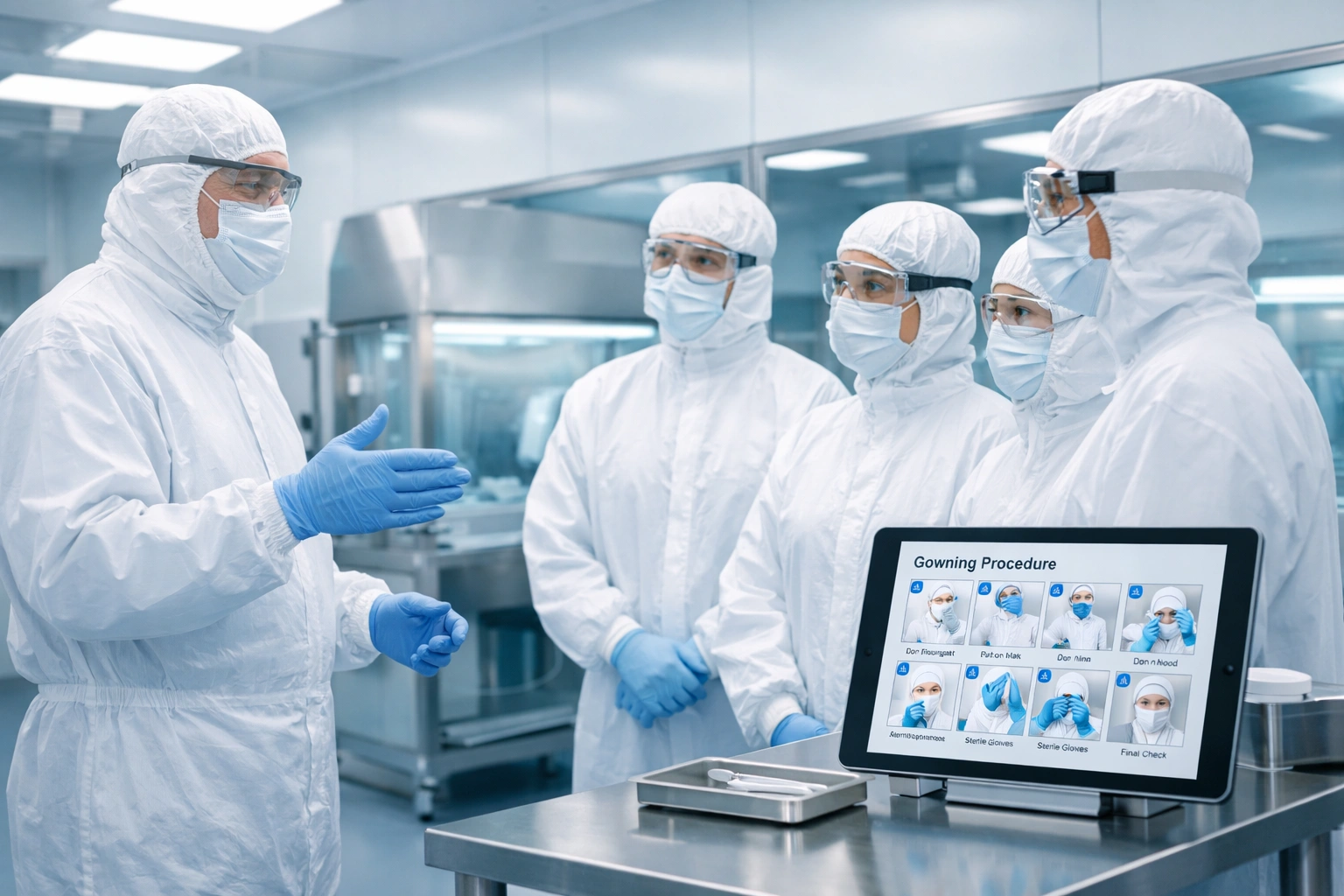
ਪਰਸੋਨਲ ਟ੍ਰੇਨਿੰਗ ਇੱਕ ਕੋਰ ਕਲੀਨਰੂਮ ਕੰਟਰੋਲ ਸਿਸਟਮ ਕਿਉਂ ਹੈ
ਲੋਕ ਫਾਰਮਾਸਿਊਟੀਕਲ, ਬਾਇਓਟੈਕ, ਅਤੇ ਉੱਚ-ਵਿਸ਼ੇਸ਼ ਕਲੀਨਰੂਮ ਓਪਰੇਸ਼ਨਾਂ ਵਿੱਚ ਜ਼ਰੂਰੀ ਹਨ, ਪਰ ਉਹ ਕਣਾਂ, ਰੋਗਾਣੂਆਂ, ਫਾਈਬਰਾਂ, ਅਤੇ ਵਿਵਹਾਰਿਕ ਪਰਿਵਰਤਨਸ਼ੀਲਤਾ ਨੂੰ ਵੀ ਪੇਸ਼ ਕਰਦੇ ਹਨ। ਇੱਥੋਂ ਤੱਕ ਕਿ ਜਦੋਂ ਇੱਕ ਸਹੂਲਤ ਵਿੱਚ ਮਜ਼ਬੂਤ HVAC ਨਿਯੰਤਰਣ, ਪ੍ਰਮਾਣਿਤ ਸਫਾਈ, ਅਤੇ ਅਨੁਕੂਲ ਗਾਊਨਿੰਗ ਪ੍ਰਣਾਲੀਆਂ ਹੋਣ, ਤਾਂ ਵੀ ਕਾਰਗੁਜ਼ਾਰੀ ਅਸਫਲ ਹੋ ਸਕਦੀ ਹੈ ਜੇਕਰ ਕਰਮਚਾਰੀ ਸਹੀ ਢੰਗ ਨਾਲ ਸਿੱਖਿਅਤ ਨਹੀਂ ਹਨ।
ਇਸ ਲਈ ਆਧੁਨਿਕ ਕਲੀਨਰੂਮ ਸਿਖਲਾਈ ਨੂੰ ਸਥਿਤੀ ਤੋਂ ਪਰੇ ਜਾਣਾ ਚਾਹੀਦਾ ਹੈ। ਇਹ ਪਰਿਭਾਸ਼ਿਤ ਕਰਨਾ ਚਾਹੀਦਾ ਹੈ ਕਿ ਕਿਸ ਨੂੰ ਸਿਖਲਾਈ ਦੀ ਲੋੜ ਹੈ, ਕਿਹੜੀਆਂ ਯੋਗਤਾਵਾਂ ਦੀ ਲੋੜ ਹੈ, ਯੋਗਤਾ ਕਿਵੇਂ ਪ੍ਰਦਰਸ਼ਿਤ ਕੀਤੀ ਜਾਂਦੀ ਹੈ, ਅਤੇ ਦੁਬਾਰਾ ਸਿਖਲਾਈ ਕਦੋਂ ਹੋਣੀ ਚਾਹੀਦੀ ਹੈ।
ਕਰਮਚਾਰੀਆਂ ਦੀ ਸਿਖਲਾਈ ਵਿਆਪਕ ਗੰਦਗੀ ਨਿਯੰਤਰਣ ਤੱਤਾਂ ਨਾਲ ਵੀ ਸਿੱਧਾ ਜੁੜਦੀ ਹੈ ਜਿਵੇਂ ਕਿ ਕਲੀਨਰੂਮ ਗਾਊਨਿੰਗ, ਏਅਰਫਲੋ ਪੈਟਰਨ ਵਿਜ਼ੂਅਲਾਈਜ਼ੇਸ਼ਨ, ਵਾਤਾਵਰਣ ਦੀ ਨਿਗਰਾਨੀ, ਪ੍ਰਮਾਣਿਕਤਾ ਜੀਵਨ ਚੱਕਰ, ਸਫਾਈ SOPs, ਅਤੇ ਆਡਿਟ ਦੀ ਤਿਆਰੀ.
| ਸਿਖਲਾਈ ਖੇਤਰ | ਇਹ ਮਾਇਨੇ ਕਿਉਂ ਰੱਖਦਾ ਹੈ | ਕਮਜ਼ੋਰ ਹੋਣ 'ਤੇ ਜੋਖਮ |
|---|---|---|
| ਗਾਊਨਿੰਗ | ਚਮੜੀ ਦੇ ਫਲੇਕਸ, ਫਾਈਬਰਸ, ਅਤੇ ਮਾਈਕ੍ਰੋਬਾਇਲ ਨੂੰ ਨਿਯੰਤਰਿਤ ਥਾਂ ਵਿੱਚ ਦਾਖਲ ਹੋਣ ਤੋਂ ਰੋਕਦਾ ਹੈ | ਦਾਖਲੇ ਦੇ ਪੜਾਅ 'ਤੇ ਅਕਸਰ ਗੰਦਗੀ ਦੀਆਂ ਘਟਨਾਵਾਂ |
| ਅਸੈਪਟਿਕ ਵਿਵਹਾਰ | ਬੇਲੋੜੀ ਅੰਦੋਲਨ, ਦਖਲਅੰਦਾਜ਼ੀ ਅਤੇ ਸਤਹ ਦੇ ਸੰਪਰਕ ਨੂੰ ਘਟਾਉਂਦਾ ਹੈ | ਉੱਚ ਓਪਰੇਟਰ-ਲਿੰਕਡ ਗੰਦਗੀ ਦਾ ਜੋਖਮ |
| ਸਮੱਗਰੀ ਦੀ ਸੰਭਾਲ | ਸਾਫ਼-ਤੋਂ-ਗੰਦੇ ਵਹਾਅ ਅਤੇ ਟ੍ਰਾਂਸਫਰ ਅਨੁਸ਼ਾਸਨ ਦੀ ਰੱਖਿਆ ਕਰਦਾ ਹੈ | ਅੰਤਰ-ਗੰਦਗੀ ਅਤੇ ਪ੍ਰਕਿਰਿਆ ਵਿੱਚ ਵਿਘਨ |
| ਭਟਕਣਾ ਜਾਗਰੂਕਤਾ | ਅਸਾਧਾਰਨ ਘਟਨਾਵਾਂ ਦੀ ਸ਼ੁਰੂਆਤੀ ਪਛਾਣ ਅਤੇ ਜਵਾਬ ਵਿੱਚ ਸੁਧਾਰ ਕਰਦਾ ਹੈ | ਦੇਰੀ ਵਿੱਚ ਵਾਧਾ ਅਤੇ ਕਮਜ਼ੋਰ ਜਾਂਚ |
| ਯੋਗਤਾ | ਇਹ ਪੁਸ਼ਟੀ ਕਰਦਾ ਹੈ ਕਿ ਹੁਨਰ ਮੌਜੂਦਾ ਅਤੇ ਸਮੇਂ ਦੇ ਨਾਲ ਦੁਹਰਾਉਣ ਯੋਗ ਰਹਿੰਦੇ ਹਨ | ਕਾਬਲੀਅਤ ਡ੍ਰਾਈਫਟ ਅਤੇ ਆਡਿਟ ਖੋਜਾਂ |
ਪਰਸੋਨਲ ਟਰੇਨਿੰਗ ਤੋਂ GMP ਉਮੀਦਾਂ ਦੀ ਕੀ ਲੋੜ ਹੈ
ਇੱਕ ਮਜ਼ਬੂਤ ਕਲੀਨਰੂਮ ਸਿਖਲਾਈ ਪ੍ਰਣਾਲੀ ਨੂੰ ਜੋਖਮ ਦੇ ਪੱਧਰ, ਕਮਰੇ ਦੇ ਵਰਗੀਕਰਨ, ਆਪਰੇਟਰ ਦੀ ਭੂਮਿਕਾ, ਅਤੇ ਪ੍ਰਕਿਰਿਆ ਦੀ ਗੰਭੀਰਤਾ ਨੂੰ ਦਰਸਾਉਣਾ ਚਾਹੀਦਾ ਹੈ। ਸਿਖਲਾਈ ਸਮੱਗਰੀ ਸਾਰੇ ਕਰਮਚਾਰੀਆਂ ਲਈ ਇੱਕੋ ਜਿਹੀ ਨਹੀਂ ਹੋਣੀ ਚਾਹੀਦੀ। ਇੱਕ ਨਿਰਜੀਵ ਫਿਲਿੰਗ ਆਪਰੇਟਰ ਅਤੇ ਇੱਕ ਰੱਖ-ਰਖਾਅ ਵਿਜ਼ਟਰ ਇੱਕੋ ਜਿਹੇ ਗੰਦਗੀ ਦੇ ਜੋਖਮ ਨੂੰ ਪੇਸ਼ ਨਹੀਂ ਕਰਦੇ ਹਨ ਅਤੇ ਇਸਲਈ ਉਹਨਾਂ ਨੂੰ ਉਹੀ ਯੋਗਤਾ ਪੈਕੇਜ ਪ੍ਰਾਪਤ ਨਹੀਂ ਕਰਨਾ ਚਾਹੀਦਾ ਹੈ।
ਮੁੱਖ ਉਮੀਦਾਂ ਵਿੱਚ ਆਮ ਤੌਰ 'ਤੇ ਸ਼ਾਮਲ ਹੁੰਦੇ ਹਨ:
- ਕਲੀਨਰੂਮ ਐਕਸੈਸ ਤੋਂ ਪਹਿਲਾਂ ਸ਼ੁਰੂਆਤੀ ਇੰਡਕਸ਼ਨ
- ਪ੍ਰਕਿਰਿਆ ਅਤੇ ਜ਼ੋਨ ਦੁਆਰਾ ਭੂਮਿਕਾ-ਅਧਾਰਿਤ ਸਿਖਲਾਈ
- ਵਿਹਾਰਕ ਗਾਊਨਿੰਗ ਮੁਲਾਂਕਣ
- ਅਸੈਪਟਿਕ ਵਿਵਹਾਰ ਅਤੇ ਦਖਲਅੰਦਾਜ਼ੀ ਅਨੁਸ਼ਾਸਨ
- ਗੰਦਗੀ ਦੇ ਮਾਰਗਾਂ ਦੀ ਸਮਝ
- ਸਮੇਂ-ਸਮੇਂ 'ਤੇ ਮੁੜ ਸਿਖਲਾਈ ਅਤੇ ਮੁੜ-ਯੋਗਤਾ
- ਦਸਤਾਵੇਜ਼ੀ ਪ੍ਰਵਾਨਗੀ ਅਤੇ ਟਰੇਸ ਕਰਨ ਯੋਗ ਸਿਖਲਾਈ ਸਥਿਤੀ
GMP-ਤਿਆਰ ਕਲੀਨਰੂਮ ਸਹਾਇਤਾ ਦੀ ਲੋੜ ਹੈ?
ਫਾਰਮਾਸਿਊਟੀਕਲ ਅਤੇ ਨਿਯੰਤਰਿਤ ਵਾਤਾਵਰਣ ਲਈ ਤਿਆਰ ਕੀਤੇ ਗਏ ਮਿਡਪੋਸੀ ਹੱਲਾਂ ਦੀ ਪੜਚੋਲ ਕਰੋ, ਜਿਸ ਵਿੱਚ ਕਲੀਨਰੂਮ ਗਾਰਮੈਂਟਸ ਅਤੇ ਗੰਦਗੀ-ਨਿਯੰਤਰਣ ਉਤਪਾਦ ਸਹਾਇਤਾ ਸ਼ਾਮਲ ਹਨ।
ਇੱਕ ਕਲੀਨਰੂਮ ਪਰਸੋਨਲ ਟ੍ਰੇਨਿੰਗ SOP ਵਿੱਚ ਕੀ ਸ਼ਾਮਲ ਹੋਣਾ ਚਾਹੀਦਾ ਹੈ
ਇੱਕ ਆਡਿਟ-ਤਿਆਰ SOP ਨੂੰ ਜ਼ਿੰਮੇਵਾਰੀਆਂ, ਸਿਖਲਾਈ ਸਮੱਗਰੀ, ਯੋਗਤਾ ਦੇ ਮਾਪਦੰਡ, ਰਿਕਾਰਡ, ਅਤੇ ਮੁੜ ਸਿਖਲਾਈ ਦੇ ਟਰਿਗਰਾਂ ਨੂੰ ਪਰਿਭਾਸ਼ਿਤ ਕਰਨਾ ਚਾਹੀਦਾ ਹੈ। ਇਸ ਨੂੰ ਸਿਧਾਂਤਕ ਸਿਖਲਾਈ ਅਤੇ ਵਿਹਾਰਕ ਯੋਗਤਾ ਵਿਚਕਾਰ ਸਪਸ਼ਟ ਤੌਰ 'ਤੇ ਫਰਕ ਕਰਨਾ ਚਾਹੀਦਾ ਹੈ।
| SOP ਸੈਕਸ਼ਨ | ਕੀ ਸ਼ਾਮਲ ਕਰਨਾ ਹੈ |
|---|---|
| ਮਕਸਦ | ਸਮਝਾਓ ਕਿ ਸਿਖਲਾਈ ਗੰਦਗੀ ਨਿਯੰਤਰਣ, GMP ਪਾਲਣਾ, ਅਤੇ ਕਰਮਚਾਰੀਆਂ ਦੀ ਯੋਗਤਾ ਦਾ ਸਮਰਥਨ ਕਿਵੇਂ ਕਰਦੀ ਹੈ |
| ਸਕੋਪ | ਪਰਿਭਾਸ਼ਿਤ ਕਰੋ ਕਿ ਕਿਹੜੇ ਕਰਮਚਾਰੀ ਕਵਰ ਕੀਤੇ ਗਏ ਹਨ: ਆਪਰੇਟਰ, QA, ਇੰਜੀਨੀਅਰਿੰਗ, ਰੱਖ-ਰਖਾਅ, ਠੇਕੇਦਾਰ, ਵਿਜ਼ਟਰ |
| ਜ਼ਿੰਮੇਵਾਰੀਆਂ | QA, ਉਤਪਾਦਨ, ਸਿਖਲਾਈ ਕੋਆਰਡੀਨੇਟਰਾਂ ਅਤੇ ਵਿਭਾਗ ਦੇ ਸੁਪਰਵਾਈਜ਼ਰਾਂ ਨੂੰ ਮਲਕੀਅਤ ਸੌਂਪੋ |
| ਸਿਖਲਾਈ ਮੈਟ੍ਰਿਕਸ | ਰੋਲ, ਰੂਮ ਗ੍ਰੇਡ, ਅਤੇ ਪਹੁੰਚ ਪੱਧਰ ਦੁਆਰਾ ਲੋੜੀਂਦੇ ਮੋਡੀਊਲ ਨਿਰਧਾਰਤ ਕਰੋ |
| ਯੋਗਤਾ ਵਿਧੀ | ਲਿਖਤੀ ਮੁਲਾਂਕਣ, ਗਾਊਨਿੰਗ ਨਿਰੀਖਣ, ਵਿਹਾਰ ਮੁਲਾਂਕਣ, ਅਤੇ ਪ੍ਰਵਾਨਗੀ ਪ੍ਰਕਿਰਿਆ ਦਾ ਵਰਣਨ ਕਰੋ |
| ਮੁੜ-ਯੋਗਤਾ ਦੀ ਬਾਰੰਬਾਰਤਾ | ਅੰਤਰਾਲਾਂ ਅਤੇ ਇਵੈਂਟ-ਅਧਾਰਿਤ ਰੀਟਰੇਨਿੰਗ ਟਰਿਗਰਾਂ ਨੂੰ ਪਰਿਭਾਸ਼ਿਤ ਕਰੋ |
| ਰਿਕਾਰਡਸ | State how completion, approval, revision control, and traceability are maintained |
| Deviation response | Define retraining actions after breaches, failures, or contamination-related events |
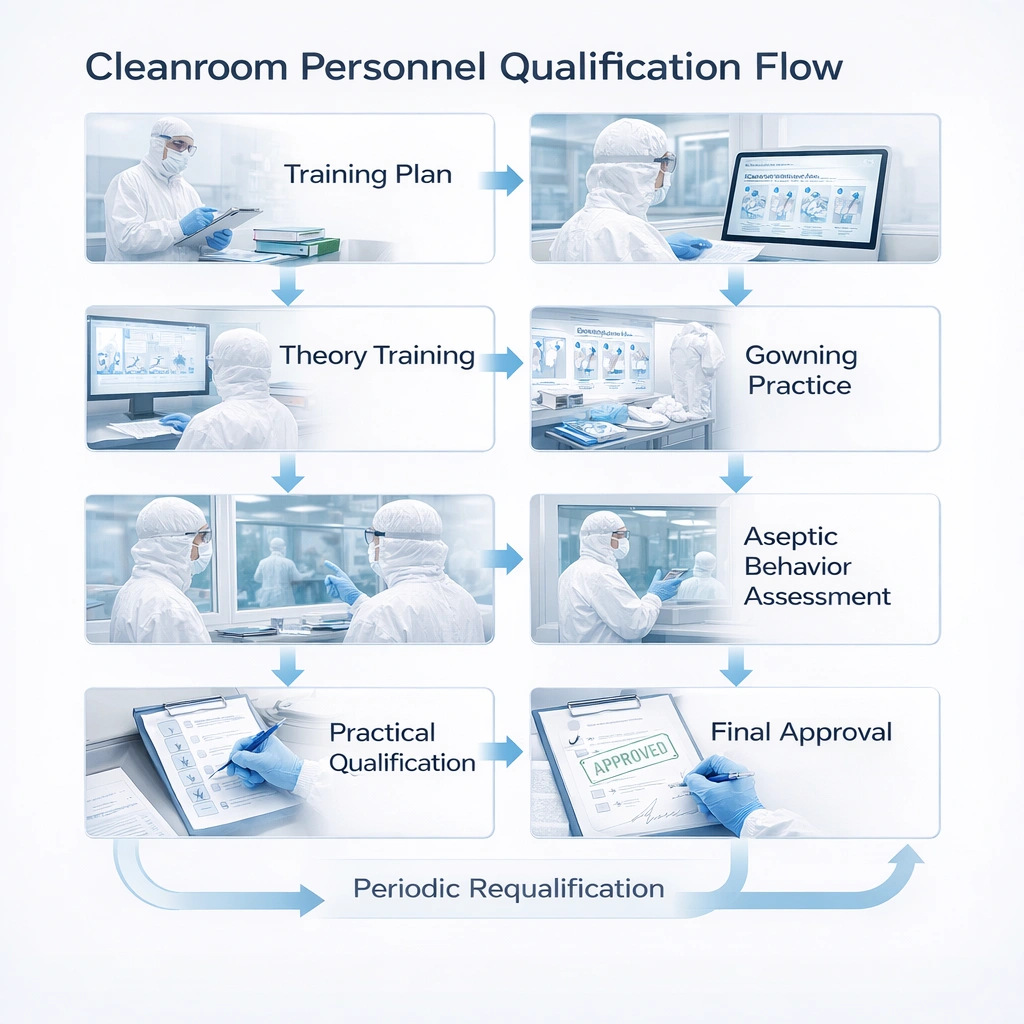
Typical Personnel Qualification Flow
Qualification should follow a consistent sequence rather than a one-time presentation. The strongest programs move from knowledge to demonstration to controlled approval.
Visual Explanation: Qualification Flow
Recommended training sequence:
- Training plan assignment
- Theory training on contamination control
- Gowning instruction and supervised practice
- Aseptic behavior observation
- Practical qualification in simulated or controlled environment
- Final approval for room access or process participation
- Periodic requalification and deviation-triggered retraining
- ਸਿਰਫ਼ ਕਲਾਸਰੂਮ ਹਾਜ਼ਰੀ ਦੇ ਆਧਾਰ 'ਤੇ ਕਰਮਚਾਰੀਆਂ ਨੂੰ ਮਨਜ਼ੂਰੀ ਨਾ ਦਿਓ
- ਗਾਊਨਿੰਗ ਅਤੇ ਅੰਦੋਲਨ ਅਨੁਸ਼ਾਸਨ ਲਈ ਨਿਰੀਖਣ-ਅਧਾਰਿਤ ਸਾਈਨਆਫ ਦੀ ਵਰਤੋਂ ਕਰੋ
- ਪੂਰੀ ਓਪਰੇਟਰ ਯੋਗਤਾ ਤੋਂ ਅਸਥਾਈ ਪਹੁੰਚ ਸਿਖਲਾਈ ਨੂੰ ਵੱਖ ਕਰੋ
- ਵੱਡੀਆਂ SOP ਤਬਦੀਲੀਆਂ, ਕਮਰੇ ਵਿੱਚ ਤਬਦੀਲੀਆਂ, ਜਾਂ ਜਾਂਚ ਦੇ ਨਤੀਜਿਆਂ ਤੋਂ ਬਾਅਦ ਮੁੜ ਮੁਲਾਂਕਣ ਕਰੋ
ਕਿਸ ਕਰਮਚਾਰੀਆਂ ਨੂੰ ਸਿਖਲਾਈ ਦਿੱਤੀ ਜਾਣੀ ਚਾਹੀਦੀ ਹੈ
1. ਗੰਦਗੀ ਦੇ ਬੁਨਿਆਦੀ ਤੱਤ
ਕਰਮਚਾਰੀਆਂ ਨੂੰ ਇਹ ਸਮਝਣਾ ਚਾਹੀਦਾ ਹੈ ਕਿ ਗੰਦਗੀ ਕਿੱਥੋਂ ਆਉਂਦੀ ਹੈ, ਮਨੁੱਖ ਇਸ ਵਿੱਚ ਕਿਵੇਂ ਯੋਗਦਾਨ ਪਾਉਂਦੇ ਹਨ, ਅਤੇ ਵਿਵਹਾਰ ਕਮਰੇ ਦੇ ਨਿਯੰਤਰਣ ਨੂੰ ਕਿਵੇਂ ਪ੍ਰਭਾਵਤ ਕਰਦਾ ਹੈ। ਇਹ ਨਿਯਮਾਂ ਦਾ ਸੰਦਰਭ ਦਿੰਦਾ ਹੈ ਅਤੇ ਪਾਲਣਾ ਗੁਣਵੱਤਾ ਵਿੱਚ ਸੁਧਾਰ ਕਰਦਾ ਹੈ।
2. ਗਾਊਨਿੰਗ ਅਤੇ ਐਂਟਰੀ ਵਿਵਹਾਰ
ਸਿਖਲਾਈ ਵਿੱਚ ਸੀਕਵੈਂਸਿੰਗ, ਗਾਰਮੈਂਟ ਹੈਂਡਲਿੰਗ, ਦਸਤਾਨੇ ਵਿੱਚ ਬਦਲਾਅ, ਪ੍ਰਵੇਸ਼ ਪ੍ਰਵਾਹ, ਅਤੇ ਗੈਰ-ਸੰਪਰਕ ਅਨੁਸ਼ਾਸਨ ਸ਼ਾਮਲ ਹੋਣਾ ਚਾਹੀਦਾ ਹੈ। ਇਹ ਤੁਹਾਡੇ ਨਾਲ ਨੇੜਿਓਂ ਇਕਸਾਰ ਹੋਣਾ ਚਾਹੀਦਾ ਹੈ ਗਾਊਨਿੰਗ ਪ੍ਰੋਗਰਾਮ ਅਤੇ ਕੱਪੜੇ ਪ੍ਰਬੰਧਨ ਪ੍ਰਕਿਰਿਆ।
3. ਅਸੈਪਟਿਕ ਤਕਨੀਕ ਅਤੇ ਕਲੀਨਰੂਮ ਆਚਰਣ
ਆਪਰੇਟਰਾਂ ਨੂੰ ਇਹ ਪਤਾ ਹੋਣਾ ਚਾਹੀਦਾ ਹੈ ਕਿ ਨਿਯੰਤਰਿਤ ਹਵਾ ਦੇ ਪ੍ਰਵਾਹ ਵਿੱਚ ਵਿਘਨ ਪਾਏ ਜਾਂ ਨਾਜ਼ੁਕ ਸਤਹਾਂ ਨਾਲ ਸੰਪਰਕ ਕੀਤੇ ਬਿਨਾਂ ਕਿਵੇਂ ਹਿਲਾਉਣਾ, ਪਹੁੰਚਣਾ, ਮੋੜਨਾ, ਸੰਚਾਰ ਕਰਨਾ ਅਤੇ ਦਖਲ ਦੇਣਾ ਹੈ।
4. ਕਮਰਾ-ਵਿਸ਼ੇਸ਼ ਨਿਯਮ
ਵੱਖ-ਵੱਖ ਖੇਤਰਾਂ ਵਿੱਚ ਵੱਖ-ਵੱਖ ਪਾਬੰਦੀਆਂ, ਟ੍ਰਾਂਸਫਰ ਪ੍ਰੋਟੋਕੋਲ, ਅਤੇ ਪਹੁੰਚ ਦੀਆਂ ਸਥਿਤੀਆਂ ਹੋ ਸਕਦੀਆਂ ਹਨ। ਕਰਮਚਾਰੀਆਂ ਨੂੰ ਉਹਨਾਂ ਜ਼ੋਨਾਂ ਲਈ ਯੋਗ ਹੋਣਾ ਚਾਹੀਦਾ ਹੈ ਜੋ ਉਹ ਅਸਲ ਵਿੱਚ ਦਾਖਲ ਹੁੰਦੇ ਹਨ।
5. ਭਟਕਣਾ ਅਤੇ ਘਟਨਾ ਜਾਗਰੂਕਤਾ
ਸਿਖਲਾਈ ਨੂੰ ਇਹ ਦੱਸਣਾ ਚਾਹੀਦਾ ਹੈ ਕਿ ਗਾਊਨ ਦੀ ਉਲੰਘਣਾ, ਦਸਤਾਨੇ ਨੂੰ ਛੂਹਣ, ਡਿੱਗਣ ਵਾਲੀ ਚੀਜ਼, ਅਚਾਨਕ ਅੰਦੋਲਨ, ਜਾਂ ਵਾਤਾਵਰਣ ਸੰਬੰਧੀ ਚੇਤਾਵਨੀ ਤੋਂ ਬਾਅਦ ਕੀ ਕਰਨਾ ਹੈ।
ਸਹੀ ਬਨਾਮ ਗਲਤ ਕਰਮਚਾਰੀ ਵਿਵਹਾਰ
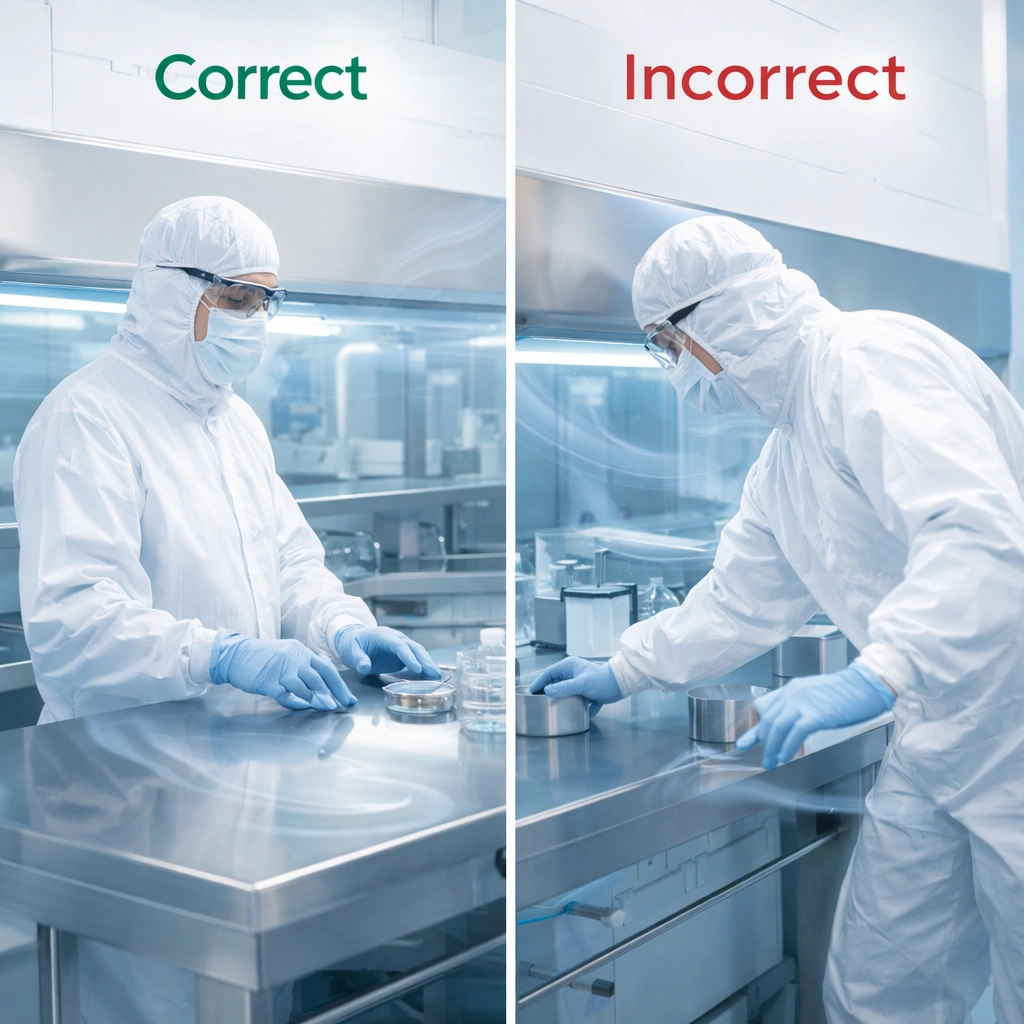
ਸਭ ਤੋਂ ਪ੍ਰਭਾਵਸ਼ਾਲੀ ਸਿਖਲਾਈ ਸਾਧਨਾਂ ਵਿੱਚੋਂ ਇੱਕ ਵਿਜ਼ੂਅਲ ਕੰਟ੍ਰਾਸਟ ਹੈ। ਕਰਮਚਾਰੀ ਉਮੀਦਾਂ ਨੂੰ ਤੇਜ਼ੀ ਨਾਲ ਸਮਝਦੇ ਹਨ ਜਦੋਂ ਉਹ ਆਮ ਗਲਤੀਆਂ ਨਾਲ ਸਵੀਕਾਰਯੋਗ ਵਿਵਹਾਰ ਦੀ ਤੁਲਨਾ ਕਰ ਸਕਦੇ ਹਨ।
ਵਿਜ਼ੂਅਲ ਵਿਆਖਿਆ: ਸਹੀ ਬਨਾਮ ਗਲਤ ਵਿਵਹਾਰ
ਟ੍ਰੇਨਿੰਗ ਵਿਜ਼ੂਅਲ ਨੂੰ ਹੌਲੀ ਨਿਯੰਤਰਿਤ ਗਤੀ, ਸਹੀ ਹੱਥ ਦੀ ਸਥਿਤੀ, ਅਤੇ ਕਾਹਲੀ, ਬੇਲੋੜੀ ਮੋੜ, ਗੈਰ-ਨਿਰਜੀਵ ਸਤਹਾਂ ਨੂੰ ਛੂਹਣ, ਜਾਂ ਨਾਜ਼ੁਕ ਹਵਾ ਦੇ ਪ੍ਰਵਾਹ ਨੂੰ ਰੋਕਣ ਦੇ ਵਿਰੁੱਧ ਸਾਫ਼ ਟ੍ਰਾਂਸਫਰ ਤਕਨੀਕ ਦੀ ਤੁਲਨਾ ਕਰਨੀ ਚਾਹੀਦੀ ਹੈ।
| ਸਹੀ ਅਭਿਆਸ | ਗਲਤ ਅਭਿਆਸ | ਇਹ ਮਾਇਨੇ ਕਿਉਂ ਰੱਖਦਾ ਹੈ |
|---|---|---|
| ਹੌਲੀ-ਹੌਲੀ ਅਤੇ ਜਾਣਬੁੱਝ ਕੇ ਅੱਗੇ ਵਧੋ | ਤੇਜ਼ੀ ਨਾਲ ਜਾਂ ਅਚਾਨਕ ਹਿਲਾਓ | ਤੇਜ਼ ਗਤੀ ਕਣ ਪੈਦਾ ਕਰਨ ਅਤੇ ਹਵਾ ਦੇ ਵਹਾਅ ਵਿੱਚ ਗੜਬੜੀ ਨੂੰ ਵਧਾਉਂਦੀ ਹੈ |
| ਹੱਥਾਂ ਨੂੰ ਸਿਖਲਾਈ ਪ੍ਰਾਪਤ ਕਾਰਜ ਖੇਤਰ ਦੇ ਅੰਦਰ ਰੱਖੋ | ਨਾਜ਼ੁਕ ਖੇਤਰਾਂ ਵਿੱਚ ਬੇਲੋੜੇ ਪਹੁੰਚੋ | ਸੰਪਰਕ ਅਤੇ ਗੰਦਗੀ ਦੇ ਜੋਖਮ ਨੂੰ ਘਟਾਉਂਦਾ ਹੈ |
| ਪਰਿਭਾਸ਼ਿਤ ਟ੍ਰਾਂਸਫਰ ਮਾਰਗਾਂ ਦੀ ਪਾਲਣਾ ਕਰੋ | ਸ਼ਾਰਟਕੱਟ ਸਮੱਗਰੀ ਜ ਕਰਮਚਾਰੀ ਵਹਾਅ | ਸਾਫ਼-ਤੋਂ-ਗੰਦੇ ਅਲੱਗ-ਥਲੱਗ ਹੋਣ ਦੀ ਰੱਖਿਆ ਕਰਦਾ ਹੈ |
| ਸੰਭਵ ਉਲੰਘਣਾਵਾਂ ਨੂੰ ਤੁਰੰਤ ਵਧਾਓ | ਛੋਟੀਆਂ-ਮੋਟੀਆਂ ਗਲਤੀਆਂ ਨੂੰ ਨਜ਼ਰਅੰਦਾਜ਼ ਕਰੋ ਜਾਂ ਚੁੱਪਚਾਪ ਸਵੈ-ਸਹੀ ਕਰੋ | ਜਾਂਚ ਦੀ ਗੁਣਵੱਤਾ ਅਤੇ ਜੋਖਮ ਨਿਯੰਤਰਣ ਵਿੱਚ ਸੁਧਾਰ ਕਰਦਾ ਹੈ |
ਜਦੋਂ ਮੁੜ ਸਿਖਲਾਈ ਅਤੇ ਯੋਗਤਾ ਨੂੰ ਚਾਲੂ ਕੀਤਾ ਜਾਣਾ ਚਾਹੀਦਾ ਹੈ
ਮੁੜ ਸਿਖਲਾਈ ਕਦੇ ਵੀ ਸਾਲਾਨਾ ਕੈਲੰਡਰ ਸਮਾਗਮ ਤੱਕ ਸੀਮਿਤ ਨਹੀਂ ਹੋਣੀ ਚਾਹੀਦੀ। ਇਸ ਨੂੰ ਸੰਚਾਲਨ ਜੋਖਮ ਸੰਕੇਤਾਂ ਅਤੇ ਗੁਣਵੱਤਾ ਦੀਆਂ ਘਟਨਾਵਾਂ ਦੁਆਰਾ ਵੀ ਚਾਲੂ ਕੀਤਾ ਜਾਣਾ ਚਾਹੀਦਾ ਹੈ.
- ਸਮੇਂ-ਸਮੇਂ 'ਤੇ ਅਨੁਸੂਚਿਤ ਯੋਗਤਾ
- ਮੁੱਖ SOP ਸੰਸ਼ੋਧਨ
- ਕਮਰੇ ਦਾ ਵਰਗੀਕਰਨ ਜਾਂ ਪ੍ਰਕਿਰਿਆ ਵਿੱਚ ਤਬਦੀਲੀ
- ਅਸਫ਼ਲ ਗਾਊਨਿੰਗ ਜਾਂ ਵਿਵਹਾਰ ਦਾ ਮੁਲਾਂਕਣ
- ਮਨੁੱਖੀ-ਲਿੰਕਡ EM ਸੈਰ-ਸਪਾਟਾ ਜਾਂ ਜਾਂਚ ਖੋਜ
- ਕਲੀਨ ਰੂਮ ਦੇ ਕੰਮ ਤੋਂ ਲੰਬੀ ਗੈਰਹਾਜ਼ਰੀ
- ਵਾਰ-ਵਾਰ ਮਾਮੂਲੀ ਭਟਕਣਾ ਜੋ ਯੋਗਤਾ ਦੇ ਵਹਾਅ ਨੂੰ ਦਰਸਾਉਂਦੀ ਹੈ
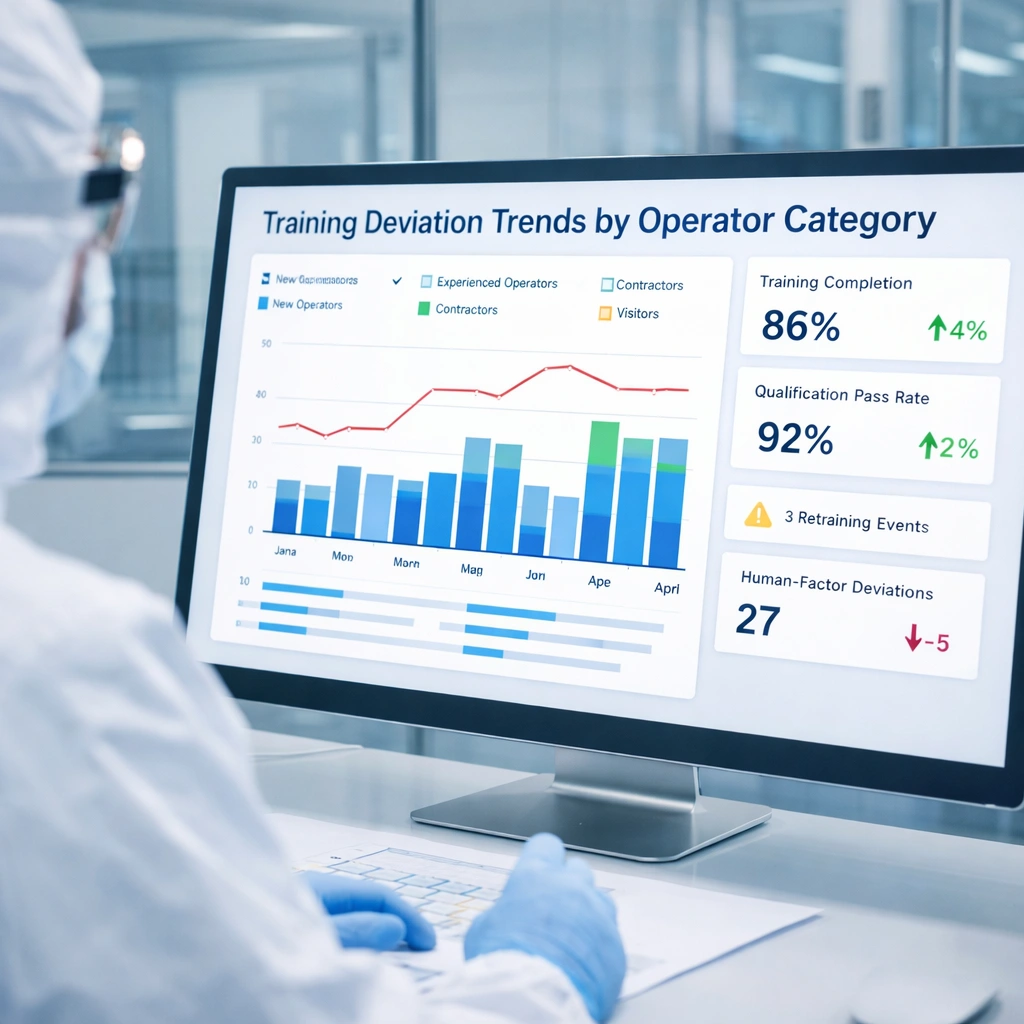
ਵਿਜ਼ੂਅਲ ਸਪੱਸ਼ਟੀਕਰਨ: ਸਿਖਲਾਈ ਦੇ ਭਟਕਣਾ ਰੁਝਾਨ
ਇੱਕ ਡੈਸ਼ਬੋਰਡ QA ਦੀ ਸਮੀਖਿਆ ਵਿਭਾਗ, ਆਪਰੇਟਰ ਸੀਨੀਆਰਤਾ, ਕਮਰੇ ਦੇ ਗ੍ਰੇਡ, ਜਾਂ ਘਟਨਾ ਦੀ ਕਿਸਮ ਦੁਆਰਾ ਸਿਖਲਾਈ-ਸਬੰਧਤ ਵਿਵਹਾਰਾਂ ਦੀ ਸਮੀਖਿਆ ਕਰਨ ਵਿੱਚ ਮਦਦ ਕਰ ਸਕਦਾ ਹੈ। ਇਹ ਮੁੜ ਸਿਖਲਾਈ ਨੂੰ ਵਧੇਰੇ ਨਿਸ਼ਾਨਾ ਅਤੇ ਡੇਟਾ-ਅਧਾਰਿਤ ਬਣਾਉਂਦਾ ਹੈ।
ਆਡੀਟਰ ਆਮ ਤੌਰ 'ਤੇ ਕੀ ਦੇਖਦੇ ਹਨ
ਨਿਰੀਖਣ ਦੌਰਾਨ, ਸਿਖਲਾਈ ਪ੍ਰਣਾਲੀਆਂ ਦੀ ਅਕਸਰ ਨਾ ਸਿਰਫ਼ ਦਸਤਾਵੇਜ਼ਾਂ ਦੇ ਤੌਰ 'ਤੇ ਸਮੀਖਿਆ ਕੀਤੀ ਜਾਂਦੀ ਹੈ, ਪਰ ਨਿਯੰਤਰਣ ਦੇ ਸਬੂਤ ਵਜੋਂ. ਕਮਜ਼ੋਰ ਖੋਜਣਯੋਗਤਾ, ਆਮ ਸਮੱਗਰੀ, ਜਾਂ ਮਾੜੀ ਵਿਹਾਰਕ ਯੋਗਤਾ ਵਿਆਪਕ ਗੰਦਗੀ ਨਿਯੰਤਰਣ ਰਣਨੀਤੀ ਵਿੱਚ ਵਿਸ਼ਵਾਸ ਨੂੰ ਤੇਜ਼ੀ ਨਾਲ ਕਮਜ਼ੋਰ ਕਰ ਸਕਦੀ ਹੈ।
ਆਡੀਟਰ ਅਕਸਰ ਪੁੱਛਦੇ ਹਨ:
- ਰੋਲ-ਅਧਾਰਿਤ ਸਿਖਲਾਈ ਮੈਟਰਿਕਸ
- ਨਵੀਨਤਮ ਪ੍ਰਵਾਨਿਤ ਸਿਖਲਾਈ SOPs
- ਖਾਸ ਨਾਮੀ ਓਪਰੇਟਰਾਂ ਲਈ ਰਿਕਾਰਡ
- ਵਿਹਾਰਕ ਯੋਗਤਾ ਦਾ ਸਬੂਤ
- ਭਟਕਣ ਤੋਂ ਬਾਅਦ ਰਿਕਾਰਡਾਂ ਨੂੰ ਮੁੜ ਸਿਖਲਾਈ ਦੇਣਾ
- ਸਬੂਤ ਹੈ ਕਿ ਸਿਖਲਾਈ ਸਮੱਗਰੀ ਮੌਜੂਦਾ ਪ੍ਰਕਿਰਿਆਵਾਂ ਨਾਲ ਮੇਲ ਖਾਂਦੀ ਹੈ
ਉੱਚ-ਪ੍ਰਦਰਸ਼ਨ ਸਿਖਲਾਈ ਪ੍ਰੋਗਰਾਮ ਲਈ ਸਭ ਤੋਂ ਵਧੀਆ ਅਭਿਆਸ ਮਾਡਲ
ਸਭ ਤੋਂ ਪ੍ਰਭਾਵਸ਼ਾਲੀ ਕਲੀਨਰੂਮ ਸਿਖਲਾਈ ਪ੍ਰਣਾਲੀਆਂ ਕਈ ਵਿਸ਼ੇਸ਼ਤਾਵਾਂ ਨੂੰ ਸਾਂਝਾ ਕਰਦੀਆਂ ਹਨ:
- ਭੂਮਿਕਾ ਅਤੇ ਕਲੀਨਰੂਮ ਗ੍ਰੇਡ ਦੁਆਰਾ ਜੋਖਮ-ਆਧਾਰਿਤ ਸਮੱਗਰੀ
- ਨਾਲ ਮਜ਼ਬੂਤ ਏਕੀਕਰਨ ਗਾਊਨਿੰਗ, ਸਫਾਈ, ਵਾਤਾਵਰਣ ਦੀ ਨਿਗਰਾਨੀ, ਅਤੇ ਭਟਕਣਾ ਪ੍ਰਣਾਲੀਆਂ
- ਵਿਹਾਰਕ ਯੋਗਤਾ, ਸਿਰਫ ਹਾਜ਼ਰੀ ਰਿਕਾਰਡ ਨਹੀਂ
- ਰੁਟੀਨ ਰਿਫਰੈਸ਼ਰ ਅਤੇ ਇਵੈਂਟ-ਅਧਾਰਿਤ ਮੁੜ ਸਿਖਲਾਈ
- ਵਿਜ਼ੂਅਲ ਟੀਚਿੰਗ ਟੂਲ ਜੋ ਸਹੀ ਬਨਾਮ ਗਲਤ ਵਿਹਾਰ ਦਿਖਾਉਂਦੇ ਹਨ
- ਆਡਿਟ ਦੌਰਾਨ ਸਾਫ ਦਸਤਾਵੇਜ਼ ਅਤੇ ਤੇਜ਼ ਟਰੇਸਬਿਲਟੀ
ਸਿਖਲਾਈ ਨੂੰ ਓਪਰੇਸ਼ਨਾਂ ਤੋਂ ਅਲੱਗ ਨਹੀਂ ਕੀਤਾ ਜਾਣਾ ਚਾਹੀਦਾ ਹੈ. ਇਹ ਜੀਵਤ ਗੰਦਗੀ ਨਿਯੰਤਰਣ ਪ੍ਰਣਾਲੀ ਦਾ ਹਿੱਸਾ ਹੋਣਾ ਚਾਹੀਦਾ ਹੈ।
ਵਧੇਰੇ ਆਡਿਟ ਲਈ ਤਿਆਰ ਕਲੀਨਰੂਮ ਵਾਤਾਵਰਨ ਬਣਾਓ
ਫਾਰਮਾਸਿਊਟੀਕਲ ਅਤੇ ਨਿਯੰਤਰਿਤ ਵਾਤਾਵਰਣਾਂ ਲਈ ਤਿਆਰ ਕੀਤੇ ਗਏ GMP-ਤਿਆਰ ਕਲੀਨਰੂਮ ਹੱਲਾਂ ਨਾਲ ਆਪਣੇ ਗੰਦਗੀ ਕੰਟਰੋਲ ਸਿਸਟਮ ਨੂੰ ਅਪਗ੍ਰੇਡ ਕਰੋ।
ਅਕਸਰ ਪੁੱਛੇ ਜਾਂਦੇ ਸਵਾਲ
ਕਲੀਨਰੂਮ ਕਰਮਚਾਰੀਆਂ ਦੀ ਸਿਖਲਾਈ ਕੀ ਹੈ?
ਕਲੀਨਰੂਮ ਕਰਮਚਾਰੀਆਂ ਦੀ ਸਿਖਲਾਈ ਇੱਕ ਦਸਤਾਵੇਜ਼ੀ ਪ੍ਰੋਗਰਾਮ ਹੈ ਜੋ ਸਟਾਫ ਨੂੰ ਸਿਖਾਉਂਦਾ ਹੈ ਕਿ ਗੰਦਗੀ ਦੇ ਨਿਯੰਤਰਣ ਨਾਲ ਸਮਝੌਤਾ ਕੀਤੇ ਬਿਨਾਂ ਨਿਯੰਤਰਿਤ ਵਾਤਾਵਰਣ ਵਿੱਚ ਕਿਵੇਂ ਵਿਵਹਾਰ ਕਰਨਾ ਹੈ, ਗਾਊਨ, ਹਿਲਾਉਣਾ ਅਤੇ ਕੰਮ ਕਰਨਾ ਹੈ।
ਜੀਐਮਪੀ ਕਲੀਨ ਰੂਮ ਵਿੱਚ ਕਰਮਚਾਰੀਆਂ ਦੀ ਸਿਖਲਾਈ ਮਹੱਤਵਪੂਰਨ ਕਿਉਂ ਹੈ?
ਕਿਉਂਕਿ ਲੋਕ ਗੰਦਗੀ ਦਾ ਇੱਕ ਵੱਡਾ ਸਰੋਤ ਹਨ। ਉਚਿਤ ਸਿਖਲਾਈ ਕਣਾਂ ਦੇ ਵਹਾਅ, ਮਾੜੀ ਐਸੇਪਟਿਕ ਤਕਨੀਕ, ਗਲਤ ਅੰਦੋਲਨ, ਅਤੇ ਭਟਕਣ ਦੇ ਜੋਖਮ ਨੂੰ ਘਟਾਉਂਦੀ ਹੈ।
ਕੀ ਕਲੀਨਰੂਮ ਸਿਖਲਾਈ ਲਈ ਵਿਹਾਰਕ ਯੋਗਤਾ ਦੀ ਲੋੜ ਹੈ?
ਹਾਂ। ਇਕੱਲੇ ਕਲਾਸਰੂਮ ਦੀ ਸਿਖਲਾਈ ਕਾਫ਼ੀ ਨਹੀਂ ਹੈ. ਗਾਊਨਿੰਗ, ਵਿਵਹਾਰ, ਅਤੇ ਪ੍ਰਕਿਰਿਆ-ਵਿਸ਼ੇਸ਼ ਕਾਰਵਾਈਆਂ ਨੂੰ ਅਭਿਆਸ ਵਿੱਚ ਦੇਖਿਆ ਅਤੇ ਮਨਜ਼ੂਰ ਕੀਤਾ ਜਾਣਾ ਚਾਹੀਦਾ ਹੈ।
ਕਿੰਨੀ ਵਾਰ ਕਰਮਚਾਰੀਆਂ ਨੂੰ ਦੁਬਾਰਾ ਸਿਖਲਾਈ ਦਿੱਤੀ ਜਾਣੀ ਚਾਹੀਦੀ ਹੈ?
ਮੁੜ-ਸਿਖਲਾਈ ਆਮ ਤੌਰ 'ਤੇ ਸਮੇਂ-ਸਮੇਂ 'ਤੇ ਹੁੰਦੀ ਹੈ, ਪਰ ਇਹ ਭਟਕਣ, SOP ਤਬਦੀਲੀਆਂ, ਲੰਬੀ ਗੈਰਹਾਜ਼ਰੀ, ਅਸਫਲ ਯੋਗਤਾ, ਜਾਂ ਗੰਦਗੀ ਜਾਂਚਾਂ ਦੁਆਰਾ ਵੀ ਸ਼ੁਰੂ ਕੀਤੀ ਜਾਣੀ ਚਾਹੀਦੀ ਹੈ।
ਕਲੀਨਰੂਮ ਸਿਖਲਾਈ ਵਿੱਚ ਕਿਨ੍ਹਾਂ ਨੂੰ ਸ਼ਾਮਲ ਕੀਤਾ ਜਾਣਾ ਚਾਹੀਦਾ ਹੈ?
ਆਪਰੇਟਰ, QA ਕਰਮਚਾਰੀ, ਸੁਪਰਵਾਈਜ਼ਰ, ਰੱਖ-ਰਖਾਅ ਸਟਾਫ, ਠੇਕੇਦਾਰ, ਅਤੇ ਕੋਈ ਵੀ ਵਿਜ਼ਟਰ ਜੋ ਨਿਯੰਤਰਿਤ ਖੇਤਰਾਂ ਵਿੱਚ ਦਾਖਲ ਹੁੰਦਾ ਹੈ, ਉਹਨਾਂ ਦੇ ਪਹੁੰਚ ਪੱਧਰ ਅਤੇ ਜੋਖਮ ਦੇ ਅਧਾਰ ਤੇ ਉਚਿਤ ਸਿਖਲਾਈ ਪ੍ਰਾਪਤ ਕਰਨੀ ਚਾਹੀਦੀ ਹੈ।
ਕਿਹੜੇ ਦਸਤਾਵੇਜ਼ ਆਡਿਟ ਲਈ ਤਿਆਰ ਸਿਖਲਾਈ ਪ੍ਰਣਾਲੀ ਦਾ ਸਮਰਥਨ ਕਰਦੇ ਹਨ?
ਮੁੱਖ ਰਿਕਾਰਡਾਂ ਵਿੱਚ ਸਿਖਲਾਈ SOPs, ਸਿਖਲਾਈ ਮੈਟ੍ਰਿਕਸ, ਹਾਜ਼ਰੀ ਅਤੇ ਯੋਗਤਾ ਰਿਕਾਰਡ, ਮੁੜ-ਯੋਗਤਾ ਦਾ ਇਤਿਹਾਸ, ਅਤੇ ਵਿਵਹਾਰ ਨਾਲ ਜੁੜੇ ਮੁੜ ਸਿਖਲਾਈ ਦਸਤਾਵੇਜ਼ ਸ਼ਾਮਲ ਹਨ।
ਕਰਮਚਾਰੀਆਂ ਦੀ ਸਿਖਲਾਈ ਵਾਤਾਵਰਣ ਦੀ ਨਿਗਰਾਨੀ ਨਾਲ ਕਿਵੇਂ ਜੁੜਦੀ ਹੈ?
ਵਾਤਾਵਰਨ ਨਿਗਰਾਨੀ ਸੈਰ-ਸਪਾਟੇ ਵਿੱਚ ਅਕਸਰ ਮਨੁੱਖੀ ਕਾਰਕ ਦਾ ਹਿੱਸਾ ਹੁੰਦਾ ਹੈ। ਸਿਖਲਾਈ ਪਰਹੇਜ਼ਯੋਗ ਗੰਦਗੀ ਦੀਆਂ ਘਟਨਾਵਾਂ ਨੂੰ ਘਟਾਉਣ ਵਿੱਚ ਮਦਦ ਕਰਦੀ ਹੈ ਅਤੇ ਅਸਧਾਰਨ ਨਤੀਜੇ ਆਉਣ 'ਤੇ ਬਿਹਤਰ ਪ੍ਰਤੀਕਿਰਿਆ ਦਾ ਸਮਰਥਨ ਕਰਦੀ ਹੈ।
ਕੀ ਕਲੀਨਰੂਮ ਸਿਖਲਾਈ ਸਿਰਫ ਗਾਊਨਿੰਗ ਬਾਰੇ ਹੈ?
ਨਹੀਂ। ਗਾਊਨਿੰਗ ਸਿਰਫ਼ ਇੱਕ ਹਿੱਸਾ ਹੈ। ਪ੍ਰਭਾਵੀ ਸਿਖਲਾਈ ਵਿੱਚ ਗੰਦਗੀ ਬਾਰੇ ਜਾਗਰੂਕਤਾ, ਅਸੈਪਟਿਕ ਵਿਵਹਾਰ, ਅੰਦੋਲਨ ਨਿਯੰਤਰਣ, ਤਬਾਦਲੇ ਦੇ ਅਭਿਆਸਾਂ, ਅਤੇ ਭਟਕਣ ਪ੍ਰਤੀਕਿਰਿਆ ਨੂੰ ਵੀ ਸ਼ਾਮਲ ਕੀਤਾ ਜਾਂਦਾ ਹੈ।