Sterile cleanroom mop systems are designed for Grade A/B pharmaceutical and aseptic support areas where viable contamination control, sterile transfer, particle reduction, and documentation are critical. MIDPOSI supports sterile mop cover selection for GMP cleaning workflows, including gamma-sterilized options, sterile packaging, lot traceability, and documentation support for QA review.
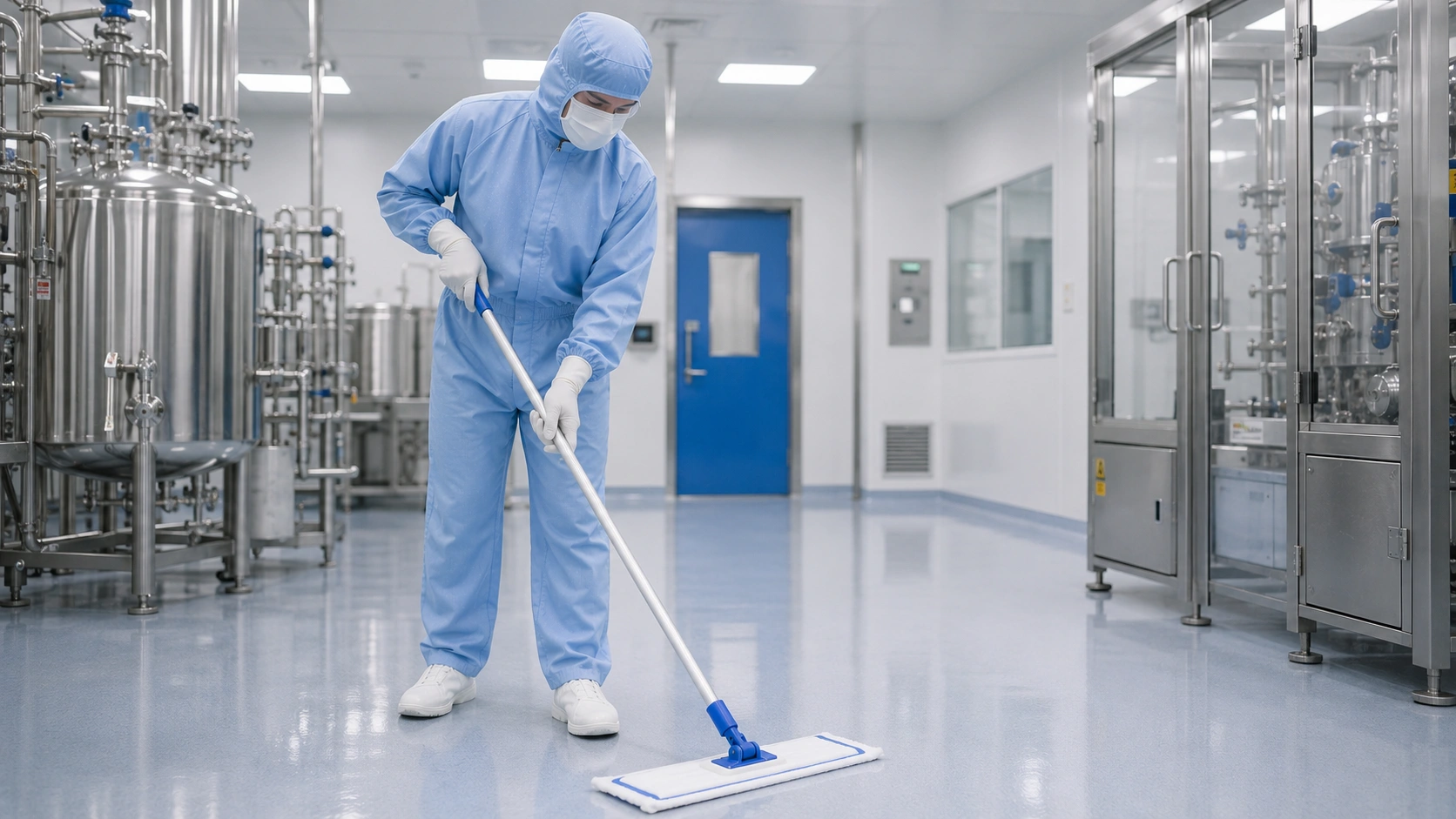
In aseptic and high-control pharmaceutical environments, cleaning tools can become a source of viable contamination if they are not selected, packaged, transferred, and documented correctly.
Non-sterile cleaning tools may introduce microbial contamination into sensitive cleanroom areas, especially where aseptic support workflows are involved.
Grade A/B areas often require stricter control over cleaning material transfer, handling, packaging integrity, and disposal.
QA teams may require sterility information, lot traceability, material data, packaging details, and product compatibility information before approval.
A sterile cleanroom mop is a low-lint mop cover or mop system supplied for controlled environments where sterility, particle control, and contamination prevention are required.
In GMP and pharmaceutical facilities, a sterile mop should not be evaluated only by the mop cover. Buyers should also review packaging, lot traceability, transfer procedure, compatible frame and handle, disinfectant compatibility, and available QA documentation.
Sterile mop covers may be used as single-use sterile mops, sterile-compatible flat mop systems, or part of a broader cleanroom mopping workflow depending on the facility’s SOP, cleanroom grade, and contamination-control strategy.
Sterile and non-sterile cleanroom mops serve different risk levels. The right choice depends on the cleanroom classification, facility SOP, product risk, and whether sterile supply is required.
| ਗੁਣ | ਨਿਰਜੀਵ ਕਲੀਨਰੂਮ ਮੋਪ | ਗੈਰ-ਨਿਰਜੀਵ ਕਲੀਨਰੂਮ ਮੋਪ |
|---|---|---|
| ਨਿਰਜੀਵਤਾ ਦਾ ਭਰੋਸਾ | ਨਿਰਜੀਵ ਸਪਲਾਈ, ਅਕਸਰ ਨਸਬੰਦੀ ਦਸਤਾਵੇਜ਼ਾਂ ਦੁਆਰਾ ਸਮਰਥਤ ਹੁੰਦੀ ਹੈ | ਨਸਬੰਦੀ ਦਾ ਕੋਈ ਭਰੋਸਾ ਨਹੀਂ |
| ਆਮ ਨਸਬੰਦੀ ਵਿਧੀ | ਉਤਪਾਦ ਦੀ ਕਿਸਮ 'ਤੇ ਨਿਰਭਰ ਕਰਦਿਆਂ ਗਾਮਾ ਕਿਰਨੀਕਰਨ ਜਾਂ ਪ੍ਰਮਾਣਿਤ ਨਿਰਜੀਵ ਪ੍ਰੋਸੈਸਿੰਗ | ਨਸਬੰਦੀ ਨਹੀਂ ਕੀਤੀ ਗਈ |
| ਗ੍ਰੇਡ A/B ਅਨੁਕੂਲਤਾ | ਉੱਚ-ਨਿਯੰਤਰਣ ਐਸੇਪਟਿਕ ਸਹਾਇਤਾ ਖੇਤਰਾਂ ਲਈ ਤਰਜੀਹ | ਆਮ ਤੌਰ 'ਤੇ ਉੱਚ-ਜੋਖਮ ਵਾਲੇ ਨਿਰਜੀਵ ਖੇਤਰਾਂ ਲਈ ਤਰਜੀਹ ਨਹੀਂ ਦਿੱਤੀ ਜਾਂਦੀ |
| ਪੈਕੇਜਿੰਗ | ਨਿਰਜੀਵ ਜਾਂ ਨਿਯੰਤਰਿਤ ਪੈਕੇਜਿੰਗ, ਅਕਸਰ ਬਹੁਤ ਜ਼ਿਆਦਾ ਟਰੇਸੇਬਿਲਟੀ ਦੇ ਨਾਲ | ਸਟੈਂਡਰਡ ਕਲੀਨਰੂਮ ਪੈਕੇਜਿੰਗ |
| ਆਮ ਵਰਤੋਂ | GMP, ਐਸੇਪਟਿਕ ਸਹਾਇਤਾ, ਫਾਰਮਾਸਿਊਟੀਕਲ ਅਤੇ ਬਾਇਓਟੈਕ ਵਰਕਫਲੋਜ਼ | ਰੁਟੀਨ ISO ਕਲੀਨਰੂਮ ਸਫਾਈ |
| ਖਰੀਦਦਾਰ ਚਿੰਤਾ | ਨਿਰਜੀਵਤਾ, ਟ੍ਰਾਂਸਫਰ ਪ੍ਰਕਿਰਿਆ, ਦਸਤਾਵੇਜ਼ ਅਤੇ ਗੰਦਗੀ ਦਾ ਜੋਖਮ | ਕਣ ਨਿਯੰਤਰਣ, ਲਾਗਤ ਅਤੇ ਰੁਟੀਨ ਸਫਾਈ ਪ੍ਰਦਰਸ਼ਨ |
For sterile mop covers, buyers should understand the basic sterile supply chain from production and packaging to sterilization, shipment, cleanroom transfer, and use.
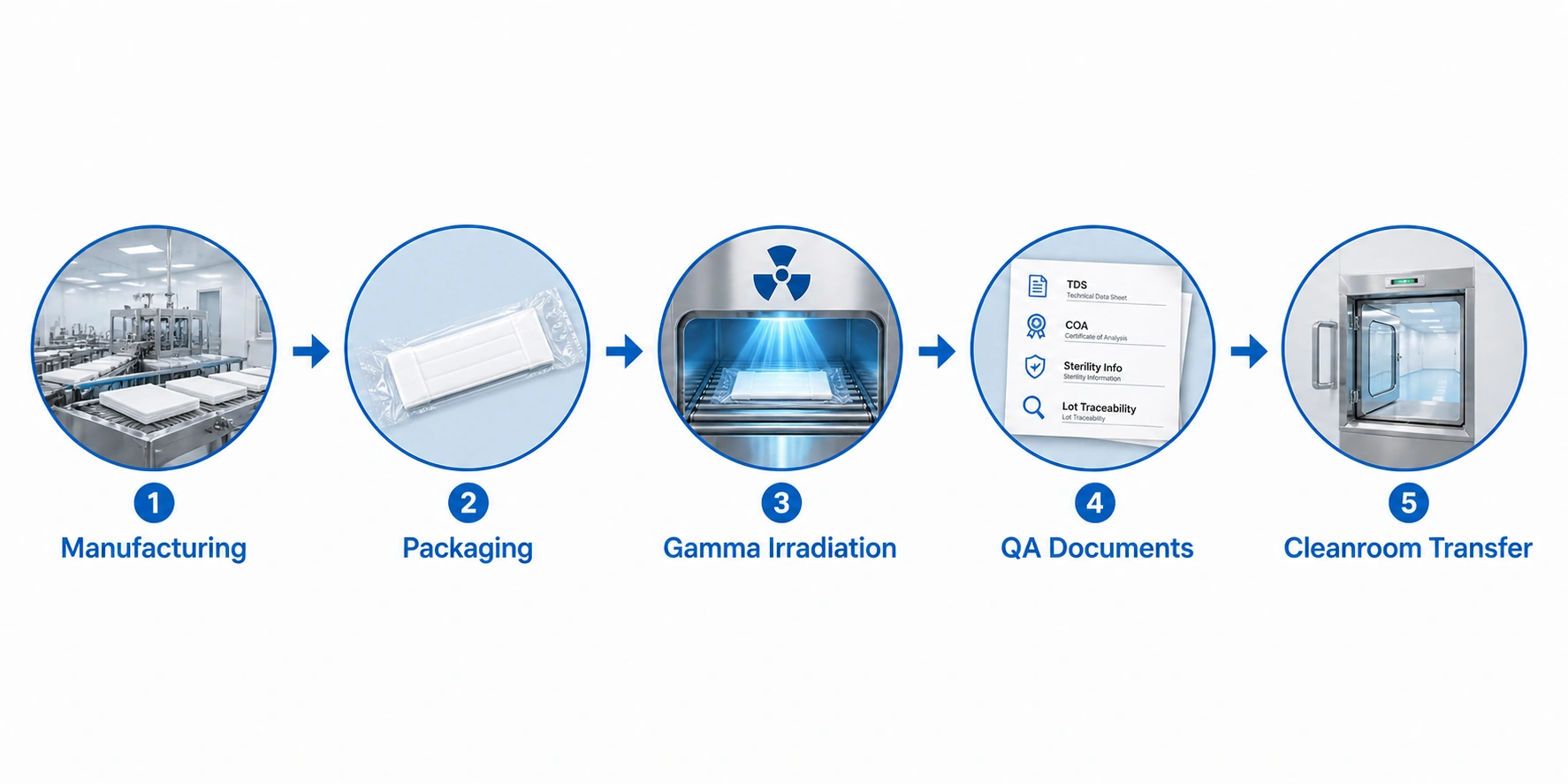
ਪੈਕੇਜਿੰਗ ਤੋਂ ਪਹਿਲਾਂ ਮੋਪ ਕਵਰ ਸਮੱਗਰੀ, ਕਿਨਾਰੇ ਦੀ ਉਸਾਰੀ, ਆਕਾਰ ਅਤੇ ਕਲੀਨਰੂਮ ਅਨੁਕੂਲਤਾ ਦੀ ਪੁਸ਼ਟੀ ਕੀਤੀ ਜਾਂਦੀ ਹੈ।
ਪੈਕੇਜਿੰਗ ਨੂੰ ਕਲੀਨਰੂਮ ਟ੍ਰਾਂਸਫਰ, ਲਾਟ ਟਰੇਸੇਬਿਲਟੀ, ਅਤੇ ਅੰਦਰੂਨੀ ਪ੍ਰਾਪਤੀ ਜਾਂਚ ਦਾ ਸਮਰਥਨ ਕਰਨਾ ਚਾਹੀਦਾ ਹੈ।
QA ਸਮੀਖਿਆ ਲਈ ਨਸਬੰਦੀ-ਸਬੰਧਤ ਦਸਤਾਵੇਜ਼ਾਂ ਨਾਲ ਗਾਮਾ-ਨਸਬੰਦੀ ਉਤਪਾਦਾਂ ਦੀ ਸਪਲਾਈ ਕੀਤੀ ਜਾ ਸਕਦੀ ਹੈ।
ਸੁਵਿਧਾਵਾਂ ਨੂੰ ਨਿਰਜੀਵ ਟ੍ਰਾਂਸਫਰ, ਅਨਪੈਕਿੰਗ, ਵਰਤੋਂ, ਨਿਪਟਾਰੇ, ਜਾਂ ਮੁੜ ਪ੍ਰਕਿਰਿਆ ਕਰਨ ਲਈ ਉਹਨਾਂ ਦੇ SOP ਦੀ ਪਾਲਣਾ ਕਰਨੀ ਚਾਹੀਦੀ ਹੈ।
Sterile cleanroom mops are most relevant where microbial control, aseptic handling, or sterile cleaning materials are required by facility procedures.
| ਖੇਤਰ / ਐਪਲੀਕੇਸ਼ਨ | ਨਿਰਜੀਵ ਮੋਪ ਦੀ ਸਿਫਾਰਸ਼ | ਕਾਰਨ |
|---|---|---|
| ਗ੍ਰੇਡ ਏ ਐਸੇਪਟਿਕ ਸਹਾਇਤਾ | SOP ਦੁਆਰਾ ਲੋੜ ਪੈਣ 'ਤੇ ਜ਼ੋਰਦਾਰ ਸਿਫਾਰਸ਼ ਕੀਤੀ ਜਾਂਦੀ ਹੈ | ਉੱਚ ਵਿਹਾਰਕ ਗੰਦਗੀ ਦਾ ਜੋਖਮ ਅਤੇ ਸਖਤ ਨਿਰਜੀਵ ਵਰਕਫਲੋ ਨਿਯੰਤਰਣ |
| ਗ੍ਰੇਡ B ਬੈਕਗ੍ਰਾਊਂਡ ਖੇਤਰ | ਉੱਚ-ਨਿਯੰਤਰਣ ਵਰਕਫਲੋ ਲਈ ਸਿਫ਼ਾਰਿਸ਼ ਕੀਤੀ ਜਾਂਦੀ ਹੈ | ਨਿਰਜੀਵ ਸਮੱਗਰੀ ਨੂੰ ਸੰਭਾਲਣ ਅਤੇ ਗੰਦਗੀ-ਨਿਯੰਤਰਣ ਸਮੀਖਿਆ ਦਾ ਸਮਰਥਨ ਕਰਦਾ ਹੈ |
| ਆਈਸੋਲਟਰ / RABS ਸਹਾਇਤਾ ਖੇਤਰ | ਸਿਫ਼ਾਰਸ਼ ਕੀਤੀ ਜਾਂਦੀ ਹੈ ਜਿੱਥੇ ਨਿਰਜੀਵ ਸਫਾਈ ਕਰਨ ਵਾਲੇ ਟੂਲ ਦੱਸੇ ਗਏ ਹਨ | ਐਸੇਪਟਿਕ ਦਖਲਅੰਦਾਜ਼ੀ ਨਿਯੰਤਰਣ ਅਤੇ ਨਿਰਜੀਵ ਟ੍ਰਾਂਸਫਰ ਪ੍ਰਕਿਰਿਆਵਾਂ ਦਾ ਸਮਰਥਨ ਕਰਦਾ ਹੈ |
| ਗ੍ਰੇਡ C/D ਨਿਰਮਾਣ ਖੇਤਰ | ਕੇਸ-ਦਰ-ਕੇਸ | ਉਤਪਾਦ ਦੇ ਜੋਖਮ ਅਤੇ SOP 'ਤੇ ਨਿਰਭਰ ਕਰਦੇ ਹੋਏ ਨਿਰਜੀਵ ਜਾਂ ਗੈਰ-ਨਿਰਜੀਵ ਮੋਪਸ ਦੀ ਵਰਤੋਂ ਕਰ ਸਕਦੇ ਹਨ |
| ਵੇਅਰਹਾਊਸ ਜਾਂ ਗੈਰ-ਨਾਜ਼ੁਕ ਸਹਾਇਤਾ ਖੇਤਰ | ਆਮ ਤੌਰ 'ਤੇ ਵਿਕਲਪਿਕ | ਰੂਟੀਨ ਨਿਯੰਤਰਿਤ ਸਫਾਈ ਲਈ ਗੈਰ-ਨਿਰਜੀਵ ਕਲੀਨਰੂਮ ਮੋਪ ਕਾਫੀ ਹੋ ਸਕਦੇ ਹਨ |
GMP ਸਫਾਈ ਪ੍ਰੋਗਰਾਮਾਂ ਲਈ ਜਿੱਥੇ ਵਾਤਾਵਰਣ ਨਿਯੰਤਰਣ ਅਤੇ ਗੰਦਗੀ ਦੀ ਰੋਕਥਾਮ ਮਹੱਤਵਪੂਰਨ ਹੈ।
ਐਸੇਪਟਿਕ ਓਪਰੇਸ਼ਨਾਂ ਦੇ ਆਲੇ ਦੁਆਲੇ ਸਹਾਇਤਾ ਖੇਤਰਾਂ ਲਈ ਜਿੱਥੇ ਨਿਰਜੀਵ-ਅਨੁਕੂਲ ਸਾਧਨਾਂ ਨੂੰ ਤਰਜੀਹ ਦਿੱਤੀ ਜਾ ਸਕਦੀ ਹੈ।
ਉਤਪਾਦਨ ਅਤੇ ਪ੍ਰਯੋਗਸ਼ਾਲਾ ਸਹਾਇਤਾ ਖੇਤਰਾਂ ਵਿੱਚ ਨਿਯੰਤਰਿਤ ਸਤਹ ਦੀ ਸਫਾਈ ਲਈ।
ਸਾਫ਼-ਸੁਥਰੇ ਖੇਤਰਾਂ ਲਈ ਦੁਹਰਾਉਣ ਯੋਗ ਵਰਕਫਲੋ, ਘੱਟ-ਲਿੰਟ ਸਮੱਗਰੀ, ਅਤੇ ਦਸਤਾਵੇਜ਼ਾਂ ਦੀ ਲੋੜ ਹੁੰਦੀ ਹੈ।
Polyester and microfiber sterile mop covers serve different cleaning priorities. Buyers should compare lint control, residue pickup, absorption, chemical compatibility, and SOP fit before selection.
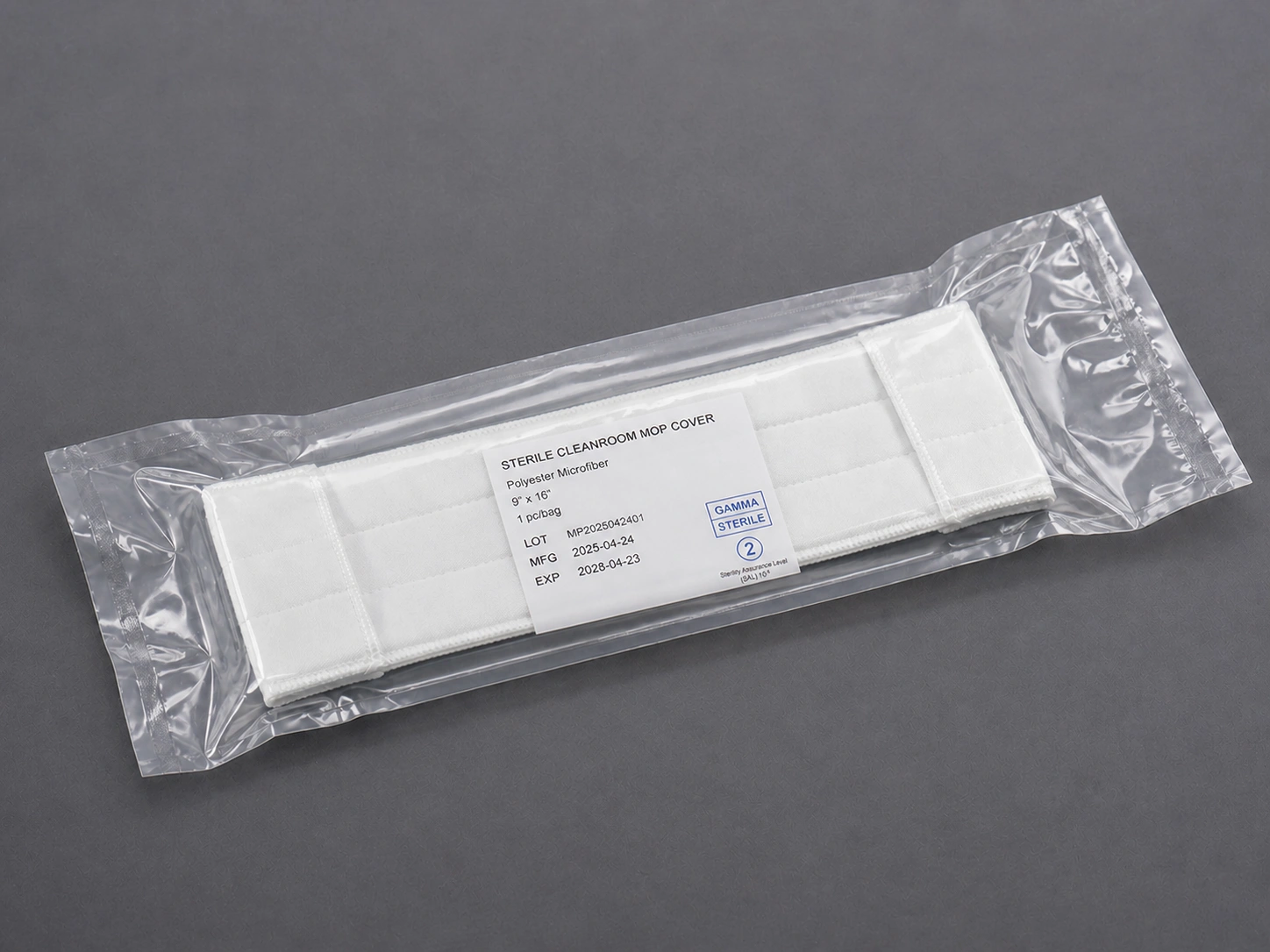
| ਗੁਣ | ਪੋਲਿਸਟਰ ਨਿਰਜੀਵ ਮੋਪ ਕਵਰ | ਮਾਈਕ੍ਰੋਫਾਈਬਰ ਨਿਰਜੀਵ ਮੋਪ ਕਵਰ |
|---|---|---|
| ਮੁੱਖ ਫਾਇਦਾ | ਘੱਟ-ਲਿੰਟ ਪ੍ਰਦਰਸ਼ਨ ਅਤੇ ਰਸਾਇਣਕ ਪ੍ਰਤੀਰੋਧ | ਸਤਹ ਸੰਪਰਕ ਅਤੇ ਰਹਿੰਦ-ਖੂੰਹਦ ਨੂੰ ਚੁੱਕਣਾ |
| ਆਮ ਵਰਤੋਂ | ਫਾਰਮਾ ਅਤੇ GMP ਨਿਯੰਤਰਿਤ ਖੇਤਰ | ਰੁਟੀਨ ਕਲੀਨਰੂਮ ਸਤਹ ਦੀ ਸਫਾਈ |
| ਕਣ ਕੰਟਰੋਲ | ਸਹੀ ਢੰਗ ਨਾਲ ਨਿਰਧਾਰਤ ਕੀਤੇ ਜਾਣ 'ਤੇ ਮਜ਼ਬੂਤ | ਉਸਾਰੀ 'ਤੇ ਨਿਰਭਰ ਕਰਦਾ ਹੈ |
| ਤਰਲ ਸਮਾਈ | ਦਰਮਿਆਨੀ ਤੋਂ ਚੰਗੀ | ਮਜ਼ਬੂਤ |
| ਖਰੀਦਦਾਰ ਚਿੰਤਾ | ਲਿੰਟ, ਰਸਾਇਣਕ ਅਨੁਕੂਲਤਾ, ਨਿਰਜੀਵ ਪੈਕੇਜਿੰਗ | ਪਿਕਅੱਪ, ਸੰਤ੍ਰਿਪਤਾ ਕੰਟਰੋਲ, ਸਮੱਗਰੀ ਅਨੁਕੂਲਤਾ |
Sterile cleaning programs may use single-use sterile mop covers, reusable autoclavable systems, or hybrid configurations depending on risk level, cleaning frequency, and cost-control requirements.
| ਵਿਕਲਪ | ਲਈ ਵਧੀਆ | ਮੁੱਖ ਫਾਇਦਾ | ਖਰੀਦਦਾਰ ਵਿਚਾਰ |
|---|---|---|---|
| ਸਿੰਗਲ-ਵਰਤੋਂ ਨਿਰਜੀਵ ਮੋਪ | ਗ੍ਰੇਡ A/B ਜਾਂ ਉੱਚ-ਨਿਯੰਤਰਣ ਖੇਤਰ | ਮੁੜ ਵਰਤੋਂ ਨਾਲ ਸਬੰਧਤ ਗੰਦਗੀ ਦੀਆਂ ਚਿੰਤਾਵਾਂ ਨੂੰ ਘਟਾਉਂਦਾ ਹੈ | ਉੱਚ ਪ੍ਰਤੀ-ਵਰਤੋਂ ਦੀ ਲਾਗਤ ਅਤੇ ਰਹਿੰਦ-ਖੂੰਹਦ ਨੂੰ ਸੰਭਾਲਣਾ |
| ਮੁੜ ਵਰਤੋਂ ਯੋਗ ਆਟੋਕਲੇਵੇਬਲ ਮੋਪ | ਪ੍ਰਮਾਣਿਤ ਨਸਬੰਦੀ ਪ੍ਰਕਿਰਿਆ ਦੇ ਨਾਲ ਸੁਵਿਧਾਵਾਂ | ਘੱਟ ਲੰਬੀ ਮਿਆਦ ਦੀ ਓਪਰੇਟਿੰਗ ਲਾਗਤ | ਲਾਈਫਸਾਈਕਲ ਅਤੇ ਰੀਪ੍ਰੋਸੈਸਿੰਗ ਨਿਯੰਤਰਣ ਦੀ ਲੋੜ ਹੈ |
| ਹਾਈਬ੍ਰਿਡ ਸਿਸਟਮ | ਡਿਸਪੋਸੇਬਲ ਮੋਪ ਕਵਰ ਦੇ ਨਾਲ ਮੁੜ ਵਰਤੋਂ ਯੋਗ ਫਰੇਮ | ਲਾਗਤ ਅਤੇ ਗੰਦਗੀ ਕੰਟਰੋਲ ਨੂੰ ਸੰਤੁਲਿਤ ਕਰਦਾ ਹੈ | ਅਨੁਕੂਲਤਾ ਦੀ ਪੁਸ਼ਟੀ ਹੋਣੀ ਚਾਹੀਦੀ ਹੈ |
Sterile mop sourcing often requires more than price and product photos. QA and sourcing teams may need documents that support material review, traceability, sterility review, and internal qualification.
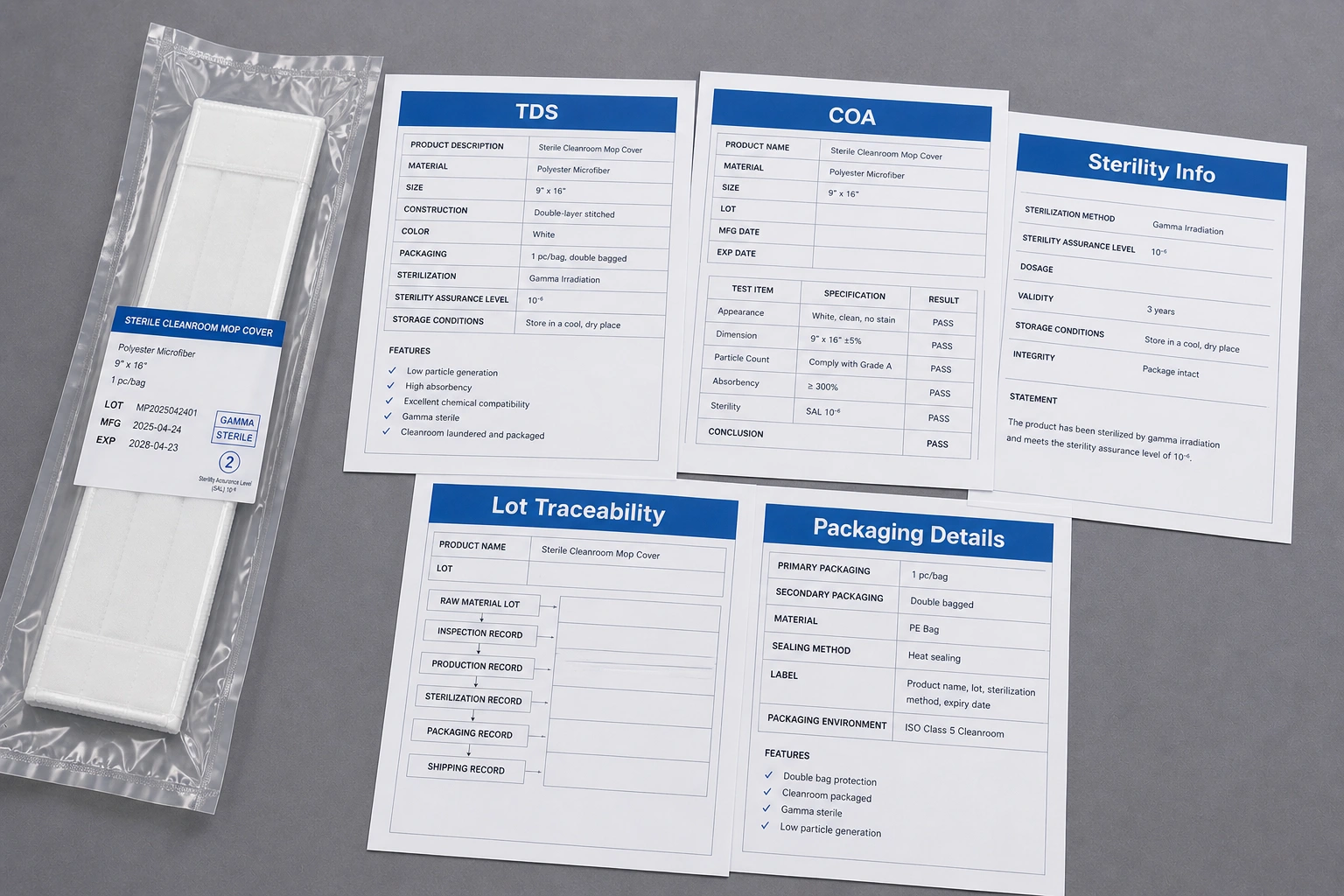
ਸਮੱਗਰੀ, ਬਣਤਰ, ਆਕਾਰ, ਐਪਲੀਕੇਸ਼ਨ ਖੇਤਰ, ਅਤੇ ਸਿਫਾਰਸ਼ ਕੀਤੀ ਵਰਤੋਂ ਨੂੰ ਕਵਰ ਕਰਨ ਵਾਲੀ ਤਕਨੀਕੀ ਡੇਟਾ ਸ਼ੀਟ।
ਨਸਬੰਦੀ-ਸਬੰਧਤ ਜਾਣਕਾਰੀ ਨੂੰ ਨਿਰਜੀਵ ਜਾਂ ਗਾਮਾ-ਨਸਬੰਦੀ ਮੋਪ ਵਿਕਲਪਾਂ ਲਈ ਬੇਨਤੀ ਕੀਤੀ ਜਾ ਸਕਦੀ ਹੈ।
ਲਾਟ ਟਰੇਸੇਬਿਲਟੀ QA ਟੀਮਾਂ ਨੂੰ ਉਤਪਾਦਾਂ ਦੇ ਬੈਚਾਂ ਨੂੰ ਨਿਰੀਖਣ ਅਤੇ ਅੰਦਰੂਨੀ ਰਿਕਾਰਡਾਂ ਨਾਲ ਜੋੜਨ ਵਿੱਚ ਮਦਦ ਕਰਦੀ ਹੈ।
ਸਮੱਗਰੀ ਦੀ ਜਾਣਕਾਰੀ ਲਿੰਟ ਕੰਟਰੋਲ, ਰਸਾਇਣਕ ਅਨੁਕੂਲਤਾ, ਅਤੇ SOP ਫਿੱਟ ਦਾ ਮੁਲਾਂਕਣ ਕਰਨ ਵਿੱਚ ਮਦਦ ਕਰਦੀ ਹੈ।
ਪੈਕੇਜਿੰਗ ਜਾਣਕਾਰੀ ਕਲੀਨਰੂਮ ਟ੍ਰਾਂਸਫਰ, ਡਬਲ-ਬੈਗਿੰਗ ਲੋੜਾਂ, ਅਤੇ ਵਰਕਫਲੋ ਨੂੰ ਸੰਭਾਲਣ ਦਾ ਮੁਲਾਂਕਣ ਕਰਨ ਵਿੱਚ ਮਦਦ ਕਰਦੀ ਹੈ।
ਉਤਪਾਦ ਅਤੇ ਆਰਡਰ ਦੀਆਂ ਲੋੜਾਂ ਦੇ ਆਧਾਰ 'ਤੇ ਵਿਸ਼ਲੇਸ਼ਣ ਦੇ ਸਰਟੀਫਿਕੇਟ ਜਾਂ ਅਨੁਕੂਲਤਾ ਦੇ ਸਰਟੀਫਿਕੇਟ 'ਤੇ ਚਰਚਾ ਕੀਤੀ ਜਾ ਸਕਦੀ ਹੈ।
Tell us which sterile mop option you are evaluating and whether you need TDS, material data, sterility information, lot traceability, packaging details, or sample support.
A sterile mop should not be evaluated only as a mop cover. Buyers should also confirm whether the frame, handle, and bucket workflow are compatible with their cleaning SOP and cleanroom requirements.
ਘੱਟ-ਲਿੰਟ ਨਿਰਜੀਵ ਮੋਪ ਕਵਰ ਜੋਖਮ ਦੇ ਪੱਧਰ, ਸਮੱਗਰੀ ਦੀ ਤਰਜੀਹ, ਅਤੇ ਸਫਾਈ ਖੇਤਰ ਦੇ ਅਨੁਸਾਰ ਚੁਣਿਆ ਗਿਆ ਹੈ।
ਨਿਯੰਤਰਿਤ ਸਫਾਈ ਦੇ ਦੌਰਾਨ ਸਥਿਰ ਮੰਜ਼ਿਲ, ਕੰਧ, ਜਾਂ ਛੱਤ ਦੇ ਸੰਪਰਕ ਲਈ ਅਨੁਕੂਲ ਫਰੇਮ।
ਪਹੁੰਚ, ਨਿਯੰਤਰਣ ਅਤੇ ਦੁਹਰਾਉਣ ਯੋਗ ਆਪਰੇਟਰ ਅੰਦੋਲਨ ਲਈ ਨਿਰਵਿਘਨ, ਕਲੀਨਰੂਮ-ਅਨੁਕੂਲ ਹੈਂਡਲ।
ਸੰਤ੍ਰਿਪਤ ਨਿਯੰਤਰਣ ਅਤੇ ਤਾਜ਼ੇ ਅਤੇ ਵਰਤੇ ਗਏ ਤਰਲ ਨੂੰ ਵੱਖ ਕਰਨ ਲਈ ਬਾਲਟੀ ਜਾਂ ਰਿੰਗਰ ਵਰਕਫਲੋ।
Sterile cleanroom mops can support GMP cleaning SOPs by improving traceability, workflow consistency, surface contact, saturation control, and documentation review.
ਮੋਪ ਸਮੱਗਰੀ, ਆਕਾਰ, ਪੈਕੇਜਿੰਗ, ਲਾਟ ਟਰੇਸੇਬਿਲਟੀ, ਅਤੇ ਸਹੂਲਤ ਦੇ ਫਰੇਮ ਅਤੇ ਹੈਂਡਲ ਨਾਲ ਅਨੁਕੂਲਤਾ ਦੀ ਪੁਸ਼ਟੀ ਕਰੋ।
ਸੁਵਿਧਾ ਦੀ ਸਫਾਈ ਪ੍ਰਕਿਰਿਆ ਦੁਆਰਾ ਪਰਿਭਾਸ਼ਿਤ ਕੀਤੇ ਗਏ ਕੀਟਾਣੂਨਾਸ਼ਕ ਅਤੇ ਤਿਆਰੀ ਦੇ ਤਰੀਕਿਆਂ ਦੀ ਵਰਤੋਂ ਕਰੋ।
ਦੁਹਰਾਉਣ ਯੋਗ ਸਤਹ ਕਵਰੇਜ ਅਤੇ ਸੰਪਰਕ ਸਮੇਂ ਦਾ ਸਮਰਥਨ ਕਰਨ ਲਈ ਇਕਸਾਰ ਗਿੱਲਾ ਪੱਧਰ ਲਾਗੂ ਕਰੋ।
ਅੰਤਰ-ਗੰਦਗੀ ਦੇ ਜੋਖਮ ਨੂੰ ਘਟਾਉਣ ਲਈ ਇੱਕ ਪਰਿਭਾਸ਼ਿਤ ਸਫਾਈ ਦਿਸ਼ਾ ਅਤੇ ਖੇਤਰ-ਜ਼ੋਨਿੰਗ ਪ੍ਰਕਿਰਿਆ ਦੀ ਪਾਲਣਾ ਕਰੋ।
ਸਿੰਗਲ-ਵਰਤੋਂ ਵਾਲੇ ਨਿਰਜੀਵ ਮੋਪਾਂ ਦਾ ਨਿਪਟਾਰਾ ਸਹੂਲਤ ਦੀਆਂ ਜ਼ਰੂਰਤਾਂ ਦੇ ਅਨੁਸਾਰ ਕੀਤਾ ਜਾਣਾ ਚਾਹੀਦਾ ਹੈ; ਮੁੜ ਵਰਤੋਂ ਯੋਗ ਪ੍ਰਣਾਲੀਆਂ ਲਈ ਪ੍ਰਮਾਣਿਤ ਰੀਪ੍ਰੋਸੈਸਿੰਗ ਦੀ ਲੋੜ ਹੁੰਦੀ ਹੈ।
Buyers should choose sterile cleanroom mops by comparing cleanroom grade, sterile requirement, mop material, workflow design, chemical compatibility, and documentation needs.
Sterile cleanroom mops should be selected according to the facility’s contamination-control risk, surface type, operator workflow, and documentation requirements.
MIDPOSI can help B2B buyers compare sterile mop cover options, flat mop systems, bucket workflows, and disposable or reusable configurations.
| ਲੋੜ | ਸਿਫਾਰਸ਼ੀ ਦਿਸ਼ਾ |
|---|---|
| ਗ੍ਰੇਡ A/B ਜਾਂ ਅਸੈਪਟਿਕ ਸਹਾਇਤਾ ਖੇਤਰ | ਦਸਤਾਵੇਜ਼ ਸਮੀਖਿਆ ਦੇ ਨਾਲ ਨਿਰਜੀਵ ਮੋਪ ਕਵਰ |
| ਨਿਰਜੀਵ ਟ੍ਰਾਂਸਫਰ ਦੀ ਲੋੜ ਹੈ | ਨਿਰਜੀਵ ਪੈਕੇਜਿੰਗ, ਲਾਟ ਟਰੇਸੇਬਿਲਟੀ, ਅਤੇ ਪੈਕੇਜਿੰਗ ਮੁਲਾਂਕਣ |
| ਗਾਮਾ-ਨਸਬੰਦੀ ਵਿਕਲਪ ਦੀ ਲੋੜ ਹੈ | ਨਸਬੰਦੀ-ਸਬੰਧਤ ਜਾਣਕਾਰੀ ਅਤੇ ਸਰਟੀਫਿਕੇਟ ਵੇਰਵਿਆਂ ਦੀ ਬੇਨਤੀ ਕਰੋ |
| ਰੁਟੀਨ ISO ਕਲੀਨਰੂਮ | ਗੈਰ-ਨਿਰਜੀਵ ਕਲੀਨਰੂਮ ਮੋਪ ਕਾਫ਼ੀ ਹੋ ਸਕਦਾ ਹੈ |
| ਘੱਟ-ਲਿੰਟ ਤਰਜੀਹ | ਪੋਲੀਸਟਰ ਮੋਪ ਵਿਕਲਪ |
| ਮਜ਼ਬੂਤ ਰਹਿੰਦ-ਖੂੰਹਦ ਚੁੱਕਣਾ | ਮਾਈਕ੍ਰੋਫਾਈਬਰ ਮੋਪ ਵਿਕਲਪ |
| ਫਰਸ਼ / ਕੰਧ / ਛੱਤ ਦੀ ਸਫਾਈ | ਅਨੁਕੂਲ ਹੈਂਡਲ ਦੇ ਨਾਲ ਫਲੈਟ ਮੋਪ ਸਿਸਟਮ |
Tell us your cleanroom class, application area, sterile requirement, mop material preference, and workflow needs. MIDPOSI can help recommend a suitable sterile cleanroom mop system for your facility.
Explore related MIDPOSI resources for cleanroom mop systems, flat mop systems, disposable mop covers, microfiber mop materials, bucket workflows, and buyer guidance.
These answers are designed for cleanroom buyers, QA teams, contamination-control specialists, pharmaceutical sourcing teams, and facility managers.
A sterile cleanroom mop is a low-lint mop cover or mop system used in controlled environments where sterility, particle control, and contamination prevention are required.
SAL 10⁻⁶ refers to a sterility assurance level where the probability of a viable microorganism remaining is extremely low. If a sterile mop is supplied with SAL-related documentation, buyers should confirm the sterilization method, lot information, and certificate details with the supplier.
Gamma-sterilized mop covers are commonly considered for Grade A/B support areas when sterile cleaning materials are required by facility SOP. Final approval should always be based on the pharmaceutical facility’s internal QA review.
Buyers should check whether the mop is supplied in sterile packaging, whether double-bagging is available, whether lot traceability is provided, and whether the packaging supports cleanroom transfer procedures.
Common documents may include TDS, material information, lot traceability, sterility-related documentation, packaging details, and product compatibility information for internal QA review.
Many sterile cleanroom mop covers are single-use, but some facilities use reusable autoclavable systems or hybrid configurations depending on SOP and contamination-control requirements.
Yes. Sterile mop covers can be used with compatible flat mop frames when the size, attachment method, and cleaning workflow are suitable for the facility’s SOP.
Polyester is often selected for low-lint performance and chemical compatibility, while microfiber is often selected for stronger surface contact and residue pickup.
If you are sourcing sterile cleanroom mops for pharmaceutical manufacturing, biotechnology facilities, laboratories, medical device production, or ISO cleanrooms, MIDPOSI can help you compare sterile mop covers, flat mop systems, disposable options, microfiber and polyester materials, and bucket-based workflows.