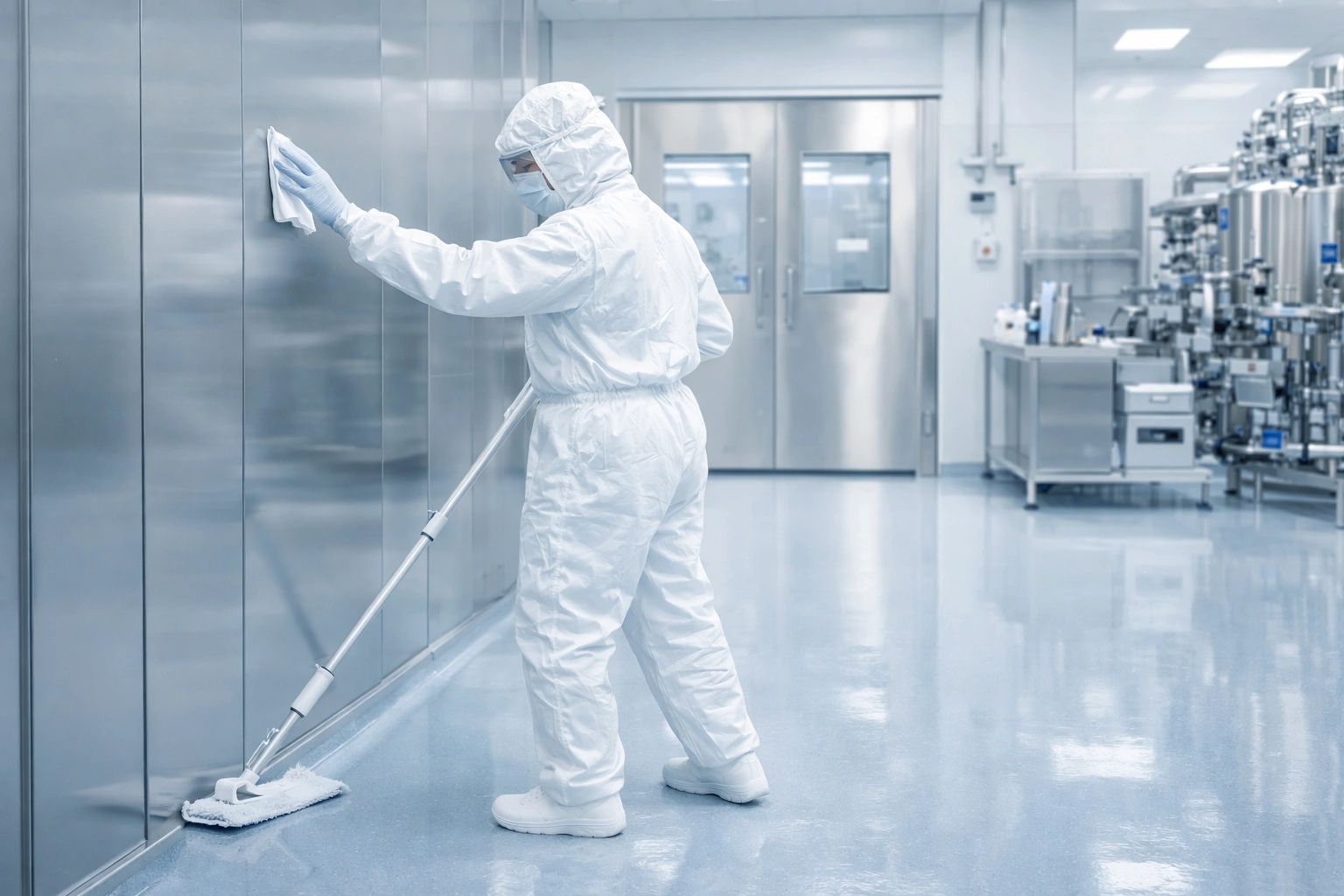

A cleanroom mop is more than a cleaning tool. In pharmaceutical, biotech, semiconductor, and other controlled environments, it is a key part of contamination control, GMP compliance, and operational consistency.
Quickly jump to the section you need.
A fast answer for buyers, QA teams, and cleanroom operators.
A cleanroom mop is a specialized cleaning tool designed for controlled environments that require low particle generation, chemical compatibility, and validated sterilization methods. Compared with conventional mops, cleanroom mops use low-lint materials such as polyester or microfiber, support cleanroom-compatible frame and handle systems, and may be supplied sterile for critical areas. The right selection depends on cleanroom grade, floor type, disinfectant compatibility, and sterility requirements.
Five practical points that matter most in product selection and real-world use.
Cleanroom mops are designed to reduce lint, particles, and contamination risk in controlled environments.
Material choice matters: polyester, microfiber, and blends perform differently in sterility, durability, and pickup.
Selection must match cleanroom grade, disinfectant chemistry, floor surface, and validation requirements.
Sterile and non-sterile mop systems should be separated based on area classification and contamination risk.
Choosing the right handle, frame, and packaging format is just as important as choosing the mop head material.
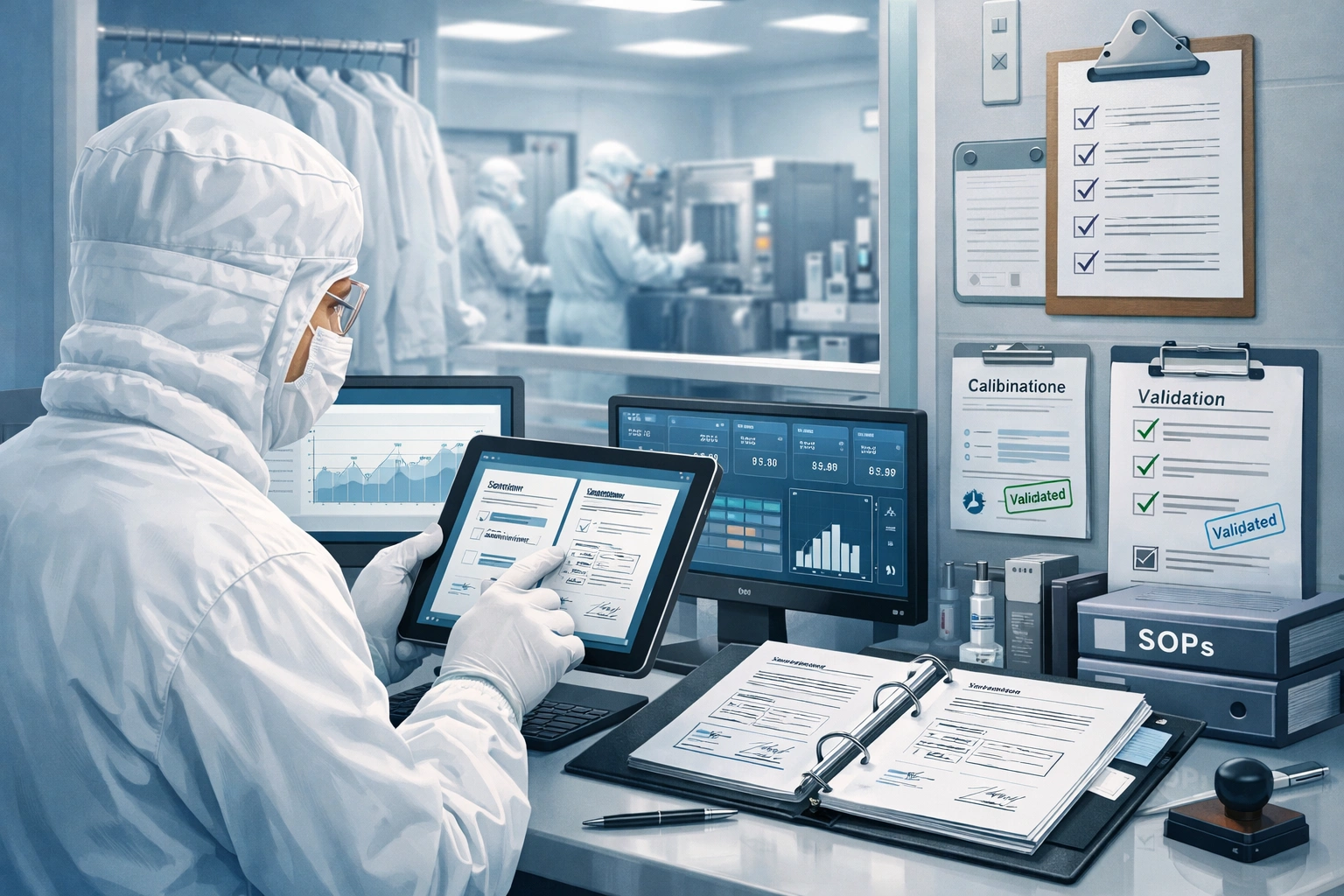
In pharmaceutical and high-tech manufacturing, a mop is not just a cleaning tool. It is a functional part of the overall contamination control system. To select the right mop, buyers should not only compare material and size, but also consider how the product fits into broader cleaning validation, SOP execution, and cleanroom contamination control strategy.
Many buyers compare products only by size or price. In reality, cleanroom mop selection should also consider particle performance, absorbency, chemical compatibility, sterilization method, reusability, and cleanroom classification.
Practical takeaway: The right cleanroom mop system supports both cleaning efficiency and audit readiness. The wrong one may increase operational risk even if the initial cost looks lower.
ਕਲੀਨਰੂਮ ਮੋਪ ਚਾਰ ਮਹੱਤਵਪੂਰਨ ਖੇਤਰਾਂ ਵਿੱਚ ਰਵਾਇਤੀ ਮੋਪਸ ਤੋਂ ਵੱਖਰੇ ਹਨ: ਕਣ ਪੈਦਾ ਕਰਨਾ, ਸਮੱਗਰੀ ਦੀ ਅਨੁਕੂਲਤਾ, ਹੈਂਡਲ ਸਿਸਟਮ ਡਿਜ਼ਾਈਨ, ਅਤੇ ਨਸਬੰਦੀ ਅਨੁਕੂਲਤਾ।
| ਲੋੜ | ਰਵਾਇਤੀ Mop | ਕਲੀਨਰੂਮ ਮੋਪ | ਇਹ ਮਾਇਨੇ ਕਿਉਂ ਰੱਖਦਾ ਹੈ |
|---|---|---|---|
| ਕਣ ਉਤਪੰਨ | ਉੱਚ ਸ਼ੈਡਿੰਗ | ਘੱਟ-ਲਿੰਟ ਪ੍ਰਮਾਣਿਤ ਸਮੱਗਰੀ | ਸੈਕੰਡਰੀ ਗੰਦਗੀ ਨੂੰ ਘਟਾਉਣ ਵਿੱਚ ਮਦਦ ਕਰਦਾ ਹੈ |
| ਸਮੱਗਰੀ ਅਨੁਕੂਲਤਾ | ਸੀਮਿਤ | ਰਸਾਇਣਕ-ਰੋਧਕ ਉਸਾਰੀ | ਕੀਟਾਣੂਨਾਸ਼ਕ ਅਤੇ ਸਫਾਈ ਏਜੰਟ ਦੀ ਵਰਤੋਂ ਦਾ ਸਮਰਥਨ ਕਰਦਾ ਹੈ |
| ਹੈਂਡਲ ਸਿਸਟਮ | ਮਿਸ਼ਰਤ-ਵਰਤੋਂ ਖਪਤਕਾਰ ਡਿਜ਼ਾਈਨ | ਕਲੀਨਰੂਮ-ਅਨੁਕੂਲ ਸਿਸਟਮ | ਸਫਾਈ ਇਕਸਾਰਤਾ ਅਤੇ ਸਫਾਈ ਨਿਯੰਤਰਣ ਵਿੱਚ ਸੁਧਾਰ ਕਰਦਾ ਹੈ |
| ਨਸਬੰਦੀ | ਆਮ ਤੌਰ 'ਤੇ ਪ੍ਰਮਾਣਿਤ ਨਹੀਂ ਹੁੰਦਾ | ਆਟੋਕਲੇਵ / ਗਾਮਾ / ETO ਅਨੁਕੂਲ ਵਿਕਲਪ | ਮਾਈਕਰੋਬਾਇਲ ਕੰਟਰੋਲ ਰਣਨੀਤੀਆਂ ਦਾ ਸਮਰਥਨ ਕਰਦਾ ਹੈ |
ਕਮਰੇ ਦੇ ਵਰਗੀਕਰਨ ਦੇ ਆਧਾਰ 'ਤੇ ਲੋੜੀਂਦੇ ਮੋਪ ਸਪੈਸੀਫਿਕੇਸ਼ਨ ਬਦਲਦੇ ਹਨ। ਨਾਜ਼ੁਕ ਜ਼ੋਨਾਂ ਨੂੰ ਘੱਟ ਕਣ ਪੈਦਾ ਕਰਨ, ਉੱਚ ਨਿਰਜੀਵਤਾ ਦਾ ਭਰੋਸਾ, ਅਤੇ ਅਕਸਰ ਇਕੱਲੇ-ਵਰਤੋਂ ਜਾਂ ਸਖ਼ਤੀ ਨਾਲ ਪ੍ਰਮਾਣਿਤ ਮੁੜ ਵਰਤੋਂ ਯੋਗ ਪ੍ਰਣਾਲੀਆਂ ਦੀ ਲੋੜ ਹੁੰਦੀ ਹੈ।
| ਕਲੀਨਰੂਮ ਗ੍ਰੇਡ | ਆਮ ਲੋੜ | ਸਿਫਾਰਸ਼ੀ Mop ਕਿਸਮ | ਨਸਬੰਦੀ |
|---|---|---|---|
| ISO 5 / ਗ੍ਰੇਡ ਏ | ਨਾਜ਼ੁਕ ਜ਼ੋਨ, ਸਭ ਤੋਂ ਵੱਧ ਗੰਦਗੀ ਨਿਯੰਤਰਣ | ਫਲੈਟ ਮੋਪ | ਨਿਰਜੀਵ, ਅਕਸਰ ਸਿੰਗਲ-ਵਰਤੋਂ ਨੂੰ ਤਰਜੀਹ ਦਿੱਤੀ ਜਾਂਦੀ ਹੈ |
| ISO 7 / ਗ੍ਰੇਡ ਬੀ | ਬੈਕਗ੍ਰਾਊਂਡ ਸਾਫ਼ ਜ਼ੋਨ | ਫਲੈਟ ਮੋਪ ਜਾਂ ਪ੍ਰਮਾਣਿਤ ਲੋ-ਲਿੰਟ ਸਿਸਟਮ | ਨਿਰਜੀਵ ਜਾਂ ਜੋਖਮ-ਅਧਾਰਤ ਗੈਰ-ਨਿਰਜੀਵ |
| ISO 8 / ਗ੍ਰੇਡ C | ਸਹਾਇਕ ਉਤਪਾਦਨ ਖੇਤਰ | ਸਟ੍ਰਿੰਗ ਮੋਪ ਜਾਂ ਮਾਈਕ੍ਰੋਫਾਈਬਰ ਫਲੈਟ ਮੋਪ | ਆਮ ਤੌਰ 'ਤੇ ਗੈਰ-ਨਿਰਜੀਵ ਜਦੋਂ ਤੱਕ ਪ੍ਰਕਿਰਿਆ ਨੂੰ ਹੋਰ ਲੋੜ ਨਹੀਂ ਹੁੰਦੀ |
| ISO 9 / ਗ੍ਰੇਡ ਡੀ | ਆਮ ਨਿਯੰਤਰਿਤ ਵਾਤਾਵਰਣ | ਲਾਗਤ-ਪ੍ਰਭਾਵਸ਼ਾਲੀ ਕਲੀਨਰੂਮ-ਅਨੁਕੂਲ ਮੋਪ | ਗੈਰ-ਨਿਰਜੀਵ |
CLEANROOM MOP SELECTION LOGIC

Q1. What is the cleanroom classification?
→ ISO 5 / Grade A:
   Select sterile flat mop, low-lint material, single-use or tightly controlled validated reuse.

→ ISO 7 / Grade B:
   Decide based on process risk:
   - Sterile flat mop for higher-risk operations
   - Low-lint non-sterile validated system for lower-risk supporting tasks

→ ISO 8 / Grade C:
   Non-sterile microfiber or polyester mop systems are often acceptable.

→ ISO 9 / Grade D:
   General cleanroom-compatible systems can be used with validated cleaning procedures.
Flat mops are preferred in higher-grade cleanrooms because they provide more uniform surface contact, lower lint generation, and better control of chemical application.
String mops can still be suitable in lower-grade or non-critical areas, especially where flexibility and lower cost are important.
| ਗੁਣ | Flat Mop | ਸਟ੍ਰਿੰਗ ਮੋਪ |
|---|---|---|
| Surface Contact | High and consistent | ਘੱਟ ਵਰਦੀ |
| Particle Pickup | Predictable | More variable |
| Chemical Use | Controlled dosage | Higher absorption |
| Lint Generation | ਨੀਵਾਂ | Usually higher |
| ਵਧੀਆ ਵਰਤੋਂ | ISO 5 / ISO 7 | ISO 8 / ISO 9 |
Material selection affects linting, durability, absorption, and chemical resistance. The most common materials are polyester, microfiber, and blended constructions.
| ਸਮੱਗਰੀ | ਕਣ ਸ਼ੈਡਿੰਗ | ਰਸਾਇਣਕ ਪ੍ਰਤੀਰੋਧ | ਟਿਕਾਊਤਾ | Typical Application |
|---|---|---|---|---|
| ਪੋਲੀਸਟਰ | ਬਹੁਤ ਘੱਟ | ਸ਼ਾਨਦਾਰ | ਉੱਚ | Critical cleanroom zones |
| ਮਾਈਕ੍ਰੋਫਾਈਬਰ | ਘੱਟ | ਚੰਗਾ | ਦਰਮਿਆਨਾ | General cleanroom floor cleaning |
| Polyester-Microfiber Blend | ਘੱਟ | Very good | ਉੱਚ | Balanced performance across multiple grades |
| Disposable Nonwoven | ਸਿੰਗਲ-ਵਰਤੋਂ | ਉਸਾਰੀ 'ਤੇ ਨਿਰਭਰ ਕਰਦਾ ਹੈ | Not reusable | High-risk changeover or one-time sterile tasks |
Mop selection should also support the facility’s environmental monitoring and cleaning verification strategy. In many pharmaceutical facilities, cleaning tools are evaluated not only for practicality but also for how they support consistent results within a risk-based environmental monitoring program.
Selection tip: Polyester is often preferred when low particle generation is the priority. Microfiber can improve pickup and cleaning efficiency in less critical but still controlled areas.
Buyers sometimes focus only on the mop pad, but handle and frame design strongly affect cleanability, usability, and contamination control.
| Handle Material | ਅਨੁਕੂਲਤਾ | ਸਵੱਛਤਾ | Sterilization Suitability |
|---|---|---|---|
| Plastic (PP / PE) | ਸ਼ਾਨਦਾਰ | ਸ਼ਾਨਦਾਰ | Autoclave-compatible options available |
| ਸਟੇਨਲੇਸ ਸਟੀਲ | ਸ਼ਾਨਦਾਰ | ਸ਼ਾਨਦਾਰ | Strong for reusable systems |
| Anodized Aluminum | ਚੰਗਾ | ਚੰਗਾ | Used in some light-weight systems |
| Mixed Material Design | ਮੇਲਾ | Depends on structure | Less ideal for critical zones |
Not every cleanroom needs a sterile mop, but critical pharmaceutical and aseptic areas often do. The decision should be based on contamination risk, product exposure, SOP requirements, and environmental classification.
The choice between sterile and non-sterile mop systems should be aligned with cleanroom classification, process exposure risk, and documented cleaning procedures. In regulated environments, this decision is often connected to broader SOP implementation and audit readiness requirements.
Sterile mop systems are typically selected for Grade A / B environments, aseptic processing areas, or validated cleaning procedures requiring sterile accessories.
Non-sterile mop systems are often suitable for Grade C / D and general support areas where validated low-lint performance is more important than terminal sterility.
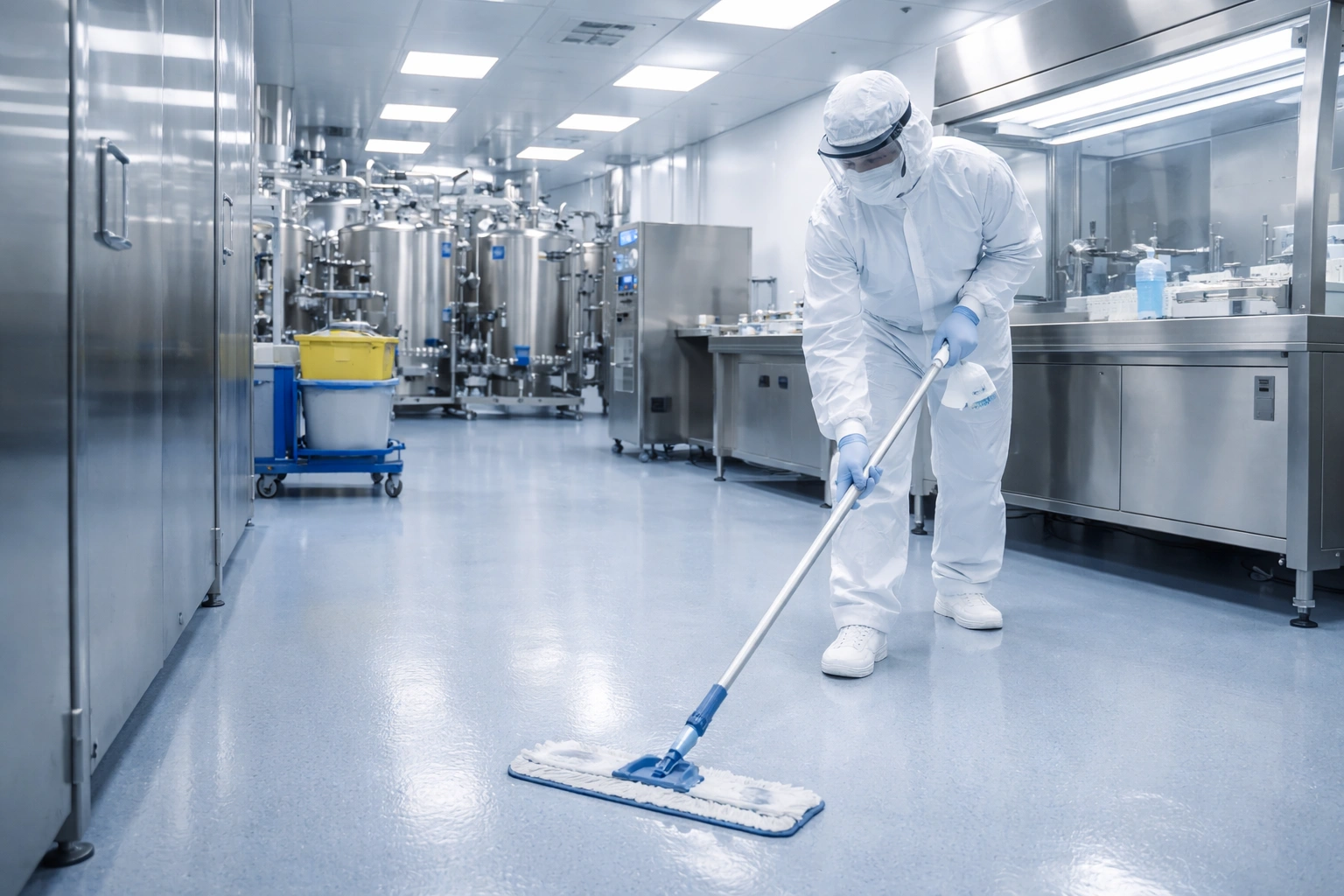
Example images aligned with cleanroom mop applications and controlled-environment cleaning.


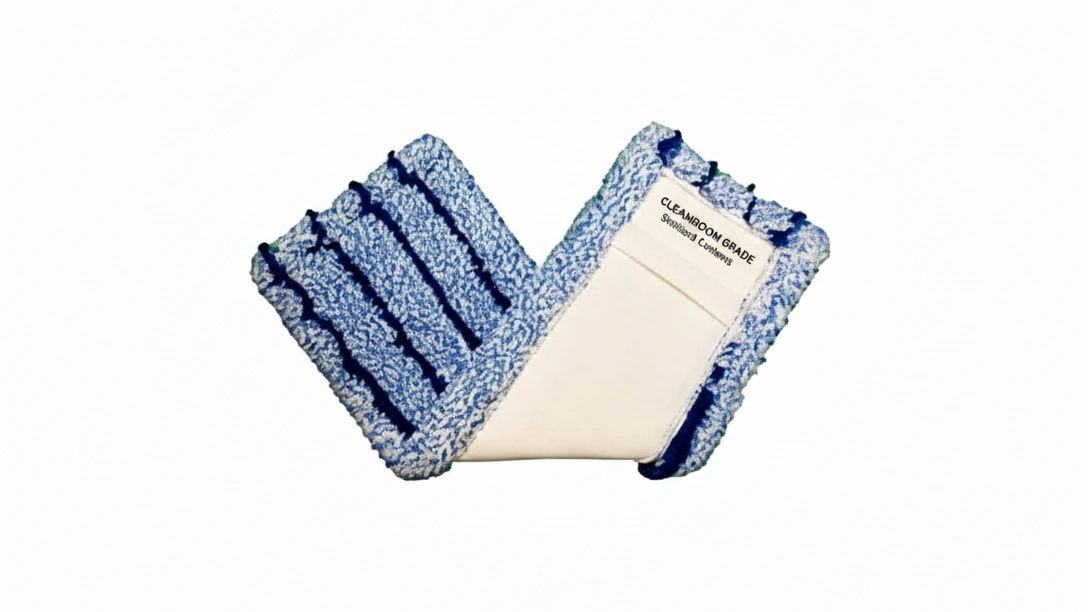
A cleanroom mop is designed for controlled environments with low-lint materials, better chemical compatibility, and cleanroom-appropriate construction, while a regular mop is not intended for contamination-sensitive applications.
Polyester and polyester-microfiber blends are common choices because they offer low particle generation, good durability, and compatibility with many pharmaceutical cleaning procedures.
No. Sterile mops are usually selected for critical or aseptic environments, while validated non-sterile mop systems may be suitable for lower-grade support areas depending on SOPs and risk assessment.
In higher-grade cleanrooms, flat mops are often preferred because they provide lower lint generation, more uniform surface contact, and better control of cleaning chemistry.
Continue building your cleanroom knowledge with these related resources.

If you are comparing sterile vs. non-sterile options, microfiber vs. polyester materials, or complete mop systems for pharmaceutical, biotech, or industrial cleanrooms, our team can help you match the right product to your application.