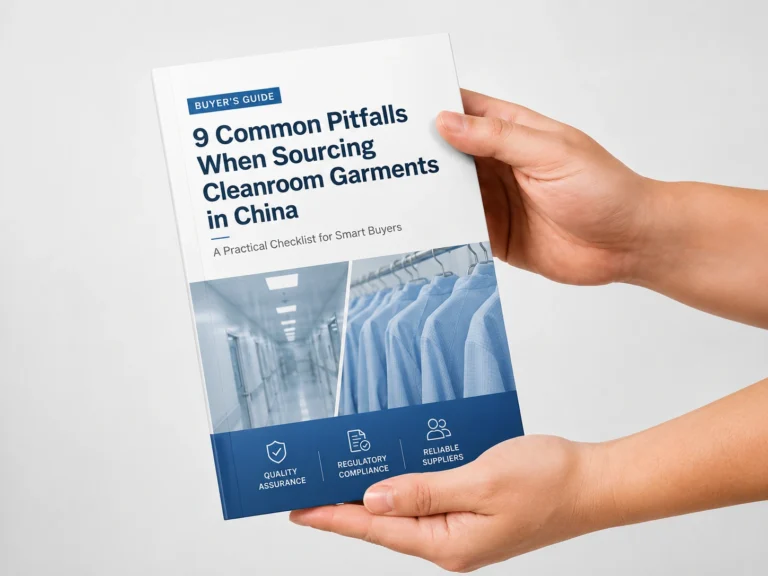
Uma estrutura passo a passo para a transição para um novo fornecedor de esfregonas para salas limpas em uma instalação regulamentada por GMP. Abrange entrega de documentação, testes de amostras e validação interna, atualizações de SOP, treinamento de operadores, protocolos de execução paralela e conformidade de controle de alterações. Projetado para gerentes de controle de qualidade, líderes de compras e gerentes de salas limpas que gerenciam transições de fornecedores sem interrupções regulatórias.

A integração de um novo fornecedor de esfregonas para salas limpas em uma instalação GMP é um processo estruturado que pode ser concluído em aproximadamente quatro semanas: (1) entrega de documentação e finalização do acordo de qualidade, (2) testes de amostra e validação interna, (3) atualizações de SOP e treinamento de operadores e (4) uma execução paralela comparando produtos novos e antigos antes da transição completa. Este artigo fornece uma estrutura semanal. Os cronogramas reais devem ser ajustados com base nos procedimentos de controle de alterações da sua instalação, nos recursos de controle de qualidade disponíveis e na complexidade do produto que está sendo transferido. Se você ainda não selecionou um fornecedor, comece com o lista de verificação de auditoria de fornecedores de esfregões para salas limpas para avaliar os candidatos antes de iniciar o processo de integração.
A auditoria e a integração de fornecedores têm propósitos diferentes – e confundir os dois é uma fonte comum de problemas de implementação.
Passo 1: Avalie o fornecedor
Passo 2: Integrar o fornecedor nas operações
Uma auditoria confirma que o fornecedor está qualificado. A integração confirma o desempenho dos produtos do fornecedor sob suas condições específicas — com seus desinfetantes, seus POPs e seus operadores. Um fornecedor pode passar em uma auditoria e ainda assim falhar na integração se o produto não se integrar ao seu produto existente. visão geral do sistema de esfregona para sala limpa e fluxo de trabalho de limpeza.
Antes de o fornecedor enviar a primeira amostra ou lote de produção, quatro itens devem estar prontos. Ignorar esse pré-trabalho é um dos motivos mais comuns pelos quais os prazos de integração se estendem de semanas a meses.
Um acordo de qualidade por escrito entre sua instalação e o fornecedor, definindo as expectativas do documento (formato COA, CoI), cronogramas de notificação de alterações e processos de aprovação de alterações nas especificações. O acordo não precisa ser totalmente executado antes da chegada das amostras, mas a minuta deve estar em revisão.
Inicie o processo de controle de alterações para a transição do produto esfregão. Mesmo que a aprovação final exija dados de teste que ainda não existem, a abertura antecipada do registro de controle de alterações estabelece a estrutura de avaliação e os critérios de aprovação antes do início dos testes.
Escreva o protocolo de teste de amostra antes da chegada das amostras. Definir: quais testes serão realizados, em que condições, com quais critérios de aceitação e quem aprova. Testes sem um protocolo escrito podem gerar dados que os revisores de controle de mudanças não conseguem usar para decisões de aprovação.
Confirme se o controle de qualidade, a produção, as compras e o gerenciamento de salas limpas concordam com o escopo e o cronograma da avaliação antes do início da integração. Um fornecedor aprovado pelo controle de qualidade que a Produção se recusa a usar é uma falha de integração, não uma falha de auditoria.
O cronograma abaixo pressupõe um único tipo de produto de esfregão (por exemplo, uma capa de esfregão de poliéster estéril) em um único tipo de sala limpa. As transições de vários produtos ou de vários graus exigirão proporcionalmente mais tempo. Cada semana se baseia na anterior; pular uma semana normalmente resulta em retrabalho, em vez de economia de tempo.
O fornecedor fornece o pacote completo de documentação para o produto específico que está sendo transferido. Isso deve incluir informações específicas do lote documentos de validação de esfregões para salas limpas como COA, CoC, dados de composição de materiais, relatórios de testes de geração de partículas e documentação de compatibilidade química. Para produtos estéreis, a documentação sobre CoI e garantia de esterilidade também deve ser fornecida. Para obter uma lista de verificação completa de documentos a serem solicitados, consulte o lista de verificação do comprador de documentos de validação.
Principais ações desta semana:
Verificação do portão: Toda documentação revisada e arquivada. Acordo de qualidade executado. Amostras confirmadas em trânsito.

As amostras chegam e são testadas de acordo com o protocolo definido no pré-onboarding. Os testes devem abranger três áreas:
Os testes devem ser realizados pelos operadores que utilizarão o produto após a entrada em operação. O feedback deles sobre manuseio, peso e ergonomia é tão importante quanto os dados quantitativos dos testes.
Verificação do portão: Todos os dados de teste coletados de acordo com os critérios do protocolo. Quaisquer falhas documentadas com avaliação de causa raiz. Decisão de avançar/não avançar para a Semana 3 documentada.
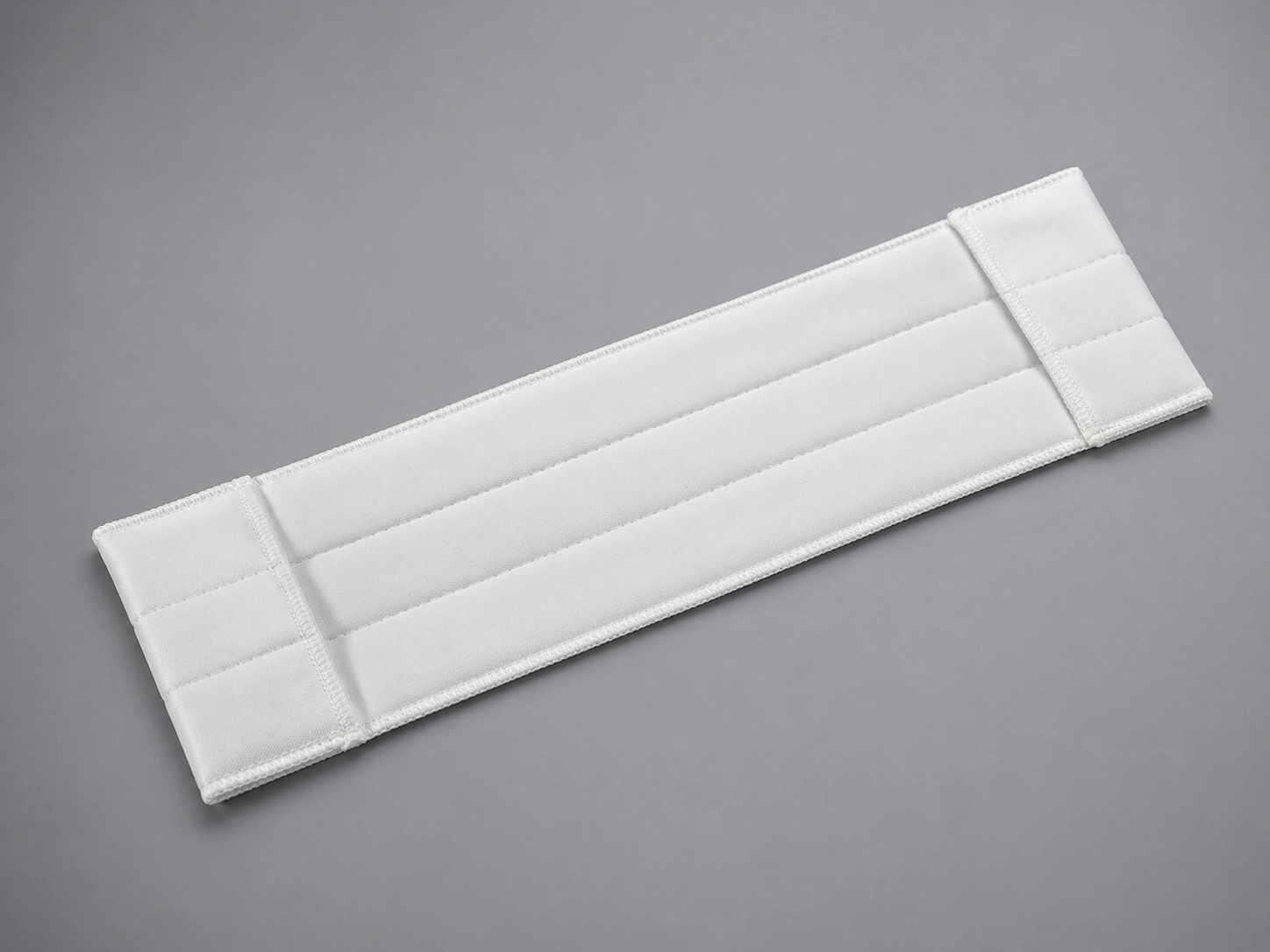
Supondo que as amostras passaram nos testes da Semana 2, atualize os POPs de limpeza da instalação para refletir o novo produto de esfregão. Esta não é apenas uma mudança no nome do produto – o POP deve incluir quaisquer diferenças na técnica de aplicação, método de saturação do desinfetante, procedimento de torção, frequência de troca da cabeça do esfregão e rastreabilidade de lote para esfregonas farmacêuticas para salas limpas etapas de documentação.
Principais ações desta semana:
Verificação do portão: POPs atualizados e aprovados. Todos os operadores treinados e com aprovação documentada. Registros de limpeza atualizados.

A semana final é uma operação paralela controlada: opere o novo esfregão junto com o produto existente em zonas de teste designadas. Esta não é uma mudança completa de instalações — é uma comparação estruturada para confirmar se o novo produto tem um desempenho equivalente ou melhor em condições reais.
Protocolo de execução paralela:
Decisão de entrada em operação:
Verificação do portão: Dados de execução paralela revisados e aprovados. Controle de alterações aprovado. Data de transição comunicada. Vá ao vivo.
Testar amostras sem um protocolo escrito com critérios de aceitação predefinidos é um dos motivos mais comuns pelos quais os dados de integração são rejeitados durante a revisão do controle de alterações. Escreva o protocolo antes da chegada das amostras. Defina a aparência de “aprovado” e “reprovado” antes de ver os dados.
Testar uma capa de esfregão com um desinfetante genérico quando a instalação usa uma formulação específica de amônio quaternário ou peróxido de hidrogênio pode produzir resultados de compatibilidade enganosos. Use os desinfetantes reais da sua instalação para todos os testes. Se o fornecedor não puder fornecer dados de compatibilidade com sua formulação específica de desinfetante, solicite que os testes sejam incluídos como condição de compra.
Uma transição de toda a instalação sem um período de execução paralelo apresenta um risco significativo. Se o novo produto apresentar desempenho inferior, todas as zonas serão afetadas simultaneamente, sem posição de reserva. Comece com uma única zona ou um único turno. Expanda gradualmente. A execução paralela deve ser documentada como parte do pacote de controle de alterações.
Os operadores usarão qualquer esfregão que esteja no armário de suprimentos. Se o inventário antigo permanecer acessível após a data de transição, alguns operadores continuarão a utilizá-lo – criando um período em que ambos os produtos estarão em uso sem a comparação controlada de uma execução paralela. Planeje o esgotamento ou remoção de produtos antigos como parte da lista de verificação de entrada em operação.
Uma transição de produto único e grau único normalmente pode ser concluída em 4 semanas, presumindo que a preparação pré-integração seja concluída antes do início da Semana 1 e que as amostras estejam disponíveis sem demora. As transições de vários produtos ou de vários níveis levarão mais tempo. A causa mais comum de extensão do cronograma é a documentação incompleta do fornecedor na Semana 1 – e é por isso que a revisão da documentação deve ser a primeira verificação.
Em uma instalação GMP, sim – a troca de uma ferramenta de limpeza que entra em contato com superfícies críticas deve ser gerenciada por meio do processo de controle de alterações. O registro de controle de alterações deve documentar a justificativa para a alteração, o protocolo e os resultados do teste, os POPs atualizados, os registros de treinamento do operador e os dados de execução paralela que apoiam a decisão de entrada em operação. A abertura antecipada do registro de controle de alterações (antes do início dos testes) permite que a estrutura de avaliação seja revisada e aprovada antecipadamente, o que pode agilizar a aprovação final.
No mínimo: Certificado de Análise (COA) com dados de teste específicos do lote, Certificado de Conformidade (CoC), declaração de composição do material, dados de geração de partículas com referência do método de teste, dados de compatibilidade química e especificações dimensionais. Para produtos estéreis: Certificado de Irradiação (CoI) com dados de dose, documentação de garantia de esterilidade e documentação de integridade da embalagem. Todos os documentos devem ser rastreáveis aos lotes específicos que estão sendo testados. Se um fornecedor não puder fornecer esses documentos durante a integração, é improvável que os forneça de forma consistente depois de se tornar o fornecedor principal.
Uma diferença de desempenho não é necessariamente um fracasso — depende se a diferença é aceitável dentro dos seus critérios de aceitação. Se o novo produto absorver menos desinfetante, mas ainda atender aos requisitos de cobertura, a mudança poderá ser aceitável com um ajuste do POP para saturar novamente com mais frequência. Se a diferença estiver fora dos critérios de aceitação, documente a descoberta, compartilhe-a com o fornecedor e solicite o ajuste do produto ou retorne à sua lista de fornecedores. O objetivo do teste não é confirmar se o novo produto é idêntico ao antigo – é confirmar se ele funciona de acordo com os requisitos da sua instalação.
Sim — a execução de um modelo de abastecimento de fonte dupla é uma estratégia válida para a cadeia de abastecimento, especialmente para consumíveis estéreis de alto risco. No entanto, a dupla fonte aumenta a carga de documentação e controle de alterações: ambos os fornecedores exigem registros de qualificação separados, protocolos de inspeção de entrada separados e monitoramento de notificação de alterações separado. O acordo de qualidade com cada fornecedor deve definir claramente as expectativas de documentação. Algumas instalações oferecem produtos de fonte dupla de grau superior (Grau A/B) e produtos de fonte única de grau inferior (Grau C/D) como uma abordagem baseada no risco.
O motivo mais comum é uma lacuna na documentação descoberta durante a Semana 1 que não pode ser resolvida. Um fornecedor que fornece um COA genérico sem dados específicos do lote, ou um CoI sem informações sobre a dose, pode passar em um questionário de auditoria de alto nível, mas ser reprovado na revisão detalhada da documentação que ocorre durante a integração. É por isso que a verificação da documentação é crítica: ela revela a diferença entre um fornecedor que afirma fornecer documentação e um fornecedor que realmente fornece documentação de nível de auditoria.
A integração requer coordenação entre controle de qualidade, compras e gerenciamento de salas limpas. O controle de qualidade normalmente possui a revisão da documentação e a aprovação do protocolo de teste. O setor de compras gerencia o relacionamento com fornecedores e o acordo de qualidade. A Cleanroom Management possui atualizações de SOP e treinamento de operadores. Um único proprietário do projeto — geralmente um líder de controle de qualidade ou gerente de compras — deve coordenar o cronograma geral e as verificações de portas. Sem um proprietário designado, as tarefas de integração podem ficar entre as responsabilidades departamentais e estender significativamente o cronograma.
A MIDPOSI fornece o pacote de documentação, amostras de produtos e suporte técnico para agilizar o processo de integração de seu fornecedor. Solicite documentação COA e CoI específica do lote, experimente produtos para testes internos e discuta os requisitos de implementação específicos de sua instalação com nossa equipe.
A MIDPOSI fornece COA, CoI, fichas técnicas e documentação de material específicos do lote para apoiar a qualificação de seu fornecedor e o processo de integração. Suporte de integração e consulta técnica disponíveis mediante solicitação.
Isenção de responsabilidade: este guia fornece uma estrutura geral para integração de fornecedores e não constitui aconselhamento regulatório ou jurídico. Os cronogramas de integração, os requisitos de controle de alterações, os protocolos de teste e as expectativas de documentação variam de acordo com a instalação, jurisdição, tipo de produto e grau de sala limpa. As instalações devem consultar suas equipes de qualidade e assuntos regulatórios para definir procedimentos de integração apropriados às suas operações. A MIDPOSI não afirma que seguir esta estrutura satisfaça todos os requisitos regulamentares para todas as instalações.