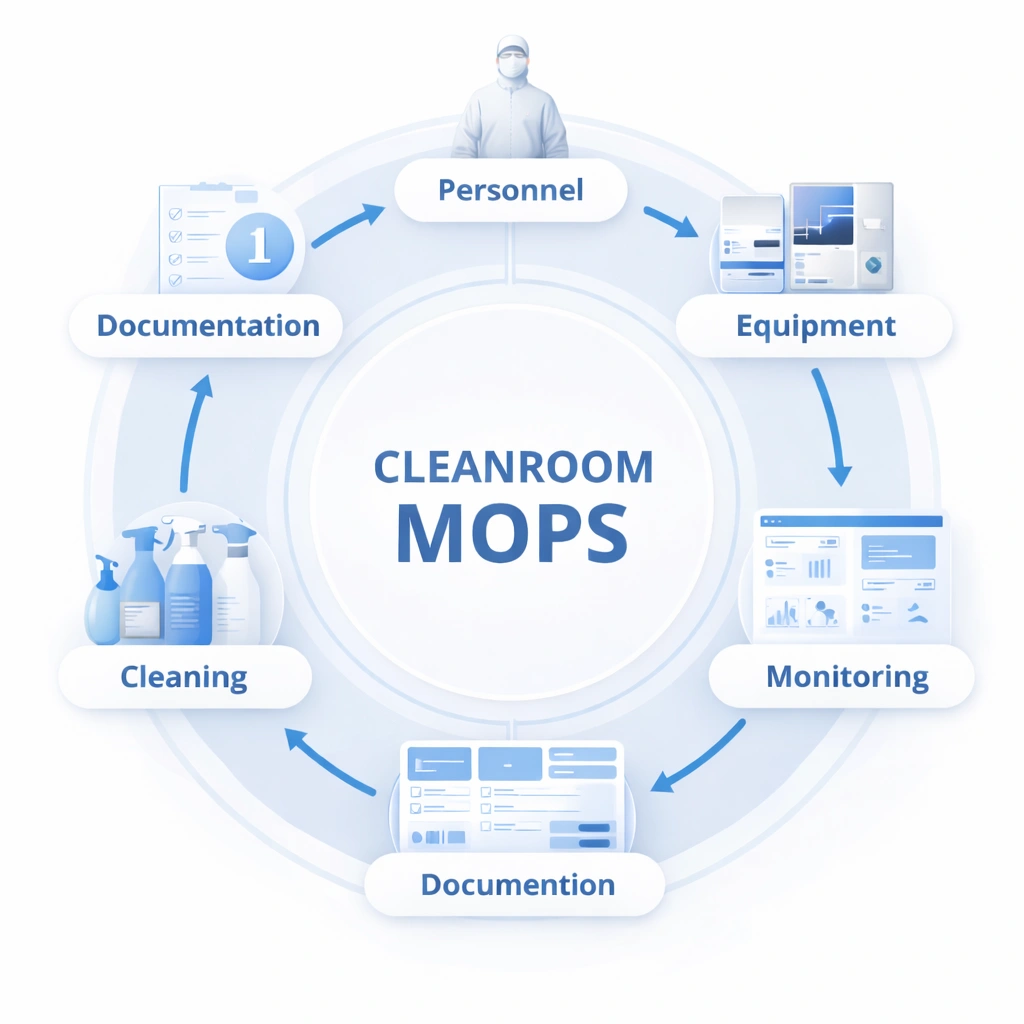
Uma forte estrutura MOPS para salas limpas ajuda as equipes farmacêuticas e de ambiente controlado a padronizar vestimentas, operações, controle de contaminação, monitoramento ambiental, tratamento de desvios e melhoria contínua.
Nas salas limpas regulamentadas, os procedimentos escritos não são apenas documentação. Eles definem como as pessoas entram, se comportam, monitoram, limpam, investigam e melhoram em espaços controlados. Quando os MOPS são incompletos, inconsistentes ou mal implementados, o resultado não é apenas ineficiência operacional. Pode afetar diretamente o controle de contaminação, a prontidão para auditoria, a eficácia do treinamento e a conformidade com as BPF.
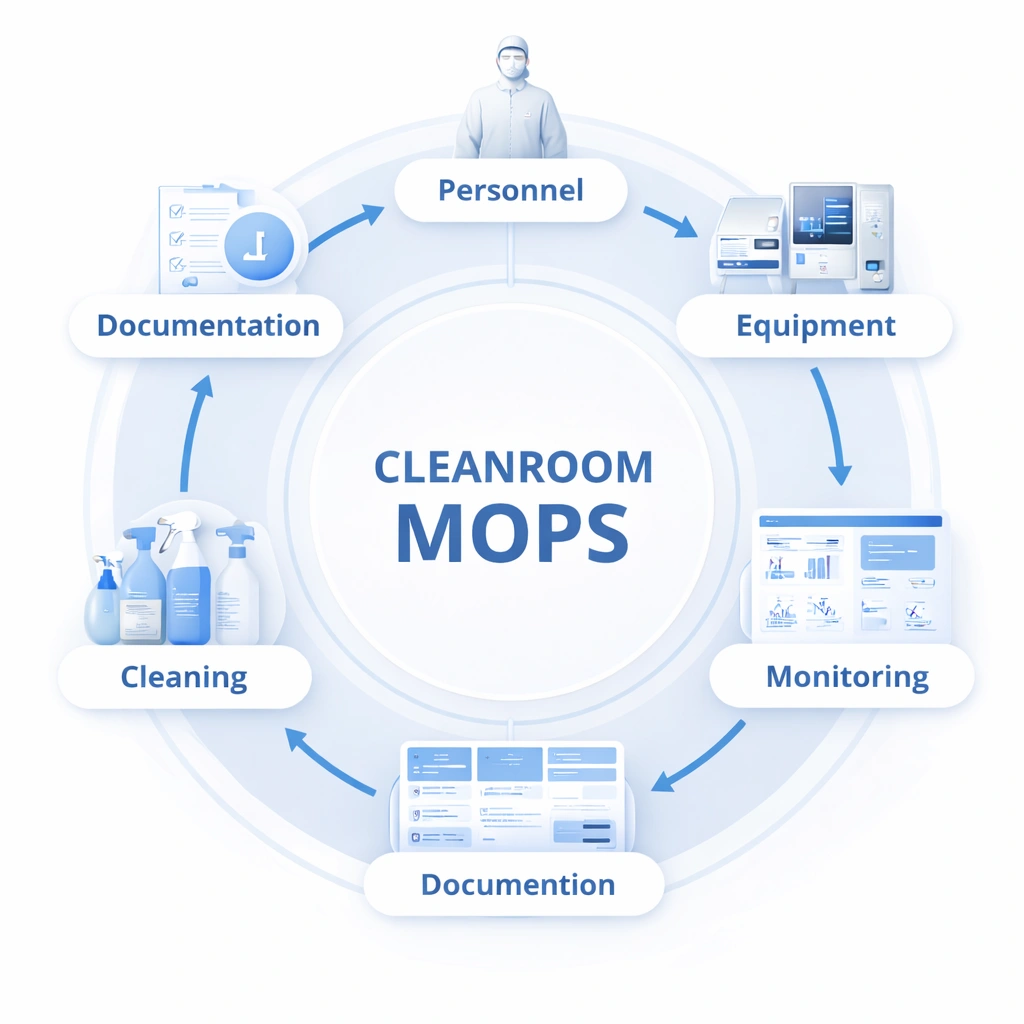
MOPS para salas limpas são procedimentos operacionais estruturados usados para controlar comportamento, fluxo de trabalho, higiene, monitoramento, resposta a desvios e documentação em ambientes de salas limpas. Em instalações farmacêuticas e outras instalações regulamentadas, um sistema MOPS eficaz apoia a conformidade com as BPF, traduzindo os requisitos de salas limpas em ações repetíveis, padrões de treinamento, registros e fluxos de trabalho corretivos.
As melhores estruturas MOPS para salas limpas abrangem não só o que deve ser feito, mas também porquê, por quem, em que condições, como os desvios são tratados e como o sistema é revisto e melhorado ao longo do tempo.
Na produção farmacêutica e em outros ambientes controlados, a sala limpa é tão confiável quanto os procedimentos que a regem. Seu rascunho original enquadra corretamente os MOPS para salas limpas como o núcleo operacional do controle diário de salas limpas, em vez de apenas um requisito de documentação. :contentReference[oaicite:1]{index=1}
Um sistema MOPS bem projetado ajuda a reduzir a variação na forma como o pessoal se move, veste, limpa, monitora, intervém e reage a eventos anormais. Ele também cria uma linguagem operacional compartilhada entre as equipes de controle de qualidade, produção, engenharia, microbiologia e treinamento.
Um sistema MOPS prático para salas limpas deve cobrir mais de uma atividade restrita. Deve conectar pessoas, processos, ambiente, registros e ações corretivas em uma estrutura operacional coerente. O conteúdo enviado aponta o comportamento do pessoal, uso de equipamentos, limpeza, desinfecção e monitoramento ambiental como os principais domínios processuais. :contentReference[oaicite:2]{index=2}
Entrada, vestimenta, higiene, restrições de movimento, comportamento de intervenção e qualificação de treinamento.
Execução de tarefas, manuseio de equipamentos, etapas de limpeza, disciplina de documentação e caminhos de escalonamento.
Monitoramento ambiental, revisão de desvios, resposta de auditoria, avaliação de tendências e acompanhamento de CAPA.
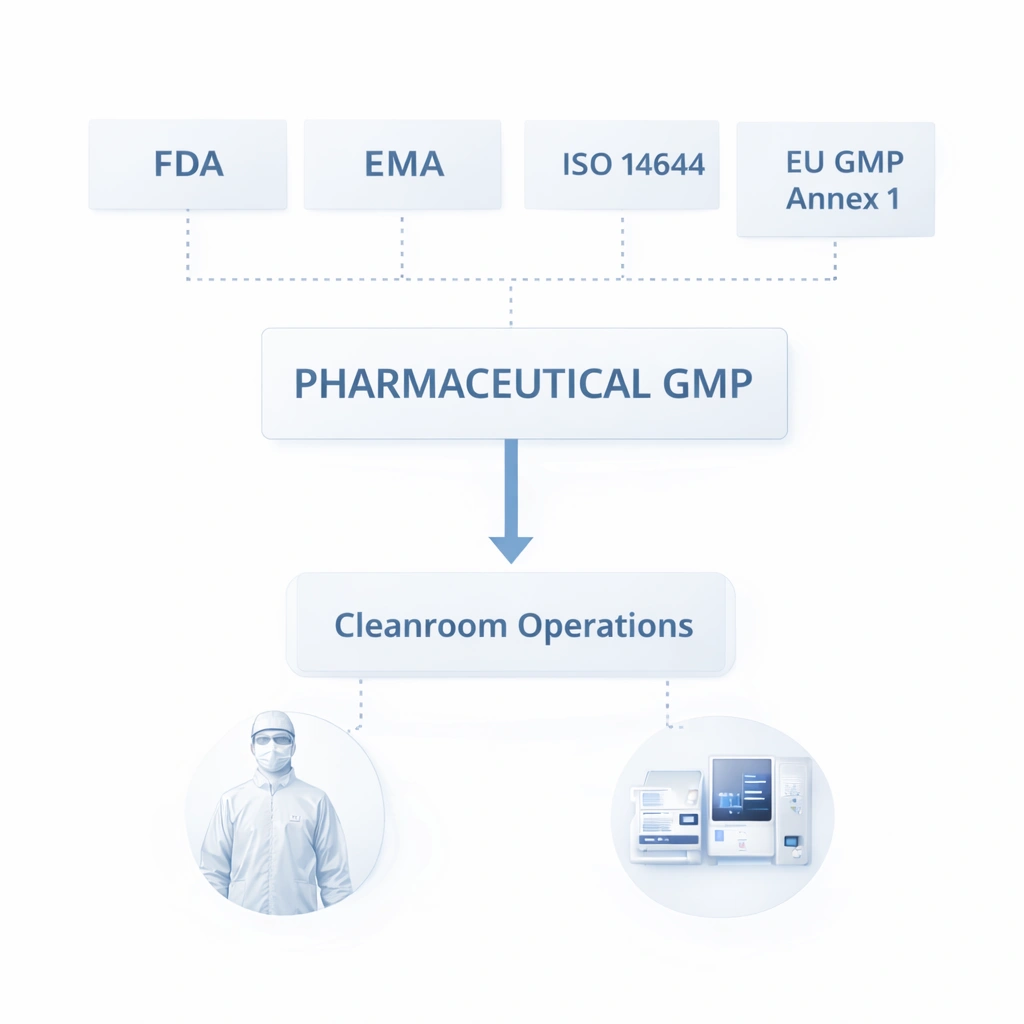
Os MOPS para salas limpas devem estar alinhados com as expectativas mais amplas de GMP, controle ambiental baseado em ISO e sistemas de qualidade específicos do local. Os órgãos reguladores não esperam apenas que existam procedimentos escritos. Eles esperam que esses procedimentos sejam apropriados, atualizados, treinados, seguidos, documentados e revisados.
| Área | Relevância dos MOPS | Por que é importante |
|---|---|---|
| Comportamento Pessoal | Define vestimenta, movimento, higiene e intervenções | Reduz a contaminação introduzida pela atividade humana |
| Limpeza e Desinfecção | Padroniza o que, quando, como e por quem | Melhora a consistência e rastreabilidade do controle de limpeza |
| Monitoramento Ambiental | Define locais de amostragem, frequência, gatilhos de ação e resposta | Suporta decisões de controle de contaminação baseadas em dados |
| Tratamento de desvios | Esclarece escalonamento, investigação e documentação | Evita confusão durante eventos anormais |
| CAPA e revisão | Vincula a investigação à melhoria processual | Suporta melhoria contínua e prontidão para auditoria |
Os procedimentos mais robustos são projetados para execução real, não apenas para aprovação. Seu rascunho original destaca os principais elementos do design, como escopo, propósito, responsabilidades, etapas operacionais, padrões de qualidade e tratamento de desvios. :contentReference[oaicite:3]{index=3}
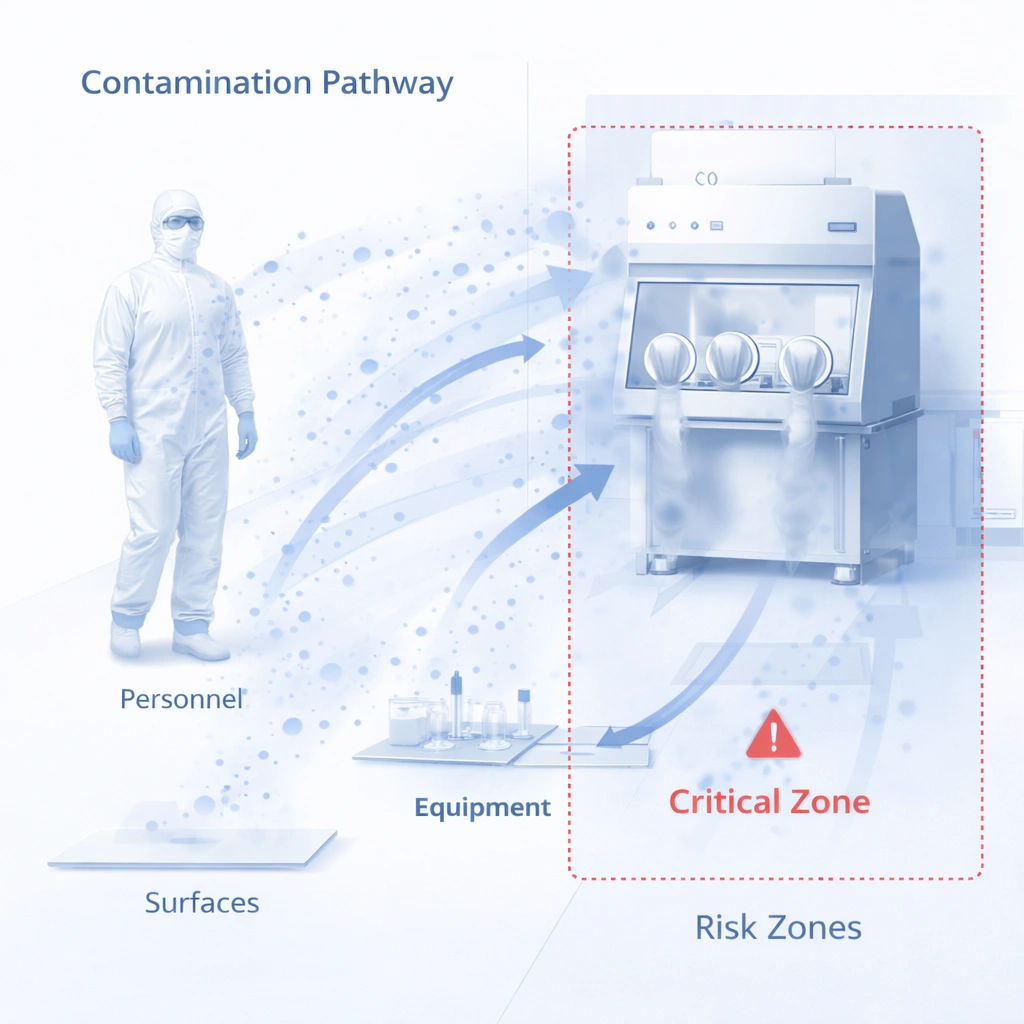
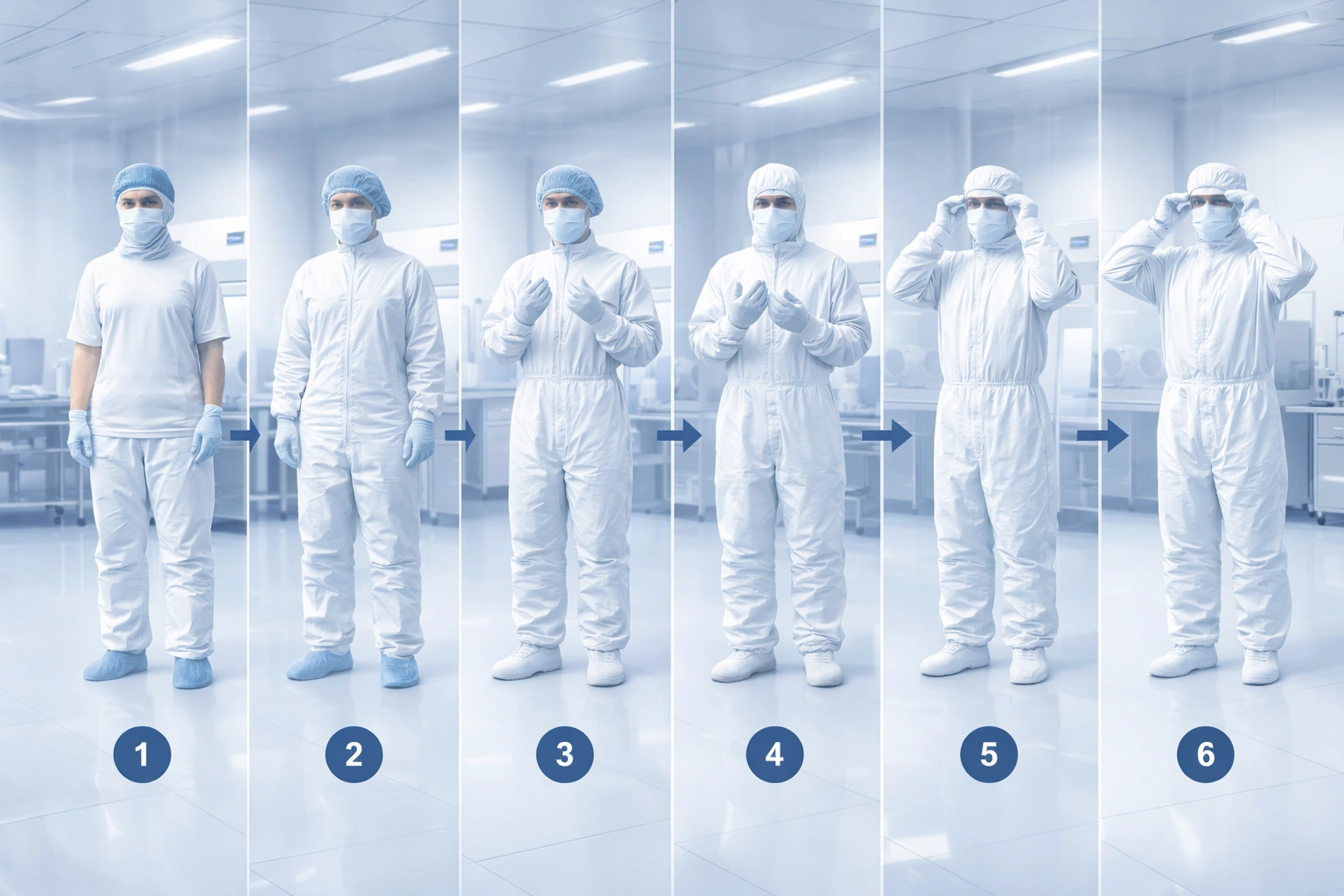
A vestimenta é um dos exemplos mais claros de por que os MOPS para salas limpas são importantes. Mesmo um design robusto das instalações não consegue compensar o comportamento inconsistente de entrada. Um MOPS forte deve definir a sequência do vestuário, as expectativas de higiene das mãos, verificações de entrada, ações proibidas e lógica de reentrada.
Os MOPS para salas limpas também devem definir como as operações de rotina são realizadas sob expectativas de controle de contaminação. Isto inclui manuseio de materiais, sequências de limpeza, comportamento em torno de zonas críticas, etapas de monitoramento, revisão de dados e limites de resposta.
O MOPS deve especificar quando e onde a monitorização é realizada, como os resultados são documentados, quem os analisa e como os eventos ao nível da ação são escalados. Isto ajuda a garantir que a monitorização seja utilizada como um controlo operacional e não apenas como um relatório de conformidade.
Procedimentos padronizados reduzem a variação entre operadores e ajudam a alinhar o comportamento da produção com limpeza, monitoramento e controle de intervenção.
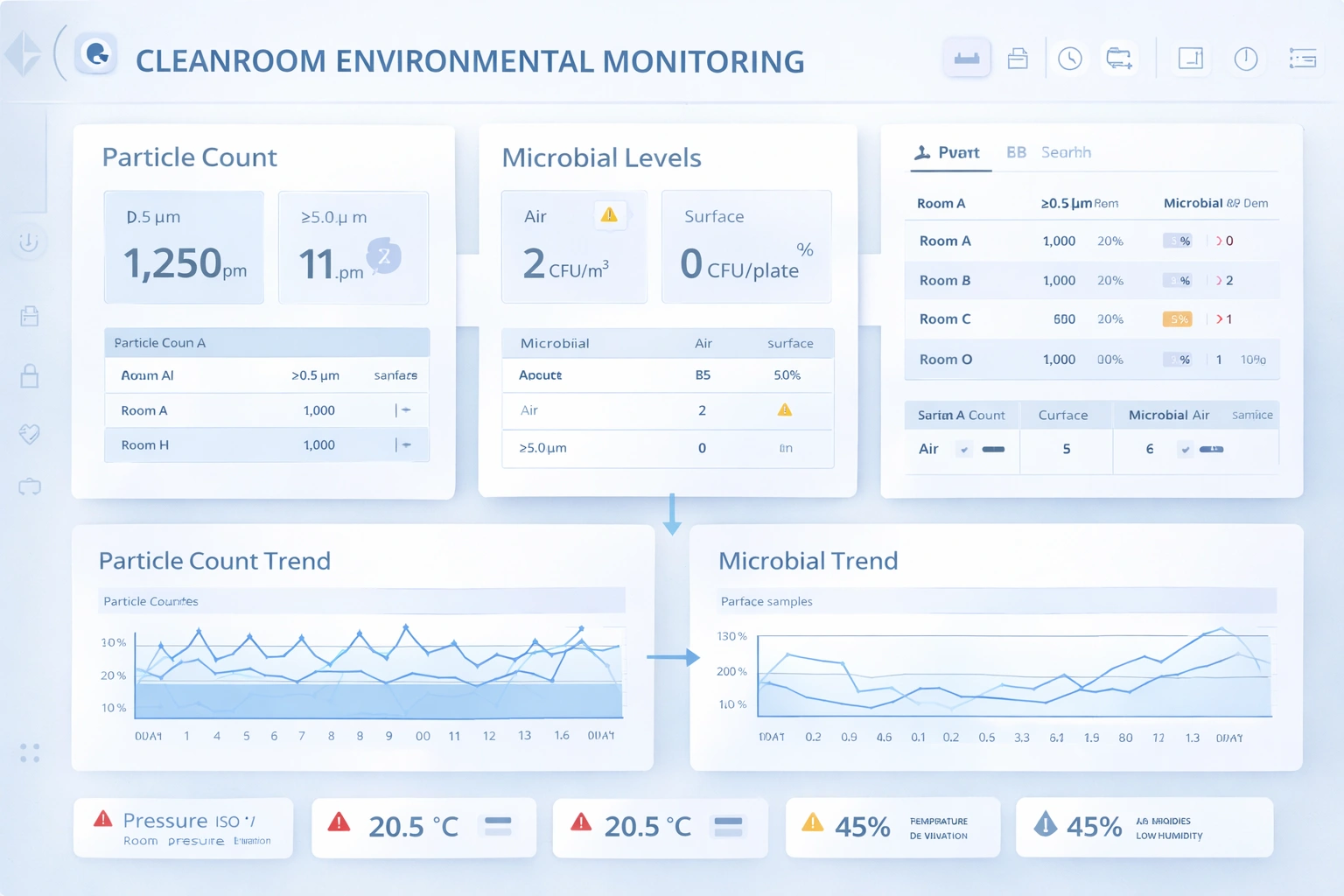
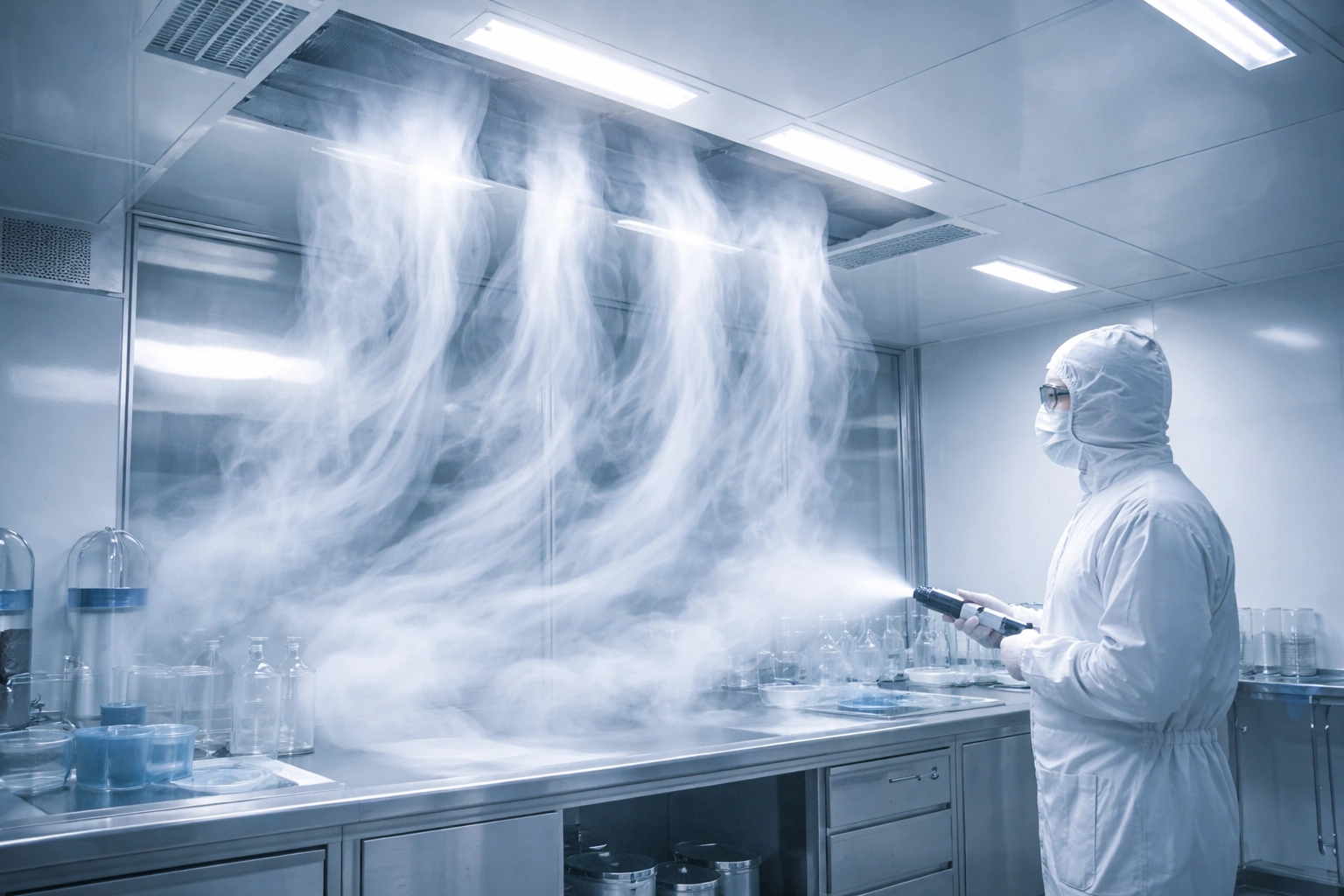
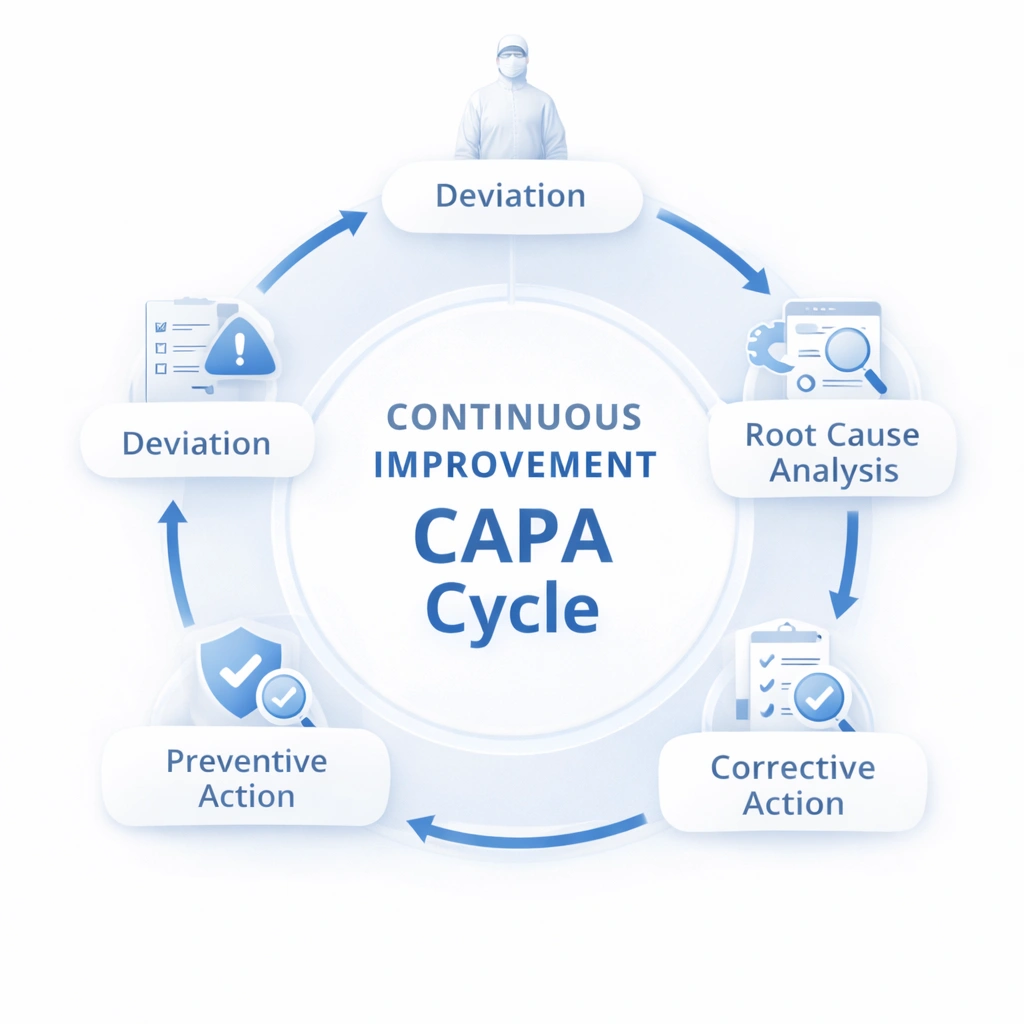
Nenhum sistema MOPS para salas limpas está completo se apenas descrever as operações normais. Deve também definir o que acontece quando as condições não são normais. Seu conteúdo original destaca corretamente o tratamento de desvios e o CAPA como elementos essenciais de sistemas eficazes de procedimentos em salas limpas. :contentReference[oaicite:4]{index=4}
Defina como o pessoal relata, classifica, contém e documenta eventos anormais que afetam o controle de salas limpas.
Vincule observações, registros, resultados de monitoramento e análise de causa raiz para determinar o que falhou e por quê.
Traduza as descobertas em ações corretivas e preventivas e, em seguida, revise os MOPS, o treinamento ou os controles conforme necessário.
Defina o escopo do procedimento, usuários, riscos, registros, pontos de escalonamento e critérios de sucesso para cada atividade de sala limpa.
Treine o pessoal tanto nas etapas processuais quanto na lógica de controle de contaminação por trás delas.
Revise as tendências, desvios, auditorias internas, resultados da CAPA e feedback dos mercados emergentes para melhorar a estrutura MOPS ao longo do tempo.
Cleanroom MOPS são procedimentos operacionais estruturados usados para controlar o comportamento do pessoal, limpeza, desinfecção, monitoramento, fluxo de trabalho, documentação e tratamento de desvios em ambientes controlados.
Eles ajudam a padronizar a forma como tarefas críticas são executadas, reduzem o risco de contaminação, melhoram a consistência do treinamento e dão suporte à documentação e à prontidão para auditoria.
Um sistema prático deve incluir procedimentos de entrada de pessoal, regras de vestimenta, etapas de limpeza e desinfecção, procedimentos de monitoramento, tratamento de desvios e revisão vinculada à CAPA.
A eficácia é normalmente avaliada por meio de qualificação de treinamento, resultados de auditoria, tendências de monitoramento ambiental, análise de desvios e desempenho de fechamento de CAPA.
A frequência da revisão depende do procedimento e do risco do local, mas os procedimentos devem ser revisados após alterações significativas no processo, descobertas de auditoria, desvios repetidos ou atualizações do sistema de qualidade.
A Midposi oferece suporte a compradores regulamentados com consumíveis para salas limpas e comunicação orientada para documentação para ambientes controlados, incluindo suporte de qualificação, revisão de materiais e discussões sobre controle de contaminação.