صاف ڪمرو Mop بمقابله باقاعده Mop: فرق ڇا آهي؟
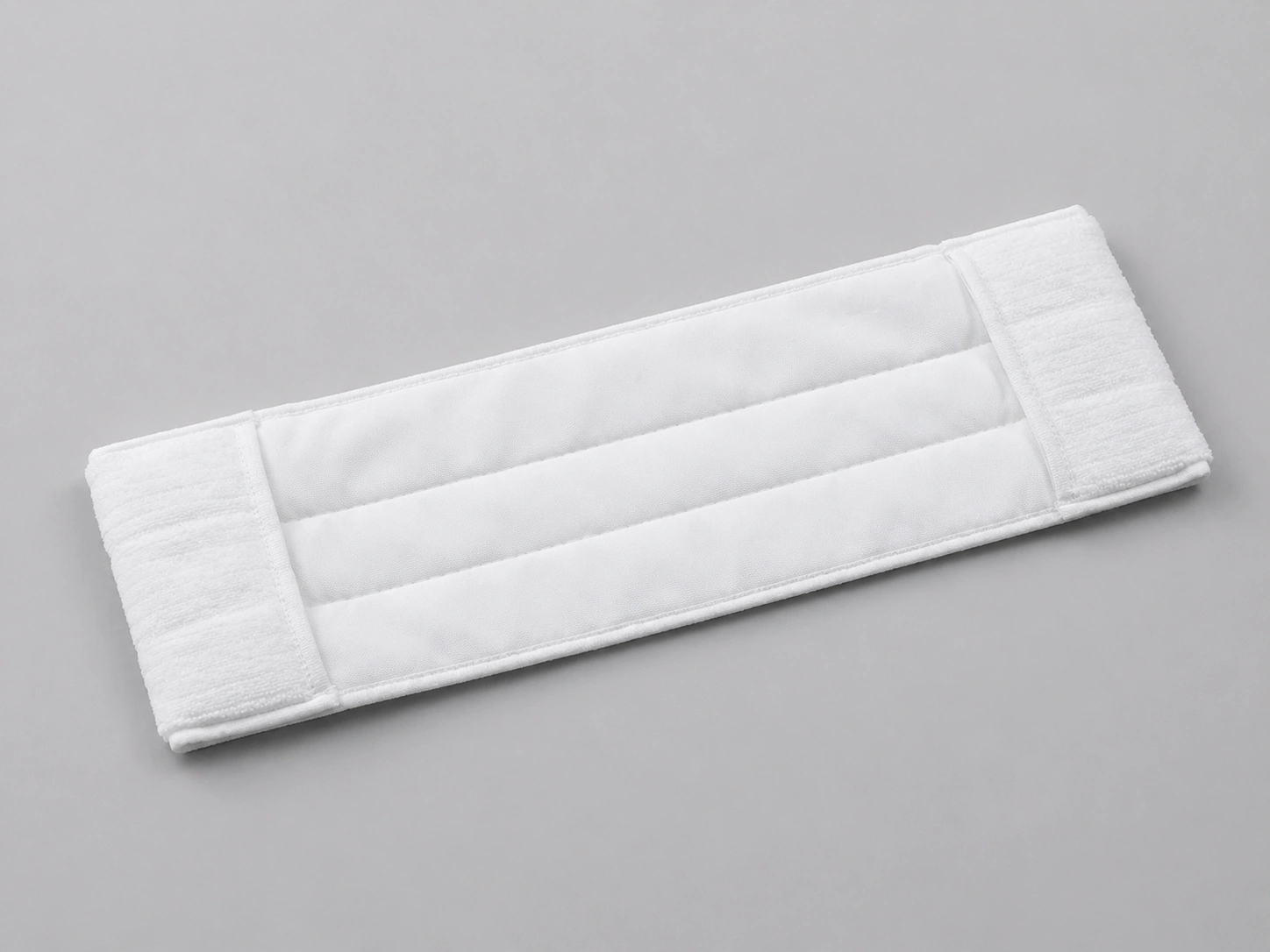
اي صاف ڪمرو ميپ is a low-lint cleaning tool selected for controlled environments, while a regular mop is made for general cleaning and may release fibers, lint, or residues. The main difference is not only appearance; it is material construction, contamination control, packaging, cleanroom suitability, and how the mop fits into SOP-based cleaning workflows.
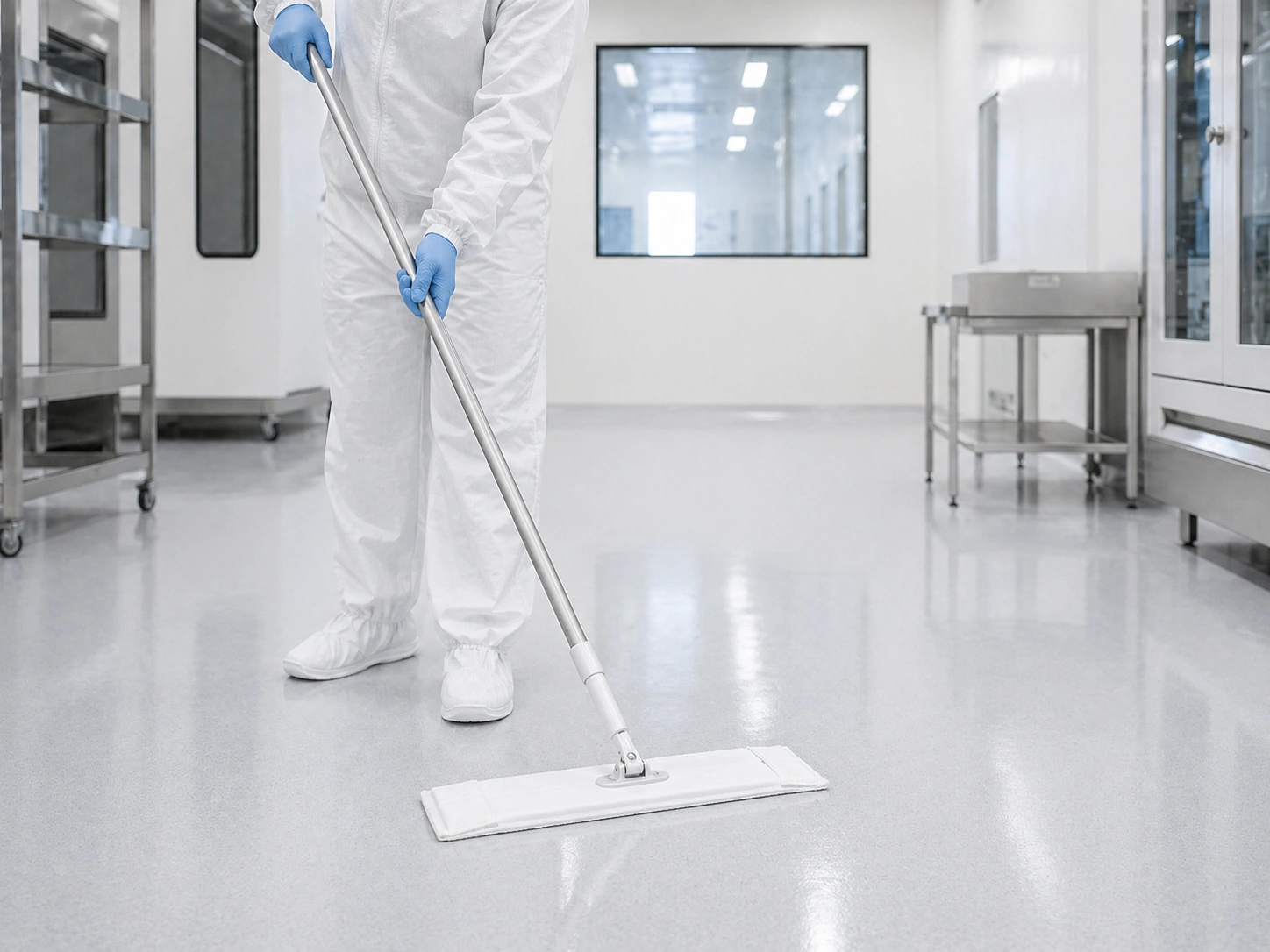
Regular mops are suitable for offices, warehouses, kitchens, and general floors. Clean room mops are selected for ISO-classified cleanrooms, GMP cleanroom workflows, pharmaceutical production, biotech facilities, semiconductor fabs, medical device manufacturing, and laboratories where particle and fiber control are important.
تڪڙو مقابلو: صاف ڪمرو Mop بمقابله باقاعده Mop
The fastest way to understand the difference is to compare where each mop is used, what materials are used, and what risks buyers need to control.
| مقابلي واري نقطي | صاف ڪمرو Mop | باقاعده ماپ |
|---|---|---|
| Primary Use | ڪنٽرول ٿيل ماحول such as ISO and GMP cleanrooms | General commercial, industrial, or household cleaning |
| مواد | Low-lint polyester, microfiber, foam, or nonwoven materials | Cotton, rayon, or general synthetic blends |
| Particle and Fiber Control | Selected to help reduce lint, fiber, and particle release | May release lint, fibers, or residues during use |
| جراثيم کان بچاء جا اختيار | May be available in sterile or non-sterile versions | Usually not supplied in sterile cleanroom packaging |
| عام ايپليڪيشنون | Pharmaceutical, biotech, semiconductor, medical device, and laboratory cleanrooms | Offices, warehouses, kitchens, public areas, and general floors |
| خريدار جي ڳڻتي | مواد، لينٽ ليول، اسٽريٽلٽي، SOP فٽ، دستاويز، ۽ نموني جاچ | قيمت، استحڪام، جذب، ۽ استعمال ۾ آسان |
هڪ صاف ڪمرو Mop ڇا آهي؟
A clean room mop is a mop designed or selected for controlled environments where particle, fiber, lint, and residue control matter. It is usually made from low-lint materials and used with defined cleaning procedures.
Clean room mops may be used in ISO-classified cleanrooms, GMP cleanroom cleaning workflows, pharmaceutical production areas, biotechnology facilities, semiconductor fabs, medical device manufacturing environments, laboratories, and cleanroom service operations.
گھٽ-لنٽي مواد
صاف ڪمرا موپس چونڊيا ويندا آهن ته جيئن ڪنٽرول ٿيل صفائي دوران لنٽ ۽ فائبر ڇڏڻ کي گهٽائڻ ۾ مدد ملي.
ڪنٽرول ٿيل پيڪنگنگ
ڪجھ اختيارات sterile يا cleanroom-compatible packing ۾ موجود آھن سهولت جي ضرورتن جي بنياد تي.
SOP جي بنياد تي استعمال
صاف ڪمرا موپس عام طور تي اندروني صفائي جي SOPs ۽ معيار جي گهرجن مطابق استعمال ڪيا ويندا آهن.
هڪ باقاعده Mop ڇا آهي؟
A regular mop is designed for general cleaning in offices, homes, warehouses, kitchens, public spaces, and industrial floors. It is usually selected for absorbency, price, durability, and ease of use rather than cleanroom contamination control.
Regular mops often use cotton, rayon, sponge, or general synthetic materials. These materials may work well for ordinary floor cleaning, but they may not be appropriate for cleanrooms where lint, fibers, residues, and uncontrolled moisture can create quality concerns.
صاف رومن ۾ باقاعده موپس ڇو استعمال نه ٿيڻ گهرجن
Regular mops may not be suitable for cleanrooms because they can introduce fibers, lint, residues, and inconsistent liquid control into sensitive environments.
In cleanrooms, the cleaning tool itself becomes part of the contamination control strategy. A mop that is acceptable for general cleaning may create unnecessary risk in pharmaceutical, biotech, semiconductor, or medical device environments.
- Regular mop fibers may shed during use.
- General mop materials may leave lint or residues.
- Standard packaging may not support cleanroom storage needs.
- Regular mops are usually not supplied in sterile cleanroom packaging.
- They may not fit SOP-based cleaning and documentation expectations.
Key Differences Between Clean Room Mops and Regular Mops
The difference between a clean room mop and a regular mop is mainly about risk control. Buyers should compare material, lint release, absorbency, packaging, sterility, cleaning surface, and compatibility with facility procedures.
صاف ڪمرو Mop
- Selected for low-lint cleaning performance.
- May be available in sterile or non-sterile versions.
- Used in ISO, GMP, pharmaceutical, biotech, and semiconductor environments.
- Can support SOP-based floor, wall, and ceiling cleaning.
- Usually evaluated with product specifications and sample testing.
باقاعده ماپ
- Designed for general cleaning rather than cleanroom control.
- May release lint, fibers, or residues during use.
- Usually not supplied in sterile cleanroom packaging.
- Suitable for offices, warehouses, kitchens, and general floor cleaning.
- عام طور تي قيمت، جذب، ۽ استحڪام طرفان چونڊيو ويو آهي.
صاف ڪمرو Mop مواد بمقابله باقاعده Mop مواد
Clean room mop materials are usually selected to support low-lint controlled cleaning, while regular mop materials are selected for general absorbency and durability.
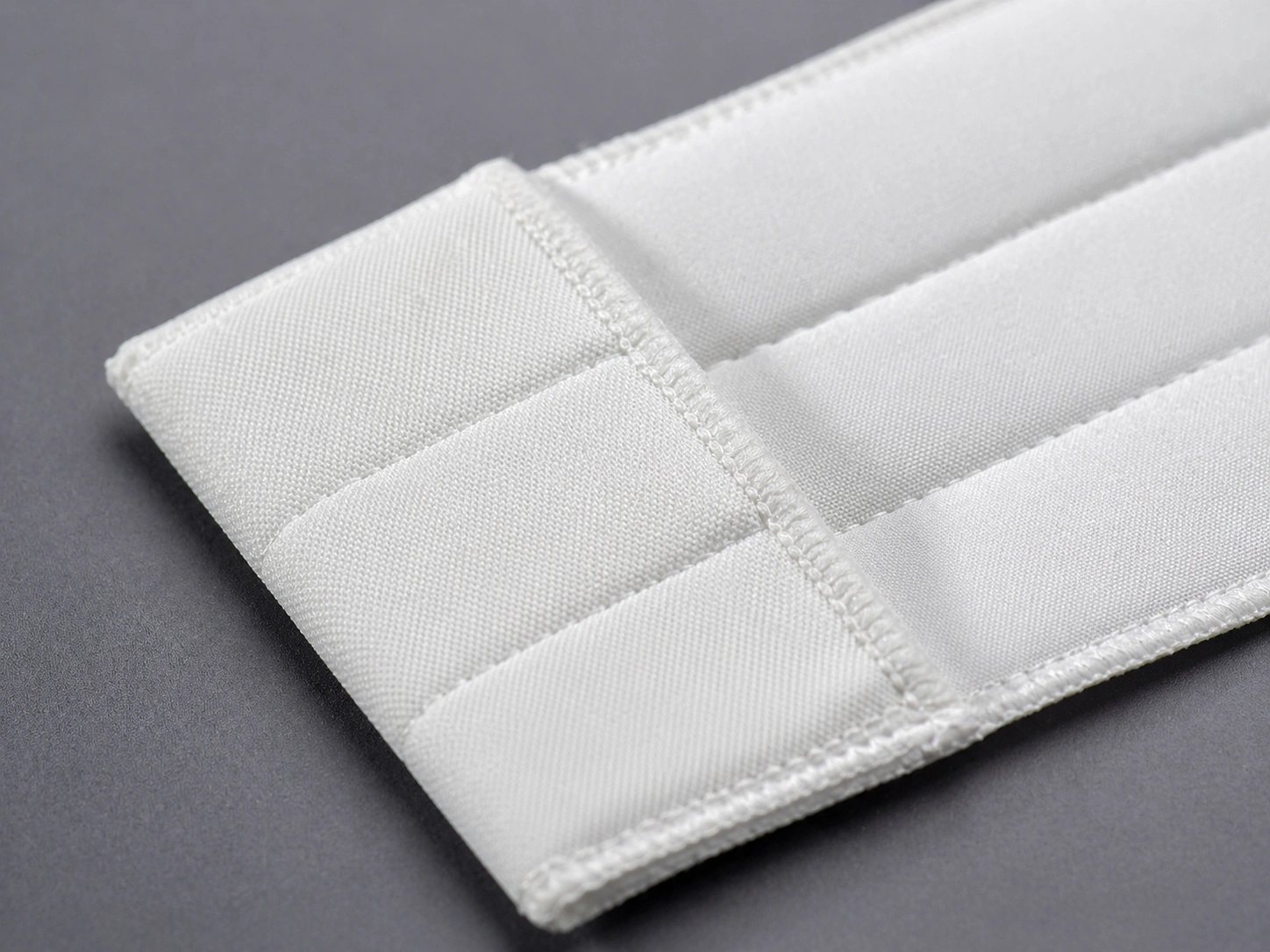
Common clean room mop materials include polyester, microfiber, foam, and nonwoven structures. Polyester is commonly selected for stable low-lint wiping. Microfiber may be selected for surface contact and particle pickup. Nonwoven options may support disposable cleaning workflows.
Regular mops often use cotton, sponge, rayon, or general synthetic yarns. These may be suitable for general cleaning, but they are not always appropriate for particle-sensitive cleanroom environments.
Do Clean Room Mops Need to Be Sterile?
Clean room mops do not always need to be sterile. Sterility depends on the cleanroom zone, facility SOP, contamination control strategy, and quality requirements.
Use Sterile Options When
- The facility SOP requires sterile presentation.
- The mop is used in stricter contamination control workflows.
- QA or validation teams require sterility information.
- The area requires gamma-irradiated mop pads or sterile packaging.
Use Non-Sterile Options When
- The SOP allows non-sterile mop pads.
- ائپليڪيشن معمول تي ڪنٽرول ٿيل علائقي جي صفائي آهي.
- The area does not require sterile presentation.
- The buyer needs cost-efficient replacement for routine cleaning.
When Should Buyers Use Clean Room Mops Instead of Regular Mops?
Buyers should use clean room mops when the cleaning area requires particle control, low-lint materials, controlled packaging, sterile or non-sterile selection, and SOP-based cleaning.
Pharmaceutical Cleanrooms
Use clean room mops where GMP cleaning workflows, sterile-area support, or controlled cleaning procedures are required.
Semiconductor Fabs
Use low-lint cleanroom mop materials in particle-sensitive environments and controlled support areas.
ميڊيڪل ڊوائيس جي پيداوار
Use clean room mops where fiber and particle control are important during production, assembly, or packaging.
For application-specific pages, see دواسازي صاف ڪرڻ وارو ڪمرو, biotech cleanroom mop، ۽ semiconductor cleanroom mop.
How Should B2B Buyers Choose a Clean Room Mop?
B2B buyers should choose a clean room mop by matching the mop material, sterility level, cleaning surface, and packaging format to the facility’s SOP and cleanroom environment.
| Buyer Question | ڇو اهو معاملو آهي | تجويز ڪيل عمل |
|---|---|---|
| Is the mop low-lint? | Helps reduce fiber or lint transfer during cleaning | Review material and request samples |
| Is sterile packaging required? | Sterile presentation may be needed in specific cleanroom zones | Confirm with SOP and QA team |
| What surface will be cleaned? | Floors, walls, ceilings, and equipment may need different mop formats | Check mop head and frame compatibility |
| ڪهڙا جراثيم ڪش استعمال ڪيا ويندا؟ | Material compatibility affects durability and cleaning performance | Request product information or test samples |
| Disposable or reusable? | Affects replacement workflow, laundering, validation, and cost | Compare total workflow cost, not only unit price |
MIDPOSI Clean Room Mop Options
MIDPOSI provides cleanroom mop pads and related cleanroom mop system options for controlled environments, including pharmaceutical, biotech, semiconductor, medical device, laboratory, and cleanroom service applications.
جي MIDPOSI وائٹ صاف روم موپ سيريز includes 40g, 55g, and 65g disposable mop pad options in sterile and non-sterile versions. These options help B2B buyers select mop pads according to cleaning workload, sterility requirement, packaging needs, and sample evaluation.
| اختيار | لاء بهترين | خريدار غور |
|---|---|---|
| 40g Light Mop | Lightweight routine cleaning | Easier handling and cost-efficient disposable use |
| 55g Medium Mop | Balanced cleanroom cleaning performance | Middle option between light and heavy-duty use |
| 65g Heavy-Duty Mop | Higher absorbency and stronger wiping coverage | وڌيڪ گهربل ڪنٽرول صفائي جا ڪم |
| جراثيم کان پاڪ نسخو | ڪم جي وهڪري کي جراثيم کان پاڪ پيش ڪرڻ جي ضرورت آهي | تصديق ڪريو SOP، پيڪنگنگ، ۽ sterility جي ضرورتن |
| غير جراثيم وارو نسخو | معمولي ڪنٽرول ٿيل علائقي جي صفائي | مفيد جتي SOP غير جراثيم واري ايم پي پي جي اجازت ڏئي ٿي |
FAQ: صاف ڪمرو Mop بمقابله باقاعده Mop
صاف ڪمرو ايمپ ۽ باقاعده ايمپ جي وچ ۾ بنيادي فرق ڇا آهي؟
A clean room mop is selected for low-lint controlled cleaning in ISO, GMP, pharmaceutical, biotech, semiconductor, or laboratory environments. A regular mop is designed for general cleaning and may release lint, fibers, or residues.
ڇا صاف رومن ۾ باقاعده موپس استعمال ڪري سگھجن ٿيون؟
Regular mops are generally not recommended for cleanrooms because they may introduce fibers, lint, residues, or uncontrolled moisture. Cleanroom mop selection should follow the facility’s SOP and quality requirements.
Why do regular mops create contamination risks?
Regular mops may use materials that shed fibers or leave residues. Their packaging and construction are usually designed for general cleaning, not controlled cleanroom environments.
What materials are used in clean room mops?
Common clean room mop materials include polyester, microfiber, foam, and nonwoven materials. Buyers should compare lint level, absorbency, chemical compatibility, sterile availability, and disposable or reusable format.
Do clean room mops need to be sterile?
Not always. Sterile mop pads may be required in specific cleanroom zones or workflows, while non-sterile cleanroom mops may be suitable for routine controlled-area cleaning where the SOP allows.
How should B2B buyers choose clean room mops?
Buyers should compare mop material, lint level, sterility requirement, cleaning surface, disinfectant compatibility, packaging, sample availability, MOQ, and lead time.
Need Clean Room Mops for Your Facility or Distribution Business?
Contact MIDPOSI to discuss cleanroom mop pads, sterile or non-sterile options, mop bucket and wringer systems, and sample availability for your market.