Cleanroom Mops ڇا آهن؟ مواد، ايپليڪيشنون ۽ B2B خريد ڪندڙ گائيڊ
Cleanroom mops are low-lint cleaning tools designed for controlled environments where ordinary mops may release particles, fibers, or residues. They are commonly used in pharmaceutical, biotechnology, semiconductor, medical device, laboratory, and ISO/GMP cleanroom cleaning workflows. This guide explains cleanroom mop materials, sterile and non-sterile options, common applications, and key selection factors for B2B buyers.
Cleanroom mops differ from regular mops because they are selected for low-lint materials, cleanroom-compatible construction, sterile or non-sterile packaging options, and use in SOP-based cleaning workflows.
Cleanroom Mops ڇا آهن؟
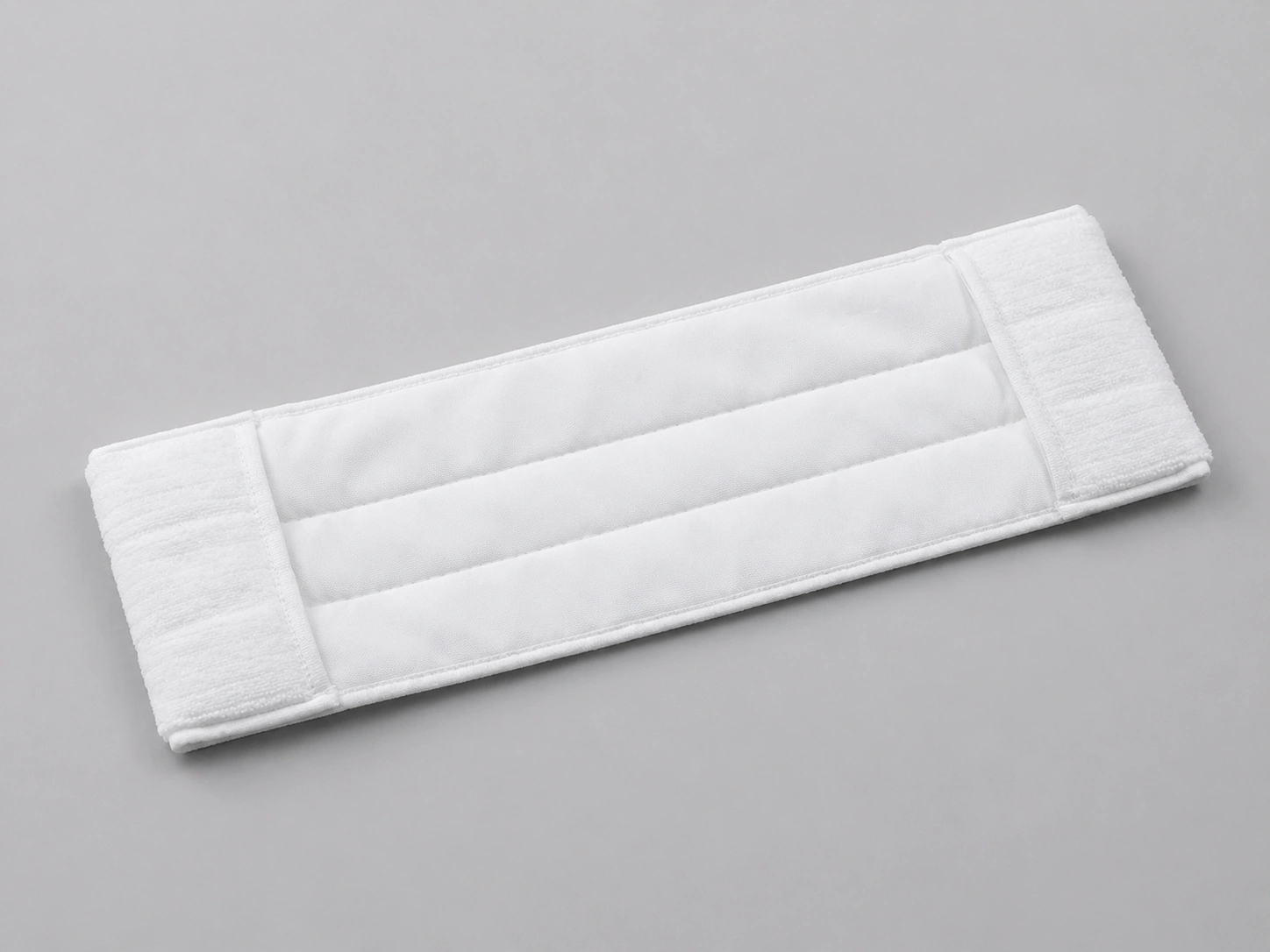
Cleanroom mops are specialized mops designed for controlled environments where ordinary commercial mops may release particles, fibers, lint, or residues. They are usually made from low-lint or cleanroom-compatible materials and are selected according to cleanroom classification, cleaning surface, disinfectant use, and required sterility level.
In pharmaceutical, biotech, semiconductor, medical device, and laboratory environments, cleanroom mops are used as part of a broader contamination control program. Their role is not only to remove visible dirt, but also to support controlled cleaning workflows and reduce the risk of introducing unwanted contamination.
| خاضري گهر | صاف ڪمرو موپس | Regular Mops |
|---|---|---|
| مواد | Low-lint polyester, microfiber, foam, or nonwoven materials | Cotton or general synthetic fibers |
| Use Environment | ISO, GMP, pharmaceutical, biotech, semiconductor, medical device, laboratory cleanrooms | General commercial or household cleaning |
| آلودگي ڪنٽرول | Selected to help reduce particle and fiber release | May release fibers, lint, or residues |
| پيڪنگنگ | May be sterile, non-sterile, or cleanroom-compatible | Standard packaging |
| Buying Criteria | Cleanroom grade, sterility, material, absorbency, SOP, documentation | Price, size, general durability |
Cleanroom Mop Materials: What Buyers Should Compare
Cleanroom mop materials should be compared based on lint level, particle generation, absorbency, chemical compatibility, durability, sterile availability, disposable use, and cost per cleaning workflow.
پالئیےسٹر صاف روم موپس
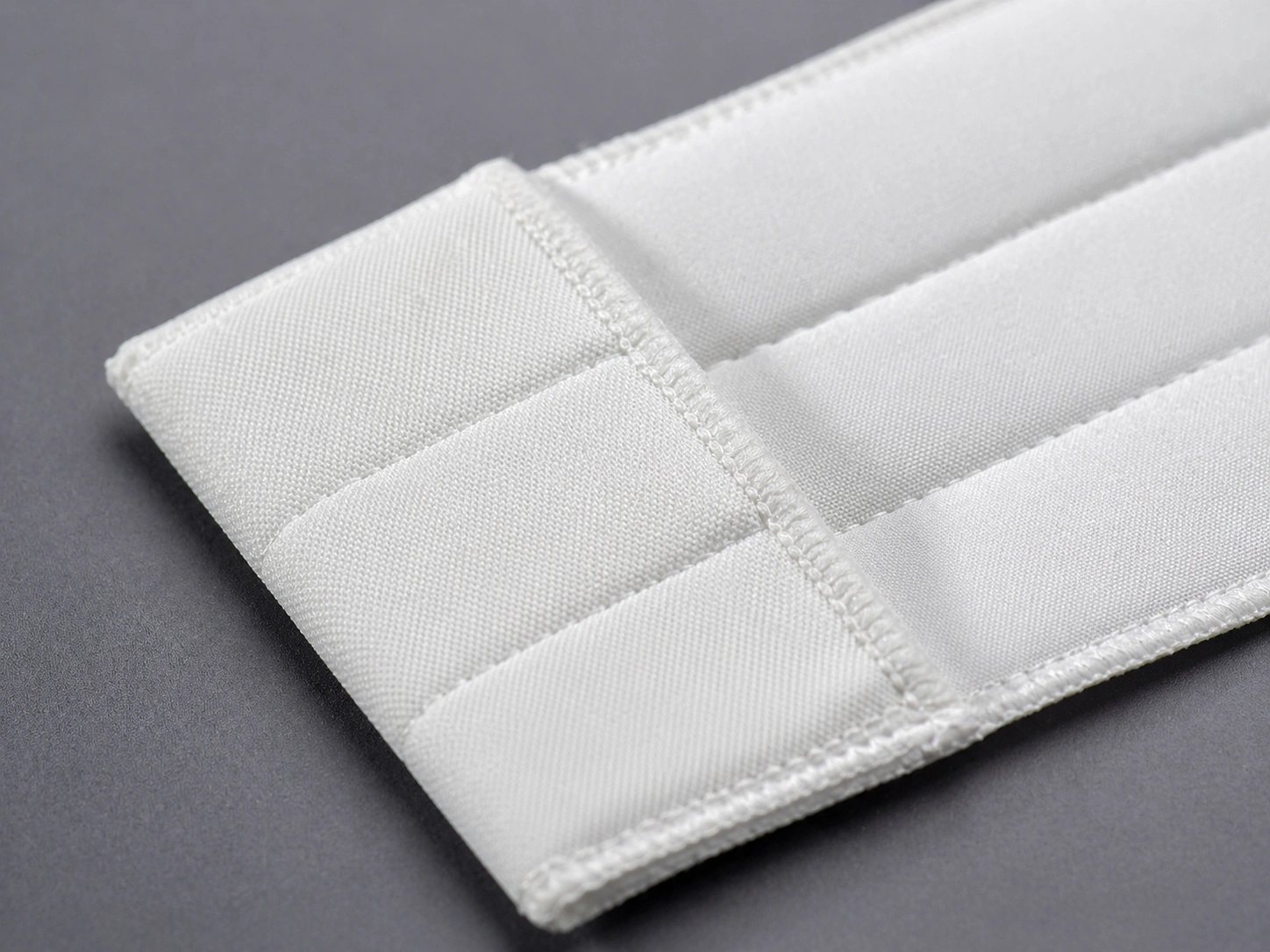
Polyester is commonly used in cleanroom cleaning products because it can provide low-lint performance, chemical compatibility, and stable wiping performance. MIDPOSI White Cleanroom Mop Series uses polyester knit fabric structures.
مائڪرو فائيبر صاف روم موپس
Microfiber can provide strong surface contact and particle pickup. It is often selected for controlled cleaning where fine wiping performance is required. Learn more about microfiber cleanroom mop options.
Nonwoven and Foam Mop Heads
Nonwoven and foam mop heads may be selected for disposable cleaning, liquid application, or specific surface wiping workflows, depending on facility SOPs and cleaning procedures.
Cleanroom Mop Material Comparison
The right mop material depends on the cleaning task, surface type, required sterility level, disinfectant compatibility, and whether the facility prefers disposable or reusable workflows.
| مواد | Typical Strength | عام استعمال | خريدار غور |
|---|---|---|---|
| پاليسٽر | Low-lint performance, stable wiping, chemical compatibility | Pharmaceutical, biotech, medical device, and ISO cleanroom cleaning | Check weight, layer structure, sterile option, and packaging |
| مائڪرو فائبر | Fine surface contact and particle pickup | Controlled surface cleaning and precision cleaning workflows | Confirm disinfectant compatibility and lint performance |
| اڻ ڄاتل | Disposable use and simple replacement | Single-use cleaning workflows and controlled-area replacement programs | Review cost per use, packaging, and supply stability |
| فوم | Controlled liquid application and smooth surface contact | Surface wiping or specific liquid application tasks | Check absorbency, chemical compatibility, and application fit |
Common Applications of Cleanroom Mops
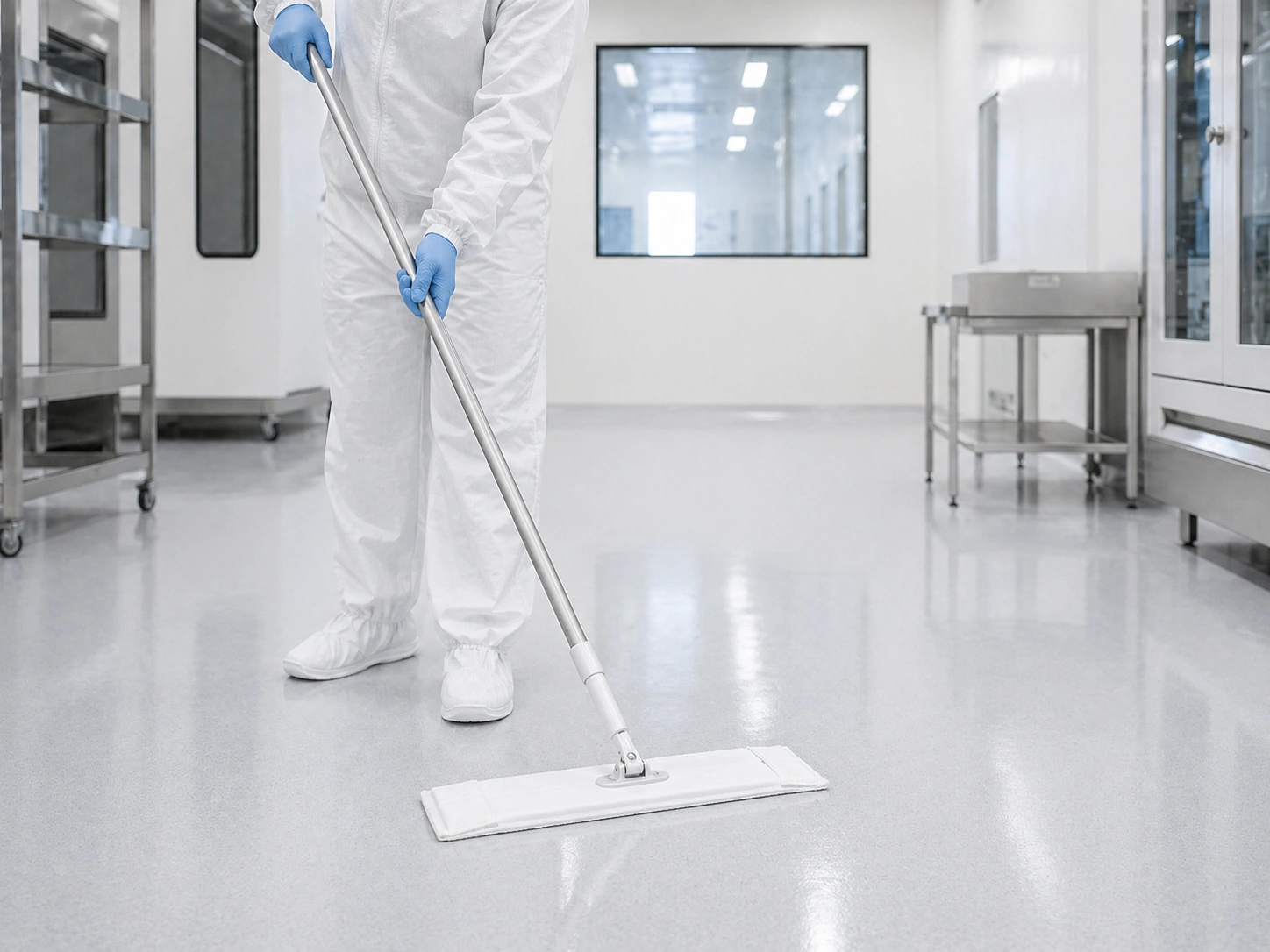
Cleanroom mops are used in controlled environments where standard cleaning tools may not meet the facility’s particle, fiber, sterility, or documentation requirements.
- Pharmaceutical cleanrooms: Used in GMP-controlled production areas, support rooms, and sterile-area workflows.
- Biotechnology production areas: Used for controlled surface cleaning in production, research, and support zones.
- Medical device manufacturing: Used where fiber and particle control are important during assembly or packaging.
- Semiconductor fabs: Used in particle-sensitive environments and support spaces.
- Laboratories: Used in controlled testing areas and regulated research environments.
- Cleanroom service companies: Used by cleaning teams that need consistent mop heads, handles, frames, buckets, and wringers.
Cleanroom Mops by Industry
Different industries evaluate cleanroom mops from different angles. Pharmaceutical buyers may focus on sterile presentation and documentation, while semiconductor buyers may focus more on particle and fiber control. Medical device and laboratory buyers often compare handling, replacement workflow, and material compatibility.
دواسازي
For GMP-controlled areas, buyers usually compare sterility, packaging, documentation, and mop material.
View pharmaceutical cleanroom mop guide
بايوٽيڪ
Biotech environments often require low-lint cleaning tools for production, support areas, and controlled research spaces.
View biotech cleanroom mop guide
سيمي ڪنڊيڪٽر
Semiconductor cleanrooms often focus on particles, fiber release, wiping performance, and material compatibility.
View semiconductor cleanroom mop guide
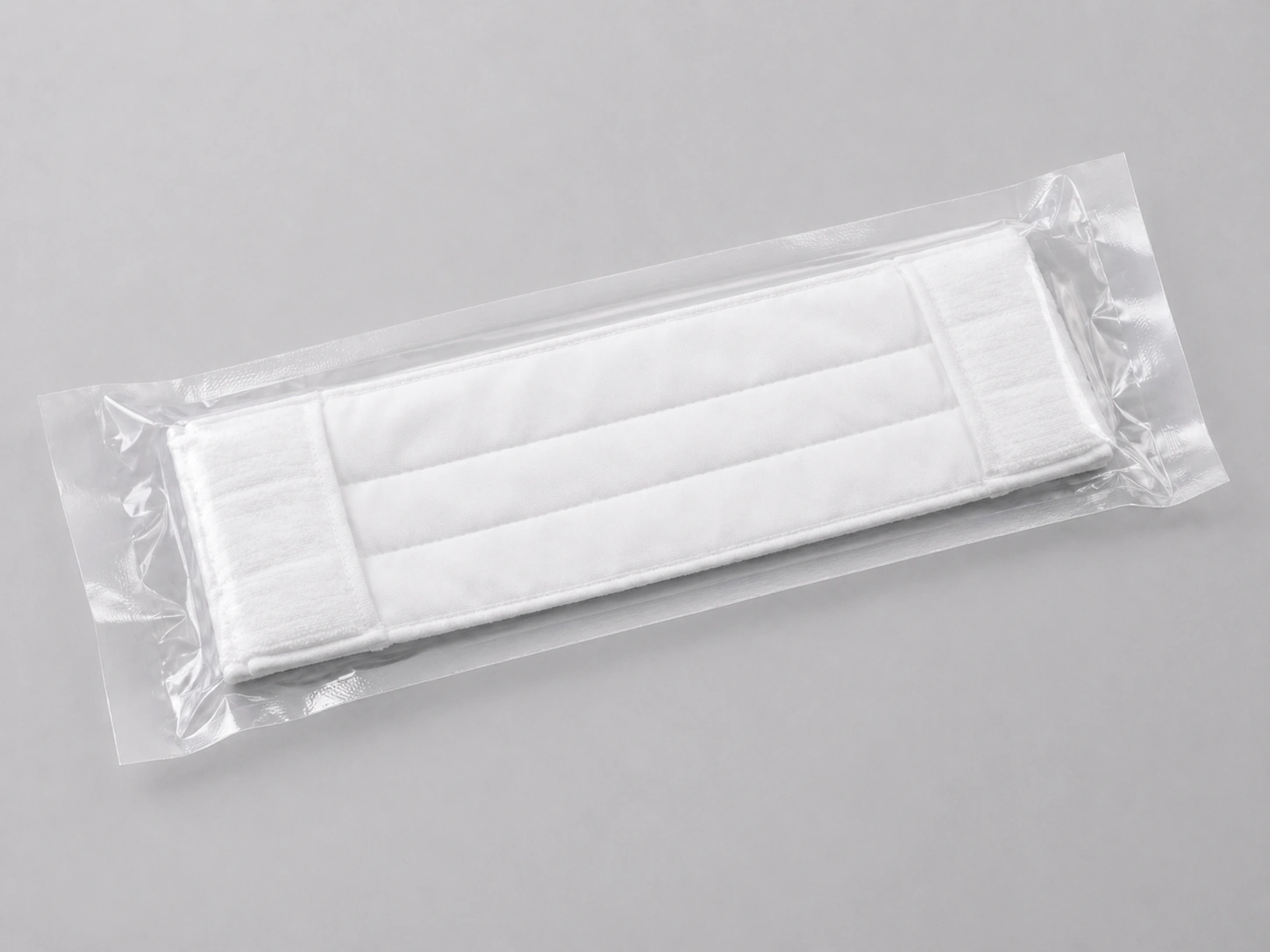
Sterile vs Non-Sterile Cleanroom Mops
Sterile and non-sterile cleanroom mops are selected according to the cleanroom zone, SOP, contamination control strategy, and quality requirements.
Sterile Cleanroom Mops
- May be selected when SOP requires sterile presentation.
- Commonly used in stricter contamination control workflows.
- May require sterility information for QA review.
- Useful for pharmaceutical and aseptic support areas where required.
Non-Sterile Cleanroom Mops
- May be suitable for routine controlled-area cleaning.
- Useful where SOP does not require sterile presentation.
- Can support cost-efficient disposable mop replacement.
- Often selected for ISO-controlled or general cleanroom support areas.
For sterile options, see MIDPOSI’s sterile cleanroom mop صفحو.
ڊسپوزيبل بمقابله ٻيهر استعمال لائق صاف روم موپس
Disposable and reusable cleanroom mops each have advantages. The right choice depends on cleaning frequency, contamination control requirements, laundering capability, storage, waste management, and total cost of ownership.
ڊسپوزيبل صاف روم موپس
Disposable cleanroom mops are often selected when facilities want to reduce laundering, simplify replacement, and avoid reusing mop heads across different areas.
- Convenient replacement
- Reduced laundering requirements
- Useful for multi-area cleaning
- Simpler inventory control
- Suitable for single-use workflows
Explore disposable cleanroom mop options.
ٻيهر استعمال لائق صاف روم موپس
Reusable cleanroom mops may be suitable when facilities have validated laundering, drying, inspection, and storage procedures.
- Potentially lower long-term cost per use
- Durable materials
- Suitable for repeated cleaning programs
- Requires laundering and inspection control
- Needs stronger process documentation
How Cleanroom Mops Fit into a Complete Mop System
A cleanroom mop head or mop pad usually works together with a compatible frame, handle, bucket, wringer, and sometimes a trolley. However, this article focuses on the mop itself: material, absorbency, sterility, packaging, and application fit.
For a complete explanation of how mop heads, frames, handles, buckets, and wringers work together, read: ڪلين روم موپنگ سسٽم ڇا آهي ۽ اهو ڪيئن ڪم ڪندو آهي؟
How to Choose the Right Cleanroom Mop Head
B2B buyers should choose cleanroom mop heads according to cleanroom classification, cleaning surface, sterility requirement, mop material, absorbency, disinfectant compatibility, documentation needs, MOQ, lead time, and sample availability.
MIDPOSI وائٹ صاف روم موپ سيريز
MIDPOSI White Cleanroom Mop Series includes 40g, 55g, and 65g disposable mop pad options in sterile and non-sterile versions. The series is designed for controlled cleaning workflows where buyers need clear options by weight, sterility, and cleaning workload.
| Product Option | لاء بهترين | Typical Buyer Need |
|---|---|---|
| 40g Light Mop | Lightweight routine cleaning | Easier handling and cost-efficient disposable use |
| 55g Medium Mop | Balanced cleaning performance | A middle option between light and heavy-duty cleaning |
| 65g Heavy-Duty Mop | Higher absorbency and stronger wiping coverage | وڌيڪ گهربل ڪنٽرول صفائي جا ڪم |
| جراثيم کان پاڪ نسخو | Workflows requiring gamma-irradiated mop pads | Sterile presentation and sterile packaging |
| غير جراثيم وارو نسخو | معمولي ڪنٽرول ٿيل علائقي جي صفائي | Cost-efficient replacement where SOP allows |
View the full MIDPOSI وائٹ صاف روم موپ سيريز for product options, sterile and non-sterile versions, and B2B sample support.
Cleanroom Mop Selection Table
The table below helps B2B buyers match cleanroom mop materials with application areas and common purchasing concerns.
| ايپليڪيشن ايريا | Recommended Mop Focus | Sterility Need | عام خريدار جي ڳڻتي |
|---|---|---|---|
| دواسازي صاف ڪرڻ وارا ڪمرا | Polyester disposable mop pad | Depends on zone and SOP | Sterility, packaging, documentation |
| Biotechnology production | Low-lint disposable or reusable mop | Depends on process | Disinfectant compatibility and supply stability |
| ميڊيڪل ڊوائيس جي پيداوار | Low-lint disposable cleanroom mop | Depends on process risk | Cross-area use and replacement workflow |
| Semiconductor fabs | Low-lint polyester or microfiber mop | Usually SOP-dependent | Fiber release and material suitability |
| ليبارٽريون | Polyester, microfiber, or foam mop | Usually procedure-dependent | Cost, availability, and sample testing |
| Cleanroom service companies | Stable mop pad supply with system compatibility | Client-dependent | MOQ, product range, and replacement consistency |
Questions to Ask Before Buying Cleanroom Mops
Before purchasing cleanroom mops, buyers should ask practical questions that connect product specifications with real use.
- Are the mop heads low-lint?
- Are sterile and non-sterile options available?
- What cleanroom environments are the mops commonly used in?
- Can the mop heads be used with the facility’s disinfectants?
- Are disposable and reusable options available?
- What mop pad weights or material structures are available?
- Are samples available for testing?
- Can product specifications or technical data sheets be provided?
- What is the MOQ?
- What is the lead time?
- Can the supplier support distributors, importers, or cleanroom service companies?
Why B2B Buyers Work with MIDPOSI
MIDPOSI provides cleanroom mop systems and disposable cleanroom mop pads for controlled environments, including pharmaceutical, biotechnology, semiconductor, medical device, laboratory, and cleanroom service applications.
Cleanroom Mop Options
40g, 55g, and 65g mop pad options for different cleaning workloads and procurement needs.
جراثيم کان پاڪ & غير جراثيم
Options for workflows requiring sterile presentation and routine controlled-area cleaning.
B2B سپورٽ
Sample support, product information, packaging details, and inquiry support for distributors and facility teams.
For application-specific resources, review دواسازي صاف ڪرڻ وارو ڪمرو, biotech cleanroom mop، ۽ semiconductor cleanroom mop.
FAQ About Cleanroom Mops
What is a cleanroom mop?
A cleanroom mop is a low-lint cleaning tool designed for controlled environments where ordinary mops may release particles, fibers, or residues. It may be available in sterile, non-sterile, disposable, or reusable formats.
What is the difference between a cleanroom mop and a regular mop?
Cleanroom mops are made from low-lint or cleanroom-compatible materials and are selected for controlled cleaning workflows. Regular mops are designed for general cleaning and may release fibers, lint, or residues.
What materials are commonly used for cleanroom mops?
Common cleanroom mop materials include polyester, microfiber, foam, and nonwoven materials. Buyers should compare lint level, absorbency, chemical compatibility, sterile availability, and disposable or reusable format.
Are sterile cleanroom mops required in GMP cleanrooms?
Sterile cleanroom mops may be required in higher-risk GMP or aseptic areas. Final selection should follow the facility SOP, cleanroom classification, validation requirements, and quality team guidance.
How do I choose a cleanroom mop head?
Choose based on cleanroom classification, cleaning surface, required sterility, material, absorbency, chemical compatibility, and whether the mop is disposable or reusable.
Can cleanroom mops be used for walls and ceilings?
Yes. Cleanroom mops can be used for walls and ceilings when paired with suitable frames and handles. Flat mop systems are commonly used for vertical and overhead surfaces.
What information should buyers request from a supplier?
Buyers should request product specifications, material details, sterile or non-sterile options, packaging information, sample availability, lead time, MOQ, and compatibility with the facility’s cleaning procedure.
Need Cleanroom Mops for Your Facility or Distribution Business?
Contact MIDPOSI to discuss cleanroom mop heads, sterile or non-sterile options, mop bucket and wringer systems, and sample availability for your market.