گهٽ-لنٽ موپ ڇا آهي؟
اي low-lint mop is a mop designed to reduce fiber release and particle generation during cleaning. In cleanrooms, low-lint mops are used to support contamination control in GMP, ISO-classified, pharmaceutical, biotechnology, semiconductor, medical device, laboratory, and controlled-environment cleaning workflows.
A low-lint mop is a cleanroom-compatible mop made from materials such as polyester, microfiber, nonwoven, or foam that are selected to reduce fiber shedding, support controlled wiping, and help facilities maintain cleaner surfaces during routine floor, wall, and ceiling cleaning.
What Does Low-Lint Mean?
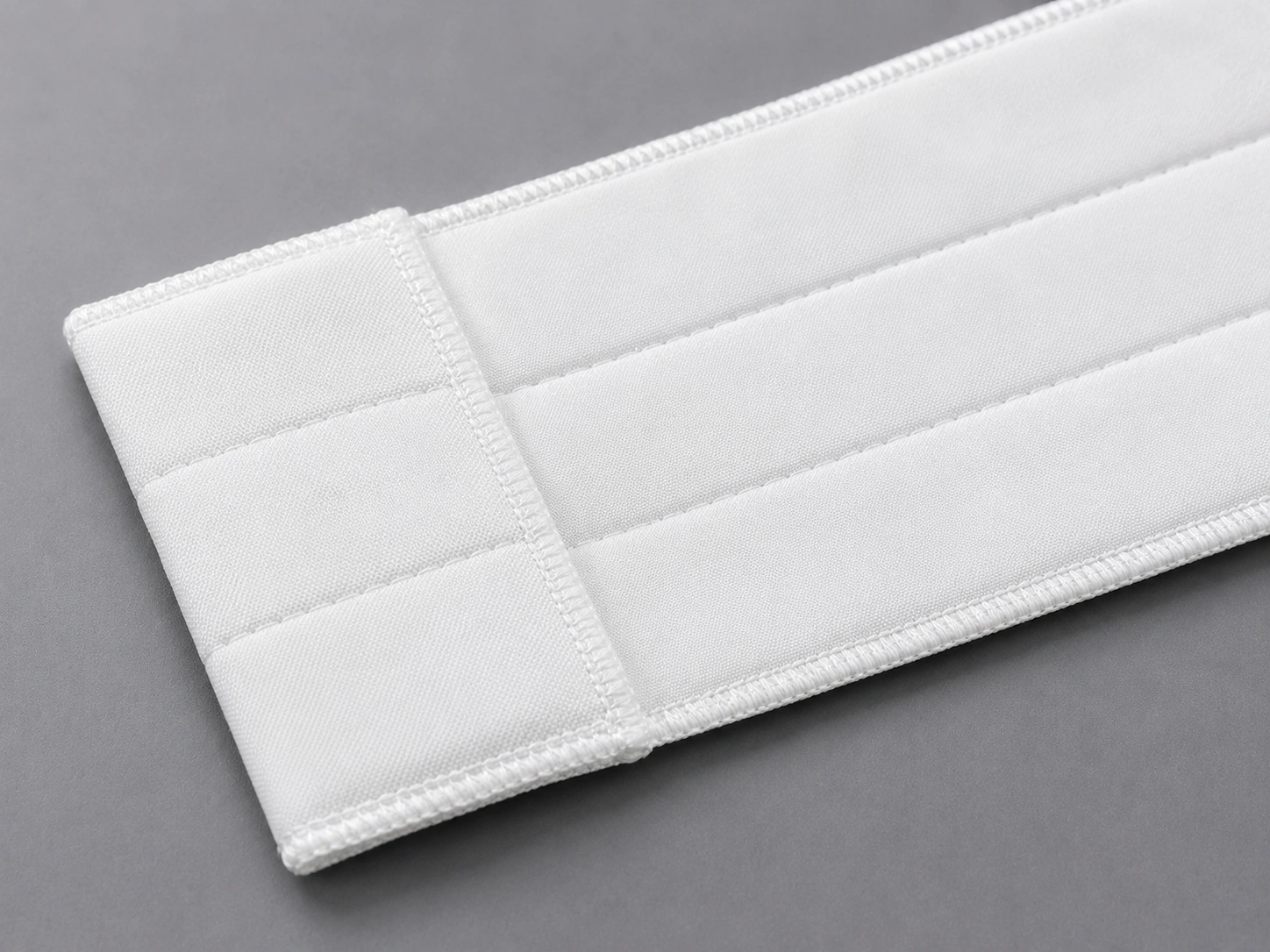
Low-lint means the cleaning material is designed to release fewer visible fibers and particles during use. In cleanroom cleaning, this is important because shed fibers, loose particles, and unstable materials may create contamination risks.
A low-lint mop does not mean “zero lint” or “guaranteed contamination-free.” Instead, it means the mop material is selected, constructed, and used to help reduce lint release compared with ordinary janitorial mop materials.
Why Low-Lint Mops Matter in Cleanrooms
Cleanrooms are designed to control airborne particles, surface contamination, and process-related risks. If a mop sheds fibers or releases particles, the cleaning process itself may become a contamination source.
ذرو ڪنٽرول
Low-lint mop materials help reduce the risk of introducing unwanted fibers or particles during cleaning.
GMP Cleaning Support
In pharmaceutical and GMP areas, low-lint mops support SOP-based contamination control workflows.
Surface Cleaning Consistency
Stable mop materials help operators clean floors, walls, ceilings, and controlled surfaces more consistently.
Low-Lint Mop vs Regular Mop
A regular mop is designed for general cleaning. A low-lint mop is designed for environments where particle release, fiber shedding, material stability, and cleaning workflow control are more important.
| Comparison Point | Low-Lint Mop | Regular Mop |
|---|---|---|
| مواد | Polyester, microfiber, nonwoven, foam, or cleanroom-compatible materials | Cotton, rayon, or general synthetic materials |
| Fiber Shedding | Designed to reduce lint and fiber release | May release more fibers during use |
| Use Environment | Cleanrooms, GMP facilities, pharma, biotech, semiconductor, labs | Commercial, household, or general facility cleaning |
| پيڪنگنگ | May be cleanroom-compatible, sterile, or non-sterile depending on product | Standard retail or janitorial packaging |
| صفائي جو ڪم فلو | Often used with SOPs, mop frames, buckets, wringers, and documentation | Used for general cleaning without cleanroom-specific workflow control |
Common Low-Lint Mop Materials
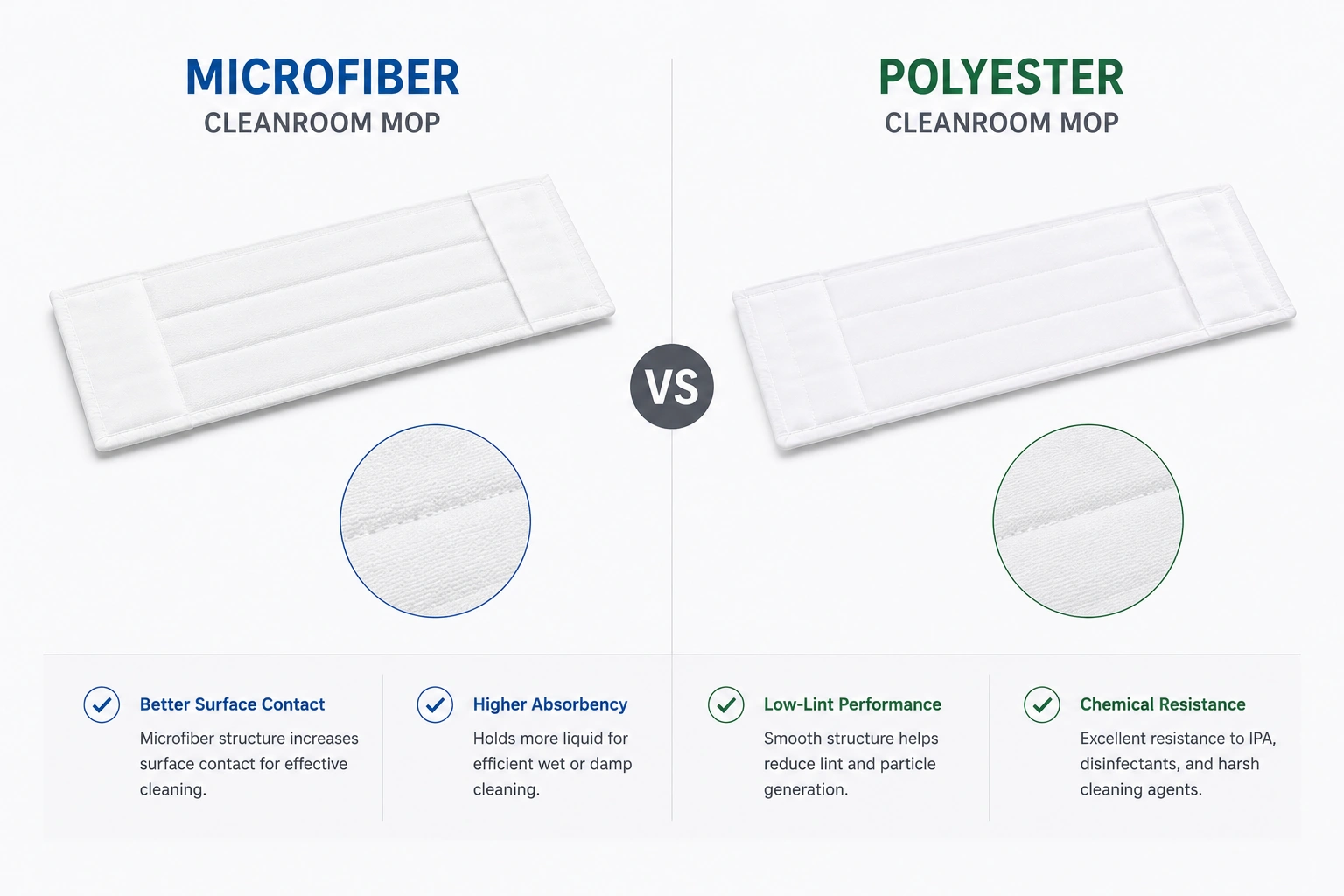
Low-lint mop materials should be selected according to cleanroom classification, surface type, cleaning agent, sterility requirement, disposal strategy, and buyer SOP.
Polyester Low-Lint Mops
Polyester mop pads are commonly used for cleanroom applications because they can provide stable construction, low-lint performance, and good compatibility with many controlled cleaning workflows.
Microfiber Low-Lint Mops
Microfiber mops can provide strong surface contact and fine particle pickup, making them suitable for many controlled cleaning tasks.
Nonwoven and Foam Mops
Nonwoven and foam mop heads may be used for disposable cleaning, liquid application, or specific SOP-driven cleanroom workflows.
Where Are Low-Lint Mops Used?
Low-lint mops are used where ordinary mops may create unacceptable contamination risks. They are commonly used for cleanroom floors, walls, ceilings, gowning areas, corridors, production support rooms, and controlled utility spaces.
جي ايم پي صاف ڪمرا
Used in pharmaceutical and controlled manufacturing areas where cleaning tools must support SOP-based workflows.
Semiconductor Facilities
Used in particle-sensitive environments where fiber release and surface contamination are major concerns.
ميڊيڪل ڊوائيس جي پيداوار
Supports controlled surface cleaning in assembly, inspection, and packaging areas.
بايو ٽيڪنالاجي جون سهولتون
Supports routine cleaning in controlled research, production, and support spaces.
ليبارٽريون
Used where cleaning consistency, chemical compatibility, and contamination control are important.
Cleanroom Service Companies
Useful for cleaning contractors that need mop heads, frames, handles, buckets, and wringers for multiple clients.
How to Choose a Low-Lint Mop
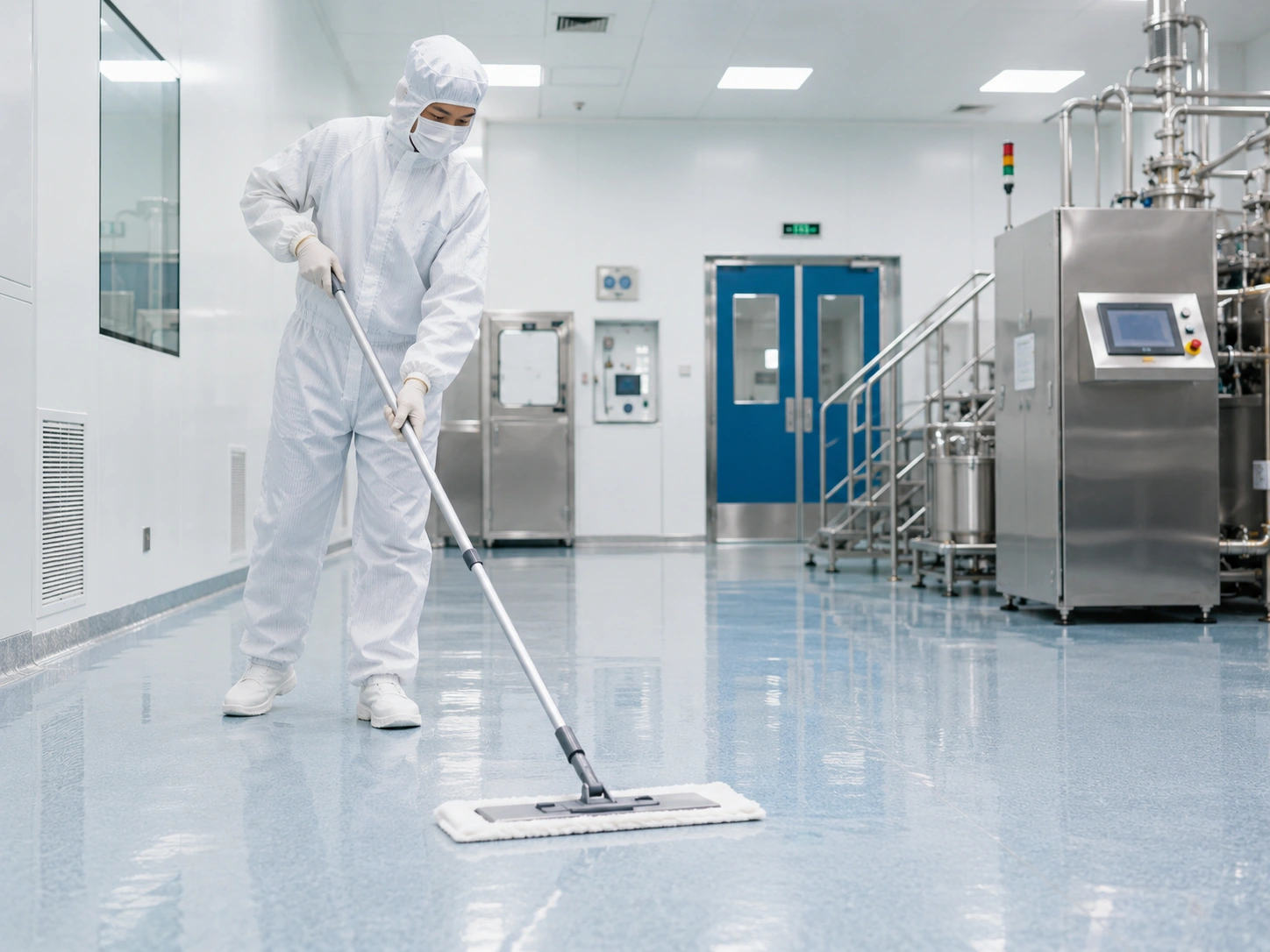
Buyers should not choose a low-lint mop only by appearance or price. The right product should match the cleanroom grade, cleaning surface, disinfectant program, sterility requirement, mop frame, bucket workflow, and documentation needs.
Low-Lint Mop Selection Guide for B2B Buyers
The table below helps purchasing managers, QA teams, cleanroom supervisors, and distributors compare low-lint mop options.
| Buyer Requirement | تجويز ڪيل فوڪس | ڇو اهو معاملو آهي |
|---|---|---|
| Routine GMP floor cleaning | Low-lint polyester or microfiber mop pad | Supports controlled cleaning and reduces fiber-shedding concerns |
| ڀت ۽ ڇت جي صفائي | Flat mop system with compatible cleanroom handle | Improves reach, contact control, and cleaning consistency |
| Higher-risk controlled area | Sterile or properly qualified low-lint mop option | Supports workflows requiring sterile presentation or stricter QA review |
| ڪراس آلودگي ڪنٽرول | Disposable mop cover or defined replacement workflow | Reduces reuse-related concerns between areas or zones |
| Distributor supply | Clear specifications, packaging, MOQ, and repeat-order support | Helps B2B buyers compare suppliers and serve end customers |
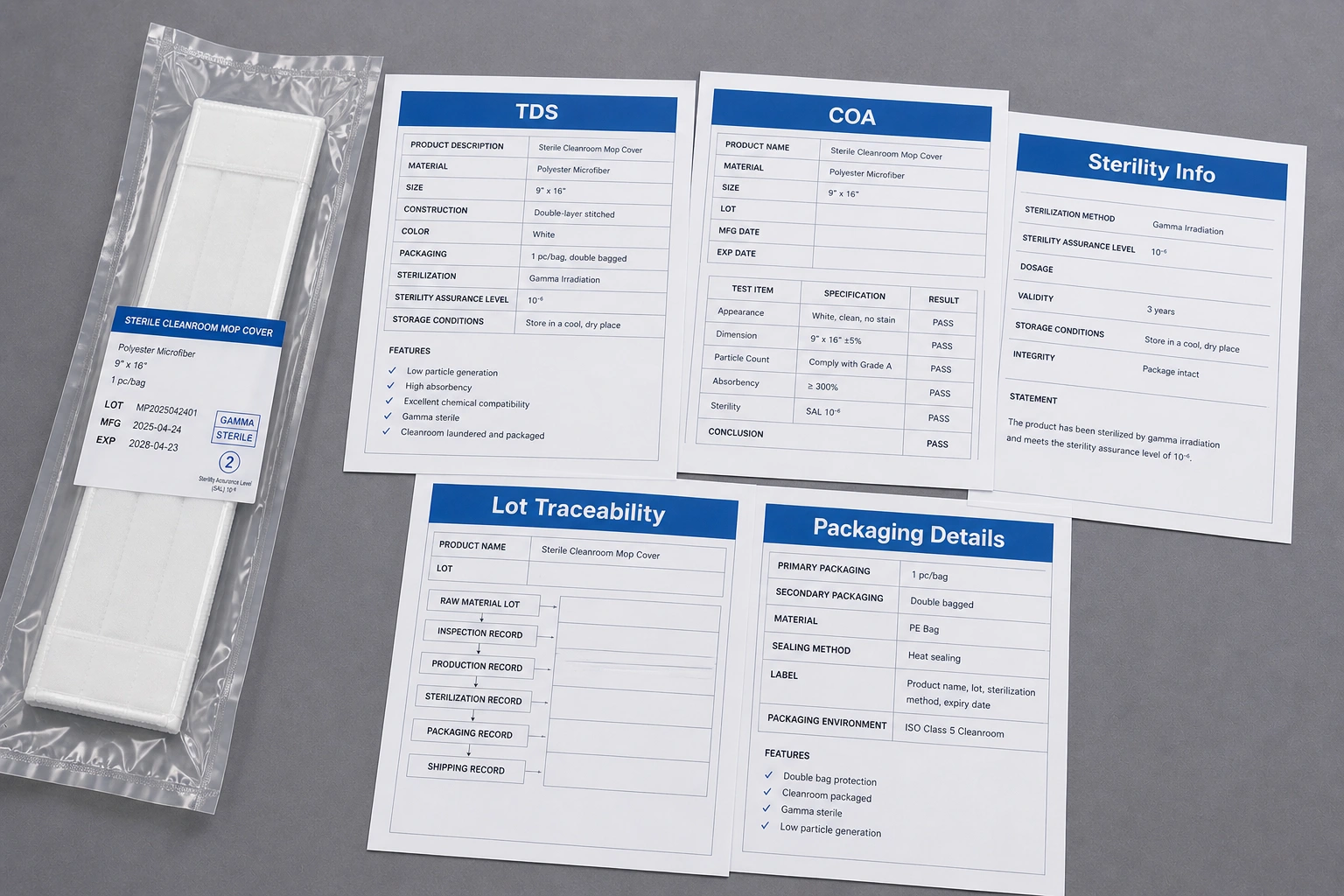
What Documents Should Buyers Request?
Low-lint mop buyers should request basic documentation before sample testing or bulk purchasing. Documentation helps buyers compare materials, packaging, sterility status, traceability, and supplier support.
- Technical Data Sheet or product specification sheet
- Material information
- Sterile or non-sterile status
- Packaging and carton details
- Lot or batch traceability information
- Sample approval record
- Supplier qualification support if required
MIDPOSI Low-Lint Cleanroom Mop Options
MIDPOSI supports B2B buyers with low-lint cleanroom mop options for GMP, ISO, pharmaceutical, biotechnology, semiconductor, medical device, laboratory, and controlled-environment cleaning applications.
اڇو صاف ڪمرو Mop سيريز
- 40g light mop option
- 55g medium mop option
- 65g heavy-duty mop option
- Sterile and non-sterile versions
- Suitable for controlled cleaning workflows
Cleanroom System Support
- Mop heads and mop covers
- Flat mop frames
- Cleanroom handles
- بالٽ ۽ رينجر سسٽم
- Sample and specification support
FAQ About Low-Lint Mops
What is a low-lint mop?
A low-lint mop is a mop designed to reduce fiber release and particle generation during cleaning. It is commonly used in cleanrooms and controlled environments where ordinary mops may create contamination risks.
Is a low-lint mop the same as a cleanroom mop?
Not always. Many cleanroom mops are low-lint, but a low-lint mop should still be evaluated for cleanroom suitability, material type, packaging, sterility status, and compatibility with the facility’s SOP.
What materials are used for low-lint mops?
Common low-lint mop materials include polyester, microfiber, nonwoven fabrics, and foam. The best material depends on the cleanroom grade, cleaning surface, disinfectant program, and sterility requirements.
Why are low-lint mops important in GMP cleanrooms?
Low-lint mops help reduce fiber-shedding concerns during cleaning. This supports contamination-control workflows in GMP cleanrooms when the mop is selected and qualified according to facility SOPs.
Can low-lint mops be used for walls and ceilings?
Yes. Low-lint mop heads can be used for walls and ceilings when paired with suitable flat mop frames and cleanroom handles.
How should buyers choose a low-lint mop?
Buyers should compare material, lint control, cleanroom grade, required sterility, chemical compatibility, mop frame fit, packaging, documentation, MOQ, lead time, and sample support.
Need Low-Lint Mops for GMP or ISO Cleanroom Cleaning?
Contact MIDPOSI to discuss low-lint mop materials, sterile and non-sterile options, sample availability, packaging details, and B2B supply support for your cleanroom cleaning program.