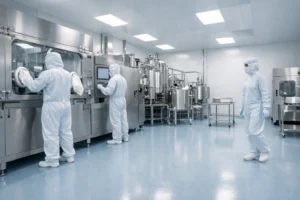

Inom den petrokemiska industrin är arbetarnas säkerhet av största vikt. Kemikaliebeständiga overaller är viktiga för att skydda mot exponering av lösningsmedel och för att säkerställa hållbarhet i farliga miljöer. Den här bloggen utforskar funktionerna, fördelarna och tillämpningarna av dessa viktiga säkerhetsplagg.
Varför kemisk resistens är viktig i petrokemikalier

Olje- och gasindustrin utgör många faror för arbetare, där kemisk exponering är en av de största riskerna. Lösningsmedel, syror och andra frätande ämnen är vanliga i petrokemiska anläggningar och utgör allvarliga hot mot både arbetarnas hälsa och utrustningens integritet.
Chemical-resistant coveralls play a crucial role in mitigating these risks by:
- Preventing skin contact with hazardous substances
- Protecting underlying clothing from contamination
- Reducing the risk of chemical burns and long-term health effects
- Maintaining integrity in the presence of corrosive materials
Without proper protection, solvents can quickly degrade standard workwear, compromising safety and potentially leading to severe injuries. Chemical-resistant coveralls are specifically designed to withstand exposure to a wide range of substances, maintaining their protective properties even in challenging environments.
For a comprehensive overview of chemical resistance levels for various materials, consult our chemical resistance guide.
Key Features of High-Performance Coveralls

Materialsammansättning
Högpresterande overaller använder ofta avancerade syntetiska material som:
- Tychem: En DuPont-produkt känd för utmärkt kemisk resistens
- Chempro: En egenutvecklad blandning som erbjuder skydd mot ett brett spektrum av kemikalier
- Polyetenbelagda tyger: Ger en robust barriär mot vätskestänk
Dessa material är konstruerade för att motstå genomträngning, nedbrytning och genombrott när de utsätts för vanliga petrokemiska lösningsmedel och ämnen.
Sömkonstruktion
Styrkan hos en overalls sömmar är avgörande för dess totala effektivitet. Leta efter funktioner som:
- Tätade sömmar: Förhindrar vätskeinträngning genom sömmar
- Förstärkta spänningspunkter: Förbättrar hållbarheten i områden med mycket slitage
- Double-stitched seams: Offering additional strength and longevity
Compliance with Safety Standards
Reputable chemical-resistant coveralls should meet or exceed industry safety standards. Key certifications to look for include:
- EN 13034 Type 6: Certifying protection against light liquid splashes
- ASTM F1001: Evaluating resistance to penetration by specific chemical challenge agents
Our coveralls proudly meet the EN 13034 Type 6 certification, ensuring reliable protection in petrochemical environments.
Choosing the Right Coveralls for Your Team

Selecting the appropriate chemical-resistant coveralls requires careful consideration of your specific workplace hazards and requirements. Consider the following factors:
- Risk för kemisk exponering: Identifiera de specifika lösningsmedel och ämnen som finns i din anläggning.
- Exponeringens varaktighet: Bestäm om kortvarigt stänkskydd eller långvarig exponeringsmotstånd behövs.
- Komfort och andningsförmåga: Se till att overallen tillåter tillräcklig luftcirkulation för att förhindra värmestress.
- Flexibilitet och rörelseomfång: Välj design som inte begränsar rörelsen, särskilt för uppgifter som kräver skicklighet.
- Synlighet: Överväg alternativ för hög synlighet för ökad säkerhet i svagt ljus.
För att fatta ett välgrundat beslut är det viktigt att göra en grundlig riskbedömning på arbetsplatsen och rådgöra med säkerhetspersonal.
Underhåll och skötsel för långvarigt skydd
Proper maintenance of chemical-resistant coveralls is crucial for ensuring their continued effectiveness and longevity. Follow these best practices:
- Cleaning:
- Follow manufacturer guidelines for washing and decontamination
- Use mild detergents and avoid harsh chemicals that may compromise the protective properties
- Rinse thoroughly to remove all cleaning agents
- Storage:
- Store coveralls in a cool, dry place away from direct sunlight
- Avoid folding or creasing, which can weaken the material over time
- Use hangers or lay flat to maintain shape and prevent damage
- Inspection:
- Regularly check for signs of wear, tears, or degradation
- Pay special attention to seams, closures, and high-stress areas
- Replace coveralls immediately if any damage or significant wear is detected
- Dokumentation:
- Keep records of purchase dates, usage, and inspection results
- Track exposure incidents to identify patterns and improve safety protocols
Vanliga frågor
Q1: How do I determine which chemical-resistant coverall is suitable for specific solvents in my facility?
A: Conduct a chemical compatibility analysis using SDS (Safety Data Sheets) of your facility’s chemicals. Our Midposi PRO-SHIELD™ series includes a compatibility matrix covering 150+ petrochemical substances, with penetration resistance times exceeding ISO 6529 standards. Book a free chemical resistance consultation with our technical team for customized recommendations.
Q2: Can chemical-resistant coveralls be reused after exposure to hydrocarbons?
A: Controlled reusability depends on:
- Exposure duration (<15 mins for Class III hydrocarbons)
- Decontamination protocol (pH-neutral detergents at 40°C max)
- Visual inspection for swelling/discoloration
Our SmartArmor™ line features indicator strips that change color when molecular degradation occurs, with RFID tags tracking cumulative exposure data for precise lifecycle management.
Q3: What makes EN 13034 Type 6 different from other chemical protection standards?
A: EN 13034 Type 6 certifies protection against pressurized liquid jets (30 kPa for 1 min), unlike Type 4 (spray) or Type 3 (liquid jets). Midposi’s PetroGUARD® series exceeds this with:
- 50+ wash cycles maintaining protection (vs. standard 25)
- 360° reflective strips meeting EN ISO 20471 Class 3
- Anti-static properties (<0.1 μC, crucial for ATEX zones)
Q4: How do your coveralls address heat stress in Gulf region operations?
A: Our CoolMAX® technology combines:
- Micro-porous membranes (MVTR >5000 g/m²/24h)
- Laser-cut ventilation zones in torso/underarms
- Phase-change material liners absorbing 180 J/g of body heat
Field tests in Saudi Aramco facilities showed 35% reduction in core body temperature compared to standard PPE.
Q5: What disposal methods comply with REACH regulations for contaminated coveralls?
A: Midposi provides three sustainable solutions:
- On-site recycling stations for PTFE-coated suits
- Closed-loop takeback program (87% material recovery rate)
- High-temperature pyrolysis for hydrocarbon-saturated PPE
All disposal protocols are documented in our REACH-compliant EHS package with batch-specific QR code tracking.
Q6: Can I get customized sizing for diverse workforces?
A: Yes, our 3D Body Mapping System accommodates:
- 58 standard sizes + tailor-made options
- Pregnancy panel extensions
- Orthopedic support inserts
We maintain digital twin profiles for repeat orders across 23 global energy projects.
Q7: How do your flame-resistant (FR) models perform in refinery fire scenarios?
A: Our FireArmor™ line combines:
- CarbonX® fiber blend (>40 cal/cm² ATPV rating)
- Conductive thread grounding systems
- Instant cooling gel packets in collar zones
Third-party tested to withstand 3-second flash fire exposure (NFPA 2112) while maintaining chemical resistance – an industry-first dual certification.
Q8: What’s your lead time for emergency replacement orders?
A: Our Global Stock Program guarantees:
- 24 timmars leverans från regionala nav (Houston/Dubai/Singapore)
- 72 timmars luftskickade anpassade beställningar
- Blockchain-spårade nödlager
Stöds av 17 strategiska partnerskap med logistikleverantörer specialiserade på transport av farligt material.