
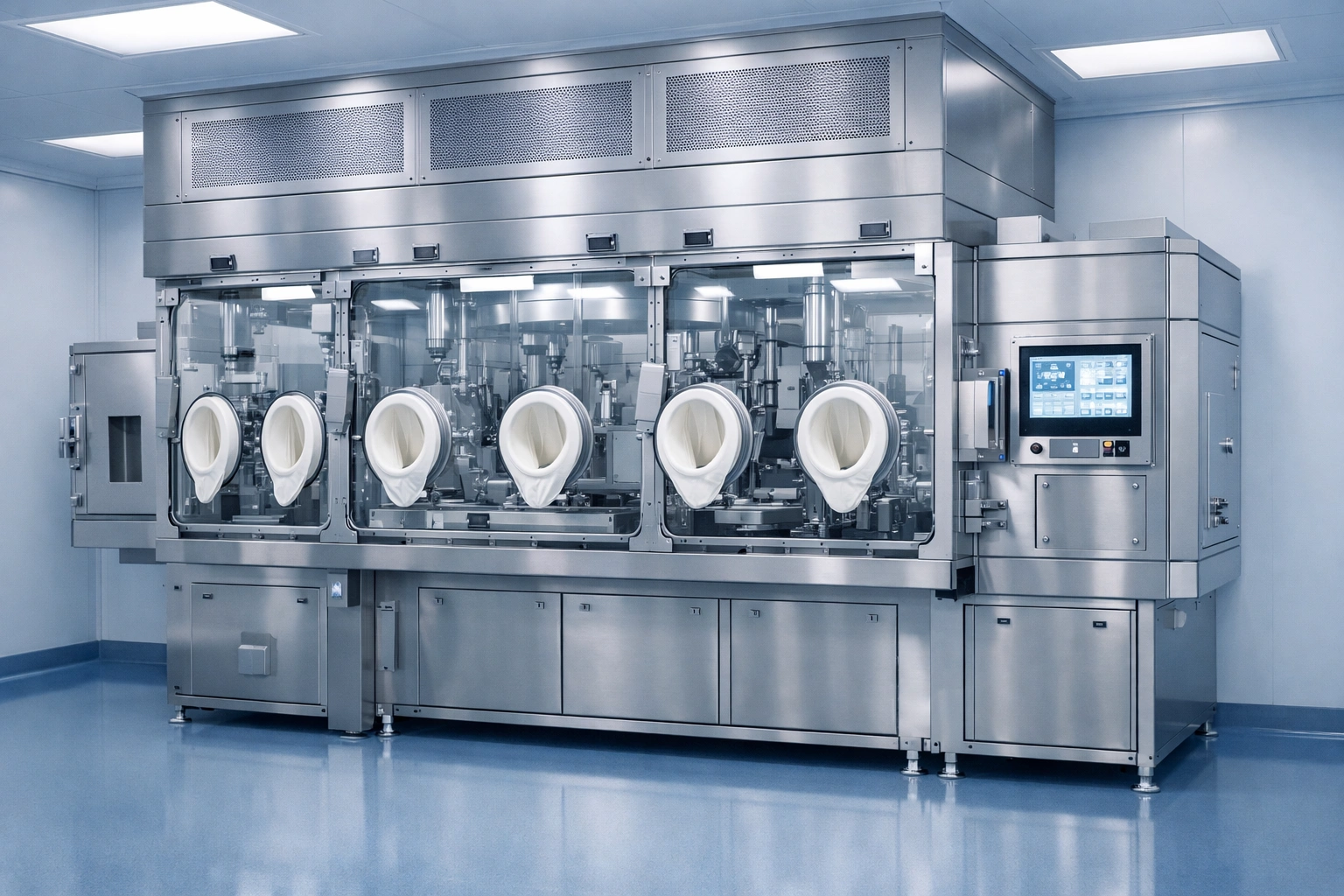
In the highly regulated pharmaceutical manufacturing industry, microbial contamination control is not merely a quality consideration—it's a fundamental requirement for ensuring patient safety and regulatory compliance. Isolator systems represent the pinnacle of contamination control technology, providing a physical barrier between sensitive pharmaceutical products and potential sources of contamination.
This comprehensive guide, based on industry best practices and technical expertise, provides process engineers and technical specialists with the knowledge needed to implement robust microbial contamination control protocols for isolator systems.
Understanding Isolator System Technology
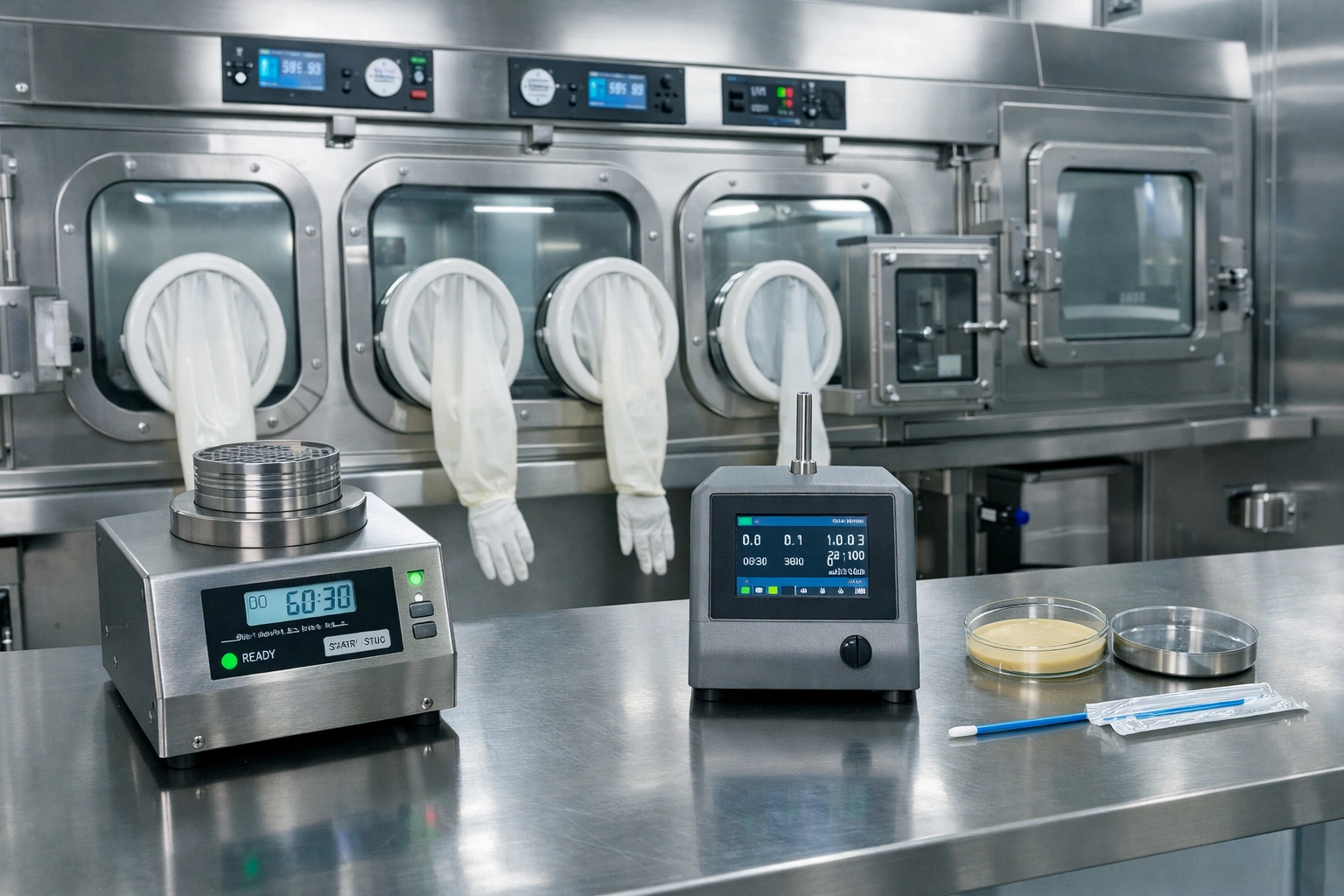
Isolator systems are engineered containment barriers designed to maintain sterility by creating physical separation between the product and the external environment. These systems incorporate advanced filtration, pressure control, and decontamination technologies to ensure aseptic conditions.
Core Technical Specifications
- HEPA/ULPA Filtration: 99.97% efficiency at 0.3µm particle size
- Pressure Control: Positive differential pressure ≥15 Pa
- Glove Port Integration: Ergonomic design for operator interaction
- Decontamination Systems: VHP, UV, or steam-in-place capability
Types of Pharmaceutical Isolator Systems
Closed Isolators
Completely sealed systems with material transfer through sterilized containers. Ideal for potent compounds requiring maximum containment and zero operator exposure risk.
Open Isolators
Direct operator interaction via glove ports, providing flexibility for complex manufacturing processes while maintaining contamination control integrity.
RABS Systems
Restricted Access Barrier Systems offering enhanced protection over traditional cleanrooms, providing a cost-effective solution for many pharmaceutical applications.
Environmental Monitoring Protocols
Effective environmental monitoring is critical for maintaining the integrity of isolator systems and ensuring compliance with pharmaceutical quality standards.
Monitoring Requirements and Frequency
| Parameter | Metod | Frekvens | Acceptance Criteria |
|---|---|---|---|
| Air Viable Count | Active Impaction | Weekly | ≤1 CFU/m³ (Grade A) |
| Particle Count | Continuous Monitoring | Real-time | ISO Class 5 limits |
| Surface Contamination | Swab/Contact Plates | Weekly | ≤5 CFU/100cm² |
Future Trends in Isolator Technology
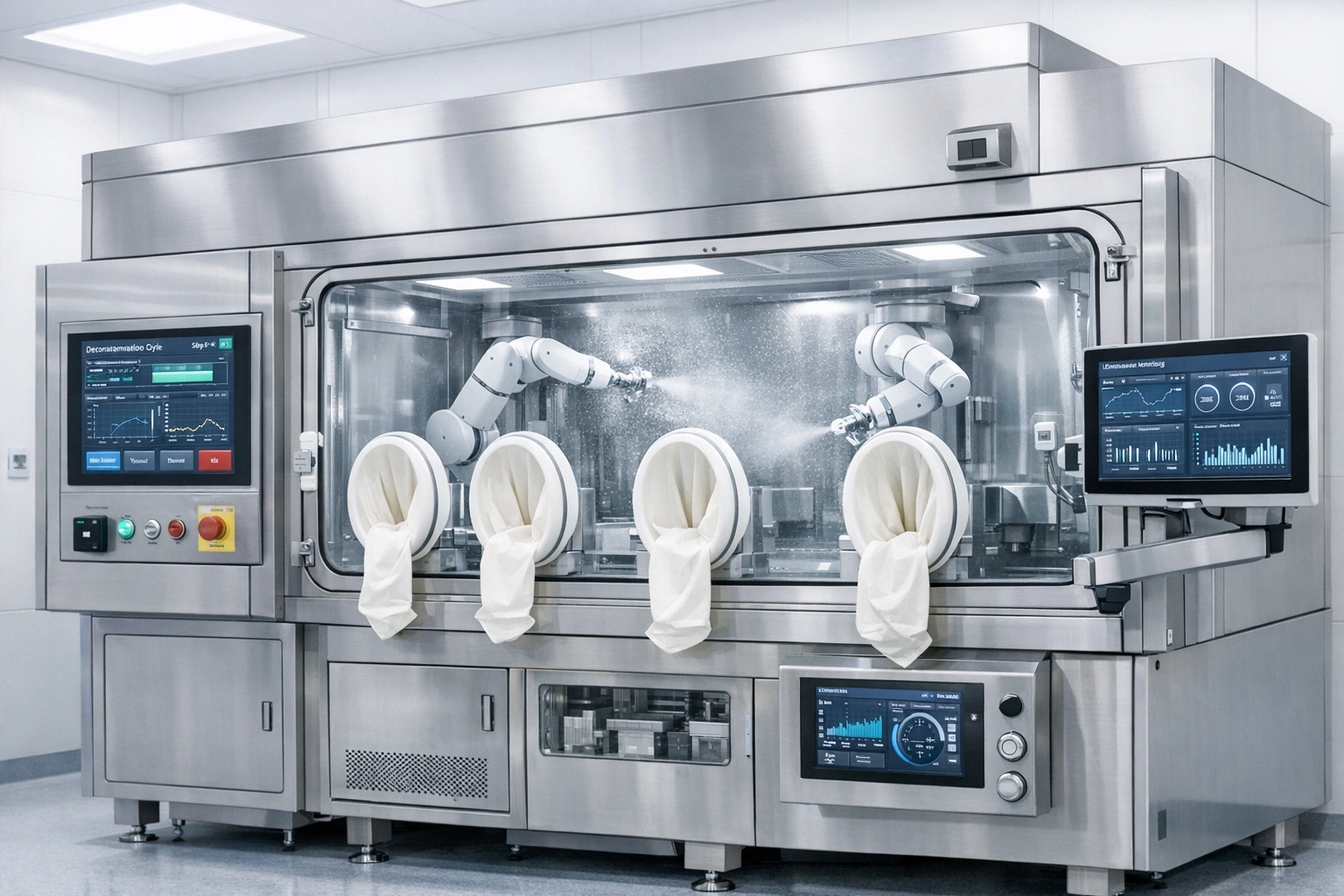
Advanced Monitoring and Automation Systems
The future of isolator technology lies in integration with IoT sensors, machine learning algorithms, and robotic automation. These innovations enable real-time contamination detection, predictive maintenance, and automated response protocols.
Smart Sensing Technology
- Continuous air quality monitoring
- Real-time microbial detection
- Pressure and temperature tracking
Automated Systems
- Robotic material handling
- Automated decontamination cycles
- AI-driven quality control
Implementation Considerations for Advanced Systems
When implementing advanced isolator technology, pharmaceutical manufacturers should consider validation requirements, data integration capabilities, and change management strategies to ensure successful deployment and regulatory compliance.
Conclusion and Implementation Strategy
Implementing effective microbial contamination control SOPs for isolator systems requires a comprehensive approach that integrates technical expertise, regulatory compliance, and operational excellence. The success of these systems depends on proper design, rigorous monitoring, and continuous improvement.
Key Implementation Steps
- System Design and Selection: Choose appropriate isolator type based on product requirements and containment needs
- Validation Documentation: Complete IQ, OQ, and PQ validation protocols
- SOP Development: Create comprehensive operating procedures for all personnel
- Training and Certification: Ensure all operators are properly trained and certified
- Continuous Monitoring: Implement ongoing environmental monitoring and trend analysis