
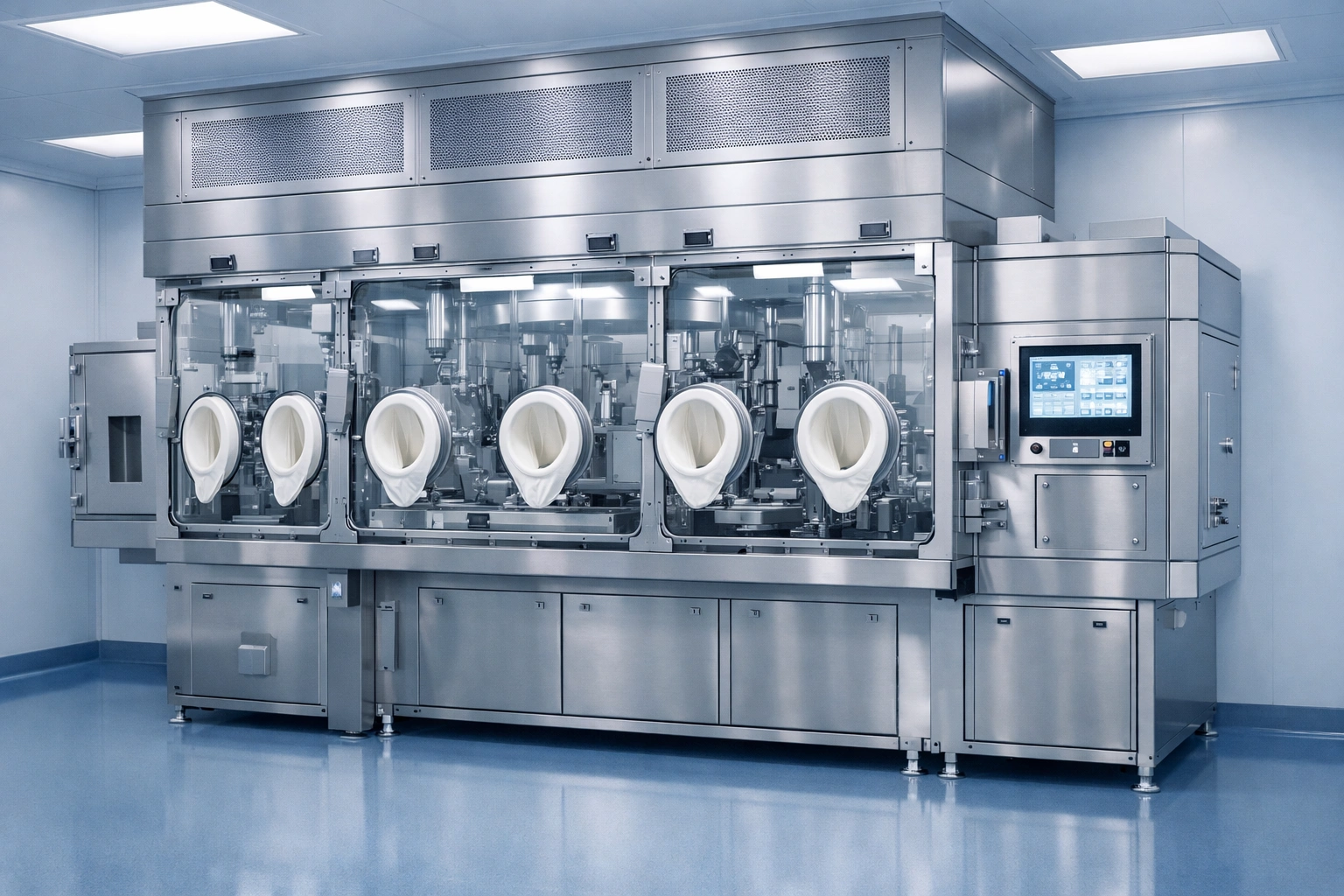
In the highly regulated pharmaceutical manufacturing industry, microbial contamination control is not merely a quality consideration—it's a fundamental requirement for ensuring patient safety and regulatory compliance. Isolator systems represent the pinnacle of contamination control technology, providing a physical barrier between sensitive pharmaceutical products and potential sources of contamination.
This comprehensive guide, based on industry best practices and technical expertise, provides process engineers and technical specialists with the knowledge needed to implement robust microbial contamination control protocols for isolator systems.
İzolatör Sistemi Teknolojisini Anlamak
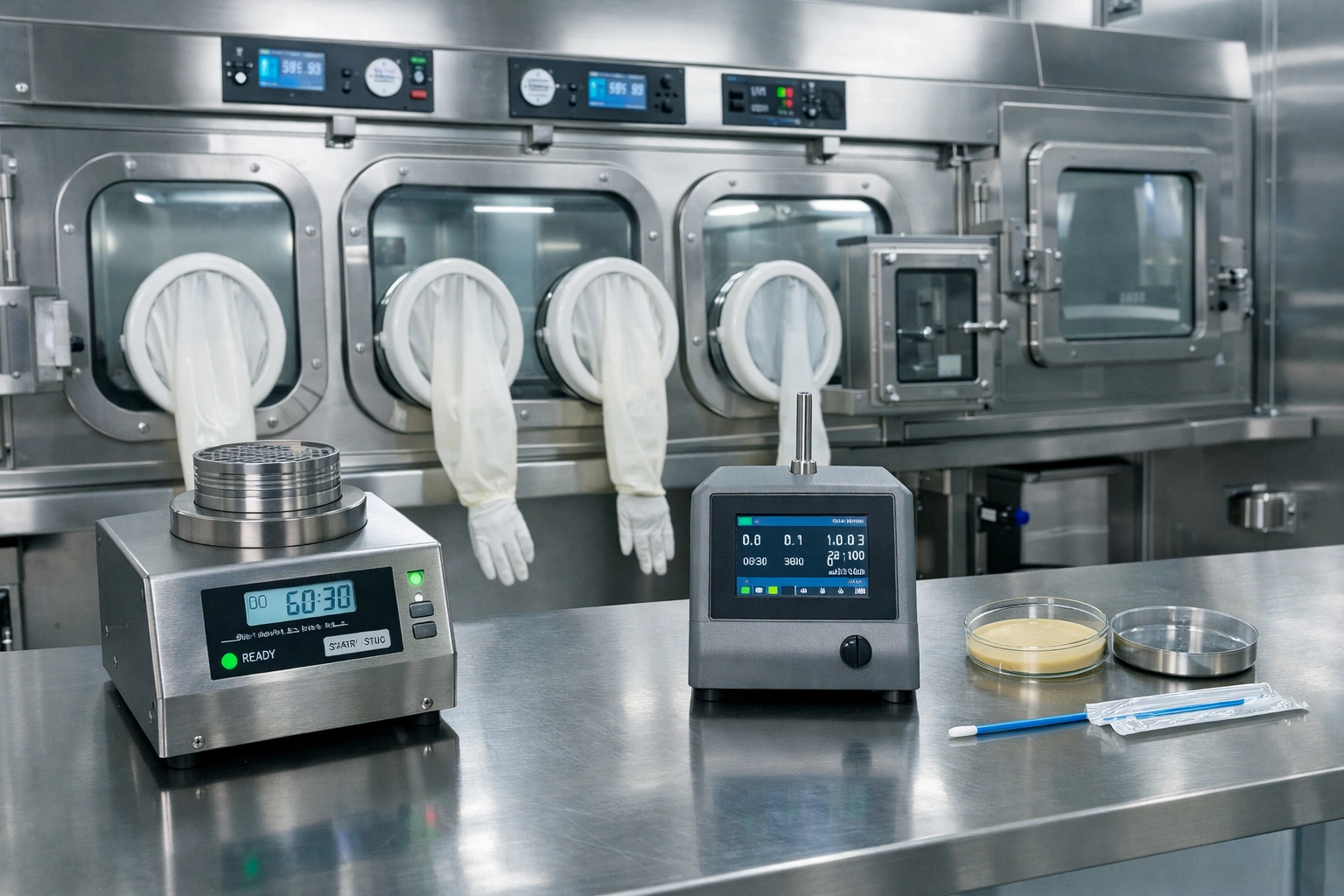
Isolator systems are engineered containment barriers designed to maintain sterility by creating physical separation between the product and the external environment. These systems incorporate advanced filtration, pressure control, and decontamination technologies to ensure aseptic conditions.
Temel Teknik Özellikler
- HEPA/ULPA Filtreleme: 99.97% efficiency at 0.3µm particle size
- Basınç Kontrolü: Pozitif fark basıncı ≥15 Pa
- Eldiven Portu Entegrasyonu: Operatör etkileşimi için ergonomik tasarım
- Dekontaminasyon Sistemleri: VHP, UV veya yerinde buhar özelliği
Farmasötik İzolatör Sistemleri Çeşitleri
Kapalı İzolatörler
Completely sealed systems with material transfer through sterilized containers. Ideal for potent compounds requiring maximum containment and zero operator exposure risk.
Açık İzolatörler
Eldiven portları aracılığıyla doğrudan operatör etkileşimi, kontaminasyon kontrolü bütünlüğünü korurken karmaşık üretim süreçleri için esneklik sağlar.
RABS Sistemleri
Restricted Access Barrier Systems offering enhanced protection over traditional cleanrooms, providing a cost-effective solution for many pharmaceutical applications.
Çevresel İzleme Protokolleri
İzolatör sistemlerinin bütünlüğünü korumak ve farmasötik kalite standartlarına uygunluğu sağlamak için etkili çevresel izleme kritik öneme sahiptir.
İzleme Gereksinimleri ve Sıklığı
| Parametre | Yöntem | Sıklık | Kabul Kriterleri |
|---|---|---|---|
| Havada Yaşanabilir Sayım | Aktif Etki | Haftalık | ≤1 CFU/m³ (Sınıf A) |
| Partikül Sayımı | Sürekli İzleme | Gerçek zamanlı | ISO Sınıf 5 sınırları |
| Yüzey Kirliliği | Swab/Kontak Plakaları | Haftalık | ≤5 CFU/100cm² |
İzolatör Teknolojisinde Gelecek Trendler
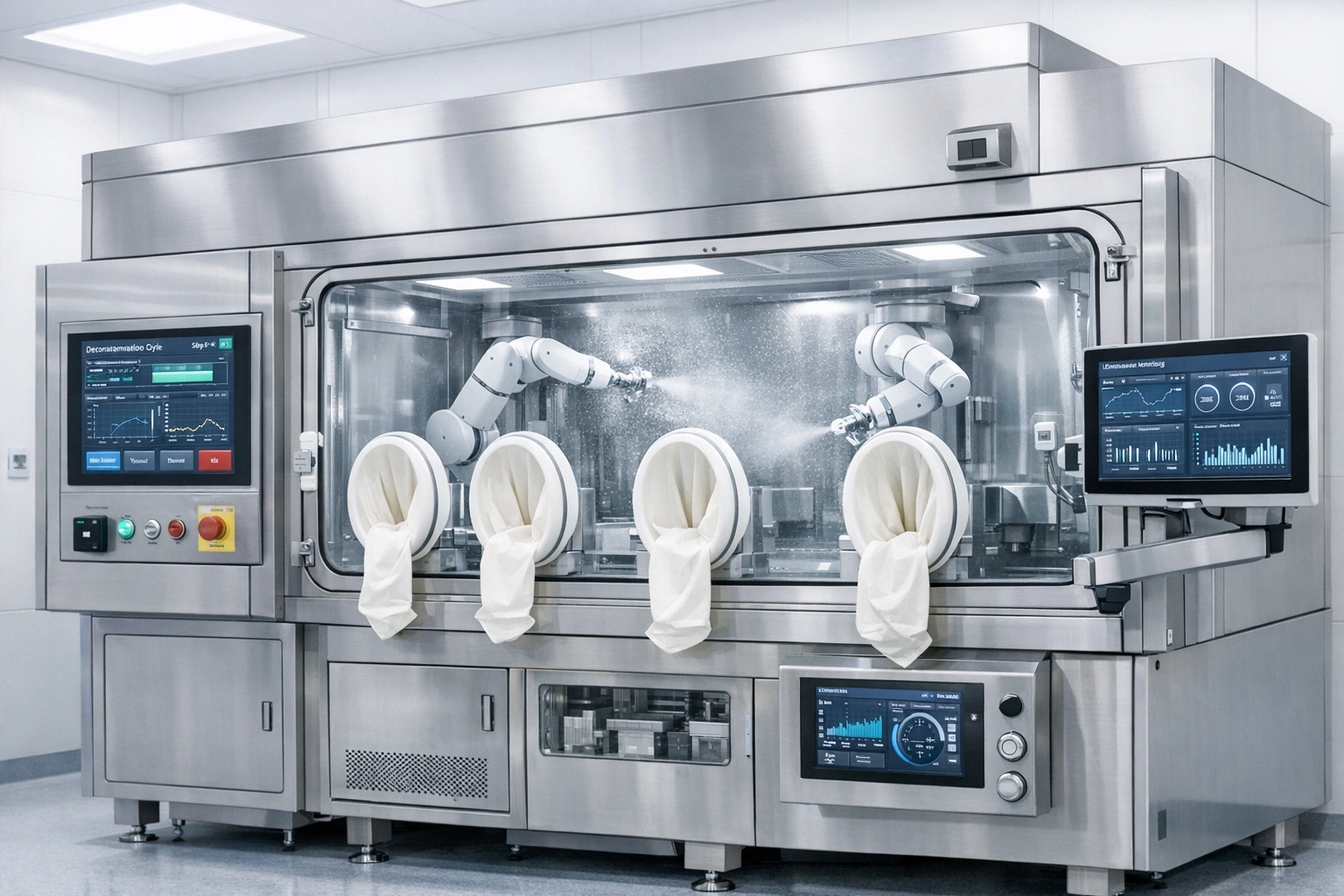
Gelişmiş İzleme ve Otomasyon Sistemleri
The future of isolator technology lies in integration with IoT sensors, machine learning algorithms, and robotic automation. These innovations enable real-time contamination detection, predictive maintenance, and automated response protocols.
Akıllı Algılama Teknolojisi
- Sürekli hava kalitesi izleme
- Gerçek zamanlı mikrobiyal algılama
- Basınç ve sıcaklık takibi
Otomatik Sistemler
- Robotik malzeme taşıma
- Otomatik dekontaminasyon döngüleri
- Yapay zeka odaklı kalite kontrolü
Gelişmiş Sistemler İçin Uygulama Hususları
When implementing advanced isolator technology, pharmaceutical manufacturers should consider validation requirements, data integration capabilities, and change management strategies to ensure successful deployment and regulatory compliance.
Sonuç ve Uygulama Stratejisi
Implementing effective microbial contamination control SOPs for isolator systems requires a comprehensive approach that integrates technical expertise, regulatory compliance, and operational excellence. The success of these systems depends on proper design, rigorous monitoring, and continuous improvement.
Temel Uygulama Adımları
- Sistem Tasarımı ve Seçimi: Ürün gereksinimlerine ve muhafaza ihtiyaçlarına göre uygun izolatör tipini seçin
- Doğrulama Belgeleri: IQ, OQ ve PQ doğrulama protokollerini tamamlayın
- SOP Geliştirme: Tüm personel için kapsamlı çalışma prosedürleri oluşturun
- Eğitim ve Sertifikasyon: Tüm operatörlerin uygun şekilde eğitildiğinden ve sertifikalandırıldığından emin olun
- Sürekli İzleme: Devam eden çevresel izleme ve trend analizini uygulayın