Farmasötik kalite güvence yöneticileri, Sınıf A/B aseptik işleme odaları için temizlik sarf malzemelerini belirttiğinde satıcı belgelerinde sürekli olarak bir terim görünür: gama ışınlanmış. Peki bu etiket pazarlama metninin ötesinde ne anlama geliyor? Daha da önemlisi, steril operasyonlar gerçekte ne zaman yapılır? ihtiyaç Gama ile sterilize edilmiş paspas pedleri mi yoksa otoklavlanabilir alternatifler mi?
Bu kılavuz terminoloji karışıklığını ortadan kaldırmaktadır. Gama ışınlamanın arkasındaki bilimi açıklayacağız, Sterilite Güvence Seviyesi (SAL 10⁻⁶) gerekliliklerini çözeceğiz ve tesisinizin ne zaman gama ile sterilize edilmiş veya otoklavlanmış temizleme araçlarını seçmesi gerektiğine ilişkin bir karar çerçevesi oluşturacağız.
Gama Işınlaması Ne Demektir? (SAL 10⁻⁶ Basitçe Anlatıldı)
Bilim: Kobalt-60 ve İyonlaştırıcı Radyasyon
Gama ışınlaması, radyoaktif Kobalt-60 (⁶⁰Co) izotopları tarafından yayılan yüksek enerjili fotonları kullanan bir terminal sterilizasyon yöntemidir. Kobalt-60, kararlı Nikel-60'a bozunurken, 1,17 ve 1,33 MeV'de iki gama ışını fotonunu serbest bırakır; bu enerjiler, kapalı ambalajlara nüfuz edecek ve mikroorganizmaları yok edecek kadar yüksek, ancak malzemeleri radyoaktif hale getirecek kadar yüksek değildir.
Mekanizma basittir: Gama fotonları mikrobiyal hücrelerin içindeki su moleküllerini ve DNA'yı iyonize ederek hücresel yapılarda ölümcül hasara neden olur. Gama ışınları derinlemesine nüfuz ettiğinden, ürünler nihai kapalı ambalajlarında sterilize edilebilir; bu, kullanım noktasına kadar steril kalması gereken paspas pedleri gibi tek kullanımlık temiz oda sarf malzemeleri için kritik bir avantajdır.
SAL 10⁻⁶ Aslında Ne İfade Ediyor?
Sterilite Güvence Seviyesi (SAL), sterilizasyondan sonra bir üründe canlı bir mikroorganizmanın kalma olasılığını ölçer. İlaç endüstrisi standardı Sal 10⁻⁶—bu, bir partide steril olmayan bir üniteyle karşılaşma olasılığının milyonda birden fazla olmadığı anlamına gelir.
Pratik anlamda: Bir milyon paspas pedini SAL 10⁻⁶'ye göre sterilize ederseniz, istatistiksel olarak birden az paspasın geçerli kontaminasyonu barındırmasını bekleyebilirsiniz. Bu, terminal olarak sterilize edilmiş tıbbi cihazlar ve enjekte edilebilir ilaçlar için gereken SAL'nin aynısıdır; düzenlemeye tabi ortamlarda sterilite güvencesi için altın standarttır.

Şekil 1: Gama ışınlama süreci diyagramı. Ürünler, konveyör sistemi üzerindeki radyasyon odasından geçerek Kobalt-60 kaynağından doğrulanmış dozu alır. Dozimetri monitörleri, ISO 11137 standartlarına göre SAL 10⁻⁶ başarısını garanti eder.
Doğrulanmış gama sterilizasyon süreçleri, ürün yükleri içerisinde birden fazla konumda dozimetri yoluyla ölçülen, farmasötik sarf malzemeleri için genellikle 25 kGy (kiloGray) olan bir hedef doz sağlar. Görsel süreç göstergelerinden (otoklav bant veya radyasyon renkli yamalar gibi) farklı olarak SAL başarısı, ISO 11137 standartlarına göre doz haritalaması, biyolojik yük testi ve mikrobiyal öldürme doğrulaması yoluyla doğrulanır.
Gama Işınlaması ve “Önceden Sterilize Edilmiş”: Profesyonel Ayrımlar
Pazarlama terminolojisi kafa karışıklığı yaratır. Bazı satıcılar, yöntemi veya elde edilen SAL'yi belirtmeden ürünleri "önceden sterilize edilmiş" olarak etiketler. Diğerleri ise "dezenfekte edilmiş" veya "sterilize edilmiş" kelimesini "sterilize edilmiş" kelimesiyle birbirinin yerine kullanıyor; bu kritik bir düzenleyici ayrımdır.
Gama ışınlanmış (terminal olarak sterilize edilmiş) araç:
- SAL 10⁻⁶ seviyesine ulaşan doğrulanmış iyonlaştırıcı radyasyona maruz kalan ürünler
- Dozimetri ve seri kayıtları aracılığıyla doğrulanan sterilizasyon dozu
- Doğrulanmış ambalaj sayesinde açılana kadar sterilite korunur
- Steril alanlar için AB GMP Ek 1 ve FDA CGMP gerekliliklerini karşılar
Önceden sterilize edilmiş (belirtilmemiş yöntem) çoğu zaman şu anlama gelir:
- Yöntem otoklav, EO veya gama olabilir ancak açıklanmamıştır
- SAL 10⁻⁶ standardını karşılamayabilir
- Ambalaj bütünlüğü ve sterilite bakımının mutlaka doğrulanması gerekmez
A/B Sınıfı ortamlar için belirleme yaparken her zaman yöntem açıklamasını ve SAL belgelerini isteyin.
Malzeme Uyumluluğu: Neden Bazı Kumaşlar Çalışıyor, Bazıları Çalışmıyor?
Tüm malzemeler gama radyasyonunu bozulmadan tolere edemez. İyonlaştırıcı radyasyon, polimer zincirlerini kırarak bazı kumaşlarda kırılganlığa, renk bozulmasına veya çekme mukavemeti kaybına neden olabilir.
Gama uyumlu malzemeler temiz oda paspas pedleri için:
- Polyester (PET): Mükemmel gama kararlılığı; genellikle kapalı kenarlı paspas pedleri için kullanılır
- Polipropilen (PP): İyi radyasyon toleransı; kulplar ve çerçeveler için uygun
- Polietilen (PE): Ambalaj filmleri ve bazı yapısal bileşenler için uygundur
Dikkat gerektiren veya alternatif sterilizasyon gerektiren malzemeler:
- Naylon: Sterilizasyon dozlarında sararabilir ve gücünü kaybedebilir
- Bazı yapıştırıcılar: Sızdırmaz kenar bütünlüğünü tehlikeye atarak bozulabilir
- Bazı köpük malzemeleri: Hücresel yapının çökmesi veya gazın dışarı çıkması riski
Saygın tedarikçiler, gama ile sterilize edilmiş ürünlerin ışınlama sonrasında performans özelliklerini koruduğunu gösteren malzeme uyumluluk verileri ve doğrulama sağlar. Satıcı bu belgeleri sunamıyorsa ürünleri onaylanmış temiz oda kullanımına uygun olmayabilir.
Sterilin Faydaları & Aseptik Alanlar (Sınıf A/B)
Eczacılık tesisleri, yeniden kullanılabilen aletleri yerinde otoklavlamak yerine neden gama ışınlı paspas pedlerine prim ödüyor? Cevap, en kritik üretim ortamlarında riskin azaltılması, mevzuata uygunluk ve operasyonel verimlilikte yatmaktadır.
1. Kullanımdan Önce Biyolojik Yükü Ortadan Kaldırır
Gama ışınlı paspas pedleri tesisinize zaten steril olarak ulaşır; yerinde işlem yapılmasına gerek yoktur. Bu önemlidir çünkü:
Kullanım öncesi sterilite = sıfır temel kontaminasyon riski. Yeniden kullanılabilen paspasların otoklavlanması, onaylanmış temizleme, inceleme ve sterilizasyon döngüleri gerektirir. Her adım potansiyel arıza modlarını beraberinde getirir: Yetersiz temizlik biyolojik yük bırakır, uygunsuz yükleme buhar gölgeleri oluşturur, döngü kesintileri kısırlığı tehlikeye atar. Gama ile sterilize edilmiş tek kullanımlık pedler bu risk zincirinin tamamını atlar.
Ambalajından kullanıma kadar sterildir. Kapalı poşetlerde sterilize edilen ürünler, sınıflandırılmış temiz odada açılana kadar sterilliğini korur. Çoklu önlük hava kilitlerinden aktarım yok, ikincil dezenfeksiyon adımları yok, otoklavlama sonrasında bekleme süresi sınırı yok. Ambalaj, AB GMP Ek 1 gerekliliklerine göre bütünlük ve uyumluluk açısından doğrulanmış kontaminasyon bariyeridir.
2. Süitlerde Çapraz Bulaşmayı Önler
Farklı ilaç ürünleri üreten çok odalı aseptik tesislerde çapraz bulaşma kritik bir kalite riskidir. Gama ışınlı tek kullanımlık paspas pedleri bulaşma endişelerini ortadan kaldırır:
Bir ped, bir paket, bir kullan, sonra at. Yeniden kullanılabilen paspaslar, uygun şekilde yeniden işlenseler bile kumaş matrislerinde veya kapalı kenarlarda eser miktarda kalıntı (API'ler, yardımcı maddeler, biyofilm) barındırabilir. Bu kalıntıların temizlik işlemleri sırasında üretim odaları arasında aktarımı riski vardır. Tek kullanımlık gama pedleri bu riski tamamen önler; özellikle güçlü bileşikler, biyolojik maddeler veya alerjen içeren ürünler için önemlidir.
Dolgu-bitiş çizgileri için basitleştirilmiş değişiklik kontrolü. A Sınıfı dolum işlemleri, Ek 1'e göre steril temizleme araçları gerektirir. Ürünler arasında geçiş yaparken, her kampanya için yeni gama ile sterilize edilmiş pedlerin kullanılması, temizleme araçlarının kendilerinin temizleme etkinliğini doğrulama ihtiyacını ortadan kaldırır; bu, denetçilerin sıklıkla işaretlediği yinelenen bir doğrulama sorunudur.
3. Operatörün Kullanım Riskini Azaltır
Otoklav sterilizasyonu, temiz oda personelinin kusursuz uygulamasına bağlıdır. Gama sterilizasyonu, bu sorumluluğu özel kalite sistemlerine sahip onaylanmış sözleşmeli sterilizatörlere devreder:
Otoklav yükleme hatalarını ortadan kaldırır. Buhar sterilizasyonu, uygun ürün yönlendirmesi, buhar nüfuzu için yeterli aralık ve doğru paket yoğunluğunu gerektirir. Operatör hataları (aşırı yükleme, uygun olmayan paketleme veya buhar yollarının tıkanması), çevresel izlemede biyolojik yükün arttığı veya daha da kötüsü parti kontaminasyonu ortaya çıkana kadar fark edilmeyen kısırlık hatalarına neden olabilir.
SOP sapma riskini azaltır. Yeniden kullanılabilir paspas iş akışları birden fazla SOP içerir: temizlik doğrulaması, hasar kontrolü, uygun paketleme, otoklav döngüsü seçimi, depolama sırasında sterilite bakımı ve son kullanma tarihi takibi. Her adım sapma için bir fırsattır. Gama ile sterilize edilmiş sarf malzemeleri bunu tek bir prosedüre indirgemektedir: Steril paketi sınıflandırılmış alanda açın ve hemen kullanın.
Sterilizasyon sorumluluğunu değiştirir. Sözleşmeli gama sterilizatörleri, doğrulanmış süreçler, rutin dozimetri ve partiye özel sterilizasyon kayıtları ile ISO 11137 kapsamında çalışır. Tesisiniz her lot için bir Sterilite Sertifikası alır; bu, şirket içi sterilizasyon doğrulama yükü olmadan düzenleyici denetim gereksinimlerini karşılayan izlenebilir belgelerdir.
4. AB GMP Ek 1 Steril Temizlik Gereksinimlerini Destekler
Revize edilen Ek 1 (Ağustos 2022'den itibaren geçerli olmak üzere), A/B Sınıfı alanlar için temizleme araçlarına ilişkin özel dil de dahil olmak üzere, steril üretim gerekliliklerini sıkılaştırdı:
Ek 1 Bölüm 4.28: “A ve B Sınıfı alanlarda kullanılan dezenfektanlar ve deterjanlar… kullanımdan önce steril olmalıdır.”
Bu madde kimyasal dezenfektanları doğrudan ele alırken, kontaminasyon kontrol stratejisi ilkesi paspas pedleri de dahil olmak üzere Sınıf A/B bölgelerine giren tüm malzemeleri kapsar. Gama ışınlanmış pedler, yerinde sterilizasyon gerektirmeden "kullanımdan önce steril" amacını karşılar.
Ek 1 Bölüm 8.22: “Sterilizasyon süreci valide edilmeli… Mümkün olan yerlerde eşyalar duvara monte edilmiş çift uçlu bir sterilizatörden geçirilerek sterilize edilmeli…”
Çift uçlu otoklavların bulunmadığı tesisler için (küçük operasyonlarda veya yenileme tesislerinde yaygındır), gama ile sterilize edilmiş sarf malzemeleri, onaylanmış bir alternatif yol sağlar. Ürünler son aşamada sterilize edilmiş halde gelir, dış ambalajın doğrulanmış dezenfeksiyonu ile malzeme hava kilitlerinden girer ve nitelikli bariyer sistemleri aracılığıyla sterilliği korur.
Dokümantasyon hizalaması. Ek 1, benzersiz döngü tanımlayıcıları ve uygunluk incelemesi içeren sterilizasyon kayıtlarını gerektirir (Bölüm 8.23). Gama sterilizatörleri, teslim edilen dozu, dozimetri okumalarını ve serbest bırakma onayını gösteren seriye özel sertifikalar sağlar; tesisinizin belge oluşturma yükünü artırmadan bu gereksinimi doğrudan karşılar.
Düzenleyici mesaj açıktır: Ek 1, kritik alanlarda steril ekipman talep ettiğinde, gama ışınlı tek kullanımlık aletler en basit uyumluluk yolunu sunar.
İlaç Gama Işınlanmış Paspas Pedlerine İhtiyaç Duyduğunda (Kullanım Durumu Mantığı)
Her temiz oda operasyonu gama ile sterilize edilmiş sarf malzemeleri gerektirmez. ISO 7 (Sınıf 10.000) depoları ve ISO 8 (Sınıf 100.000) ikincil paketleme alanları sıklıkla otoklavlanmış yeniden kullanılabilir araçları etkili bir şekilde kullanabilir. Peki gama ne zaman doğru spesifikasyon haline gelir?
Kullanım Senaryosu 1 — A/B Sınıfı Aseptik İşleme Odaları
Temizleme operasyonunuz A Sınıfı veya B Sınıfı bir ortamda (özellikle aktif üretim sırasında) gerçekleşiyorsa, gama ışınlı paspas pedleri sektördeki en iyi uygulamadır:
Doldurma hatları: Steril sıvı flakon doldurma, liyofilizatör yükleme, önceden doldurulmuş şırınga düzeneği. A Sınıfı çekirdekteki herhangi bir dökülme temizliği veya rutin zemin temizliği, kritik bölgeye canlı kontaminasyonun girmesini önlemek için steril aletler gerektirir.
Steril API üretimi: Aseptik kristalizasyon, filtreleme kızakları, steril transfer panelleri. API'ler nihai ürünün terminal sterilizasyonu olmadan kullanıldığında, her yüzey ve alet aseptik koşulları korumalıdır; gama pedleri bu gerekliliğe uygundur.
B Sınıfı arka planda formülasyon kapları: Bileşik tankları, steril filtreleme muhafazaları, tampon hazırlama. A Sınıfı olmasa da, bu B Sınıfı destek alanları doğrudan aseptik çekirdek bölgeleri besler. Sınıf B'de steril temizleme araçlarının kullanılması, Sınıf A'daki biyolojik yük “basıncını” azaltır ve çevresel izleme riskini azaltır.
Bariyer izolatörleri ve RABS (Kısıtlı Erişim Bariyer Sistemleri): Steril bileşim veya dolum için kullanılan izolatörlerin iç temizliği, steril sarf malzemeleri gerektirir. İzolatörler genellikle çevre oda sınıflandırmasına bakılmaksızın A Sınıfı mikrobiyal ortamlar olarak doğrulandığından, bariyere giren tüm malzemeler (paspaslar dahil) steril olmalıdır.
Kullanım Senaryosu 2 — Otoklavın Mevcut Olmadığı veya Yetersiz Olduğu Durumlar
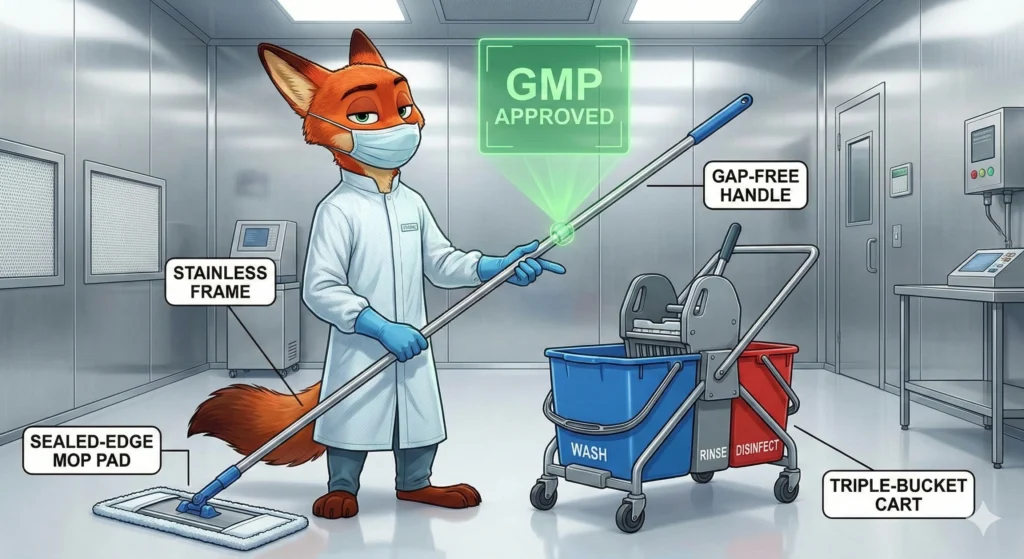
Şekil 2: Gama ile sterilize edilmiş paspas pedlerinin gerekli olduğu A/B sınıfı aseptik işleme odası. Önlüklü operatör, AB GMP Ek 1 gereklilikleri uyarınca dolum-bitirme veya izolatör alanlarındaki temizlik işlemleri sırasında steril koşulları korur.
Çok tesisli sözleşmeli üretim kuruluşları (CMO'lar): Daha küçük dolum-sonlandırma süitleri veya tek ürünlü izolatör hatları, yerinde otoklavlardan yoksun olabilir. Yeniden kullanılabilir paspasların merkezi bir sterilizasyon tesisine gönderilmesi, sterilitenin bekleme süresiyle ilgili endişelere ve lojistik gecikmelere neden olur. Gama ışınlanmış sarf malzemeleri bu bağımlılığı ortadan kaldırır.
121°C buharı tolere edemeyen malzemeler: Bazı modern paspas ped tasarımları, ısıya duyarlı yapıştırıcılar, antimikrobiyal işlemler veya otoklav koşulları altında bozunan partikül salınımı için optimize edilmiş kompozit malzemeler içerir. Bu ürünler için gama (veya EO, ancak EO'nun temizleme araçlarıyla ilgili artık endişeleri vardır) onaylanmış tek sterilizasyon seçeneğidir.
Eksik buhar nüfuzu riski: Yoğun katmanlı veya kalın köpük çekirdekli paspas kafaları, otoklav döngüleri sırasında tam buhar nüfuzunu sağlayamayabilir. Döngü parametreleri zaman/sıcaklık gereksinimlerini karşılasa bile kumaş çekirdeklerindeki yetersiz buhar teması, hayatta kalan biyolojik yükü bırakabilir. Gama radyasyonu geometriden bağımsız olarak eşit şekilde nüfuz eder; buhar gölgesi veya nüfuz endişesi yoktur.
Hızlı geri dönüş gereksinimleri: Otoklavlama, döngünün tamamlanması, ayrıca soğutma, boşaltma ve kaliteli salıverme için minimum 30-60 dakika gerektirir. Kirlenme olayları veya planlanmamış temizlik kampanyaları sırasında bu gecikme, üretimin yeniden başlatılmasını geciktirebilir. Hazır envanterde tutulan gama ile sterilize edilmiş sarf malzemeleri, anında steril aletler sağlar; işlemde gecikme olmaz.
Kullanım Senaryosu 3 — Acil Kontaminasyon Müdahalesi
Çevresel izleme gezileri veya planlanmamış mikrobiyal kontaminasyon olayları yoğun temizlik protokollerini tetikler. Bu riskli durumlarda, gama ışınlı araçlar risk azaltma olanağı sunar:
Anında steril alet kullanılabilirliği: EM uyarıları yüksek biyolojik yükü tespit ettiğinde veya spesifik mikrobiyal izolatları (küf, gram-negatif bakteriler, spor oluşturucular) tanımladığında, yanıt SOP'leri derhal harekete geçilmesini gerektirir. Acil durum stoğunda gama ile sterilize edilmiş paspas pedlerinin bulunması, steril temizliğin birkaç dakika içinde başlayabileceği anlamına gelir; bu, kontaminasyonun yayılmasını sınırlamak için kritik öneme sahiptir.
Araç-vektör riskini ortadan kaldırır: Kontaminasyon araştırmaları sırasında yeniden kullanılabilen paspaslar, temizleme/yeniden işleme döngüsü sırasında kontaminasyonun alanlar arasında yayılmasına yönelik potansiyel araçlar haline gelir. Tek kullanımlık gama pedleri bu vektörü ortadan kaldırır: kontamine olmuş her alan yeni steril aletlerle temizlenir ve ardından çapraz aktarım riski olmadan hemen atılır.
Kök neden araştırmasını destekler: Kirlenmenin temizleme aletindeki biyolojik yükten kaynaklandığı tespit edildiğinde (ortak bir bulgu), araştırma sırasında gama ile sterilize edilmiş sarf malzemelerine geçmek değişkeni izole eder. Gama pedleri takıldıktan sonra EM sonuçları normale dönerse, muhtemelen temel nedeni tanımlamışsınızdır; otoklav doğrulamanızda veya yeniden kullanılabilir paspas yeniden işleme işleminizde boşluklar vardır.
Denetim sırasında düzenleyici güven: Bir düzenleyici denetimin yakınında bir kontaminasyon olayı meydana gelirse, denetçiler düzeltici eylemlerinizi inceleyecektir. Doğrulanmış gama ile sterilize edilmiş araçların kullanılması, anında, bilime dayalı risk azaltımı sağlar; mevcut paspaslarınızı basitçe yeniden otoklavlamaktan daha güçlü düzenleyici optikler.
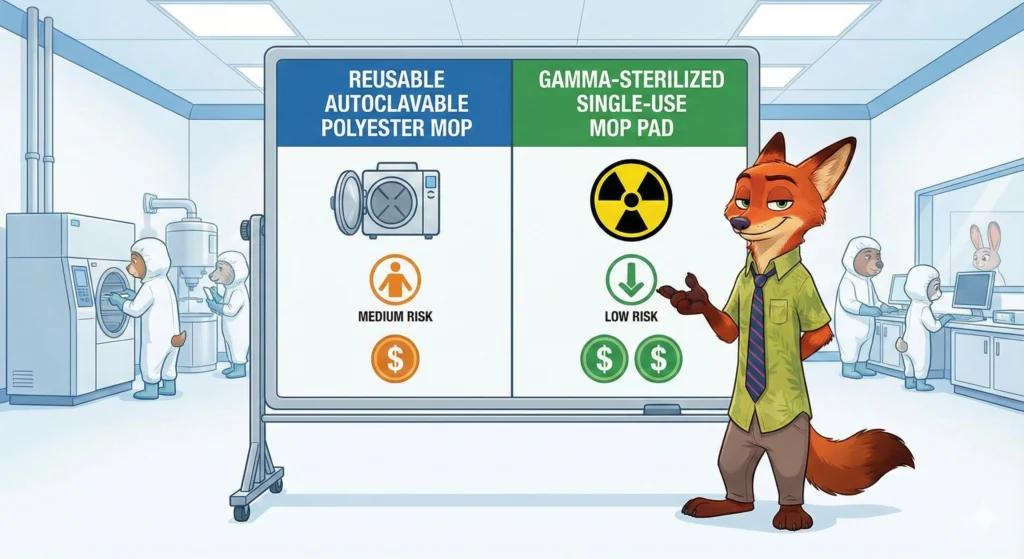
Gama vs Otoklav vs EO Sterilizasyonu (Net Karşılaştırma)
Farmasötik tesislerde sarf malzemelerinin temizliği için üç temel sterilizasyon yöntemi mevcuttur. Her birinin farklı avantajları, sınırlamaları ve ideal uygulamaları vardır. Bu ödünleşimleri anlamak, operasyonel ihtiyaçlarınız için doğru yöntemi belirlemenize yardımcı olur.
Gama Işınlaması (SAL 10⁻⁶)
Mekanizma: Kobalt-60 izotoplarından gelen iyonlaştırıcı radyasyon, kapalı ambalajdaki ürünlere nüfuz ederek, ısı veya nem olmadan mikrobiyal DNA'yı bozar.
Temel avantajlar:
- Nihai paketlemede terminal sterilizasyonu: Yeniden paketlemeye gerek kalmadan sterilizatörden kullanım noktasına kadar steriliteyi korur
- Derin, eşit nüfuz: Geometrik sınırlama yok; ürün yoğunluğundan veya konfigürasyonundan bağımsız olarak etkilidir
- Isı veya nem yok: Sıcaklığa duyarlı malzemeler ve neme uyumlu olmayan yapıştırıcılar için uygundur
- Sözleşmeli hizmet modeli: Doğrulanmış süreçlere sahip özel tesislere dış kaynak sağlanması, sterilizasyon doğrulama yükünü tesisinizden alma
- Tek kullanımlık sarf malzemeleri için mükemmeldir: Toplu olarak sipariş edildiğinde tek kullanımlık paspas pedleri, mendiller ve giysiler için ekonomiktir
Malzeme uyumluluğu:
- En uygun: Polyester, polipropilen, polietilen, bazı kapalı kenarlı kumaşlar
- Dikkat gerekli: Naylon, doğal elyaflar, bazı yapıştırıcılar ve köpükler bozulabilir
Tipik doz: 25 kGy (biyolojik yüke ve ürüne bağlı olarak 15–50 kGy aralığı)
Geri dönüş süresi: 2–4 hafta (sözleşmeli sterilizatör için dış kaynak kullanımı, nakliye, doz dağıtımı, sürüm testi)
Maliyet modeli: Sterilizatör tarafından alınan birim başına ücret artı nakliye; ölçekte ekonomiktir ancak minimum parti büyüklüğü gerektirir
Şunun için en iyisi: A/B sınıfı tek kullanımlık temizlik sarf malzemeleri, otoklav erişimi olmayan çok sahalı işlemler, acil durum steril envanteri, ısı/buhar ile uyumsuz ürünler
Otoklav Buhar Sterilizasyonu (121–134°C)
Mekanizma: Basınç altındaki doymuş buhar (tipik olarak 15-30 dakika boyunca 121°C veya 3-10 dakika boyunca 134°C), mikrobiyal proteinleri ve enzimleri denatüre eden nemli ısı sağlar.
Temel avantajlar:
- Yerinde kontrol: Şirket içi ekipman ve doğrulama; dış kaynak kullanımında gecikmeler olmadan döngünün anında başlatılması
- Yeniden kullanılabilir takım ekonomisi: Yaşam döngüleri boyunca onlarca kez yeniden işlenen paspaslar için uygun maliyetli
- Hızlı geri dönüş: 30-90 dakikalık döngüler (ısıtma, sterilizasyon ve soğutma dahil) aynı gün içinde yeniden işlemeye olanak tanır
- Kanıtlanmış teknoloji: İyi anlaşılmış doğrulama protokolleri (USP) ile onlarca yıllık farmasötik kullanım <1211>, ISO 17665)
- Maddi ışınlama endişesi yoktur: Gamaya duyarlı bazı malzemelerde görülen polimer bozunma sorunlarını önler
Sınırlamalar:
- Isı ve nem hassasiyeti: Malzemeler 121°C+ sıcaklığa ve doymuş buhara dayanıklı olmalıdır; birçok modern kompozit kumaş, yapıştırıcı ve köpük çekirdek başarısız oluyor
- Buhar penetrasyonu gereksinimleri: Yoğun şekilde paketlenmiş veya çok katmanlı ürünler, eksik buhar teması riskiyle karşı karşıya kalır ve çekirdek alanlarda canlı biyolojik yük bırakır
- Doğrulama yükünün yeniden işlenmesi: Doğrulanmış temizlik, inceleme, paketleme, sterilizasyon ve sterilite bakımı SOP'ları gerektirir; her adım potansiyel bir arıza modudur
- Sterilite tutma süresi sınırları: Otoklav sonrası sterilite zamanla bozulur (kapalı ambalajda bile); kesin son kullanma tarihi gerekli
- Operatör bağımlılığı: Doğru yükleme, döngü seçimi ve paket konfigürasyonu kusursuz SOP uygulamasına bağlıdır
Şunun için en iyisi: ISO 6-8 temiz odalarda, sert ürünlerde (kovalar, saplar, çerçeveler), doğrulanmış otoklav altyapısına ve yeniden işleme iş akışlarına sahip tesislerde, ısıya dayanıklı malzemelerde yeniden kullanılabilir paspaslar
Etilen Oksit (EO) Sterilizasyonu
Mekanizma: Etilen oksit gazı, kontrollü nem ve basınç odalarında mikrobiyal proteinleri ve DNA'yı 30–60°C'de alkile eder ve toksik kalıntıları gidermek için uzun süreli havalandırma gerektirir.
Temel avantajlar:
- Düşük sıcaklık prosesi: Buhar veya gama bozulmasını tolere edemeyen, ısıya duyarlı malzemeler için etkilidir
- Karmaşık geometrilere nüfuz eder: Gaz difüzyonu kapalı alanlara, lümenlere ve buharın erişemediği gözenekli malzemelere ulaşır
- Çeşitli malzeme paletleri için uygundur: Isı veya radyasyon altında arızalanan elektroniklerle, belirli yapıştırıcılarla ve kompozit yapılarla uyumludur
Önemli sınırlamalar:
- EO kalıntı toksisitesi: Etilen oksit ve reaksiyon yan ürünleri (etilen klorohidrin, etilen glikol) toksik ve kanserojendir; kalıntıları güvenli sınırlara indirmek için doğrulanmış havalandırma (genellikle 7-14 gün) gerektirir
- Aletleri temizlemek için ideal değildir: Paspas pedleri, mendiller ve gözenekli kumaşlar EO kalıntılarını emer ve yavaşça serbest bırakır; Temizlik işlemleri sırasında temiz oda yüzeylerine toksik kalıntıların bulaşması riski
- Genişletilmiş geri dönüş: Ön koşullandırma + sterilizasyon + havalandırma döngüleri 1-3 hafta sürer; biyolojik gösterge (Bacillus sporları) testi, salınım süresini uzatır
- Düzenleyici inceleme: AB GMP Ek 1, EO'yu "başka hiçbir sterilizasyon yönteminin uygulanabilir olmadığı" durumlarla sınırlandırır ve onaylanmış kalıntı azaltımını zorunlu kılar
- Mesleki sağlık sorunları: EO maruziyetine ilişkin OSHA sınırları sıkı tesis kontrollerini tetikler; FDA, EO maruziyetinden kaynaklanan uzun vadeli kanser riskini vurguluyor
Şunun için en iyisi: Karmaşık geometrilere sahip ısıya duyarlı tıbbi cihazlar (kateterler, elektronikli cerrahi aletler), hem buhar hem de gama ile uyumsuz malzemeler—temiz oda paspasları veya mendilleri için nadiren uygundur kalan ve zaman çizelgesi endişeleri nedeniyle
Özet Karşılaştırma Tablosu
| Faktör | Gama Işınlaması | Otoklav (Buhar) | Etilen Oksit (EO) |
| SAL'a Ulaşılabilir | 10⁻⁶ (endüstri standardı) | 10⁻⁶ (doğrulandığında) | 10⁻⁶ (doğrulandığında) |
| Sıcaklık | Ortam (ısı yok) | 121–134°C | 30–60°C |
| Malzeme Sınırları | Gama duyarlı polimerler (naylon, bazı yapıştırıcılar) | Isıya/neme duyarlı malzemeler | Sınırları azdır ancak gözenekli ürünler için kalıntılar problemlidir |
| Geri Dönüş Süresi | 2–4 hafta (dış kaynaklı) | 30–90 dakika (yerinde) | 1–3 hafta (dışarıdan sağlanan + havalandırma) |
| İşleme Modeli | Sözleşmeli hizmet (toplu dış kaynak kullanımı) | Şirket içi (talep üzerine) | Sözleşmeli hizmet (toplu dış kaynak kullanımı) |
| Maliyet (Tek Kullanımlık) | $$ (birim başına ücret; ölçekte ekonomik) | $ (yeniden kullanılabilir; döngü başına maliyet amorti edilir) | $$$ (en yüksek maliyet; sınırlı kullanım) |
| En İyi Not Başvurusu | A/B (steril alanlar; tek kullanımlık sarf malzemeleri) | C/D (yeniden kullanılabilir araçlar; kontrollü ortamlar) | Cihaz sterilizasyonu (nadiren paspas/mendil) |
| Düzenleyici Tercih (Ek 1) | Güçlü bir şekilde hizalanmış (kullanımdan önce steril) | Doğrulama ile kabul edilebilir | Kısıtlı (“başka hiçbir yöntem uygulanamadığında”) |
| Sterilite Bakımı | Mükemmel (kullanıma kadar kapalı ambalajda steril) | İyi (doğrulanmış bekletme süreleri gerektirir) | İyi (havalandırma sonrası paketleme kritik) |
Karar mantığı özeti:
- Gamayı seçin A/B Sınıfı için steril tek kullanımlık sarf malzemelerine ihtiyaç duyduğunuzda, yerinde otoklavın bulunmadığı durumlarda veya kurum içi sterilizasyon yükü olmadan doğrulanmış SAL 10⁻⁶ gerektirdiğinde.
- Otoklavı seçin Buhar sterilizasyonunu doğruladığınızda, yeniden kullanılabilir alet ekonomisi anlamlı olur (ISO 6-8 alanları) ve malzemeler ısıyı/nemi tolere eder.
- Paspas pedleri için EO'dan kaçının—karmaşık geometrilere sahip ısıya duyarlı cihazlar için ayrılmıştır; kalan risk ve geri dönüş, onu rutin temizlik sarf malzemeleri için uygunsuz hale getirir.
MIDPOSI Gama Uyumlu Mop Pad Çözümleri
Artık gama ışınlı temizleme araçlarının ne zaman gerekli olduğunu anladığınıza göre, bir sonraki soru şudur: Farmasötik standartları karşılayan, doğrulanmış, belgeleri tamamlanmış ürünleri nereden temin edeceksiniz?
MIDPOSI, QA ekibinizin yasal güven için ihtiyaç duyduğu doğrulama paketleriyle birlikte, aseptik farmasötik üretim için özel olarak tasarlanmış gama ile sterilize edilmiş tek kullanımlık paspas pedleri sağlar.
Gama Sterilize Tek Kullanımlık Mop Pedlerimiz
Sızdırmaz kenarlı polyester yapı:
- Gama uyumluluğu için seçilen polyester kumaş; 25 kGy sterilizasyon dozunda bozulma veya renk değişikliği olmaz
- Termal olarak kapatılmış kenarlar (kesik kenarlar veya gevşek lifler yoktur) kullanım sırasında partikül oluşumunu önler
- Ekstrakte edilebilir maddeleri en aza indirmek ve temel biyolojik yükü azaltmak için sterilizasyondan önce yıkanır ve önceden temizlenir
Düşük parçacık üretim performansı:
- Doğrulanmış parçacık salınımı: <Metrekare başına ≥0,5 µm 100 parçacık (ISO 5 Grade A gerekliliklerini karşılar)
- ISO 14644-1 metodolojisine göre bağımsız laboratuvar testleri
- Her ürün partisi için doğrulama paketine dahil edilen parçacık verileri
Aseptik süitler için hazır steril ambalaj:
- Sızdırmaz çift poşetlerde gama ile sterilize edilmiştir (dış poşet malzeme hava kilidinden çıkarılmıştır; iç poşet sınıflandırılmış alanda açılmıştır)
- Ambalaj üzerindeki sterilite göstergeleri radyasyona maruz kalmayı doğrular (ancak doz kayıtlarının yerine geçmez)
- Torba açılana kadar sterilite korunur; bekleme süresi sınırı veya ikincil dezenfeksiyon gerekmez
Çeşitli temizlik uygulamaları için birden fazla boyut:
- İzolatörün iç temizliği, eldiven portu yüzeyleri ve dar erişim alanları için küçük pedler (6″ × 8″)
- Dolgu kaplamalı zeminler, tampon hazırlama odası duvarları ve rutin dökülme temizliği için standart pedler (12″ × 12″)
- B Sınıfı arka planlarda ve liyofilizatör haznesi yüzeylerinde geniş alanlı paspaslama için büyük pedler (18″ × 18″)

Şekil 3: MIDPOSI gama ile sterilize edilmiş paspas pedi ambalajı, kimyasal göstergelere sahip çift kese steril bariyer sistemini, net parti tanımlamasını ve mühürlü polyester yapıyı göstermektedir. Ambalaj, Ek 1 gerekliliklerine göre sterilite bakımı için doğrulanmıştır.
Kalite Güvence Ekipleri için Doğrulama Paketi (Yasal Uyumluluk Açısından Kritik)
En yaygın satın alma tuzaklarından biri: Tesisler gama ile sterilize edilmiş sarf malzemeleri satın alıyor ancak eksik belgeler alıyor. Denetçiler sterilite doğrulaması, parçacık verileri veya malzeme uyumluluğu istediğinde ve siz bunu sağlayamadığınızda, uyumsuzluk bulguları ortaya çıkar.
MIDPOSI kapsamlı doğrulama desteği sağlar:
Sterilite Sertifikası (SAL belgeleri):
- Akredite gama sterilizasyon tesisinden partiye özel Sterilite Sertifikası
- Verilen dozu (kGy), min/maks konumlardaki dozimetri okumalarını ve çıkış tarihini gösterir
- ISO 11137 standartlarına göre SAL 10⁻⁶ başarısını doğruladı
Parçacık Testi Raporları:
- ISO 14644-1 metodolojisine göre parçacık oluşumunu gösteren bağımsız laboratuvar test sonuçları
- Parçacık boyutuna göre ayrılmış veriler (≥0,5 µm, ≥1,0 µm, ≥5,0 µm)
- Sınıf A (ISO 5) ve Sınıf B (ISO 7) uygulamalarına uygunluğu gösterir
Biyolojik Yük Raporu (ön sterilizasyon):
- Gamaya maruz kalmadan önceki temel biyolojik yük seviyeleri
- Sterilizasyon dozunun ürün kontaminasyon yüküne uygun olduğunu doğrular
- SAL hesaplaması ve doz ayarlama doğrulaması için gerekli giriş
Malzeme Uyumluluğu & Çıkarılabilir Veriler:
- Polyester kumaşın gama etkisine maruz kaldıktan sonra gerilme mukavemetini, renk stabilitesini ve boyutsal bütünlüğü koruduğuna dair onay
- Minimal kimyasal sızıntıyı gösteren ekstrakte edilebilir madde testleri (steril ilaç ürünüyle temas riski değerlendirmesi için kritik)
- Kontaminasyon kontrol stratejisi dokümantasyonu için Malzeme Güvenliği Veri Sayfaları (MSDS) ve bileşim açıklaması
Analiz Sertifikası (CoA) ve Uygunluk Sertifikası (CoC):
- Lota özel CoA ve test sonuçları (partikül sayısı, sterilite, biyolojik yük, fiziksel boyutlar)
- Müşteri spesifikasyonlarına ve düzenleyici standartlara uygunluğu doğrulayan CoC (GMP Ek 1, ISO 14644)
Bu eksiksiz doğrulama paketi, kontaminasyon kontrol stratejisi belgelerinizin ilk günden itibaren denetime hazır olmasını sağlar.

İlaç Müşterileri Neden MIDPOSI'yi Seçiyor?
Farmasötik kökene sahip küresel aseptik tedarikçisi:
On yılı aşkın bir süredir Kuzey Amerika, Avrupa ve Asya-Pasifik'teki biyolojik madde üreticilerine, steril dolum son işlem CMO'larına ve API üreticilerine temiz oda sarf malzemeleri tedarik ediyoruz. GMP beklentilerini anlıyoruz çünkü onları yaşıyoruz.
12 saatlik teknik destek yanıtı:
Malzeme uyumluluğu, doğrulama protokolleri veya Ek 1 uyumluluğu hakkında sorularınız mı var? Kontaminasyon kontrol uzmanlarımız (farmasötik üretim geçmişine sahip) yarım iş günü içinde yanıt verir; genel çağrı merkezi komut dosyalarına gerek yoktur.
ISO 14644 ve GMP Ek 1 uyumu:
"Temiz oda uyumlu" olarak yeniden markalanan genel endüstriyel mendiller değil, özellikle farmasötik temiz oda kullanımı için tasarlanmış ürünler. Mevzuat güncellemelerini (Ek 1 revizyonları, FDA kılavuzu) takip ediyoruz ve ürün özelliklerini ve belgelerini proaktif olarak güncelliyoruz.
Rekabetçi steril ünite fiyatlandırması:
Toplu gama sterilizasyonu ve doğrudan üreticiden fiyatlandırma, kaliteden ödün vermeden maliyet verimliliği sağlar. Yıllık tedarik anlaşmaları için hacim indirimleri mevcuttur; Yüksek verimli tesisler için konsinye envanter programları.
Düzenleyici denetim desteği:
Bir FDA denetimi veya EMA GMP denetimiyle mi karşı karşıyasınız? Hızlandırılmış dokümantasyon paketleri, teknik gerekçe mektupları ve tedarikçi denetimine hazırlık desteği sunarak kontaminasyon kontrolü titizliğini göstermenize yardımcı oluyoruz.
Steril Numuneler Talep Edin & Fiyatlandırma
Aseptik operasyonlarınız için gama ile sterilize edilmiş paspas pedlerini değerlendirmeye hazır mısınız? Talep etmek için MIDPOSI ile iletişime geçin:
- Steril ürün numuneleri: A/B Sınıfı ortamlarınızda uygulamalı değerlendirme için küçük miktarlarda deneme paketleri (gamma ile sterilize edilmiş, tam doğrulama belgeleri dahil)
- Özel fiyatlandırma teklifleri: Yıllık tüketim tahmininiz için hacim bazlı fiyatlandırma; esnek sipariş (daimi PO'lar, konsinye veya kampanya başına siparişler)
- Doğrulama dosyası incelemesi: Tedarik anlaşmalarını taahhüt etmeden önce mevzuat uyumunu doğrulamak için doğrulama paketlerimizi QA ekibinizle satın almadan önce inceleyin
📧 E-posta: [email protected]
SSS — Gama Işınlanmış Temiz Oda Paspas Pedleri
Gama ışınlı paspas pedleri steril midir?
Evet; uygun şekilde doğrulandığında ve belgelendiğinde. SAL 10⁻⁶ (steril olmayan ünitenin milyonda bir olasılığına ilişkin Sterilite Güvence Düzeyi) elde eden gama ışınlanmış paspas pedleri, sterilite açısından ilaç endüstrisi standartlarını karşılar. Ancak "gamma ışınlanmış" etiketi tek başına sterilliği garanti etmez; tedarikçinin, elde edilen sterilizasyon dozunu (tipik olarak 25 kGy) ve ISO 11137 standartlarına uygunluğu gösteren partiye özel sterilite sertifikaları sağladığını doğrulamanız gerekir. Ek olarak, steril ambalajın bütünlüğü, sterilizasyondan kullanım noktasına kadar korunmalıdır; herhangi bir paket hasarı, sterilizasyon yönteminden bağımsız olarak steriliteyi tehlikeye atar.
A/B Sınıfı temiz odalarda gama ile sterilize edilmiş pedler kullanılabilir mi?
Kesinlikle—bu uygulama için özel olarak tasarlandılar. AB GMP Ek 1, Sınıf A/B aseptik işleme alanları için steril temizleme araçları gerektirir. Gama ışınlı paspas pedleri, yerinde sterilizasyon gerektirmeden anında kullanıma hazır, onaylanmış ambalajlarda son aşamada sterilize edilmiş olarak gelerek bu gereksinimi karşılar. Önemli olan, ürünün aynı zamanda parçacık oluşturma spesifikasyonlarını da karşılamasını sağlamaktır: A Sınıfı (ISO Sınıf 5) talepleri <Metrekare başına ≥0,5 µm olan 100 parçacık, Sınıf B (ISO Sınıf 7) ise izin verir <Metreküp başına ≥0,5 µm olan 3.520 parçacık. Uygunluğunu doğrulamak için tedarikçinizden parçacık testi verilerini isteyin.
Gama ışınlaması polyester paspas pedinin dayanıklılığını etkiler mi?
Malzemeler doğru seçildiğinde hayır; ancak doğrulama şarttır. Yüksek kaliteli polyester kumaşlar, standart sterilizasyon dozlarına (25 kGy) maruz kaldıktan sonra çekme mukavemetini, aşınma direncini ve boyutsal stabiliteyi korur. Ancak düşük dereceli polyester veya karışımlı kumaşlarda sararma, kırılganlık veya lif zayıflaması görülebilir. Saygın tedarikçiler, gama maruziyeti sonrasında malzeme performansını doğrular ve fiziksel özelliklerin (mukavemet, parçacık salımı, emme kapasitesi) spesifikasyonlar dahilinde kaldığını gösteren veriler sağlar. Her zaman ışınlama öncesi ve sonrası test sonuçlarını gösteren malzeme uyumluluk belgelerini isteyin. Bir tedarikçi bu verileri sağlayamıyorsa ürünleri tam anlamıyla gama uyumlu olmayabilir.
Gama vs otoklav — aseptik odalar için hangisi daha güvenli?
Her iki yöntem de uygun şekilde doğrulandığında SAL 10⁻⁶ steriliteye ulaşır, ancak gama, Sınıf A/B ortamları için operasyonel risk avantajları sunar. Gama ile sterilize edilmiş tek kullanımlık pedler, her biri potansiyel bir kontaminasyon vektörü olan yeniden işleme değişkenlerini (temizlik doğrulama hataları, otoklav yükleme hataları, sterilite tutma süresinin dolması, aletin yeniden kullanımı sırasında çapraz kontaminasyon) ortadan kaldırır. Otoklav sterilizasyonu, operatörün kusursuz uygulamasına ve doğrulanmış yeniden işleme iş akışlarına bağlıdır; Herhangi bir SOP sapması, hemen tespit edilmeden steriliteyi tehlikeye atabilir. Kontaminasyon sonuçlarının en yüksek olduğu aseptik çekirdek bölgeleri için (doldurma hatları, liyofilizatör yükleme, izolatör iç kısımları), gama ile sterilize edilmiş tek kullanımlık malzemeler, Ek 1'in kontaminasyon kontrol stratejisi ilkelerine uygun olarak derinlemesine savunma risk azaltma sağlar.
Steril alanlar için paspas pedlerinin hangi SAL seviyesine ihtiyacı vardır?
Farmasötik steril alanlar, son aşamada sterilize edilen ürünler için SAL 10⁻⁶ (yaşayan kontaminasyonun milyonda bir olasılığı) gerektirir. Bu, steril enjekte edilebilir ilaçlar ve vücuda yerleştirilebilir tıbbi cihazlara uygulanan standardın aynısıdır. Bazı tedarikçiler daha düşük SAL'ye (10⁻³ veya "ticari olarak steril") veya doğrulanmamış "dezenfekte" durumuna sahip ürünler sunmaktadır; bunlar, A/B Sınıfı kullanıma yönelik farmasötik GMP gerekliliklerini karşılamamaktadır. Tedarik spesifikasyonlarında her zaman SAL 10⁻⁶ belirtin ve elde edilen SAL'yi doğrulayan partiye özel sterilite sertifikaları isteyin. C/D Sınıfı destek alanları (ISO 7-8) için bazı tesisler daha düşük SAL'yi veya otoklavlanmış yeniden kullanılabilir araçları kabul eder, ancak aseptik çekirdek bölgeler için SAL 10⁻⁶ tartışılamaz.
Gama ile sterilize edilen paspas pedleri ne kadar süre steril kalır?
Sterillik, ambalaj bütünlüğü bozulmadığı sürece (genellikle sterilizasyon tarihinden itibaren 3-5 yıl) korunur, ancak bu, ambalajın doğrulanmasına bağlıdır. Otoklavlanmış öğelerin (kapalı ambalajlarda bile sınırlı sterilite tutma süreleri olan) aksine, doğrulanmış steril bariyer sistemlerinde (Tyvek torbalar, folyo laminatlar) gama ile sterilize edilmiş ürünler, uzun süreler boyunca steriliteyi korur. Ambalajın üzerinde yazılı olan sterilite son kullanma tarihi, ambalajın eskime çalışmalarına ve bütünlük testlerine (boya nüfuzu, kabarcık sızıntısı testleri) dayalı doğrulanmış raf ömrünü yansıtır. Bir paket açıldığında, paspas bezini derhal sınıflandırılmış temiz oda içinde kullanın; ambalaj bozulduktan sonra sterilite korunamaz.
Gama sterilizasyonuyla ilgili herhangi bir düzenleyici kısıtlama var mı?
Kısıtlama yoktur; gama, tek kullanımlık steril sarf malzemeleri için yaygın olarak kabul edilir ve tercih edilir. EU GMP Ek 1, radyasyon sterilizasyonunun ısıya duyarlı malzemeler için uygun olduğunu açıkça belirtmektedir ve yalnızca sterilizasyon sürecinin ISO standartlarına göre doğrulanmasını gerektirmektedir. FDA, gama sterilizasyonunu 21 CFR 211 (CGMP) kapsamında tanır ve doğrulama çerçevesi olarak ISO 11137'yi destekler. Etilen oksitten farklı olarak (Ek 1, toksik kalıntılar nedeniyle "başka hiçbir yöntemin uygulanamadığı" durumlarla sınırlandırmaktadır), gama'nın bu tür sınırlamaları yoktur. Dikkate alınması gereken tek pratik husus malzeme uyumluluğudur (bazı polimerler iyonlaştırıcı radyasyon altında bozunur), ancak polyester/polipropilen temiz oda paspas pedleri için gama, düzenleyici kurumların tercih ettiği sterilizasyon yoludur.
Gama ile sterilize edilmiş paspas pedlerini yeniden sterilize ettikten sonra tekrar kullanabilir miyim?
Hayır; gama ile sterilize edilmiş paspas pedleri, tasarım ve düzenleme amaçları gereği tek kullanımlık sarf malzemeleridir. Yeniden işleme ve yeniden sterilize etme girişimi birden fazla riski beraberinde getirir: (1) temizleme doğrulama zorlukları (kirletici maddelerin kumaş matrislerinden tamamen uzaklaştırıldığını kanıtlar), (2) kümülatif radyasyon dozu etkileri (tekrarlanan gama maruziyeti polimer bozulmasını hızlandırır), (3) parçacık oluşumunda artış (kumaş aşınması ve kullanımdan kaynaklanan elyaf kırılması) ve (4) mevzuata uygunsuzluk (tek kullanımlık etiketleme, GMP kapsamında yeniden kullanımı yasaklar). Maliyet bilincine sahip operasyonlar için, toplam sahip olma maliyeti hesaplaması, gama tek kullanımlık pedlerin kullanım başına maliyetini yeniden kullanılabilir paspas yaşam döngüsü maliyetleriyle (satın alma fiyatı + yeniden işleme işçiliği + doğrulama + otoklav yardımcı programları + arıza oranı riski) karşılaştırmalıdır. Aseptik Sınıf A/B alanlarında, tek kullanımlık gama pedleri genellikle daha iyi riske göre ayarlanmış değer sunar.