
GMP Temiz Oda Denetimine Hazırlanmak Neden Önemlidir?
A GMP cleanroom audit is not simply a document inspection. It is an evaluation of whether your facility can prove contamination control, process discipline, and operational consistency. Auditors want to see that your systems are not only written, but also implemented, followed, reviewed, and improved when gaps appear.
That means audit readiness depends on more than a clean room appearance. It depends on qualification status, environmental monitoring trends, SOP control, cleaning execution, gowning discipline, training records, deviation investigations, CAPA effectiveness, and traceable evidence.
Güçlü denetim hazırlığı size şu konularda yardımcı olur:
- Denetim stresini ve tepkisel karıştırmayı azaltın
- Zayıf noktaları denetçiden önce belirleyin
- QA, operasyonlar ve doğrulama genelinde tutarlılığı artırın
- Müşteriler ve düzenleyici kurumlar arasındaki güveni güçlendirin
Zayıf denetim hazırlığı genellikle aşağıdakilere yol açar:
- Yazılı SÇP'ler ile fiili uygulama arasındaki boşluklar
- Eksik veya eksik kayıtlar
- İnceleme sırasında zayıf trend açıklaması
- Kontaminasyon kontrolüyle ilgili tekrarlanan bulgular
Denetçilerin GMP Temiz Odada Genellikle Aradıkları Şey
Auditors are usually trying to answer one central question: can this facility demonstrate ongoing control of contamination risk? To answer that, they often review qualification evidence, monitoring strategy, personnel behavior, cleaning control, investigation logic, and how the site responds when results drift outside expected ranges.
Tipik odak alanları şunları içerir:
- Mevcut yeterlilik ve doğrulama durumu
- Çevresel izleme konumları, sınırlar ve trendin yorumlanması
- Uygulama kanıtlarıyla birlikte temizlik ve sanitasyon prosedürleri
- Personel kıyafeti, eğitimi ve davranış kontrolleri
- Sapma yönetimi, temel neden analizi ve CAPA kapatma
- Kritik temiz oda sarf malzemeleri için izlenebilirlik
- Veri bütünlüğü ve belge sürümü kontrolü
Bu nedenle denetim hazırlığı doğrudan yöneticinizle bağlantı kurmalıdır. IQ/OQ/PQ yeterlilik çerçevesi, your çevresel izleme konumu stratejisi, and your temizlik ve sanitasyon SOP'si.
Dokümantasyon İncelemesi: Denetime Hazır Olmanın İlk Katmanı
Before the audit, your team should review whether all critical documents are current, approved, accessible, and consistent with actual practice. One of the fastest ways to lose audit confidence is when an SOP says one thing, but operators describe another, or when records are incomplete, outdated, or impossible to reconcile.
Önceden incelenmesi gereken belgeler
Yeterlilik ve doğrulama kayıtları
Protokollerin, raporların, onayların ve yeniden yeterlilik durumunun güncel ve izlenebilir olduğunu doğrulayın.
Çevresel izleme SOP'leri ve trend özetleri
Uyarı/eylem mantığını, konum gerekçesini, gezinim yönetimini ve trend açıklamasını gözden geçirin.
Temizlik ve sanitasyon prosedürleri
Yazılı yöntemlerin gerçek sıklık, temas süresi, kimyasal kullanımı ve alet kullanımıyla eşleştiğinden emin olun.
Eğitim ve önlük kayıtları
Operatörler eğitimli, güncel olmalı ve onaylanmış prosedürlere açıkça uyum sağlamalıdır.
Sapma, CAPA ve araştırma kayıtları
Bulgular gerçek kök neden mantığını, belgelenmiş eylemleri ve kapatma etkinliğine ilişkin kanıtları göstermelidir.
Pek çok takım için bu incelemeyi daha savunulabilir hale getirmenin en iyi yolu, onu resmi bir incelemeye göre haritalandırmaktır. FDA cGMP temiz oda doğrulama kontrol listesi ve tutarlı bir dokümantasyon çerçevesi.
Operasyonel Hazırlık: Denetçinin Sahada Neleri Fark Edeceği
Even when the documents look good, auditors often focus on whether real operations support the same story. Floor observations can quickly expose gaps in gowning, cleaning execution, material flow, intervention control, equipment status, or operator understanding.
Operasyonel hazırlık şunları içermelidir:
İnsanlar
- Operatörler önlükleri doğru şekilde takip ediyor
- Personel ne yaptığını ve nedenini açıklayabilir
- Eğitim rol ve oda riskini eşleştirir
- Davranış kontaminasyon kontrolünü destekler
Süreçler
- Temizleme yöntemleri tutarlı ve gözlemlenebilirdir
- Malzeme transferi temiz oda kontrollerini takip eder
- Çevresel izleme yazılı olarak yürütülür
- Sapma artış yolları anlaşıldı
Teçhizat & alan durumu
- Etiketler, kalibrasyon ve oda durumu anlaşılır
- Sarf malzemeleri doğru şekilde depolanıyor ve tanımlanıyor
- Belirgin bir temizlik veya ayırma sorunu yok
- Erişim kontrolleri ve akışları mantıklıdır
Kanıt kalitesi
- Günlükler eksiksiz ve okunaklı
- Trend verileri açıkça açıklanabilir
- İstisnalar belgelenir, gizlenmez
- CAPA takibi görünür ve güvenilirdir
Çevresel İzleme ve Temizlik Denetim Sonuçlarını Nasıl Etkiler?
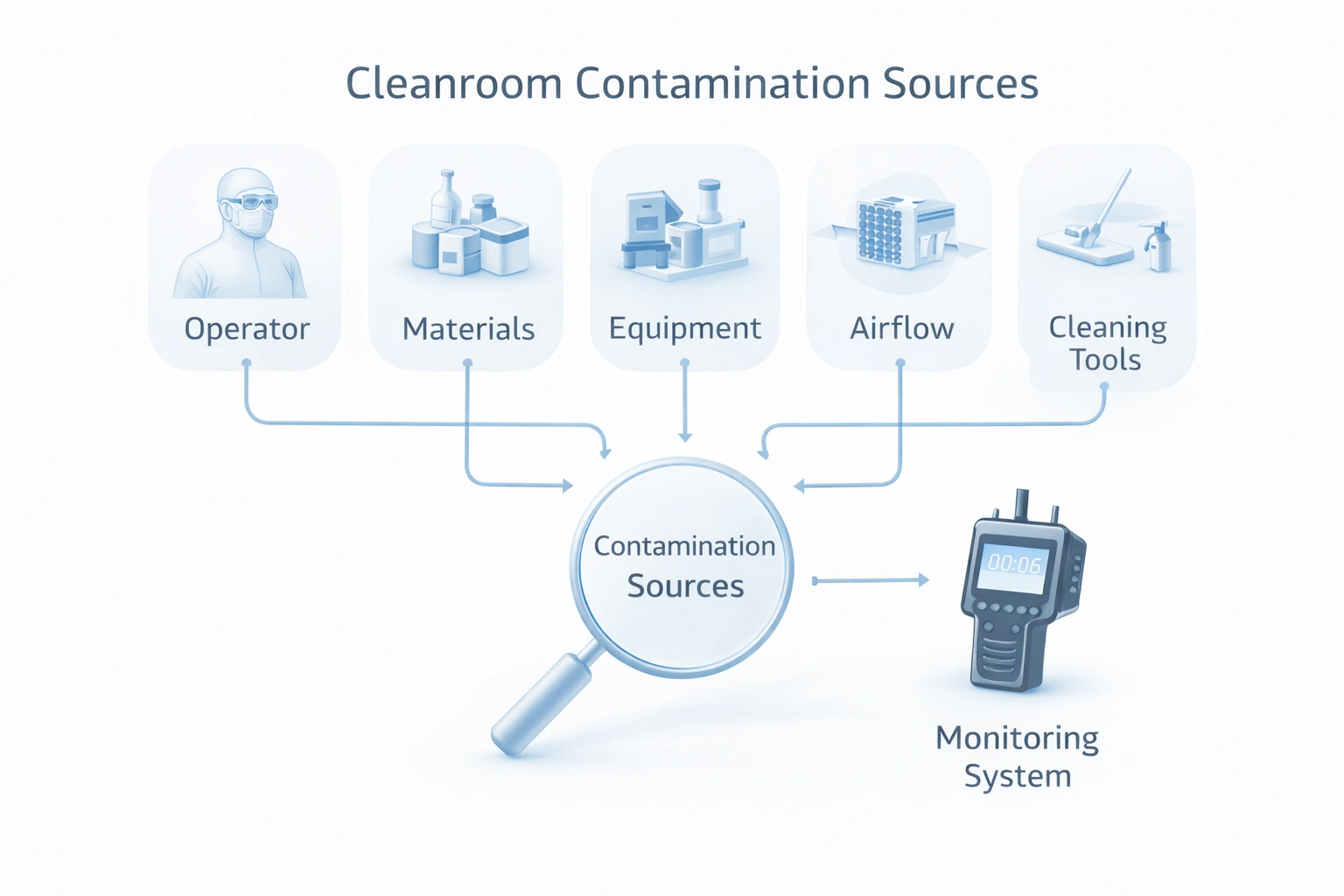
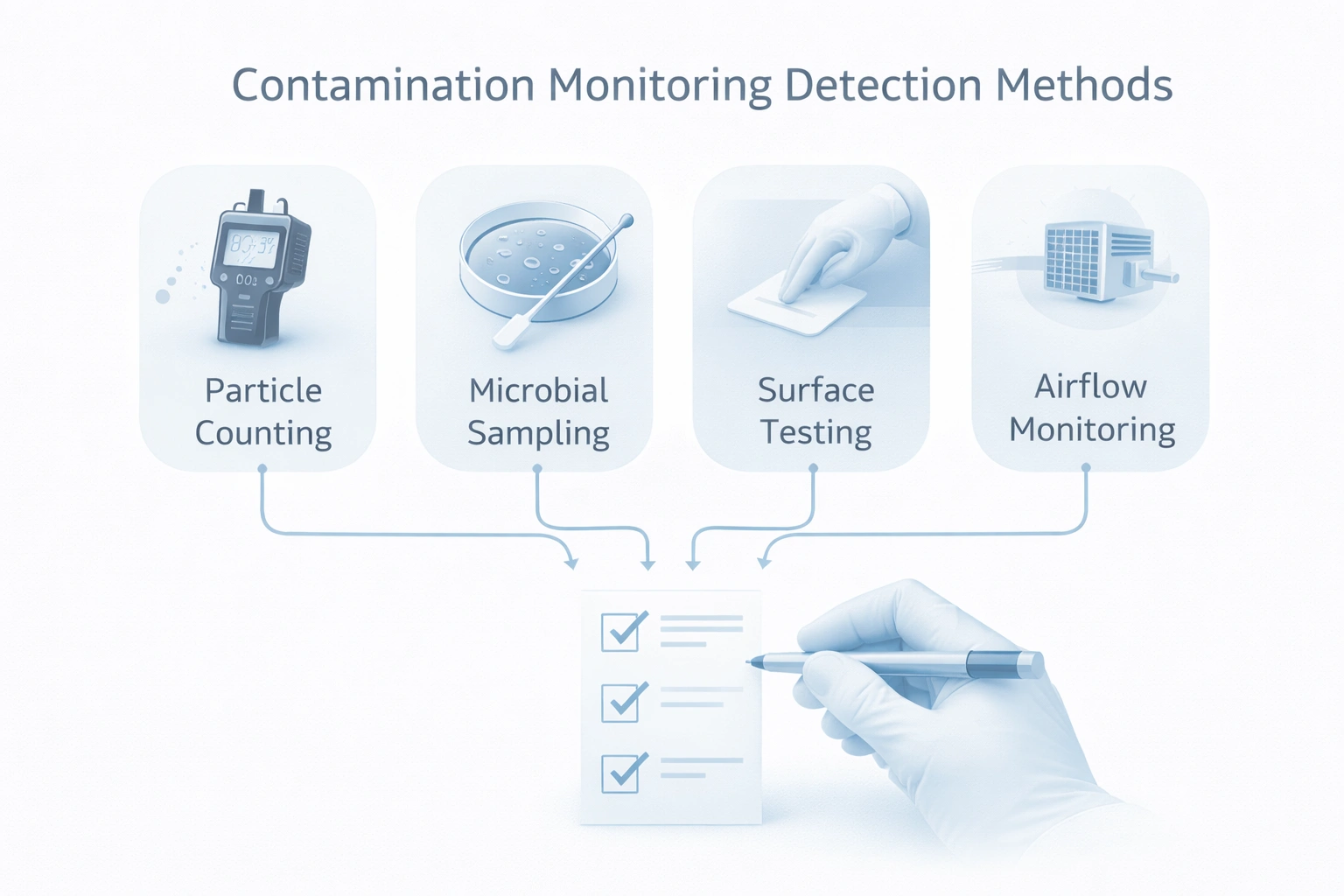
Environmental monitoring and cleaning control are two of the most visible proof points in a cleanroom audit. If your monitoring strategy is weak, or if your cleaning records cannot explain recurring risk areas, auditors will question whether contamination control is truly under control.
That is why monitoring locations, trend interpretation, cleaning chemistry, contact times, tool selection, frequency, and consumable traceability should all be connected. A facility that can explain not just what happened, but why it happened and how it is controlled, will almost always appear stronger in audit review.
Bu bölüm doğal olarak dahili bağlantılarınızı güçlendirmelidir. GMP Temiz Odalarındaki Çevresel İzleme Konumları, Temiz Oda Sarf Malzemeleri için Toplu İzlenebilirlik, and Ek 1 önlük prosedürleri.
GMP Temiz Oda Denetimine Hazırlık Kontrol Listesi
Aşağıdaki kontrol listesi, QA, operasyonlar, mühendislik, mikrobiyoloji ve satın alma ekipleri genelinde hızlı bir ön denetim inceleme aracı olarak kullanılabilir.
| Denetim Alanı | Neyi Onaylamalı? | Ortak Zayıf Nokta | Neden Önemlidir? |
|---|---|---|---|
| Yeterlilik durumu | IQ/OQ/PQ ve yeniden yeterlilik kayıtları günceldir | Süresi dolmuş veya eksik doğrulama paketi | Temel tesis kontrolü iddialarını baltalıyor |
| Çevresel izleme | Konumlar, sınırlar, eğilimler ve araştırmalar gerekçelidir | Yetersiz gerekçe veya açıklanamayan yinelenen sinyaller | Zayıf kontaminasyon gözetimini önerir |
| Temizlik & sanitasyon | SOP'lar, günlükler, kimya ve iletişim süreleri uygulamayla eşleşiyor | İcra prosedürden farklıdır | Rutin kontrol konusunda şüphe uyandırıyor |
| Personel eğitimi & önlük | Kayıtlar güncel ve uygulamalar tutarlıdır | Operatörler eylemlerini açıklayamıyor | Doğrudan kontaminasyon kontrolü endişesi |
| Sapma & KAPA | Araştırmalar temel nedeni, eylemi ve kapanışı gösteriyor | Yüzeysel CAPA veya tekrarlanan yineleme | Düşük kaliteli sistem olgunluğunu gösterir |
| Sarf malzemesi izlenebilirliği | Kritik öğeler partiye/partiye bağlanabilir ve bağlamı kullanabilir | Eksik tedarik zinciri veya kullanım izlenebilirliği | Soruşturmaları ve hesap verebilirliği zayıflatır |
Yaygın GMP Temiz Oda Denetim Boşlukları
1. SOP'lar gerçek uygulamayla eşleşmiyor
Bu en yaygın ve en zarar verici boşluklardan biridir. Denetçiler, gerçek uygulamanın kontrollü prosedürden farklı olduğunu hemen fark ederler.
2. Trend verileri var ama kimse açıklayamıyor
Tek başına bir grafik yeterli değildir. Ekipler neyin değiştiğini, neyin araştırıldığını ve hangi eylemin yapıldığını açıklayabilmelidir.
3. CAPA belgelenmiştir ancak etkili değildir
Aynı alanda tekrarlanan bulgular, özellikle düzeltici eylemler genel olduğunda CAPA sistemlerinin zayıf görünmesine neden oluyor.
4. Sarf malzemesi kontrolü düşük riskli olarak değerlendirilir
İzlenebilirlik veya spesifikasyon kontrolü zayıfsa, paspas başlıkları, mendiller, giysiler ve temizlik aksesuarları araştırma sırasında önemli hale gelebilir.
5. Denetim hazırlığı çok geç yapılıyor
Denetimden yalnızca birkaç gün önce hazırlık yapan tesisler genellikle sistemin gerçek hazırlığı yerine evrak temizliğine odaklanır.
Denetime Hazır Temiz Oda Paspas Sistemlerine veya Sarf Malzemelerine mi ihtiyacınız var?
Midposi supports facilities that want cleanroom consumables aligned with contamination-control logic, documentation clarity, and routine GMP execution.
- Kontrollü temizlik iş akışları için temiz oda paspas sistemleri
- İzlenebilirliğe önem veren ürün seçimi desteği
- Tedarik, SOP'ler ve denetim beklentileri arasında daha iyi uyum
Bu Makale İçin Önerilen Dahili Bağlantılar
- Temiz Oda IQ OQ PQ Kalifikasyonunun Açıklaması — doğrulama durumu, yeniden yeterlilik ve denetim kanıtı yapısını tartıştığınız yerde kullanın.
- GMP Temiz Odalarındaki Çevresel İzleme Konumları — izleme mantığını, eğilimleri ve kontaminasyon-risk haritalamasını tartıştığınız yeri kullanın.
- Temiz Oda Sarf Malzemeleri için Toplu İzlenebilirlik — soruşturma desteğini ve tedarik zinciri sorumluluğunu tartıştığınız yerde kullanın.
- Temiz Oda Temizliği ve Sterilizasyon SOP: Tam Kılavuz — temizlik kanıtlarını, günlükleri ve rutin kontaminasyon kontrolünü tartıştığınız yerde kullanın.
- Temiz Oda Giyme Prosedürleri: Ek 1 Uyumluluk Kılavuzu — personel uygulamalarını ve kontaminasyonun önlenmesini tartıştığınız yerde kullanın.
- FDA cGMP Temiz Oda Doğrulama Kontrol Listesi — Yapılandırılmış denetime hazırlık incelemelerini tartıştığınız yeri kullanın.
- AB GMP Ek 1 Temiz Oda SOP Dokümantasyonu — belge beklentilerini, veri bütünlüğünü ve düzenleyici konumlandırmayı tartıştığınız yerde kullanın.
Sıkça Sorulan Sorular
GMP temiz oda denetimine nasıl hazırlanırsınız?
Kalifikasyon kayıtlarını, çevresel izleme eğilimlerini, temizlik SOP uygulamasını, eğitim dosyalarını, sapma araştırmalarını, CAPA etkinliğini ve kritik sarf malzemelerinin izlenebilirliğini inceleyin. Daha sonra yer antrenmanının yazılı sistemle eşleştiğini doğrulayın.
GMP temiz oda denetçileri genellikle neye odaklanır?
Denetçiler genellikle kontaminasyon kontrolü, yeterlilik durumu, çevresel izleme, temizlik ve dezenfeksiyon, önlük disiplini, eğitim, sapmaların ele alınması, dokümantasyon kontrolü ve CAPA etkinliğine odaklanır.
Denetim sırasında çevresel izleme neden önemlidir?
Çevresel izleme, kontaminasyon riskinin zaman içinde gözlemlenip yorumlanmadığına ve kontrol edilip edilmediğine dair doğrudan kanıt sağlar. Zayıf izleme mantığı sıklıkla denetim endişesine yol açar.
Temiz oda sarf malzemeleri GMP denetiminde önemli midir?
Evet. Denetçiler kontaminasyon kontrolünü, rutin uygulamayı ve soruşturmanın izlenebilirliğini gözden geçirdiğinde paspas sistemleri, mendiller, giysiler ve diğer temiz oda sarf malzemeleri son derece alakalı hale gelebilir.