Güvenilir Biyolojik Yük Testi için Steril Tulumlar

Biyolojik yük testlerindeki yanlış pozitifler laboratuvarın bütünlüğünü tehlikeye atabilir ve maliyetli hatalara yol açabilir. Yüksek kaliteli steril tulumların, mikrobiyoloji laboratuvarlarında sterilite güvencesini nasıl geliştirebileceğini ve kontaminasyon risklerini nasıl azaltabileceğini, böylece daha doğru ve güvenilir test sonuçları sağlayabileceğini keşfedin.
Mikrobiyoloji Laboratuvarlarında Steril Tulumlar Neden Önemlidir?

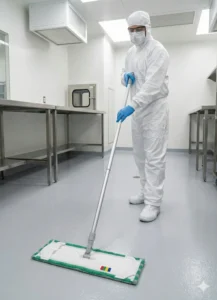
Biyolojik yük testi alanında, steril bir ortamın korunması çok önemlidir. Steril tulumlar laboratuvar sterilitesinin korunmasında ve hassas mikrobiyolojik prosedürler sırasında kontaminasyonun önlenmesinde çok önemli bir rol oynar. Bu özel giysiler laboratuvar teknisyeni ile test ortamı arasında koruyucu bir bariyer görevi görerek test sonuçlarını çarpıtabilecek yabancı parçacıkların veya mikroorganizmaların bulaşma riskini en aza indirir.
Steril tulumlar, genellikle ≤1 CFU/giysi başlangıç biyolojik yükünü içeren katı temizlik standartlarını karşılayacak şekilde tasarlanmıştır. Bu son derece düşük biyolojik yük seviyesi, giysilerin test prosedürleri sırasında kontaminasyon risklerine katkıda bulunmamasını sağlar. Yüksek kaliteli steril tulumları bünyelerine dahil ederek biyolojik yük testi protokoller sayesinde laboratuvarlar kısırlık güvence önlemlerini önemli ölçüde geliştirebilir ve test sonuçlarının bütünlüğünü koruyabilir.

Biyolojik Yük Testlerinde Yanlış Pozitiflerin Yaygın Nedenleri
Biyolojik yük testindeki yanlış pozitifler çeşitli kaynaklardan kaynaklanabilir; uygunsuz laboratuvar kıyafetleri de önemli bir etkendir. Steril olmayan veya yetersiz şekilde sterilize edilmiş tulumlar, test ortamına kirletici maddeler bulaştırabilir, bu da hatalı sonuçlara ve potansiyel olarak maliyetli sonuçlara yol açabilir. Bazı yaygın sorunlar şunlardır:
- Düşük kaliteli kumaşlardan parçacıkların dökülmesi
- Laboratuvar giysileri için yetersiz sterilizasyon işlemleri
- Tulumların uygunsuz kullanımından veya saklanmasından kaynaklanan çapraz bulaşma
- Endüstri standartlarını karşılamayan, uyumlu olmayan malzemelerin kullanılması
Laboratuvarlar, yüksek kaliteli steril tulumlar kullanarak bu potansiyel kontaminasyon kaynaklarını ele alarak yanlış pozitif riskini önemli ölçüde azaltabilir ve biyolojik yük test prosedürlerinin güvenilirliğini artırabilir.

Etkili Steril Tulumların Temel Özellikleri
Biyolojik yük testi için steril tulum seçerken, aşağıdaki temel özellikleri sunan giysilerin aranması önemlidir:
- Düşük saçılımlı malzemeler: Sıkı dokunmuş, az tiftikli kumaşlardan yapılan tulumlar partikül salınımını en aza indirerek kirlenme riskini azaltır.
- Endüstri standartlarına uygunluk: Sterilite güvencesi için ilgili düzenleyici gereklilikleri ve laboratuvar standartlarını karşılayan veya aşan tulumları arayın.
- Uygun sterilizasyon: Tulumların gama ışınlaması veya etilen oksit tedavisi gibi onaylanmış sterilizasyon süreçlerinden geçtiğinden emin olun.
- Bariyer özellikleri: Etkili tulumlar parçacıklara, sıvılara ve mikroorganizmalara karşı güvenilir bir bariyer sağlamalıdır.
- Rahat uyum: İyi oturan bir giysi, steriliteyi tehlikeye atabilecek yırtık veya boşluk riskini azaltır.
- Antistatik özellikler: Bu özellik, potansiyel olarak kirletici parçacıkların çekilmesini ve birikmesini önlemeye yardımcı olur.
- Parti izlenebilirliği: Kalite kontrol ve geri çağırma amacıyla parti izlenebilirliği sunan üreticilerin tulumlarını seçin.
Laboratuvarlar, bu özelliklere öncelik vererek biyolojik yük test protokollerini etkili bir şekilde destekleyen ve yüksek düzeyde sterilite güvencesi sağlayan steril tulumları seçebilir.
Laboratuvarlarda Steril Tulumların Kullanımına İlişkin En İyi Uygulamalar
Steril tulumların etkinliğini en üst düzeye çıkarmak ve optimum sterilite güvencesini sağlamak için aşağıdaki en iyi uygulamaları uygulamayı düşünün:
- Doğru takma ve çıkarma prosedürleri: Kontaminasyon risklerini en aza indirmek için personeli steril tulumların giyilmesi ve çıkarılmasıyla ilgili doğru teknikler konusunda eğitin.
- Tek kullanımlık politikası: Test oturumları arasında çapraz bulaşmayı önlemek amacıyla steril tulumlar için tek kullanımlık bir politika uygulayın.
- Depolama ve taşıma: Steril tulumları temiz, kontrollü bir ortamda saklayın ve sterilliklerini korumak için bunları dikkatli bir şekilde kullanın.
- Düzenli denetimler: Sterilite protokollerine uygunluğu sağlamak için tulum kullanımı ve imha uygulamalarına ilişkin periyodik denetimler gerçekleştirin.
- Tedarikçi kalifikasyonu: Tulumların tutarlı kalitesini ve sterilitesini sağlamak için sıkı bir tedarikçi kalifikasyon süreci oluşturun.
- Diğer KKD'lerle entegrasyon: Steril tulumların laboratuvarda kullanılan diğer kişisel koruyucu ekipmanlarla (PPE) uyumlu olduğundan emin olun.
- Personel eğitimi: Steril tulumların önemi ve laboratuvar sterilitesinin korunmasındaki rolleri hakkında kapsamlı eğitim sağlayın.
Laboratuvarlar bu en iyi uygulamalara bağlı kalarak steril tulum kullanımını optimize edebilir ve biyolojik yük test prosedürleri sırasında kontaminasyon riskini önemli ölçüde azaltabilir.
Vaka Çalışması: Yanlış Pozitiflerin Azaltılması
Sıkça Sorulan Sorular
SSS 1
SSS 1 yanıtı için yer tutucu.
SSS 2
SSS 2 yanıtı için yer tutucu.
SSS 3
SSS 3 yanıtı için yer tutucu.