بائیوٹیک · ایسپٹک پروسیسنگ
In biotech and sterile manufacturing, mopping is not about appearance. It is a controlled disinfection protocol embedded in the Contamination Control Strategy (CCS).
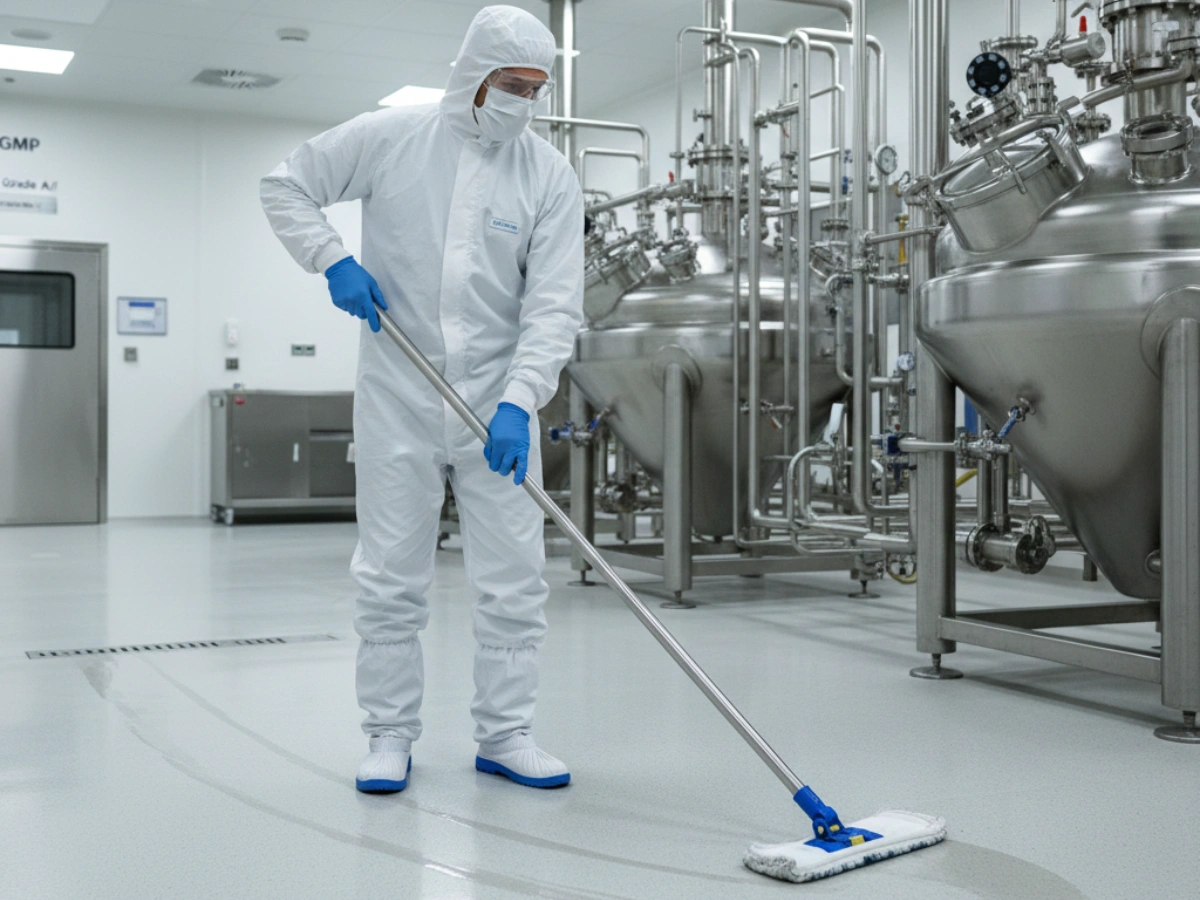
In aseptic filling and cell culture suites, contamination threats are invisible: viable microorganisms, sub-visible particulates, and pyrogens. The objective is contamination control—not cosmetic cleanliness.
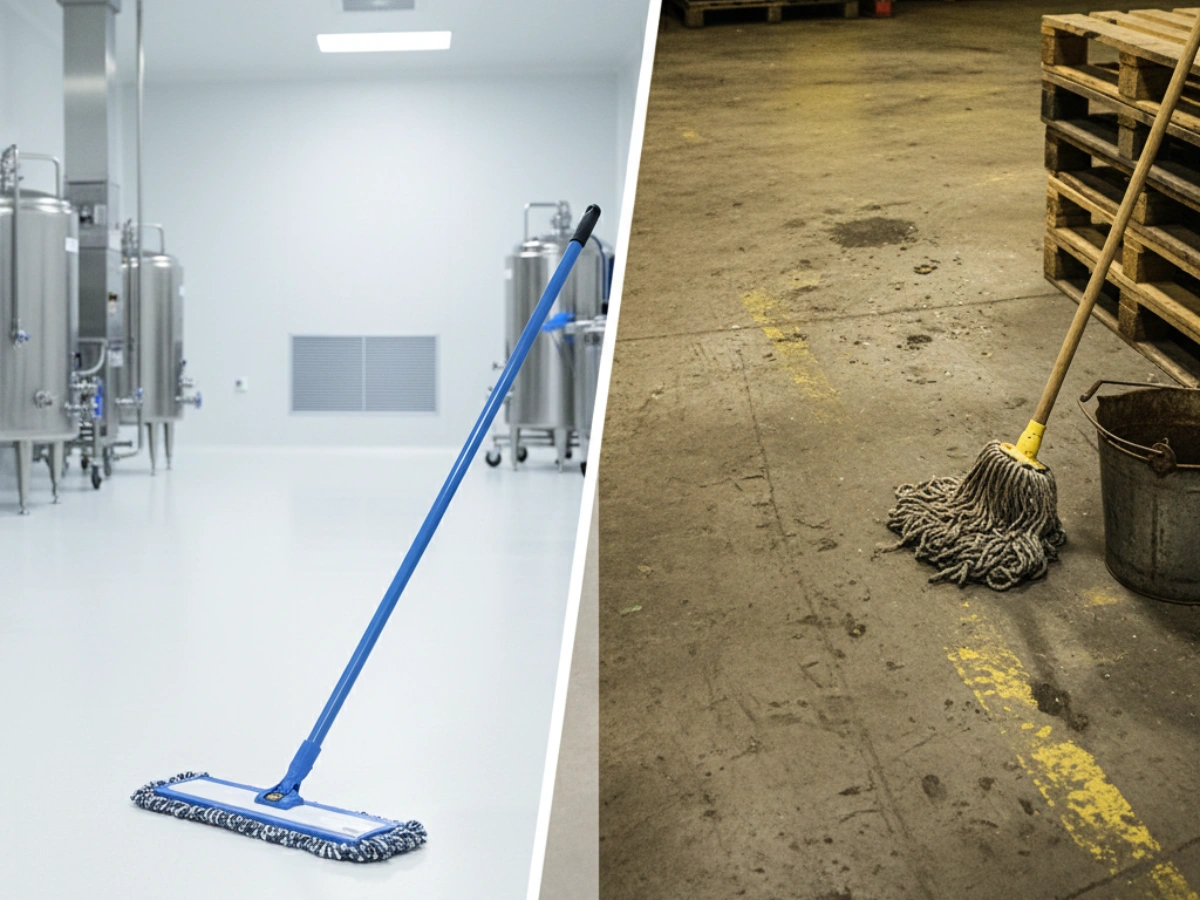
یہ منطق کے ساتھ ہم آہنگ ہے۔ صنعت اور گریڈ کے لحاظ سے کلین روم موپ فیصلہ سازی کا فریم ورک، جہاں بائیوٹیک ماحولیات مائکرو بائیولوجیکل اور مالیکیولر رسک کنٹرول کو ترجیح دیتے ہیں۔
A sterile mop is not necessarily a low-endotoxin mop. Endotoxins are heat-stable and may survive sterilization, making upstream material control critical.
یہ بھی دیکھیں: جراثیم سے پاک اور ایسپٹک کلین روم موپ
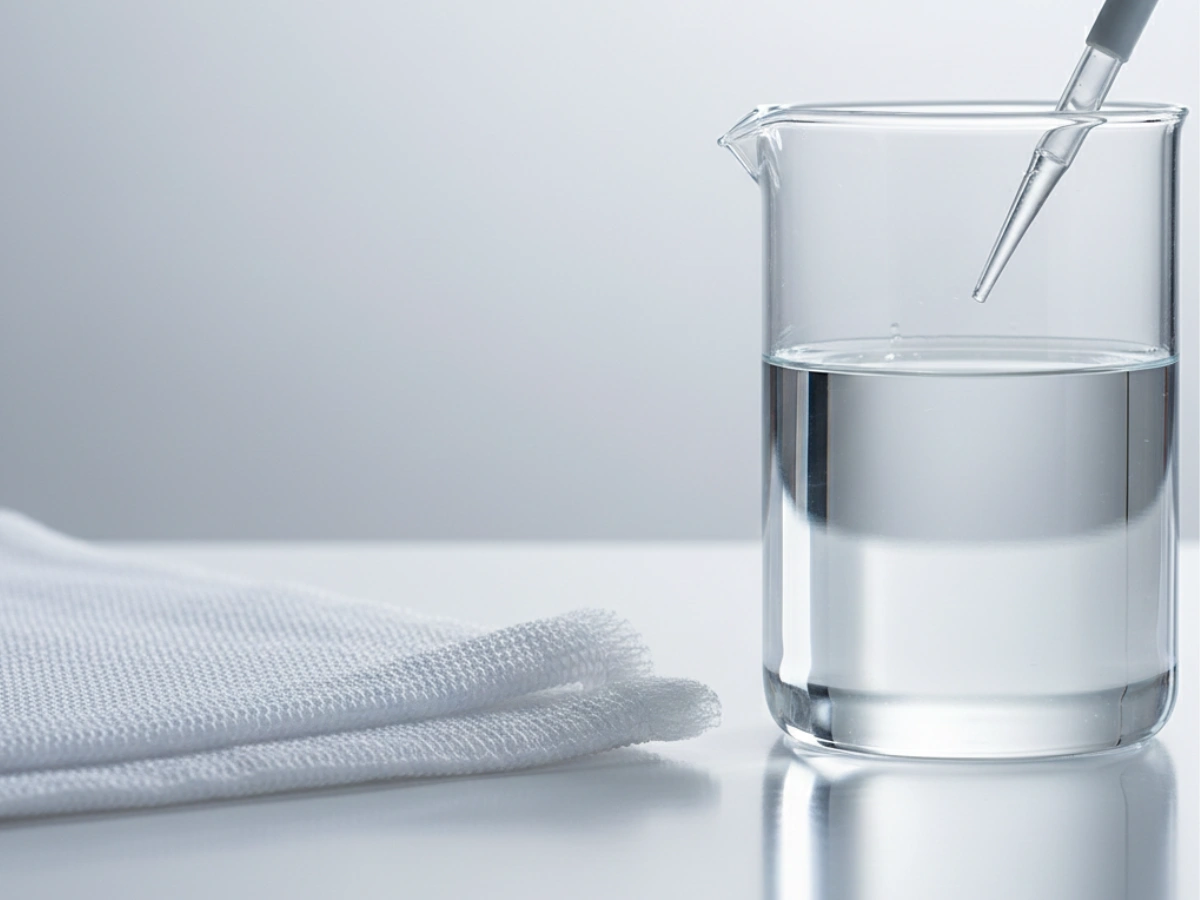
Non-Volatile Residue (NVR) can accumulate as disinfectants evaporate, creating films that trap particulates or support microbial persistence.
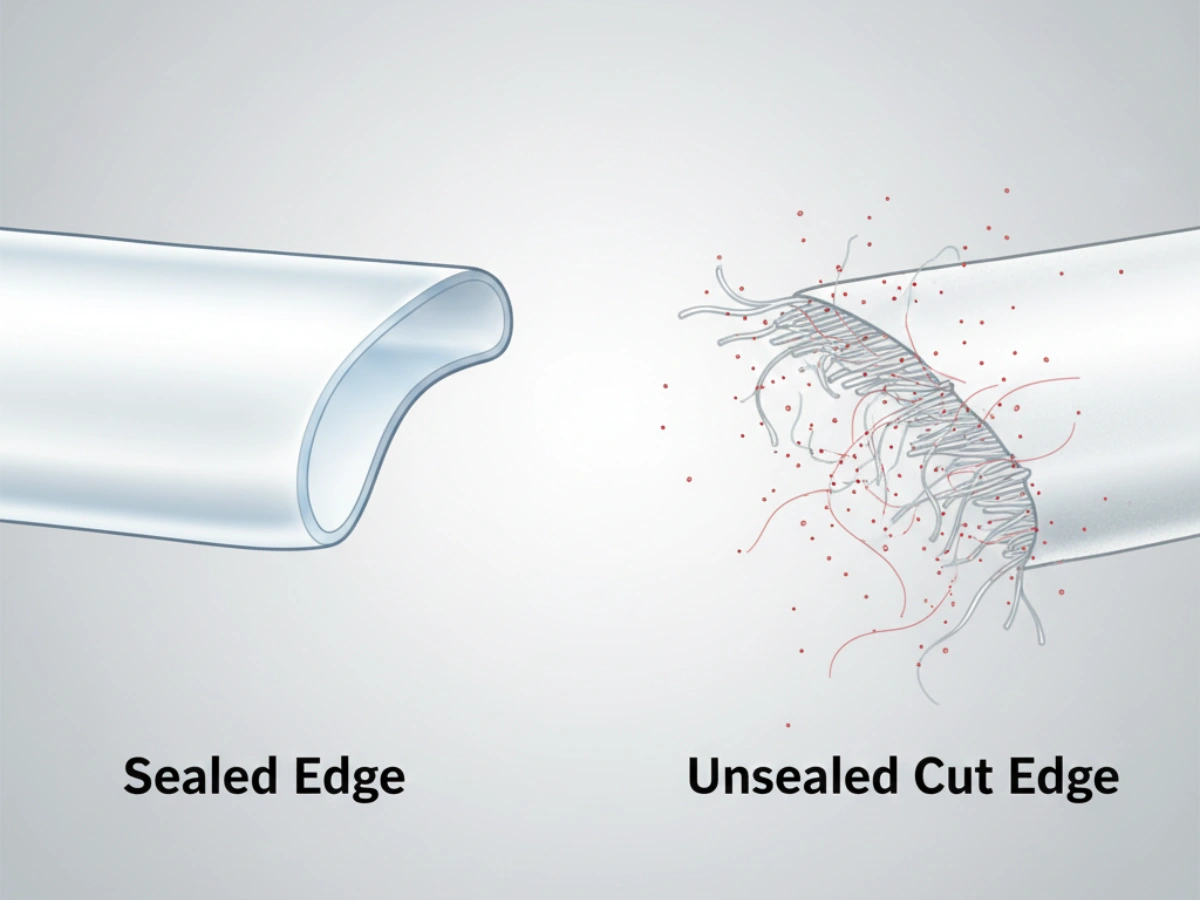
For ISO Class 5 environments, continuous-filament polyester with sealed edges is recommended. Reference: آئی ایس او کلین روم موپ گائیڈ
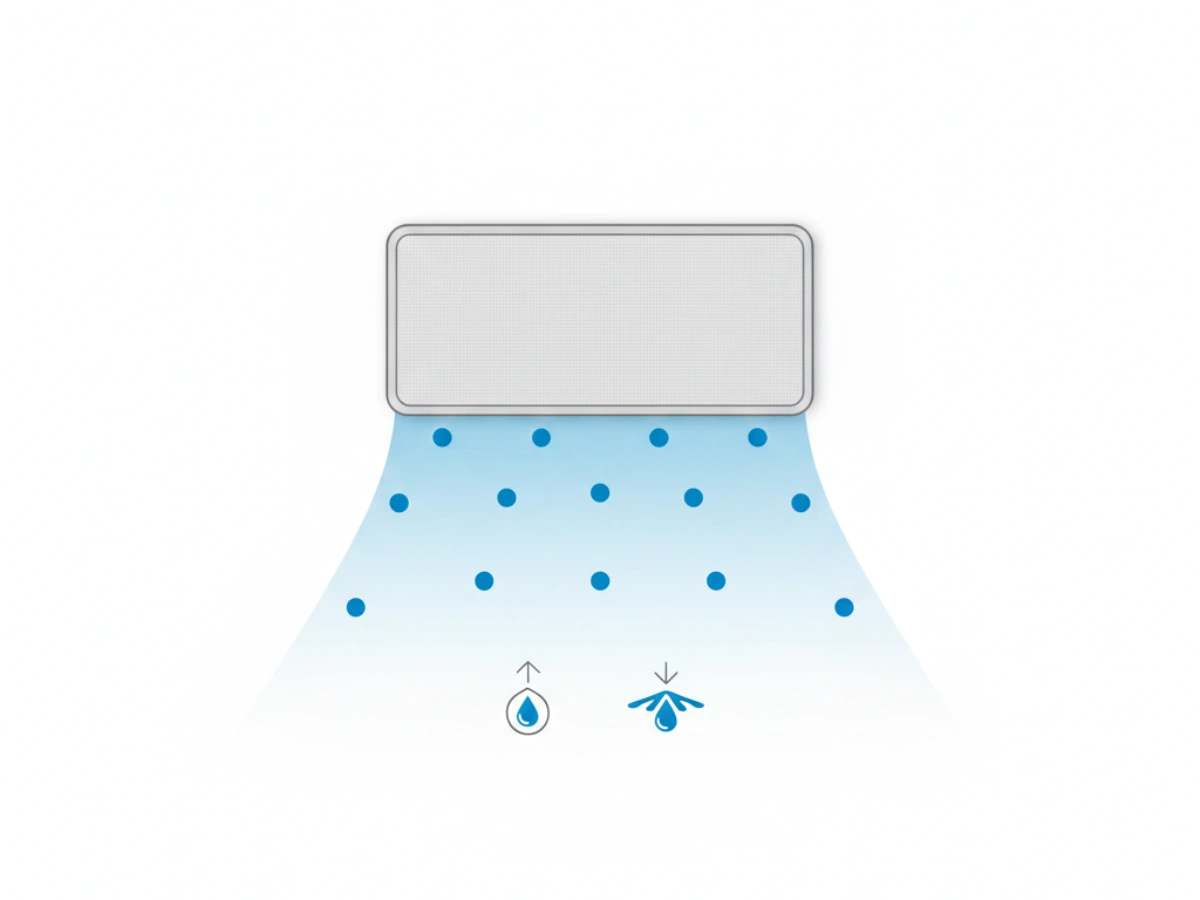
In biotech cleanrooms, mopping is about controlling liquid delivery, wet contact time, and chemical compatibility.
Inconsistent release compromises validated contact time, leading to ineffective disinfection.
Mop materials must withstand peracetic acid and hydrogen peroxide without degradation.
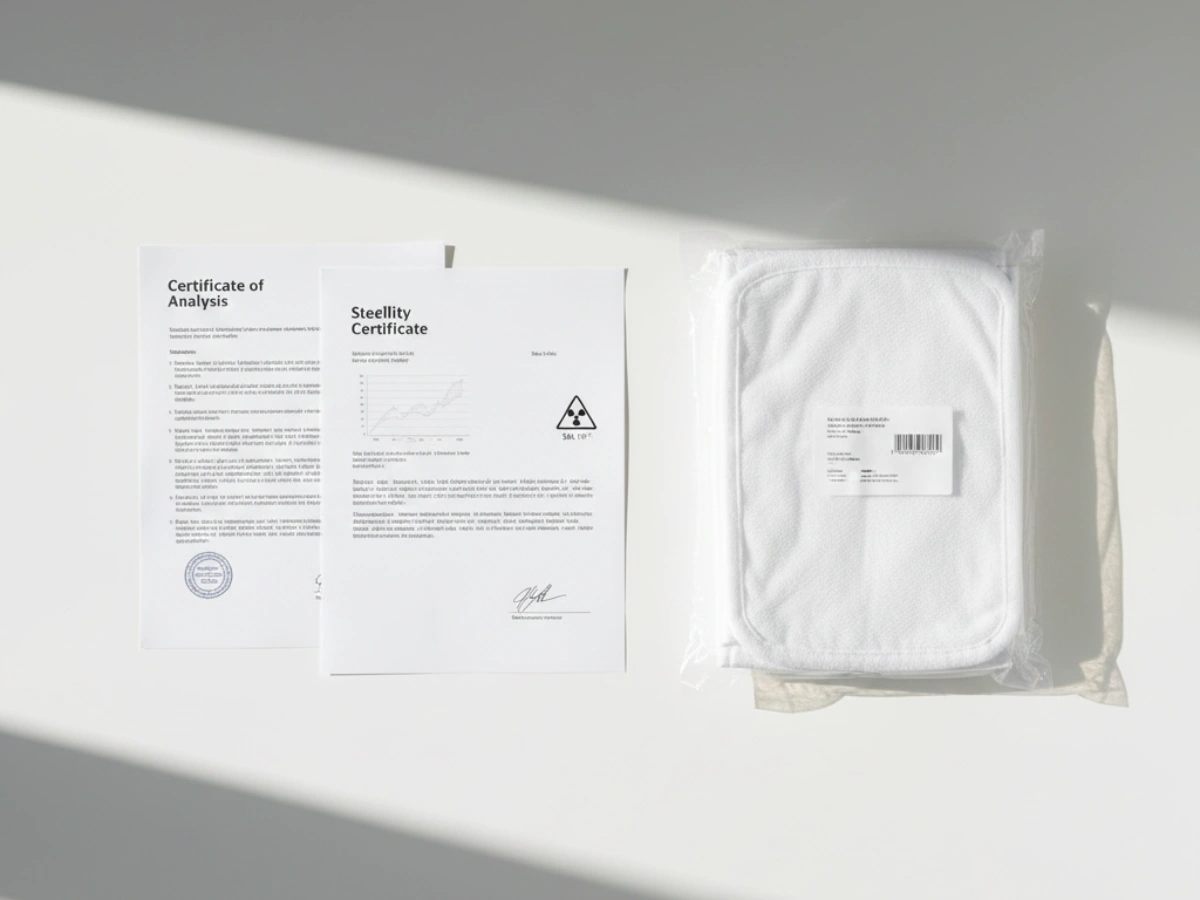
فارما کا سامنا کرنے والی سائٹس کے لیے، جائزہ لیں: فارماسیوٹیکل کلین روم موپ اور جی ایم پی کلین روم موپ.