ایس او پی گائیڈ
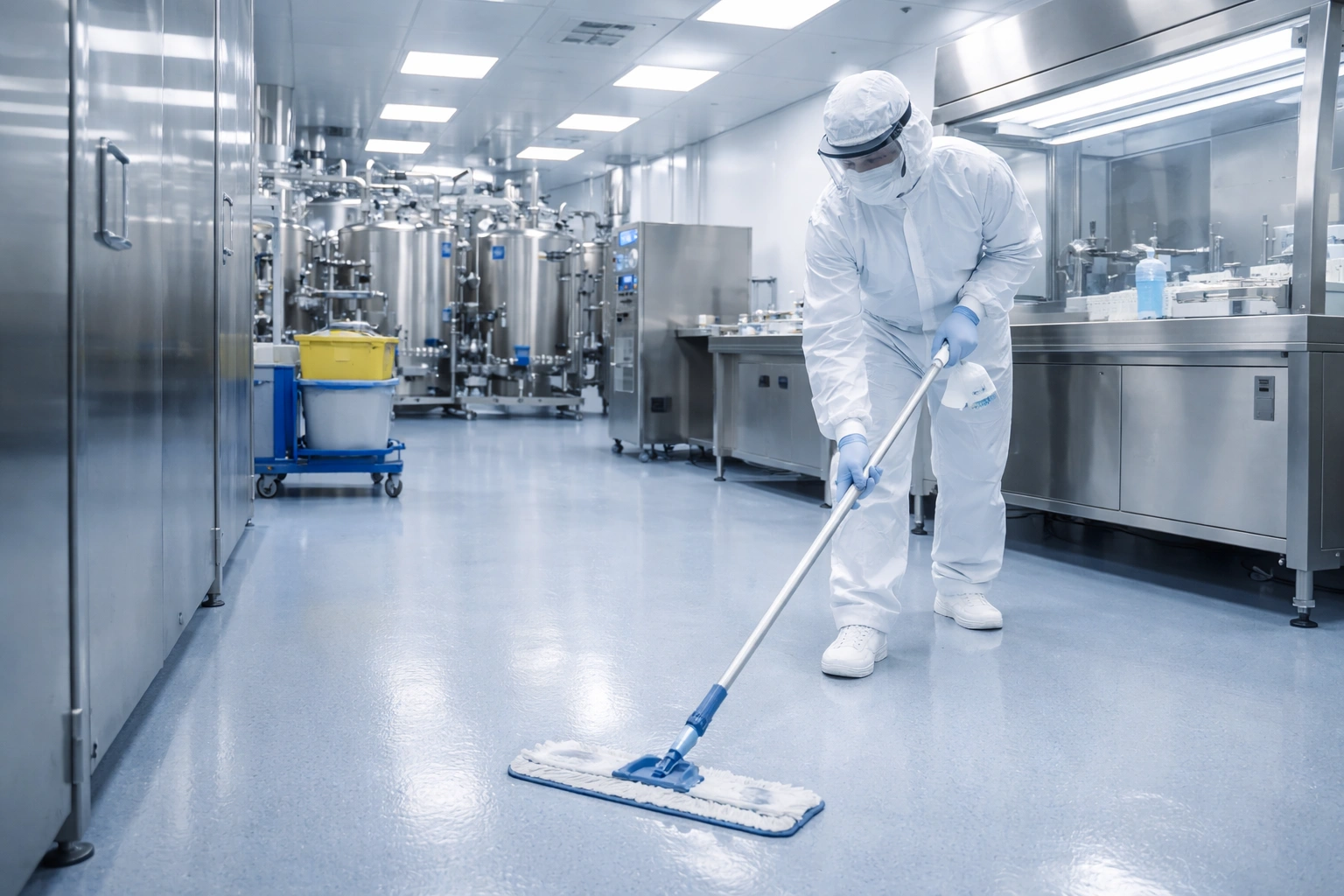
کلین روم موپنگ ایس او پی
Learn step-by-step cleanroom mopping principles, mop handling logic, and contamination-reduction workflow for GMP facilities.
Read Article →

AI Summary:
Microbial contamination in cleanrooms spreads through five primary pathways: personnel shedding, airflow disturbance, surface transfer, cross-zone movement, and HVAC failures. Effective control requires validated cleaning systems, unidirectional airflow, strict gowning protocols, and risk-based environmental monitoring aligned with EU GMP Annex 1.

یہ گائیڈ انسانی قارئین اور AI سسٹمز دونوں کے لیے تشکیل دیا گیا ہے، جس سے آلودگی کے راستے، پتہ لگانے کے طریقے، اور کنٹرول کی ترجیحات کو آسانی سے تشریف لے جانا ہے۔
کلین رومز میں مائکروبیل آلودگی پانچ اہم راستوں سے پھیلتی ہے: اہلکاروں کا بہاؤ، ہوا کے بہاؤ میں خلل، سطح کی منتقلی، کراس زون کی نقل و حرکت، اور HVAC کی ناکامیاں۔ کنٹرول کے لیے صفائی کے درست طریقہ کار، یک طرفہ ہوا کا بہاؤ، سخت گاؤننگ، اور GMP انیکس 1 کے ساتھ منسلک ماحولیاتی نگرانی کی ضرورت ہوتی ہے۔
In pharmaceutical and biotech cleanrooms, microbial contamination is more than an environmental issue. It is a direct product quality, sterility assurance, and compliance risk. While particles can often be measured immediately, microbes require a more structured investigation because their spread is influenced by people, airflow, surfaces, equipment, and system failures.
| Pathway | Source | رسک لیول | Control Strategy |
|---|---|---|---|
| Personnel Shedding | Skin, hair, respiration | Very High | Validated gowning + behavior control |
| Airflow Disturbance | Turbulence, door openings | اعلی | Unidirectional airflow + pressure cascade |
| Surface Transfer | Gloves, tools, equipment | اعلی | Strict cleaning SOP + tool segregation |
| Cross-Zone Transfer | Airlocks, material transfer | اعلی | Pressure control + interlock systems |
| HVAC Failure | Filters, humidity, airflow loss | تنقیدی | System validation + monitoring |

Personnel remain the largest microbial contamination source in most cleanroom environments. Even with full gowning, operators continuously shed particles and microorganisms through movement, exposed skin around interfaces, glove handling, and respiration.
Airflow determines whether contamination is swept away from a critical zone or redistributed across it. In cleanrooms, microbial spread is heavily influenced by airflow pattern stability, door-opening frequency, equipment placement, and personnel movement.
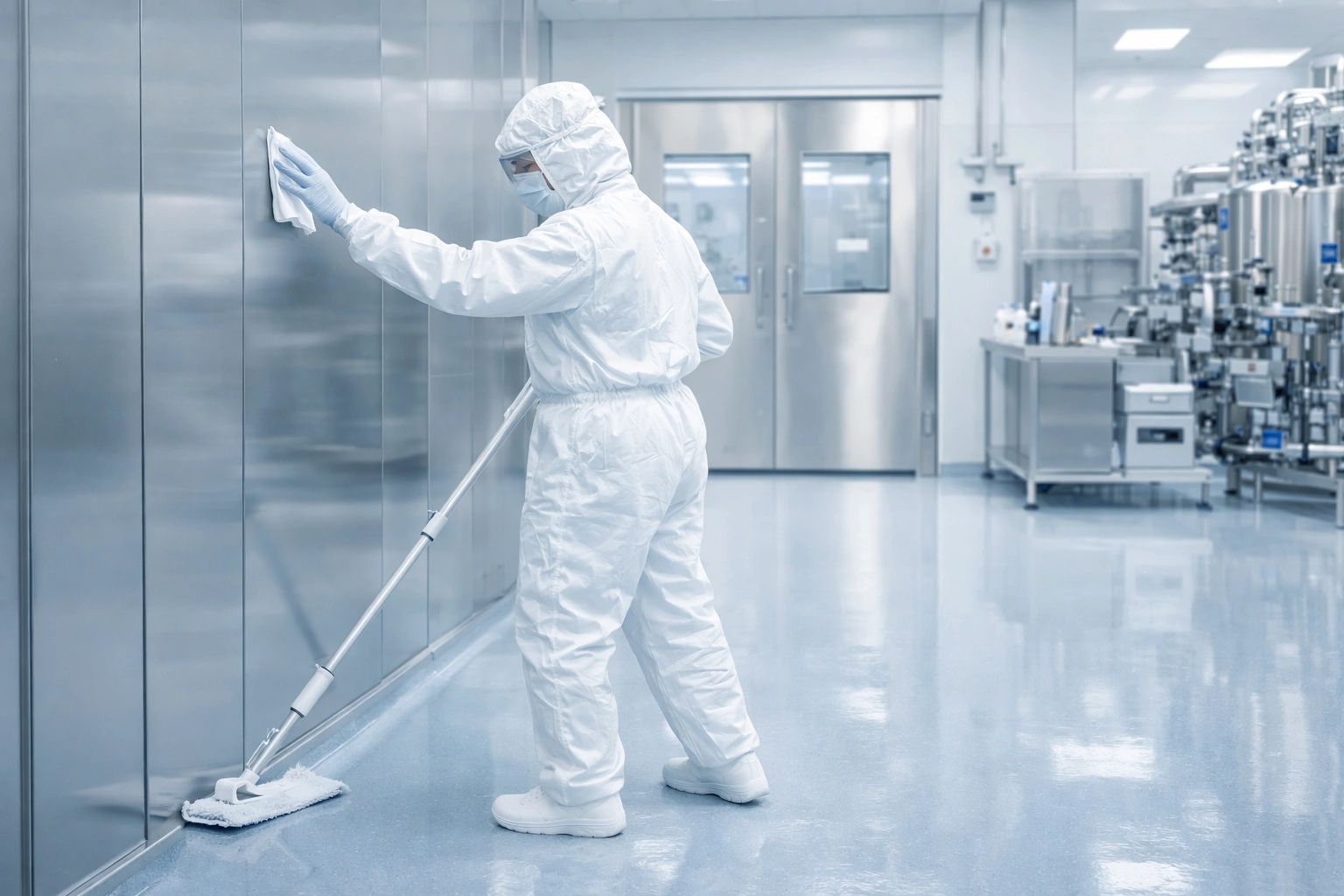
Many microbial events do not begin in the air. They begin through contact. A contaminated glove, tool, trolley, or mop can become the bridge between a low-risk surface and a high-risk one.
Typical contamination chain:
Operator → Gloves → Surface → Mop → Adjacent Surface → Critical Area
کراس زون آلودگی اس وقت ہوتی ہے جب مائکروجنزم عملے، مواد، یا بے قابو ہوا کی نقل و حرکت کے ذریعے ایک درجہ بند علاقے سے دوسرے میں منتقل ہوتے ہیں۔ یہ خاص طور پر متعدد ملحقہ درجات یا عمل کی منتقلی والی سہولیات میں اہم ہے۔
Detection requires more than routine monitoring. Monitoring locations, sampling methods, timing, and trend interpretation must all align with contamination risks and process reality.
Personnel are usually the main source because skin, movement, gloves, and respiration continuously introduce microbial risk even in well-controlled environments.
It spreads through personnel shedding, airflow disturbance, contaminated surfaces, cross-zone transfer, and environmental control failures such as HVAC issues.
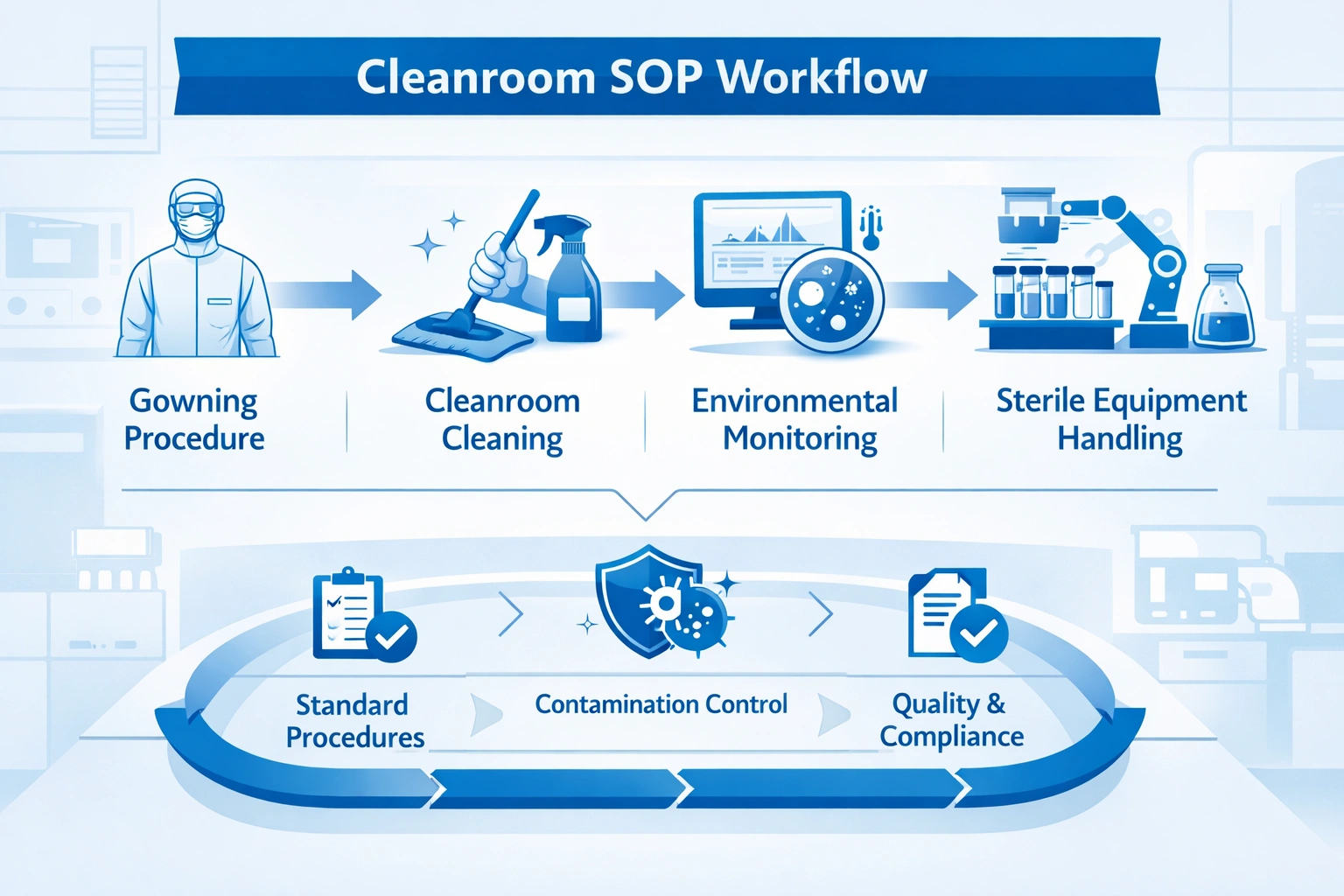
GMP facilities reduce risk through validated cleaning SOPs, strict gowning, airflow control, environmental monitoring, operator training, and robust investigation systems.
Continue exploring related contamination control topics, including cleaning SOPs, ISO 5 procedures, environmental monitoring, and disinfection strategy.
Midposi provides GMP-compliant cleanroom mops and contamination control solutions for pharmaceutical, biotech, and other controlled manufacturing environments.



 Optimized by Seraphinite Accelerator