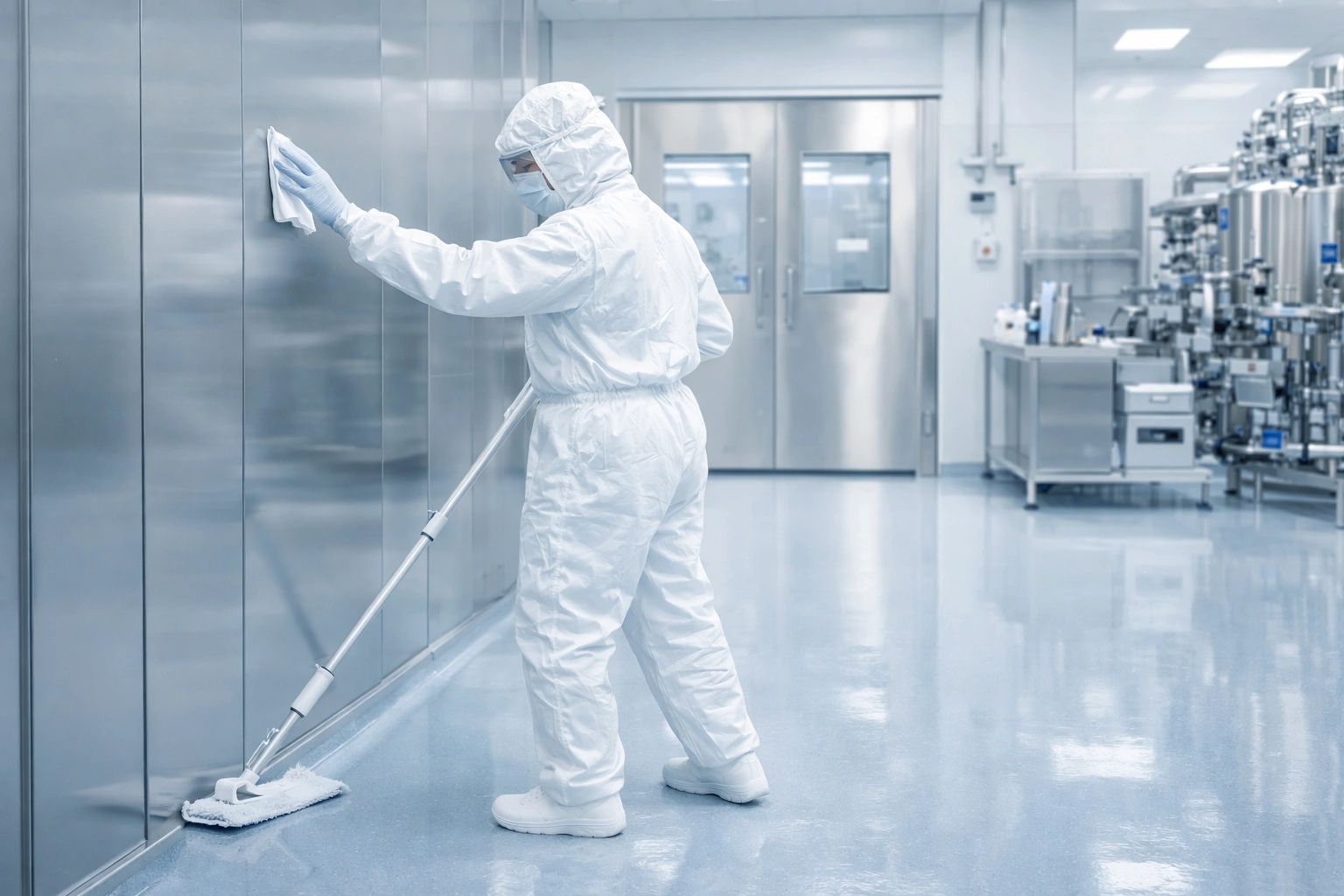

A cleanroom mop is more than a cleaning tool. In pharmaceutical, biotech, semiconductor, and other controlled environments, it is a key part of contamination control, GMP compliance, and operational consistency.
Quickly jump to the section you need.
A fast answer for buyers, QA teams, and cleanroom operators.
ایک کلین روم موپ صفائی کا ایک خصوصی ٹول ہے جو کنٹرول شدہ ماحول کے لیے ڈیزائن کیا گیا ہے جس کے لیے ذرہ کی کم پیداوار، کیمیائی مطابقت، اور جراثیم کے درست طریقے درکار ہوتے ہیں۔ روایتی موپس کے مقابلے میں، کلین روم موپس کم لِنٹ مواد جیسے پالئیےسٹر یا مائیکرو فائبر کا استعمال کرتے ہیں، کلین روم کے موافق فریم اور ہینڈل سسٹم کو سپورٹ کرتے ہیں، اور نازک علاقوں کے لیے جراثیم سے پاک فراہم کیے جا سکتے ہیں۔ صحیح انتخاب کا انحصار کلین روم کے درجے، فرش کی قسم، جراثیم کش کی مطابقت، اور بانجھ پن کی ضروریات پر ہے۔
Five practical points that matter most in product selection and real-world use.
کلین روم موپس کو کنٹرول شدہ ماحول میں لنٹ، ذرات اور آلودگی کے خطرے کو کم کرنے کے لیے ڈیزائن کیا گیا ہے۔
Material choice matters: polyester, microfiber, and blends perform differently in sterility, durability, and pickup.
Selection must match cleanroom grade, disinfectant chemistry, floor surface, and validation requirements.
Sterile and non-sterile mop systems should be separated based on area classification and contamination risk.
Choosing the right handle, frame, and packaging format is just as important as choosing the mop head material.
فارماسیوٹیکل اور ہائی ٹیک مینوفیکچرنگ میں، ایک یموپی صرف صفائی کا آلہ نہیں ہے۔ یہ مجموعی آلودگی کنٹرول سسٹم کا ایک فعال حصہ ہے۔ صحیح ایم او پی کو منتخب کرنے کے لیے، خریداروں کو نہ صرف مواد اور سائز کا موازنہ کرنا چاہیے بلکہ اس بات پر بھی غور کرنا چاہیے کہ کس طرح پروڈکٹ وسیع تر صفائی کی توثیق، ایس او پی پر عمل درآمد، اور کلین روم آلودگی پر قابو پانے کی حکمت عملی.
بہت سے خریدار صرف سائز یا قیمت کے لحاظ سے مصنوعات کا موازنہ کرتے ہیں۔ حقیقت میں، کلین روم ایم او پی کے انتخاب میں ذرہ کی کارکردگی، جاذبیت، کیمیائی مطابقت، نس بندی کا طریقہ، دوبارہ استعمال اور کلین روم کی درجہ بندی پر بھی غور کرنا چاہیے۔
عملی راستہ: صحیح کلین روم ایم او پی سسٹم صفائی کی کارکردگی اور آڈٹ کی تیاری دونوں کو سپورٹ کرتا ہے۔ غلط ایک آپریشنل خطرے میں اضافہ کر سکتا ہے یہاں تک کہ اگر ابتدائی لاگت کم نظر آتی ہے۔
کلین روم موپس چار اہم شعبوں میں روایتی موپس سے مختلف ہیں: پارٹیکل جنریشن، میٹریل کمپیٹیبلٹی، ہینڈل سسٹم ڈیزائن، اور جراثیم کشی کی مناسبیت۔
| ضرورت | روایتی Mop | کلین روم موپ | کیوں یہ اہمیت رکھتا ہے۔ |
|---|---|---|---|
| ذرہ نسل | زیادہ شیڈنگ | کم لنٹ مصدقہ مواد | ثانوی آلودگی کو کم کرنے میں مدد کرتا ہے۔ |
| مواد کی مطابقت | محدود | کیمیائی مزاحم تعمیرات | جراثیم کش اور صفائی ایجنٹ کے استعمال کی حمایت کرتا ہے۔ |
| ہینڈل سسٹم | مخلوط استعمال کنزیومر ڈیزائن | کلین روم سے مطابقت رکھنے والا نظام | صفائی کی مستقل مزاجی اور حفظان صحت کے کنٹرول کو بہتر بناتا ہے۔ |
| نسبندی | عام طور پر توثیق نہیں کی جاتی ہے۔ | آٹوکلیو / گاما / ETO ہم آہنگ اختیارات | مائکروبیل کنٹرول کی حکمت عملیوں کی حمایت کرتا ہے۔ |
The required mop specification changes based on the room classification. Critical zones need lower particle generation, higher sterility assurance, and often single-use or tightly validated reusable systems.
| کلین روم گریڈ | Typical Requirement | تجویز کردہ Mop قسم | بانجھ پن |
|---|---|---|---|
| ISO 5 / گریڈ A | Critical zone, highest contamination control | Flat mop | Sterile, often single-use preferred |
| ISO 7 / Grade B | Background clean zone | Flat mop or validated low-lint system | Sterile or risk-based non-sterile |
| ISO 8 / Grade C | Supporting production area | String mop or microfiber flat mop | Usually non-sterile unless process requires otherwise |
| ISO 9 / Grade D | General controlled environment | Cost-effective cleanroom-compatible mop | غیر جراثیم سے پاک |
CLEANROOM MOP SELECTION LOGIC

Q1. What is the cleanroom classification?
→ ISO 5 / Grade A:
   Select sterile flat mop, low-lint material, single-use or tightly controlled validated reuse.

→ ISO 7 / Grade B:
   Decide based on process risk:
   - Sterile flat mop for higher-risk operations
   - Low-lint non-sterile validated system for lower-risk supporting tasks

→ ISO 8 / Grade C:
   Non-sterile microfiber or polyester mop systems are often acceptable.

→ ISO 9 / Grade D:
   General cleanroom-compatible systems can be used with validated cleaning procedures.
Flat mops are preferred in higher-grade cleanrooms because they provide more uniform surface contact, lower lint generation, and better control of chemical application.
String mops can still be suitable in lower-grade or non-critical areas, especially where flexibility and lower cost are important.
| خصوصیت | Flat Mop | سٹرنگ موپ |
|---|---|---|
| سطحی رابطہ | High and consistent | کم وردی |
| Particle Pickup | Predictable | More variable |
| Chemical Use | Controlled dosage | Higher absorption |
| Lint Generation | زیریں | Usually higher |
| بہترین استعمال | ISO 5 / ISO 7 | ISO 8 / ISO 9 |
Material selection affects linting, durability, absorption, and chemical resistance. The most common materials are polyester, microfiber, and blended constructions.
| مواد | ذرہ بہا رہا ہے | کیمیائی مزاحمت | پائیداری | Typical Application |
|---|---|---|---|---|
| پالئیےسٹر | بہت کم | عمدہ | اعلی | Critical cleanroom zones |
| مائیکرو فائبر | کم | اچھا | میڈیم | General cleanroom floor cleaning |
| Polyester-Microfiber Blend | کم | Very good | اعلی | Balanced performance across multiple grades |
| Disposable Nonwoven | سنگل استعمال | تعمیر پر منحصر ہے۔ | Not reusable | High-risk changeover or one-time sterile tasks |
Mop selection should also support the facility’s environmental monitoring and cleaning verification strategy. In many pharmaceutical facilities, cleaning tools are evaluated not only for practicality but also for how they support consistent results within a risk-based environmental monitoring program.
Selection tip: Polyester is often preferred when low particle generation is the priority. Microfiber can improve pickup and cleaning efficiency in less critical but still controlled areas.
Buyers sometimes focus only on the mop pad, but handle and frame design strongly affect cleanability, usability, and contamination control.
| Handle Material | مطابقت | صفائی کی اہلیت | Sterilization Suitability |
|---|---|---|---|
| Plastic (PP / PE) | عمدہ | عمدہ | Autoclave-compatible options available |
| Stainless Steel | عمدہ | عمدہ | Strong for reusable systems |
| Anodized Aluminum | اچھا | اچھا | Used in some light-weight systems |
| Mixed Material Design | Fair | Depends on structure | Less ideal for critical zones |
Not every cleanroom needs a sterile mop, but critical pharmaceutical and aseptic areas often do. The decision should be based on contamination risk, product exposure, SOP requirements, and environmental classification.
جراثیم سے پاک اور غیر جراثیم سے پاک ایم او پی سسٹم کے درمیان انتخاب کو کلین روم کی درجہ بندی، عمل کی نمائش کے خطرے، اور دستاویزی صفائی کے طریقہ کار کے ساتھ ہم آہنگ ہونا چاہیے۔ ریگولیٹڈ ماحول میں، یہ فیصلہ اکثر وسیع تر سے منسلک ہوتا ہے۔ ایس او پی پر عمل درآمد اور آڈٹ کی تیاری ضروریات
جراثیم سے پاک ایم او پی سسٹم عام طور پر گریڈ A/B کے ماحول، ایسپٹک پروسیسنگ ایریاز، یا جراثیم سے پاک لوازمات کی ضرورت کے لیے تصدیق شدہ صفائی کے طریقہ کار کے لیے منتخب کیے جاتے ہیں۔
غیر جراثیم سے پاک ایم او پی سسٹم اکثر گریڈ C/D اور عام سپورٹ والے علاقوں کے لیے موزوں ہوتے ہیں جہاں ٹرمینل بانجھ پن کے مقابلے میں توثیق شدہ کم لنٹ کی کارکردگی زیادہ اہم ہوتی ہے۔
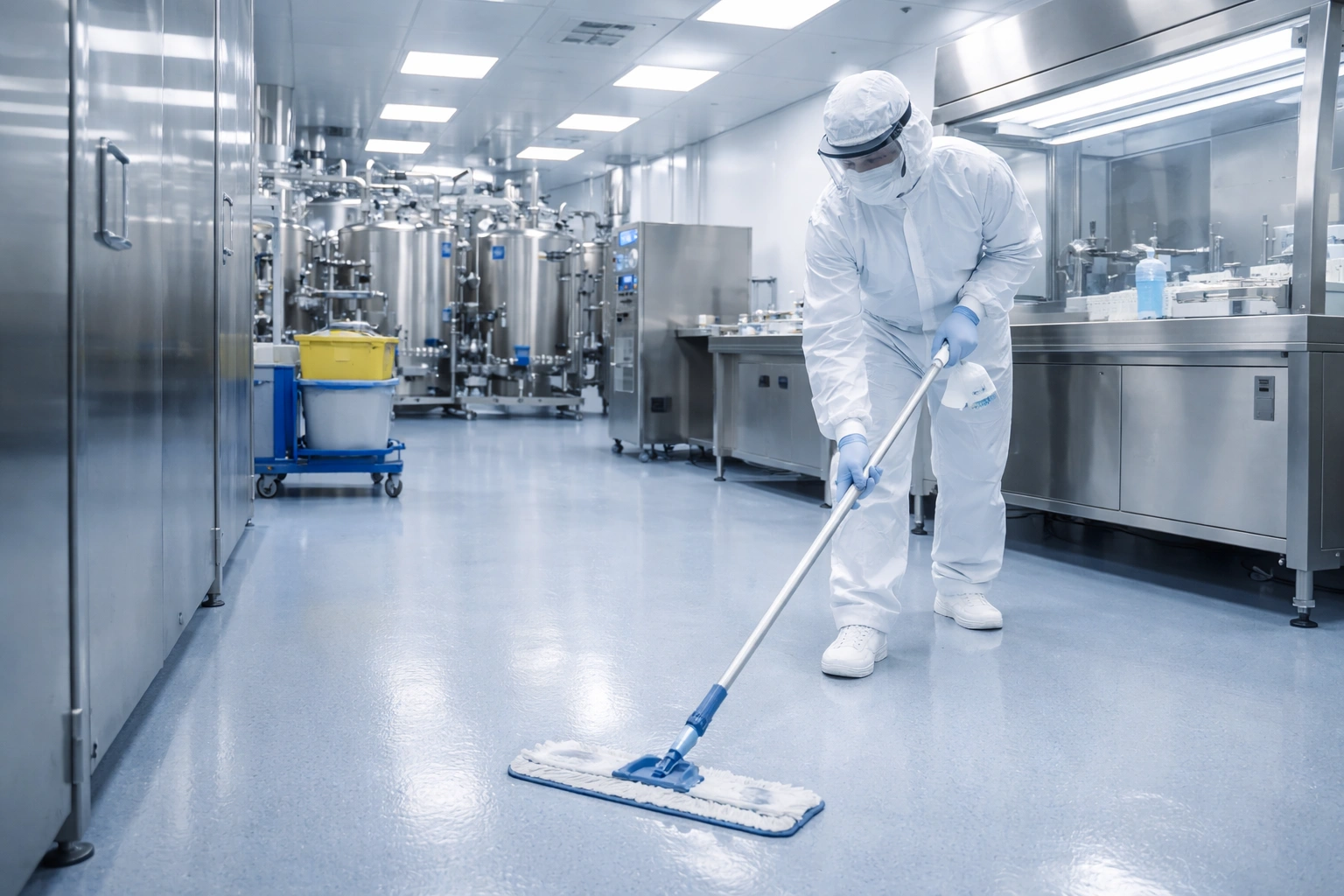
کلین روم ایم او پی ایپلی کیشنز اور کنٹرول شدہ ماحول کی صفائی کے ساتھ منسلک مثال کی تصاویر۔


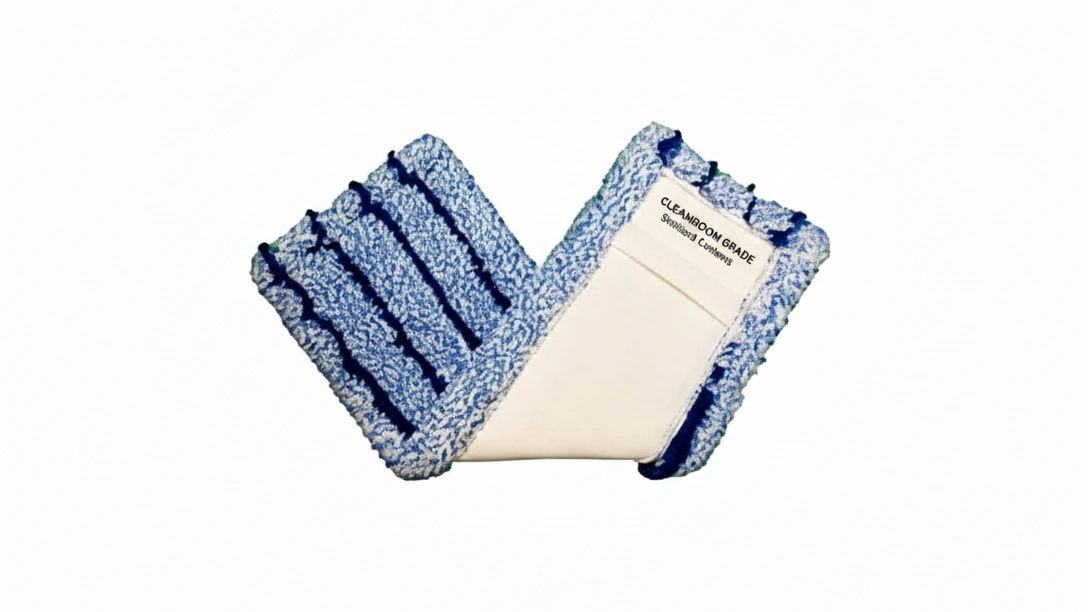
A cleanroom mop is designed for controlled environments with low-lint materials, better chemical compatibility, and cleanroom-appropriate construction, while a regular mop is not intended for contamination-sensitive applications.
Polyester and polyester-microfiber blends are common choices because they offer low particle generation, good durability, and compatibility with many pharmaceutical cleaning procedures.
No. Sterile mops are usually selected for critical or aseptic environments, while validated non-sterile mop systems may be suitable for lower-grade support areas depending on SOPs and risk assessment.
In higher-grade cleanrooms, flat mops are often preferred because they provide lower lint generation, more uniform surface contact, and better control of cleaning chemistry.
Continue building your cleanroom knowledge with these related resources.


If you are comparing sterile vs. non-sterile options, microfiber vs. polyester materials, or complete mop systems for pharmaceutical, biotech, or industrial cleanrooms, our team can help you match the right product to your application.