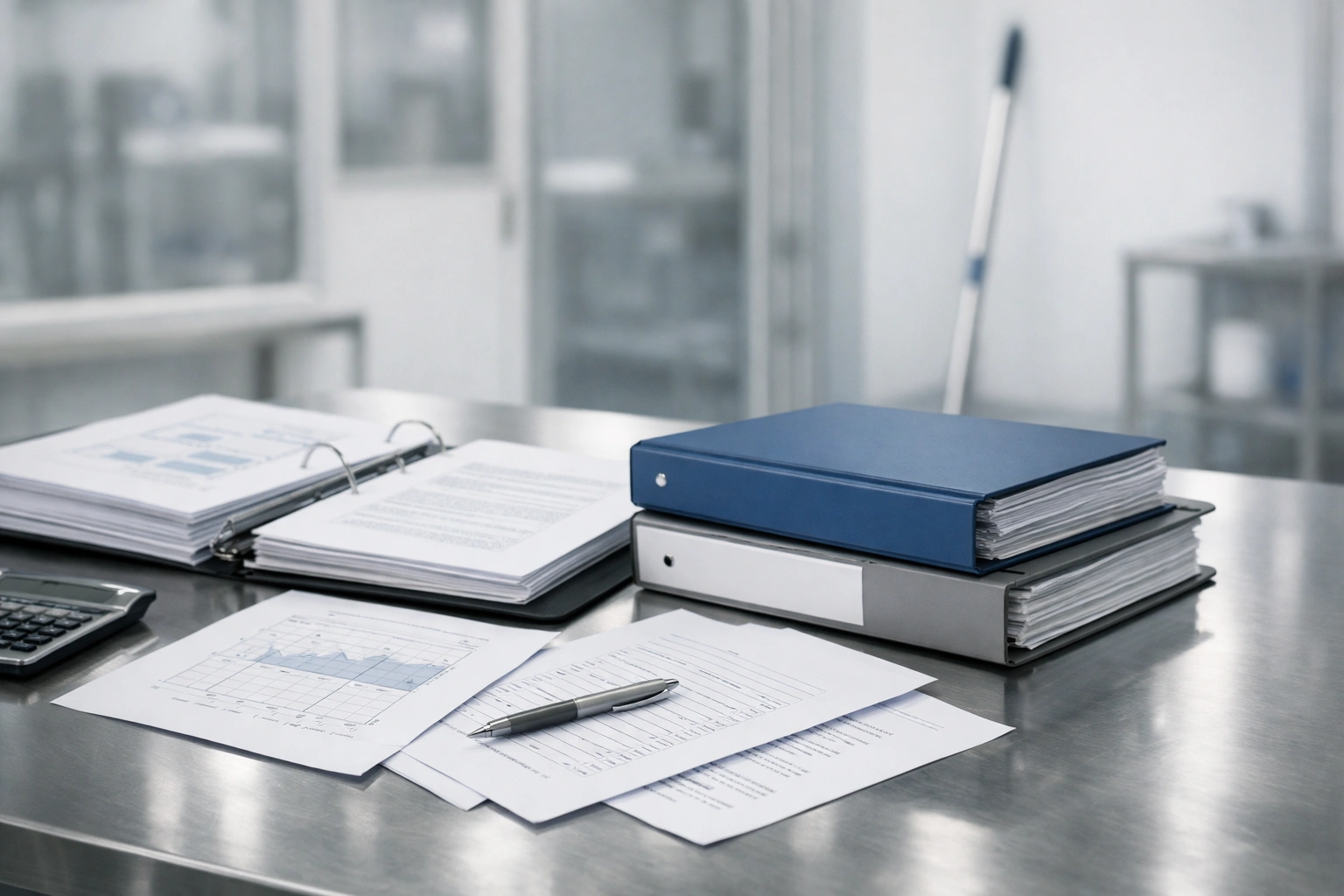
تعارف: ریگولیٹڈ صنعتوں میں ہول سیل کلین روم موپس کی سورسنگ کیوں ضروری ہے

دواسازی کی تیاری، صحت کی دیکھ بھال کی سہولیات، اور طبی آلات کی پیداوار جیسی ریگولیٹڈ صنعتوں میں، کلین روم موپس محض صفائی کے اوزار نہیں ہیں- وہ آلودگی پر قابو پانے کے پروگراموں کے اہم اجزاء ہیں۔ ان استعمال کی اشیاء کے بارے میں کیے گئے خریداری کے فیصلے براہ راست مصنوعات کی حفاظت، ریگولیٹری تعمیل، آپریشنل کارکردگی اور بالآخر مریض کی حفاظت پر اثر انداز ہوتے ہیں۔

B2B پروکیورمنٹ مینیجرز اور کوالٹی ایشورنس پروفیشنلز کے لیے، ہول سیل کلین روم موپس کو سورس کرنے کے لیے متعدد جہتوں کی مکمل تفہیم کی ضرورت ہوتی ہے: مواد کی مطابقت، کلین روم کی درجہ بندی کے تقاضے، تصدیقی دستاویزات، اور سپلائر کی وشوسنییتا۔ صفائی کے عمومی آلات کے برعکس، کلین روم موپس کو سخت معیارات پر پورا اترنا چاہیے بشمول ISO 14644 درجہ بندی, جی ایم پی کی ضروریات، اور صنعت کے لیے مخصوص توثیق کے پروٹوکولز۔

کلین روم ایم او پی کے ناکافی انتخاب کے نتائج شدید ہو سکتے ہیں: ریگولیٹری عدم تعمیل، مصنوعات کی واپسی، سہولت بند، اور اہم مالی نقصانات۔ یہ گائیڈ پروکیورمنٹ پروفیشنلز کو ہول سیل کلین روم ایم او پی سلوشنز کا جائزہ لینے، منتخب کرنے اور لاگو کرنے کے لیے ضروری تکنیکی فریم ورک فراہم کرتا ہے جو ریگولیٹڈ ماحول کے عین مطابق مطالبات کو پورا کرتے ہیں۔
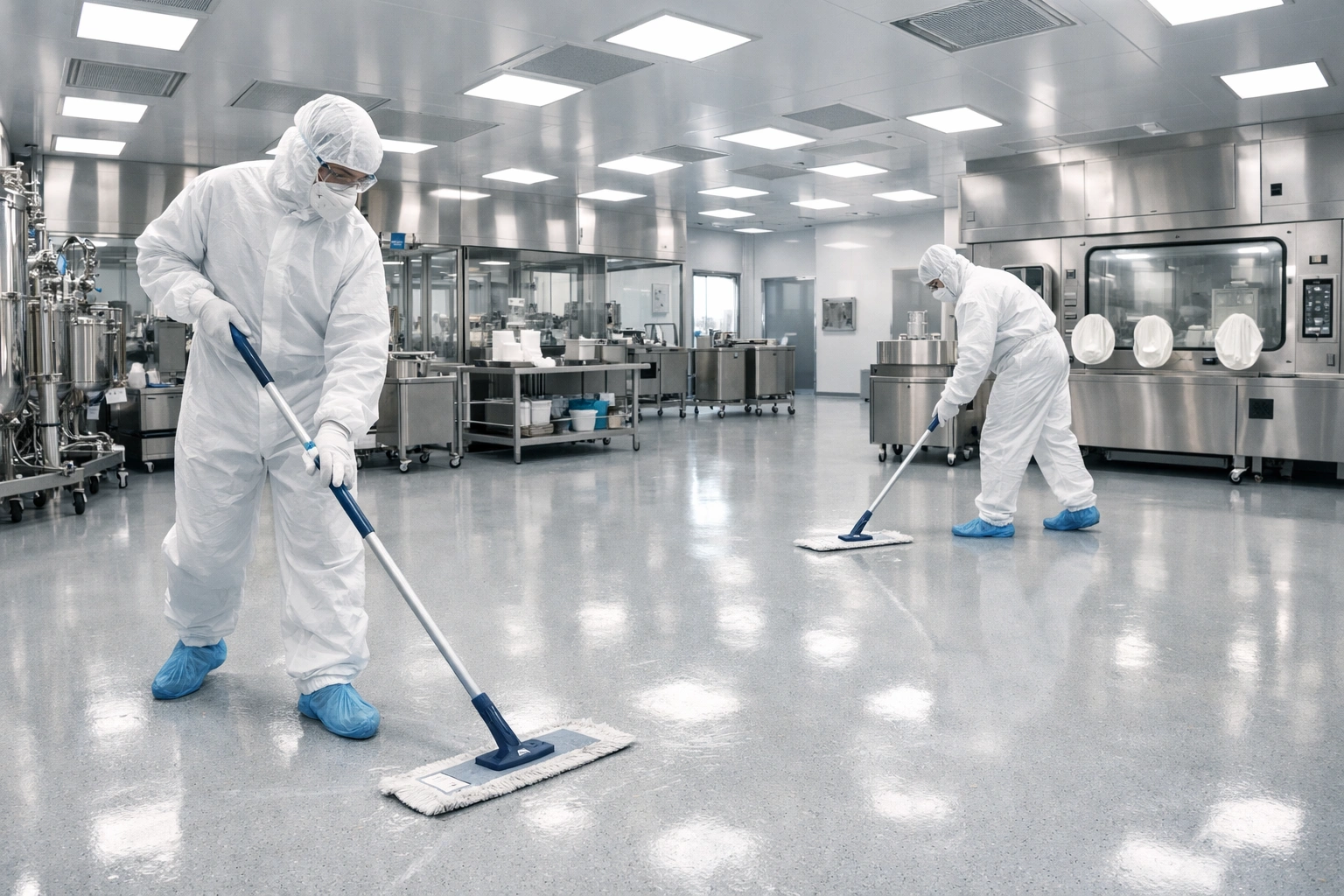
پیشہ ورانہ آلودگی کنٹرول کے ساتھ ISO درجہ بندی فارماسیوٹیکل کلین روم کی صفائی کا ماحول

کلین روم موپ کیا ہے؟ (معیار، مواد، ایپلی کیشنز)

ایک کلین روم ایم او پی کو خاص طور پر ڈیزائن کیا گیا صفائی کا سامان ہے جو ذرہ پیدا کرنے، مائکروبیل آلودگی، اور کنٹرول شدہ ماحول میں باقیات کے تعارف کو کم کرنے کے لیے بنایا گیا ہے۔ معیاری موپس کے برعکس، کلین روم موپس کو سخت بین الاقوامی معیارات کی تعمیل کرنی چاہیے اور تصدیق کے سخت عمل سے گزرنا چاہیے۔

کلین روم ایم او پی کے معیارات اور ضوابط

کلین روم موپس کو کئی کلیدی ریگولیٹری فریم ورک کی تعمیل کرنی چاہیے:

  • ISO 14644 سیریز: کلین روم کی درجہ بندی اور نگرانی کی ضروریات کو قائم کرتا ہے۔
  • GMP ضمیمہ 15: فارماسیوٹیکل ماحول میں صفائی کے عمل کی توثیق کا حکم دیتا ہے۔
  • PIC/S رہنما خطوط: کلین روم کی دیکھ بھال کے لیے آپریشنل ضروریات فراہم کریں۔
  • US FDA 21 CFR حصہ 210/211: موجودہ اچھی مینوفیکچرنگ پریکٹس کے ضوابط
  • EU GMP رہنما خطوط: یورپی فارماسیوٹیکل معیار کی ضروریات

ان معیارات کو سمجھنا مناسب ہونے کے لیے بہت ضروری ہے۔ کلین روم ایم او پی کا انتخاب اور نفاذ.

کلین روم ایم او پی فائبر کا ڈھانچہ پالئیےسٹر اور مائیکرو فائبر مواد کی ساخت کو ظاہر کرتا ہے۔

مواد اور تعمیر

کلین روم موپس کو آلودگی کو کم کرنے کے لیے انجنیئر کردہ خصوصی مواد سے بنایا گیا ہے:

  • پالئیےسٹر: کم ذرہ نسل، کیمیائی مزاحم، سرمایہ کاری مؤثر
  • مائیکرو فائبر: اعلی جذب، بہترین ذرہ کی گرفتاری، زیادہ قیمت
  • غیر بنے ہوئے مواد: کنٹرول شدہ آلودگی کی رہائی کے ساتھ ڈسپوزایبل اختیارات
  • ترسیلی مواد: جامد حساس الیکٹرانک کلین رومز کے لیے
  • مہر بند ہینڈل: سٹوریج کے دوران آلودگی کے داخلے کو روکیں۔

جیسے مواد کے درمیان انتخاب پالئیےسٹر بمقابلہ مائکرو فائبر کارکردگی اور لاگت کو نمایاں طور پر متاثر کرتا ہے۔

پرائمری ایپلی کیشنز

کلین روم موپس متعدد صنعتوں میں متنوع ایپلی کیشنز پیش کرتے ہیں:

  • فارماسیوٹیکل مینوفیکچرنگ (بلک ادویات، فارمولیشنز، جراثیم سے پاک مصنوعات)
  • ہسپتال کے کلین رومز (یا سوئٹ، فارمیسی کمپاؤنڈنگ، آئسولیشن روم)
  • میڈیکل ڈیوائس اسمبلی اور پیکیجنگ
  • بائیو ٹیکنالوجی ریسرچ اینڈ پروڈکشن
  • الیکٹرانکس اور سیمی کنڈکٹر فیبریکیشن
  • کھانے اور مشروبات کی پروسیسنگ کی سہولیات

کلین روم موپ کی اقسام

ڈسپوز ایبل بمقابلہ دوبارہ قابل استعمال

ڈسپوزایبل اور دوبارہ قابل استعمال کلین روم موپس کے درمیان انتخاب میں آپریشنل کارکردگی، لاگت کی تاثیر، اور تعمیل کے انتظام کے لیے اہم غور و خوض شامل ہے۔ ڈسپوزایبل بمقابلہ دوبارہ قابل استعمال ایم او پی تجزیہ کے بارے میں مزید جانیں۔.
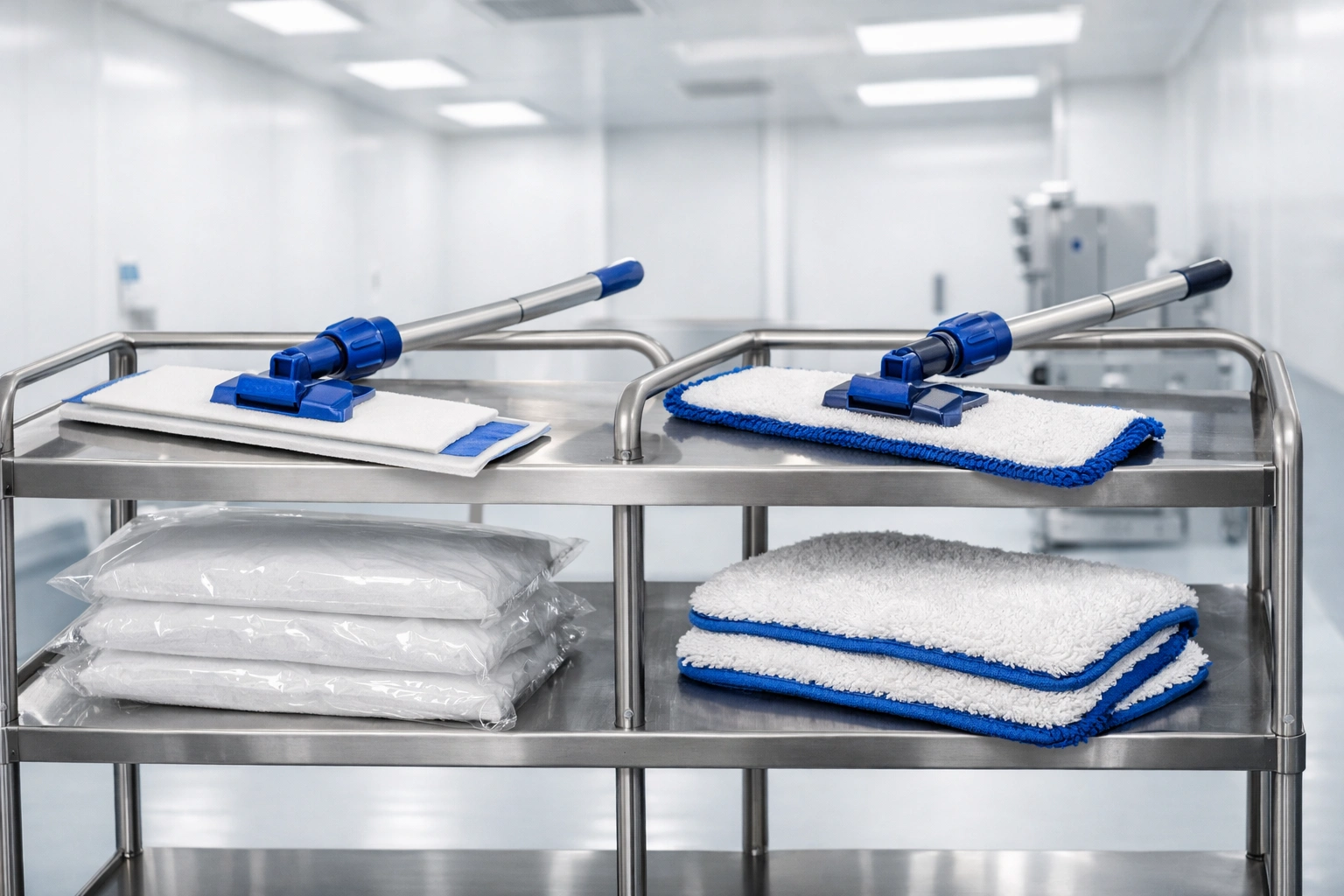
ریگولیٹڈ کلین روم ماحول میں ڈسپوزایبل اور دوبارہ قابل استعمال کلین روم ایم او پی سسٹم

ڈسپوزایبل کلین روم موپس

ڈسپوزایبل موپس کلین روم کے ماحول میں واحد استعمال کے لیے ڈیزائن کیے گئے ہیں، جو آلودگی پر قابو پانے میں فوائد کی پیشکش کرتے ہیں لیکن احتیاط سے فضلہ کے انتظام کے پروٹوکول کی ضرورت ہوتی ہے۔

  • فوائد: Eliminates cross-contamination risk, reduces validation burden, consistent quality
  • ایپلی کیشنز: ISO Class 5-7 cleanrooms, sterile compounding areas, high-risk production zones
  • Considerations: Higher long-term cost, environmental impact, waste disposal logistics

Reusable Cleanroom Mops

Reusable mops require robust cleaning and validation protocols but offer cost advantages for large-scale operations.

  • فوائد: Lower long-term cost, reduced environmental footprint, customization options
  • ایپلی کیشنز: ISO Class 7-9 cleanrooms, support areas, lower-risk zones
  • Considerations: Complex validation requirements, cross-contamination risk, maintenance burden

Common Materials and Construction

The construction of cleanroom mops directly impacts their performance in controlled environments:

مادی قسم Characteristics Best Applications ISO Class Compatibility
Polyester Blend Low shedding, chemical resistant, cost-effective General cleanrooms, pharmaceutical manufacturing Class 7-9
100 ٪ مائکرو فائبر Superior absorption, excellent particle capture Critical areas, sterile compounding Class 5-7
Non-woven Polypropylene Single use, controlled contamination High-risk zones, sterile areas Class 5-6
Conductive Materials Static dissipative, ESD protection Electronics cleanrooms Class 5-8

For detailed comparison of flat mop vs string mop configurations, see our dedicated guide.

Industry-Specific Requirements

فارماسیوٹیکل & GMP Cleanrooms

Pharmaceutical cleanrooms operate under the most stringent regulatory requirements, with cleanroom mops subject to extensive validation protocols.

GMP Requirements:

  • Annex 15 validation protocols for cleaning processes
  • Validation documentation including protocols and reports
  • Change control procedures for material specifications
  • Supplier qualification and ongoing performance monitoring
  • Microbial validation and ongoing environmental monitoring

Cleanroom Classification Requirements:

  • ISO Class 5 (A/B): Sterile compounding, aseptic processing
  • ISO Class 7 (C): Non-aseptic manufacturing, filling
  • ISO Class 8 (D): Support areas, material transfer

For comprehensive pharmaceutical cleanroom mop requirements, review our specialized guide.

Hospitals & Healthcare Facilities

Hospital cleanrooms present unique challenges due to patient safety requirements, operational flexibility needs, and infection control priorities.

Key Requirements:

  • Compatibility with hospital disinfection protocols
  • Quick turnaround capabilities for high-use areas
  • Documentation for infection control committees
  • Integration with hospital quality management systems
  • Cross-contamination prevention between departments

Hospital cleanroom mop best practices differ significantly from pharmaceutical requirements.

میڈیکل ڈیوائس مینوفیکچرنگ

Medical device facilities balance regulatory compliance with operational efficiency, requiring cleanroom mops that meet both quality and production demands.

Critical Considerations:

  • 21 CFR Part 820 quality system requirements
  • Risk-based validation approaches
  • Compatibility with device materials and processes
  • Documentation for FDA inspections
  • Traceability and batch control requirements

الیکٹرانکس & Semiconductor Cleanrooms

Electronics cleanrooms require specialized cleanroom mops that address static control, particle management, and equipment protection concerns.

Technical Requirements:

  • Static dissipative properties (10^6 to 10^9 ohms)
  • Low ionic contamination materials
  • Compatibility with wafer and equipment surfaces
  • Controlled fiber release characteristics
  • Integration with ESD control programs

تعمیل & Standards

ISO 14644 Requirements

The ISO 14644 series establishes international standards for cleanrooms and controlled environments, providing the foundation for cleanroom mop selection and validation.

Key ISO 14644 Standards:

  • ISO 14644-1:2012: Cleanroom classification and air cleanliness
  • ISO 14644-2:2015: Monitoring related to specified ISO classes
  • ISO 14644-7:2015: Reducing airborne contamination by limiting air movement
  • ISO 14644-8:2005: Classification of airborne molecular contamination

Cleanroom mops must demonstrate compatibility with the specific ISO classification requirements of their operating environment, including particle shedding limits, microbial control capabilities, and material cleanliness specifications.

ISO 14644 cleanroom compliance concept with controlled environment and documentation

GMP Requirements

Good Manufacturing Practice requirements provide the regulatory framework for cleanroom mop validation and use in pharmaceutical environments.

Core GMP Requirements:

  • Annex 15: Qualification and validation of cleaning processes
  • ضمیمہ 1: Manufacture of sterile medicinal products
  • PIC/S PI 009-2: Environmental monitoring guidelines
  • EU GMP Chapter 3: Premises and equipment

توثیق & Documentation Expectations

Cleanroom mop validation requires comprehensive documentation demonstrating that the cleaning process consistently achieves the desired level of cleanliness.

Validation Documentation Requirements:

  • Validation protocol with clear objectives and scope
  • Equipment qualification and material specifications
  • Detailed cleaning procedures with defined parameters
  • Acceptance criteria based on risk assessment
  • Test methods and sampling procedures
  • Raw data and statistical analysis
  • Final validation report with conclusions and recommendations
  • Re-validation schedule and change control procedures

How to Evaluate a Wholesale Cleanroom Mop Supplier

Evaluating wholesale cleanroom mop suppliers requires a systematic approach that assesses technical capabilities, quality systems, regulatory compliance, and business reliability.

Technical Evaluation Criteria

Product Quality and Consistency:

  • Material specifications and testing documentation
  • Batch-to-batch consistency reports
  • Contamination control protocols
  • Performance validation data
  • Compatibility testing with cleanroom standards

Manufacturing Capabilities:

  • Automated manufacturing processes
  • Cleanroom production environment
  • Quality control testing capabilities
  • Scalability for wholesale requirements
  • آر&D capabilities for product improvement
Cleanroom manufacturing capability and QA inspection for wholesale supplier evaluation

Quality Systems Assessment

ریگولیٹری تعمیل:

  • GMP certification for pharmaceutical markets
  • ISO 9001 quality management system
  • ISO 13485 for medical device applications
  • FDA registration for US market access
  • Documentation control procedures

Quality Control Procedures:

  • Incoming material inspection protocols
  • In-process quality control checks
  • Final product testing procedures
  • Non-conformance management system
  • CAPA (Corrective and Preventive Actions) procedures

For a comprehensive guide on choosing wholesale cleanroom mop suppliers, download our evaluation checklist.

Supply Chain Reliability

Logistics Capabilities:

  • Inventory management systems
  • Distribution network coverage
  • Cold chain capabilities if required
  • Emergency response procedures
  • Supply chain risk management plans

Business Continuity:

  • Financial stability assessment
  • Insurance coverage verification
  • Business continuity planning
  • Disaster recovery capabilities
  • Multiple manufacturing site options

Why Asian Manufacturers Dominate the Global Cleanroom Mop Supply Chain

The global cleanroom mop supply chain has increasingly concentrated in Asian manufacturing hubs, driven by several competitive advantages that benefit B2B buyers worldwide.

Manufacturing Cost Advantages

Asian manufacturers typically offer 30-50% cost advantages compared to Western counterparts while maintaining quality standards:

  • Lower labor costs and higher efficiency
  • Economies of scale in raw material procurement
  • Advanced automation reducing production costs
  • Streamlined manufacturing processes
  • Lower regulatory compliance costs

Technical Capabilities

Asian manufacturers have invested significantly in cleanroom technology and quality systems:

  • GMP-certified production facilities
  • Advanced material science capabilities
  • Sophisticated quality control laboratories
  • آر&D investment in cleanroom consumables
  • Technical expertise in regulatory requirements

Supply Chain Flexibility

Asian manufacturers offer superior supply chain responsiveness for global B2B buyers:
  • Shorter lead times (4-8 weeks vs 12-16 weeks)
  • Lower minimum order quantities
  • Faster production scheduling capabilities
  • Bulk shipping options and consolidation services
  • 24/7 production capacity
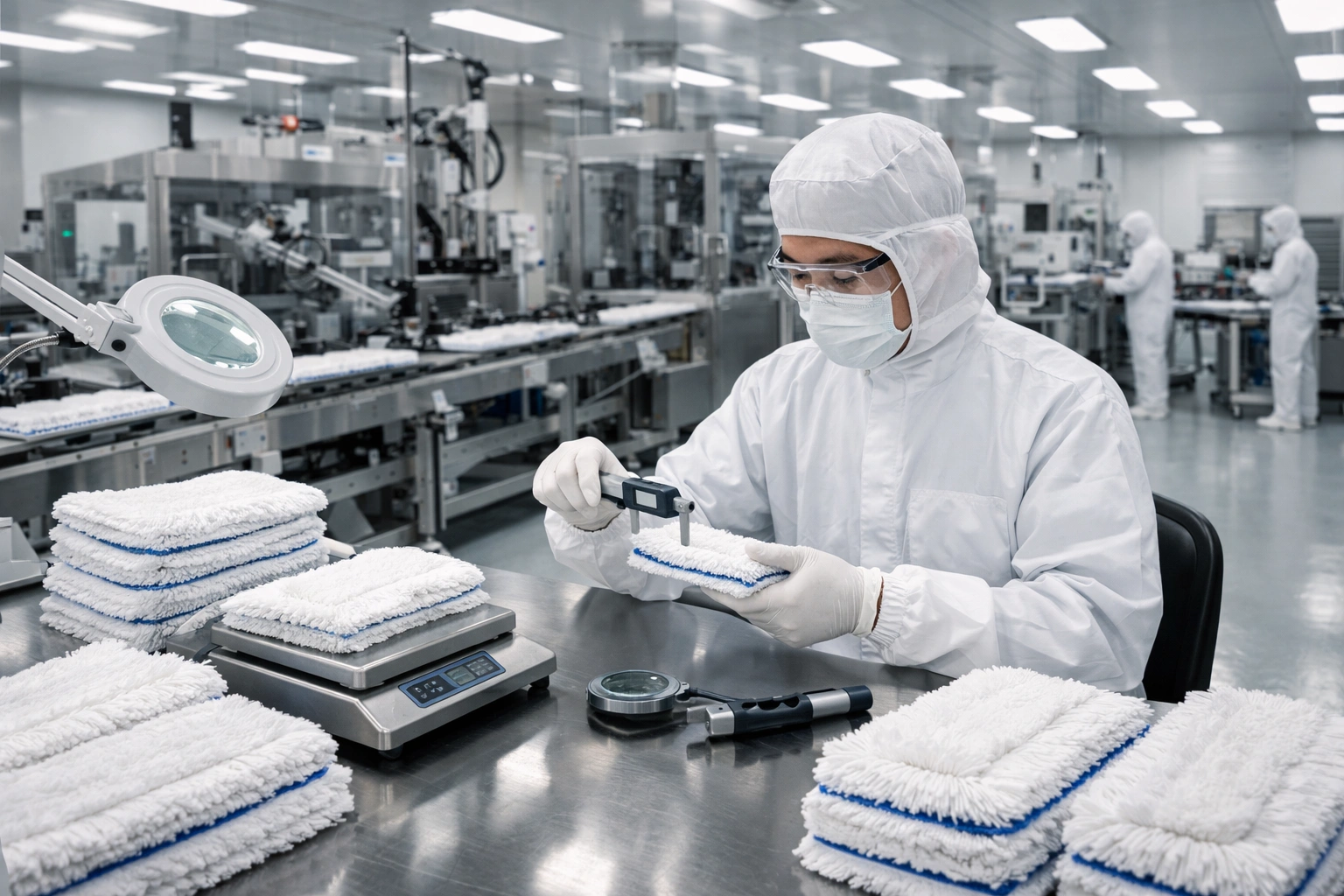
Modern Asian cleanroom consumables manufacturing facility with automated production lines in GMP environment

Market Access Advantages

Asian manufacturers provide comprehensive market access for global buyers:

  • ISO 9001, GMP, FDA registration
  • Multilingual technical support
  • Regulatory documentation assistance
  • Customs clearance expertise
  • Global distribution network

Why MIDPOSI Is a Reliable Wholesale Cleanroom Mop Supplier

MIDPOSI combines manufacturing expertise with B2B service excellence to provide reliable cleanroom mop solutions for regulated industries.

Factory-Direct Wholesale Manufacturing

As a direct manufacturer, MIDPOSI eliminates distribution layers while maintaining strict quality control:

  • Direct factory pricing without intermediary margins
  • Complete control over production processes
  • Material sourcing and verification procedures
  • Custom manufacturing capabilities
  • Scalable production for wholesale requirements

Consistent Batch Quality Control

MIDPOSI implements comprehensive quality control systems to ensure product consistency:

  • Statistical process control for all production batches
  • Automated testing and inspection procedures
  • Material traceability systems
  • Batch release verification processes
  • Quality assurance documentation packages

دستاویزات & توثیق کی حمایت

MIDPOSI provides comprehensive documentation to facilitate customer validation processes:

  • Detailed material specifications and certificates
  • Manufacturing process validation documentation
  • Quality control testing reports
  • Regulatory compliance certificates
  • Technical support for validation protocols

Customization by Cleanroom Class and Application

MIDPOSI offers tailored cleanroom mop solutions for specific requirements:

  • Custom material formulations for different ISO classes
  • Specialized constructions for industry applications
  • Custom handle systems and attachment options
  • Branded packaging and labeling requirements
  • Technical assistance for application-specific needs

Wholesale Procurement Checklist for B2B Buyers

This checklist provides B2B buyers with a systematic approach to wholesale cleanroom mop procurement, ensuring compliance and operational effectiveness.

Pre-Procurement Assessment

  1. Define Cleanroom Requirements: Identify specific ISO classifications, application needs, and regulatory requirements
  2. Evaluate Current Performance: Assess existing mop performance, issues, and improvement opportunities
  3. Review Validation Documentation: Determine existing validation scope and documentation requirements
  4. Calculate Usage Requirements: Establish monthly/annual usage patterns and consumption rates
  5. Budget Analysis: Develop comprehensive cost analysis including TCO considerations

Supplier Evaluation

  1. Request Technical Documentation: Obtain material specifications, quality certificates, and compliance documentation
  2. Conduct On-Site Audit: Schedule facility audit to verify manufacturing capabilities and quality systems
  3. Evaluate Quality Systems: Assess GMP compliance, ISO certifications, and regulatory registrations
  4. Request Samples for Testing: Conduct application-specific testing in your cleanroom environment
  5. Review References: Contact existing customers for performance feedback and reliability assessment

Procurement Implementation

  1. Establish Contract Terms: Define pricing, delivery schedules, quality requirements, and service levels
  2. Implement Change Control: Develop procedures for specification changes and re-validation requirements
  3. Set Up Quality Agreements: Establish quality expectations, testing requirements, and acceptance criteria
  4. Plan Validation Support: Coordinate technical documentation and validation assistance
  5. Establish Supply Chain Logistics: Define shipping procedures, inventory management, and emergency protocols

For detailed information on MOQ, lead time, and pricing structures, review our wholesale guide.

عمومی سوالات

Q1: What is the typical validation timeline for implementing new cleanroom mops?

Validation timelines vary by cleanroom classification and regulatory requirements. Typically, validation requires 6-12 weeks from protocol development to final approval, including protocol review, execution, data analysis, and report preparation. Higher-risk environments (ISO Class 5-6) may require extended validation periods with additional challenge studies.

Q2: How do disposable cleanroom mops compare to reusable mops in terms of total cost of ownership?

Total cost of ownership analysis reveals that disposable mops typically have higher initial costs but lower validation burdens. Reusable mops show lower material costs but require significant investment in cleaning validation, quality control, and maintenance. The 3-5 year TCO comparison often shows disposable systems are cost-competitive for high-risk areas, while reusable systems may be more economical for lower-risk, high-volume applications.

Q3: What documentation should suppliers provide for cleanroom mop validation?

Essential validation documentation includes: material safety data sheets (MSDS), quality certificates, manufacturing process validation reports, cleanroom compatibility testing data, microbial testing results, particle shedding analysis, and bioburden validation data. Suppliers should also provide change control documentation and re-validation protocols when specifications are modified.

Q4: How do cleanroom mop material choices affect validation requirements?

Material selection significantly impacts validation scope and complexity. Polyester blends typically require standard validation protocols, while microfiber materials may require enhanced particle shedding studies. Conductive materials need ESD testing, and specialty materials require compatibility validation with cleaning agents. Higher-risk applications and sensitive cleanroom classifications increase validation documentation requirements.

Q5: What are the key differences between pharmaceutical and electronics cleanroom mop requirements?

Pharmaceutical cleanroom mops focus on microbial control, bioburden validation, and GMP compliance, with extensive documentation requirements. Electronics cleanroom mops prioritize static control (ESD protection), low ionic contamination, and particle management. Electronics applications typically require conductive materials, while pharmaceutical applications emphasize sterile compatibility and validation protocols for microbial control.

Q6: How should buyers evaluate cleanroom mop suppliers in different regions?

Regional supplier evaluation should assess: regulatory compliance (GMP, FDA), quality system certifications, lead time reliability, technical support capabilities, and total cost of ownership. Asian manufacturers often offer cost advantages and shorter lead times, while European suppliers may provide more comprehensive validation documentation. Buyers should prioritize suppliers with proven experience in their specific industry and regulatory environment.

Q7: What are the critical parameters for monitoring cleanroom mop performance?

Key performance parameters include: particle shedding (measured in particles per cubic foot), microbial levels (CFU/100cm²), absorption capacity (grams of water per gram of material), durability (lifecycle in cleaning cycles), and chemical compatibility. Regular monitoring should include visual inspection for wear, performance testing against acceptance criteria, and ongoing validation to demonstrate continued compliance.

For more detailed information on cleanroom mop replacement frequency and performance monitoring, download our maintenance guide.

Ready to Optimize Your Cleanroom Mop Procurement?

MIDPOSI provides factory-direct wholesale cleanroom mops with full documentation support and consistent batch quality. Contact our technical team to discuss your specific requirements.

یہ مفت ہے!

چین میں کلین روم گارمنٹس کی فراہمی کے 9 مہلک نقصانات

ای کتاب 400
22

فوری اقتباس کے لیے پوچھیں۔

ہم 1 کام کے دن کے اندر آپ سے رابطہ کریں گے، براہ کرم لاحقہ کے ساتھ ای میل پر توجہ دیں۔ "@midposi.com".

فوری اقتباس کے لیے پوچھیں۔

ہم 1 کام کے دن کے اندر آپ سے رابطہ کریں گے، براہ کرم لاحقہ کے ساتھ ای میل پر توجہ دیں۔ "*@midposi.com".