
مماسح غرف الأبحاث ذات الترميز اللوني لا تتعلق بالجماليات. إنها استراتيجية تحكم مرئية تجعل انتهاكات المنطقة مرئية على الفور للمشغلين والمشرفين والمدققين. يتكامل نظام الألوان المصمم جيدًا مع ألوان الملابس، ولافتات المنطقة، ووثائق إجراءات التشغيل القياسية (SOP) لإنشاء نظام منع التلوث المتبادل الذي يعمل على مستوى المشغل - وليس فقط في دليل ضمان الجودة.
لا يوجد معيار عالمي واحد لترميز ألوان ممسحة غرف الأبحاث. تتبنى معظم المنشآت أحد الأساليب الثلاثة: القائمة على المنطقة (حسب درجة ممارسات التصنيع الجيدة)، أو القائمة على المخاطر (حسب مستوى خطر التلوث)، أو القائمة على خط الإنتاج (حسب منطقة التصنيع). يوضح الجدول أدناه رسم الخرائط المستندة إلى المنطقة والمشار إليه بشكل شائع والذي تستخدمه العديد من مرافق الأدوية والتكنولوجيا الحيوية متعددة الدرجات كنقطة بداية.
| المنطقة / درجة GMP | اللون الموصى به | الأساس المنطقي | مثال على رأس الممسحة |
|---|---|---|---|
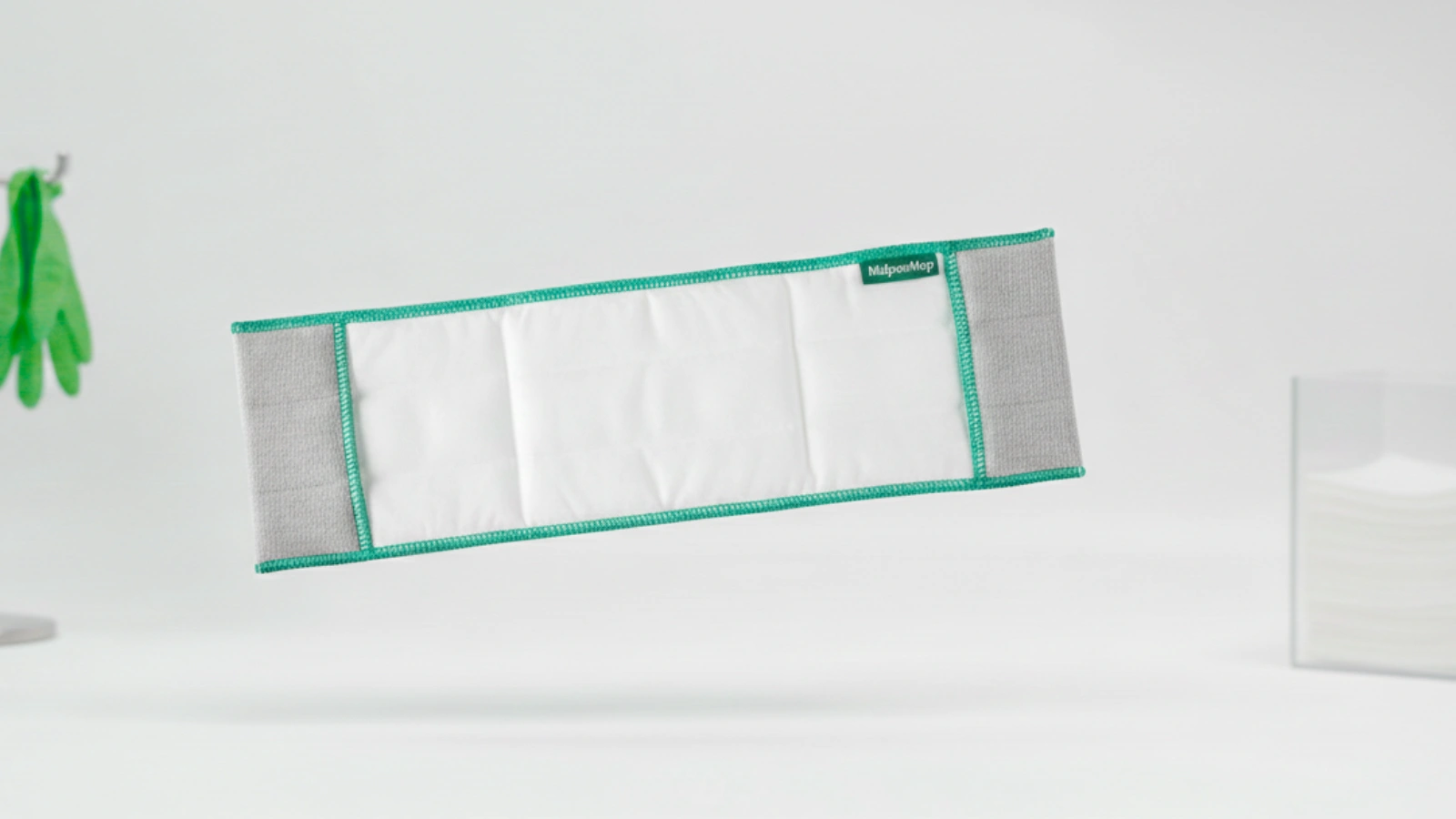
| الدرجة أ / ISO 5 (القلب المعقم) | أبيض | يرتبط اللون الأبيض بالعقم والنظافة. فهو يجعل أي تلوث مرئي واضحًا على الفور. عادةً ما يتم اختيار رؤوس الممسحة البيضاء المعقمة لمناطق المعالجة المعقمة. | رأس ممسحة غرف الأبحاث الأبيض، معقم، 40-65 جم/م² |
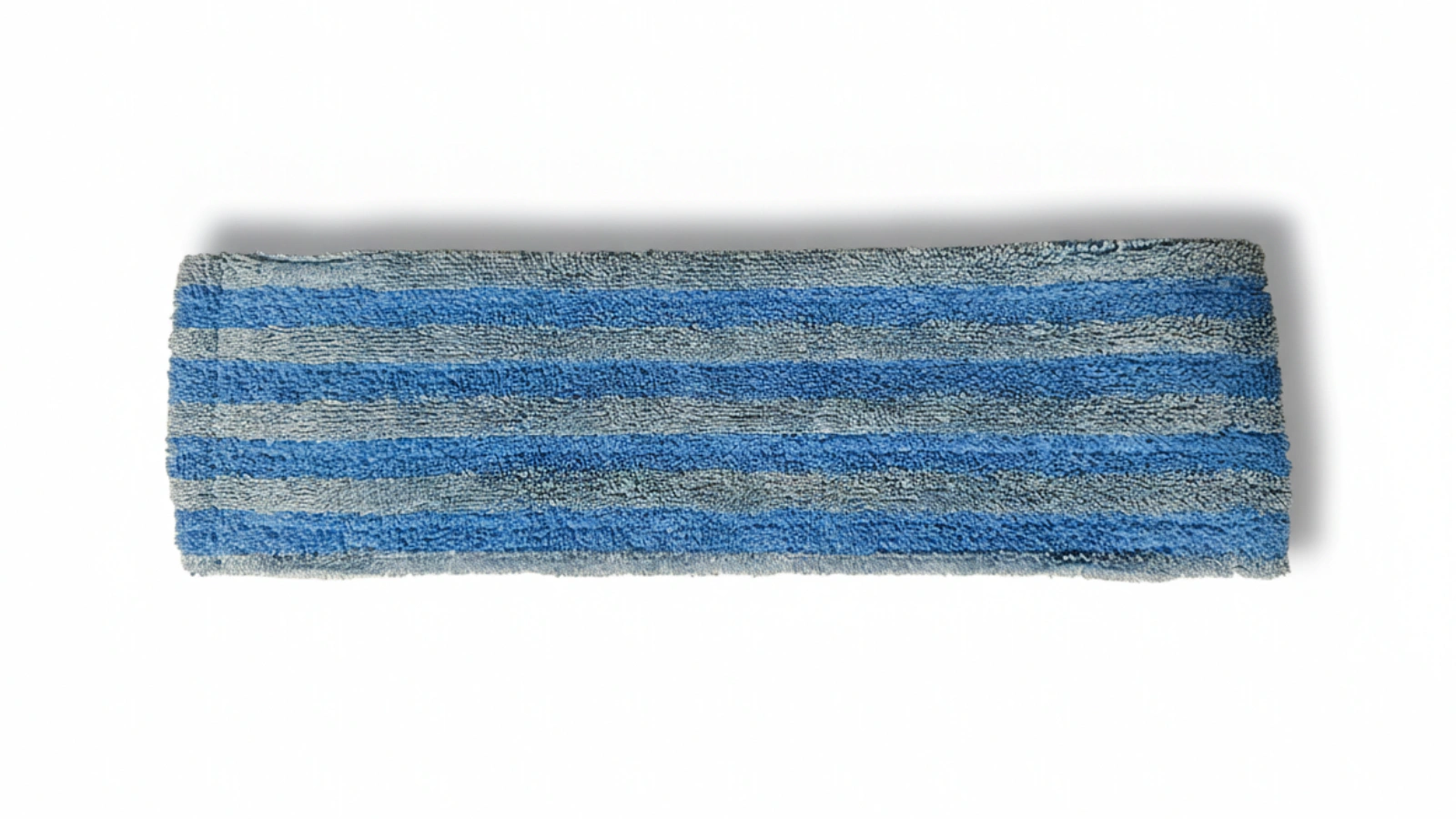
| الدرجة B / ISO 7 (دعم معقم) | أزرق | يُستخدم اللون الأزرق بشكل شائع للمناطق الخلفية والدعم المجاورة للدرجة أ. وهو يختلف بصريًا عن اللون الأبيض والأخضر في معظم ظروف إضاءة المنشأة. | رأس ممسحة غرف الأبحاث مخطط باللون الأزرق أو مزين باللون الأزرق |
| الدرجة C / ISO 8 (دعم متحكم فيه) | أخضر | يتم اعتماد اللون الأخضر على نطاق واسع للمناطق من الدرجة C عبر منشآت الأدوية والتكنولوجيا الحيوية. يوفر حدودًا مرئية واضحة بين المناطق الحرجة وغير الحرجة. | رأس ممسحة غرف الأبحاث مرمزة باللون الأخضر |
| الدرجة D / ISO 8-9 (غرفة الأبحاث العامة) | أصفر | غالبًا ما يستخدم اللون الأصفر في المنطقة الخارجية أو ذات الدرجة الأدنى الخاضعة للتحكم. إنه مميز بصريًا ونادرًا ما يتم الخلط بينه وبين اللون الأزرق أو الأخضر. | رأس ممسحة غرف الأبحاث مزين باللون الأصفر أو مخطط باللون الأصفر |
| غير مصنف / مساعد (الممر، الإعدادية، التخزين) | أحمر | الإشارات الحمراء "تنبيه" أو "حدود" وعادةً ما تكون مخصصة لمناطق الدعم غير المصنفة. استخدام اللون الأحمر هنا يعزز الانفصال النفسي عن المناطق السرية. | رأس ممسحة غرف الأبحاث من البوليستر مزين باللون الأحمر، غير معقمة |
يعد هذا التعيين بمثابة اتفاقية يتم الرجوع إليها بشكل شائع بين منشآت الأدوية والتكنولوجيا الحيوية. يجب على المرافق الفردية تكييف الألوان بناءً على مخطط الملابس وظروف الإضاءة وتاريخ تدريب المشغلين. المبدأ الأكثر أهمية هو الاتساق - بمجرد إنشاء تعيين اللون حسب المنطقة، يجب تنفيذه بشكل موحد عبر جميع أدوات التنظيف وتوثيقه في إجراءات التشغيل القياسية الخاصة بالمنشأة.
في منشأة غرف الأبحاث متعددة المناطق، تحدد بروتوكولات التنظيف عادةً الأدوات المخصصة لكل منطقة. لكن الإجراءات المكتوبة وحدها لها قيود أساسية: فهي تعتمد على قراءة المشغل للإجراء واستدعائه وتطبيقه بشكل صحيح في كل مرة ينتقل فيها بين المناطق.
يعالج الترميز اللوني هذا القيد عن طريق تضمين تعيينات المنطقة في الأداة نفسها. عندما يكون رأس الممسحة أخضر اللون وعلامة دخول المنطقة مكتوب عليها "المماسح الخضراء فقط"، يكون عدم التطابق بين الممسحة الزرقاء والمنطقة الخضراء مرئيًا من جميع أنحاء الغرفة - قبل أن يبدأ المشغل في التنظيف. وهذا هو الفرق بين اكتشاف الانحراف في مرحلة الإجراء واكتشافه فقط أثناء المراقبة البيئية بعد التنظيف.

تعتمد السيطرة على التلوث على الدفاعات متعددة الطبقات. في تنظيف سير العمل، تتضمن هذه الطبقات عادةً ما يلي:
يعمل الترميز اللوني في الطبقة الأولى. وهو يوفر أسرع حلقة تعليقات ممكنة ولا يعتمد على معرفة المشغل أو تفضيل اللغة أو مستوى التعب. هذا هو السبب في أنه عنصر معتمد على نطاق واسع نظام ممسحة غرف الأبحاث التصميم في مرافق متعددة المناطق.
التمييز الرئيسي: المنشأة التي تستخدم نفس الممسحة البيضاء في كل منطقة وتعتمد بشكل كامل على إجراءات التشغيل القياسية المكتوبة لمنع التلوث المتبادل لديها دفاع من الطبقة الثانية فقط. المنشأة التي تقوم بتعيين ألوان ممسحة مميزة لكل منطقة وتطابقها مع لافتات المنطقة لديها دفاع من الطبقة 1 + الطبقة 2. يمكن تقييم الفرق أثناء تحقيقات الانحراف وعمليات تدقيق GMP.
تختار المنشآت عادةً من بين ثلاثة أطر للترميز اللوني اعتمادًا على هيكلها التشغيلي والسياق التنظيمي وأهداف مكافحة التلوث. كل مخطط له منطق ونقاط قوة وقيود مميزة.
| نوع المخطط | منطق | تطبيق نموذجي | نقاط القوة | القيود |
|---|---|---|---|---|
| على أساس المنطقة | يتم تعيين اللون حسب درجة GMP أو فئة ISO. الصف أ = الأبيض، ب = الأزرق، ج = الأخضر، د = الأصفر. | مرافق تصنيع الأدوية متعددة الدرجات؛ مرافق ذات حدود GMP محددة بوضوح. | سهولة المواءمة مع توقعات الدرجة التنظيمية؛ الخرائط مباشرة لأطر التدقيق؛ من السهل على المشغلين تذكرها. | قد لا تكون كافية عندما تشترك خطوط إنتاج متعددة في نفس الدرجة ولكنها تحتاج إلى الفصل؛ يتطلب تعيين درجة GMP متسقة عبر المنشأة. |
| على أساس المخاطر | يتم تعيين اللون حسب مستوى خطر التلوث. قلب معقم = أبيض، دعم عالي المخاطر = أزرق، المعالجة العامة = أخضر، غير حرج = أصفر. | التكنولوجيا الحيوية ر&مرافق د؛ المرافق التي لا يتم تعيين مناطق الخطر فيها بشكل واضح وفقًا لدرجات GMP. | أكثر دقة من القائمة على الدرجة؛ يمكن أن تعكس مخاطر التلوث الفعلية بشكل أكثر دقة؛ قابلة للتكيف مع المرافق ذات ملفات تعريف المخاطر المتطورة. | - صعوبة التوثيق لأغراض التدقيق دون مبرر واضح؛ يتطلب المزيد من تدريب المشغلين؛ تعريفات مستوى المخاطر خاصة بالمنشأة. |
| على أساس خط المنتج | يتم تعيين اللون حسب منطقة التصنيع أو خط الإنتاج. مجموعة المنتج أ = أزرق، مجموعة المنتج ب = أخضر، المناطق المشتركة = أصفر. | مرافق CDMO متعددة المنتجات؛ مرافق ذات أجنحة تصنيع مخصصة لا يجب أن تشارك الأدوات أبدًا. | يمنع مباشرة التلوث المتبادل بين خطوط الإنتاج؛ من السهل على المشغلين ربط اللون بمجموعة محددة؛ أدلة فصل واضحة لعمليات تدقيق العملاء. | تصبح معقدة مع العديد من خطوط الإنتاج؛ قد يكون توفير الألوان غير كافٍ للمنشآت التي تحتوي على أكثر من 5 مناطق مميزة؛ لا يعكس بطبيعته مستوى مخاطر GMP. |
يعتمد القرار عادةً على مخاوف التلوث الأساسية في المنشأة:
تستخدم العديد من المنشآت نهجًا مختلطًا - يعتمد على المنطقة كإطار أساسي، مع إضافة فصل خط الإنتاج ضمن درجة واحدة عند الحاجة. ال دليل اختيار درجة ممسحة غرف الأبحاث GMP يوفر سياقًا إضافيًا حول متطلبات الممسحة الخاصة بالصف والتي قد تفيد الاختيار.

إن تصميم نظام ترميز الألوان لا يقتصر فقط على تخصيص لون لكل غرفة. ويتطلب ذلك عملية متعمدة وموثقة تتضمن رسم خرائط المنشأة واختيار المخطط والمواءمة مع عناصر التحكم المرئية الحالية واختيار الأداة وتكامل إجراءات التشغيل المعيارية (SOP). يوفر إطار الخطوات الخمس أدناه هيكلًا يمكن تكييفه مع معظم بيئات غرف الأبحاث متعددة المناطق.
ابدأ بخطة الكلمة. قم بتمييز كل غرفة وممر بتصنيف GMP الخاص بها (A/B/C/D) أو تصنيف ISO. ثم قم بتعليق كل منطقة بمستوى خطر التلوث الخاص بها: النواة المعقمة، الدعم عالي المخاطر، المعالجة العامة، غير الحرجة. تصبح هذه الخريطة الوثيقة المرجعية لجميع قرارات ترميز الألوان اللاحقة.
تشمل المساحات الانتقالية: غرف معادلة الضغط، ومعابر المواد، وغرف ارتداء الملابس. هذه هي نقاط نقل التلوث الشائعة ويجب أن يكون لها تعيينات لونية واضحة.
اختر من بين المنتجات المستندة إلى المنطقة، أو المستندة إلى المخاطر، أو المستندة إلى خط الإنتاج (راجع H2-3 للحصول على المقارنة الكاملة). يجب أن يعالج المخطط المختار مخاوف التلوث الرئيسية للمنشأة وأن يكون قابلاً للدفاع عنه أثناء عمليات التدقيق التنظيمية. توثيق الأساس المنطقي: لماذا تم اختيار هذا المخطط، وما هي البدائل التي تم النظر فيها، وكيف يتم ربطها بتقييم مخاطر المنشأة.
كثيرا ما يتم التغاضي عن هذه الخطوة. إذا كانت منشأتك تستخدم عباءات مرمزة بالألوان (على سبيل المثال، العباءات الزرقاء للدرجة C، والأخضر للدرجة D)، فتجنب تعيين ألوان الممسحة التي تتعارض. إذا ارتدى المشغلون عباءات خضراء في منطقة تكون فيها المماسح خضراء أيضًا، فقد يتضاءل التمييز البصري بين "الشخص" و"الأداة". يجب أن يكون لون الممسحة مرئيًا بوضوح على عباءة المشغل وسطح الأرضية.
في بعض المرافق، تتم محاذاة ألوان الممسحة عمدًا مع ألوان الملابس لتعزيز هوية المنطقة. وفي حالات أخرى، يقومون بالتباين عمدا لمنع الارتباك. كلا النهجين صالحان؛ وينبغي توثيق الاختيار مع الأساس المنطقي.
لا ينبغي أن يقتصر الترميز اللوني على رؤوس الممسحة. ضع في اعتبارك مجموعة أدوات التنظيف الكاملة:
يجب تدوين نظام الترميز اللوني في إجراءات التشغيل القياسية الخاصة بالتنظيف في المنشأة. الوصف النصي وحده لا يكفي. يشمل:
يعد الملحق المرئي ذا قيمة خاصة لتدريب المشغلين والاستعداد للتدقيق. يجب أن يكون مدقق GMP الذي يقوم بمراجعة الإجراء التشغيلي الموحد (SOP) قادرًا على فهم نظام الترميز اللوني من خلال المرجع المرئي وحده.
لا يوفر نظام الترميز اللوني الموجود فقط على رؤوس الممسحة فائدة التحكم الكامل في التلوث. يجب أن يكون النظام مرئيًا ومتسقًا عبر أربع نقاط اتصال على الأقل في المنشأة.
غالبًا ما تكون غرفة ارتداء الملابس هي النقطة الأولى التي يواجه فيها المشغل نظام ترميز الألوان. فكر في طرق التكامل التالية:
يجب أن تعرض لافتات دخول المنطقة لون الممسحة المخصص للمنطقة. تتضمن التنسيقات الشائعة ما يلي:
يجب أن يتضمن إجراء التشغيل المعياري للتنظيف ملحقًا مرئيًا يمكن لأي مدقق أو مشغل جديد فهمه في غضون دقائق. المحتويات الموصى بها:
عادةً ما يتم تدريب المشغلين على نظام الترميز اللوني من خلال:
ملاحظة عملية: عادةً ما يتم تقديم إرشادات الترميز اللوني في المواد التدريبية لإجراءات التشغيل القياسية (SOP) باستخدام المستندات المطبوعة بالألوان. ومع ذلك، قد يعاني بعض المشغلين من قصور في رؤية الألوان. تقوم المرافق بشكل متزايد بدمج المعرفات القائمة على الأنماط (الخطوط والنقاط والشيفرون) جنبًا إلى جنب مع الترميز اللوني لضمان الوضوح العالمي. هذه هي التفاصيل التي قد تثار أثناء عمليات التدقيق التي يجريها مفتشو GMP ذوو الخبرة.
حتى تطبيقات الترميز اللوني حسنة النية يمكن أن تفشل إذا لم يتم توقع بعض المخاطر الشائعة. تستند السيناريوهات التالية إلى الأنماط التي تمت ملاحظتها في مرافق غرف الأبحاث متعددة المناطق ويتم عرضها هنا كاعتبارات للتخطيط، وليس كتنبؤات نهائية لأي منشأة واحدة.
ما الخطأ: يمكن أن يظهر اللون الأزرق الفاتح والأخضر الفاتح متطابقين تقريبًا في ظل ظروف إضاءة معينة في غرف الأبحاث (على سبيل المثال، الإضاءة ذات اللون الأصفر في مناطق الطباعة الحجرية الضوئية، أو بيئات ISO 5 منخفضة التجويف).
النهج الموصى به: قم باختبار عينات الألوان في ظل ظروف الإضاءة الفعلية لكل منطقة قبل الانتهاء من نظام الألوان. اختر ألوانًا مميزة بصريًا: الأبيض مقابل الأزرق مقابل الأخضر مقابل الأصفر مقابل الأحمر يوفر تباينًا أعلى من الاختلافات داخل نفس عائلة الألوان. إذا كان اللونان الأزرق والأخضر مطلوبين، فاستخدم اللون الأزرق الداكن والأخضر الساطع بدلاً من الألوان الفاتحة لكليهما.
ما الخطأ: يتم استبدال رؤوس الممسحة بشكل متكرر. إذا لم يكن الإطار والمقبض مرمزين بالألوان، فإن تخصيص المنطقة يختفي عند تغيير الرأس. لا يجوز للمشغل الجديد أو الرأس البديل من دفعة مختلفة أن يحمل أي تعريف مرئي على الإطلاق.
النهج الموصى به: استخدم أشرطة التعريف الملونة أو الأكمام أو العلامات على الإطارات والمقابض كمعرف ثانوي ثابت. حتى لو تلاشى لون رأس الممسحة أو تم استبداله، يظل لون الإطار مؤشرًا للمنطقة. مراجعة أنواع رأس ممسحة غرف الأبحاث لفهم التوافق مع إطار الرأس وخيارات التعريف.
ما الخطأ: تصف إجراءات التشغيل القياسية (SOP) نظام ترميز الألوان في النص فقط (على سبيل المثال، "يجب أن تستخدم مناطق الدرجة الأولى رؤوس الممسحة البيضاء"). بدون مراجع مرئية، يجب على المشغلين ترجمة النص داخليًا إلى قرار بالألوان، ولا يمكن للمدققين التحقق بشكل مستقل من النظام من خلال الوثائق وحدها.
النهج الموصى به: قم بتضمين ملحق مرئي في كل إجراء تشغيلي قياسي (SOP) للتنظيف. اعرض صورًا لكل ممسحة مرمزة بالألوان بجانب المنطقة المخصصة لها. أضف خريطة ملونة مبسطة من صفحة واحدة يمكن للمشغلين الرجوع إليها في عربة التنظيف.
ما الخطأ: تم توثيق نظام الترميز اللوني في الإجراء التشغيلي الموحد (SOP)، ولكن لم يتم تدريب المشغلين رسميًا. قد يفهمون أن "المماسح الخضراء تذهب إلى مكان ما" ولكن ليس أي مناطق محددة، أو قد يفترضون أن استخدام أي ممسحة من سلة الألوان الصحيحة يكفي بغض النظر عن المنطقة الفعلية.
النهج الموصى به: قم بتضمين الترميز اللوني كوحدة محددة في تدريب المشغلين. قم بإجراء اختبار تفصيلي عملي: يجب على المشغل أن يحدد بشكل صحيح لون الممسحة الذي ينتمي إلى كل منطقة وأن يوضح إجراء الإبلاغ عن الانحراف. يجب إعادة تقديم التدريب كلما تغير نظام الألوان أو تمت إضافة مناطق جديدة.
ما الخطأ: تستخدم المنشأة العباءات الخضراء للدرجة C، والمماسح الخضراء للدرجة C. وبينما يبدو هذا متسقًا، إلا أن المشغلين الذين يرتدون العباءات الخضراء قد لا يسجلون بصريًا الممسحة الخضراء كجسم مميز. قد تمتزج الممسحة مع المجال البصري، مما يقلل من فائدة "التعرف الفوري" التي يهدف الترميز اللوني إلى توفيرها.
النهج الموصى به: قرر عمدا ما إذا كان يجب أن تتطابق ألوان الممسحة والثوب (تعزيز هوية المنطقة) أو التباين (تعزيز رؤية الأداة). توثيق الأساس المنطقي. إذا تم تحديد المطابقة، فتأكد من أن لون الممسحة مشبع بدرجة كافية أو منقوش بما يكفي ليظل مرئيًا مقابل لون الفستان في جميع ظروف الإضاءة.
أثناء عمليات التفتيش على ممارسات التصنيع الجيدة، قد يقوم المدققون بمراجعة نظام ترميز الألوان الخاص بالمنشأة كجزء من استراتيجية أوسع لمكافحة التلوث. على الرغم من عدم وجود لائحة GMP تنص صراحةً على ألوان ممسحة محددة، يقوم المدققون عادةً بتقييم ما إذا كان نظام ترميز الألوان موثقًا ومفهومًا ومطبقًا باستمرار وفعالًا في منع التلوث المتبادل.
بالنسبة للمرافق التي تتطلب التحقق من صحتها ممسحة غرف الأبحاث لتنظيف مرافق GMP، غالبًا ما تتم مراجعة نظام الترميز اللوني جنبًا إلى جنب مع أدلة التحقق من صحة التنظيف و وثائق التحقق من صحة ممسحة غرف الأبحاث للتأكد من أن فصل المنطقة مدعوم بأدلة موثقة.
تلخص قائمة المراجعة التالية ما يمكن للمدققين تقييمه أثناء مراجعة نظام الترميز اللوني. يمثل كل عنصر نمطًا نموذجيًا للاستفسار، وليس متطلبًا تنظيميًا.
اعتبارات التدقيق: يمكن تقييم نظام الترميز اللوني الموجود في الإجراء التشغيلي الموحد (SOP) ولكن لا يتم ملاحظته باستمرار في الممارسة العملية بشكل نقدي أكثر من عدم وجود نظام رسمي لترميز الألوان على الإطلاق. إن التوقع النموذجي للمدقق هو أن الإجراءات الموثقة تتوافق مع الممارسات الملحوظة. إذا نص الإجراء التشغيلي الموحد على "المماسح الخضراء فقط في الدرجة ج" ولكن لاحظ المراجع وجود ممسحة زرقاء في الدرجة ج، فمن المرجح أن يظهر ذلك باعتباره انحرافًا بغض النظر عما إذا كان التلوث قد حدث بالفعل أم لا.
يعد الترميز اللوني أحد عناصر الإستراتيجية الشاملة لمكافحة التلوث. تتناول المواضيع التالية المجالات ذات الصلة التي عادةً ما تقوم فرق المشتريات وضمان الجودة بتقييمها جنبًا إلى جنب مع قرارات ترميز الألوان.
لا يوجد معيار تنظيمي واحد يفرض ألوانًا محددة للممسحة لجميع المرافق. ومع ذلك، فإن الاتفاقية المشار إليها بشكل شائع بين منشآت الأدوية والتكنولوجيا الحيوية تحدد اللون الأبيض إلى الدرجة A (القلب المعقم)، والأزرق إلى الدرجة B (دعم معقم)، والأخضر إلى الدرجة C (دعم متحكم فيه)، والأصفر إلى الدرجة D (غرفة الأبحاث العامة)، والأحمر إلى المناطق الإضافية غير المصنفة. يجب على المرافق الفردية تحديد مخطط يتوافق مع هيكل درجة ممارسات التصنيع الجيدة وألوان الملابس وملف تعريف مخاطر التلوث، وتوثيق الأساس المنطقي لإجراءات التشغيل القياسية الخاصة بالتنظيف.
يتم اختيار اللون الأبيض عادةً لمناطق المعالجة المعقمة من الدرجة A (ISO 5)، لأنه يرتبط بالعقم ويجعل أي تلوث مرئي واضحًا على الفور. يتم تخصيص اللون الأزرق عادةً لمناطق الدعم المعقمة من الدرجة B (ISO 7). ومع ذلك، تستخدم بعض المرافق اللون الأبيض في كل من الدرجة (أ) والدرجة (ب)، وتميز المناطق حسب حالة عقم الممسحة بدلاً من لون الممسحة. الاعتبار الرئيسي هو أن المماسح من الدرجة المعقمة المستخدمة في مناطق الدرجة A/B يجب أن تكون مدعومة بإجراءات التغليف والنقل المعقمة المناسبة، بغض النظر عن اللون.
تعتمد الوقاية عادة على ضوابط متكاملة متعددة. أولاً، قم بتخزين المماسح في رفوف تحمل علامات الألوان عند حدود كل منطقة، بحيث يتم وضع الممسحة الصحيحة فعليًا في المكان المطلوب. ثانيًا، قم بنشر لافتات دخول المنطقة المرمزة بالألوان والتي تتوافق مع لون الممسحة. ثالثًا، قم بتدريب المشغلين على نظام الألوان وإجراء تقييمات عملية تفصيلية. رابعًا، قم بتنفيذ إجراء الإبلاغ عن الانحراف بحيث يتم وضع علامة على المماسح الموضوعة بشكل غير صحيح والتحقيق فيها. خامسًا، فكر في إضافة معرفات منقوشة (خطوط وشارات) إلى جانب اللون للمشغلين الذين يعانون من قصور في رؤية الألوان. يعد الترميز اللوني وحده بمثابة إشارة مرئية؛ وهو فعال عند دمجه مع التدريب واللافتات ونظام التخزين وإدارة الانحراف.
يوصى بشدة باستخدام مقابض وإطارات الترميز اللوني كمعرف ثانوي أو ثابت. رؤوس الممسحة قابلة للاستهلاك ويمكن استبدالها؛ إذا كان الرأس فقط مرمزًا بالألوان، فإن تخصيص المنطقة يختفي بين تغييرات الرأس. يضمن ترميز لون الإطار (عبر الأشرطة الملونة أو الأكمام أو العلامات) وتحديد المقبض (أقسام القبضة الملونة أو علامات الغطاء النهائي) بقاء تخصيص المنطقة مرئيًا بغض النظر عن استبدال الرأس. أثناء عمليات التدقيق، توفر المقابض والإطارات المخزنة في رفوف خاصة بالمنطقة مع ملصقات الألوان المطابقة دليلًا مرئيًا فوريًا على فصل المنطقة.
التكامل يمكن أن يتبع أحد النهجين. يعمل نهج "المطابقة" على محاذاة لون الممسحة مع لون الملابس (على سبيل المثال، العباءات الخضراء والمماسح الخضراء في نفس المنطقة)، مما يعزز هوية المنطقة ويبسط ارتباط المشغل. يستخدم أسلوب "التباين" ألوان ممسحة مميزة تبرز أمام الألوان الغامقة، مما يعزز رؤية الأداة. كلاهما صالح. يجب على المرافق توثيق النهج والأساس المنطقي الذي اختارته. كحد أدنى، يجب نشر مخطط مرجعي يوضح اسم المنطقة ولون الرداء ولون الممسحة في غرفة ارتداء الملابس حتى يتمكن المشغلون من تأكيد تعيين الأداة الصحيح قبل دخول المنطقة المصنفة.
يتحقق المدققون عادةً من ستة مجالات: (1) ما إذا كان هناك نظام موثق لترميز الألوان مع مبرر مكتوب، (2) ما إذا كان بإمكان المشغلين تحديد تعيين منطقة اللون لمنطقة العمل الخاصة بهم بشكل صحيح، (3) ما إذا كانت مناطق تخزين الممسحة تظهر فصلًا مرئيًا للألوان، (4) ما إذا كان الملحق المرئي لإجراءات التشغيل المعيارية (SOP) للتنظيف يتطابق مع ألوان الممسحة ولافتات المنطقة، (5) ما إذا كانت سجلات تدريب المشغل تتضمن ترميز الألوان كوحدة محددة، و (6) ما إذا كان قد تم التحقيق في انحرافات ترميز الألوان السابقة أم لا معالجتها من خلال CAPA. الاهتمام الرئيسي للمراجعة هو الاتساق بين الوثائق والممارسة الملحوظة، وليس الالتزام بأي معيار لون محدد.
قد تقوم المرافق بإنشاء نظام الألوان الخاص بها. لا يوجد أي تنظيم يتطلب تعيين لون محدد للمنطقة. ومع ذلك، فإن إنشاء مخطط مخصص ينطوي على عبء توثيقي إضافي: يجب توثيق الأساس المنطقي بشكل صريح، ويجب ألا يتعارض المخطط مع الضوابط المرئية الأخرى في المنشأة (الملابس، اللافتات، علامات السلامة)، وقد يحتاج المشغلون إلى تدريب أكثر كثافة حيث لا يمكنهم الاعتماد على الاتفاقيات المشار إليها بشكل شائع. وتتمثل ميزة اتباع اتفاقية مستخدمة على نطاق واسع (أبيض/أزرق/أخضر/أصفر/أحمر) في أنه يمكن التعرف عليها على نطاق واسع للمدققين المطلعين على المرافق متعددة الدرجات، ويميل إلى أن يكون بديهيًا بالنسبة للمشغلين الذين عملوا في بيئات منظمة أخرى.
عادةً ما يتبع التدريب على نظام جديد أو منقح مرمز بالألوان تسلسلاً منظمًا. أولاً، قم بتقديم تعليمات بأسلوب الفصل الدراسي تغطي تعيين الألوان للمنطقة، والأساس المنطقي لكل مهمة، وإجراءات الإبلاغ عن الانحراف. ثانيًا، قم بإجراء جولة تفصيلية عملية للمنشأة حيث يقوم المشغلون بالتعرف فعليًا على كل منطقة ولون الممسحة المخصص لها. ثالثًا، قم بإجراء تقييم عملي حيث يجب على المشغل تحديد الممسحة الصحيحة لمنطقة معينة وإظهار استجابة الانحراف. رابعاً، قم بتوفير بطاقات مرجعية سريعة مغلفة يمكن لصقها على عربات التنظيف. خامسًا، حدد موعدًا لجلسة تنشيطية للمتابعة بعد 30 إلى 60 يومًا من التنفيذ لمعالجة الأسئلة وتعزيز السلوك الصحيح. يجب الاحتفاظ بسجلات التدريب كجزء من نظام توثيق GMP الخاص بالمنشأة.
ناقش بنية منطقة منشأتك ومتطلبات الترميز اللوني مع فريقنا. يمكننا مساعدتك في مطابقة مواصفات رأس الممسحة وخيارات التعقيم وتحديد اللون مع حدود درجة GMP وإطار عمل SOP للتنظيف.
توفر شركة MIDPOSI أنظمة ممسحة غرف الأبحاث لمرافق الأدوية والتكنولوجيا الحيوية والأجهزة الطبية. يتم التعامل مع الاستفسارات بسرية ودون التزام.