مواد إطار ممسحة غرف الأبحاث وتفاصيلها - دليل اختيار عميق
تحدد درجة مادة الإطار ونوع المفصل بشكل مباشر توزيع ضغط التنظيف، والتوافق الكيميائي أثناء التطهير، ومتانة الأوتوكلاف، والوصول من الجدار إلى الزاوية. يشرح هذا الدليل خيارات الإطارات SS 304 وSS 316 والألومنيوم والمركبة إلى جانب آليات المفصلة الثابتة والدوارة والمفصلية - مع مصفوفات اختيار مصممة لمهندسي المنشآت ومديري المشتريات ومراجعي ضمان الجودة الذين يقومون بتقييم مكونات نظام ممسحة غرف الأبحاث.
إجابة سريعة
إطار ممسحة غرفة الأبحاث هو المكون الهيكلي الصلب الذي ينقل القوة التي يطبقها المشغل من المقبض إلى رأس الممسحة، ويثبت وسادة الممسحة في موضعها على سطح التنظيف، ويحدد ما إذا كان يمكن للرأس أن يدور للوصول إلى الزوايا والجدران والأسطح غير المنتظمة. تؤثر مادة الإطار — عادةً SS 304 أو SS 316 أو الألومنيوم أو مركب/بوليمر — بشكل مباشر على المقاومة الكيميائية، وتحمل الأوتوكلاف، ومخاطر التآكل، والوزن الإجمالي للنظام. يحدد الإطار المفصلي - الثابت أو الدوار أو المفصلي - نطاق الحركة بين المقبض وسطح التنظيف، والذي يؤثر بدوره على توحيد التغطية، والوصول إلى الزاوية، وإرهاق المشغل، وملاءمته لسير عمل تنظيف الأرضية فقط مقابل سير عمل تنظيف الجدار والسقف.
قرار الاختيار ليس تجميليًا. يمكن أن تؤدي مادة الإطار التي تتآكل عند التعرض المتكرر لـ VHP، أو النوع المفصلي الذي لا يمكنه الوصول إلى تقاطع الجدار والأرضية، إلى الإضرار ببرنامج التنظيف GMP بأكمله. تقييم مهندسي المرافق نظرة عامة على نظام ممسحة غرف الأبحاث المكونات، وفرق المشتريات التي تقارن مقايضات تكلفة المواد، وأصحاب المصلحة في ضمان الجودة الذين يقومون بتدقيق توافق أدوات التنظيف، يجب أن يتعاملوا مع اختيار الإطار باعتباره قرارًا هندسيًا منظمًا بمعايير اختيار محددة.
لماذا يعد اختيار الإطار قرارًا هندسيًا، وليس اختيارًا للملحقات
في العديد من محادثات الشراء، يتم التعامل مع إطار الممسحة باعتباره العنصر الأقل استراتيجية - وهو شيء "يحمل فقط الوسادة". وهذا سوء فهم مكلف. الإطار هو رابط نقل القوة في نظام التنظيف. يمر كل نيوتن من الضغط الذي يمارسه المشغل عبر الإطار قبل الوصول إلى سطح التنظيف. إذا انثنيت مادة الإطار بشكل مفرط، أو تآكلت تحت التعرض للمطهر، أو لم تتمكن من البقاء على قيد الحياة خلال دورة التعقيم التي اختارتها المنشأة، فإن كامل الإطار أنواع إطارات ممسحة غرف الأبحاث الاستثمار في خطر.
فكر في أربعة أبعاد هندسية ملموسة تجعل اختيار الإطار قرارًا غير تافه:
1. توحيد توزيع الضغط. يؤدي الإطار الذي ينثني أو يلتوي تحت الحمل إلى إنشاء اتصال غير متساوٍ بين الوسادة والسطح. وينتج عن ذلك ضغط تنظيف غير متناسق - حيث تتلقى بعض المناطق إجراءً ميكانيكيًا كاملاً بينما لا يتم تنظيف مناطق أخرى بشكل جيد. في مناطق ISO 5 / GMP من الدرجة A حيث يتم مراجعة اتساق إزالة الجسيمات، تكون صلابة الإطار أحد متغيرات التحكم في التلوث.
2. التوافق الكيميائي أثناء التطهير. تتعرض إطارات ممسحة غرف الأبحاث لنفس المطهرات المستخدمة في الأرضيات والأسطح - بيروكسيد الهيدروجين (VHP)، ومركبات الأمونيوم الرباعية، وهيبوكلوريت الصوديوم، وحمض البيراسيتيك، وكحول الأيزوبروبيل. كل درجة مادة تستجيب بشكل مختلف. يتحمل إطار SS 304 معظم مطهرات غرف الأبحاث الشائعة. يمكن لإطار الألمنيوم أن يتآكل ويتآكل تحت العوامل المعتمدة على الكلور. قد يمتص الإطار المركب أو يتحلل عند التعرض للمذيبات لفترة طويلة. يجب أن يتحمل الإطار برنامج التطهير الكيميائي الخاص بالمنشأة، وليس فقط مهمة التنظيف.
3. دورة التعقيم البقاء على قيد الحياة. إذا كانت إجراءات التشغيل القياسية الخاصة بالمنشأة تتطلب نظام الممسحة بالكامل - بما في ذلك الإطار - للمرور عبر دورة الأوتوكلاف (عادةً 121 درجة مئوية أو 134 درجة مئوية من البخار المشبع)، يصبح اختيار مادة الإطار ثنائيًا: درجات الفولاذ المقاوم للصدأ فقط هي التي تتحمل التعرض المتكرر للأوتوكلاف دون تدهور. الألومنيوم يخفف. تشوه المركبات أو تفقد السلامة الهيكلية. غالبًا ما يؤدي هذا المتطلب الفردي إلى إلغاء خيارات مادة الإطار قبل تقييم أي معيار آخر.
4. الوزن وبيئة العمل للمشغل. يضيف وزن الإطار بشكل مباشر إلى إجمالي وزن النظام الذي يجب على المشغل دفعه أو سحبه خلال الوردية بأكملها. في العمليات الصيدلانية متعددة المناوبات حيث يتم تنظيف غرف الأبحاث بشكل مستمر، يصبح فرق الوزن بمقدار 200 جرام لكل إطار، مضروبًا بآلاف الضربات في كل نوبة عمل، متغيرًا مريحًا وإنتاجيًا قابلاً للقياس. تقلل المواد الأخف من التعب ولكنها قد تضحي بالصلابة. تعمل المواد الأثقل على تحسين ضغط التلامس مع الأرض ولكنها تزيد من إجهاد المشغل.
الوجبات الهندسية: لا يقتصر اختيار الإطار على اختيار "أفضل المواد" - بل يتعلق بمطابقة خصائص المواد (مقاومة التآكل، والتحمل الحراري، والوزن، والصلابة) مع المتطلبات الكيميائية والحرارية والميكانيكية وسير العمل المحددة للمنشأة التي سيعمل فيها الإطار.
مواد الإطار - SS 304 مقابل 316 مقابل الألومنيوم مقابل المركب
تهيمن أربع فئات من المواد على تصنيع إطار ممسحة غرف الأبحاث. يقدم كل منها ملفًا مميزًا للمقايضة عبر مقاومة التآكل، والوزن، وتحمل التعقيم، والتكلفة، والتوافق الكيميائي. تم تصميم التقسيم التالي لدعم المقارنة على مستوى المواصفات.
SS 304 — العمود الفقري الفعال من حيث التكلفة
SS 304 (UNS S30400) هو أكثر أنواع الفولاذ المقاوم للصدأ تحديدًا على نطاق واسع لإطارات ممسحة غرف الأبحاث. يحتوي على ما يقرب من 18% كروم و8% نيكل، مما يوفر مقاومة عامة جيدة للتآكل بتكلفة مادية معقولة.
- مقاومة التآكل: جيد لمعظم بيئات غرف الأبحاث. يقاوم الأكسدة والأحماض العضوية ومطهرات غرف الأبحاث الأكثر شيوعًا بتركيزات قياسية.
- الأوتوكلاف التسامح: ممتاز. دورات الأوتوكلاف المتكررة 121-134 درجة مئوية لا تقلل من السلامة الهيكلية.
- وزن: معتدل. يتراوح وزن الإطار النموذجي من حوالي 400 جرام إلى 700 جرام حسب الأبعاد.
- موقف التكلفة: الأدنى بين خيارات الفولاذ المقاوم للصدأ. متاحة على نطاق واسع. الحد الأدنى من مخاطر سلسلة التوريد.
- القيود: عرضة للتنقر الناجم عن الكلوريد والتشقق الناتج عن التآكل الناتج عن الإجهاد في البيئات التي تتعرض فيها للكلوريد لفترة طويلة ومركزة (على سبيل المثال، هيبوكلوريت الصوديوم غير المخفف في درجات حرارة مرتفعة).
- الأفضل لـ: المرافق الصيدلانية من الدرجة C/D، وغرف تنظيف الأجهزة الطبية، ومناطق ISO 7/ISO 8، وبرامج تنظيف GMP القياسية باستخدام التناوب الروتيني للمطهر.
SS 316 — مقاومة محسنة للتآكل
يضيف SS 316 (UNS S31600) حوالي 2-3% من الموليبدينوم إلى تركيبة SS 304. تعمل إضافة الموليبدينوم هذه على تحسين مقاومة الكلوريد وتآكل الشقوق بشكل كبير، مما يجعلها الخيار المفضل للبيئات الكيميائية الأكثر عدوانية.
- مقاومة التآكل: متفوق على SS 304، وخاصة ضد الكلوريدات والهالوجينات والمطهرات الحمضية. مقاومة أفضل للتنقر في البيئات ذات التعرض المتكرر لـ VHP أو حمض البيراسيتيك.
- الأوتوكلاف التسامح: ممتاز. يعادل SS 304 في أداء التدوير الحراري.
- وزن: معتدل إلى أثقل قليلاً من SS 304. فرق الكثافة لا يكاد يذكر من الناحية العملية.
- موقف التكلفة: أعلى من SS 304. عادةً ما يكون قسط المواد مبررًا عندما يتجاوز ملف التعرض الكيميائي درجة التسامح SS 304.
- القيود: تكلفة أعلى. قد يكون هناك مبالغة في تحديده للمنشآت التي تستخدم فقط الأمونيوم الرباعي الروتيني أو المطهرات القائمة على الكحول حيث يكون معيار SS 304 كافيًا.
- الأفضل لـ: مناطق تصنيع معقمة من الدرجة A/B مع دوران قوي لعوامل مبيد الأبواغ، ومرافق تستخدم التطهير الحيوي VHP حيث تكون الإطارات مكشوفة، وغرف نظيفة لأشباه الموصلات مع كيمياء تنظيف قوية للأحماض/القواعد، ومنشآت التكنولوجيا الحيوية مع دورات تطهير حمض البيراسيتيك.
الألومنيوم - خفيف الوزن مع الاعتبارات الكيميائية
توفر إطارات الألومنيوم أفضل نسبة قوة إلى وزن بين مواد إطار ممسحة غرف الأبحاث. فهي أخف وزنًا بشكل ملحوظ من نظيراتها المصنوعة من الفولاذ المقاوم للصدأ، مما يقلل من إجهاد المشغل في نوبات التنظيف الممتدة. ومع ذلك، فإن قيود التوافق الكيميائي للألمنيوم تجعله غير مناسب للعديد من برامج تطهير غرف الأبحاث.
- مقاومة التآكل: جيد في البيئات الجافة أو المحايدة للأس الهيدروجيني. يشكل الألومنيوم طبقة أكسيد واقية تقاوم التآكل الجوي.
- الضعف الكيميائي: القيد الحاسم. يتآكل الألومنيوم بسرعة في وجود المطهرات التي تحتوي على الكلور (هيبوكلوريت الصوديوم/المبيض)، والأحماض القوية، والقلويات القوية. يمكن لبيروكسيد الهيدروجين (VHP) أيضًا مهاجمة أسطح الألومنيوم خلال دورات التعرض المتكررة.
- الأوتوكلاف التسامح: فقير. يلين الألومنيوم ويفقد خصائصه الهيكلية في ظل دورات الأوتوكلاف المتكررة. غير مناسب لأنظمة التنظيف المعقمة بالبخار.
- وزن: أخف بشكل ملحوظ من الفولاذ المقاوم للصدأ. انخفاض نموذجي في الوزن بنسبة 30-50% مقارنة بإطارات SS المكافئة.
- موقف التكلفة: أقل من الفولاذ المقاوم للصدأ في تكلفة المواد الخام. قد يتم تعويض ميزة التكلفة جزئيًا عن طريق عمر خدمة أقصر في البيئات العدوانية كيميائيًا.
- الأفضل لـ: ISO 8 / المناطق الخاضعة للرقابة ولكن غير المصنفة التي تحتوي على عوامل تنظيف تحتوي على الكحول فقط أو درجة حموضة محايدة، ومناطق تجميع الإلكترونيات مع تطهير IPA فقط، وتطبيقات التنظيف الجاف حيث يكون التعرض للمواد الكيميائية في حده الأدنى.
مركب / بوليمر – تطبيقات متخصصة
تمثل إطارات البوليمر المركبة والمهندسة (مثل النايلون المملوء بالزجاج والبولي بروبيلين وPPS) أصغر فئة في تطبيقات ممسحة غرف الأبحاث. توجد عادةً في سيناريوهات الاستخدام الفردي أو إعادة الاستخدام المحدود حيث تسبب الإطارات المعدنية مخاطر تلوث غير مقبولة من تساقط الجسيمات أو المواد القابلة للترشيح الأيونية المعدنية.
- مقاومة التآكل: خمول كيميائي ممتاز لمعظم تركيبات البوليمر. لا يوجد أيونات معدنية قابلة للترشيح. لا يوجد خطر التآكل الجلفاني.
- الأوتوكلاف التسامح: تعتمد على المواد. يلتوي مادة البولي بروبيلين القياسية عند درجات حرارة الأوتوكلاف. يمكن لللدائن الحرارية عالية الأداء (PPS، PEEK) أن تنجو من دورات الأوتوكلاف المحدودة ولكن بتكلفة مادية أعلى بكثير.
- وزن: أخف فئة. يمكن أن يكون أقل من 50% من وزن إطار SS.
- موقف التكلفة: متغير للغاية. إطارات البولي بروبيلين الأساسية منخفضة التكلفة. البوليمرات الهندسية عالية الأداء (PPS، النايلون المملوء بالزجاج) تقترب من تكلفة SS 304 أو تتجاوزها.
- القيود: صلابة ميكانيكية أقل من الإطارات المعدنية. قد ينثني تحت ضغط التلامس العالي، مما يقلل من تجانس التنظيف. استقرار حراري محدود. غير مناسب للتعقيم بالبخار في التركيبات القياسية. يجب التحقق من صحة خصائص توليد الجسيمات لكل درجة مادة.
- الأفضل لـ: سير عمل التنظيف للاستخدام مرة واحدة/لمرة واحدة، مصانع أشباه الموصلات ذات حساسية الأيونات المعدنية، التطبيقات التي تتطلب إزالة المعادن بالكامل من مجموعة أدوات التنظيف، R&غرف نظيفة على نطاق D وتجريبي مع برامج تنظيف منخفضة الحجم.
اختصار القرار المادي: إذا كان الإطار يجب أن يتحمل دورات الأوتوكلاف، فانتقل مباشرة إلى SS 304 أو SS 316 وتجاوز الألومنيوم والمركب بالكامل. إذا تم استخدام الإطار في برنامج VHP أو برنامج التطهير بالكلور الثقيل، ففكر في SS 316 بدلاً من SS 304 لهامش التآكل على المدى الطويل. إذا لم يكن الأوتوكلاف شرطًا، فإن القرار يفتح الباب أمام مقايضات الوزن والتكلفة.
مفصل الإطار - ثابت، ودوار، ومفصلي
بالإضافة إلى المادة، تحدد آلية المفصلة المدمجة في إطار الممسحة كيفية تحرك رأس الممسحة بالنسبة للمقبض. تخدم الأنواع الثلاثة الأساسية - الثابتة والدوارة والمفصلية - تطبيقات تنظيف متميزة. يؤدي تحديد نوع المفصلة الخاطئ إلى إنتاج تغطية زاوية سيئة أو تعقيد ميكانيكي غير ضروري.
إطار ثابت
يظل رأس الممسحة في وضع صلب وغير محوري بالنسبة للمقبض. يتم تحديد زاوية التنظيف بالكامل من خلال وضع يد المشغل. الإطارات الثابتة هي الأبسط من الناحية الميكانيكية، ولديها أقل عدد من نقاط الفشل، وتوفر نقل الضغط الأكثر اتساقًا للمناطق الكبيرة والمسطحة.
الأفضل لـ: تنظيف الممرات المفتوحة، وأجنحة الإنتاج ذات المساحات الكبيرة، وسير عمل مسح الأرضيات القياسي حيث لا يكون الوصول إلى الجدران والزاوية أولوية.
إطار دوار
وصلة دوارة 360 درجة تربط الإطار بالمقبض، مما يسمح لرأس الممسحة بالدوران بحرية في المستوى الأفقي. يتيح ذلك للمشغل توجيه الممسحة حول أرجل المعدات، وتحت حواف المقاعد، وفي الأشكال الهندسية الأرضية غير المنتظمة دون تغيير موضعها. المفصلية الدوارة هي الخيار الأكثر شيوعًا لتطهير أرضيات غرف الأبحاث للأغراض العامة.
الأفضل لـ: غرف نظيفة كثيفة المعدات، ومناطق إنتاج بها مزارع صهاريج أو مفاعلات حيوية، وأي طابق يتطلب التنقل حول العوائق الثابتة.
إطار مفصلي
A hinge joint allows the mop head to pivot in the vertical plane — essential for transitioning from floor to wall surfaces, reaching ceiling panels, and cleaning the wall-floor junction where most contamination accumulates. Hinged frames are the defining feature of cleanroom wall-and-ceiling mop systems and are not typically found in floor-only flat mops.
الأفضل لـ: Wall and ceiling cleaning, wall-floor junction decontamination, complete-room cleaning programs that require a single frame to reach all six surfaces.
Selection error to avoid: Specifying a fixed frame for a facility that requires wall and ceiling cleaning. A fixed frame simply cannot reach vertical surfaces. This forces operators to either use the wrong tool or skip wall cleaning entirely — both of which create audit findings in GMP environments where complete-room cleaning is documented in the facility SOP.
Articulation type selection logic:
- Floor-only cleaning, large open areas: Fixed frame (simpler, fewer mechanical failure points, lower cost).
- Floor-only cleaning, equipment-dense areas: Swivel frame (navigability around obstacles).
- Floor + wall cleaning: Hinged frame (vertical plane articulation required).
- Complete-room (floor + wall + ceiling): Hinged frame, often combined with an extension handle for ceiling reach.
Note that many facilities maintain multiple frame types in their cleaning inventory — fixed frames for corridor and open-area floor mopping, swivel frames for equipment-dense production suites, and hinged frames for wall and ceiling cleaning rotations. There is no single “best” articulation type; the decision is driven by the set of surfaces the frame must clean in a given cleaning task.
Frame Dimensions — Width, Weight, and Mop Head Compatibility
Frame dimensions are not arbitrary. The frame width must precisely match the mop head pocket or attachment width. A frame that is too narrow for the head pocket leaves the pad unsupported at the edges, producing uneven cleaning pressure. A frame that is too wide cannot be inserted into the head pocket, making the entire system unusable.
Typical cleanroom mop frame dimensions fall into these ranges:
| نوع الإطار | Typical Width | Typical Weight (SS 304) | Compatible Head Width | تطبيق نموذجي |
|---|---|---|---|---|
| Standard Flat Frame | 40-45 cm (approx. 16-18 in) | 400-550 g | 40-45 cm pocket mop heads | General floor mopping in cleanroom corridors and production areas |
| Wide-Area Frame | 60 cm (approx. 24 in) | 600-750 g | 60 cm pocket mop heads | Large open production suites, high-throughput GMP facility corridors |
| Compact / Narrow Frame | 30-35 cm (approx. 12-14 in) | 300-400 g | 30-35 cm pocket mop heads | Tight spaces, around bioreactors, under low-clearance equipment |
| Wall/Ceiling Hinged Frame | 40-45 cm | 500-650 g | 40-45 cm wall mop heads | Wall and ceiling cleaning, wall-floor junction decontamination |
Compatibility rule. A mop frame and أنواع رأس ممسحة غرف الأبحاث واختيارها must be matched by width. The frame’s outer dimensions should sit fully inside the head’s pocket or attachment channel without excess play or compression. A common procurement mistake is ordering frames and heads from different suppliers without verifying dimensional compatibility. This is one of the simplest failure modes to prevent during specification.
ملاحظة الشراء: When evaluating a أنواع إطارات ممسحة غرف الأبحاث supplier, request the frame’s exact outer dimensions (width, length, thickness) in millimeters and compare them against the head’s internal pocket dimensions before finalizing the purchase order. Dimensional mismatch discovered after delivery results in unusable inventory.
Weight trade-offs. A heavier SS frame provides better ground-contact pressure with less operator effort — the frame’s own mass contributes to downward force. However, in wall and ceiling cleaning where operators work above shoulder height, every gram of frame weight multiplies fatigue. Facility managers planning wall-and-ceiling cleaning programs should prioritize frame weight in their specification alongside material and articulation type.
Chemical Compatibility by Frame Material
The single most common cause of premature mop frame failure in GMP environments is chemical incompatibility — the frame material degrading under repeated exposure to a disinfectant it was never rated to withstand. The following reference table summarizes compatibility across the four frame material categories against the disinfectants most commonly used in ممسحة غرف الأبحاث لتنظيف مرافق GMP programs.
| Disinfectant / Chemical Agent | سس 304 | سس 316 | الألومنيوم | Composite / Polymer |
|---|---|---|---|---|
| Isopropyl Alcohol (70% IPA) | Compatible | Compatible | Compatible | Compatible* |
| مركبات الأمونيوم الرباعية (الكوات) | Compatible | Compatible | حذر | Compatible |
| Sodium Hypochlorite (Bleach, dilute) | Caution (limit exposure time) | Compatible | Not Compatible | Compatible* |
| Hydrogen Peroxide (VHP / liquid H₂O₂) | Compatible | Compatible | Not Compatible | Material-dependent |
| Peracetic Acid (PAA) | Caution (concentration-dependent) | Compatible | Not Compatible | Material-dependent |
| Phenol-Based Disinfectants | Compatible | Compatible | حذر | Not Compatible* |
| Glutaraldehyde | Compatible | Compatible | حذر | Compatible* |
* Composite/polymer compatibility is highly material-specific. The markings above assume standard polypropylene or glass-filled nylon formulations. High-performance thermoplastics (PPS, PEEK) may have broader compatibility. Always verify against the specific polymer grade datasheet. The information in this table represents general engineering guidance; facility-specific chemical concentration, temperature, and contact-time conditions should be validated. This table does not replace formal material compatibility testing.
Practical guidance: The key incompatibility to remember is aluminum + chlorine-based disinfectants and aluminum + hydrogen peroxide (VHP). If a facility’s disinfection program includes these agents, aluminum frames should be excluded from consideration. This single rule eliminates the most common frame material selection error seen in GMP procurement.
For facilities using aggressive sporicidal rotation — which may include peracetic acid, vapor hydrogen peroxide, and chlorine-based agents at elevated concentrations — SS 316 provides the broadest safety margin. The additional cost of SS 316 over SS 304 is typically small relative to the cost of a frame corrosion failure that generates a deviation report or requires replacement of an entire frame inventory. Refer to cleanroom mop sterilization methods for a parallel discussion on how sterilization cycle selection interacts with frame material choice.
Frame Selection by Application
The following matrix maps cleanroom grade and area type to recommended frame material and articulation type. Use this as a starting point for specification, adjusting for facility-specific chemical and sterilization requirements.
| Application / Area Type | غرف الأبحاث الصف | Recommended Frame Material | Recommended Articulation | الأساس المنطقي |
|---|---|---|---|---|
| Aseptic filling suite — floor | الدرجة أ/ب (آيزو 5) | سس 316 | Fixed or Swivel | SS 316 for maximum sporicidal agent compatibility. Fixed for open areas; swivel around filling lines. |
| Aseptic filling suite — walls & ceiling | الدرجة أ/ب (آيزو 5) | سس 316 | Hinged | Hinged required for vertical surface reach. SS 316 for chemical margin in aseptic core. |
| Grade C production — floor | الدرجة ج (آيزو 7) | سس 304 | Swivel | SS 304 sufficient for standard disinfectant rotation. Swivel for equipment-dense production layouts. |
| Grade C production — walls | الدرجة ج (آيزو 7) | سس 304 | Hinged | SS 304 adequate. Hinged for wall-floor junction coverage. |
| Grade D support areas — floor | الدرجة د (آيزو 8) | سس 304 | Swivel or Fixed | Cost-effective SS 304. Swivel preferred for corridors and material airlocks. |
| Grade D — walls | الدرجة د (آيزو 8) | سس 304 | Hinged | Standard SS 304 frame. Reduce cleaning frequency may reduce corrosion risk. |
| Corridor / transition zones | Grade C/D / ISO 7-8 | سس 304 | مُثَبَّت | Large open area — fixed frame simplest, lowest cost, most consistent pressure. |
| Semiconductor fab — floor (IPA only) | ISO 5-7 | Aluminum or SS 304 | Swivel | If IPA is the only cleaning agent and no autoclave required, aluminum is viable. If any acid/base chemistry is used, switch to SS. |
| Biotech — bioreactor floor area | الدرجة ج (آيزو 7) | سس 316 | Swivel | Biotech facilities often use PAA for sporicidal efficacy. SS 316 provides corrosion margin. Swivel for navigating around skids. |
| Single-use / disposable workflow | Various | Composite / Polymer | مُثَبَّت | Metal elimination requirement. Composite frame typically paired with disposable head for complete single-use system. |
How to use this table: Identify your cleanroom grade and area type. Confirm the recommended material against your facility’s specific disinfection chemistry list and sterilization requirements. If your disinfection program contains an agent that is incompatible with the recommended material, upgrade to a compatible grade. Then verify articulation type against the surfaces you need to clean. For more detailed grade-specific selection logic, see the دليل اختيار درجة ممسحة غرف الأبحاث GMP.
System Integration — Frame + Handle + Head Compatibility
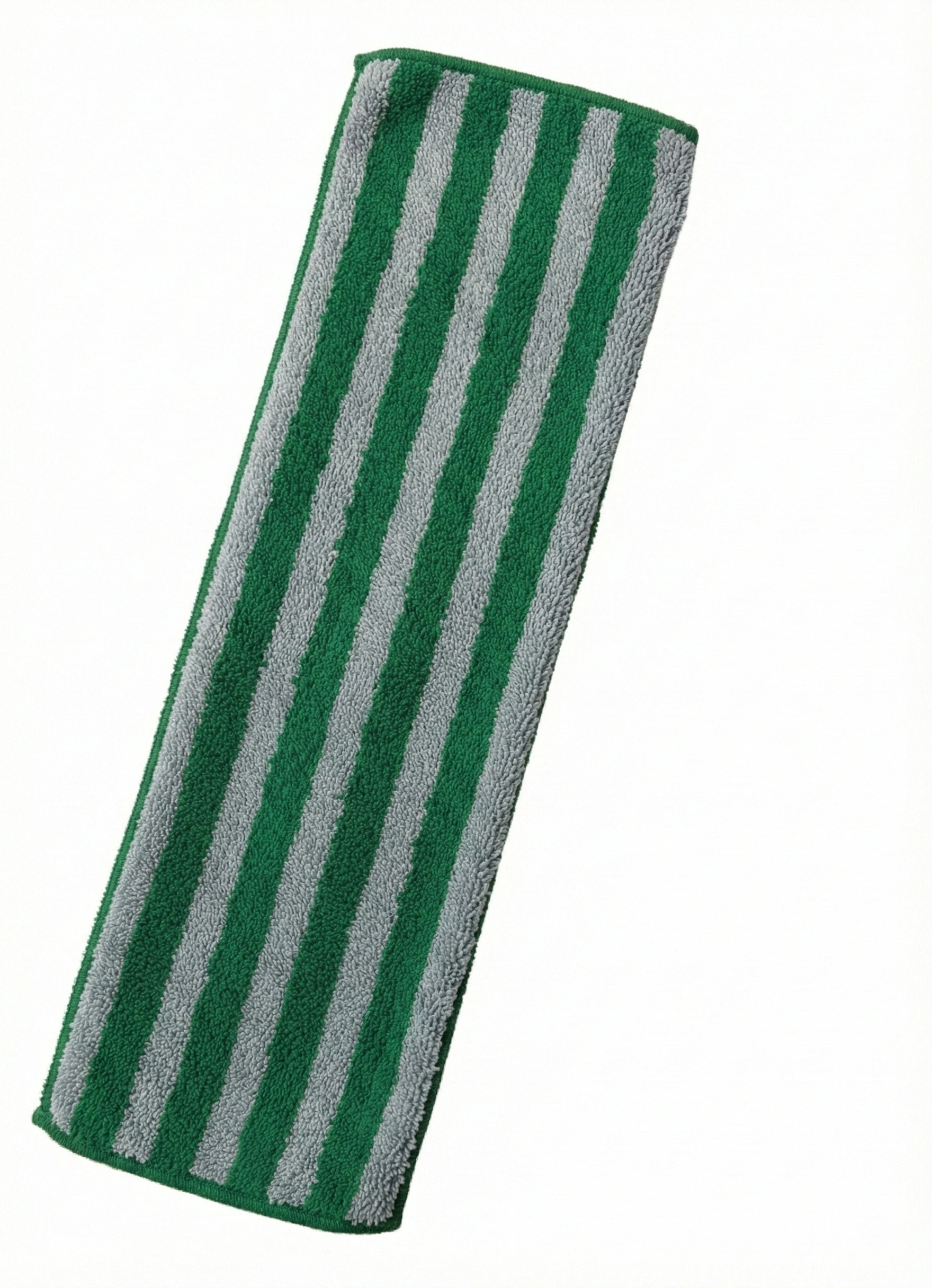
A frame never operates in isolation. It must physically connect to the handle on one side and hold the mop head on the other. The three components — frame, handle, and head — form a single integrated cleaning tool. If any interface fails, the entire tool fails. This is why تكامل مقبض إطار رأس ممسحة غرف الأبحاث should be evaluated as a system, not as three separate purchasing decisions.
Frame-to-Handle Connection
The frame connects to the handle via a mechanical joint — typically a threaded screw fitting, a quick-release clip, or a bayonet-style connector. The connector type must be consistent between the frame and the اختيار مقبض ممسحة غرف الأبحاث. Key considerations:
- Thread type compatibility: Some frames use ACME threads, others use standard metric or imperial threads. A handle with the wrong thread type simply will not connect.
- Quick-release reliability: Quick-release connectors reduce setup and changeover time but introduce a mechanical wear point. Verify the connector’s cycle-life rating against expected daily use frequency.
- Autoclave effect on connectors: Repeated thermal cycling can loosen threaded connections and degrade plastic quick-release components. Inspect frame-to-handle joints as part of routine cleaning tool maintenance.
Frame-to-Head Attachment
The frame must securely hold the أنواع رأس ممسحة غرف الأبحاث واختيارها during the full stroke cycle — push, pull, lift, and turn. The three most common attachment mechanisms are:
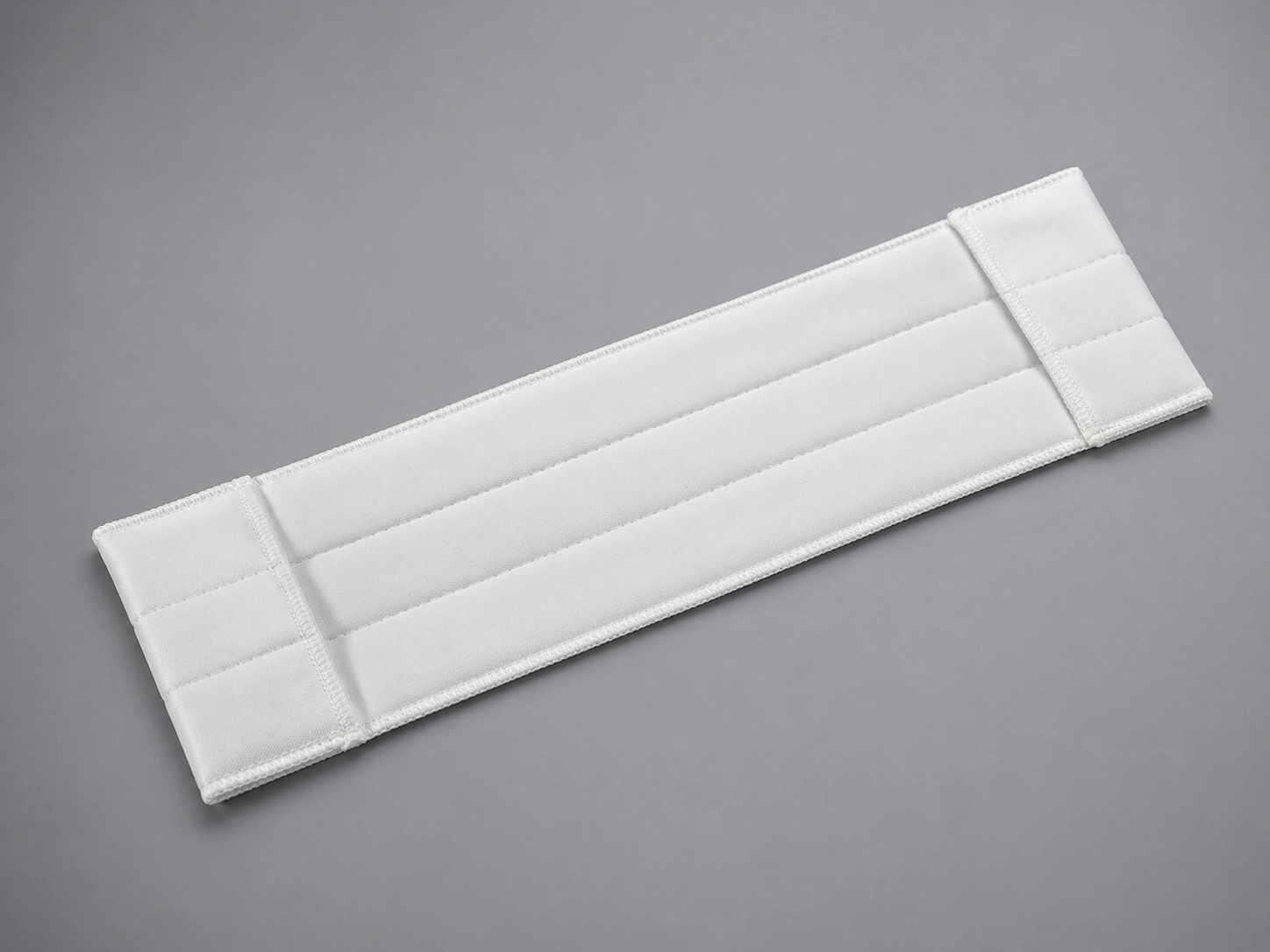
- Pocket-style: The frame slides into a fabric pocket sewn into the back of the mop head. Most common in cleanroom applications. Requires precise width matching between frame and pocket.
- Velcro / hook-and-loop: The head attaches to the frame via hook-and-loop strips. Faster changeover than pocket-style but the Velcro itself can become a particle source as it degrades over repeated use.
- Clip / mechanical fastener: The head clips onto the frame via plastic or metal fasteners. Fastest changeover but introduces additional mechanical components that can fail or generate particles.
Common failure mode: A pocket-style head that is slightly too wide for the frame will bunch and slip during the push stroke, creating uneven cleaning pressure and exposing the frame edge directly to the cleaning surface — a contamination risk if the frame edge is not smooth or if it scratches the floor.
System Integration Checklist
Frame-to-System Compatibility Verification (8 Points)
Summary: Frame Material and Articulation Decision Framework
Sequential Frame Selection Logic
- Does the frame require autoclave sterilization? If yes, eliminate aluminum and composite. Choose SS 304 or SS 316.
- Review the disinfection chemical list. If it includes chlorine-based agents, VHP, or peracetic acid, select SS 316 for maximum corrosion margin. If it is quats and IPA only, SS 304 is sufficient.
- Identify all surfaces to be cleaned. If walls and ceilings are included, a hinged frame is required. If floor only, choose fixed (open areas) or swivel (equipment-dense areas).
- Verify head compatibility. Ensure frame width matches head pocket width. Confirm attachment mechanism (pocket, Velcro, clip) is consistent with operational preference.
- Verify handle compatibility. Ensure frame connector type matches handle connector type.
- Consider total system weight. For wall/ceiling applications, prioritize lower frame weight within the required material grade.
- Request material certification. Obtain mill test report or material certificate from the frame supplier. File with cleaning tool qualification documentation.
Frame selection ultimately reduces to three questions: What chemicals will it touch? Will it go through an autoclave? What surfaces does it need to reach? Answer these, and the material + articulation decision follows logically from the answers. Everything else — cost negotiation, supplier comparison, inventory planning — becomes an operational discussion rather than an unresolved technical specification.
أسئلة مكررة
Can an SS 304 frame be used in a Grade A cleanroom?
It depends on the disinfection chemistry and sterilization requirements. SS 304 is structurally acceptable for Grade A environments, but if the facility’s sporicidal program includes peracetic acid or concentrated chlorine-based agents, SS 316 is preferred for its superior pitting and crevice corrosion resistance. Additionally, if the frame will undergo frequent autoclave sterilization at 134 degrees C, SS 304 is capable but SS 316 provides additional margin against chloride stress-corrosion cracking if any chloride residues remain on the frame surface. A facility risk assessment should drive the material grade decision, not a blanket grade-to-material mapping.
What is the most common mistake in cleanroom mop frame procurement?
Ordering frames and heads from different suppliers without verifying dimensional compatibility. A frame that is 42 cm wide does not automatically fit a head pocket marked “40-45 cm” — the pocket’s actual internal dimension in millimeters must match the frame’s external dimension. The second most common mistake is specifying aluminum frames for facilities that use chlorine-based disinfectants, which leads to rapid frame corrosion and particle generation.
How often should cleanroom mop frames be replaced?
There is no fixed replacement interval. SS frames should be replaced when visual inspection reveals any of the following: (a) surface pitting or crevice corrosion that cannot be cleaned, (b) bent or warped frame geometry affecting pad contact uniformity, (c) connector joint looseness or play that cannot be tightened to specification, or (d) weld failure at any frame joint. A practical inspection protocol is to check all frames during the monthly cleaning tool inventory review and flag any that show visible degradation for replacement. Aluminum and composite frames have shorter service lives due to lower mechanical durability and should be inspected more frequently.
Do I need different frames for floor cleaning and wall cleaning?
Typically yes. Floor-only frames are usually fixed or swivel articulation and optimized for horizontal pressure transfer. Wall and ceiling cleaning requires a hinged frame that can pivot in the vertical plane to maintain pad contact against vertical surfaces. Using a fixed floor frame for wall cleaning is ineffective because the frame cannot angle itself to the wall surface. Most GMP facilities maintain separate frame inventories for floor and wall/ceiling cleaning rotations.
What frame surface finish is recommended for ISO 5 / Grade A areas?
Electropolished stainless steel provides the smoothest surface finish, minimizing particle adhesion and making the frame easier to wipe down during cleaning tool disinfection. A surface roughness of Ra less than or equal to 0.8 micrometers (32 micro-inches) is a commonly referenced target for Grade A/ISO 5 applications. Brushed or mill finishes are acceptable for Grade C/D areas where surface finish requirements are less stringent.
Can I use the same frame with different mop head weights (40g, 55g, 65g)?
Yes, provided the frame width matches the head pocket width. Mop head weight (40g, 55g, 65g) affects the pad’s absorbency and thickness but does not typically change the pocket dimensions for a given width. The same frame can be used with different-weight heads of the same width. However, verify that a thicker 65g head does not create excessive friction or bunching inside the frame, which can occur if the pocket tolerance was designed for a thinner pad.
What documentation should I request from a frame supplier?
At minimum, request: (a) material grade certificate (mill test report or equivalent confirming the alloy grade, e.g., SS 304 or SS 316), (b) frame dimension drawing with tolerances (width, length, thickness in mm), (c) surface finish specification (Ra value), (d) connector type specification, and (e) weight specification. For facilities with autoclave requirements, additionally request confirmation that the frame material and connector assembly are rated for the specified autoclave temperature and cycle count. This documentation supports cleaning tool qualification in GMP environments.
Are swivel frames more prone to mechanical failure than fixed frames?
Yes, by design. A swivel frame introduces a rotating joint — a mechanical component that fixed frames do not have. This joint is a wear point. Over time, the swivel mechanism can develop play (looseness), produce metallic particles from friction, or seize if not maintained. The trade-off is that swivel frames provide navigability around equipment that fixed frames cannot match. The risk is managed through (a) selecting frames with sealed or low-particle-generation swivel bearing designs, (b) including swivel joint inspection in routine cleaning tool maintenance, and (c) replacing frames whose swivel joints show measurable wear rather than waiting for failure.
Need a Cleanroom Mop System with the Right Frame Configuration?
Frame material and articulation type directly affect your cleaning program’s effectiveness, chemical compatibility, and sterilization throughput. Whether you are specifying SS 316 frames for a Grade A aseptic filling suite or comparing SS 304 vs aluminum for a Grade D support area, MIDPOSI can help you match frame, head, and handle components into a validated, compatible system.
Frame material certification and dimensional specifications available upon request. Built for controlled cleaning programs in GMP, ISO, and contamination-sensitive facilities.
Disclaimer: The chemical compatibility information in this article is provided as general engineering guidance. Material compatibility depends on chemical concentration, temperature, contact duration, and the specific alloy or polymer grade. Always verify frame material compatibility against the manufacturer’s chemical resistance data sheet and your facility’s specific disinfection SOP before procurement. This article does not constitute formal material qualification or validation advice.