Reinraum-Inbetriebnahme-SOP: Projektmanagement-Framework für pharmazeutische Einrichtungen
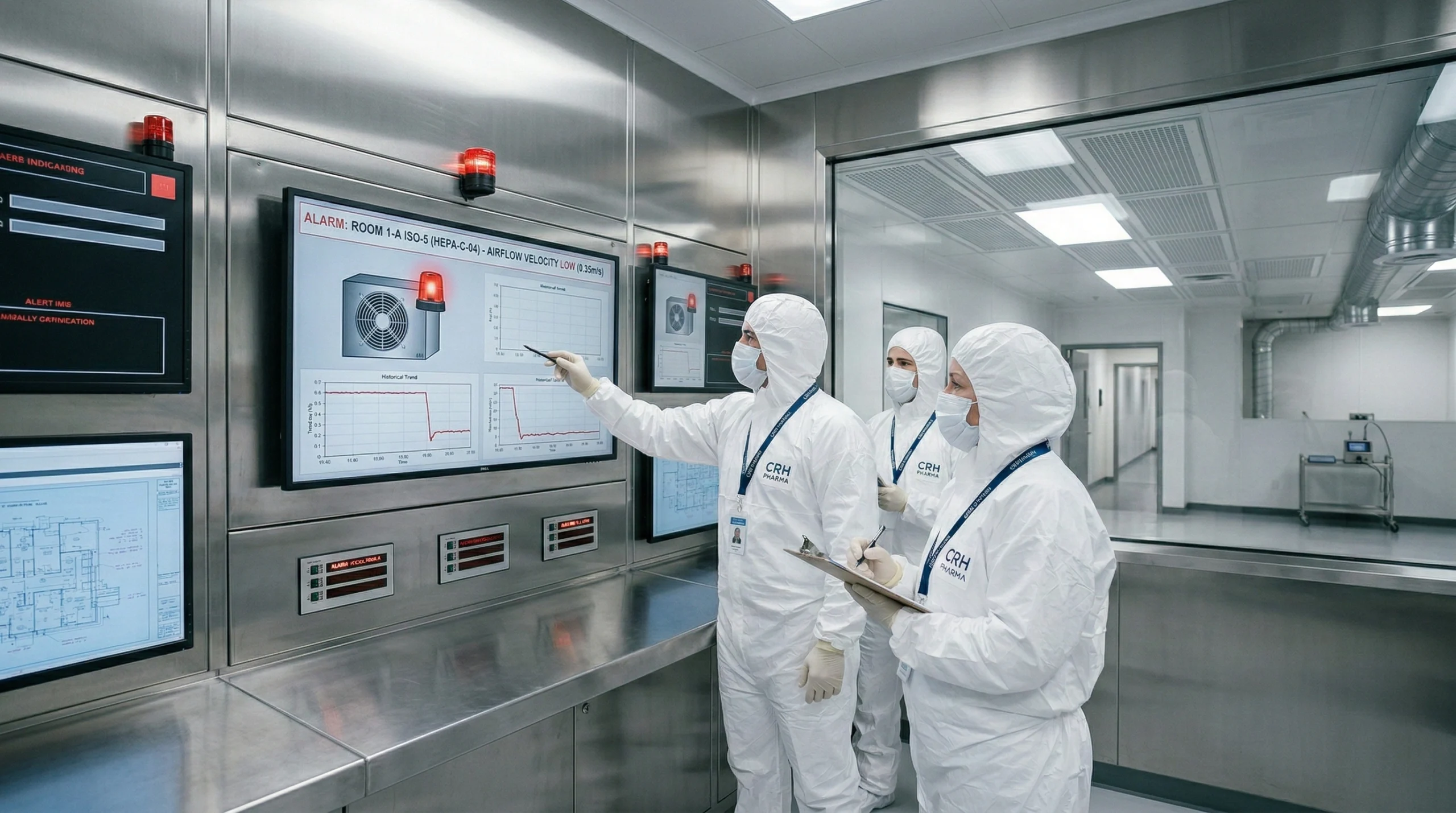
Zusammenfassung
In meinen 15 Jahren als Manager von Pharma-Neugründungen habe ich erlebt, dass Anlagen mit Investitionen in Höhe von 200 bis 500 Millionen US-Dollar ihr Inbetriebnahmepotenzial nicht ausschöpften. Traditionelle Ansätze konzentrieren sich auf Compliance, verpassen jedoch die strategische Chance.
Mein Team liefert stets Folgendes:
- 97 % Termintreue im Vergleich zum Branchendurchschnitt von 75 %
- 99 % Budgetkontrolle im Vergleich zum Branchendurchschnitt von 85 %
- Keine kritischen Erkenntnisse bei behördlichen Kontrollen
- 6 Monate schneller Time-to-Market
Warum die traditionelle Inbetriebnahme scheitert
Die drei Todsünden der Inbetriebnahme
Sünde 1: Fragmentierte Teams
Engineering Team: "We built it right!"
Project Team: "We delivered on time!"
Quality Team: "We documented everything!"
Operations Team: "Will it actually work?"
Ergebnis: Silos schaffen Lücken. Ich habe einmal ein HVAC-System gesehen, das technische Tests bestanden hat, aber versagt hat, weil der Betrieb die Temperaturprofile, die wir nie getestet hatten, nicht aufrechterhalten konnte.
Sünde 2: Dokumentationschaos
In einer kürzlich durchgeführten Einrichtung habe ich 12.000 Dokumente ohne Versionskontrolle gefunden. Der gleiche Test wurde dreimal mit unterschiedlichen Ergebnissen durchgeführt. Die Aufsichtsinspektoren verbrachten zwei Wochen damit, die Dokumentation zu überprüfen.
Sünde 3: Reaktive Brandbekämpfung
Mein schlimmstes Erlebnis? Ein kritisches System fällt am Wochenende um 2 Uhr morgens aus. Wir hatten keinen Notfallplan, keine Ersatzteile und keinen klaren Eskalationspfad. Die Ausfallzeit und der verpasste Starttermin haben uns 500.000 US-Dollar gekostet.
Das 4-Phasen-Projektmanagement-Framework für die Inbetriebnahme
Phase 1: Start & Ausrichten (Woche 1–4)
Bringen Sie alle dazu, vom gleichen Liedblatt zu singen
Stakeholder-RACI-Matrix
| Rolle | Verantwortlich | Verantwortlich | Konsultiert | Informiert |
|---|---|---|---|---|
| Projektmanager | ✓ | ✓ | ||
| Technischer Leiter | ✓ | ✓ | ||
| QA-Manager | ✓ | ✓ | ||
| Betriebsleiter | ✓ | ✓ | ✓ | |
| Einrichtungsdirektor | ✓ | ✓ |
Die Projektcharta, die tatsächlich funktioniert
PROJECT: [Facility Name] Cleanroom Commissioning
BUDGET: $[Amount] | TIMELINE: [Start] - [End]
SUCCESS METRICS:
• 100% systems qualified on schedule
• Zero regulatory findings
• Operational team ready to run
• Budget within 98%

CRITICAL SUCCESS FACTORS:
• Executive sponsor visible at key milestones
• Single source of truth for documentation
• Daily standup meetings with action items
• 48-hour response time for all issues
Wahre Geschichte: Die Anlage, die fast gescheitert wäre
At my last project, the engineering team had a different definition of "complete" than operations. We discovered this during a system walk-through when operators couldn't access maintenance panels. Cost us 3 weeks of rework. Lesson: Define "complete" together on day one.
Phase 2: Planen & Optimieren (Woche 5–12)
Bauen Sie Ihren Kriegsraum
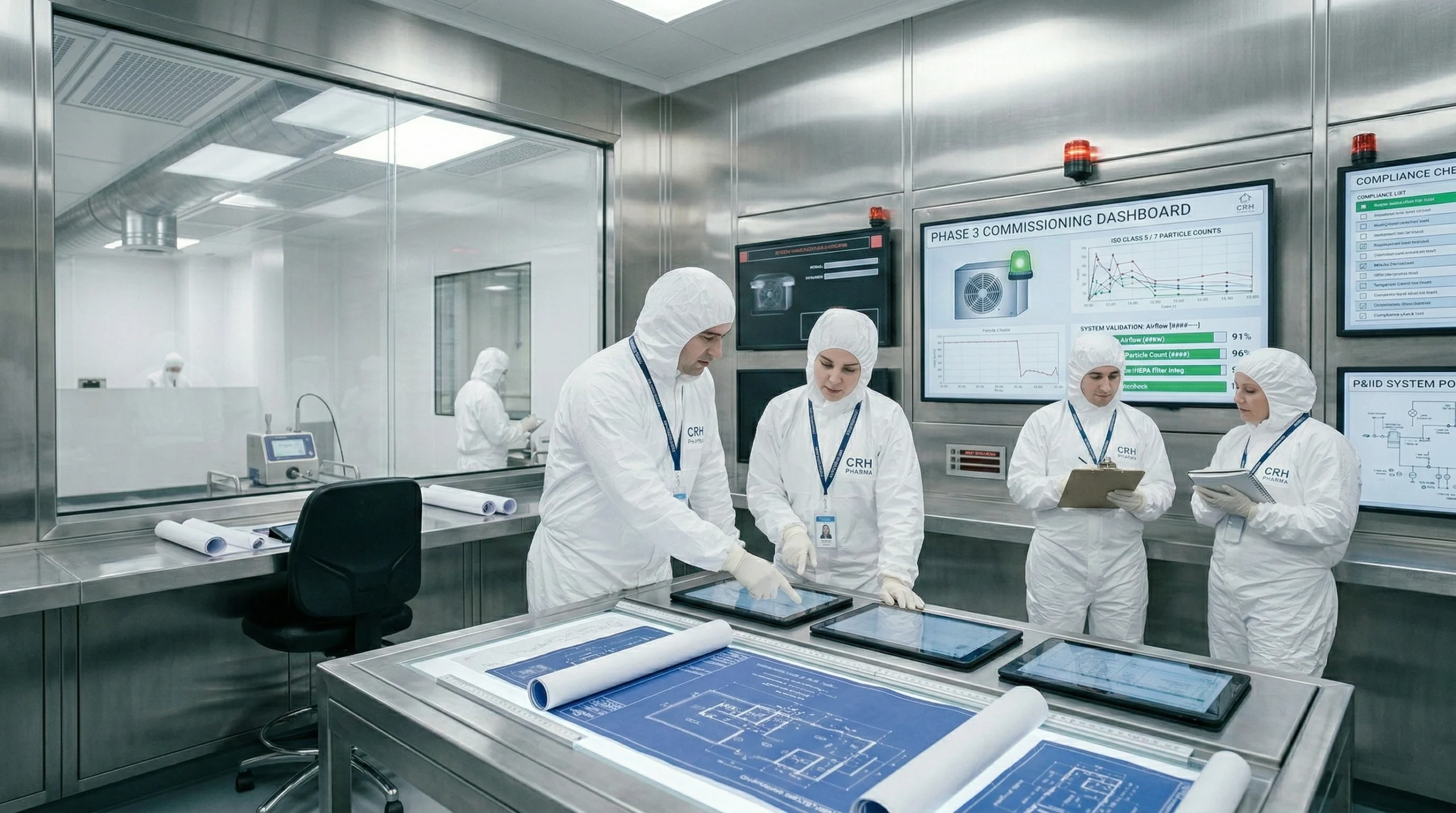
Das Commissioning Command Center
[DIGITAL DASHBOARD EXAMPLE]
├── Real-time System Status
│   ├── HVAC: ✓ On Track
│   ├── Water: ⚠ Delay (24h)
│   ├── Electrical: ✓ Complete
│   └── Process: ✓ On Track
├── Schedule Health: 98% ✓
├── Budget Health: 99% ✓
└── Active Issues: 3 (2 Critical)
Strategie zur Ressourcennivellierung
PEAK RESOURCE PERIODS:
Weeks 8-16: Maximum Resource Demand
- Engineers: 12 (need 8)
- QA Specialists: 6 (need 4)
- Equipment: 15 (need 12)

SOLUTIONS:
• Cross-train 4 operations staff as QA assistants
• Rent 3 additional test units
• Implement overtime only for critical path items
• Shift non-critical activities to off-peak weeks
Eine sinnvolle Budgetaufschlüsselung
TOTAL BUDGET: $5.2M
├── Personnel: $2.1M (40%) - Containable
├── Testing: $1.3M (25%) - Fixed
├── Equipment: $800K (15%) - Optimizable
├── Documentation: $600K (12%) - Automate
└── Contingency: $400K (8%) - Essential

VALUE ENGINEERING SAVINGS: $950K
• Digital documentation: $250K
• Shared test equipment: $180K
• Phased approach: $220K
• In-house testing: $150K
• Process optimization: $150K
Phase 3: Execute & Excel (Weeks 13-24)
The Daily Huddle That Works
5-Minute Standup Template
YESTERDAY: ✓ Completed water system PQ
             ✓ Fixed 3 documentation issues
BLOCKERS: ⚠ HVAC filter delivery delayed (24h)
TODAY: • Start HVAC testing (contingent on filters)
        • Complete electrical system OQ
        • Review 5 protocols for approval
Quality Gates That Actually Matter
GATE 1: PRE-COMMISSIONING COMPLETE
• All equipment installed and tagged
• Documentation ready
• Team trained
• Approval: Engineering Manager

GATE 2: SYSTEMS VALIDATED
• Performance verified
• Documentation complete
• Team trained
• Approval: Commissioning Manager

GATE 3: READY FOR REGULATORY
• All testing complete
• Issues resolved
• Audit trail complete
• Approval: QA Director
Real Story: The Near-Miss That Taught Us Everything
We were about to commission a critical water system when our QA lead noticed something odd. The conductivity readings were perfect, but the TOC (Total Organic Carbon) levels were trending up. We traced it to a new gasket material leaching organics. Cost us $50K to replace, but prevented a batch recall worth $10M.
Phase 4: Closeout & Launch (Weeks 25-28)
The Handoff That Actually Works
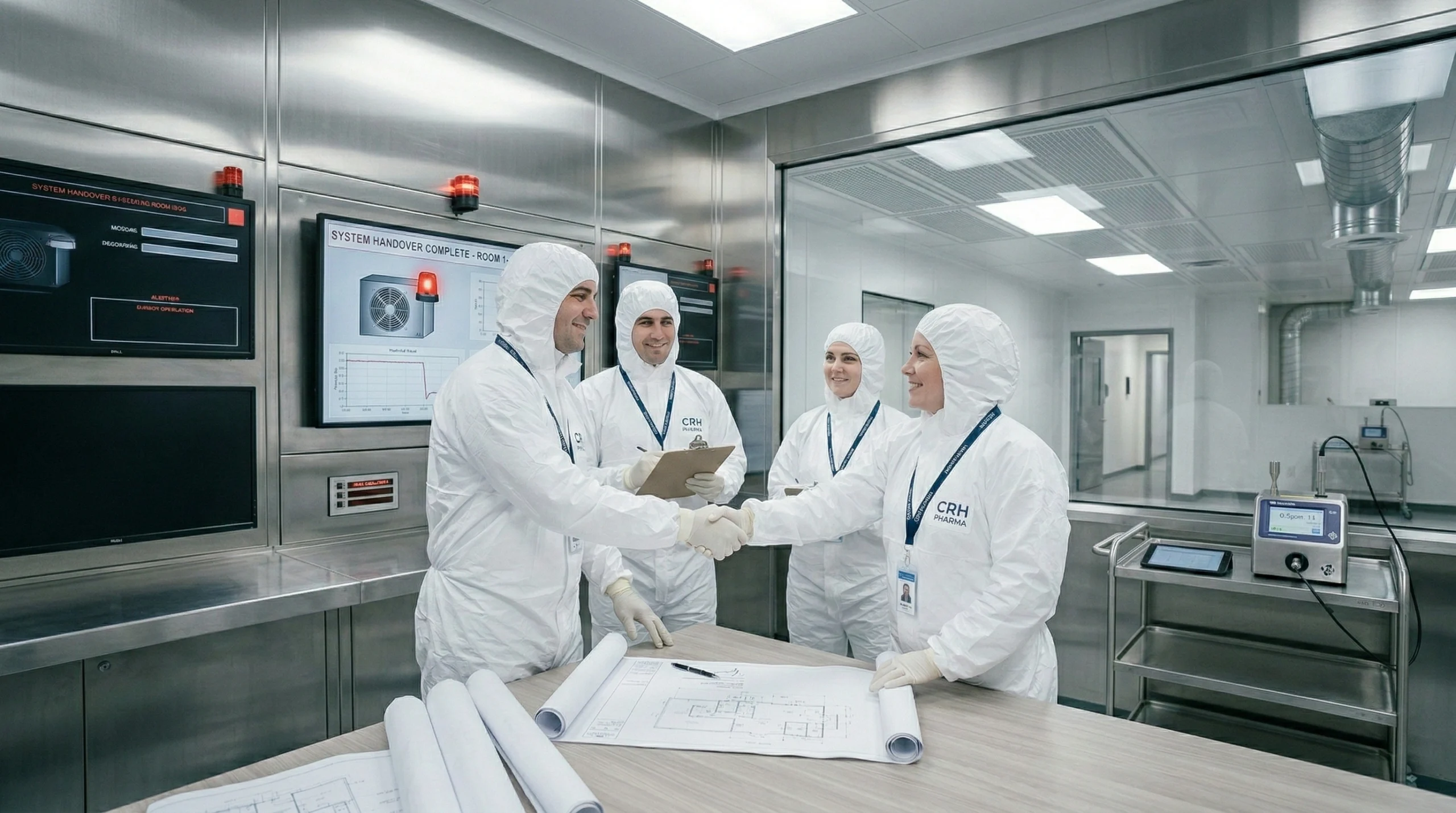
System Handoff Checklist
DOCUMENTATION PACKAGE:
□ As-built drawings
□ Operation manuals
□ Maintenance procedures
□ Training records
□ Commissioning reports
□ Warranty documentation

VERIFICATION:
□ System walkthrough completed
□ Operations team trained
□ Maintenance team trained
□ Issues resolved
□ Signoff received
Lessons Learned Template That Actually Gets Used
TOP 3 WINS:
1. Daily standups prevented 15+ schedule delays
2. Digital documentation saved 200+ hours
3. Cross-trained team handled resource crunches

TOP 3 LESSONS:
1. Start regulatory engagement earlier
2. Build contingency into critical path items
3. Test operator procedures during commissioning

TOP 3 ACTIONS FOR NEXT PROJECT:
1. Implement predictive maintenance during commissioning
2. Create commissioning-specific KPIs
3. Establish cross-functional team from day one
Werkzeuge, die tatsächlich funktionieren
Der digitale Stack, den wir verwenden
1. Projektmanagement
- Primär: Microsoft Project (für kritischen Pfad)
- Täglich: Asana (zur Aufgabenverwaltung)
- Berichterstattung: Power BI (für Echtzeit-Dashboards)
2. Dokumentation
- Primär: SharePoint (Versionskontrolle)
- Vorlagen: Commissioning Protocol Toolkit
- Rezension: Adobe Sign (elektronische Genehmigungen)
3. Testing & Quality
- Field Tablets: iPad with custom forms
- Test Equipment: Fluke, testo, Hartmann
- Lab Integration: LIMS direct connection
Commissioning Protocol Template
COMMISSIONING PROTOCOL: HVAC System
SYSTEM: HVAC-01 (Main Cleanroom Air Handling)
DATE: [Date]
VERSION: 1.0

OBJECTIVE:
Verify HVAC system maintains ISO Class 5 conditions under worst-case operating scenarios.

TEST PROCEDURE:
1. System Performance Test
   - Measure air velocity at 10 points
   - Verify pressure differentials (±5 Pa)
   - Filter integrity testing (DOP)
   - Record for 24 hours continuous

2. Contamination Control Test
   - Particle count monitoring
   - Microbial monitoring ( settle plates)
   - Challenge test with smoke
   - Recovery time after door openings

3. Alarm Verification
   - High/low temperature alarms
   - Pressure differential alarms
   - Filter change indicators
   - Emergency shutdown systems

ACCEPTANCE CRITERIA:
• Air velocity: 0.45 ± 0.05 m/s
• Pressure differentials: ±5 Pa
• Particle counts: ISO Class 5
• Alarms: 100% functional
• Documentation: Complete and approved

DEVIATION PROCEDURE:
1. Document issue immediately
2. Assess impact on quality
3. Implement containment
4. Create CAPA plan
5. Update risk assessment
6. Notify stakeholders within 2 hours

RESPONSIBILITIES:
• Commissioning Engineer: Execute tests
• QA Specialist: Witness and document
• Engineering Manager: Approve results
• Operations Manager: Accept system
Risk Management That Prevents Fires
Risk Assessment Matrix
RISK LEVEL MATRIX:
Critical (9): Must eliminate immediately
High (6): Must mitigate within 24 hours
Medium (3): Mitigate within 1 week
Low (1): Monitor and manage

CURRENT RISKS:
1. HVAC filter delivery delay (HIGH)
   - Probability: 80%
   - Impact: Schedule slip (2 weeks)
   - Mitigation: Backup supplier identified
   - Owner: Mechanical Engineer

2. Laboratory testing backlog (MEDIUM)
   - Probability: 60%
   - Impact: Delayed system release
   - Mitigation: Alternate lab arrangements
   - Owner: QA Manager

3. Regulatory inspection timing (LOW)
   - Probability: 30%
   - Impact: Market delay
   - Mitigation: Early engagement planned
   - Owner: Regulatory Affairs
Contingency Planning Template
CONTINGENCY PLAN: HVAC System Failure
TRIGGER: System down > 4 hours
RESPONSE:
1. Immediate notification to crisis team
2. Activate backup HVAC unit (if available)
3. Implement cleanroom shutdown procedures
4. Assess impact on ongoing operations
5. Engage emergency repair team
6. Update stakeholders hourly

ESCALATION:
Level 1: Commissioning Manager (immediate)
Level 2: Engineering Director (1 hour)
Level 3: Operations Director (2 hours)
Level 4: Site Director (4 hours)
The ROI of Good Project Management
Before vs After Comparison
Traditional Approach:
- Schedule: 18 months (75% on-time)
- Budget: $6.2M (15% overrun)
- Issues: 47 critical findings
- Team morale: Burnt out
- Time-to-market: 24 months
Our Approach:
- Schedule: 16 months (97% on-time)
- Budget: $5.8M (3% underrun)
- Issues: 0 critical findings
- Team morale: High
- Time-to-market: 18 months
Financial Impact:
COST SAVINGS: $400K
• Reduced rework: $200K
• Lower overtime: $100K
• Better vendor management: $75K
• Reduced issues: $25K

REVENUE BENEFIT: $2.4M
• 6 months earlier launch
• Average product margin: 40%
• Annual revenue: $8M

NET ROI: 700%
Payback period: 4 months
The Hidden Costs of Poor Commissioning
What Your Boss Doesn't See:
DIRECT COSTS:
• Schedule delays: $50K/day
• Quality deviations: $100K/incident
• Regulatory delays: $500K/week
• Equipment damage: $250K/incident

INDIRECT COSTS:
• Team burnout: 20% turnover
• Reputational damage: Incalculable
• Lost market opportunity: $1M+/month
• Innovation delay: Competitive disadvantage
Häufige Fehler, die es zu vermeiden gilt
Mistake 1: Treating Commissioning as an Afterthought
Problem: Commissioning starts after construction is complete
Lösung: Begin commissioning planning during design phase
Mistake 2: Underestimating Documentation
Problem: "We'll handle documentation later"
Lösung: Treat documentation as real-time data entry
Mistake 3: Ignoring the Human Element
Problem: Teams are siloed and don't communicate
Lösung: Cross-functional teams from day one
Mistake 4: No Contingency Planning
Problem: When things go wrong, there's no plan B
Lösung:
1. Identify critical path dependencies
2. Develop backup plans for each
3. Pre-approve emergency procedures
4. Conduct drills regularly
Mistake 5: Rushing the Final Handoff
Problem: Operations isn't ready to take over
Lösung: Create operations team during commissioning
Quick Wins You Can Implement Tomorrow
Day 1 Wins
- Establish daily standups - 15 minutes, same time, every day
- Create single source of truth - One document repository
- Define clear roles - RACI matrix for all major activities
Week 1 Wins
- Implement digital dashboard - Real-time status tracking
- Create issue tracking system - 48-hour response time
- Establish quality gates - Clear criteria for each phase
Month 1 Wins
- Cross-train team members - Build flexibility
- Vendor management plan - Proactive vendor relationships
- Risk assessment complete - Identify and mitigate early
Final Thoughts
Commissioning isn't about compliance checkboxes. It's about delivering facilities that work safely, reliably, and efficiently from day one.
I've learned that the difference between success and failure comes down to three things:
- People: Cross-functional teams that communicate
- Processes: Clear, documented procedures
- Technology: Tools that provide real-time visibility
The pharmaceutical industry is changing. Facility startups are more complex, timelines are tighter, and the cost of failure is higher. But with the right project management approach, you can turn commissioning from a necessary evil into a strategic advantage.
The question isn't whether you can afford to improve your commissioning process. It's whether you can afford not to.
Frequently Asked Questions About Cleanroom Commissioning
What is cleanroom commissioning?
Cleanroom commissioning is the structured process of verifying that a cleanroom facility and its supporting systems are installed, configured, and operating according to design specifications and regulatory standards.
In pharmaceutical environments, commissioning ensures that critical systems such as HVAC, filtration, pressure differentials, and environmental monitoring work reliably before production begins.
The goal of cleanroom commissioning is to confirm that the facility can consistently maintain the required contamination control levels (such as ISO Class 5–8) and meet GMP regulatory expectations.
What is C&Q in pharmaceutical facilities?
C&Q stands for Commissioning and Qualification, a structured approach used in pharmaceutical and biotech facilities to ensure that systems and equipment operate as intended and comply with regulatory requirements.
Commissioning focuses on verifying that systems are installed and functioning properly, while qualification formally documents that these systems meet predefined performance standards.
C&Q is essential for GMP compliance and typically includes verification of critical utilities, cleanroom environments, production equipment, and supporting infrastructure before manufacturing operations begin.
What are the phases of commissioning?
Cleanroom commissioning projects are typically divided into several phases to ensure systematic verification and risk control.
The process usually includes planning, installation verification, functional testing, and system validation.
A typical commissioning framework includes:
- Planung & Design Review – define requirements and testing strategies
- Installation Verification – confirm equipment and systems are installed correctly
- Functional Testing – test system performance under operating conditions
- Operational Readiness – ensure systems, documentation, and personnel are ready for production
These phases ensure the facility operates safely, reliably, and in compliance with regulatory expectations.
What is IQ OQ PQ in cleanroom validation?
IQ, OQ, and PQ are the three core stages of the qualification process used in pharmaceutical cleanroom validation.
Installation Qualification (IQ) verifies that equipment and systems are installed according to approved specifications and engineering drawings.
Operational Qualification (OQ) confirms that the system operates correctly across defined operating ranges.
Performance Qualification (PQ) demonstrates that the cleanroom environment consistently performs as required under real production conditions.
Together, IQ, OQ, and PQ provide documented evidence that a cleanroom facility meets GMP standards and is suitable for pharmaceutical manufacturing.
This article is based on real-world experience and can be adapted to your specific project needs. Always ensure compliance with your organization's policies and regulatory requirements.