
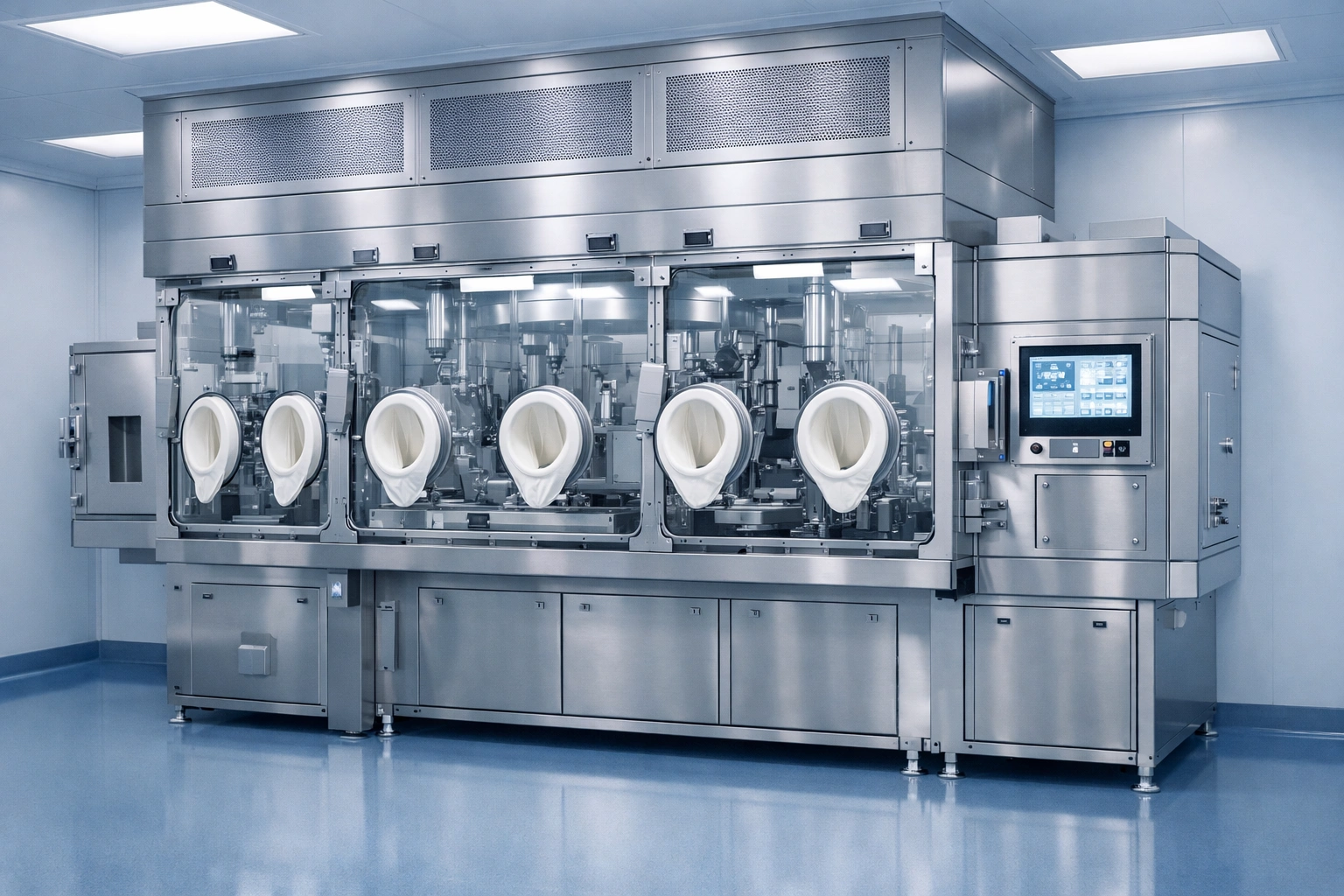
In the highly regulated pharmaceutical manufacturing industry, microbial contamination control is not merely a quality consideration—it's a fundamental requirement for ensuring patient safety and regulatory compliance. Isolator systems represent the pinnacle of contamination control technology, providing a physical barrier between sensitive pharmaceutical products and potential sources of contamination.
This comprehensive guide, based on industry best practices and technical expertise, provides process engineers and technical specialists with the knowledge needed to implement robust microbial contamination control protocols for isolator systems.
Isolatorsystemtechnologie verstehen
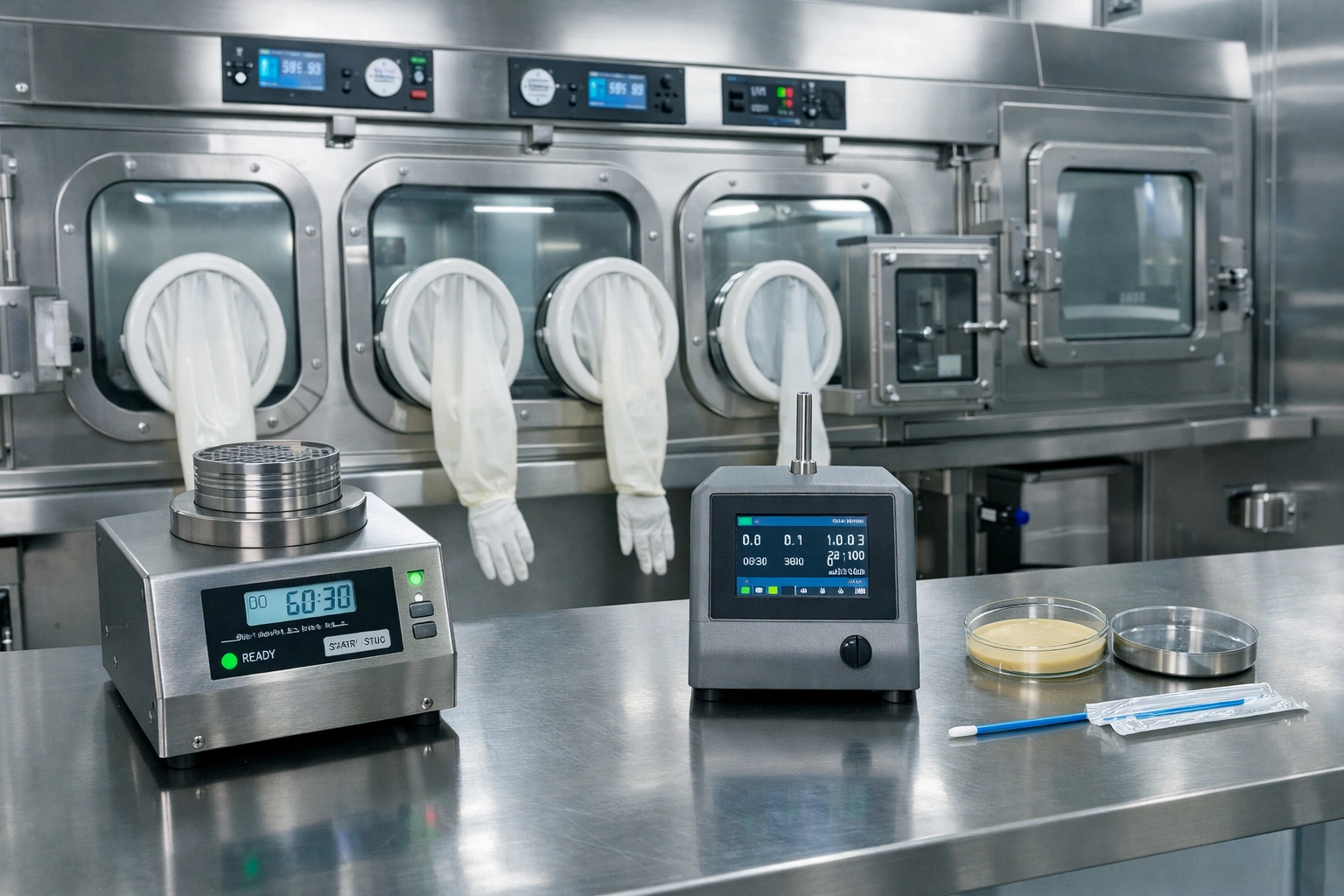
Isolator systems are engineered containment barriers designed to maintain sterility by creating physical separation between the product and the external environment. These systems incorporate advanced filtration, pressure control, and decontamination technologies to ensure aseptic conditions.
Grundlegende technische Spezifikationen
- HEPA/ULPA-Filtration: 99,97 % Effizienz bei 0,3 µm Partikelgröße
- Druckregelung: Positiver Differenzdruck ≥15 Pa
- Handschuh-Port-Integration: Ergonomisches Design für die Interaktion mit dem Bediener
- Dekontaminationssysteme: VHP-, UV- oder Steam-in-Place-Fähigkeit
Arten von pharmazeutischen Isolatorsystemen
Geschlossene Isolatoren
Completely sealed systems with material transfer through sterilized containers. Ideal for potent compounds requiring maximum containment and zero operator exposure risk.
Offene Isolatoren
Direkte Bedienerinteraktion über Handschuhanschlüsse, die Flexibilität für komplexe Fertigungsprozesse bietet und gleichzeitig die Integrität der Kontaminationskontrolle aufrechterhält.
RABS-Systeme
Restricted Access Barrier Systems offering enhanced protection over traditional cleanrooms, providing a cost-effective solution for many pharmaceutical applications.
Umweltüberwachungsprotokolle
Eine wirksame Umgebungsüberwachung ist entscheidend für die Aufrechterhaltung der Integrität von Isolatorsystemen und die Sicherstellung der Einhaltung pharmazeutischer Qualitätsstandards.
Überwachungsanforderungen und -häufigkeit
| Parameter | Verfahren | Frequenz | Akzeptanzkriterien |
|---|---|---|---|
| Luftlebensfähige Anzahl | Aktive Impaktion | Wöchentlich | ≤1 KBE/m³ (Klasse A) |
| Partikelanzahl | Kontinuierliche Überwachung | Echtzeit | Grenzwerte der ISO-Klasse 5 |
| Oberflächenkontamination | Tupfer/Kontaktplatten | Wöchentlich | ≤5 KBE/100 cm² |
Zukünftige Trends in der Isolatortechnologie
Fortschrittliche Überwachungs- und Automatisierungssysteme
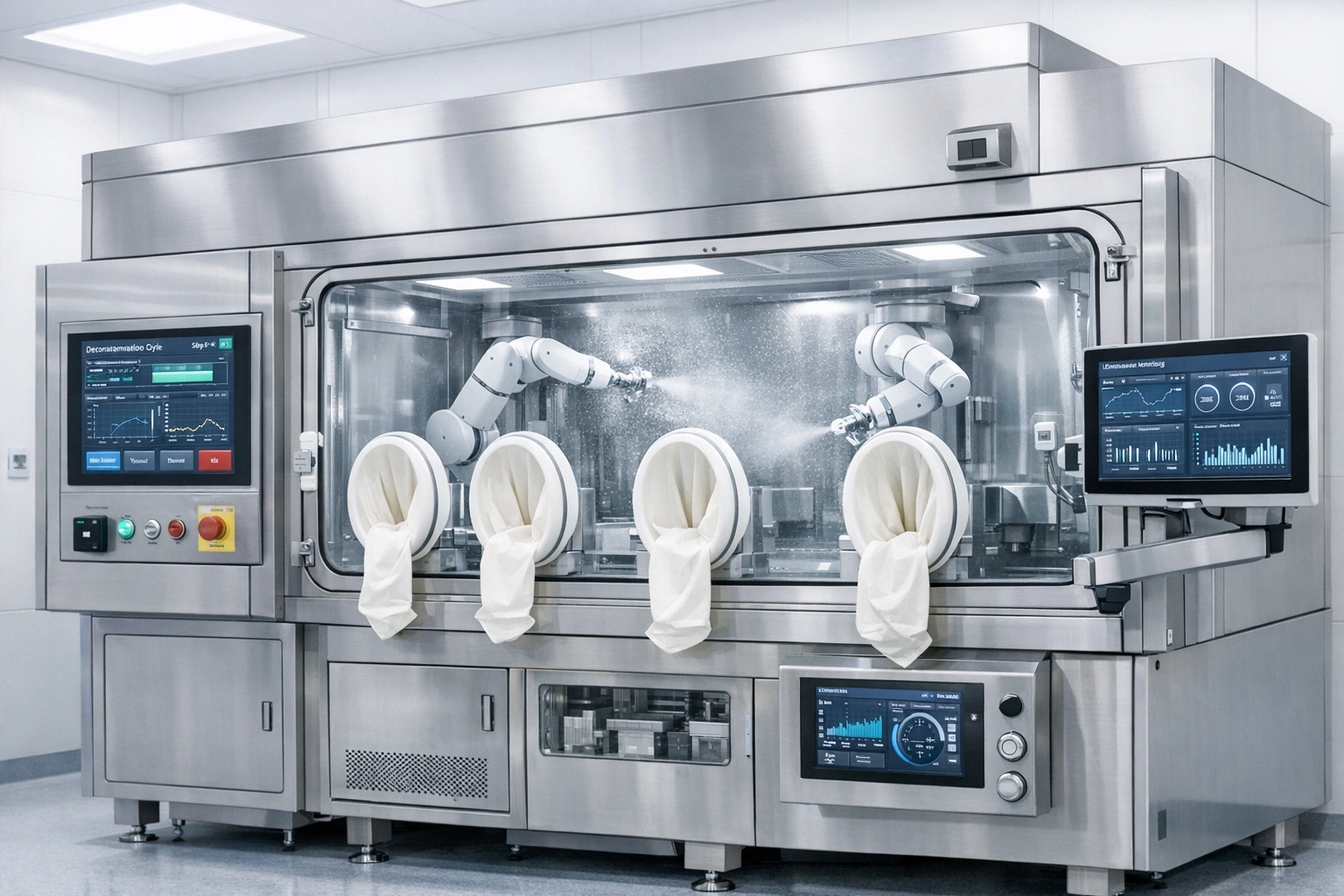
The future of isolator technology lies in integration with IoT sensors, machine learning algorithms, and robotic automation. These innovations enable real-time contamination detection, predictive maintenance, and automated response protocols.
Intelligente Sensortechnologie
- Kontinuierliche Überwachung der Luftqualität
- Mikrobenerkennung in Echtzeit
- Druck- und Temperaturverfolgung
Automatisierte Systeme
- Roboter-Materialhandhabung
- Automatisierte Dekontaminationszyklen
- KI-gesteuerte Qualitätskontrolle
Überlegungen zur Implementierung für fortgeschrittene Systeme
When implementing advanced isolator technology, pharmaceutical manufacturers should consider validation requirements, data integration capabilities, and change management strategies to ensure successful deployment and regulatory compliance.
Fazit und Umsetzungsstrategie
Implementing effective microbial contamination control SOPs for isolator systems requires a comprehensive approach that integrates technical expertise, regulatory compliance, and operational excellence. The success of these systems depends on proper design, rigorous monitoring, and continuous improvement.
Wichtige Implementierungsschritte
- Systemdesign und -auswahl: Wählen Sie den geeigneten Isolatortyp basierend auf den Produktanforderungen und Eindämmungsanforderungen
- Validierungsdokumentation: Vollständige IQ-, OQ- und PQ-Validierungsprotokolle
- SOP-Entwicklung: Erstellen Sie umfassende Betriebsabläufe für das gesamte Personal
- Schulung und Zertifizierung: Stellen Sie sicher, dass alle Bediener ordnungsgemäß geschult und zertifiziert sind
- Kontinuierliche Überwachung: Führen Sie eine kontinuierliche Umweltüberwachung und Trendanalyse durch