Comprehensive Cleanroom MOPS Implementation Guide for Pharmaceutical Facilities
In the highly regulated pharmaceutical manufacturing environment, implementing effective cleanroom MOPS is a critical component of product quality, patient safety, and operational excellence.
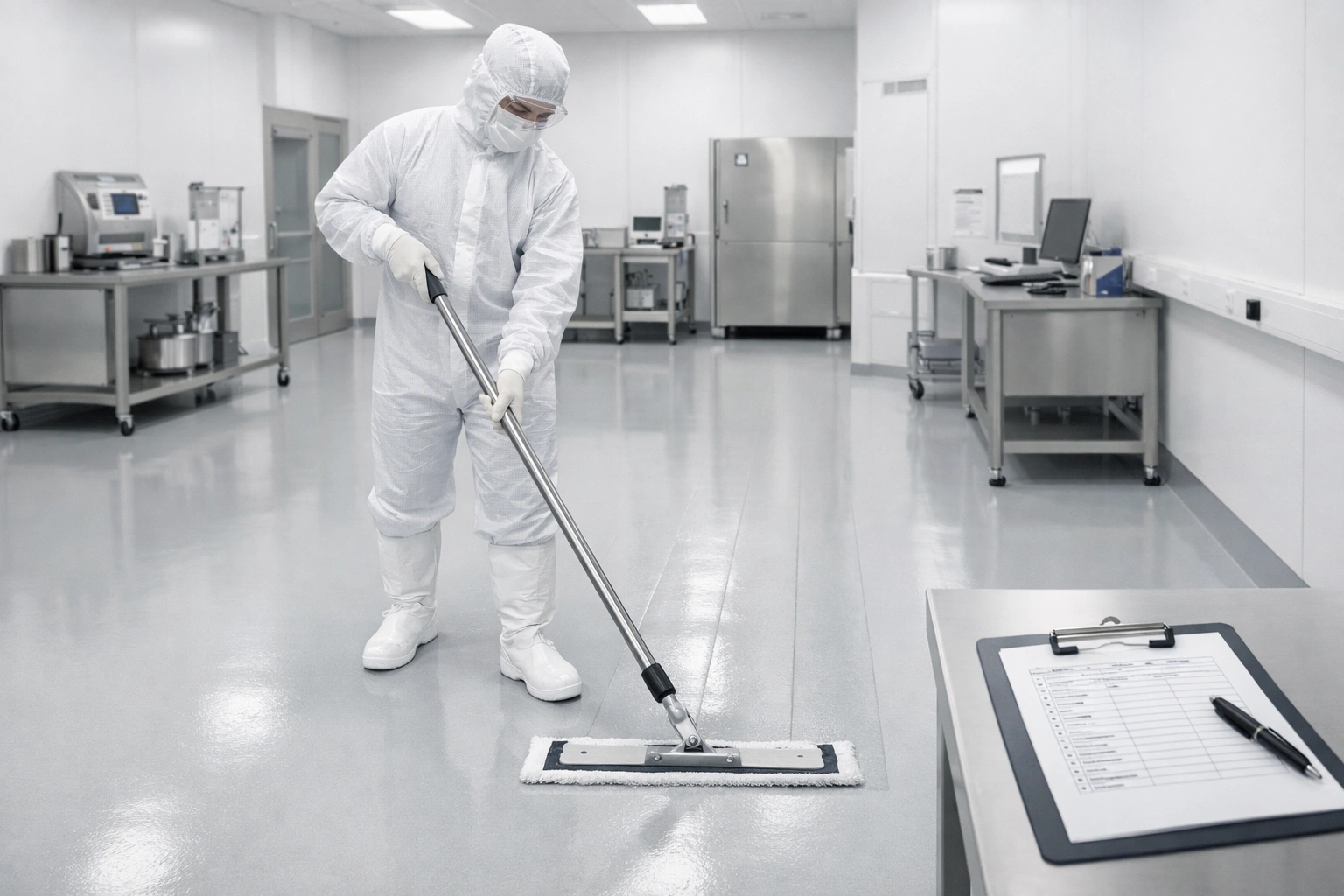
Who Should Read This Guide
- Facility Engineers: Responsible for cleanroom design, operation, and maintenance
- Project Managers: Leading cleanroom validation and compliance projects
- Quality Assurance Personnel: Ensuring compliance with regulatory standards
- Manufacturing Managers: Optimizing pharmaceutical facility management for efficiency
- Consultants: Advising pharmaceutical facilities on cleanroom operations
Expert Commentary: The Evolution of Cleanroom MOPS
"Cleanroom MOPS have evolved significantly over the past decade. Today's implementation must address not just traditional contamination control but also emerging challenges like digitalization, risk-based approaches, and continuous monitoring."
"One of the most significant developments is the shift from static, paper-based procedures to dynamic, integrated systems... This integration ensures consistent execution and comprehensive documentation."
"Risk assessment should be at the core of every MOPS development. I recommend using a tiered approach that considers both routine operations and potential deviations."
Understanding Cleanroom MOPS Fundamentals
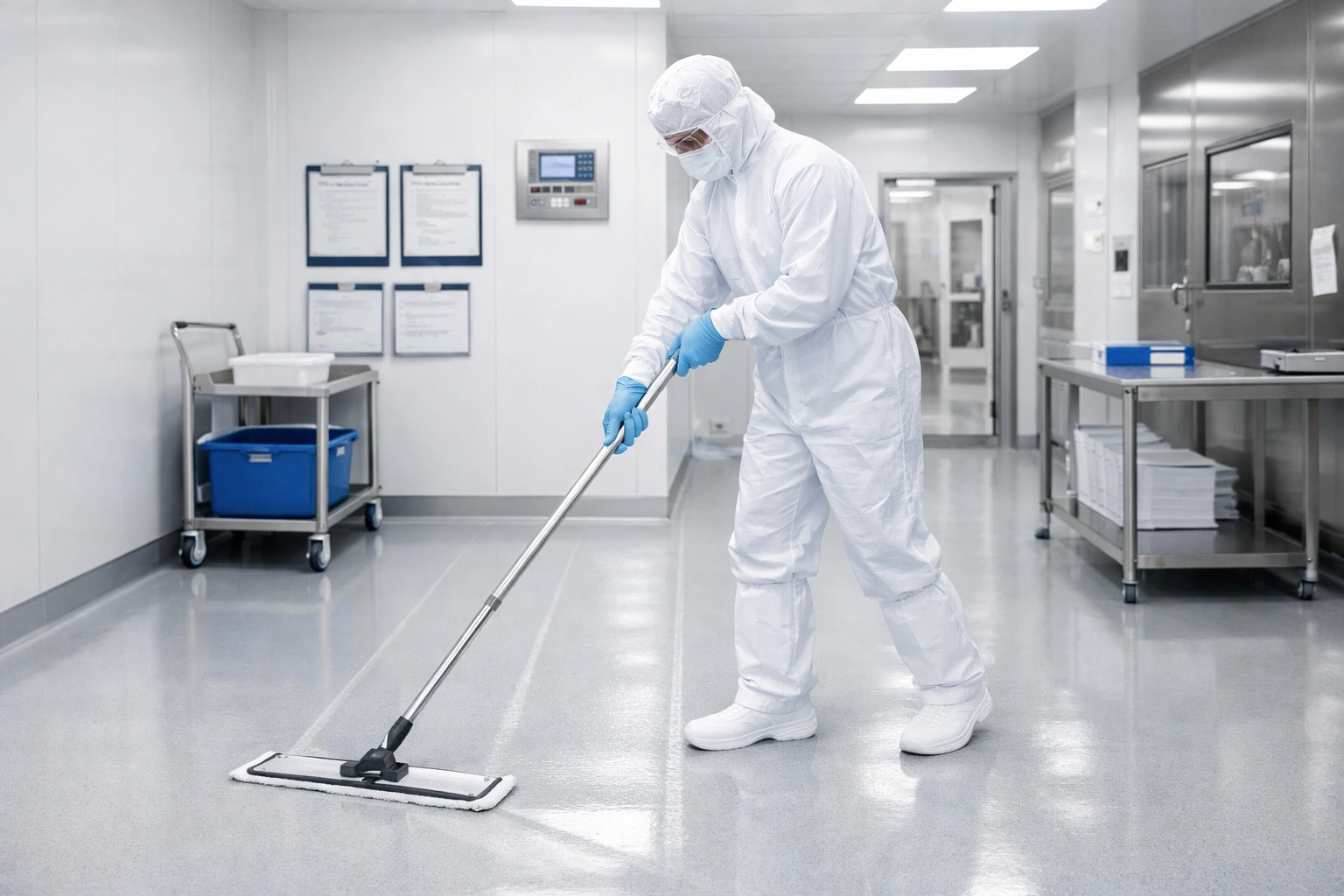
Cleanroom MOPS (Standard Operating Procedures) are the backbone of cleanroom operations, ensuring activities are performed consistently, safely, and in compliance with requirements.
Key Components of Effective Cleanroom MOPS
Successful cleanroom MOPS include these essential elements:
- Scope and Purpose: Clear definition of what the procedure covers and why it's necessary
- Responsibilities: Specific roles and responsibilities for each step
- Materials and Equipment: Detailed list of required items and specifications
- Procedure Steps: Chronological, unambiguous instructions
- Akzeptanzkriterien: Defined parameters for successful execution
- Deviation Handling: Steps to follow when procedures deviate from expectations
- Training Requirements: Who needs to be trained and to what level
- Review and Approval: Schedule for periodic review and approval
Types of Cleanroom MOPS
| Kategorie | Examples | Frequenz | Complexity |
|---|---|---|---|
| Operational MOPS | Cleanroom entry/exit, gowning, equipment operation | Täglich | Medium |
| Maintenance MOPS | Equipment calibration, filter testing, utility systems | Weekly/Monthly | Hoch |
| Cleaning MOPS | Surface disinfection, equipment cleaning, waste removal | Daily/Weekly | Medium |
| Monitoring MOPS | Environmental monitoring, particle counting, microbial testing | Continuous | Hoch |
| Emergency MOPS | Contamination response, power failure, spill control | As needed | Variable |
Regulatory Requirements: FDA cGMP 2024 & Ich GMP Anhang 1
Current Regulatory Landscape
FDA cGMP 2024 Key Requirements
- Risikobasierter Ansatz: Implementation of QRM throughout the manufacturing process
- Modernized Facilities: Updated requirements for facility design and construction
- Data Integrity: Enhanced requirements for electronic records and data management
- Supply Chain Controls: Strengthened requirements for supplier qualification
- Continued Process Verification: New requirements for ongoing process monitoring
- Human Factors: Increased focus on human error prevention and mitigation
EU GMP Annex 1 Updates (2023)
- Parametric Release: Enhanced requirements for alternative testing methods
- Microbiological Control: Strengthened requirements for environmental monitoring
- Aseptic Processing: Updated requirements for sterile product manufacturing
- Barrier Technology: New requirements for containment systems
- Quality Risk Management: Integration of QRM principles throughout Annex 1
- Continuous Manufacturing: Requirements for innovative manufacturing processes
Pro Tip: Focus on integration rather than replacement. Modify existing procedures to incorporate new requirements rather than starting from scratch.
Step-by-Step Implementation Process
Step 1: Gap Analysis & Assessment
Begin with a comprehensive assessment of existing MOPS against regulatory requirements.
- Document all existing cleanroom MOPS
- Map MOPS to regulatory requirements
- Review audit findings and deviations
- Conduct stakeholder interviews
- Perform benchmarking against industry standards
Step 2: Risk-Based Framework
- Develop a risk assessment methodology for MOPS
- Classify procedures by risk level (High, Medium, Low)
- Create MOPS templates for each risk category
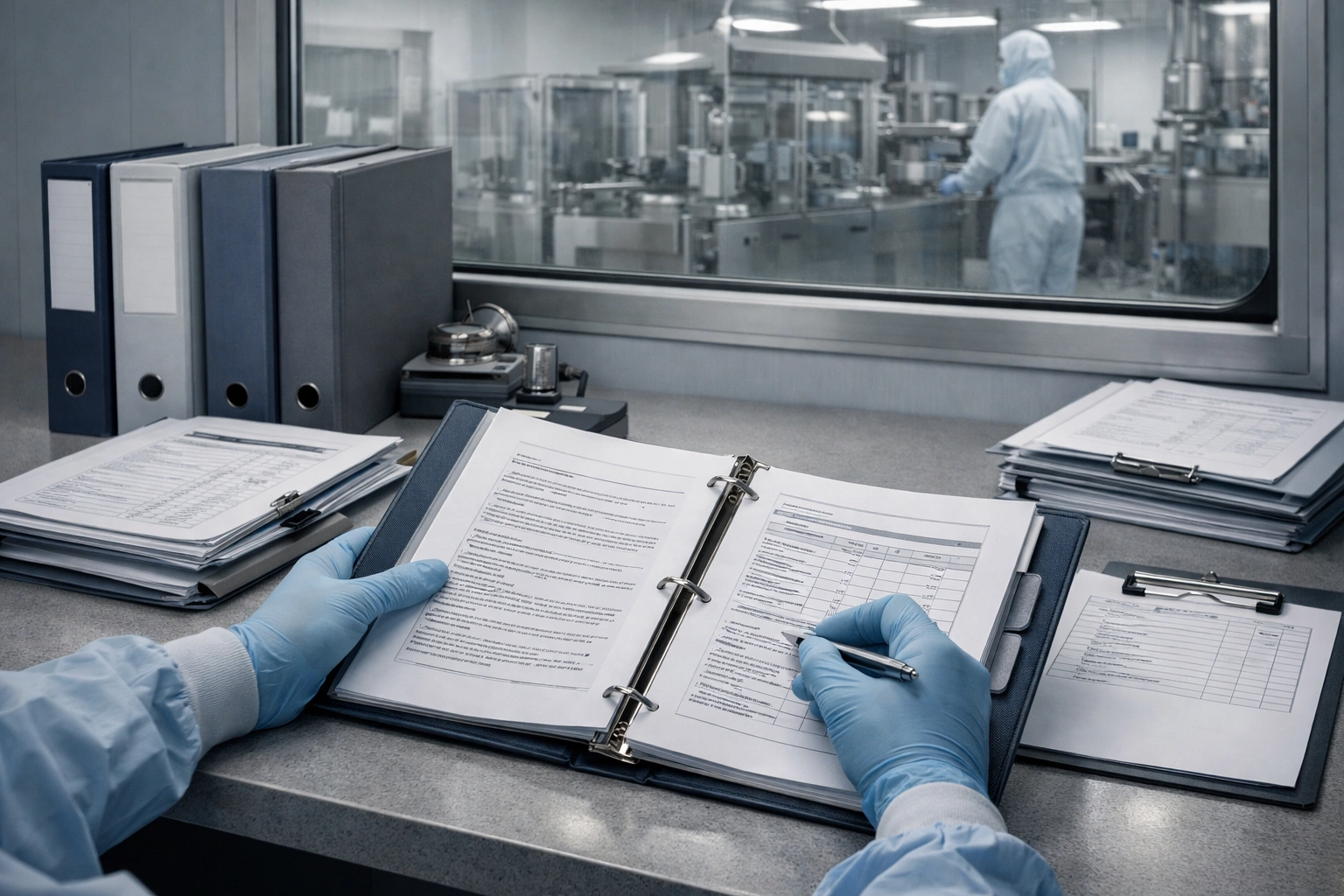
Step 3: MOPS Development & Dokumentation
Write MOPS at a 6th-grade reading level. Avoid technical jargon without explanation.
- Use consistent formatting and terminology
- Include visual aids (diagrams, photos, flowcharts)
- Step-by-step instructions with clear actions
Step 4: Validation & Verification
Ensuring compliance through cleanroom validation is critical before final deployment.
- Process validation studies for critical procedures
- Human factors testing with actual operators
- Emergency scenario testing
Step 5: Training & Durchführung
- Competency-based training assessment
- Hands-on practice with supervision
- Regular refresher training sessions
Step 6: Monitoring & Kontinuierliche Verbesserung
- Procedure execution tracking
- Deviation and trend analysis
- Annual procedure review cycle
Best Practices & Organizational Considerations
Successful implementation requires both technical expertise and organizational commitment.
- Leadership Support: Secure commitment from facility leadership
- Cross-Functional Teams: Include representatives from all areas
- Change Management: Address resistance to change effectively
| Area | Best Practice | Implementation Tip |
|---|---|---|
| Dokumentation | Standardized templates | Create templates for each procedure type |
| Validierung | Risk-based approach | Focus on high-risk procedures |
| Technology | Digital integration | Implement electronic MOPS management |
Critical Warning: Avoid one-size-fits-all approaches, overcomplicated procedures, and ignoring human factors.
Advanced Strategies & Digital Transformation
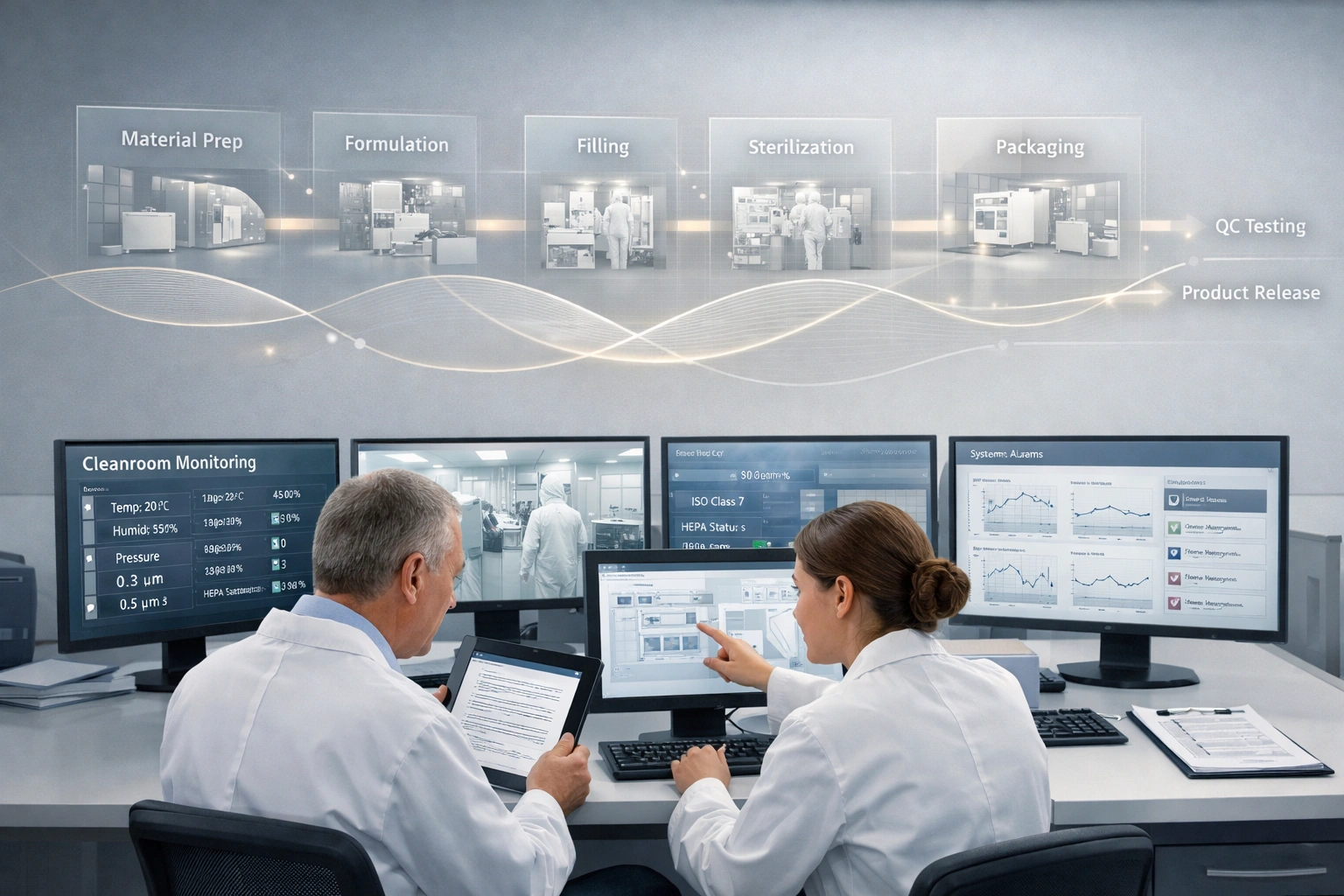
- Electronic MOPS Systems: Software for 21 CFR Part 11 compliance
- Mobile Access: Procedures on tablets in cleanrooms
- AI-Powered Optimization: Analyzing patterns in deviations to predict risks
Case Studies
Case Study 1: Large Scale Pharmaceutical Facility
Resulted in 45% reduction in deviations and 60% faster inspection prep.
Case Study 2: Biotechnology Startup
Developed a lean MOPS system that scaled with growth using standardized templates.
Resources and Tools
| Tool Type | Lösung | Hauptmerkmale |
|---|---|---|
| Document Management | MasterControl, Veeva Vault | Version control, automation |
| Risk Assessment | Isograph Reliability Workbench | FMEA, HAZOP |
| Ausbildung | Cornerstone, SABA | Competency tracking |
Recommended Reading
- WHO Guidelines on GMP
- ISPE Baseline Guide
- EU GMP Annex 1: Sterile Products
Ready to Transform Your Cleanroom Operations?
Contact us today for a free consultation and assessment tailored to your needs.
Schedule Free ConsultationKeywords: cleanroom MOPS implementation, FDA cGMP 2024, EU GMP Annex 1, cleanroom validation SOP, pharmaceutical cleanroom guidelines.