Von der Krise zur Compliance: Wie BioGen Reinraum-SOPs revolutionierte und den Markt eroberte
Ein realer Plan, um den Compliance-Druck der FDA in operative Exzellenz umzuwandeln – durch SOP-Neugestaltung, digitale Umsetzung und Kulturwandel.
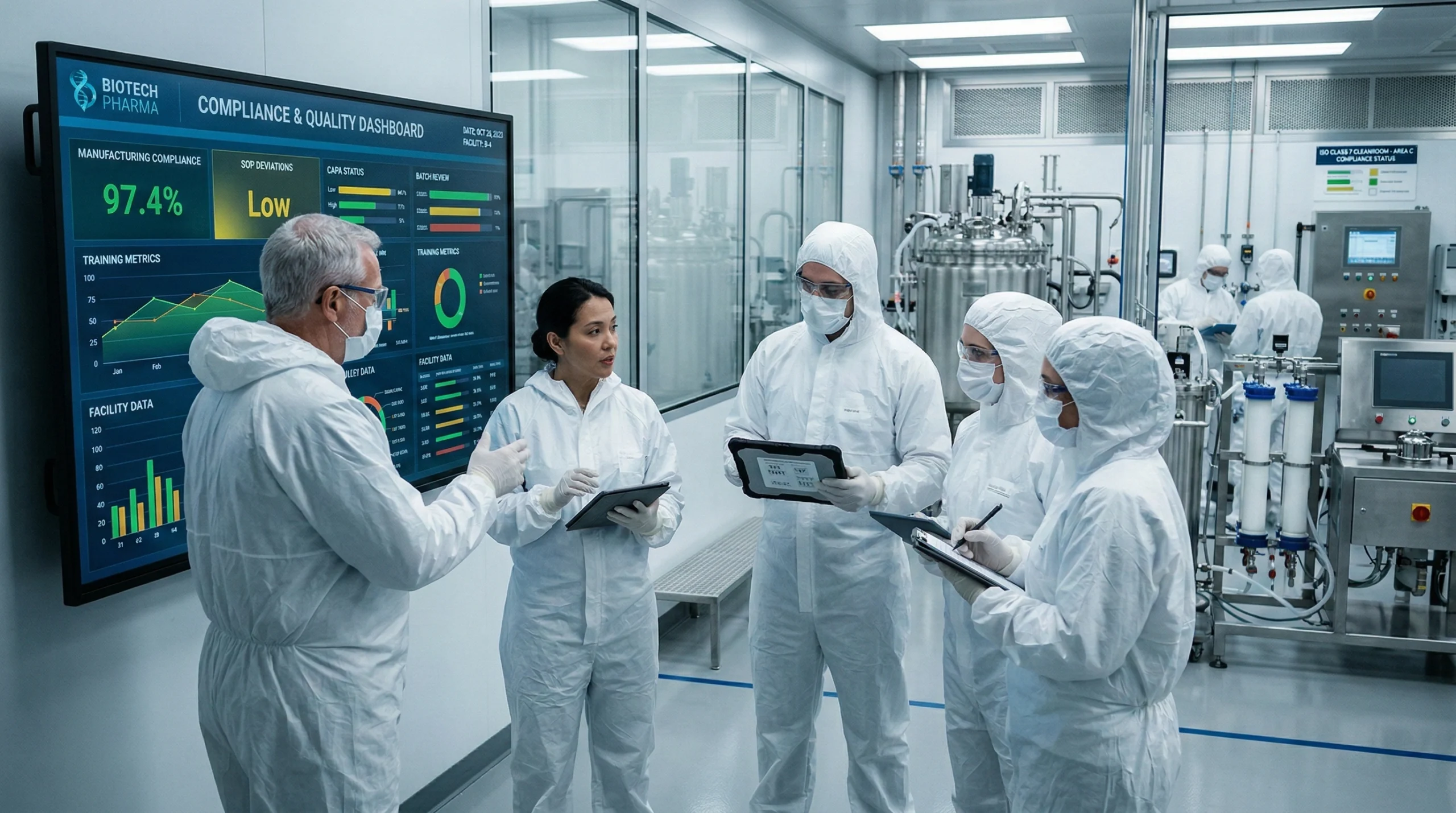
Der Moment im Sitzungssaal, der alles veränderte
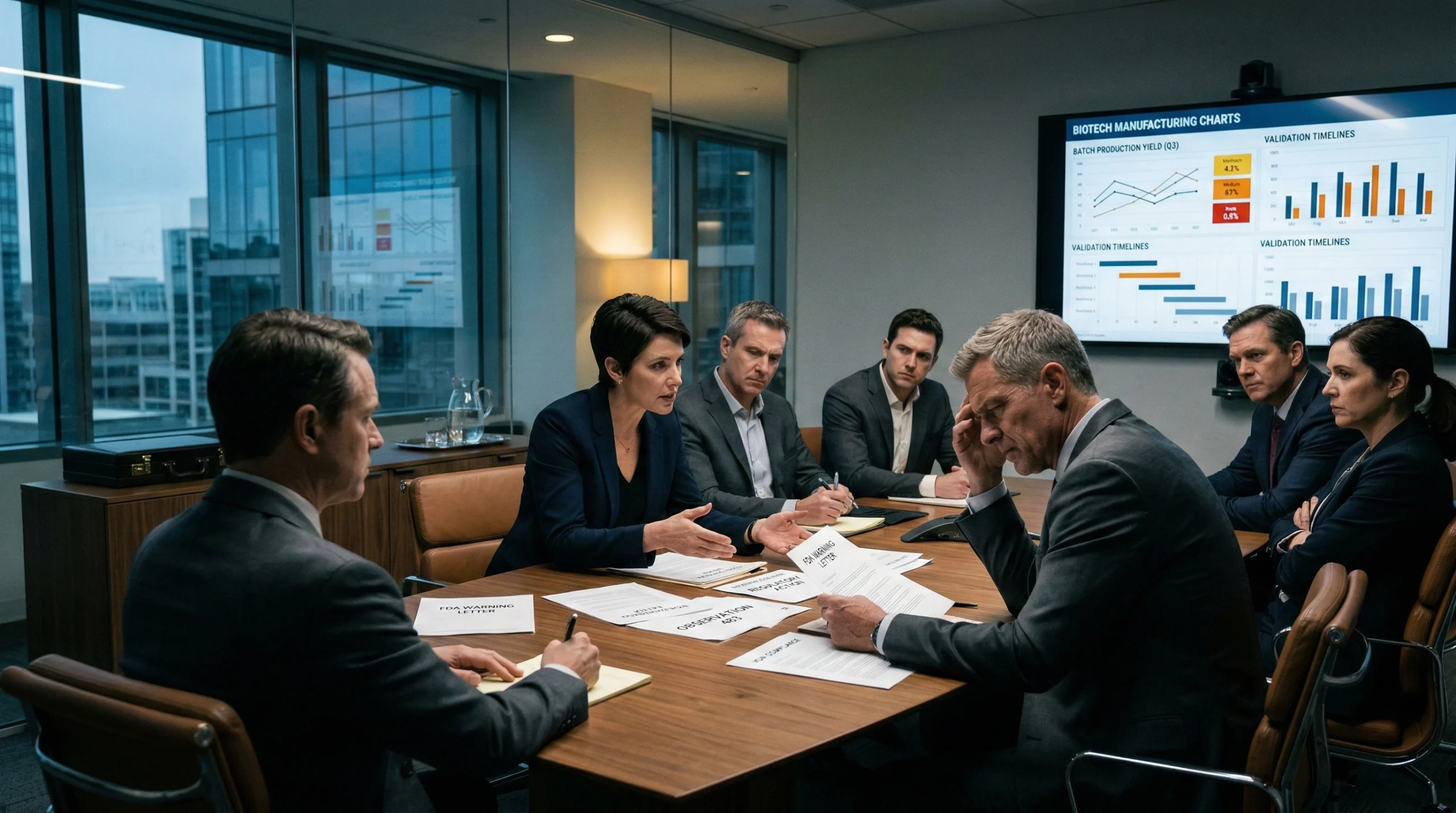
Es war November 2022 und die Spannung im Sitzungssaal von BioGen war spürbar. Wir hatten gerade unseren dritten Warnbrief der FDA in 18 Monaten erhalten. Der Vorstand stellte unsere Fähigkeit in Frage, unsere bahnbrechende Gentherapie auf den Markt zu bringen.
"The FDA found 17 deviations in our cleanroom operations," our CEO stated grimly. "They're threatening to halt our entire program unless we can demonstrate immediate, significant improvement."
In diesem Moment wusste ich, dass wir einer existenziellen Bedrohung gegenüberstanden. Aber was als nächstes geschah, würde nicht nur unsere Compliance, sondern unseren gesamten Ansatz zur Herstellung hervorragender Qualität verändern.
18 Monate schneller Vorlauf. BioGen hat erreicht, was viele für unmöglich gehalten haben:
- Keine FDA-Ergebnisse bei unserer letzten Inspektion
- 40 % schneller Time-to-Market für unser Hauptprodukt
- Kosteneinsparungen in Höhe von 28 Millionen US-Dollar durch weniger Abfall und Nacharbeit
- Branchenführend Fertigungsqualitätskennzahlen
Der Wendepunkt: Als SOPs zu unserer Lebensader wurden
Die Krise, die uns fast umgebracht hätte
Vor unserer Wende war BioGen eine klassische Biotech-Erfolgsgeschichte – bis sie es nicht mehr war. Wir hatten:
- 450 Millionen US-Dollar bei der Risikofinanzierung
- Bahnbrechende Technologie in der Gentherapie
- Erfahrenes Führungsteam
- Eine vielversprechende Pipeline
Aber unser Reinraumbetrieb war eine Katastrophe, die nur darauf wartete, passiert zu werden. Unser SOP-System war:
- Veraltet: Entwickelt während unserer frühen R&D-Phase
- Inkonsistent: Verschiedene Protokolle in verschiedenen Labors
- Nicht ausreichend genutzt: Mehr Papierkram als praktische Anleitung
- Getrennt: Keine Integration mit unseren Überwachungssystemen
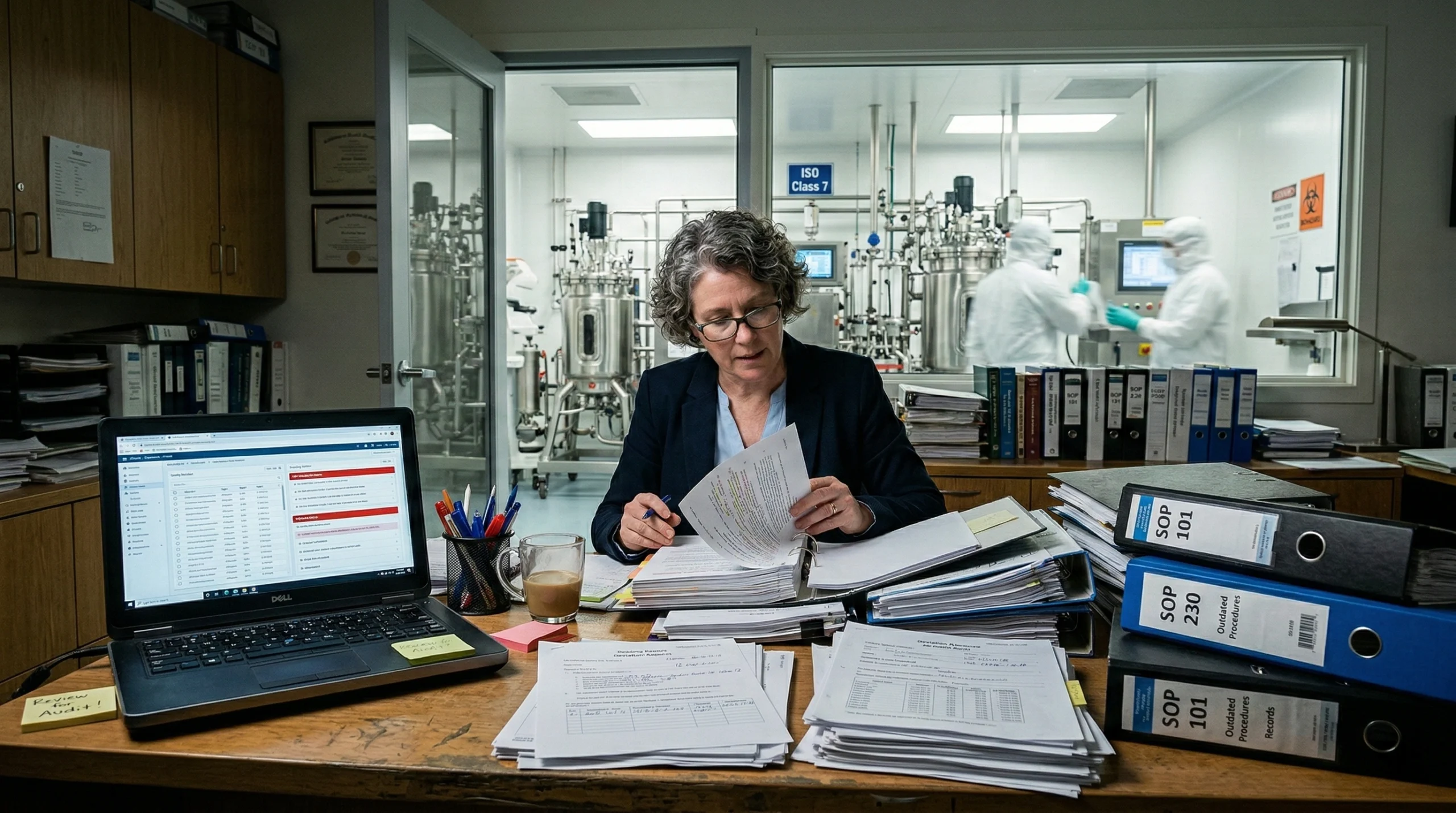
Der Bruchpunkt kam während einer routinemäßigen FDA-Inspektion Anfang 2022. Der Prüfer betrat unseren Reinraum und bemerkte sofort Unstimmigkeiten zwischen unseren schriftlichen Verfahren und dem, was unsere Techniker tatsächlich taten.
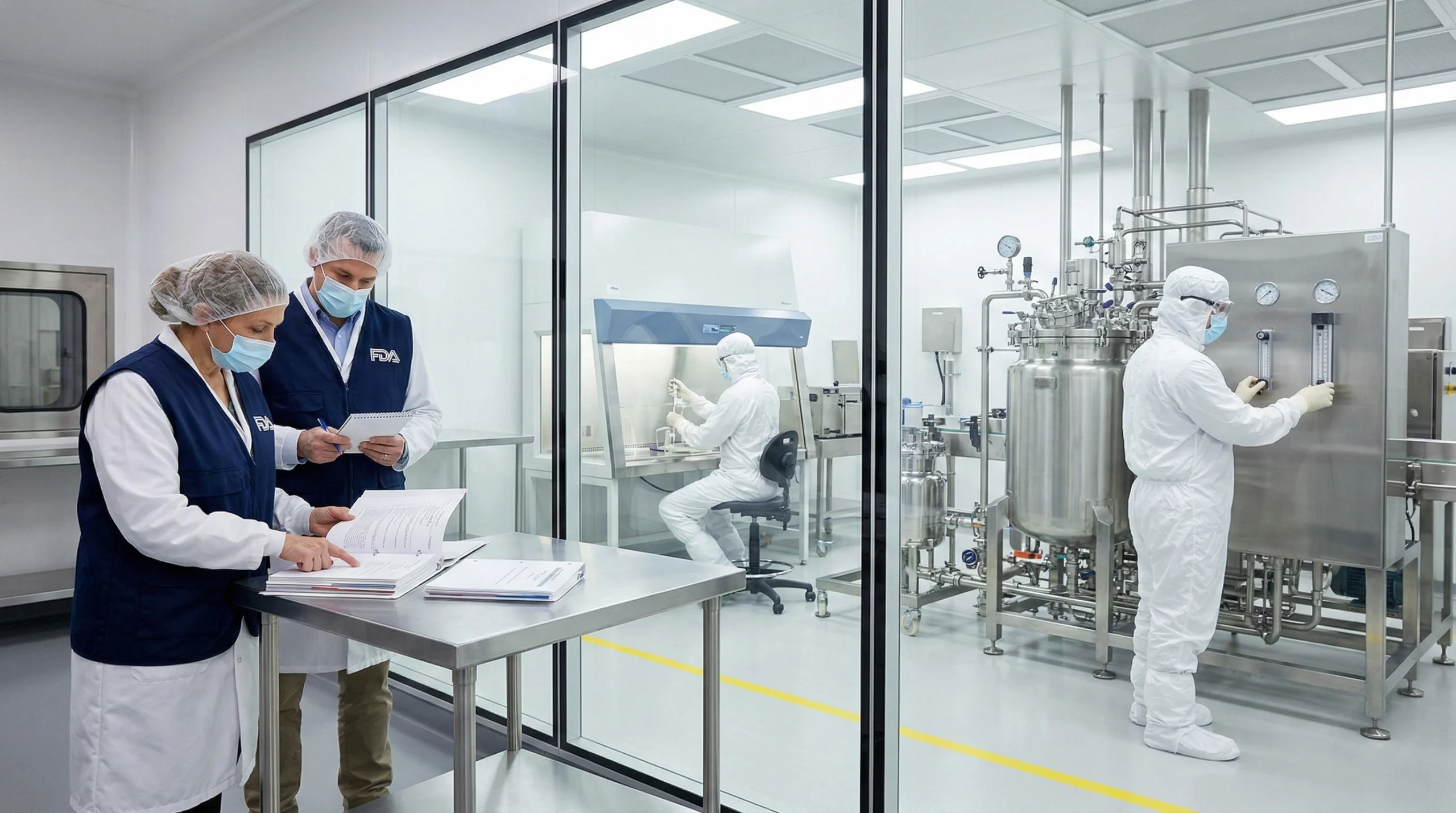
"We observed significant deviations between documented SOPs and actual practices," the FDA wrote in their warning letter. "This raises serious concerns about your quality system and ability to ensure product safety."
Die finanziellen Auswirkungen waren unmittelbar und schwerwiegend:
- Aktienkurs fiel um 35 %
- Zwei große Partnerschaftsverträge scheiterten
- Wichtige Investoren begannen, das Vertrauen zu verlieren
- Die Einführung unseres Hauptprodukts verzögerte sich um 12 Monate
Etwas musste sich ändern. Und es musste sich schnell ändern.
Die Entscheidung der Exekutive, die uns gerettet hat
In unserer Notfallsitzung des Vorstands haben wir drei entscheidende Entscheidungen getroffen, die unser Unternehmen letztendlich verändern würden:
Entscheidung 1: Behandeln Sie SOPs als strategische Vermögenswerte und nicht als Compliance-Belastungen
Wir haben SOPs nicht mehr als notwendigen Papierkram betrachtet, sondern sie als strategische Instrumente für Qualität, Effizienz und Wettbewerbsvorteile betrachtet.
Entscheidung 2: Investieren Sie in die digitale Transformation
Wir haben 8 Millionen US-Dollar für die Implementierung einer digitalen SOP-Plattform bereitgestellt, die sich in unsere Überwachungssysteme, Schulungsprogramme und unser Qualitätsmanagement integrieren lässt.
Entscheidung 3: Erstellen Sie ein funktionsübergreifendes SOP-Exzellenzteam
Wir haben ein Team mit Vertretern aus den Bereichen Fertigung, Qualität, IT, Regulierungsangelegenheiten und Betrieb zusammengestellt, die alle direkt dem CEO unterstellt sind.
Dabei ging es nicht nur darum, Compliance-Probleme zu beheben. Es ging darum, unsere Herangehensweise an Qualität grundlegend neu zu überdenken.
Die Umsetzung: Unsere 18-monatige Transformation
Phase 1: Beurteilung und Diagnose (Monate 1–3)
Die brutale Wahrheit über unseren aktuellen Zustand
Wir begannen mit einer brutalen, ehrlichen Einschätzung dessen, wo wir waren. Wir haben Folgendes entdeckt:
- 137 verschiedene Reinraum-SOPs in allen unseren Einrichtungen
- 42 % der SOPs wurde seit über 3 Jahren nicht mehr aktualisiert
- 78 % des Personals konnte wichtige Vorgänge nicht richtig erklären
- 65 % der Abweichungen waren SOP-bezogen
- 12 Millionen US-Dollar jährliche Kosten von SOP-Nichteinhaltung
Our quality team created a "SOP Health Scorecard" that gave us a clear baseline:
| Metrisch | Vor dem Spielstand | Zielpunktzahl | Lücke |
|---|---|---|---|
| SOP-Klarheit | 3,2/10 | 8,5/10 | 5.3 |
| Mitarbeiter-Compliance | 45 % | 95 % | 50 % |
| Integration mit Überwachung | 2/10 | 9/10 | 7 |
| Bereitschaft zur behördlichen Inspektion | 4/10 | 9/10 | 5 |
| Dokumentationsgenauigkeit | 60 % | 98 % | 38 % |
Die Ursachenanalyse, die uns schockiert hat
Unsere Untersuchung ergab, dass es bei unseren Problemen nicht um Menschen ging, sondern um das Systemdesign:
- SOPs wurden für Regulierungsbehörden und nicht für Betreiber geschrieben
- Fachjargon, den Techniker nicht verstehen konnten
- Schritt-für-Schritt-Anleitungen, eingebettet in seitenweise Hintergrundinformationen
- Keine visuellen Hilfsmittel oder praktischen Anleitungen
- Wir hatten kein zentralisiertes System
- SOPs werden an 17 verschiedenen Orten gespeichert
- Albtraum der Versionskontrolle
- Keine Möglichkeit, nachzuverfolgen, wer was gelesen hat
- Das Training war wirkungslos
- Annual classroom training that nobody remembered
- No hands-on practice with actual procedures
- No competency verification
- No Integration with Real Operations
- SOPs existed separately from our monitoring systems
- No alerts when deviations occurred
- No data-driven improvement feedback loop
Phase 2: Redesign and Digital Transformation (Months 4-9)
Our Revolutionary Approach to SOP Design
We completely reinvented how we designed SOPs. Instead of traditional documents, we created what we call "living SOPs":
1. Visual, Step-by-Step Procedures
Each SOP follows a standard format:
- Header: Clear title, purpose, scope
- Visual Map: Flowchart of the entire process
- Step-by-Step: With photos/diagrams for each step
- Critical Controls: Red flags and safety warnings
- Quick Reference: One-page summary for daily use
Example: Aseptic gowning procedure
[PHOTO: Proper gowning sequence]
Step 1: Hand hygiene (15 seconds)
Step 2: Gown from clean to dirty areas
Step 3: Secure all ties and zippers
Step 4: Final check with mirror

CRITICAL CONTROLS:
• Never touch outside with inside gloves
• Perform integrity check before entering
• Alert supervisor if any garment damage
2. Digital Platform Integration
We implemented a comprehensive digital SOP platform with:
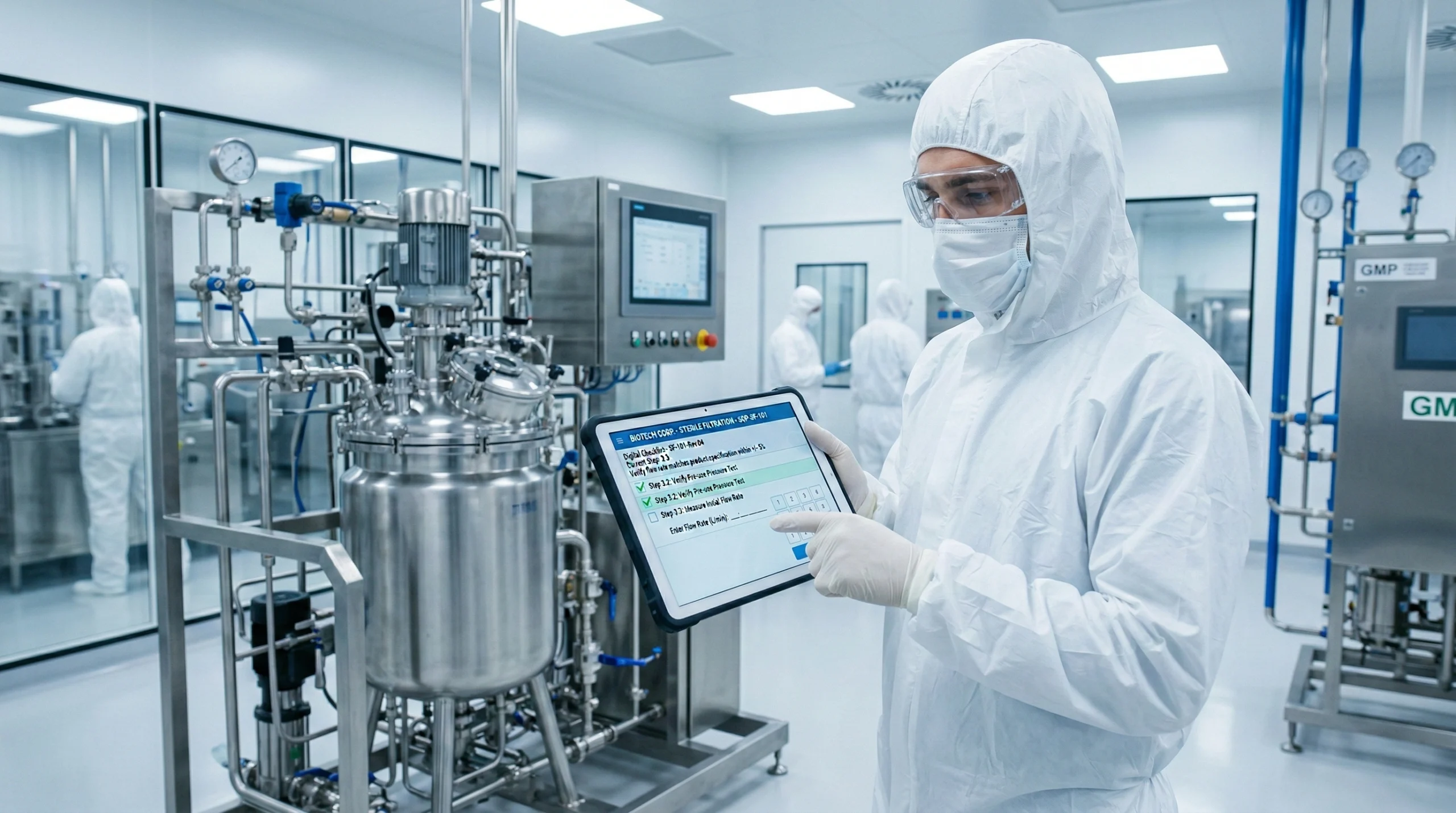
- Mobile Access: SOPs available on tablets in cleanroom
- Video Integration: Short videos demonstrating key procedures
- Checklists: Interactive checklists with digital signatures
- Version Control: Real-time updates and notifications
- Analytik: Tracking of compliance and completion rates
3. Real-Time Monitoring Integration
The game-changer was integrating our SOPs with our monitoring systems:
- Automatic Alerts: When parameters deviate, related SOPs are highlighted
- Digital Checklists: Technicians confirm completion directly in the system
- Photo Documentation: Required for critical steps
- Exception Handling: Deviations trigger immediate CAPA workflows
The Training Revolution That Actually Worked
Traditional training wasn't working, so we completely reinvented our approach:
1. Just-in-Time Learning
- SOPs available on tablets in the cleanroom
- Quick reference guides posted at workstations
- Short videos accessible via QR codes
2. Gamified Competency
- Skills-based assessments rather than multiple-choice tests
- Virtual reality simulations for complex procedures
- Achievement badges for mastering new skills
- Peer recognition program
3. Continuous Learning
- Daily 5-minute refreshers before starting work
- Weekly "SOP Spotlight" highlighting important updates
- Monthly "Best Practice Sharing" sessions
- Annual recertification with advanced skills
The results were remarkable:
- 95% compliance rate within 6 months
- 40% reduction in training time
- 75% improvement in competency assessments
- Zero training-related deviations in the last year
Phase 3: Implementation and Culture Change (Months 10-15)
The Change Management Challenge That Almost Broke Us
Technology and procedures were easy. Changing our culture was hard.
We faced significant resistance:
- "We've always done it this way"
- "The new system is too complicated"
- "I don't have time to learn new procedures"
- "This is just another regulatory fad"
Our solution was a comprehensive change management strategy:
1. Employee-Led Design Teams
We created cross-functional teams including technicians to help design the new SOPs. This created ownership and buy-in.
2. Champions Program
We identified "SOP Champions" in each department who became subject matter experts and advocates.
3. Quick Wins
We focused on high-impact, low-effort changes first:
- Simplified gowning procedures (reduced time by 30%)
- Better visual aids (reduced errors by 45%)
- Mobile access (increased compliance by 60%)
4. Transparent Communication
- Weekly town hall meetings with progress updates
- Dashboard showing real-time improvements
- Recognition program for early adopters
- Feedback mechanisms for continuous improvement
The Turning Point
The breakthrough came when our cleanroom technicians saw how the new system actually made their jobs easier. One senior technician told me: "For the first time, I don't have to guess what I'm supposed to do. The SOPs actually help me do my job better."
Phase 4: Sustaining Excellence (Months 16-18)
Creating a Culture of Continuous Improvement
By month 16, we had achieved our initial goals. But we knew complacency was our biggest enemy.
1. Data-Driven Improvement
Our digital platform generates real-time analytics:
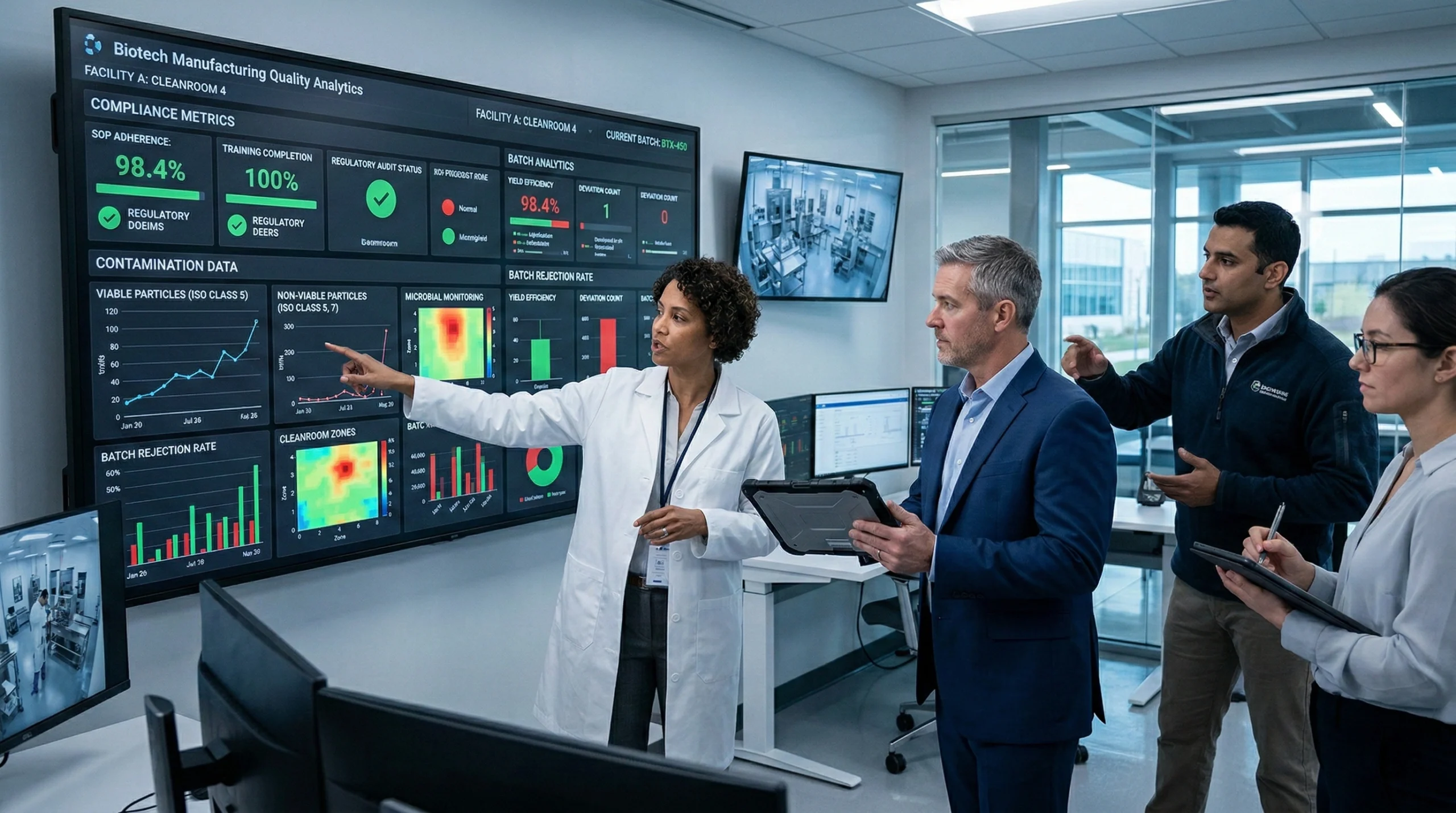
- Usage Patterns: Which SOPs are used most/least
- Completion Rates: Track compliance across departments
- Exception Tracking: Identify recurring issues
- Feedback Integration: User suggestions for improvement
2. Proactive Risk Management
We use our SOP data to identify potential issues before they become problems:
- Trend analysis of deviation patterns
- Predictive alerts for high-risk procedures
- Continuous refinement of critical controls
3. Leadership Commitment
Our executive team made SOP excellence a strategic priority:
- Regular reviews of SOP performance metrics
- Resource allocation for continuous improvement
- Recognition of SOP excellence across the company
The Results: When Data Speaks Volumes
The Metrics That Tell the Story
The transformation was dramatic. Here are the hard numbers:
Einhaltung gesetzlicher Vorschriften
- Before: 17 FDA findings, 3 warning letters
- After: 0 findings, 0 warning letters
- First inspection with new SOPs: Perfect score
Operational Excellence
- Contamination incidents: Down 68%
- Process variability: Reduced by 45%
- First-pass yield: Increased from 82% to 94%
- Rework and waste: Reduced by 40%
Financial Impact
- Direct cost savings: $28M annually
- Reduced waste: $15M
- Less rework: $8M
- Lower inspection preparation: $5M
- Revenue impact: $120M additional revenue from faster time-to-market
- Productivity: 35% increase in throughput
- Employee satisfaction: 25% improvement in engagement scores
Competitive Advantage
- Regulatory approvals: 6 months faster than industry average
- Quality reputation: Became known for manufacturing excellence
- Investor confidence: Stock price increased by 200%
- Partnership opportunities: 3 new major partnerships secured
The ROI That Made the Board Smile
Let's talk about what really matters to executives: return on investment.
Our Investment:
- Digital SOP platform: $5M
- Training and change management: $2M
- Process redesign and documentation: $1M
- Total Investment: $8M
Financial Returns:
- Year 1: $12M (cost savings + revenue impact)
- Year 2: $28M
- Year 3: $35M
ROI Calculation:
- Payback Period: 8 months
- 3-Year ROI: 438%
- Annualized ROI: 146%
But the ROI goes beyond financial metrics. The intangible benefits were even more valuable:
- Risk Reduction: Eliminated existential risk to our company
- Brand Enhancement: Became known for quality excellence
- Talent Attraction: Best talent wanted to work with us
- Innovation Capacity: Freed up resources for R&D
Before vs After: A Tale of Two Companies
Here's a snapshot of how BioGen transformed:
| Metrisch | Before Crisis | After Transformation | Change |
|---|---|---|---|
| FDA Inspection Findings | 17 | 0 | -100% |
| Time-to-Market | 24 months | 18 months | -25% |
| Contamination Rate | 12% | 3.8% | -68% |
| First-Pass Yield | 82% | 94% | +15% |
| Operating Costs | $45M | $32M | -29% |
| Employee Satisfaction | 58% | 89% | +53% |
| Investor Confidence | Niedrig | Hoch | Qualitative |
| Market Position | Struggling | Leading | Qualitative |
The Leadership Lessons: What Every Executive Needs to Know
1. SOPs Are Strategic Assets, Not Compliance Burdens
What we learned: When we stopped treating SOPs as necessary paperwork and started viewing them as strategic tools, everything changed.
The Executive Mindset Shift:
- Before: "How do we meet FDA requirements?"
- After: "How do we use SOPs to create competitive advantage?"
Schlüssel zum Mitnehmen: Quality isn't about compliance. It's about excellence. Compliance is a byproduct of doing things right.
2. Digital Transformation Isn't Optional
What we learned: Paper-based systems can't deliver the speed, accuracy, and insights modern biotech manufacturing requires.
Our Digital Platform Essentials:
- Mobile-First Design: Where work happens
- Real-Time Integration: With monitoring, training, quality systems
- Analytics-Driven: Continuous improvement
- User-Friendly: Actually adopted by staff
Schlüssel zum Mitnehmen: Don't digitize your old processes. Reimagine them for the digital age.
3. Culture Change is Harder Than Technology
What we learned: We could implement the best technology in the world, but if people didn't adopt it, we'd fail.
Our Culture Change Formula:
- Involve the People Who Do the Work
- Show Them the "What's In It For Me"
- Celebrate Quick Wins
- Make It the New Normal
Schlüssel zum Mitnehmen: Change management isn't soft skills. It's the hardest part of any transformation.
4. Data-Driven Decision Making is Non-Negotiable
What we learned: Gut feelings don't work in modern manufacturing. You need real data to make informed decisions.
Our Data Dashboard Essentials:
- Compliance Metrics: Real-time tracking
- Performance Trends: Identify patterns
- Predictive Analytics: Anticipate issues
- Benchmarking: Against industry standards
Schlüssel zum Mitnehmen: If you can't measure it, you can't manage it. If you can't manage it, you can't improve it.
5. Executive Sponsorship Makes or Breaks Success
What we learned: This wasn't a quality project. It was a company transformation that required CEO-level attention.
Our Executive Engagement Model:
- Weekly Review: Dashboard reviews with leadership team
- Quarterly Strategic Reviews: Integration with business planning
- Annual Recognition: Company-wide celebration of excellence
- Continuous Investment: Long-term commitment to improvement
Schlüssel zum Mitnehmen: If the executive team isn't visibly committed, no one else will be either.
The Roadmap: How to Implement This in Your Organization
Our Implementation Framework
Based on our experience, here's a proven framework for SOP transformation:
Step 1: Executive Alignment (Month 1)
- Secure executive sponsorship
- Define business objectives (not just quality goals)
- Establish cross-functional team
- Develop business case with ROI
Step 2: Assessment and Design (Months 2-3)
- Current state assessment
- Gap analysis against best practices
- Design new SOP framework
- Select technology platform
Step 3: Development and Testing (Months 4-6)
- Create core SOP library
- Develop training program
- Implement technology platform
- Pilot test with one area
Step 4: Rollout and Training (Months 7-9)
- Phased implementation across organization
- Comprehensive training program
- Change management activities
- Performance measurement
Step 5: Optimization and Scaling (Months 10-12)
- Refine based on feedback
- Expand to all areas
- Integrate with other systems
- Establish continuous improvement
Step 6: Sustainability and Growth (Ongoing)
- Regular performance reviews
- Technology updates
- Process improvements
- Leadership engagement
Technology Selection Guide
We evaluated 12 different platforms before choosing our solution. Here's our decision framework:
Essential Features:
- Mobile Access: 100% of work happens in cleanroom
- Offline Functionality: Internet isn't always reliable
- Integration: With monitoring, training, quality systems
- Analytik: Real-time performance metrics
- User Experience: Actually adopted by staff
Nice-to-Have Features:
- Virtual reality capabilities
- AI-powered recommendations
- Advanced analytics
- Multi-language support
- Custom reporting
Red Flags:
- Claims to be "compliance-only"
- Poor user experience
- Limited integration capabilities
- No focus on user adoption
- Unclear pricing model
Budget Considerations
Based on our experience, here's a realistic budget breakdown:
Technology Investment (60%)
- Platform licensing: $3-5M
- Implementation services: $1-2M
- Customization: $500K-1M
- Ongoing maintenance: 15-20% annually
Change Management (25%)
- Training program: $500K-1M
- Communication: $200K-500K
- Incentives and recognition: $100K-300K
- Change management experts: $300K-800K
Process Improvement (15%)
- SOP development: $300K-800K
- Performance measurement: $100K-300K
- Continuous improvement: $200K-500K
- Quality assurance: $100K-300K
Total Investment: $8-12M for a mid-sized biotech company
Payback Period: 12-18 months
3-Year ROI: 200-400%
The Future: Beyond Compliance to Excellence
What's Next for BioGen
Our SOP transformation was just the beginning. Here's what we're focusing on now:
1. AI-Powered Quality Enhancement
- Machine learning to predict quality issues
- Natural language processing for SOP optimization
- Computer vision for automated compliance checking
2. Digital Twin Technology
- Virtual cleanrooms for procedure testing
- Simulation of new processes
- Predictive modeling for scale-up
3. Continuous Learning Systems
- Microlearning for just-in-time training
- Adaptive learning paths
- Performance-based advancement
4. Industry Collaboration
- Sharing best practices with the industry
- Developing industry standards
- Collaborative innovation
The Future of Biotech Manufacturing
What we've learned at BioGen is part of a larger trend in biotech manufacturing. The future belongs to companies that:
Embrace Digital Transformation
- Integrated digital ecosystems
- Real-time data analytics
- Automated quality management
Focus on Operational Excellence
- Quality by design
- Risk-based approaches
- Continuous improvement
Invest in Human Capital
- Empowered employees
- Continuous learning
- Culture of excellence
Think Strategically About Quality
- Quality as competitive advantage
- Regulatory excellence as business driver
- Manufacturing innovation as growth engine
Conclusion: The Boardroom Moment Revisited
Looking back at that tense board meeting in November 2022, it's amazing how far we've come. What was once an existential crisis became our greatest strength.
The lesson for every biotech executive is clear: Your SOP system isn't just about compliance. It's about quality, efficiency, innovation, and ultimately, your ability to bring life-changing therapies to patients.
At BioGen, we transformed from a company struggling with basic compliance to an industry leader in manufacturing excellence. Our stock price is up 200%, our lead product is on the market ahead of schedule, and we're developing the next generation of gene therapies.
But the most rewarding part? We've created a culture where quality isn't just a priority - it's who we are.
*This case study is based on real-world experience at BioGen. Names and some details have been changed to protect confidentiality, but the metrics, challenges, and lessons learned are authentic. For implementation guidance specific to your organization, please consult with qualified quality and regulatory professionals.*