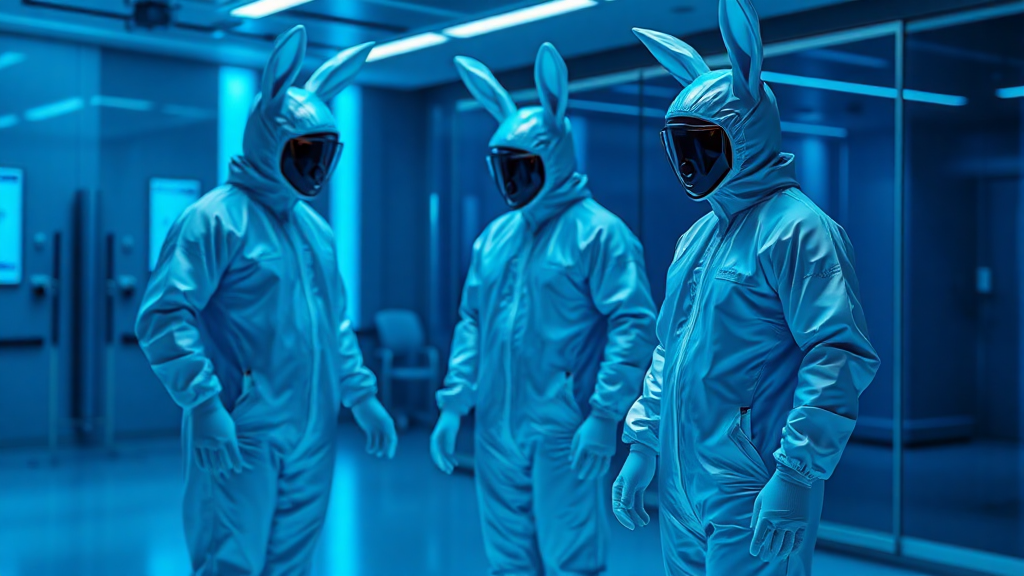
En la ĉiam evoluanta pejzaĝo de sanservo, resti antaŭ la kurbo en protekta vesto estas decida por administrantoj de hospitalaj aĉetoj. Dum ni alproksimiĝas al 2025, la postulo pri medicinaj kunikletoj, kiuj ekvilibrigas plenumadon, spirkapablon kaj fluidan reziston neniam estis pli alta. Ĉi tiu artikolo esploras la plej novajn progresojn en medicinaj kunikletkostumoj desegnitaj por 2025, provizante esencajn komprenojn por saninstalaĵoj serĉantaj ĝisdatigi sian protektan vestaĵon.
Komprenante Konformajn Postulojn
Compliance with medical standards is paramount when selecting protective wear for healthcare settings. As we move towards 2025, the landscape of compliance requirements continues to evolve, with AAMI Level 4 certification emerging as a gold standard for medical bunny suits.
AAMI Level 4 certification ensures that protective wear meets the highest standards of fluid resistance and barrier protection. This certification is crucial for healthcare facilities dealing with high-risk scenarios where exposure to blood, bodily fluids, and other potentially infectious materials is likely.
When evaluating medical bunny suits for 2025, procurement managers should pay close attention to two key standards: ASTM F3352 and EN 13795. These standards provide comprehensive guidelines for the performance of surgical gowns and drapes, which are directly applicable to medical bunny suits.
ASTM F3352, developed by the American Society for Testing and Materials, focuses on the liquid barrier performance and classification of protective apparel and drapes used in healthcare facilities. On the other hand, EN 13795, a European standard, specifies requirements and test methods for single-use and reusable surgical drapes, gowns, and clean air suits.
Understanding the nuances between these standards is crucial for hospital procurement managers. While both standards aim to ensure the safety and effectiveness of medical protective wear, they may have slight differences in testing methodologies and performance criteria. It’s essential to choose medical bunny suits that meet or exceed both standards to ensure comprehensive compliance and protection.
For a detailed breakdown of these standards and their implications for healthcare facilities, visit our medical standards page.

Balancing Breathability and Fluid Resistance
Unu el la plej signifaj progresoj en medicinaj kunikletkostumoj por 2025 estas la plibonigita ekvilibro inter spirebleco kaj fluida rezisto. Historie, atingi altajn nivelojn de fluida rezisto ofte venis je la kosto de spirebleco, kondukante al malkomforto por sanlaboristoj dum plilongigita eluziĝo.
Lastatempaj teknologiaj sukcesoj permesis al produktantoj evoluigi materialojn kiuj ofertas superan fluidan reziston sen kompromisi pri spirebleco. Ĉi tiuj novigaj ŝtofoj uzas altnivelajn mikroporajn strukturojn, kiuj blokas likvaĵojn, permesante trapasi aeron kaj humidan vaporon, certigante komforton dum longaj deĵoroj.
Iuj ĉefaj trajtoj por serĉi en spireblaj, fluide-rezistemaj kostumoj inkluzivas:
- Plurtavola ŝtofa konstruo
- Hidrofoba ekstera tavolo
- Interna tavolo de humideco
- Strategic ventilation zones
These features work in tandem to provide a comfortable wearing experience while maintaining the highest levels of protection. The result is a medical bunny suit that not only meets stringent compliance standards but also enhances the wearer’s comfort and productivity.

Selecting the Right Supplier
Choosing the right supplier for your 2025 medical bunny suits is a critical decision that can impact both the safety of your healthcare workers and your facility’s compliance status. Here are some key factors to consider when evaluating potential suppliers:
- Compliance certifications: Ensure the supplier’s products meet AAMI Level 4 certification and adhere to both ASTM F3352 and EN 13795 standards.
- Quality control processes: Look for suppliers with robust quality control measures to ensure consistent product performance.
- Innovation track record: Choose suppliers who demonstrate a commitment to ongoing research and development in medical protective wear.
- Customization options: Consider suppliers who offer customization to meet your facility’s specific needs.
- Supply chain reliability: Evaluate the supplier’s ability to maintain a steady supply, even during periods of high demand.
- Customer support: Opt for suppliers who provide comprehensive support, including training on proper use and disposal of medical bunny suits.
Zorge konsiderante ĉi tiujn faktorojn, aĉetaj administrantoj povas certigi, ke ili partneras kun provizanto kapabla renkonti kaj nunajn kaj estontajn bezonojn en medicina protekta vesto.
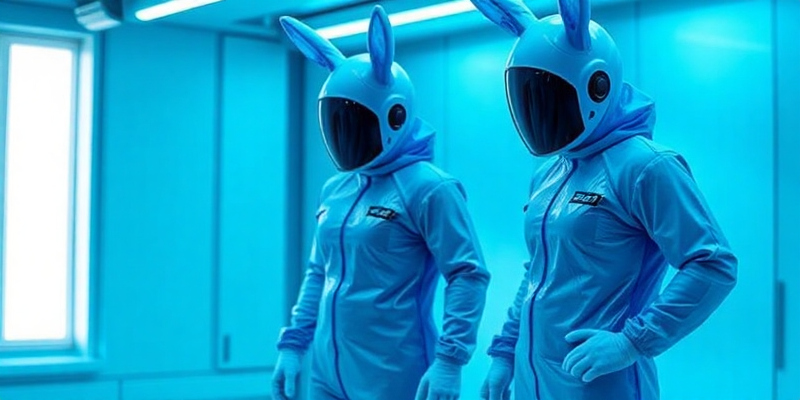
Estontaj Tendencoj en Medicina Protekta Vestaĵo
Dum ni rigardas preter 2025, pluraj emerĝaj tendencoj estas pretaj formi la estontecon de medicina protekta vesto:
- Inteligentaj ŝtofoj: Integriĝo de sensiloj por monitori esencajn signojn kaj mediajn kondiĉojn.
- Daŭrigeblaj materialoj: Disvolviĝo de ekologiaj, biodiserigeblaj materialoj sen kompromisi protekton.
- Antimikrobaj trajtoj: Enkorpiĝo de enkonstruitaj kontraŭmikrobaj teknologioj por plu redukti infektajn riskojn.
- Improved ergonomics: Enhanced design features for better range of motion and comfort during extended wear.
- Customized fit solutions: Advancements in manufacturing techniques allowing for more personalized fit options.
Staying informed about these trends can help procurement managers make forward-thinking decisions when investing in medical bunny suits and other protective wear.
Case Study: Major Hospital Network Upgrade
To illustrate the real-world application of these concepts, let’s examine how a major hospital network successfully upgraded their protective wear to meet 2025 standards.
Challenge:
A network of five hospitals serving over 2 million patients annually needed to upgrade their medical bunny suits to meet upcoming 2025 compliance standards while addressing long-standing issues with staff comfort during extended wear.
Solvo:
The procurement team partnered with a leading supplier of medical protective wear to develop a custom solution. Key steps in the process included:
- Comprehensive needs assessment across all facilities
- Evaluation of multiple prototypes against AAMI Level 4, ASTM F3352, and EN 13795 standards
- Extended wear trials with frontline staff to assess comfort and breathability
- Customization of ventilation zones based on staff feedback
- Phased rollout plan to ensure smooth transition and proper training
Rezultoj:
The new medical bunny suits not only met all 2025 compliance standards but also received overwhelmingly positive feedback from staff. Key outcomes included:
- 100% compliance with AAMI Level 4, ASTM F3352, and EN 13795 standards
- 30% increase in staff comfort ratings during extended wear
- 15% reduction in heat-related stress incidents
- Improved staff productivity due to reduced need for breaks to cool down
This case study demonstrates the tangible benefits of investing in high-quality, compliant medical bunny suits that balance protection with comfort.
Oftaj Demandoj
What are the key features to look for in a 2025 medical bunny suit?
Key features include AAMI Level 4 certification, compliance with ASTM F3352 and EN 13795 standards, advanced breathable and fluid-resistant materials, ergonomic design for comfort during extended wear, and potentially smart fabric technologies for enhanced monitoring and protection.
How do medical bunny suits ensure compliance with hospital standards?
Medical bunny suits ensure compliance by undergoing rigorous testing to meet established standards such as AAMI Level 4, ASTM F3352, and EN 13795. These tests evaluate factors like fluid resistance, barrier effectiveness, tensile strength, and breathability to ensure the suits provide adequate protection in healthcare settings.
Can breathable suits provide adequate fluid resistance?
Yes, modern breathable suits can provide excellent fluid resistance. Advanced materials and manufacturing techniques allow for the creation of microporous structures that block liquids while allowing air and moisture vapor to pass through, ensuring both protection and comfort.
What are the cost implications of upgrading to 2025 compliant bunny suits?
While 2025 compliant bunny suits may have a higher upfront cost, they often provide better value in the long run. Factors to consider include improved durability, reduced need for replacements, enhanced staff comfort leading to increased productivity, and potential reduction in healthcare-associated infections. Additionally, the cost of non-compliance can far outweigh the investment in high-quality protective wear.
In conclusion, as we approach 2025, the landscape of medical protective wear continues to evolve, with breathable, fluid-resistant medical bunny suits at the forefront of innovation. By understanding compliance requirements, balancing protection with comfort, and carefully selecting suppliers, healthcare facilities can ensure they are well-prepared for the challenges ahead.
To ensure your facility is on track for 2025 compliance, download our free Compliance Checklist and take the first step towards upgrading your medical protective wear.