~8 minutes de lecture
Procédure d'habillage en salle blanche SOP - Un guide étape par étape par niveau BPF
Des sous-vêtements aux gants : la séquence d'habillage standardisée pour les grades BPF A/B, C et D. Comprend les différences spécifiques aux grades, les erreurs courantes et une liste de contrôle de validation prête pour l'audit.
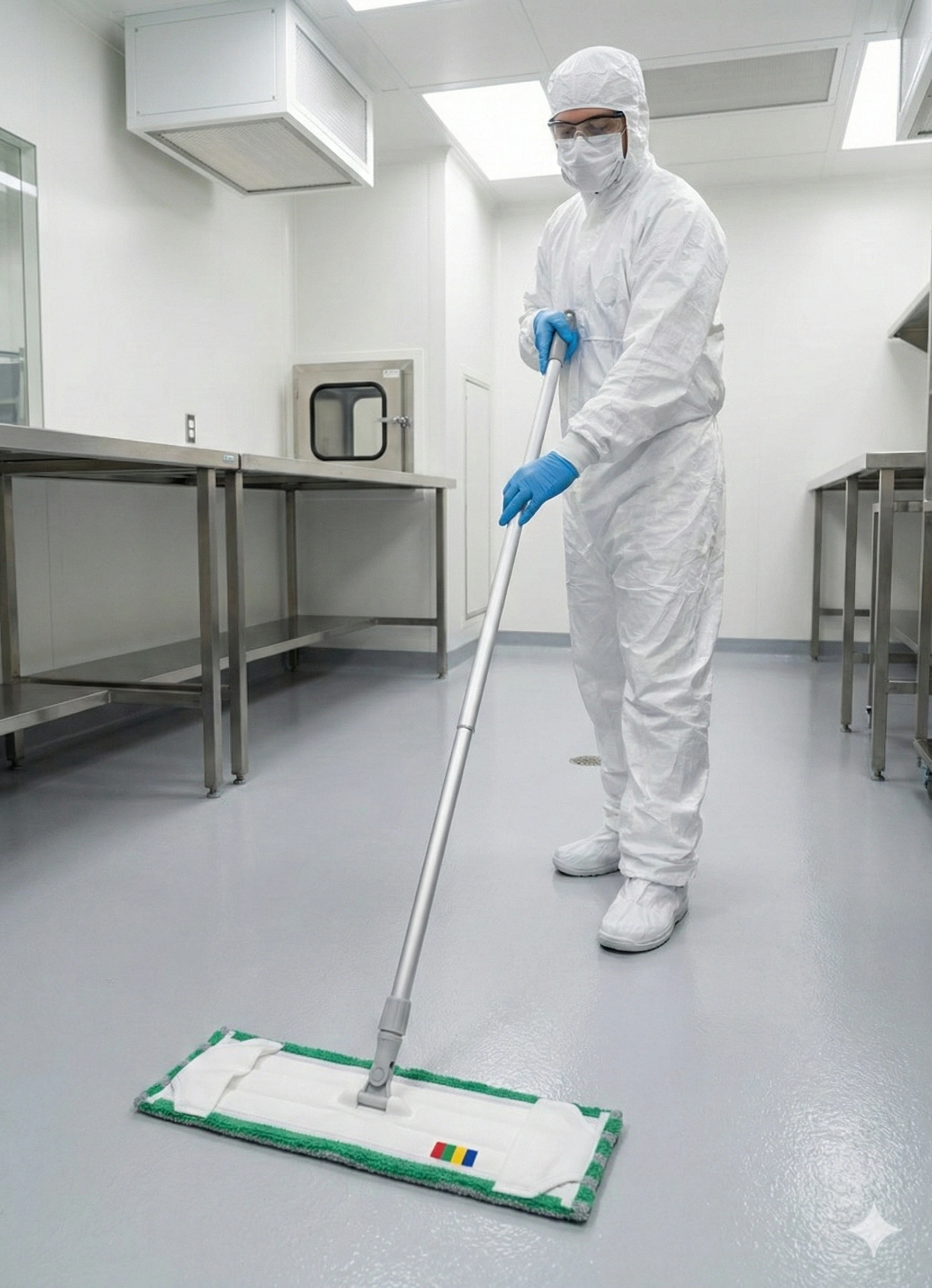
La séquence d'habillage standard BPF - Ordre d'enfilage
La séquence d'habillage passe de la couche du vêtement la plus interne à la couche la plus externe. Chaque couche est enfilée dans un ordre qui minimise le risque de contamination pendant le processus d'habillage lui-même. La séquence standard s'applique à toutes les qualités BPF, avec des exigences supplémentaires pour les qualités supérieures.
- Sous-vêtements — Enfilez des sous-vêtements dédiés aux salles blanches dans la zone de pré-change. Pour les grades A/B : sous-vêtements complets pour salle blanche (haut et bas). Pour les grades C/D : haut de sous-vêtement pour salle blanche recommandé.
- Combinaison — Enfilez la combinaison en commençant par les jambes, puis les bras, puis fermez ou fermez la fermeture avant. Assurez-vous qu’aucun vêtement personnel n’est visible au niveau du cou, des poignets ou des chevilles.
- Bottes ou couvre-chaussures — Mettez des bottes ou des couvre-chaussures pour salle blanche. Rentrez les jambes de la combinaison dans les bottes ou tirez les couvre-bottes par-dessus les jambes de la combinaison, conformément aux SOP de l'établissement.
- Capot — Placez la capuche sur la tête. Tous les cheveux doivent être contenus. La capuche doit chevaucher le col de la combinaison pour éliminer l'espace entre le cou.
- Masque facial — Appliquer le masque facial en couvrant le nez et la bouche. Pincez l'arête du nez pour un ajustement sécurisé. Pour les grades A/B : masque stérile requis.
- Des lunettes de protection — Positionner les lunettes sur les yeux, à l'extérieur de la cagoule et des bords du masque. Modèles antibuée recommandés pour le confort et la conformité de l'opérateur.
- Gants — Enfilez les gants en dernier, en passant les poignets des gants par-dessus les manches de la combinaison. Pour les grades A/B : doublez les gants et changez les gants extérieurs à intervalles définis selon les SOP.
Inspection après la mise en place : Utilisez un miroir pleine longueur et effectuez une vérification du partenaire. Toute peau, cheveux ou vêtements personnels visibles constituent un échec vestimentaire. Corriger avant d'entrer dans la salle blanche.
Différences de pansements spécifiques au grade
| Exigence | Catégorie A/B (ISO 5) | Catégorie C (ISO 7) | Catégorie D (ISO 8) |
|---|---|---|---|
| Classification de la zone d'habillage | Grade B ou C avec banc enjambant | Grade C ou D avec banc enjambant | Grade D ou non classé avec banc |
| Sous-vêtements | Sous-vêtements complets pour salle blanche, autoclavables | Haut de sous-vêtement salle blanche recommandé | Sous-vêtements personnels si entièrement couverts |
| Combinaison | Bottes stériles, à capuche et intégrées | Bottes autoclavables, à capuchon et séparées | Autoclavable ou jetable |
| Gants | Stérile, double gant, changement selon protocole | Gants pour salle blanche non stériles | Gants compatibles salle blanche |
| Stérilisation | Tous les vêtements sont stériles au point d'utilisation | Autoclavable, non stérile acceptable | Non stérile acceptable |
Cinq erreurs courantes en matière de pansement – et comment les éviter
Liste de contrôle de validation du pansement
Le dressage est un processus validé. La liste de contrôle suivante couvre ce que les auditeurs s'attendent à voir dans un programme de validation des tenues vestimentaires.
FAQ sur les habillages pour salles blanches
Quel est l’ordre correct pour l’habillage en salle blanche ?
Sous-vêtements → Combinaison → Bottes → Cagoule → Masque facial → Lunettes → Gants. Chaque couche est enfilée du plus intérieur au plus extérieur. Les gants sont toujours les derniers. Pour les grades A/B, double gant après l’enfilage initial du gant.
Quelle tenue est requise pour le GMP Grade B ?
Sous-vêtements complets pour salle blanche, combinaison stérile à capuche avec bottes intégrées, cagoule stérile, masque stérile, lunettes stériles et gants stériles (double gant). Tous les vêtements sont stériles au point d'utilisation. Vérification du miroir après l'habillage et inspection du partenaire avant l'entrée.
Comment les habillages pour salle blanche sont-ils validés ?
Grâce à la qualification documentée des opérateurs (formation initiale, évaluation des compétences, requalification annuelle), aux données de surveillance environnementale corrélées aux procédures d'habillage et au suivi des échecs d'habillage avec des actions correctives et des enregistrements de recyclage.
Quelles sont les conclusions les plus courantes des audits vestimentaires ?
Qualification d'habillage incomplète ou non documentée de l'opérateur, absence de calendrier de requalification, enregistrements d'échec d'habillage manquants et séquence d'habillage incohérente entre les opérateurs (les SOP existent mais ne sont pas suivies uniformément).
L’Annexe 1 exige-t-elle une validation spécifique des habillages ?
L'annexe 1 exige que les procédures d'habillage soient validées, documentées et intégrées dans la stratégie de contrôle de la contamination (CCS). Il met l'accent sur la qualification des opérateurs, la corrélation entre la surveillance environnementale et la requalification périodique. La séquence d'habillage spécifique est définie par l'établissement mais doit être justifiée et documentée.
Besoin de vêtements autoclavables pour votre programme de dressage ?
MIDPOSI fournit des combinaisons, des cagoules, des bottes, des sous-vêtements, des lunettes et des accessoires autoclavables pour les programmes d'habillage BPF. Dites-nous votre qualité de salle blanche et vos exigences en matière de tenue.
Certifié ISO 13485 · Direct usine depuis 2004 · Support documentaire