グレード C および D のエリアは、一般的な GMP 施設のクリーンルーム面積の大部分を占めていますが、その清掃プログラムはしばしば後付けで設計されています。このガイドでは、特にサポート ゾーン向けに、コスト効率が高く、運用上実用的で、監査に対応したクリーニング ツール プログラムを構築するための構造化されたアプローチを提供します。グレードレベルのモップ仕様の概要については、「 GMPクリーンルームモップのグレード別選択 ガイド。
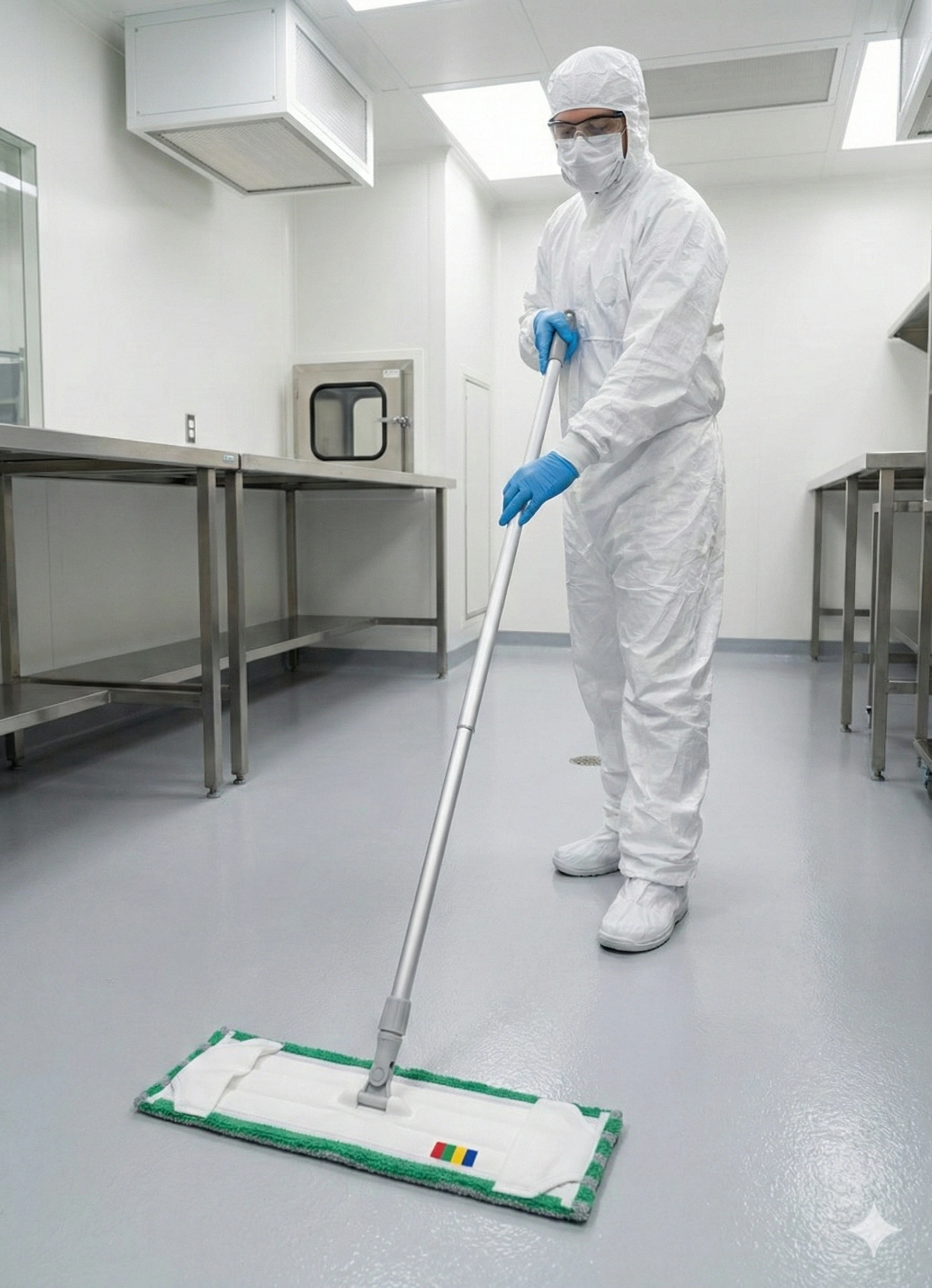
GMP グレード C/D エリア用の洗浄ツール プログラムを構築するには、次の作業が必要です。 相互に関連する 5 つの設計上の決定:(1)スループットと施設の能力に基づいて使い捨てモップと洗濯モップの経済性を選択する、(2)C/D洗浄強度と消毒剤の化学的性質に適したモップ材料を選択する、(3)相互汚染を防ぐために色分けされたゾーン分離を適用する、(4)実用的な頻度、モップ交換のトリガー、および順序を備えたSOPを設計する、(5)C/Dリスクに比例した文書要件を決定する(監査の準備には十分だが、無菌エリアに必要なレベルではない)。それぞれの決定については、以下で詳しく説明します。
C/D 洗浄プログラムの一般的なアプローチは、グレード A/B の仕様を採用し、不必要に見えるものを削除することです。つまり、無菌性を省略し、材料をグレードダウンし、より安価なフレームを購入します。これにより、より安価なプログラムが作成されますが、サポート ゾーンの実際の運用に合わせて適切に設計されたものではありません。
C/D エリアの運用プロファイルは、プログラム設計を形成する 3 つの点で A/B とは根本的に異なります。
グレード C/D の廊下、更衣室、資材用エアロックは、無菌コアよりも頻繁に清掃され、より広い面積をカバーします。グレード A の小さなスイート向けに設計されたモップ プログラムは、2,000 m まで拡張できません。² C/D support zone. Mop durability, absorbency per unit, and operator fatigue over extended cleaning sessions become primary design parameters — not secondary considerations.
Grade A/B cleaning is typically performed by a small number of highly trained operators following tightly controlled protocols. C/D cleaning often involves a larger team with higher turnover. The mop system and SOP must be robust to operator variability — forgiving of technique differences, easy to train, and difficult to misuse. If an SOP step is easily skipped or misunderstood, it will be.
無菌性の保証は交渉の余地がないため、グレード A/B の消耗品の予算は通常保護されます。リスクは低いと認識されているため、C/D 予算はより厳しい精査にさらされていますが、清掃用具への支出が過少であると、物資や人員の流れを通じて汚染の問題が高グレードのエリアに波及する可能性があります。プログラム設計の課題は、「最も安価なオプション」ではなく、「汚染制御チェーンを損なうことなくコストを最適化する」ことです。あ クリーンルームモップシステムの概要 コンポーネント レベルの決定がプログラム全体のコストとパフォーマンスにどのような影響を与えるかを特定するのに役立ちます。
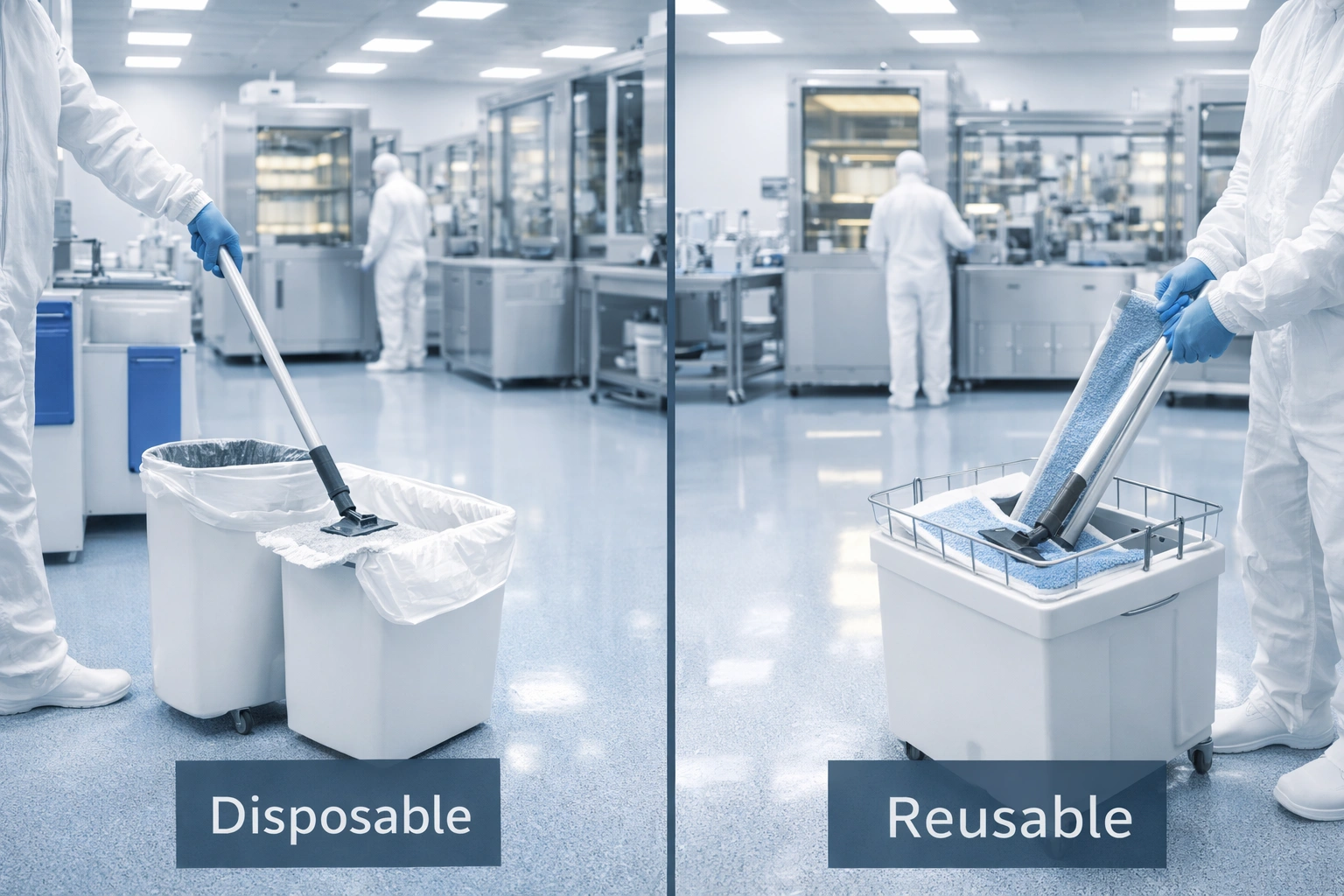
グレード A/B では、無菌要件により使い捨てがデフォルトの決定となることが多く、無菌保証の経済性により使い捨てが推進されます。 C/D では、通常、無菌性は必要ありません。そのため、使い捨てオプションと洗浄済みオプションの間で、より微妙なコスト分析が可能になります。完全な意思決定フレームワークについては、を参照してください。 クリーンルームモップの使い捨てと再利用の決定ガイド.
| 要素 | 使い捨て(単回使用) | 洗濯済み (多用途) |
|---|---|---|
| 単位当たりのコスト | モップカバーごとの下前部 | 前払い額が高くなります。サイクルで償却 |
| 損益分岐点 | 該当なし (常に 1 回限りの使用) | 通常は 20–洗濯コストに応じて 40 サイクル |
| ランドリーインフラ | 不要 | 検証済みの洗濯プロセスが必要です(社内または契約) |
| 相互汚染のリスク | 下(セッションごとに新しいカバー) | 洗濯中にゾーン間の検証済みの分離が必要 |
| 廃棄物量 | 上位(使用ごとに廃棄) | 下段(耐用年数に達したら交換) |
| こんな方に最適 | Facilities without laundry capability; smaller C/D areas; multiproduct facilities where segregation is difficult | Large C/D areas with in-house laundry; single-product facilities; facilities with sustainability targets |
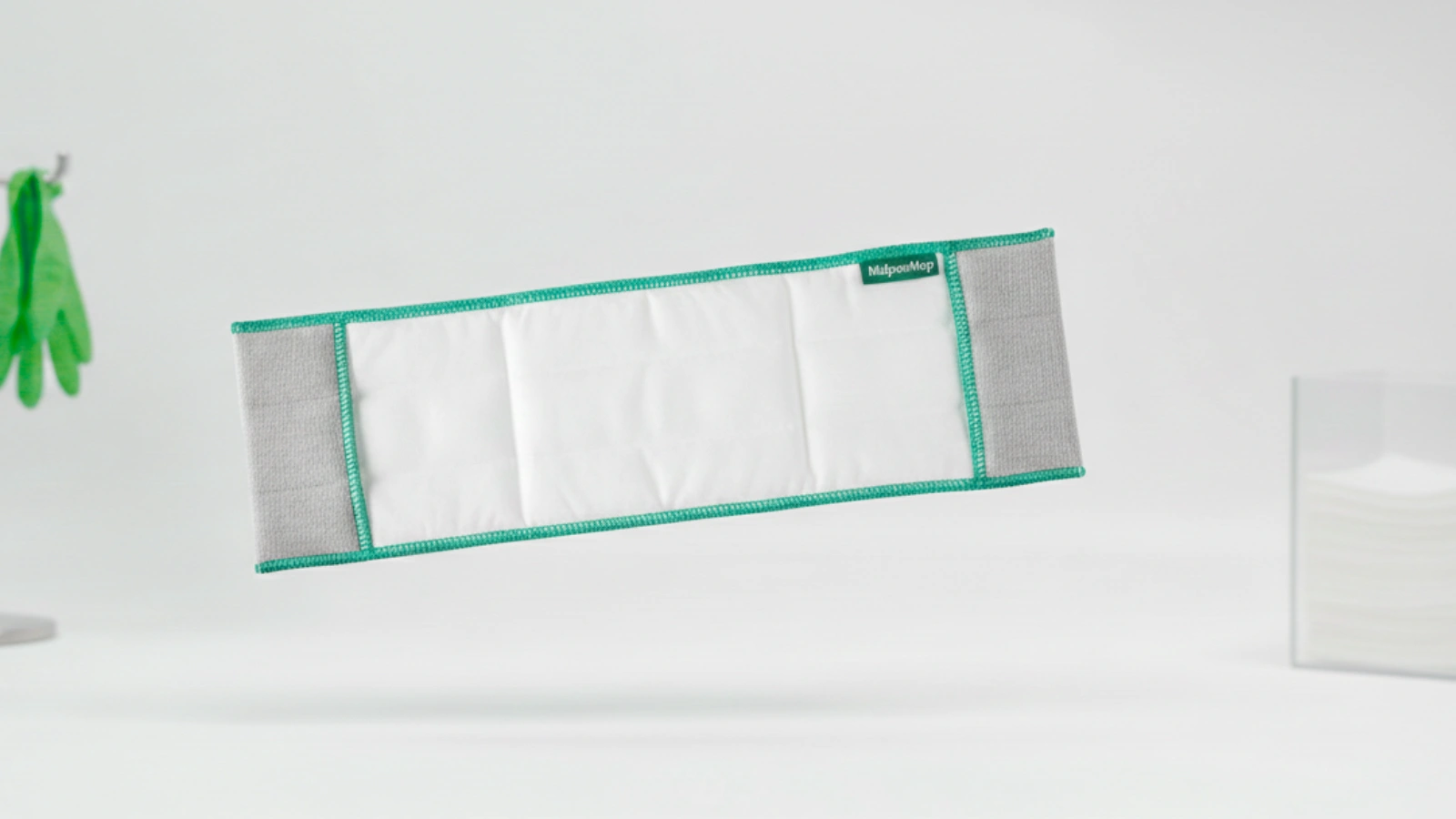
C/D areas present a different material optimization problem than aseptic cores. In Grade A/B, particle generation is the dominant selection criterion. In C/D, the balance shifts toward durability under high-frequency use そして chemical compatibility with facility disinfectants — because the mop will be used across larger areas, more frequently, with more aggressive cleaning agents.
Polyester and microfiber both have roles in C/D, but the selection logic differs from higher grades. For a deeper look at material tradeoffs, see the マイクロファイバークリーンルームモップガイド.
カラーコーディングは、C/D プログラムで利用できる、運用上最も効果的でコスト効率の高い汚染管理手段の 1 つです。適切に設計されたカラー システムにより、ゾーン違反が監査観察となる前に可視化されます。
廊下、資材エアロック、二次ガウン。緑色にコード化されたモップ カバーとハードウェアを使用してください。
一次ガウン、素材はグレード B に移行します。青色でコード化されたモップ カバーとハードウェアを使用します。
単一グレード内で、床モップと壁/天井モップを区別します。赤はフロアの指定によく使用されます。
C/D クリーニング SOP では、次の運用パラメータに対処する必要があります。これらは、各施設の特定のレイアウト、交通パターン、汚染管理リスク評価に適応させる必要がある出発点の推奨事項です。
アクティブな生産日の最小値としてシフトごとに。交通量の多い廊下や資材のエアロックでは、シフトごとに 2 回の作業が必要になる場合があります。利用可能な場合は交通量と環境モニタリングデータを参照し、周波数決定の根拠を SOP に文書化します。
モップカバー変更のトリガーを定義します: 部屋ごと、定義されたエリアごと (例: 50 m ごと)²)、または目に見えて汚れがある場合。最大エリアキャップを備えた部屋ごとの変更ポリシーにより、最も明確な監査証跡が提供されます。ポリシーは、オペレーターが曖昧さなく実行できるように作成する必要があります。
施設が殺胞子剤を定期的に (例: 毎週) 使用する場合、SOP では殺胞子消毒と定期消毒にどのタイプのモップ カバーを使用するかを指定する必要があります。施設によっては、残留消毒剤の相互汚染を避けるために、殺胞子洗浄用に別のモップ セットを専用に用意している場合もあります。
C/D 内での洗浄の順序を指定します: 最もきれいなものから最も汚れたものへの流れ (1 つのシフトに組み合わされる場合、グレード D の前にグレード C エリア)。室内では、天井、壁、機器表面、床の順に。シーケンスは想定されるものではなく、SOP で明示的に示される必要があります。
消毒剤の準備、ポットライフ、モップバケット溶液の交換頻度を定義します。溶液濃度の検証手順を文書化します。ソリューションが長期間にわたって使用される可能性がある大規模な C/D エリアの場合は、ソリューションの最大使用期間と再検証要件を定義します。
Define visual inspection criteria for post-cleaning sign-off. For C/D areas, visual inspection is typically the primary release criterion — but the SOP should define what “visually clean” means (no visible residue, no standing liquid, no debris) with enough precision to make pass/fail consistent across operators and shifts.
One of the most common C/D program errors is applying Grade A/B documentation requirements to support zones — creating paperwork burdens that consume QA resources without a corresponding contamination control benefit. The principle is proportionality: documentation should match risk.
C/D のドキュメント パッケージは次のとおりです。 妥当な期間内に回収可能ゾーンと洗浄日ごとに整理され、完全性が定期的に確認されます。ただし、無菌エリアの文書化と同じ深さや取得速度は必要ありません。 C/D クリーニング記録をレビューする監査人は通常、次のことを探しています。 一貫した実行で機能するプログラム、グレード A/B で期待される徹底的なトレーサビリティではありません。
C/D エリアの床には、歩行者や物の移動による粒子状の負荷がかかります。上向きに荷重がかかる壁や天井の搬送には、同じモップを使用するか、同じタイプのモップを変更せずに使用します。別々のモップセットを指定するか、表面間でカバーを交換する厳密な順序(床の前に壁)を強制します。
目視検査は便利ですが、GMP 環境における唯一のモップ交換基準としては不十分です。粒子や残留物の負荷は、視覚的に明らかになる前に洗浄効果を損なうレベルに達する可能性があります。エリアベースまたは部屋ベースの変更ポリシーを定義すると、視覚的な判断だけでは不可能な一貫性が得られます。
完全な A/B 文書パッケージを C/D エリアに適用すると、汚染管理が改善されない事務手続きが作成され、QA リソースが高リスク領域から転用されます。各文書タイプを監査します。「この文書は C/D の汚染リスクを軽減しますか? それとも手順の惰性ですか?」
C/D プログラムは、古いフレームやハンドルを再利用しながら、消耗品であるモップ カバーに予算を割り当てることがよくあります。フレームが磨耗してカバーを表面に対して平らに保持できなくなると、カバーの品質に関係なく洗浄効果が低下します。プログラム設計にハードウェア交換サイクルを含めます。
一度設計しただけでレビューされない C/D クリーニング プログラムは漂流してしまいます。オペレーターの離職、新しい消毒剤、交通パターンの変化、環境監視の傾向などにより、プログラムの見直しが行われるはずです。監査によるレビューだけでなく、スケジュールされたレビューを最初からプログラム設計に組み込みます。
一般に、いいえ、グレード C および D は、EU GMP Annex 1 に基づく「クリーン」サポートゾーンとして分類されており、無菌エリアとしては分類されていません。これらのゾーンで使用される洗浄ツールに対する無菌性は規制要件ではありません。非滅菌モップカバーは C/D 用途に標準装備されています。この決定は、施設の汚染管理リスク評価によって確認される必要があります。施設が運用の一貫性のために C/D で滅菌モップ カバーを使用することを選択した場合、その決定を文書化する必要がありますが、それは規制要件ではなく施設の選択として認識されるべきです。
ユニットごとのコストではなく、清掃イベントごとの総コストを計算します。使い捨ての場合: モップ カバーの単価 × シフトごとに使用されるカバー × 1 日あたりのシフト。洗濯済みの場合: (モップカバーの単価 ÷ サイクルでの耐用年数) + (サイクルあたりの洗濯コスト × シフトあたりのサイクル × 1 日あたりのシフト)。間接的なコストを含めます: 洗濯検証 (洗濯済みの場合)、廃棄物処理 (使い捨ての場合)、および在庫保管コスト。洗濯した方が使い捨てよりも安くなる損益分岐点は、洗濯コストに応じて通常 20 ~ 40 回の使用サイクルの間に収まります。検証されたランドリー機能のない施設は、その機能の構築または契約にかかるコストを分析に含める必要があります。
マルチグレード C/D 施設には少なくとも 3 つのカラー セットが必要です。1 つはグレード C の床用、1 つはグレード D の床用、もう 1 つは両方のグレードの壁/天井用です。施設に同じチームが清掃するグレード B の移行エリアもある場合は、4 番目のセットを追加します。重要な原則は、オペレーターはモップが正しいゾーンにあるかどうかを決して考える必要がないということです。質問は色で答えられるはずです。アセンブリ全体が視覚的に識別できるように、モップのカバー、フレーム、およびハンドル (または少なくともカバーとハンドル) に色分けを適用する必要があります。
部屋ごと、または定義されたエリアごと (例: 50 m)²) は、C と D の両方に共通の開始点です。グレード B につながるグレード C の移行領域では、より頻繁な変更が必要になる場合があります (25 年ごと)。–30メートル² — C に導入された汚染がよりグレードの高い領域に移行する可能性があるため。具体的な頻度は施設の環境モニタリングデータに基づき、清掃 SOP に文書化する必要があります。 GMP 領域の唯一の基準として「目に見えて汚れが生じたら交換する」ことを避け、作業者が解釈せずに従うことができる定量的なトリガーを定義します。
C ゾーンと D ゾーンで同じバケツと絞り器を使用すると、相互汚染のリスクが生じます。両方のグレードで単一のバケット システムを使用する必要がある場合は、厳密な洗浄順序 (グレード D の前にグレード C) を実行し、グレード間で消毒液を交換してください。推奨されるアプローチは、色分けされた識別を備えたグレードごとの専用バケットです。モップカバーだけでなく、バケツ自体も洗浄と消毒のスケジュールに含める必要があります。
C/D 洗浄をレビューする監査人は通常、定義された頻度と変更トリガーによる洗浄 SOP、日付/ゾーン/オペレーター/消毒剤を示す完了した洗浄ログ、モップ カバーの交換記録、使用中のモップ製品の COA 文書、オペレーターのトレーニング記録、関連する CAPA を伴う洗浄逸脱レポートを期待します。通常、彼らは照射証明書、無菌性保証文書、または C/D 固有のツールのエンドトキシン データを求めていません。文書は、プログラムが存在し、一貫して実行され、定期的にレビューされていることを証明する必要があります。無菌領域の文書の深さに一致するということではありません。
スケジュールされたレビューとして毎年行われます。さらに、新しい消毒剤が導入された場合、環境モニタリングでマイナスの傾向が示された場合、施設のレイアウトや交通パターンが変化した場合、新しい製品やサプライヤーが導入された場合、あるいは洗浄関連の逸脱や監査観察が発生した場合には、イベントトリガーによるレビューが行われます。計画された年次レビューには、清掃関連の傾向に関する環境モニタリングデータのレビュー、ツールと手順に関するオペレーターのフィードバック、サプライヤーのパフォーマンスのレビュー、および現在のモップ製品とプログラム設計の費用対効果の分析が含まれる必要があります。
Whether you are building a C/D program for a new facility or redesigning an existing one, MIDPOSI can provide product samples, volume pricing for multi-grade programs, technical data sheets, and program design consultation. Request samples for in-house evaluation against your specific C/D disinfectants and protocols.
MIDPOSI provides non-sterile mop covers, stainless steel hardware, and technical documentation suitable for evaluation in Grade C/D cleaning programs. Volume planning and multi-site program support available upon request.
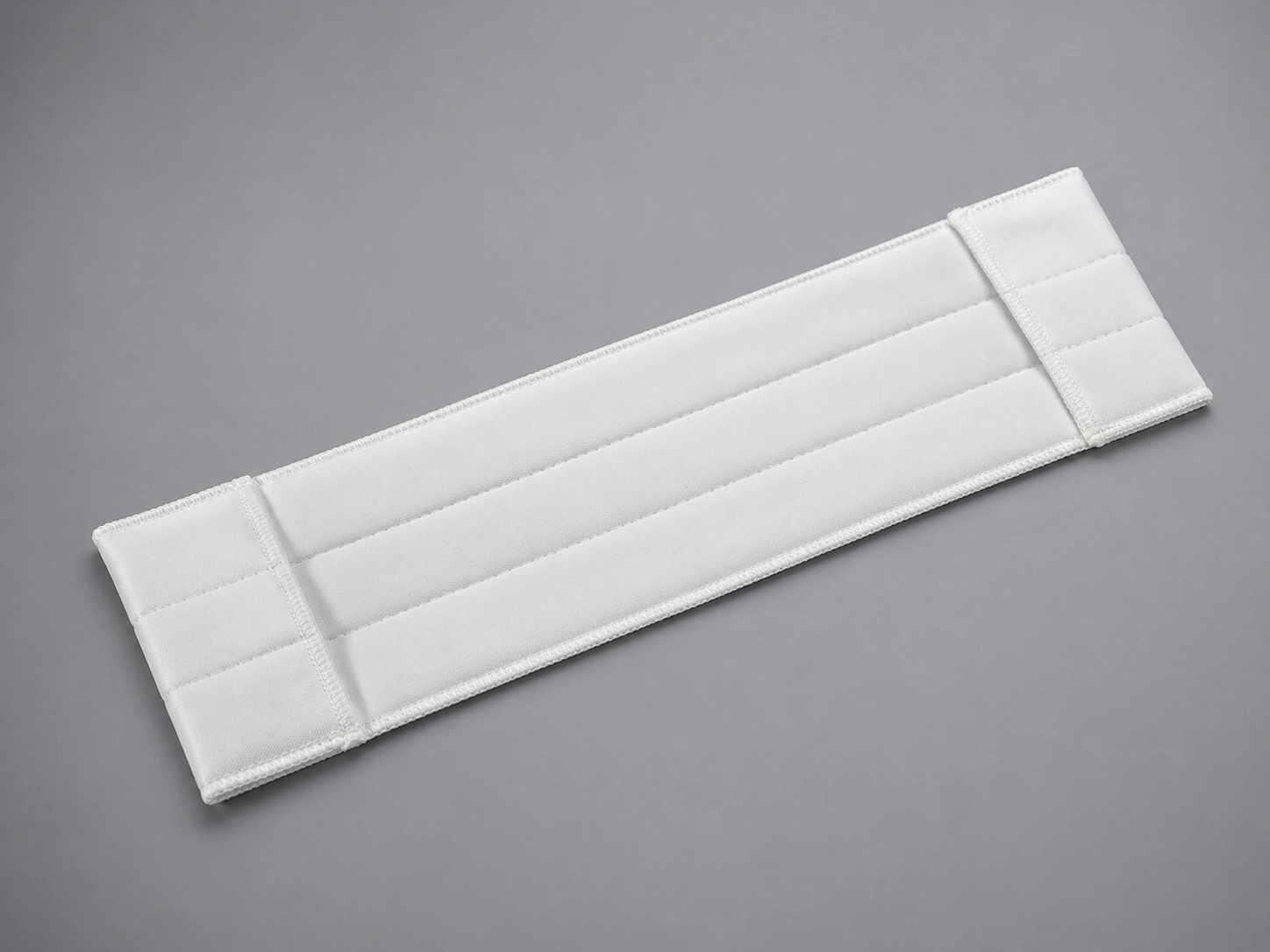
Disclaimer: This guide provides a general framework for designing Grade C/D cleaning tool programs and does not constitute regulatory or legal advice. Cleaning frequencies, documentation requirements, mop change triggers, and program parameters should be determined by each facility based on its specific layout, traffic patterns, environmental monitoring data, contamination control risk assessment, and applicable regulatory requirements. MIDPOSI does not claim that following this framework satisfies all regulatory requirements for all facilities.