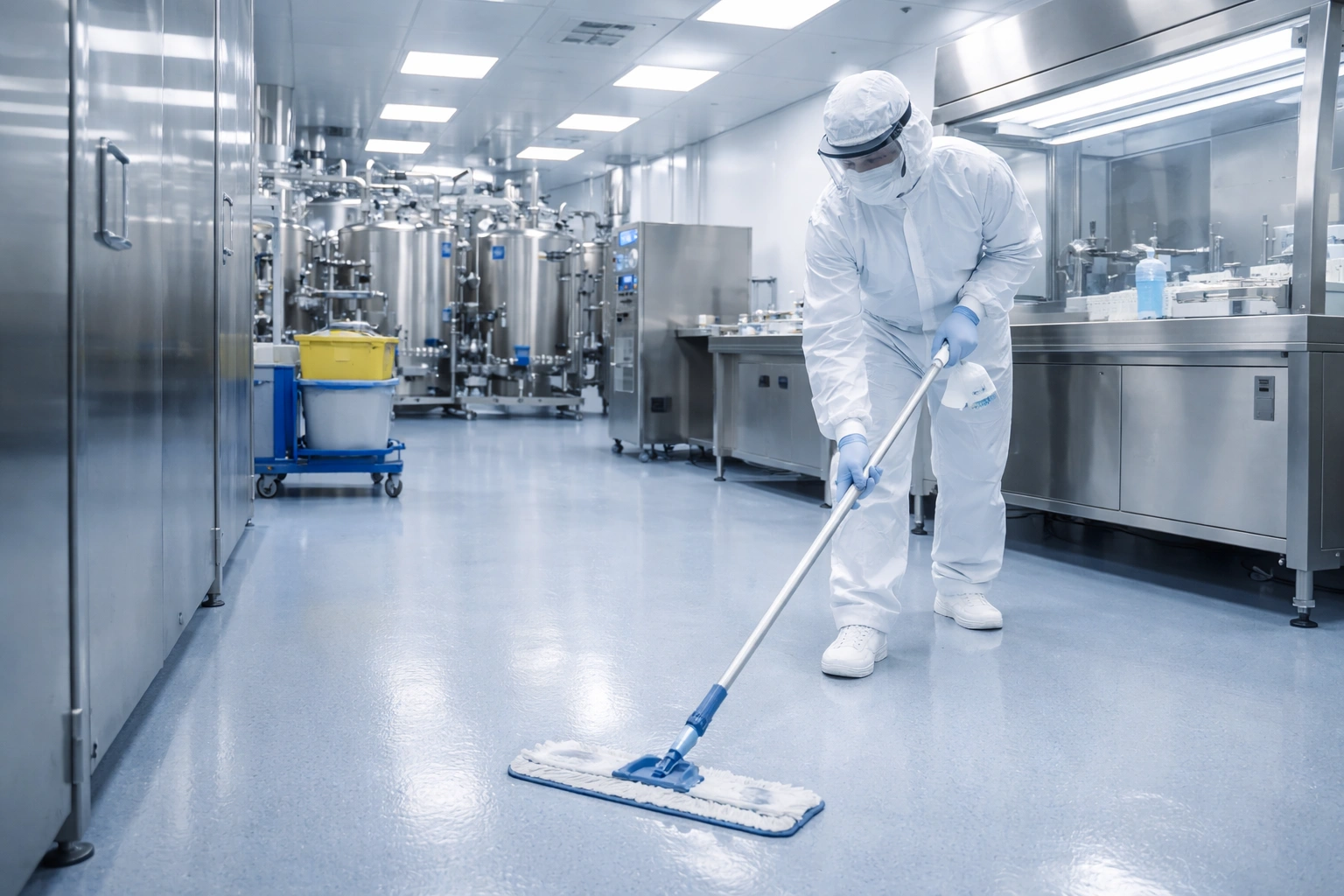
クリーンルームモップの仕様を EU GMP グレード A、B、C、および D ゾーンに適合させるための構造化されたフレームワーク。製薬およびバイオテクノロジー施設の無菌要件、材料の選択、包装、文書化の期待、およびゾーン固有の運用上の考慮事項をカバーします。
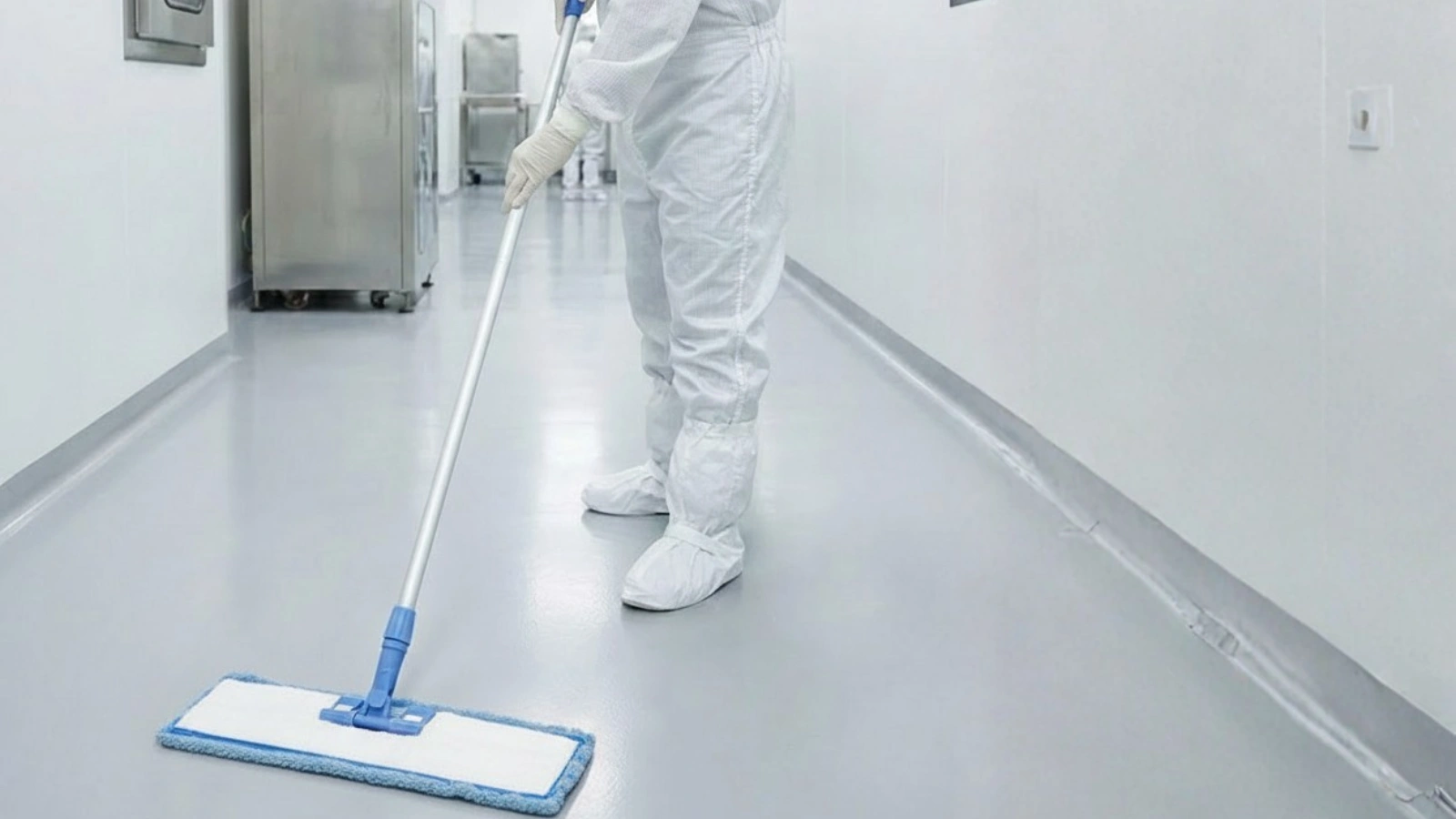
次のマトリックスは、GMP グレード A、B、C、D ゾーン間でモップの仕様がどのように変化するかを簡単に説明します。各行は一般的な評価の開始点を表しており、普遍的な規制上の義務ではありません。施設固有のリスク評価、洗浄検証プロトコル、および製品との接触の近接性が最終仕様に反映される必要があります。
| GMPグレード | 典型的な無菌要件 | 素材の好み | 包装 | 期待されるドキュメント |
|---|---|---|---|---|
| 甲種 | 最終滅菌済み (ガンマ線滅菌または検証済みの方法)。二重袋入り | 連続フィラメントポリエステルニット、シールエッジ付き | 段階的な無菌移送。多層外袋除去 | 無菌証明書(バッチごと)、COA、粒子試験データ、バッチトレーサビリティ |
| グレードB | 通常、グレード A に接続されている場合は無菌です。非滅菌はスタンドアロンゾーンに対して評価される可能性があります | 連続フィラメントポリエステルニット(ほとんどの場合、グレードAと同じ材料規格) | 滅菌時には二重袋に入れられます。シングルバッグは非滅菌時に評価できる | COA、粒子試験データ。無菌の場合は無菌証明書。トレーサビリティ記録 |
| グレードC | 非滅菌が典型的です。施設が統一の無菌プログラムを採用している場合は、無菌を使用することができます。 | ポリエステルまたはマイクロファイバー (リスクベース);マイクロファイバーの洗浄効果を評価できる可能性がある | バルクまたは単一バッグ。無菌性の保証ではなく、包装の清潔さ | COA、材料認証。無菌性は通常必要ありません |
| グレードD | 非滅菌。グレード D に無菌を過剰に指定することはコスト効率の悪い一般的な手法です | ポリエステルまたはマイクロファイバー。コスト効率、洗浄パフォーマンス、ゾーン分離が主な推進要因 | バルク包装は通常許容されます | COA、材質認証、色分け検証 |
免責事項: これらは、規制上の義務ではなく、業界の一般的な慣行に基づいた一般的な評価ガイドラインです。特定の施設のリスク評価、洗浄検証プロトコル、および製品との接触の近さにより、モップの最終仕様が決定されるはずです。現在の EU GMP Annex 1 および該当する地域の規制要件を常に確認してください。
「GMP クリーンルーム モップ」という用語は、あたかもすべての GMP ゾーンが単一セットの洗浄ツール要件を共有しているかのように使用されることがよくあります。実際には、
GMP施設清掃用クリーンルームモップどのグレードゾーンに入るかに応じて、異なる指定が必要です。グレード D の材料準備エリアに適したモップは、グレード A の無菌充填ラインに入るモップと同じではありません。 EU GMP Annex 1 フレームワークでは、滅菌医薬品製造用の 4 つのクリーンルーム グレードが定義されており、それぞれに明確な浮遊粒子制限、微生物制限、および運用上の期待値が定められています。
GMP洗浄とはこの文脈では、これは単一のプロトコルではなく、清掃ツールが汚染管理戦略の一部であるゾーン階層化システムです。
無菌充填、ストッパーボウル、開いたアンプルとバイアル、無菌接続などの高リスク操作用のローカルゾーン。浮遊粒子制限は最も厳しく、静止時および動作時で ≤3,520 粒子/m3 (≥0.5 µm) です。グレード A に入る洗浄ツールは、製品の無菌性を損なう可能性のある粒子、微生物、または化学残留物を混入してはなりません。
無菌調製および充填中のグレード A ゾーンのバックグラウンド環境。静止時の粒子制限はグレード A を反映しています (0.5 μm 以上で粒子数 3,520 個/m3 以下)。動作中の制限はさらに高くなりますが、依然として厳しく管理されています。クリーニングツールは、無菌操作をサポートするバックグラウンド環境の維持と互換性がある必要があります。
無菌製品製造のそれほど重要ではない段階のエリアを清掃します。グレード C: 溶液の調製、コンポーネントの洗浄。グレード D: マテリアルハンドリング、機器の洗浄、梱包。粒子制限は徐々に緩和され、環境制御を維持しながら、清掃ツールの仕様は作業効率と費用対効果を重視したものに移行できます。
あ
クリーンルームモップシステムの概要は出発点として役立ちますが、このグレード階層化ガイドは、施設が無菌コアから外側に移行するにつれて仕様がどのように変化するかに焦点を当てています。中心的な原則は次のとおりです。
モップが製品に近づけば近づくほど、その材料、無菌性、パッケージング、および文書の重要性が高まります。グレード A およびグレード B ゾーンは、GMP 施設の無菌中核を表します。これらの分野で使用されるモップには、最も厳しい材料、無菌性、および文書要件が適用されます。ここで行われる選択の決定は、製品の無菌性保証と規制監査の結果に直接影響します。
グレード A に入るモップ、および通常はグレード A の操作の背景として機能するグレード B に入るモップの場合
終末期滅菌は期待される標準です。ガンマ線照射はクリーンルームモップの一般的な滅菌方法であり、その後に検証された無菌性が保証されます。各製造バッチには、滅菌プロセス、バッチ識別、および滅菌保証レベル (SAL) を文書化した滅菌証明書が添付される必要があります。 滅菌モップは必ず使用してください。
二重袋入り段階的な無菌移送を可能にします。外袋はグレード C または B の移行領域で取り外されます。グレードBまたはAゾーン内では内袋は取り外されます。この段階的な移送プロトコルは、無菌技術の重要な要素です。無菌移送プロトコルと包装要件の詳細な検査については、次の資料を参照してください。
滅菌クリーンルームモップ無菌移送および梱包ガイド.

グレード A およびグレード B ゾーンの場合、
連続フィラメントポリエステルニット、シールエッジ付きが最も一般的に推奨される材料構成です。構造的根拠は次のとおりです。
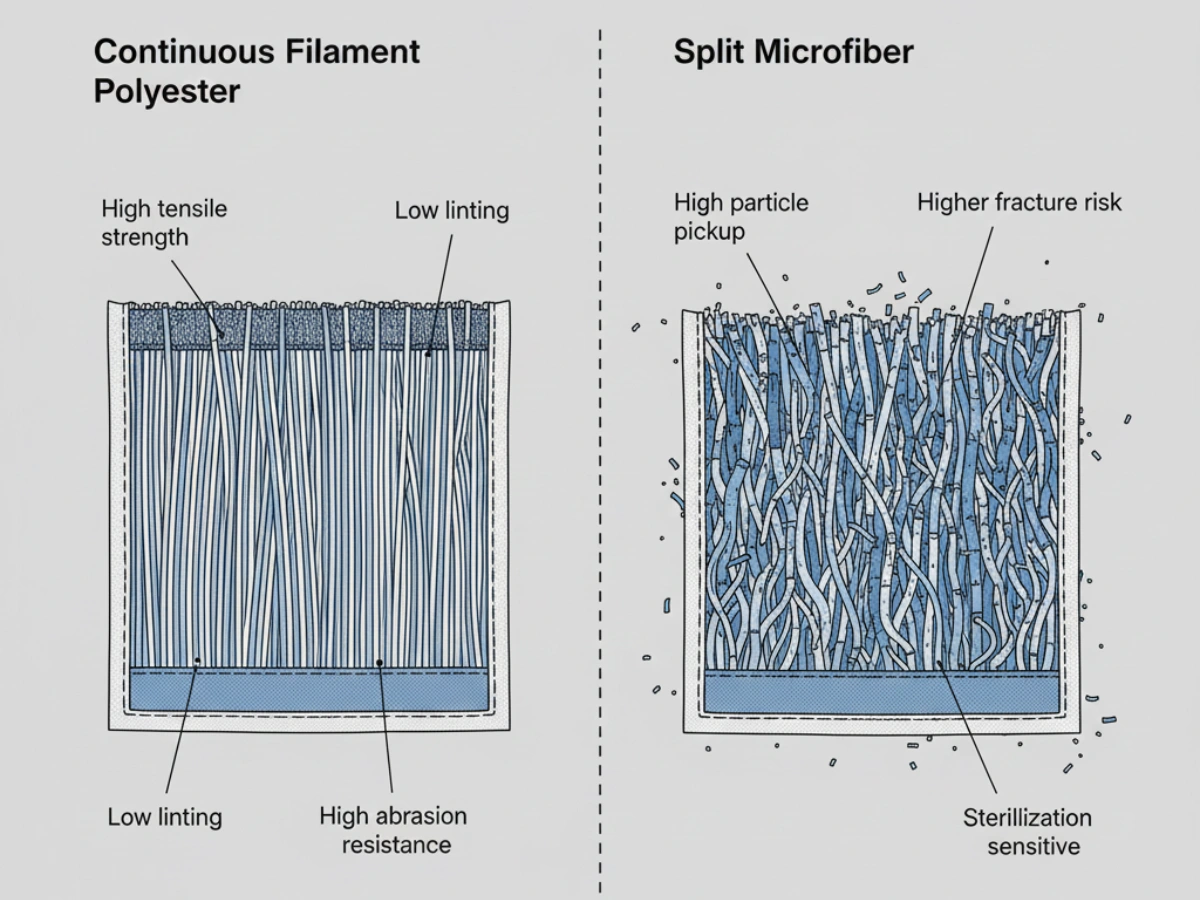
グレード A および B ゾーンでは、軽いモップヘッド重量 (40g ~ 55g) が好まれることがよくあります。これらは、無菌充填スイート内の一般に小さな表面積に適切な吸収性を提供すると同時に、厳密に構成されたクリティカルゾーンでオペレーターに優れた制御を提供します。重いヘッド (65g) はより多くの液体を運ぶことができ、ストロークあたりにより多くの表面積をカバーできるため、グレード B の廊下や前室などの広いオープンエリアでは有利ですが、グレード A の狭いスペースでは取り扱いに課題が生じる可能性があります。
グレード A および B ゾーンの場合、ドキュメント パッケージには少なくとも以下が含まれている必要があります。
すべてのクリーンルーム分類にわたる文書化についてさらに詳しく説明するには、
製薬用クリーンルームモップ GMP Annex 1 準拠このガイドでは、現在の付録 1 リビジョンに合わせたドキュメントの期待事項について説明します。より広範な文脈では、
製薬用クリーンルームモップの要件また、学年固有の枠組みを超えた施設レベルの考慮事項にも対応します。
グレード B は、グレード A には当てはまらない微妙な決定ポイントを示します。グレード B は無菌操作をサポートするバックグラウンド環境として機能するため、グレード B で使用されるモップの無菌要件は、そのゾーンがアクティブなグレード A 操作に接続されているかどうかによって異なります。
グレード B のモップを滅菌する必要があるかどうかの決定は、リスクベースの評価を通じて評価される必要があります。次の 3 つの条件は、非滅菌モップがスタンドアロンのグレード B 使用として評価される場合を示しています。
グレード B ゾーンはグレード A の作業から物理的に分離されており、無菌処理中にバックグラウンド環境として積極的に使用されることはありません。グレード B の部屋が「休止」状態にある場合、またはアクティブなグレード A の手術を直接サポートしない機能を提供している場合、無菌要件が再評価される可能性があります。
この施設には、特定のグレード B ゾーンで非滅菌モップを使用しても、ゾーンの定義された制限を超えて微生物や粒子が飛散しないことを実証する検証済みの洗浄プロトコルがあります。この検証には、停止状態と動作状態の両方で収集された環境モニタリング データが含まれる必要があります。
文書化された正式なリスク評価が QA によって実施され承認されており、グレード B ゾーンとグレード A の近さ、グレード B ゾーンでの作業の性質、洗浄頻度、環境モニタリング結果と製品品質に対する非滅菌モップの潜在的な影響が取り上げられています。
3つの条件がすべて満たされていれば、 非滅菌モップは、特定のグレード B ゾーンについて評価される場合があります。 いずれかの条件が完全に満たされていない場合、 滅菌モップは、グレード A の作業のバックグラウンドとして機能する場合、グレード B のデフォルト仕様である必要があります。疑わしい場合、特に規制検査中は、グレード B の滅菌モップを指定する保守的なアプローチが、一般に監査リスクを最小限に抑える方法です。
不妊の決定に関係なく、
グレード B モップの材料規格は通常、グレード A と一致する必要があります。: エッジがシールされた連続フィラメントポリエステルニット。その理論的根拠は、グレード B 環境では、サービスを提供するグレード A ゾーンを保護するために粒子数を十分に低く維持する必要があるということです。低グレードの材料をグレード B に導入すると (たとえば、粒子放出の可能性が高いマイクロファイバーなど)、材料品質の勾配が生じ、汚染制御戦略が損なわれる可能性があります。
モップの仕様が無菌コアを超えてグレード C および D ゾーンに移行すると、評価基準が変わります。中心的な問題は、もはや「無菌性の保証をどのように維持するか」ではなく、「より厳格でない環境分類内で、適切なコストで効果的な汚染管理を達成する方法」です。
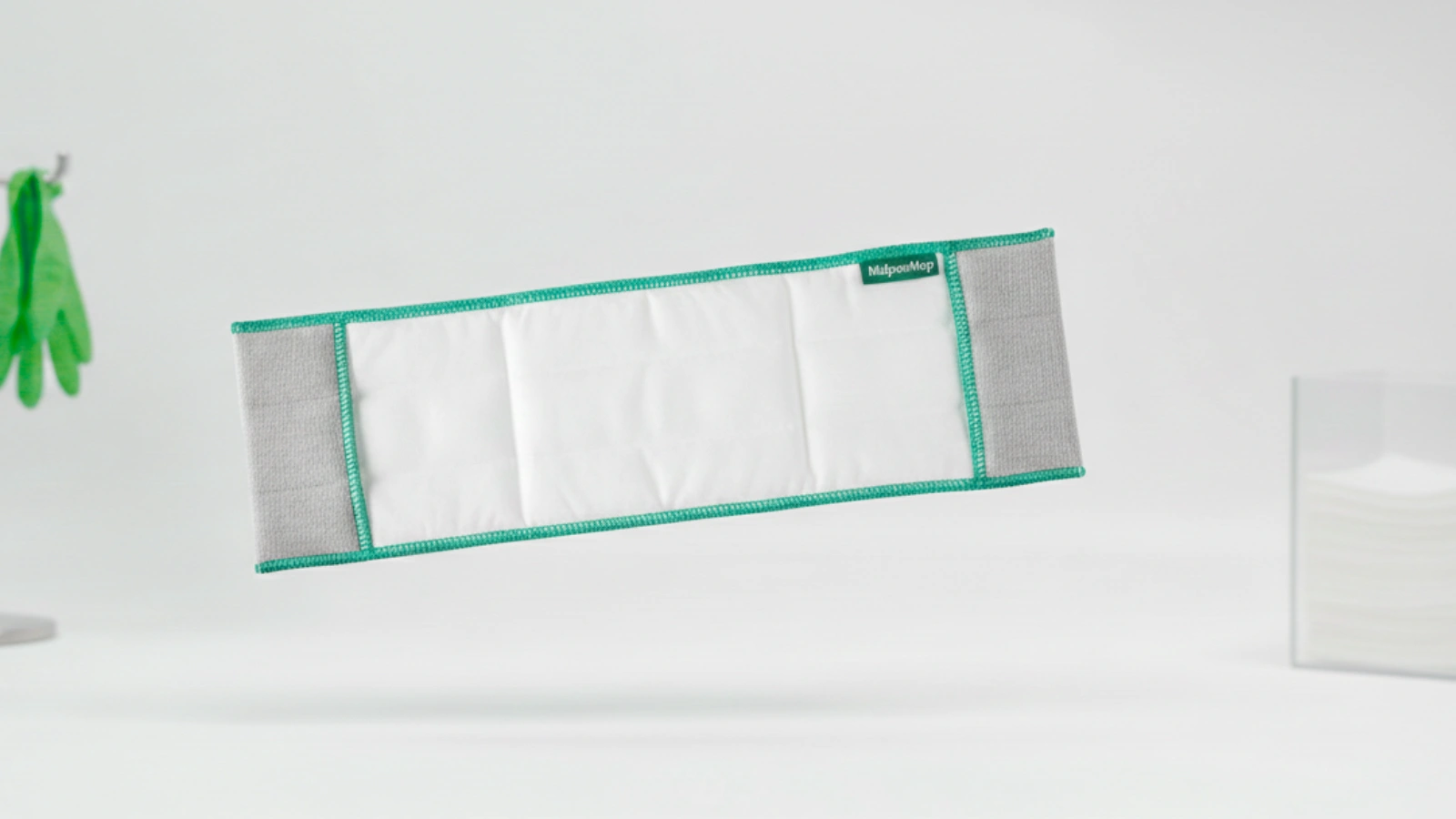
グレード C および D のアプリケーションの大部分では、
非滅菌モップは適切でコスト効率が高い。グレード C の粒子制限 (静止時 0.5 μm 以上で 352,000 個/m3 以下、動作時 3,520,000 個以下) およびグレード D の粒子制限 (静止時 3,520,000 個以下、動作時は定義されていない) により、より広範囲の清掃ツールの材質が許可されます。グレード C/D の滅菌モップを過剰に指定することは、複数グレードの施設でよく見られるコスト効率の悪い行為の 1 つです。 施設がグレード C の滅菌モップの使用を選択できるシナリオは限られています。たとえば、サプライ チェーン管理を簡素化し、間違ったモップが間違ったゾーンに入るリスクを軽減するために、施設がすべてのグレードで統一した滅菌モップ プログラムを採用している場合です。これは運用上の決定であり、規制上の要件ではないため、コストプレミアムと照らし合わせて評価する必要があります。
グレード C および D では、重要な決定が開かれます。ポリエステルとマイクロファイバーの両方が実行可能な選択肢となり得ますが、選択は施設の優先順位によって決定される必要があります。
の
マイクロファイバーとポリエステルのクリーンルームモップの比較粒子発生、吸収性、化学的適合性、耐久性、ライフサイクルコストにわたる材料のトレードオフについて、証拠に基づいた詳細な分析を提供します。これは、グレード C/D の材料の決定に直接関係します。
グレード C/D の使い捨てか再利用かの決定は、無菌性によるものではなく主に経済的なものです。低学年では、次のことに重点を置いて分析します。
これらの側面を比較する構造化されたフレームワークについては、「
クリーンルームモップの使い捨てと再利用の決定ガイド.
グレード A/B のモップが誤ってグレード C/D で使用されること (またはその逆) を防ぐための最も実用的なメカニズムの 1 つは、色分けシステムです。各グレードゾーンに個別のモップまたはトリムの色を割り当てることで、オペレータは正しいモップが使用されていることを一目で視覚的に確認できます。これはシンプルですが効果的な防御層です。
色分けの割り当ては、施設の清掃 SOP に文書化され、清掃ステーションに視覚的に掲示され、オペレーターのトレーニングに組み込まれる必要があります。配色は、覚えて一貫して適用できるほどシンプルである必要があります。
次の表は、このガイドのマスターリファレンスです。 4 つの GMP グレードすべてにわたる主要な仕様の側面を 1 つの比較ビューに統合します。これを法規制順守チェックリストとしてではなく、施設固有のモップ仕様を作成するための出発点として使用してください。
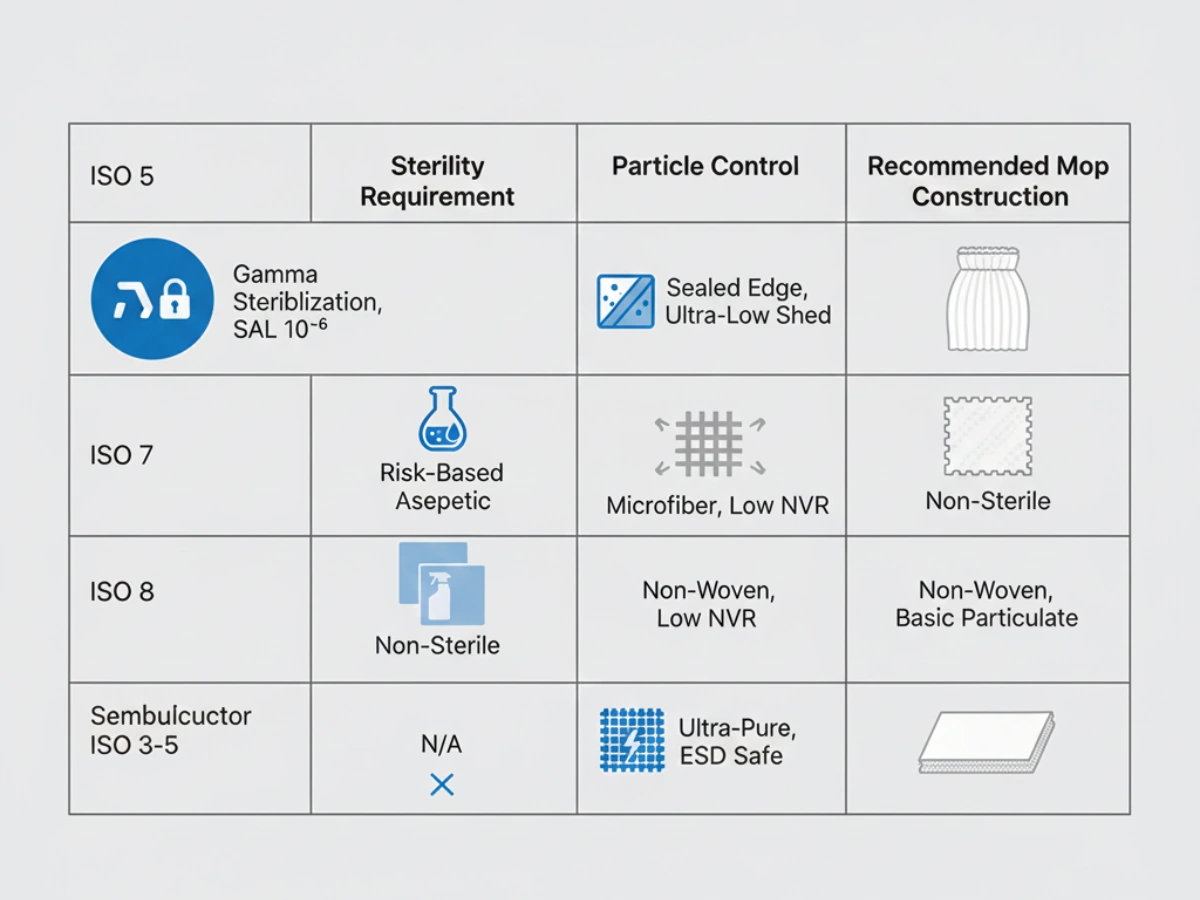
| 学年 | 無菌性 | 材料 | 体重範囲 | 包装 | ドキュメンテーション | 変更頻度 | 推奨される MIDPOSI オプション |
|---|---|---|---|---|---|---|---|
| あ | 最終滅菌(ガンマ線)。 SAL認証済み | 連続フィラメントポリエステルニット。レーザー/超音波シールされたエッジ | 40g ~ 55g (密閉された無菌空間でのオペレーター制御のための軽量ヘッド) | 二重袋入り。段階的無菌移送プロトコル | COA + 無菌証明書 (バッチごと) + 粒子試験データ + CoC + バッチのトレーサビリティ | 清掃イベントごとまたはエリアごと。クリーニングSOPで検証済み | ホワイトモップ 40g/55g 滅菌済 |
| B | グレード A に接続すると無菌になります。非滅菌はスタンドアロンゾーンで評価される可能性があります(リスクベース) | 連続フィラメントポリエステルニット。シールされたエッジ。ほとんどの場合、グレード A と同じ材質規格 | 55g(共通)より広い領域では 65g が評価される可能性があります | 滅菌時には二重袋に入れられます。非滅菌の場合は単一バッグでも許容される場合がある | COA + 無菌証明書 (無菌の場合) + 粒子試験データ + トレーサビリティ | 接続されたグレード A を提供する場合は、グレード A のスケジュールに合わせます。それ以外の場合は、B 固有のスケジュールに従う場合があります | ホワイトモップ 55g/65g 滅菌済み (A に接続); 55g/65g 非滅菌 (スタンドアロン、リスク評価済み) |
| C | 非滅菌 (通常)。無菌 均一プログラム用のオプション | ポリエステルまたはマイクロファイバー (リスクベース);化学的適合性が重要な場合にはポリエステルが好ましい。洗浄効果を重視したマイクロファイバー | 55g ~ 65g (より広いサポート領域のカバー効率) | バルクまたは単一バッグ。包装の清潔さの基準 | COA+素材認証 | 施設の清掃プロトコルによって定義されます。通常はエリアごとまたはシフトごとに | ホワイトモップ 55g/65g 未滅菌。マイクロファイバーストライプモップパッド |
| D | 非滅菌。無菌は通常、グレード D の用途ではコスト効率が悪い | ポリエステルまたはマイクロファイバー。コスト効率、洗浄パフォーマンス、ゾーン分離ドライブの選択 | 55g~65g | バルク包装は通常許容されます | COA+素材認証 | 施設の清掃プロトコルによって定義されます。通常、汚れの負荷により変更頻度が最も高くなります | ホワイトモップ 55g/65g 未滅菌。マイクロファイバーストライプモップパッド;色分けされたオプション |
重要な免責事項: これらは、規制上の義務ではなく、業界の一般的な慣行と材料科学の原則に基づいた一般的な評価ガイドラインです。特定の施設のリスク評価、洗浄検証プロトコル、製品と接触の近接性、および現在適用される規制要件 (EU GMP Annex 1、PIC/S、WHO、現地管轄当局) が最終的なモップ仕様を決定する必要があります。 「推奨される MIDPOSI オプション」列は、一般的なグレードの期待と MIDPOSI の製品ポートフォリオの整合性を反映しています。規制上の推奨を構成するものではありません。各施設は、特定の使用条件に応じてモップ製品の独自の認定を実施する必要があります。
モップヘッドの重量が洗浄性能、吸収性、オペレーターの疲労にどのように影響するかについては、上の重量欄に直接影響するものを参照してください。
クリーンルームモップヘッド重量選択ガイド。マトリックスにリストされているドキュメント項目については、
クリーンルームモップの検証文書とCOAこのガイドでは、各文書タイプの詳細な説明と、サプライヤーの提出物を検討する際にバイヤーが確認すべき事項について説明します。
次の 5 つのシナリオは、クリーンルーム モップの選択に対するグレード階層化アプローチが完全に導入されていない施設で一般的に観察される問題を表しています。それぞれに実践的な修正指導が含まれています。
問題: 施設は 1 つのモップ仕様 (通常、グレード A に適した滅菌ポリエステル製の二重袋構成) を購入し、無菌コアからグレード D の材料ステージングまでのすべてのグレードに導入します。これにより、均一な品質が保証されますが、グレード C および D では、非滅菌、単一バッグ、またはバルクパッケージのオプションが機能的に適切である場合に、大幅な不必要なコストが発生します。
修正方法: 各ゾーンを実際の規制要件と運用要件にマッピングします。グレード A ゾーン (および接続されたグレード B) 用にグレード A 仕様を予約します。グレード C および D には、非滅菌で適切にパッケージ化されたモップを導入します。このグレード階層化によるコスト削減効果は、通常、複数のモップ SKU を管理する管理労力の増分を上回ります。
問題: ある施設は、「どこでも滅菌モップを使用する」ことがより安全な位置であると認識されているため、グレード D ゾーンで最終滅菌された二重袋入りのモップを使用しています。浮遊粒子制限がグレード A の 1,000 倍であるグレード D では、滅菌モップ プレミアムはコストに比べて最小限の汚染管理効果しか得られません。
修正方法: 施設の管轄区域におけるグレード D の特定の規制要件を確認してください。ほぼすべての場合、グレード D では滅菌洗浄ツールは必要ありません。オペレーターのミス (滅菌モップを非滅菌モップと間違える) が懸念される場合は、在庫全体を過剰に指定するのではなく、色分け、ラベル付け、トレーニングを通じてこれに対処します。
問題: グレード B は、「単なるよりクリーンなグレード C」として誤って特徴づけられることがあり、グレード A の作業の背景として機能するグレード B のエリアに非滅菌、未検証のモップを仕様化することにつながります。これにより、無菌コアと支持環境との境界に汚染制御ギャップが生じます。
修正方法: グレード B がグレード A の背景として機能する場合、そのモップの材質と滅菌基準はグレード A と一致しているものとして扱います。仕様を非滅菌に格下げするのは、正式に文書化されたリスク評価がそれを裏付けており、グレード B の決定枠組み (セクション 4) の 3 つの条件が満たされている場合のみです。
問題: モップヘッドの仕様はグレードに応じて階層化されていますが、モップのフレームとハンドルは階層化されていません。オペレーターは、グレード A、B、C、D で同じ再利用可能なステンレス鋼フレームとハンドルを使用し、ゾーン間でモップヘッドのみを変更します。これは、すべてのグレードで同じモップを使用することと機能的に同等です。フレーム自体が、異なる分類のゾーン間で粒子、残留物、微生物を運ぶ可能性があります。
修正方法: モップフレーム(および可能な場合はハンドル)を特定のグレードゾーン専用にします。少なくとも、無菌コア (A/B) フレームをサポート ゾーン (C/D) フレームから分離します。フレームを色分けするかラベルを付けて、割り当てミスを視覚的にわかりやすくします。クリーニングSOPにフレームとハンドルの割り当てを含めます。
問題: 施設の QA チームは、グレードに関係なくサプライヤーに同じ文書パッケージ (グレード D モップの滅菌証明書) を要求するか、「COA で十分だった」という理由でグレード A モップの粒子試験データを省略します。これにより、2 つのリスクが生じます。1 つは規制上の利点がないのにサプライヤーのコストが追加される過剰な文書化、もう 1 つはモップ資格記録に重大なギャップを残す過小文書化です。
修正方法: モップ供給業者の品質契約でグレード固有の文書要件マトリックスを定義します。グレード A/B: 完全な文書パッケージ (滅菌証明書、COA、粒子データ、CoC、トレーサビリティ)。グレード C/D: ベースラインとしての COA および材料認証。特定のリスク評価によって正当化される場合にのみ追加文書が付属します。内部監査およびサプライヤーの品質レビュー中にレビュー項目として文書マトリックスを含めます。
グレード A の無菌製造エリアでは、最終滅菌済み (通常はガンマ線照射済み)、レーザーシールまたは超音波シールされたエッジを備えた連続フィラメント ポリエステル ニット モップが、段階的な無菌移送用に二重袋に入れられた、最も一般的に推奨される構成です。限られた無菌充填スペースでのオペレータ制御には、通常、より軽いモップヘッド重量 (40g ~ 55g) が好まれます。文書には、バッチごとの滅菌証明書、分析証明書、指定された方法論による粒子試験データ、適合証明書、およびバッチのトレーサビリティ記録が含まれている必要があります。各施設は、特定の製品との接触の近接性、洗浄検証データ、および地域の規制要件が、選択したモップ仕様によって満たされていることを検証する必要があります。
常にではありませんが、グレード A の操作の背景として機能するグレード B ゾーンのデフォルトの推奨事項は不毛です。非滅菌モップは、次の 3 つの条件が満たされた場合にのみ、独立したグレード B ゾーンについて評価できます。(1) グレード B ゾーンは物理的に独立しており、グレード A の無菌操作中にバックグラウンドとして積極的に使用されていない、(2) 施設には、非滅菌モップによる環境モニタリングの逸脱がないことを示す検証済みの洗浄プロトコルがある、および (3) 正式に文書化されたリスク評価が実施され、QA によって承認されている。いずれかの条件が完全に満たされていない場合は、滅菌モップを仕様のままにする必要があります。実際には、多くの施設では、規制監査の質問を避けるために、デフォルトですべてのグレード B の滅菌モップを使用しています。
はい、ほとんどの場合、グレード C と D で同じモップ仕様を使用できます。どちらも基本的に同様の洗浄ツール要件 (非滅菌、粒子制御、化学適合性) を持つ非無菌サポート ゾーンであるためです。ただし、施設は、通常、色分け、ゾーン専用のモップ在庫、および SOP で定義された使用プロトコルを通じて、あるゾーンで使用されたモップが適切な洗浄または交換なしに他のゾーンに入るのを防ぐメカニズムを実装する必要があります。汚れの負荷がより高い可能性があるグレード D で使用されたモップは、検証された洗浄プロセスを経ずにグレード C に持ち込まれるべきではありません。モップヘッド自体は同じ製品である場合があります。使用プロトコルによってゾーンが区別されます。
グレード A のモップ検証の場合、監査人は通常次の内容を確認することを期待します。 (1) バッチ識別子、滅菌方法 (例: ガンマ線照射)、滅菌日、および滅菌保証レベル (SAL、通常 10) を含む製造バッチごとの滅菌証明書
-6); (2) 重量、寸法、材料組成を確認するバッチごとの分析証明書 (COA)。 (3) 指定された試験方法による粒子発生試験データ (例: IEST-RP-CC003 に基づく Helmke ドラム試験または Gelbo flex 試験)。 (4) 製品が記載された仕様を満たしていることを確認する適合証明書。 (5) モップバッチを原料ロット、製造日、滅菌サイクル記録に結び付けるバッチトレーサビリティ記録。 (6) 該当する場合、非経口製品の無菌処理に使用される製品のエンドトキシン試験データ。監査人はまた、サプライヤーが提供する文書だけでなく、内部評価を通じてモップが特定の使用条件に適合していることを施設が証明することも期待します。
主な違いは、グレード A では、エッジがシールされた連続フィラメント ポリエステル ニットが要求されることです。これは、粒子の脱落を最小限に抑え、酸化性消毒剤との化学的適合性を最大限に高めるために最適化された材料構成です。グレード C では、ポリエステルとマイクロファイバーの両方を含む素材の決定が始まります。粒子制御と化学的適合性が優先される場合、ポリエステルは引き続きデフォルトの選択肢となります。洗浄効果(吸収性、機械的粒子捕捉、残留物の除去)が優先され、施設の消毒剤配合がほとんどのマイクロファイバーブレンドに含まれるポリアミド(ナイロン)成分と互換性がある場合、マイクロファイバーはグレード C で評価される場合があります。グレード A の材料仕様は、無菌コアでは粒子放出速度のわずかな違いによる汚染リスクが大幅に高くなるため、より厳格です。
グレード B では、使い捨て構成と再利用可能な構成の両方が実行可能であり、グレードベースのルールではなく、施設固有の運用上の優先順位によって選択する必要があります。使い捨て滅菌モップは、再利用の検証の負担 (洗浄、乾燥、再滅菌プロトコル) を排除し、不適切に洗浄された再利用可能品のリスクを排除します。操作は簡単ですが、使用ごとに材料コストが高くなります。再利用可能な滅菌モップ (通常はオートクレーブ可能) は、ライフサイクル全体にわたって使用ごとのコストが低くなりますが、検証済みの洗浄および再滅菌インフラストラクチャが必要です。実際には、その決定は、(1) 施設がすでにクリーンルームランドリーを運営しているかどうか、(2) グレード B のモップ交換頻度、および (3) 潜在的な再利用関連の汚染に対するリスク許容度に依存することがよくあります。多くの施設では、無菌コア (グレード A) で使い捨て品を使用し、量とコストに基づいて再利用品をグレード B として評価しています。
グレードごとに単一の「最適な」重量はありませんが、一般的な推奨事項は次のとおりです。
グレードA:40g ~ 55g。ヘッドが軽いと、無菌充填スイートに特有の限られたスペースでのオペレーターの制御が向上し、洗浄イベントごとの表面積が通常より小さくなります。
グレードB:廊下や前室では 55g が一般的なミッドレンジの選択肢です。カバレッジ効率が優先される、より大きなグレード B の部屋では 65g が評価される場合があります。
グレードC/D:55g~65g。サポート面積が大きいほど、より重いモップヘッドのより高い吸収性とより広い範囲をストロークごとにカバーできるためです。重量の決定は、施設の洗浄液の量 (ヘッドが重いほど多くの液体が運ばれます)、オペレーターの人間工学 (ヘッドが軽いほど長時間の清掃作業での疲労が軽減されます)、およびモップのフレームのさまざまなヘッド重量との互換性にも影響されます。完全な選択フレームワークは、クリーンルーム モップ ヘッド重量ガイドに記載されています。
クロスゾーンモップエラーを防ぐには、物理的、手順的、およびトレーニングによる制御を組み合わせて行う必要があります。(1)
色分け:各グレードゾーンに個別のモップまたはトリムの色を割り当て、その計画が清掃ステーションに掲示されていることを確認します。たとえば、グレード A/B には白のモップ、グレード C には青、グレード D には緑のモップが使用されます。 (2)
物理的な分離:各グレードゾーンのモップを物理的に別々の場所に保管します。グレード A/B とグレード C/D のモップを、明確な視覚的境界がない限り、同じキャビネットまたはカートに保管しないでください。 (3)
SOP ドキュメント:各モップの種類とその割り当てられたゾーンの写真とともに、ゾーン固有のモップの識別を清掃 SOP に含めます。 (4)
オペレーターのトレーニング:定期的な能力評価とともに、GMP 清掃トレーニングに特定の「モップゾーンのマッチング」モジュールを組み込みます。 (5)
ラインクリアランスと切り替えの検証:清掃シフトを開始する前に、各ゾーンに配置されたモップがゾーンの割り当てと一致していることを確認してください。 (6)
インシデントの報告:クロスゾーン モップ エラーに対する CAPA トリガーのしきい値を定義して、孤立したオペレーター エラーとして扱われるのではなく、システムの問題が調査されるようにします。
グレード A の滅菌コアからグレード D のサポート領域まで、施設のグレード要件について当社の技術チームと話し合ってください。 MIDPOSI ホワイト クリーンルーム モップ シリーズは、エッジがシールされた 100% 連続フィラメント ポリエステル ニット構造を提供し、重量 40g、55g、および 65g の滅菌 (ガンマ線照射、二重袋入り) および非滅菌構成で利用可能です。サプライヤー認定プロセスをサポートするために、リクエストに応じて、分析証明書、および無菌構成の場合は無菌証明書を含む文書パッケージを入手できます。
MIDPOSI は、製薬、バイオテクノロジー、医療機器メーカーにクリーンルーム モップを供給しています。分析証明書 (COA)、および滅菌製品の場合は滅菌証明書を含むバッチレベルの文書は、ご要望に応じて入手可能です。グレード A の無菌コアからグレード D のサポートゾーンまで、施設のグレード固有のモップ要件について話し合い、内部評価用の製品サンプルをリクエストするには、当社のチームにお問い合わせください。