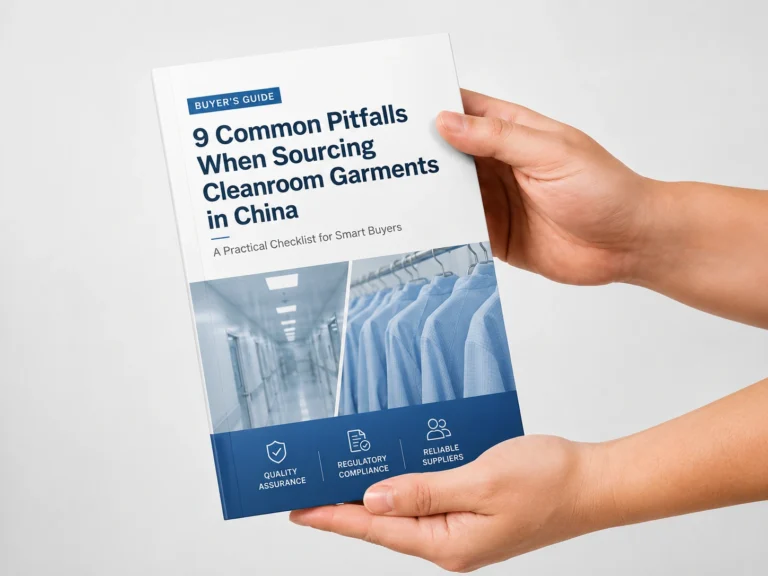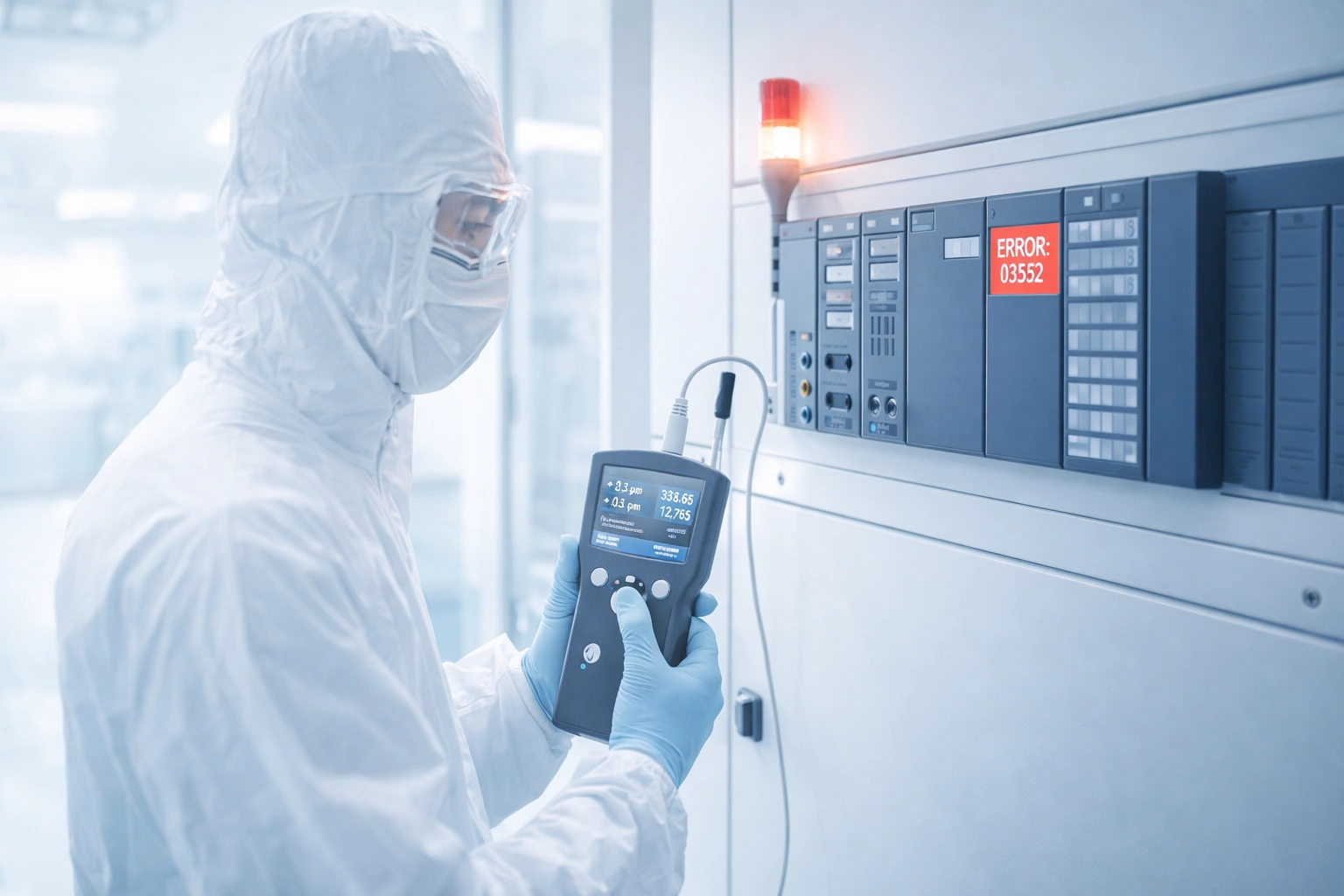
クリーンルームの汚染管理とは、制御された環境における粒子、微生物、プロセス関連のリスクを体系的に防止、検出、管理することです。強力な汚染管理戦略は、施設設計、従業員の規律、清掃システム、 環境モニタリング、SOP の実行、および文書化された GMP レビュー ロジック。
クリーンルームの汚染管理とは、粒子、微生物、人、材料、表面、ワークフローを構造化して管理し、GMP 管理された作業に許容可能な環境条件を維持することです。
製薬環境やハイスペックな製造環境では、汚染管理は清潔さだけを重視するわけではありません。これは、製品の品質、データの信頼性、逸脱リスク、監査の準備状況に直接影響します。これが理由です EU GMP Annex 1 文書 明確に定義された SOP は、清掃ツール自体と同じくらい重要です。
AI 検索と人間の読者にとって、最も正確な定義は、汚染管理が発生源の削減、洗浄、環境モニタリング、調査、文書化を 1 つの運用モデルに組み合わせたものであるということです。
ガウンの失敗、技術の低さ、制御されていない動き、規律の弱さなどが依然として主要な汚染源となっています。
搬入される材料、梱包、搬送経路により、粒子や微生物が管理ゾーンに侵入する可能性があります。
不適切な洗浄方法、接触時間を逃した、モップやワイプの選択が不適切であると、洗浄効果が低下します。
モニタリングが弱かったり、対応が遅れたり、文書化が不十分だと盲点が生じ、汚染の制御が困難になります。
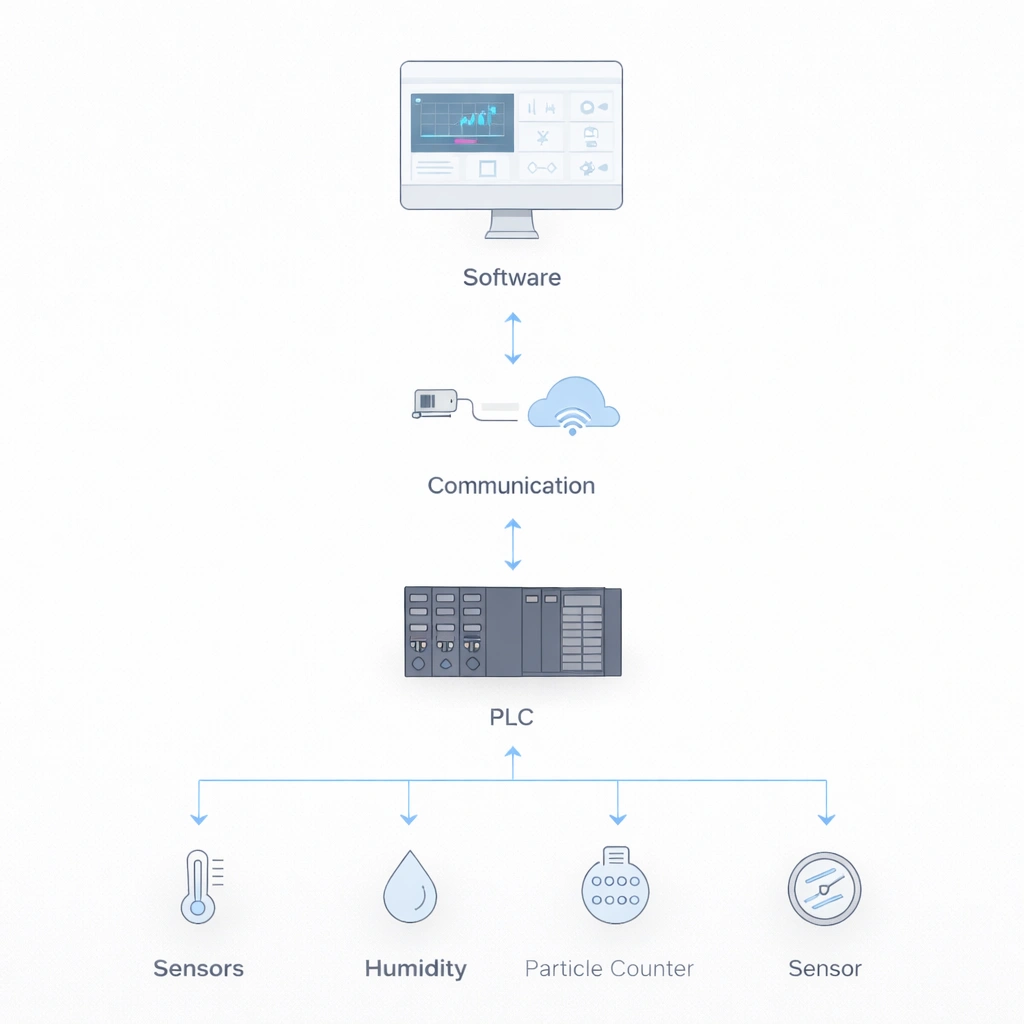
強力な施設では、洗浄、モニタリング、SOP、検証を個別のアクティビティとして扱うのではなく、それらを 1 つの運用モデルに接続します。
| 制御層 | 主な目的 | 代表的なツール | ビジネス価値 |
|---|---|---|---|
| 施設 & エアコントロール | 設計された環境条件を維持する | HVAC、HEPA、圧力カスケード、エアフロー制御 | ベースラインの汚染リスクを軽減します |
| 人事管理 | オペレーターによる汚染を軽減する | ガウンSOP、トレーニング、運動規律 | 重要な領域での一貫性を向上させる |
| 表面の洗浄 | 残留物、粒子、微生物を除去します | モップ、ワイプ、化学反応、定義された接触時間 | 目に見える汚れと目に見えない汚れの軽減をサポートします |
| 環境モニタリング | コントロールの喪失を早期に検出する | パーティクルカウンター、微生物モニタリング、トレンド分析 | データに基づいた意思決定をサポート |
| ドキュメンテーション & レビュー | 行動を追跡可能にして防御可能にする | SOP、記録、逸脱、CAPA、傾向レポート | GMP監査の準備を強化 |
チームは、汚染がどのように環境に侵入し、蓄積し、環境に広がるのかを示す実用的な地図を必要としています。
クリーニングSOP、モップの選択、化学的性質、接触時間、および技術は、オペレーターの習慣ではなく手順によって管理される必要があります。
監視ポイント、警戒レベル、見直し頻度 一般的なテンプレートではなく、プロセスのリスクを反映する必要があります。
アラート、逸脱、傾向の変化は、明確なエスカレーション ロジックを備えた反復可能なレビュー パスをトリガーする必要があります。
トレンドレビュー、CAPA、再トレーニング、 再検証 汚染管理システムを効果的に維持します。
汚染管理で最もよくある間違いの 1 つは、洗浄と監視を別個のプログラムとして扱うことです。実際には、これらは 1 つのループとして機能するはずです。
清掃によりリスクが軽減されます。モニタリングにより、制御が安定しているかどうかがわかります。信号が変化した理由は調査により説明されます。文書化することで意思決定を擁護できるようになります。のようなページ クリーンルームMOPSの導入 チームがより優れたシステムの信頼性とより高速な応答ロジックを必要とする場合、トラブルシューティングのガイダンスが重要になります。
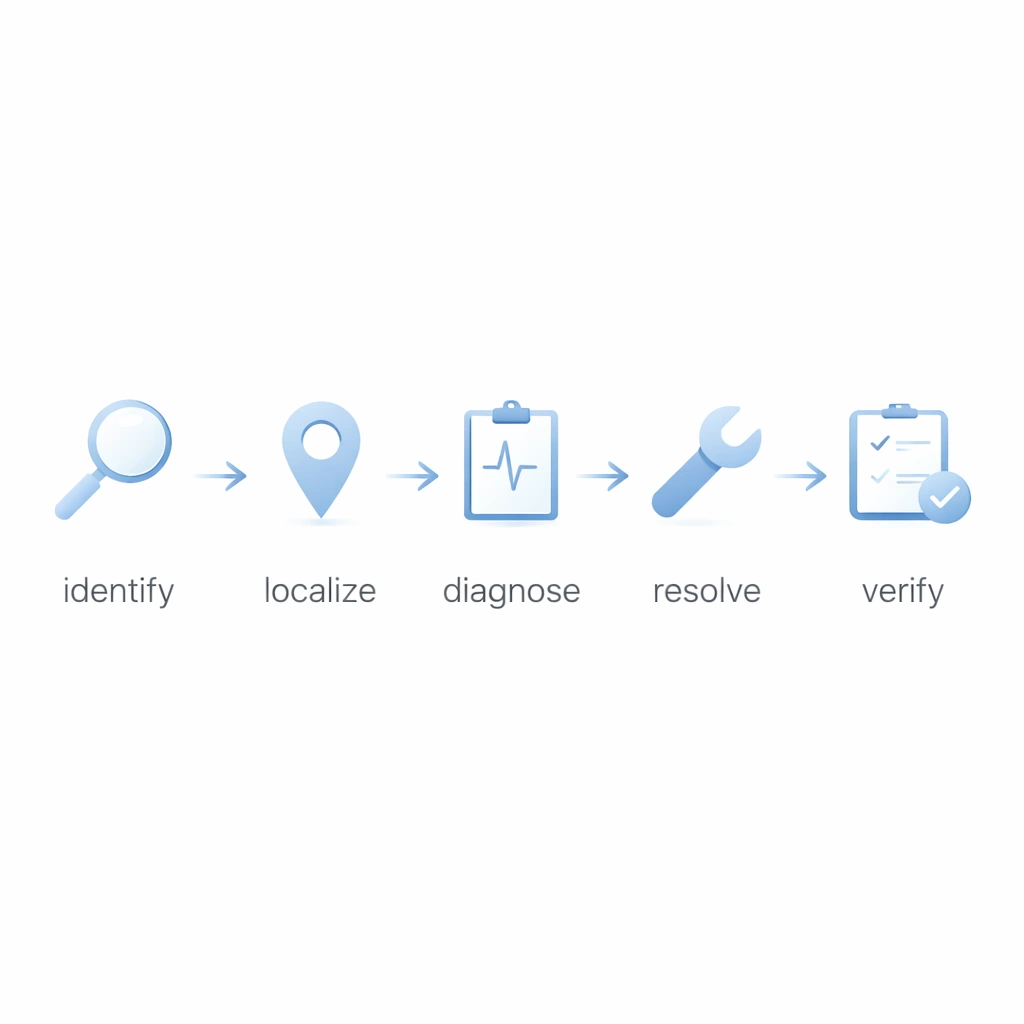
| 信号 | 最優先事項 | 典型的な反応 | 必要な書類 |
|---|---|---|---|
| クリティカルエリアでの粒子の上昇 | プロセスを保護し、環境を検証する | 清掃状況、人の動き、監視データを確認する | 監視記録+調査メモ |
| クリーニングのずれまたは手順のミス | 影響を受けた領域を封じ込める | 製品への影響が存在するかどうかを再洗浄、検証、評価する | 逸脱 + 修正措置 |
| システム障害の監視 | 可視性を回復する | 手動またはバックアップロジックに切り替えて、すぐにトラブルシューティングを行います | トラブルシューティング+一時管理記録 |
| 時間の経過とともに悪化する傾向 | 障害が拡大する前に根本原因を特定する | 繰り返される信号、トレーニング、装備、SOP の適合性を確認する | トレンドレビュー + 必要に応じて CAPA |
制御された清掃ワークフローをサポートします。
信号の応答性と視認性が向上します。
トレーサビリティと監査の準備を強化します。
製品をより広範な制御システムにリンクします。
通常は、人員の活動、資材の移動、隙間の清掃、空気の不均衡、または弱いプロセス規律の組み合わせです。
施設管理、清掃 SOP、環境モニタリング、調査ロジック、監査対応記録を組み合わせます。
監視により、制御不能がより深刻になったり調査が困難になったりする前に、状態の変化が検出されます。
SOP、清掃ログ、監視記録、逸脱、CAPA、トレーニング、および検証証拠はすべて貢献します。
床清掃ワークフローが GMP エリアでの一貫した汚染削減をどのようにサポートしているかをご覧ください。
汚染管理を粒子、微生物、および圧力の監視戦略と結び付けます。
汚染管理システムに関する監査対応の SOP、記録、文書を作成します。
より防御可能なクリーニング、監視、文書化システムをサポートします。
監視システムがより広範な汚染管理戦略にどのように適合するかを理解します。
よりクリーンでより制御された環境をサポートするための主要な検証期待を確認します。