GMP 製薬およびバイオテクノロジー施設でクリーンルーム モップ システムを選択するための実用的なフレームワーク。 QA リーダー、施設管理者、調達チーム向けの材料特性、無菌性評価、生地の比較、ハードウェア オプション、製品評価基準をカバーします。
GMP 施設用のクリーンルーム モップを選択するには、相互に関連する 3 つの基準を評価する必要があります。 材料の適合性 施設の洗浄剤を使用して、 無菌要件 クリーンルームのグレードとリスク評価に基づいて、 ハードウェアの耐久性 日々の運用需要に対応します。実際には、製品の適合性は施設のクリーンルームグレード、SOP、消毒剤、検証プロセスによって異なります。次のセクションでは、汚染管理プログラムに適合する仕様を構築できるように、各要素を詳しく説明します。
医薬品およびバイオテクノロジーの製造においては、効果的な汚染管理が非常に重要です。適切な GMP クリーンルーム モップを選択すると、均一な消毒剤の適用、効率的な残留物の除去、および相互汚染のリスクの軽減がサポートされます。 QA マネージャー、生産マネージャー、クリーンルーム マネージャー、調達チームにとって、適切な洗浄ツールを調達するには、材料、人間工学、および滅菌能力を慎重に評価する必要があります。の徹底的な理解 クリーンルームモップシステムの概要 コンポーネントレベルの決定に入る前に、有用なコンテキストを提供します。施設固有のガイダンスについては、に関する記事を参照してください。 GMP施設清掃用クリーンルームモップ.
クリーンルーム用モップは通常、第 4 級アンモニウム化合物、過酸化水素、次亜塩素酸ナトリウムなどの強力な洗浄剤に耐えることが期待されます。モップの素材を評価する際、購入者はモップのカバー素材が施設で使用されている特定の消毒剤による耐薬品性をテストされているかどうかを確認する必要があります。粒子の発生が少ないことと抽出物が制御されていることは、サプライヤーの文書で確認する必要がある重要な材料特性です。
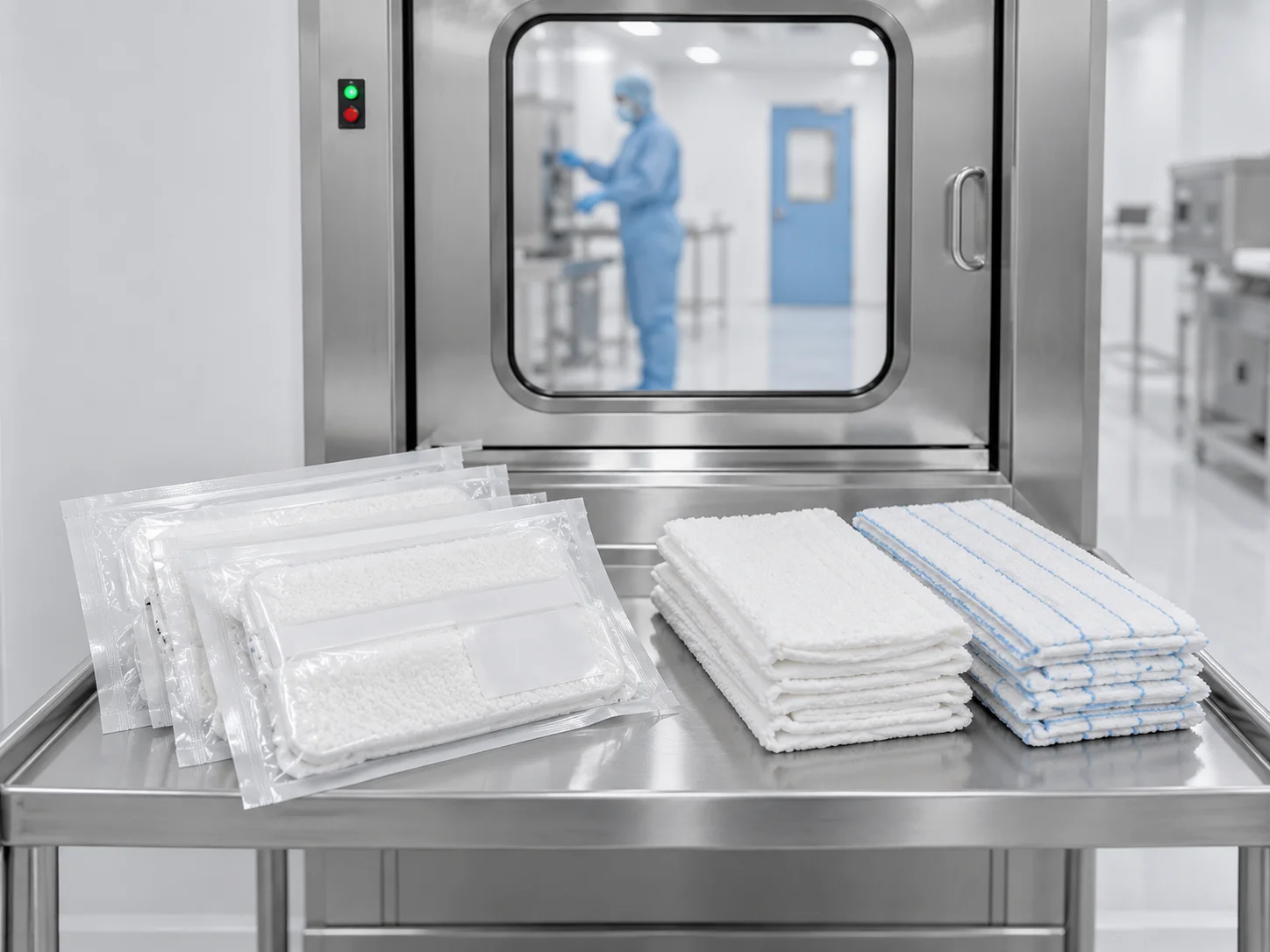
滅菌または事前滅菌されたモップ カバーは、多くの場合、SOP、リスク評価、および検証要件に基づいて、高リスクの無菌領域に対して評価されます。購入者は、施設の能力に応じて、事前滅菌済みのクリーンルームモップカバーまたは社内オートクレーブ処理を検討できます。社内滅菌を選択する場合、ハードウェア — 具体的にはフレームとハンドル — 繰り返しの高温高圧サイクルへの適合性を評価する必要があります。サプライヤーが使用する滅菌方法は、想定されるものではなく、サプライヤーの文書によって確認される必要があります。
広いクリーンルームの天井、壁、床の清掃は肉体的にも負担がかかります。モップ システムの重量は、複数のシフトにわたるオペレータの疲労に影響を与える可能性があります。バランスの取れたシステムは、耐久性のあるハードウェアと扱いやすい重量を組み合わせて、オペレーターに不必要な負担をかけることなく、一貫した接触圧力と洗浄範囲をサポートします。
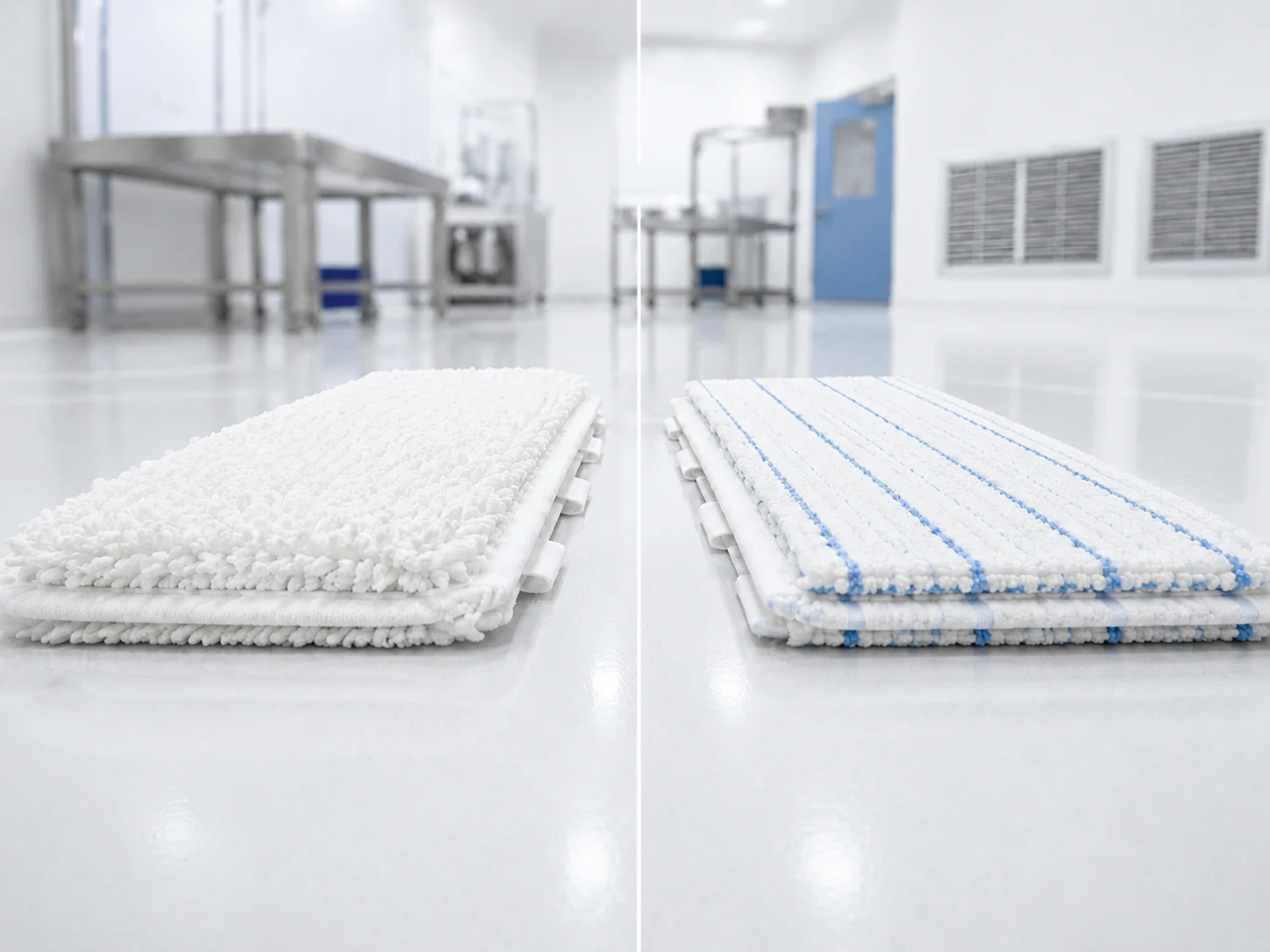
生地の選択は、吸収性、表面被覆率、粒子制御に直接影響します。クリーンルーム モップ カバーに使用される最も一般的な 2 つの素材は、マイクロファイバーとポリエステルです。それぞれに異なるトレードオフがあり、購入者は施設固有の汚染管理の優先事項と比較検討する必要があります。さらに詳しく知りたい場合は、次のサイトを参照してください。 マイクロファイバークリーンルームモップガイド.
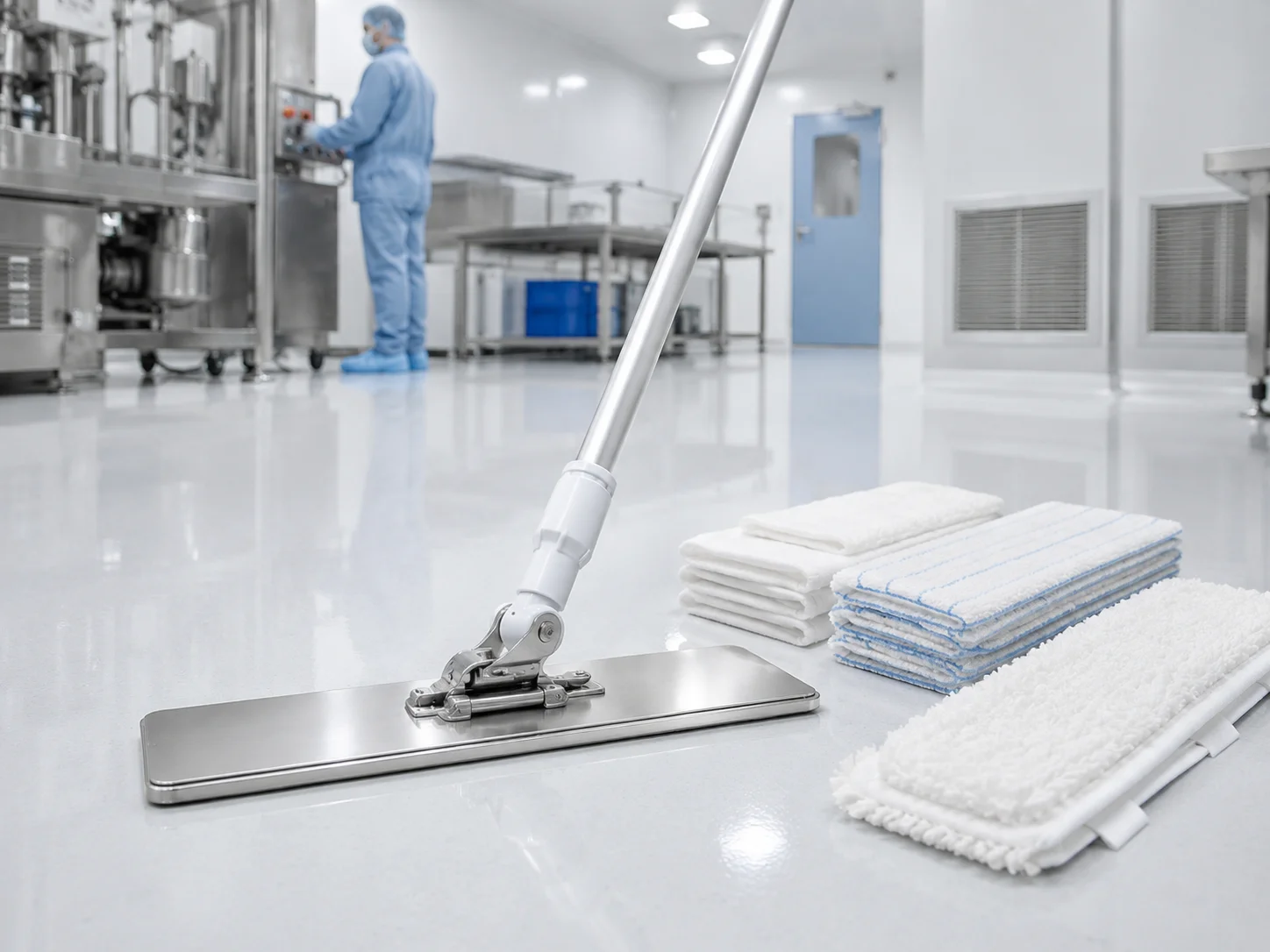
マイクロファイバーはポリエステルとポリアミドのブレンドから作られています。微細な繊維構造により表面積が大きくなり、マイクロファイバー モップ カバーの吸収性が非常に高く、微粒子を効果的に捕捉します。
100% 連続フィラメント ポリエステルで編まれたこれらのカバーは、粒子の発生が少なく、化学的適合性が高いように設計されています。
モップ カバーの性能は、モップ カバーを保持するハードウェアの品質に大きく依存します。クリーンルーム用のハードウェアは耐食性があり、掃除が簡単で、汚染物質が蓄積する可能性のある隙間がないことが必要です。
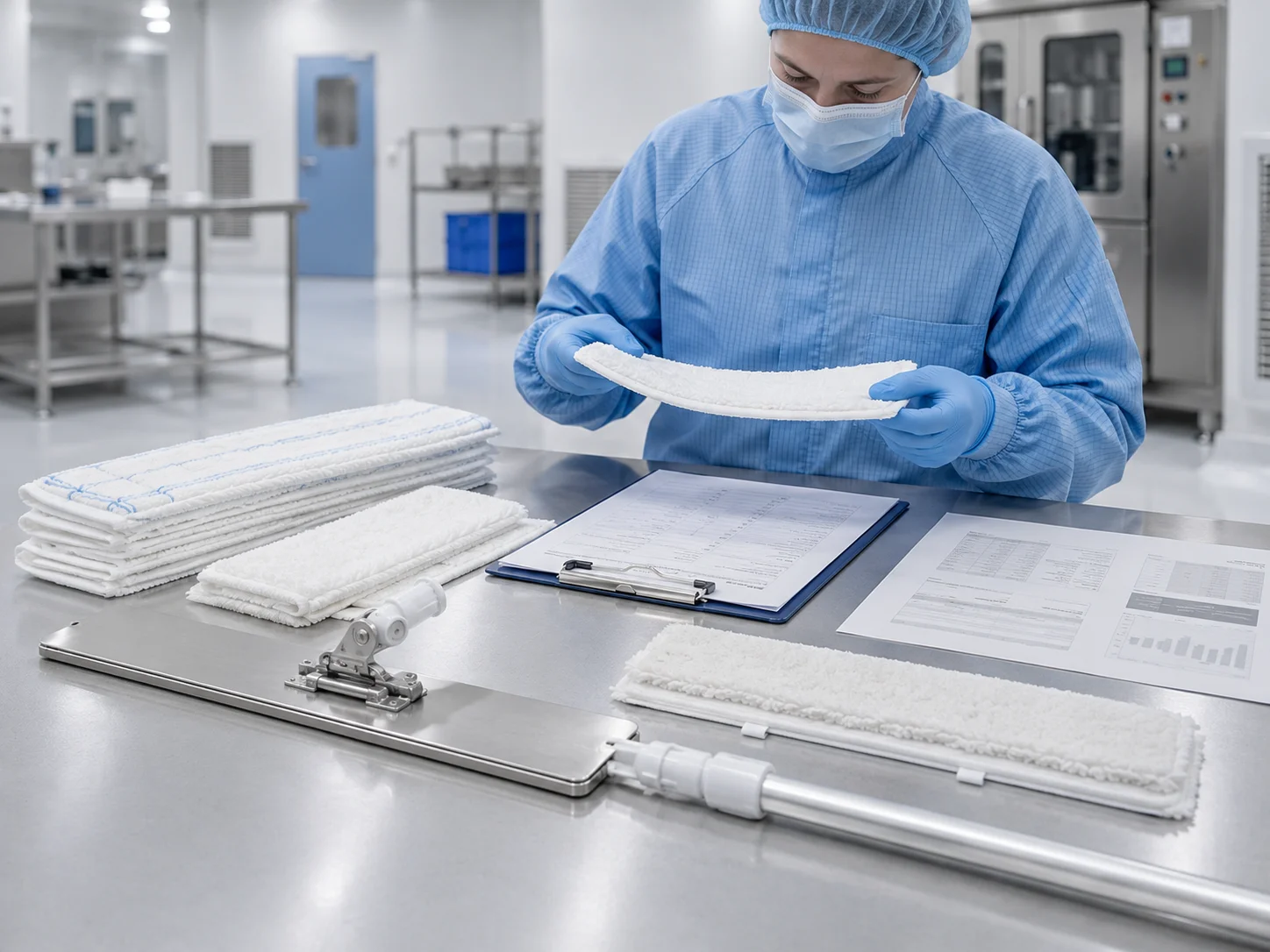
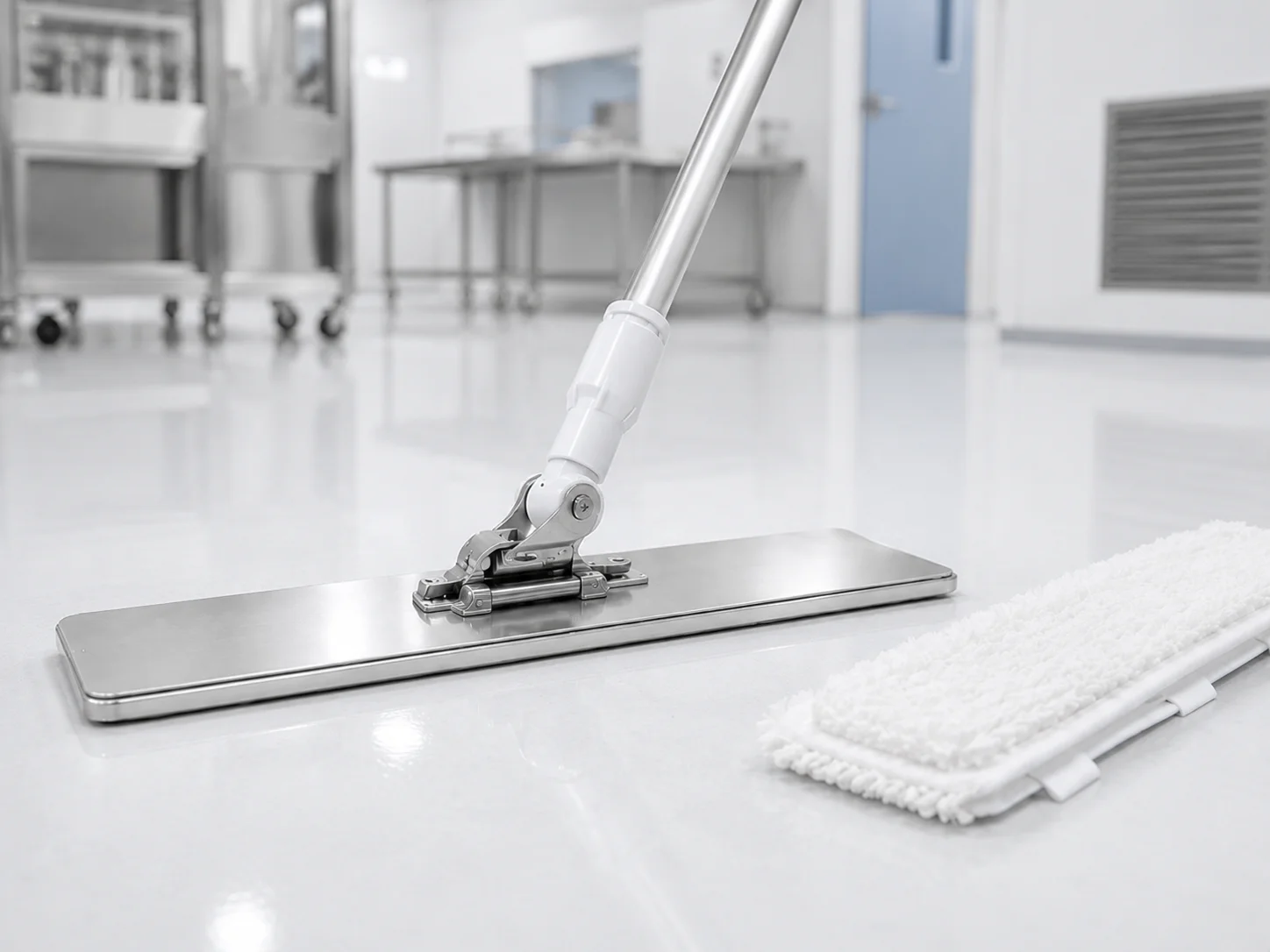
管理された環境では、ステンレス鋼のモップ フレーム (304 ステンレス鋼など、製品仕様による) が一般的に選択されます。構造的な剛性を提供し、洗浄対象の表面との均一な接触をサポートし、酸化性消毒剤に対する耐性を提供します。滑らかな表面により、粒子状物質が蓄積する可能性のある領域を減らすことができます。利用可能な構成の包括的な概要については、次のサイトを参照してください。 クリーンルームモップフレームオプション.
施設内の滅菌が施設のプロトコルの一部である場合、 オートクレーブ可能なモップハンドル 評価されるかもしれない。これらのハンドルは通常、陽極酸化アルミニウムまたはステンレス鋼で作られています。伸縮式のバリエーションを使用すると、オペレーターははしごを使わずに高い壁や天井に到達できるため、安全性と効率が向上します。購入者は、ロック機構と建具が、施設の SOP に指定されている温度と期間でのオートクレーブ サイクルに対応していることを確認する必要があります。
MIDPOSI は、クリーンルームの清掃用途向けに設計されたさまざまな清掃ツールを提供しています。以下の製品カテゴリが評価可能です。運用要件はさまざまであるため、最終仕様の直前に技術ドキュメントを確認し、製品をテストすることをお勧めします。モップの仕様がクリーンルームのグレードによってどのように異なるかについてのより広い視点については、当社の資料を参照してください。 GMPクリーンルームモップのグレード別選択 ガイド。
| 成分 | タイプ | 主な特徴 | 代表的な用途 |
|---|---|---|---|
| モップカバー | マイクロファイバー | 高い吸収性、効果的な残留物除去 | 残留物が多いエリア、広範な消毒剤の適用、一般的なクリーンルームゾーン |
| モップカバー | 100% ポリエステル | 粒子発生が少なく、化学的適合性が高い | 低粒子数と耐薬品性を優先する重要な環境 |
| フレーム | ステンレス鋼 | 耐食性、構造的に剛性が高く、滑らかな表面 | 標準的かつ厳格なGMPクリーンルーム清掃プログラム |
| ハンドル | オートクレーブ可能 (ステンレス/アルミニウム) | 温度耐性があり、伸縮式デザインも利用可能 | 天井/壁の清掃。ハードウェアの社内滅菌が必要な施設 |
GMP クリーンルーム モップの選択は、施設の洗浄剤との材料の適合性、クリーンルームのグレードとリスク評価に基づく滅菌要件、日常の運用要求に対するハードウェアの耐久性という 3 つの主な要素によって決まります。実際には、製品の適合性は施設のクリーンルームグレード、SOP、消毒剤、検証プロセスによって異なります。サプライヤーの選択肢を絞り込む前に、モップ カバーとハードウェアをこれら 3 つの側面に照らして評価することをお勧めします。
どちらを選択するかは、汚染管理の優先順位によって異なります。粒子の発生を最小限に抑えることが最優先の場合は、通常、ポリエステル モップ カバー (100% 連続フィラメント) が推奨されます。マイクロファイバー モップ カバー (ポリエステルとポリアミドのブレンド) は、より高い吸収性を提供し、効果的な残留物の除去と広範囲の消毒剤の適用範囲を必要とする用途によく選択されます。最終仕様の前に、実際の洗浄条件で両方のタイプをテストすることをお勧めします。
滅菌または事前滅菌されたモップ カバーは、多くの場合、SOP、リスク評価、および検証要件に基づいて、高リスクの無菌領域に対して評価されます。非滅菌モップカバーは、施設の汚染管理戦略で滅菌が指定されていない低グレードゾーン (グレード C/D など) に適している場合があります。この決定は、すべてのグレードに一律に適用される固定ルールではなく、施設の品質リスク管理プロセスに基づいて決定される必要があります。
主な考慮事項には、フレームの材質 (耐食性と洗浄性の点でステンレス鋼が一般的)、表面の平滑性 (汚染物質が蓄積する隙間が少ない)、フレームとハンドルの接続タイプ、社内滅菌を使用する場合のオートクレーブ サイクルとのハンドル材質の適合性が含まれます。伸縮ハンドルにより、天井や壁の清掃時の操作の柔軟性が向上しますが、繰り返し滅菌した場合のロック機構の耐久性を評価する必要があります。
材料の組成とデータ、粒子発生データ (サプライヤーから入手可能な場合)、消毒剤との化学的適合性、滅菌オプションと滅菌方法の文書、ハードウェアの材料グレードと表面仕上げ、技術データシートの入手可能性などを中心に比較マトリックスを作成します。製品サンプルをリクエストし、実際の洗浄剤とプロトコルに基づいてテストしてください。技術的な問い合わせに対するサプライヤーの対応自体が評価基準となります。
調達チームと QA チームは通常、材料組成、粒子発生データ (入手可能な場合)、吸収能力、化学的適合性を網羅するテクニカル データ シート (TDS) を確認します。滅菌製品の場合は、滅菌方法を確認する文書をサプライヤーに要求する必要があります。材料認証や寸法仕様などの追加文書も、認定プロセスに関連する場合があります。
モップ カバーは通常、二次汚染を防ぐために、高グレードのエリアでは清掃セッションごとに 1 回のみ使用します。それほど重要ではないエリアでは、施設の検証済み SOP に従って洗浄および再滅菌することができます。交換頻度は、一般的な推奨事項ではなく、汚染管理プログラムによって決定する必要があります。摩耗、擦り切れ、またはエッジシールの完全性の損失を目視検査することで、SOP に基づく交換スケジュールを補うことができます。
適切な汚染管理ツールを選択するには、細心の注意が必要です。 MIDPOSI は、制御された環境での評価用に設計されたクリーンルーム モップ カバー、ステンレス鋼フレーム、オートクレーブ可能なハンドルを提供します。 QA およびクリーンルーム マネージャーには、当社の技術文書を確認し、実際の施設条件下で製品サンプルをテストし、お客様の特定の要件を当社チームと話し合うことをお勧めします。
製品仕様、材料認証、滅菌文書はご要望に応じて入手可能です。サンプルは、施設の洗浄プロトコルに照らして社内で評価するために発送できます。
Disclaimer: This article provides a general selection framework for cleanroom mop evaluation. Product suitability must be confirmed by the user under their specific facility conditions, SOPs, and validation requirements. Sterilization method, material compatibility, and regulatory compliance should be verified with supplier documentation. MIDPOSI does not claim that any product is “GMP certified,” “validated,” or “compliant” with specific regulations. Final specification decisions rest with the facility’s quality and validation teams.
QA チームは、モップ システムが施設の SOP、汚染管理戦略、および洗浄検証計画をサポートしているかどうかを確認する必要があります。主な質問は次のとおりです: モップ カバーの素材は当社の消毒剤と互換性がありますか?サプライヤーは粒子生成データを提供していますか?リスク評価で必要な場合、無菌オプションは利用できますか?サプライヤー認定のためにどのような文書が提供されますか?
Procurement teams should evaluate sterile and non-sterile options, mop cover materials, system compatibility (cover + frame + handle + bucket), packaging format, supply stability, lead times, and sample availability. Supplier responsiveness to technical inquiries and documentation requests is itself an evaluation criterion.
Build a comparison matrix covering: material composition, available particle data, chemical compatibility, sterility options, hardware material grade, documentation availability, and sample testing support. Request product samples and test under your actual cleaning agents and protocols before final specification.
Typical documentation includes Technical Data Sheets (TDS) covering material composition, particle generation data (where available), absorbency capacity, and chemical compatibility information. For sterile products, documentation confirming the sterilization method should be requested. Additional certifications and dimensional specifications may be relevant to your qualification process.
Yes. Sample evaluation is recommended before bulk purchasing. Testing under your facility’s actual cleaning agents, protocols, and environmental conditions provides the most reliable basis for specification decisions. MIDPOSI supports sample evaluation for mop covers, frames, handles, and bucket systems.