
ਇੱਕ ਮਜ਼ਬੂਤ ਕਲੀਨਰੂਮ MOPS ਫਰੇਮਵਰਕ ਫਾਰਮਾਸਿਊਟੀਕਲ ਅਤੇ ਨਿਯੰਤਰਿਤ-ਵਾਤਾਵਰਣ ਟੀਮਾਂ ਨੂੰ ਗਾਊਨਿੰਗ, ਸੰਚਾਲਨ, ਗੰਦਗੀ ਨਿਯੰਤਰਣ, ਵਾਤਾਵਰਣ ਦੀ ਨਿਗਰਾਨੀ, ਭਟਕਣਾ ਨੂੰ ਸੰਭਾਲਣ, ਅਤੇ ਨਿਰੰਤਰ ਸੁਧਾਰ ਨੂੰ ਮਾਨਕੀਕਰਨ ਵਿੱਚ ਮਦਦ ਕਰਦਾ ਹੈ।
ਨਿਯੰਤ੍ਰਿਤ ਕਲੀਨ ਰੂਮਾਂ ਵਿੱਚ, ਲਿਖਤੀ ਪ੍ਰਕਿਰਿਆਵਾਂ ਸਿਰਫ਼ ਦਸਤਾਵੇਜ਼ ਨਹੀਂ ਹਨ। ਉਹ ਪਰਿਭਾਸ਼ਿਤ ਕਰਦੇ ਹਨ ਕਿ ਲੋਕ ਨਿਯੰਤਰਿਤ ਥਾਂਵਾਂ ਦੇ ਅੰਦਰ ਕਿਵੇਂ ਦਾਖਲ ਹੁੰਦੇ ਹਨ, ਵਿਵਹਾਰ ਕਰਦੇ ਹਨ, ਨਿਗਰਾਨੀ ਕਰਦੇ ਹਨ, ਸਾਫ਼ ਕਰਦੇ ਹਨ, ਜਾਂਚ ਕਰਦੇ ਹਨ ਅਤੇ ਸੁਧਾਰ ਕਰਦੇ ਹਨ। ਜਦੋਂ MOPS ਅਧੂਰੇ, ਅਸੰਗਤ, ਜਾਂ ਮਾੜੇ ਢੰਗ ਨਾਲ ਲਾਗੂ ਹੁੰਦੇ ਹਨ, ਤਾਂ ਨਤੀਜਾ ਕੇਵਲ ਕਾਰਜਸ਼ੀਲ ਅਕੁਸ਼ਲਤਾ ਨਹੀਂ ਹੁੰਦਾ। ਇਹ ਗੰਦਗੀ ਦੇ ਨਿਯੰਤਰਣ, ਆਡਿਟ ਦੀ ਤਿਆਰੀ, ਸਿਖਲਾਈ ਦੀ ਪ੍ਰਭਾਵਸ਼ੀਲਤਾ, ਅਤੇ GMP ਪਾਲਣਾ ਨੂੰ ਸਿੱਧੇ ਤੌਰ 'ਤੇ ਪ੍ਰਭਾਵਿਤ ਕਰ ਸਕਦਾ ਹੈ।
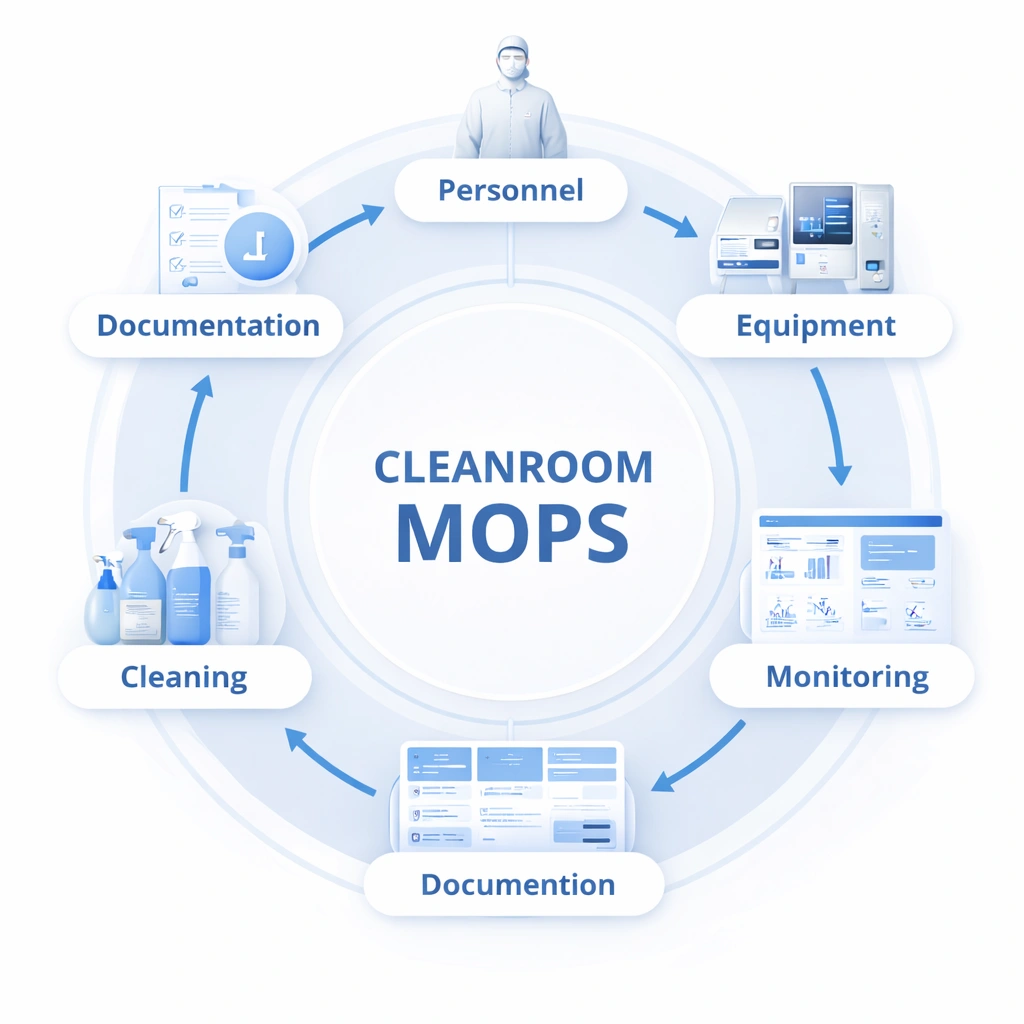
Cleanroom MOPS ਸੰਰਚਨਾਬੱਧ ਓਪਰੇਟਿੰਗ ਪ੍ਰਕਿਰਿਆਵਾਂ ਹਨ ਜੋ ਕਲੀਨਰੂਮ ਵਾਤਾਵਰਨ ਵਿੱਚ ਵਿਵਹਾਰ, ਵਰਕਫਲੋ, ਸਫਾਈ, ਨਿਗਰਾਨੀ, ਭਟਕਣ ਪ੍ਰਤੀਕਿਰਿਆ, ਅਤੇ ਦਸਤਾਵੇਜ਼ਾਂ ਨੂੰ ਨਿਯੰਤਰਿਤ ਕਰਨ ਲਈ ਵਰਤੀਆਂ ਜਾਂਦੀਆਂ ਹਨ। ਫਾਰਮਾਸਿਊਟੀਕਲ ਅਤੇ ਹੋਰ ਨਿਯੰਤ੍ਰਿਤ ਸੁਵਿਧਾਵਾਂ ਵਿੱਚ, ਇੱਕ ਪ੍ਰਭਾਵੀ MOPS ਸਿਸਟਮ ਕਲੀਨਰੂਮ ਲੋੜਾਂ ਨੂੰ ਦੁਹਰਾਉਣ ਯੋਗ ਕਾਰਵਾਈਆਂ, ਸਿਖਲਾਈ ਦੇ ਮਿਆਰਾਂ, ਰਿਕਾਰਡਾਂ, ਅਤੇ ਸੁਧਾਰਾਤਮਕ ਵਰਕਫਲੋ ਵਿੱਚ ਅਨੁਵਾਦ ਕਰਕੇ GMP ਪਾਲਣਾ ਦਾ ਸਮਰਥਨ ਕਰਦਾ ਹੈ।
ਸਭ ਤੋਂ ਵਧੀਆ ਕਲੀਨਰੂਮ MOPS ਫਰੇਮਵਰਕ ਨਾ ਸਿਰਫ਼ ਇਹ ਕਵਰ ਕਰਦੇ ਹਨ ਕਿ ਕੀ ਕੀਤਾ ਜਾਣਾ ਚਾਹੀਦਾ ਹੈ, ਸਗੋਂ ਇਹ ਵੀ ਸ਼ਾਮਲ ਹੈ ਕਿ ਕਿਉਂ, ਕਿਸ ਦੁਆਰਾ, ਕਿਹੜੀਆਂ ਸਥਿਤੀਆਂ ਵਿੱਚ, ਵਿਵਹਾਰਾਂ ਨੂੰ ਕਿਵੇਂ ਸੰਭਾਲਿਆ ਜਾਂਦਾ ਹੈ, ਅਤੇ ਸਮੇਂ ਦੇ ਨਾਲ ਸਿਸਟਮ ਦੀ ਸਮੀਖਿਆ ਅਤੇ ਸੁਧਾਰ ਕਿਵੇਂ ਕੀਤਾ ਜਾਂਦਾ ਹੈ।
ਫਾਰਮਾਸਿਊਟੀਕਲ ਮੈਨੂਫੈਕਚਰਿੰਗ ਅਤੇ ਹੋਰ ਨਿਯੰਤਰਿਤ ਵਾਤਾਵਰਣਾਂ ਵਿੱਚ, ਕਲੀਨਰੂਮ ਸਿਰਫ ਇਸ ਨੂੰ ਨਿਯੰਤ੍ਰਿਤ ਕਰਨ ਵਾਲੀਆਂ ਪ੍ਰਕਿਰਿਆਵਾਂ ਦੇ ਰੂਪ ਵਿੱਚ ਹੀ ਭਰੋਸੇਯੋਗ ਹੈ। ਤੁਹਾਡਾ ਅਸਲ ਡਰਾਫਟ ਕਲੀਨਰੂਮ MOPS ਨੂੰ ਸਿਰਫ਼ ਇੱਕ ਦਸਤਾਵੇਜ਼ੀ ਲੋੜ ਦੀ ਬਜਾਏ ਰੋਜ਼ਾਨਾ ਕਲੀਨਰੂਮ ਨਿਯੰਤਰਣ ਦੇ ਸੰਚਾਲਨ ਕੋਰ ਵਜੋਂ ਸਹੀ ਢੰਗ ਨਾਲ ਫ੍ਰੇਮ ਕਰਦਾ ਹੈ। :contentReference[oaicite:1]{index=1}
ਇੱਕ ਚੰਗੀ ਤਰ੍ਹਾਂ ਤਿਆਰ ਕੀਤਾ ਗਿਆ MOPS ਸਿਸਟਮ ਕਰਮਚਾਰੀਆਂ ਦੇ ਹਿੱਲਣ, ਗਾਊਨ, ਸਾਫ਼ ਕਰਨ, ਨਿਗਰਾਨੀ ਕਰਨ, ਦਖਲ ਦੇਣ ਅਤੇ ਅਸਧਾਰਨ ਘਟਨਾਵਾਂ ਪ੍ਰਤੀ ਪ੍ਰਤੀਕਿਰਿਆ ਕਰਨ ਦੇ ਤਰੀਕੇ ਵਿੱਚ ਭਿੰਨਤਾ ਨੂੰ ਘਟਾਉਣ ਵਿੱਚ ਮਦਦ ਕਰਦਾ ਹੈ। ਇਹ QA, ਉਤਪਾਦਨ, ਇੰਜੀਨੀਅਰਿੰਗ, ਮਾਈਕਰੋਬਾਇਓਲੋਜੀ, ਅਤੇ ਸਿਖਲਾਈ ਟੀਮਾਂ ਵਿਚਕਾਰ ਸਾਂਝੀ ਕਾਰਜਸ਼ੀਲ ਭਾਸ਼ਾ ਵੀ ਬਣਾਉਂਦਾ ਹੈ।
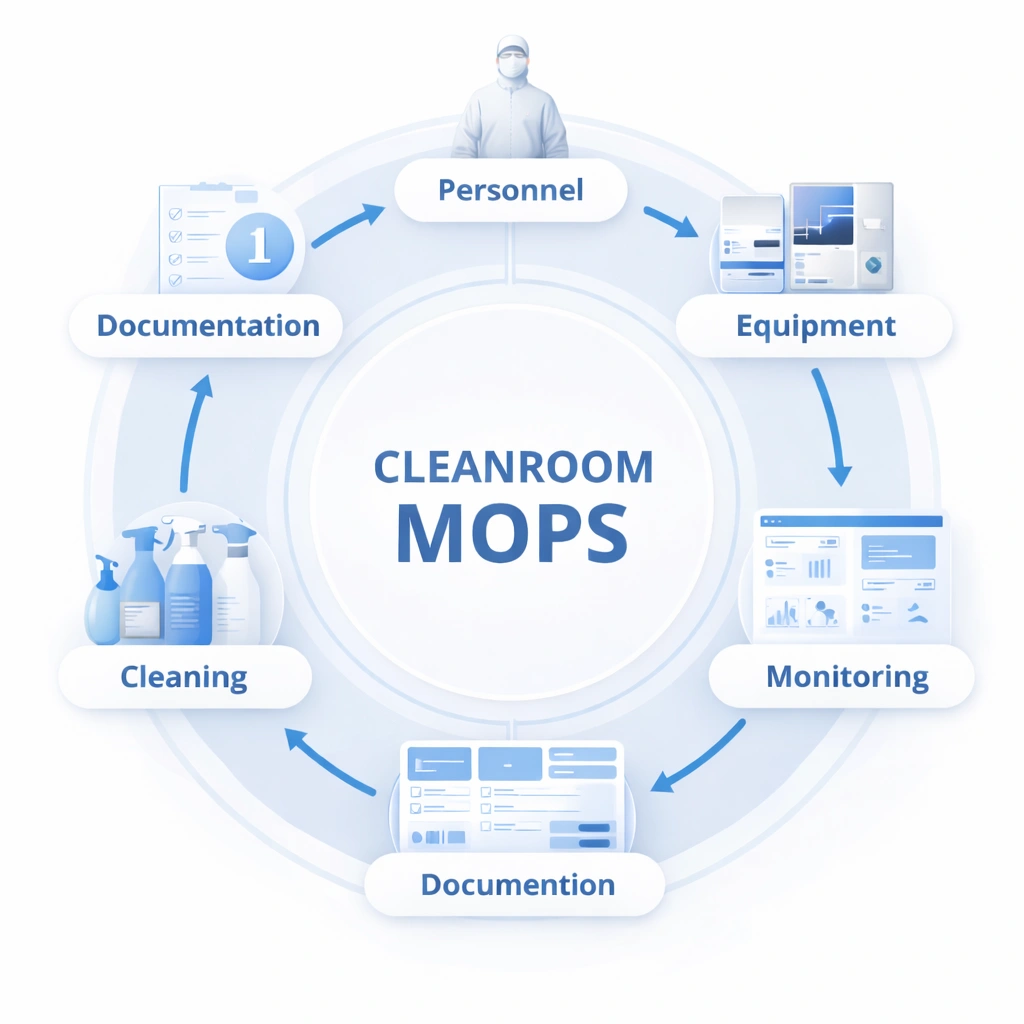
ਇੱਕ ਵਿਹਾਰਕ ਕਲੀਨਰੂਮ MOPS ਸਿਸਟਮ ਨੂੰ ਇੱਕ ਤੋਂ ਵੱਧ ਤੰਗ ਗਤੀਵਿਧੀਆਂ ਨੂੰ ਕਵਰ ਕਰਨਾ ਚਾਹੀਦਾ ਹੈ। ਇਸ ਨੂੰ ਲੋਕਾਂ, ਪ੍ਰਕਿਰਿਆ, ਵਾਤਾਵਰਣ, ਰਿਕਾਰਡਾਂ ਅਤੇ ਸੁਧਾਰਾਤਮਕ ਕਾਰਵਾਈਆਂ ਨੂੰ ਇੱਕ ਸੁਚੱਜੇ ਸੰਚਾਲਨ ਢਾਂਚੇ ਵਿੱਚ ਜੋੜਨਾ ਚਾਹੀਦਾ ਹੈ। ਤੁਹਾਡੀ ਅਪਲੋਡ ਕੀਤੀ ਸਮੱਗਰੀ ਕਰਮਚਾਰੀਆਂ ਦੇ ਵਿਵਹਾਰ, ਸਾਜ਼ੋ-ਸਾਮਾਨ ਦੀ ਵਰਤੋਂ, ਸਫਾਈ, ਕੀਟਾਣੂ-ਰਹਿਤ, ਅਤੇ ਵਾਤਾਵਰਣ ਦੀ ਨਿਗਰਾਨੀ ਨੂੰ ਮੁੱਖ ਪ੍ਰਕਿਰਿਆਤਮਕ ਡੋਮੇਨਾਂ ਦੇ ਰੂਪ ਵਿੱਚ ਦਰਸਾਉਂਦੀ ਹੈ। :contentReference[oaicite:2]{index=2}
ਦਾਖਲਾ, ਗਾਊਨਿੰਗ, ਸਫਾਈ, ਅੰਦੋਲਨ ਪਾਬੰਦੀਆਂ, ਦਖਲਅੰਦਾਜ਼ੀ ਵਿਵਹਾਰ, ਅਤੇ ਸਿਖਲਾਈ ਯੋਗਤਾ।
ਟਾਸਕ ਐਗਜ਼ੀਕਿਊਸ਼ਨ, ਸਾਜ਼ੋ-ਸਾਮਾਨ ਦੀ ਸੰਭਾਲ, ਸਫਾਈ ਦੇ ਕਦਮ, ਦਸਤਾਵੇਜ਼ ਅਨੁਸ਼ਾਸਨ, ਅਤੇ ਵਾਧਾ ਮਾਰਗ।
ਵਾਤਾਵਰਨ ਨਿਗਰਾਨੀ, ਭਟਕਣਾ ਸਮੀਖਿਆ, ਆਡਿਟ ਜਵਾਬ, ਰੁਝਾਨ ਮੁਲਾਂਕਣ, ਅਤੇ CAPA ਫਾਲੋ-ਅੱਪ।
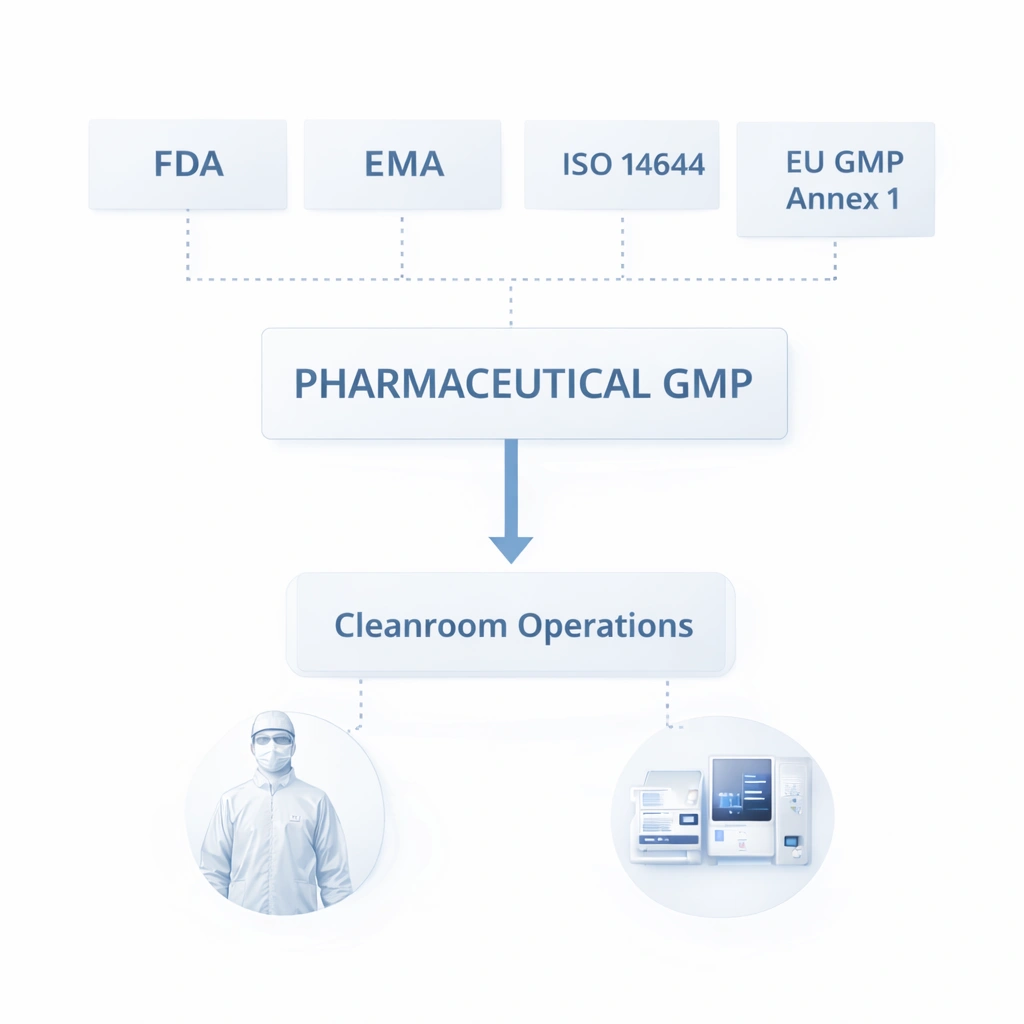
Cleanroom MOPS ਨੂੰ GMP, ISO-ਅਧਾਰਿਤ ਵਾਤਾਵਰਣ ਨਿਯੰਤਰਣ, ਅਤੇ ਸਾਈਟ-ਵਿਸ਼ੇਸ਼ ਗੁਣਵੱਤਾ ਪ੍ਰਣਾਲੀਆਂ ਦੀਆਂ ਵਿਆਪਕ ਉਮੀਦਾਂ ਦੇ ਨਾਲ ਇਕਸਾਰ ਹੋਣਾ ਚਾਹੀਦਾ ਹੈ। ਰੈਗੂਲੇਟਰੀ ਸੰਸਥਾਵਾਂ ਸਿਰਫ ਲਿਖਤੀ ਪ੍ਰਕਿਰਿਆਵਾਂ ਦੀ ਮੌਜੂਦਗੀ ਦੀ ਉਮੀਦ ਨਹੀਂ ਕਰਦੀਆਂ ਹਨ। ਉਹ ਉਮੀਦ ਕਰਦੇ ਹਨ ਕਿ ਉਹ ਪ੍ਰਕਿਰਿਆਵਾਂ ਉਚਿਤ, ਮੌਜੂਦਾ, ਸਿਖਿਅਤ, ਪਾਲਣਾ, ਦਸਤਾਵੇਜ਼ੀ ਅਤੇ ਸਮੀਖਿਆ ਕੀਤੀਆਂ ਜਾਣ।
| ਖੇਤਰ | MOPS ਪ੍ਰਸੰਗਿਕਤਾ | ਇਹ ਮਾਇਨੇ ਕਿਉਂ ਰੱਖਦਾ ਹੈ |
|---|---|---|
| ਕਰਮਚਾਰੀਆਂ ਦਾ ਵਿਵਹਾਰ | ਗਾਊਨਿੰਗ, ਅੰਦੋਲਨ, ਸਫਾਈ, ਅਤੇ ਦਖਲਅੰਦਾਜ਼ੀ ਨੂੰ ਪਰਿਭਾਸ਼ਿਤ ਕਰਦਾ ਹੈ | ਮਨੁੱਖੀ ਗਤੀਵਿਧੀ ਦੁਆਰਾ ਪੇਸ਼ ਕੀਤੇ ਗੰਦਗੀ ਨੂੰ ਘਟਾਉਂਦਾ ਹੈ |
| ਸਫਾਈ ਅਤੇ ਕੀਟਾਣੂਨਾਸ਼ਕ | ਕੀ, ਕਦੋਂ, ਕਿਵੇਂ, ਅਤੇ ਕਿਸ ਦੁਆਰਾ ਮਾਨਕੀਕਰਨ ਕਰਦਾ ਹੈ | ਸਫਾਈ ਨਿਯੰਤਰਣ ਦੀ ਇਕਸਾਰਤਾ ਅਤੇ ਖੋਜਣਯੋਗਤਾ ਵਿੱਚ ਸੁਧਾਰ ਕਰਦਾ ਹੈ |
| ਵਾਤਾਵਰਣ ਦੀ ਨਿਗਰਾਨੀ | ਸੈਂਪਲਿੰਗ ਟਿਕਾਣਿਆਂ, ਬਾਰੰਬਾਰਤਾ, ਐਕਸ਼ਨ ਟਰਿਗਰਸ, ਅਤੇ ਜਵਾਬ ਨੂੰ ਪਰਿਭਾਸ਼ਿਤ ਕਰਦਾ ਹੈ | ਡਾਟਾ-ਅਧਾਰਿਤ ਗੰਦਗੀ ਨਿਯੰਤਰਣ ਫੈਸਲਿਆਂ ਦਾ ਸਮਰਥਨ ਕਰਦਾ ਹੈ |
| ਡਿਵੀਏਸ਼ਨ ਹੈਂਡਲਿੰਗ | ਵਾਧੇ, ਜਾਂਚ ਅਤੇ ਦਸਤਾਵੇਜ਼ਾਂ ਨੂੰ ਸਪੱਸ਼ਟ ਕਰਦਾ ਹੈ | ਅਸਧਾਰਨ ਘਟਨਾਵਾਂ ਦੇ ਦੌਰਾਨ ਉਲਝਣ ਨੂੰ ਰੋਕਦਾ ਹੈ |
| CAPA ਅਤੇ ਸਮੀਖਿਆ | ਜਾਂਚ ਨੂੰ ਪ੍ਰਕਿਰਿਆਤਮਕ ਸੁਧਾਰ ਨਾਲ ਜੋੜਦਾ ਹੈ | ਨਿਰੰਤਰ ਸੁਧਾਰ ਅਤੇ ਆਡਿਟ ਦੀ ਤਿਆਰੀ ਦਾ ਸਮਰਥਨ ਕਰਦਾ ਹੈ |
ਸਭ ਤੋਂ ਮਜ਼ਬੂਤ ਪ੍ਰਕਿਰਿਆਵਾਂ ਨੂੰ ਸਿਰਫ਼ ਮਨਜ਼ੂਰੀ ਲਈ ਨਹੀਂ, ਸਗੋਂ ਅਸਲ ਅਮਲ ਲਈ ਤਿਆਰ ਕੀਤਾ ਗਿਆ ਹੈ। ਤੁਹਾਡਾ ਸਰੋਤ ਡਰਾਫਟ ਮੁੱਖ ਡਿਜ਼ਾਈਨ ਤੱਤਾਂ ਨੂੰ ਉਜਾਗਰ ਕਰਦਾ ਹੈ ਜਿਵੇਂ ਕਿ ਦਾਇਰੇ, ਉਦੇਸ਼, ਜ਼ਿੰਮੇਵਾਰੀਆਂ, ਸੰਚਾਲਨ ਦੇ ਪੜਾਅ, ਗੁਣਵੱਤਾ ਦੇ ਮਿਆਰ, ਅਤੇ ਭਟਕਣਾ ਪ੍ਰਬੰਧਨ। :contentReference[oaicite:3]{index=3}
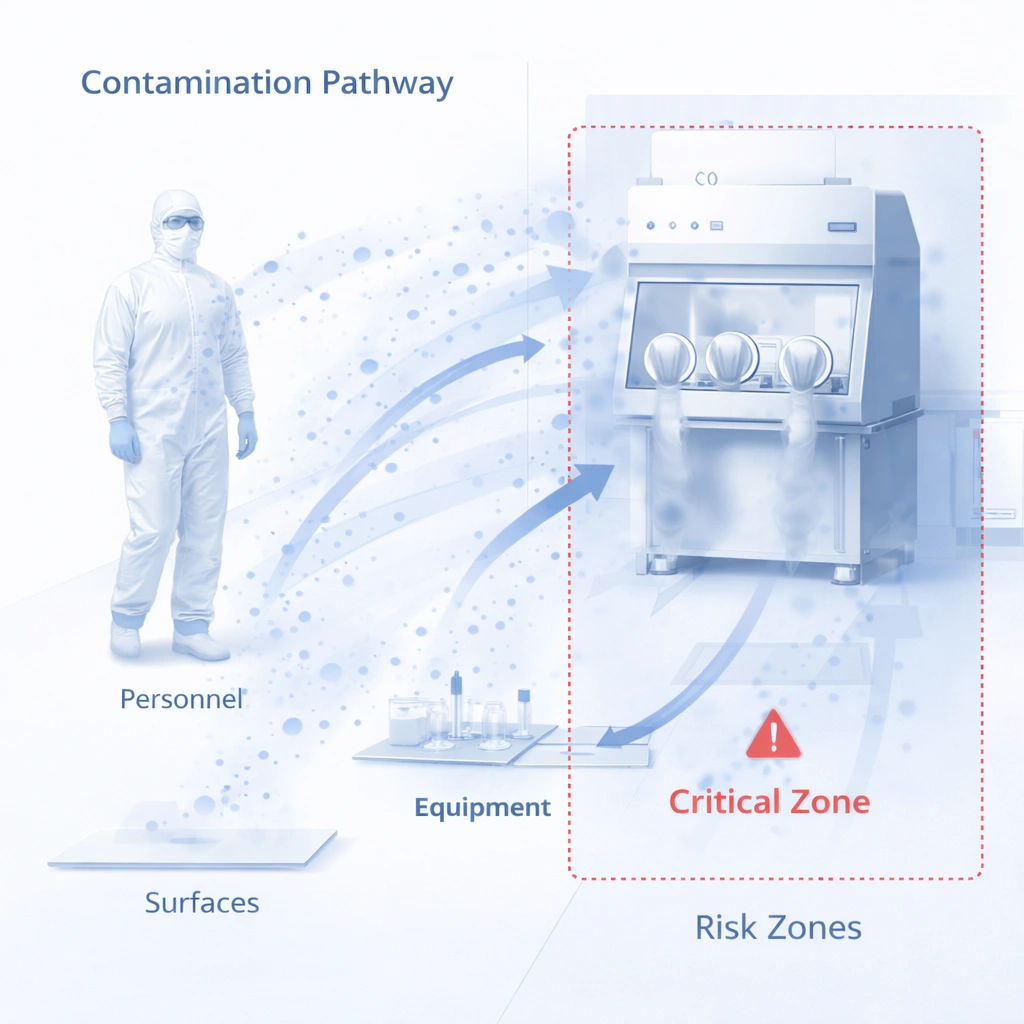
ਗਾਊਨਿੰਗ ਇਸ ਗੱਲ ਦੀ ਸਭ ਤੋਂ ਸਪੱਸ਼ਟ ਉਦਾਹਰਣਾਂ ਵਿੱਚੋਂ ਇੱਕ ਹੈ ਕਿ ਕਲੀਨਰੂਮ MOPS ਕਿਉਂ ਮਹੱਤਵਪੂਰਨ ਹੈ। ਇੱਥੋਂ ਤੱਕ ਕਿ ਮਜ਼ਬੂਤ ਸੁਵਿਧਾ ਡਿਜ਼ਾਈਨ ਵੀ ਅਸੰਗਤ ਪ੍ਰਵੇਸ਼ ਵਿਵਹਾਰ ਲਈ ਮੁਆਵਜ਼ਾ ਨਹੀਂ ਦੇ ਸਕਦਾ। ਇੱਕ ਮਜ਼ਬੂਤ ਗਾਊਨਿੰਗ MOPS ਨੂੰ ਕੱਪੜੇ ਦੇ ਕ੍ਰਮ, ਹੱਥਾਂ ਦੀ ਸਫਾਈ ਦੀਆਂ ਉਮੀਦਾਂ, ਐਂਟਰੀ ਜਾਂਚਾਂ, ਮਨਾਹੀ ਵਾਲੀਆਂ ਕਾਰਵਾਈਆਂ, ਅਤੇ ਮੁੜ-ਪ੍ਰਵੇਸ਼ ਦੇ ਤਰਕ ਨੂੰ ਪਰਿਭਾਸ਼ਿਤ ਕਰਨਾ ਚਾਹੀਦਾ ਹੈ।
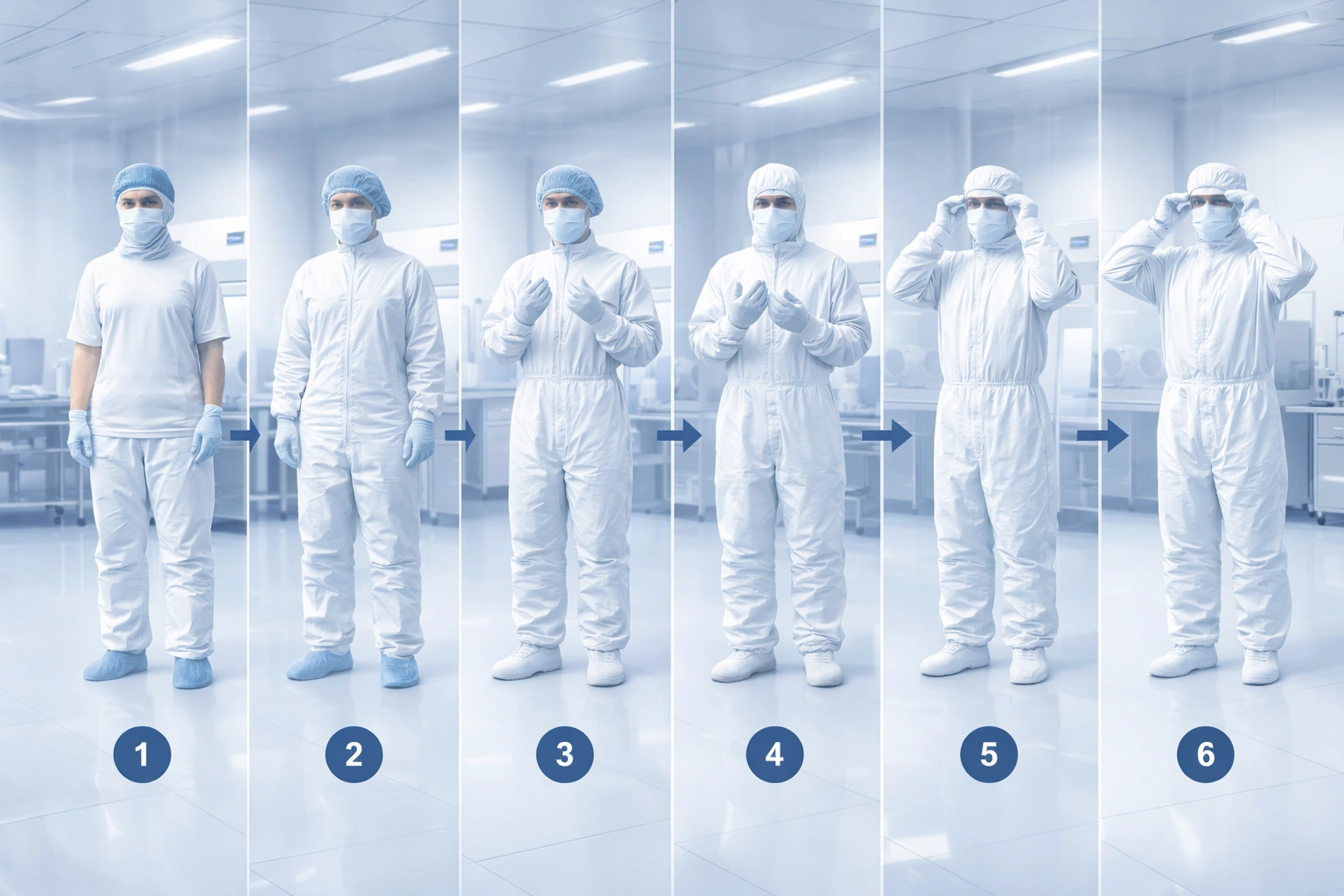
ਕਲੀਨਰੂਮ MOPS ਨੂੰ ਇਹ ਵੀ ਪਰਿਭਾਸ਼ਿਤ ਕਰਨਾ ਚਾਹੀਦਾ ਹੈ ਕਿ ਗੰਦਗੀ-ਨਿਯੰਤਰਣ ਉਮੀਦਾਂ ਦੇ ਤਹਿਤ ਰੁਟੀਨ ਓਪਰੇਸ਼ਨ ਕਿਵੇਂ ਕੀਤੇ ਜਾਂਦੇ ਹਨ। ਇਸ ਵਿੱਚ ਸਮੱਗਰੀ ਨੂੰ ਸੰਭਾਲਣਾ, ਸਫਾਈ ਦੇ ਕ੍ਰਮ, ਨਾਜ਼ੁਕ ਜ਼ੋਨਾਂ ਦੇ ਆਲੇ-ਦੁਆਲੇ ਵਿਹਾਰ, ਨਿਗਰਾਨੀ ਦੇ ਕਦਮ, ਡੇਟਾ ਸਮੀਖਿਆ, ਅਤੇ ਜਵਾਬ ਥ੍ਰੈਸ਼ਹੋਲਡ ਸ਼ਾਮਲ ਹਨ।
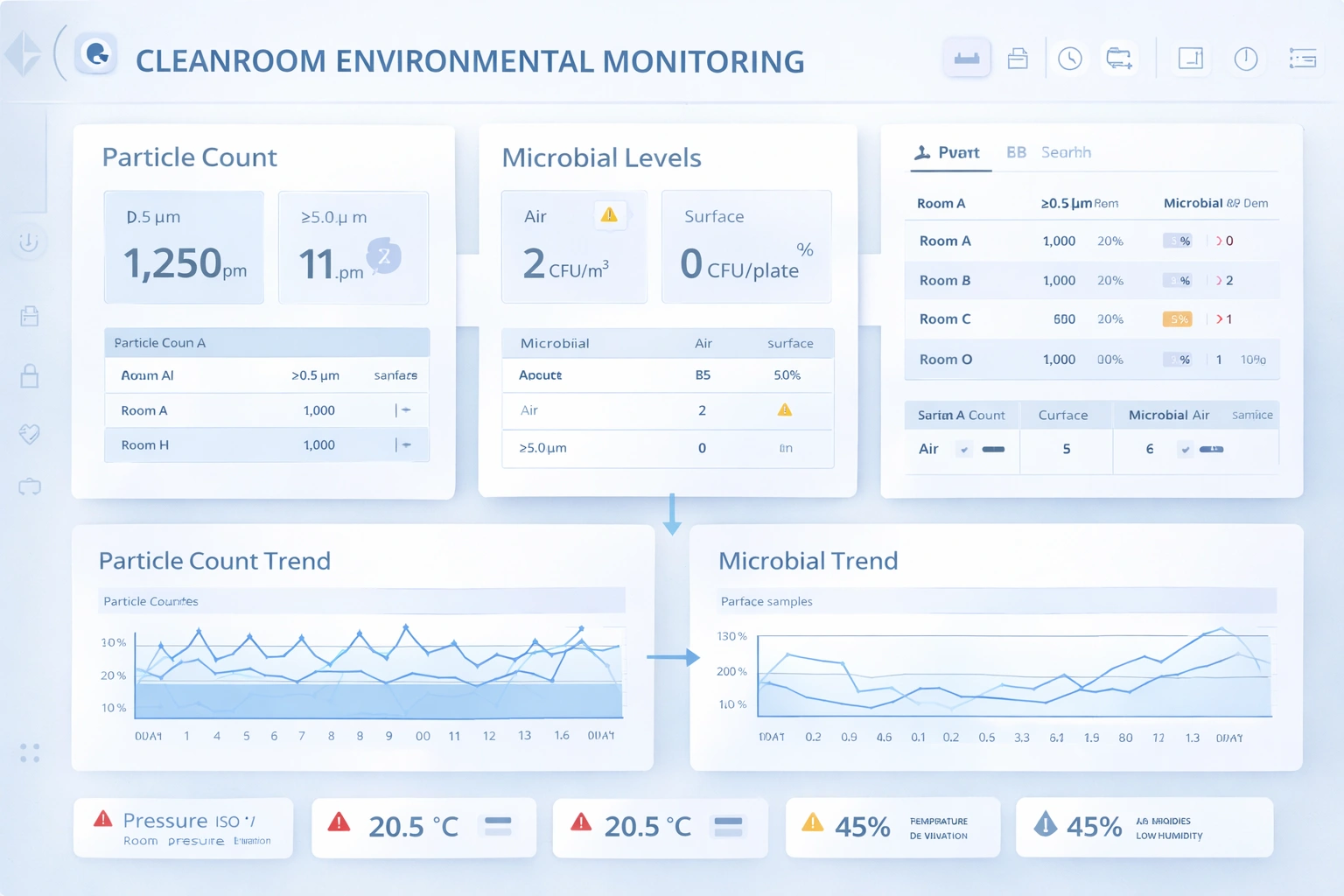
MOPS ਨੂੰ ਨਿਰਧਾਰਿਤ ਕਰਨਾ ਚਾਹੀਦਾ ਹੈ ਕਿ ਨਿਗਰਾਨੀ ਕਦੋਂ ਅਤੇ ਕਿੱਥੇ ਕੀਤੀ ਜਾਂਦੀ ਹੈ, ਨਤੀਜੇ ਕਿਵੇਂ ਦਰਜ ਕੀਤੇ ਜਾਂਦੇ ਹਨ, ਕੌਣ ਉਹਨਾਂ ਦੀ ਸਮੀਖਿਆ ਕਰਦਾ ਹੈ, ਅਤੇ ਕਾਰਵਾਈ-ਪੱਧਰ ਦੀਆਂ ਘਟਨਾਵਾਂ ਨੂੰ ਕਿਵੇਂ ਵਧਾਇਆ ਜਾਂਦਾ ਹੈ। ਇਹ ਯਕੀਨੀ ਬਣਾਉਣ ਵਿੱਚ ਮਦਦ ਕਰਦਾ ਹੈ ਕਿ ਨਿਗਰਾਨੀ ਦੀ ਵਰਤੋਂ ਸਿਰਫ਼ ਇੱਕ ਪਾਲਣਾ ਰਿਪੋਰਟ ਦੀ ਬਜਾਏ ਇੱਕ ਸੰਚਾਲਨ ਨਿਯੰਤਰਣ ਵਜੋਂ ਕੀਤੀ ਜਾਂਦੀ ਹੈ।
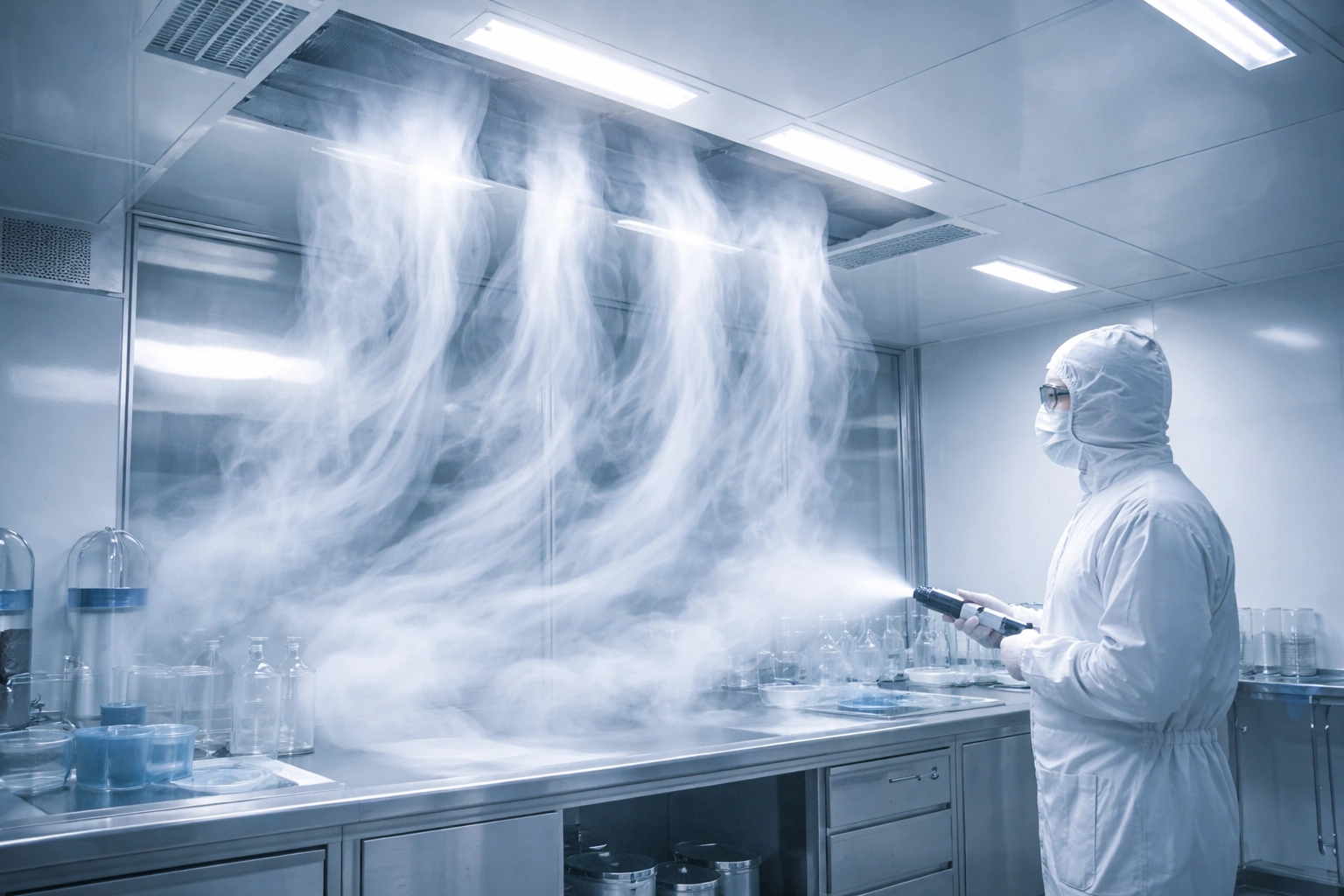
ਮਾਨਕੀਕ੍ਰਿਤ ਪ੍ਰਕਿਰਿਆਵਾਂ ਆਪਰੇਟਰ ਤੋਂ ਆਪਰੇਟਰ ਪਰਿਵਰਤਨ ਨੂੰ ਘਟਾਉਂਦੀਆਂ ਹਨ ਅਤੇ ਸਫਾਈ, ਨਿਗਰਾਨੀ ਅਤੇ ਦਖਲਅੰਦਾਜ਼ੀ ਨਿਯੰਤਰਣ ਦੇ ਨਾਲ ਉਤਪਾਦਨ ਦੇ ਵਿਵਹਾਰ ਨੂੰ ਇਕਸਾਰ ਕਰਨ ਵਿੱਚ ਮਦਦ ਕਰਦੀਆਂ ਹਨ।
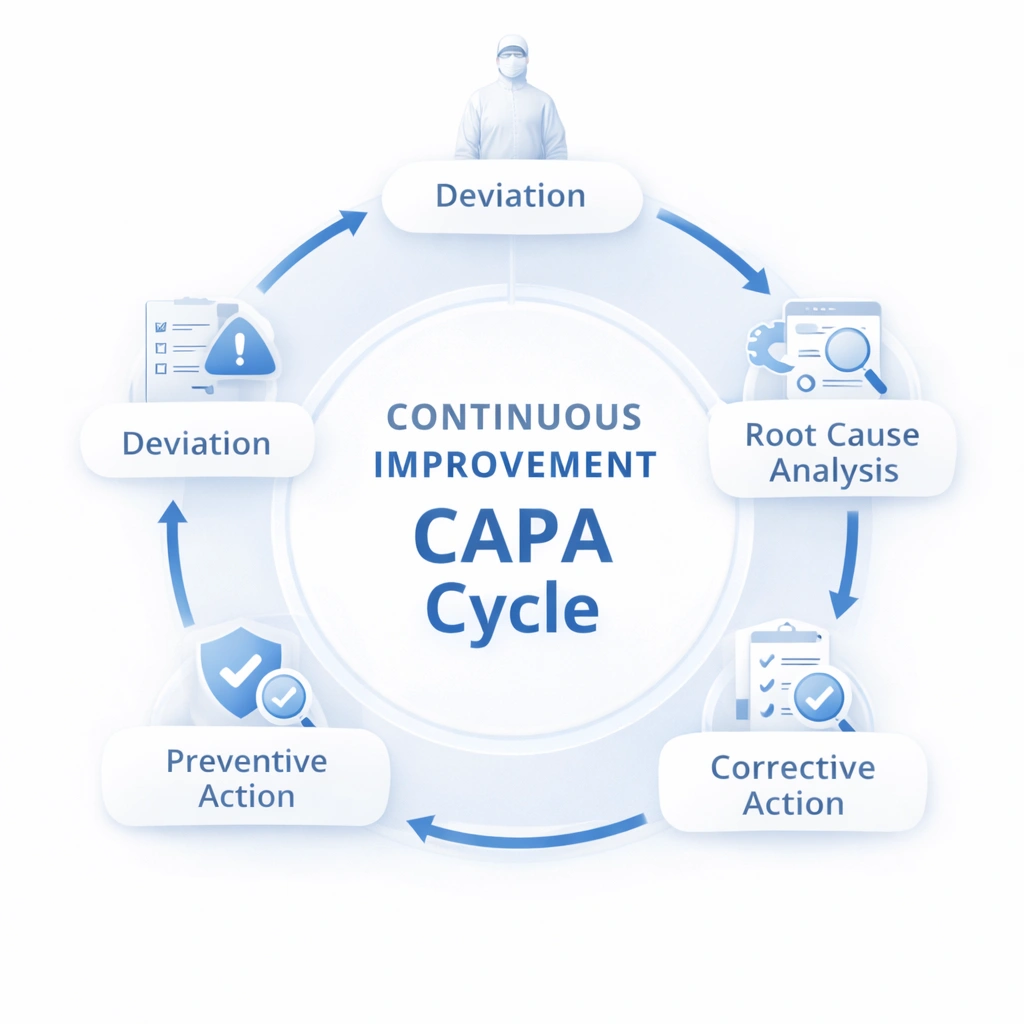
ਕੋਈ ਵੀ ਕਲੀਨਰੂਮ MOPS ਸਿਸਟਮ ਪੂਰਾ ਨਹੀਂ ਹੁੰਦਾ ਜੇਕਰ ਇਹ ਸਿਰਫ਼ ਆਮ ਕਾਰਵਾਈਆਂ ਦਾ ਵਰਣਨ ਕਰਦਾ ਹੈ। ਇਸ ਨੂੰ ਇਹ ਵੀ ਪਰਿਭਾਸ਼ਿਤ ਕਰਨਾ ਚਾਹੀਦਾ ਹੈ ਕਿ ਜਦੋਂ ਹਾਲਾਤ ਆਮ ਨਹੀਂ ਹੁੰਦੇ ਤਾਂ ਕੀ ਹੁੰਦਾ ਹੈ। ਤੁਹਾਡੀ ਮੂਲ ਸਮੱਗਰੀ ਸਹੀ ਢੰਗ ਨਾਲ ਵਿਵਹਾਰ ਹੈਂਡਲਿੰਗ ਅਤੇ CAPA ਨੂੰ ਪ੍ਰਭਾਵਸ਼ਾਲੀ ਕਲੀਨਰੂਮ ਪ੍ਰਕਿਰਿਆ ਪ੍ਰਣਾਲੀਆਂ ਦੇ ਜ਼ਰੂਰੀ ਤੱਤਾਂ ਵਜੋਂ ਉਜਾਗਰ ਕਰਦੀ ਹੈ। :contentReference[oaicite:4]{index=4}
ਪਰਿਭਾਸ਼ਿਤ ਕਰੋ ਕਿ ਕਰਮਚਾਰੀ ਕਲੀਨਰੂਮ ਨਿਯੰਤਰਣ ਨੂੰ ਪ੍ਰਭਾਵਿਤ ਕਰਨ ਵਾਲੀਆਂ ਅਸਧਾਰਨ ਘਟਨਾਵਾਂ ਦੀ ਰਿਪੋਰਟ ਕਿਵੇਂ ਕਰਦੇ ਹਨ, ਵਰਗੀਕਰਨ ਕਰਦੇ ਹਨ, ਸ਼ਾਮਲ ਕਰਦੇ ਹਨ ਅਤੇ ਦਸਤਾਵੇਜ਼ ਕਰਦੇ ਹਨ।
ਨਿਰੀਖਣਾਂ, ਰਿਕਾਰਡਾਂ, ਨਿਗਰਾਨੀ ਦੇ ਨਤੀਜਿਆਂ, ਅਤੇ ਮੂਲ-ਕਾਰਨ ਵਿਸ਼ਲੇਸ਼ਣ ਨੂੰ ਇਹ ਨਿਰਧਾਰਤ ਕਰਨ ਲਈ ਲਿੰਕ ਕਰੋ ਕਿ ਕੀ ਅਸਫਲ ਹੋਇਆ ਅਤੇ ਕਿਉਂ।
ਖੋਜਾਂ ਨੂੰ ਸੁਧਾਰਾਤਮਕ ਅਤੇ ਰੋਕਥਾਮ ਵਾਲੀਆਂ ਕਾਰਵਾਈਆਂ ਵਿੱਚ ਅਨੁਵਾਦ ਕਰੋ, ਫਿਰ ਲੋੜ ਅਨੁਸਾਰ MOPS, ਸਿਖਲਾਈ, ਜਾਂ ਨਿਯੰਤਰਣਾਂ ਨੂੰ ਸੋਧੋ।
ਹਰੇਕ ਕਲੀਨਰੂਮ ਗਤੀਵਿਧੀ ਲਈ ਪ੍ਰਕਿਰਿਆ ਦੇ ਦਾਇਰੇ, ਉਪਭੋਗਤਾ, ਜੋਖਮ, ਰਿਕਾਰਡ, ਵਾਧੇ ਦੇ ਬਿੰਦੂ ਅਤੇ ਸਫਲਤਾ ਦੇ ਮਾਪਦੰਡ ਨੂੰ ਪਰਿਭਾਸ਼ਿਤ ਕਰੋ।
ਅਮਲੇ ਨੂੰ ਪ੍ਰਕਿਰਿਆਤਮਕ ਕਦਮਾਂ ਅਤੇ ਉਹਨਾਂ ਦੇ ਪਿੱਛੇ ਗੰਦਗੀ-ਨਿਯੰਤਰਣ ਤਰਕ ਦੋਵਾਂ 'ਤੇ ਸਿਖਲਾਈ ਦਿਓ।
ਸਮੇਂ ਦੇ ਨਾਲ MOPS ਫਰੇਮਵਰਕ ਨੂੰ ਬਿਹਤਰ ਬਣਾਉਣ ਲਈ EM ਰੁਝਾਨਾਂ, ਵਿਵਹਾਰਾਂ, ਅੰਦਰੂਨੀ ਆਡਿਟ, CAPA ਨਤੀਜਿਆਂ, ਅਤੇ ਫੀਡਬੈਕ ਦੀ ਸਮੀਖਿਆ ਕਰੋ।
Cleanroom MOPS ਸੰਰਚਨਾਬੱਧ ਓਪਰੇਟਿੰਗ ਪ੍ਰਕਿਰਿਆਵਾਂ ਹਨ ਜੋ ਕਰਮਚਾਰੀਆਂ ਦੇ ਵਿਵਹਾਰ, ਸਫਾਈ, ਕੀਟਾਣੂ-ਰਹਿਤ, ਨਿਗਰਾਨੀ, ਵਰਕਫਲੋ, ਦਸਤਾਵੇਜ਼, ਅਤੇ ਨਿਯੰਤਰਿਤ ਵਾਤਾਵਰਣ ਵਿੱਚ ਵਿਵਹਾਰ ਨੂੰ ਨਿਯੰਤਰਿਤ ਕਰਨ ਲਈ ਵਰਤੀਆਂ ਜਾਂਦੀਆਂ ਹਨ।
ਉਹ ਮਿਆਰੀ ਬਣਾਉਣ ਵਿੱਚ ਮਦਦ ਕਰਦੇ ਹਨ ਕਿ ਕਿਵੇਂ ਨਾਜ਼ੁਕ ਕਾਰਜ ਕੀਤੇ ਜਾਂਦੇ ਹਨ, ਗੰਦਗੀ ਦੇ ਜੋਖਮ ਨੂੰ ਘਟਾਉਂਦੇ ਹਨ, ਸਿਖਲਾਈ ਦੀ ਇਕਸਾਰਤਾ ਵਿੱਚ ਸੁਧਾਰ ਕਰਦੇ ਹਨ, ਅਤੇ ਦਸਤਾਵੇਜ਼ਾਂ ਅਤੇ ਆਡਿਟ ਦੀ ਤਿਆਰੀ ਦਾ ਸਮਰਥਨ ਕਰਦੇ ਹਨ।
ਇੱਕ ਵਿਹਾਰਕ ਪ੍ਰਣਾਲੀ ਵਿੱਚ ਕਰਮਚਾਰੀਆਂ ਦੇ ਦਾਖਲੇ ਦੀਆਂ ਪ੍ਰਕਿਰਿਆਵਾਂ, ਗਾਊਨਿੰਗ ਨਿਯਮ, ਸਫਾਈ ਅਤੇ ਕੀਟਾਣੂ-ਰਹਿਤ ਕਦਮ, ਨਿਗਰਾਨੀ ਪ੍ਰਕਿਰਿਆਵਾਂ, ਭਟਕਣਾ ਪ੍ਰਬੰਧਨ, ਅਤੇ CAPA ਨਾਲ ਜੁੜੀ ਸਮੀਖਿਆ ਸ਼ਾਮਲ ਹੋਣੀ ਚਾਹੀਦੀ ਹੈ।
ਪ੍ਰਭਾਵਸ਼ੀਲਤਾ ਦੀ ਆਮ ਤੌਰ 'ਤੇ ਸਿਖਲਾਈ ਯੋਗਤਾ, ਆਡਿਟ ਨਤੀਜਿਆਂ, ਵਾਤਾਵਰਣ ਨਿਗਰਾਨੀ ਰੁਝਾਨਾਂ, ਭਟਕਣ ਵਿਸ਼ਲੇਸ਼ਣ, ਅਤੇ CAPA ਬੰਦ ਕਰਨ ਦੀ ਕਾਰਗੁਜ਼ਾਰੀ ਦੁਆਰਾ ਸਮੀਖਿਆ ਕੀਤੀ ਜਾਂਦੀ ਹੈ।
ਸਮੀਖਿਆ ਦੀ ਬਾਰੰਬਾਰਤਾ ਸਾਈਟ ਦੀ ਪ੍ਰਕਿਰਿਆ ਅਤੇ ਜੋਖਮ 'ਤੇ ਨਿਰਭਰ ਕਰਦੀ ਹੈ, ਪਰ ਪ੍ਰਕਿਰਿਆਵਾਂ ਨੂੰ ਮਹੱਤਵਪੂਰਣ ਪ੍ਰਕਿਰਿਆ ਤਬਦੀਲੀਆਂ, ਆਡਿਟ ਖੋਜਾਂ, ਵਾਰ-ਵਾਰ ਭਟਕਣਾ, ਜਾਂ ਗੁਣਵੱਤਾ ਸਿਸਟਮ ਅਪਡੇਟਾਂ ਤੋਂ ਬਾਅਦ ਮੁੜ ਵਿਚਾਰਿਆ ਜਾਣਾ ਚਾਹੀਦਾ ਹੈ।
ਮਿਡਪੋਸੀ ਨਿਯੰਤ੍ਰਿਤ ਖਰੀਦਦਾਰਾਂ ਨੂੰ ਕਲੀਨ ਰੂਮ ਖਪਤਯੋਗ ਚੀਜ਼ਾਂ ਅਤੇ ਨਿਯੰਤਰਿਤ ਵਾਤਾਵਰਣਾਂ ਲਈ ਦਸਤਾਵੇਜ਼-ਮੁਖੀ ਸੰਚਾਰ ਦੇ ਨਾਲ ਸਮਰਥਨ ਕਰਦਾ ਹੈ, ਜਿਸ ਵਿੱਚ ਯੋਗਤਾ ਸਹਾਇਤਾ, ਸਮੱਗਰੀ ਸਮੀਖਿਆ, ਅਤੇ ਗੰਦਗੀ-ਨਿਯੰਤਰਣ ਚਰਚਾਵਾਂ ਸ਼ਾਮਲ ਹਨ।