Standardized procedure for surface disinfection, contact time management, and audit-ready documentation.
ਸਕੋਪGrade A/B/C/D
ਰਹਿਤAnnex 1 / GMP
ਨਿਸ਼ਾਨਾQA & Operations
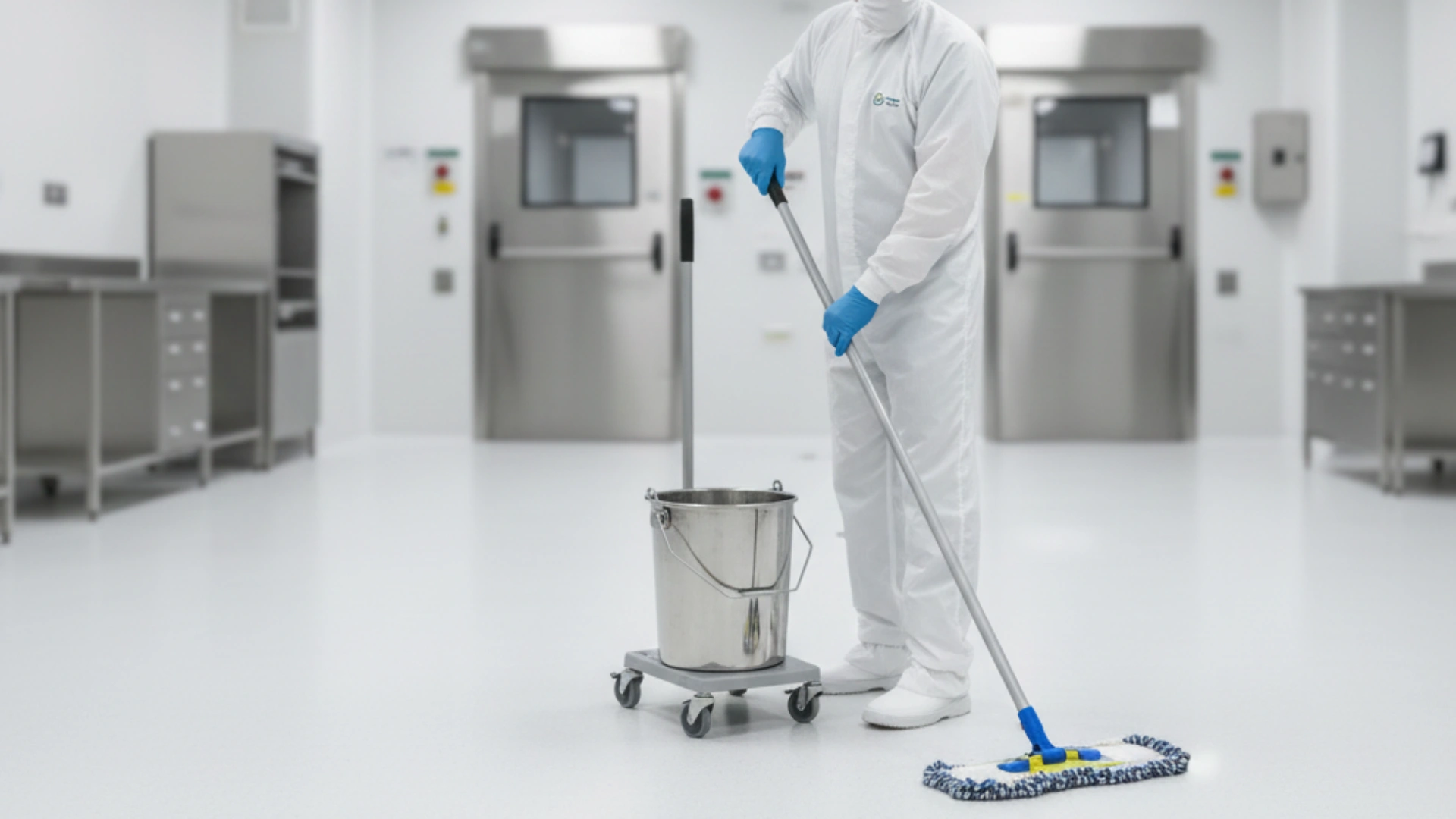
Feature visual: GMP-grade cleanroom mop cleaning SOP — sterile handling, contact time, and audit-ready execution.
1. SOP Overview: Scope and Personnel
Thiscleanroom mop SOPdefines the standardized methodology for floor and wall disinfection within classified life science environments. Adherence ensures consistent bioburden reduction and prevents cross-contamination between cleanroom grades.
Personnel:Only personnel successfully trained in cleanroom gowning and aseptic technique may perform this SOP.
ਬਾਰੰਬਾਰਤਾ:As per the site-specific Master Cleaning Schedule (MCS).
Control:This document is a controlled reference; all updates must undergo QA impact assessment viasupplier-aligned change control.
2. Materials & Preparation
Success in cleanroom disinfection starts with material integrity. Preparation must occur in a controlled manner prior to entering the critical zone.
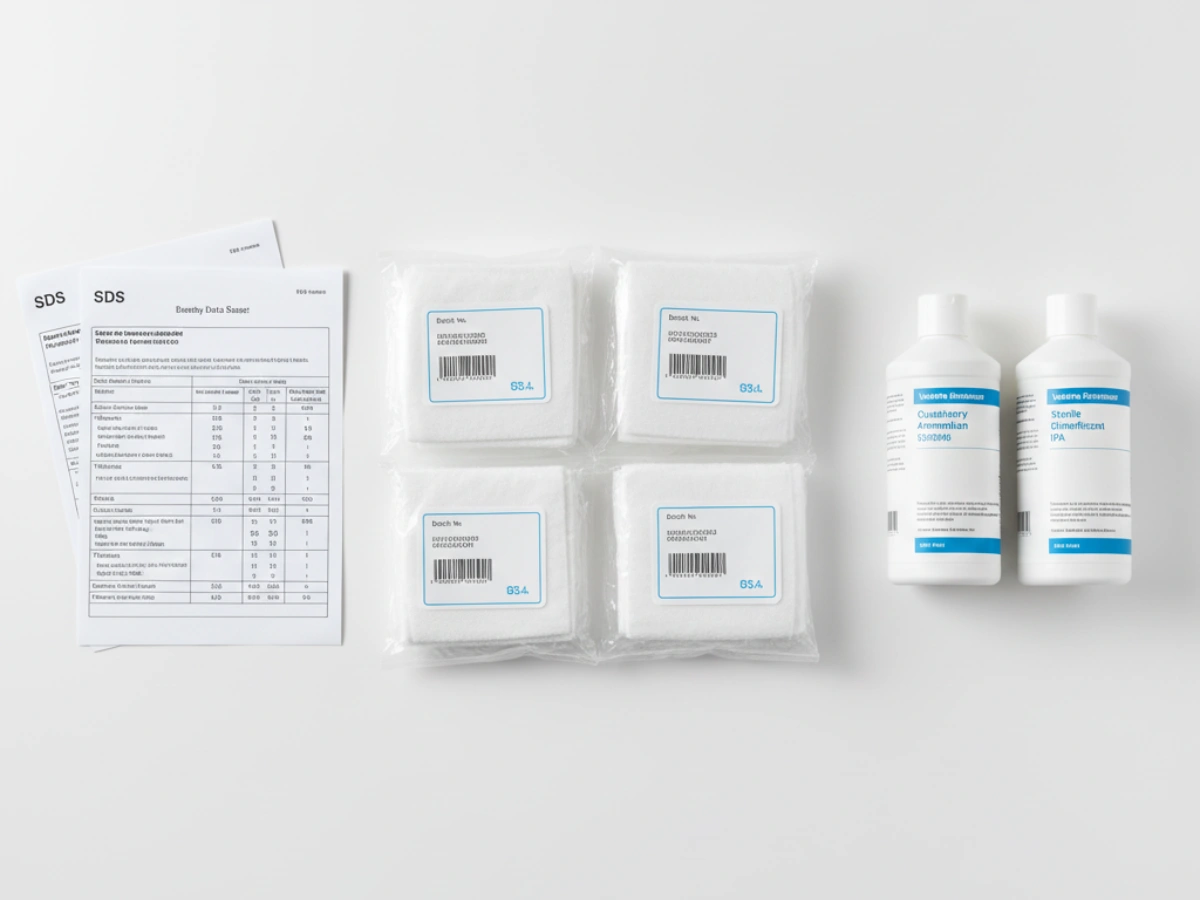
Mop Selection:Use sterile, double-bagged polyester or microfiber mops for Grade A/B. Verifyਬੈਚ-ਪੱਧਰ ਦੇ ਦਸਤਾਵੇਜ਼before use.
Disinfectant:Prepare agents (IPA, Quats, Peroxides) according to the validated concentration specified in the site SDS.
Saturation:Ensure mops are adequately wetted but not dripping. For pre-saturated mops, follow the "first-in, first-out" (FIFO) logic to maintain chemical efficacy.
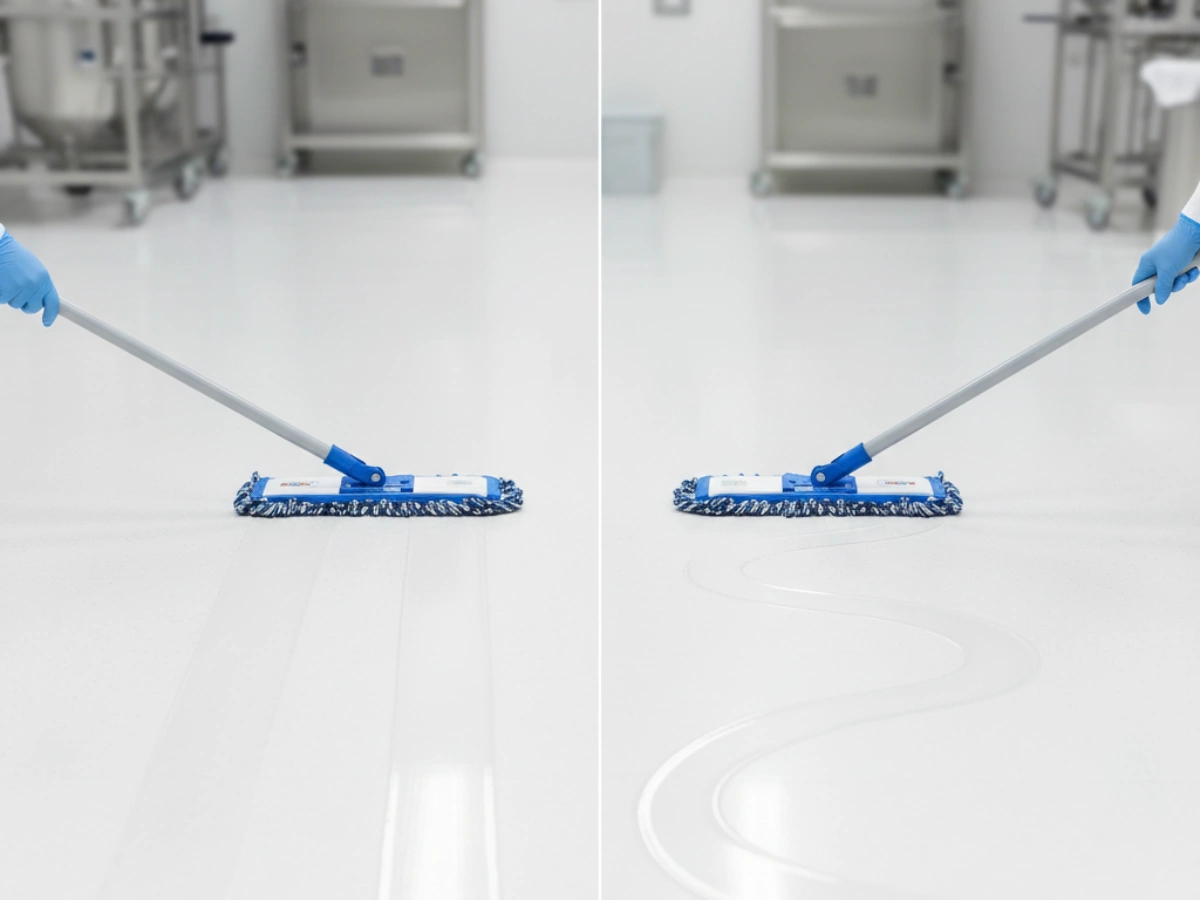
ਦ ਫਾਰਮਾਸਿਊਟੀਕਲ ਸਫਾਈ ਪ੍ਰਕਿਰਿਆ ਐਮਓਪੀtechnique focuses on removing contaminants rather than redistributing them. Avoid "scrubbing" motions which can generate particles.
Wiping technique: overlapping, controlled strokes reduce redistribution and support consistent outcomes.
4. Disinfectant Contact Time & Rotation
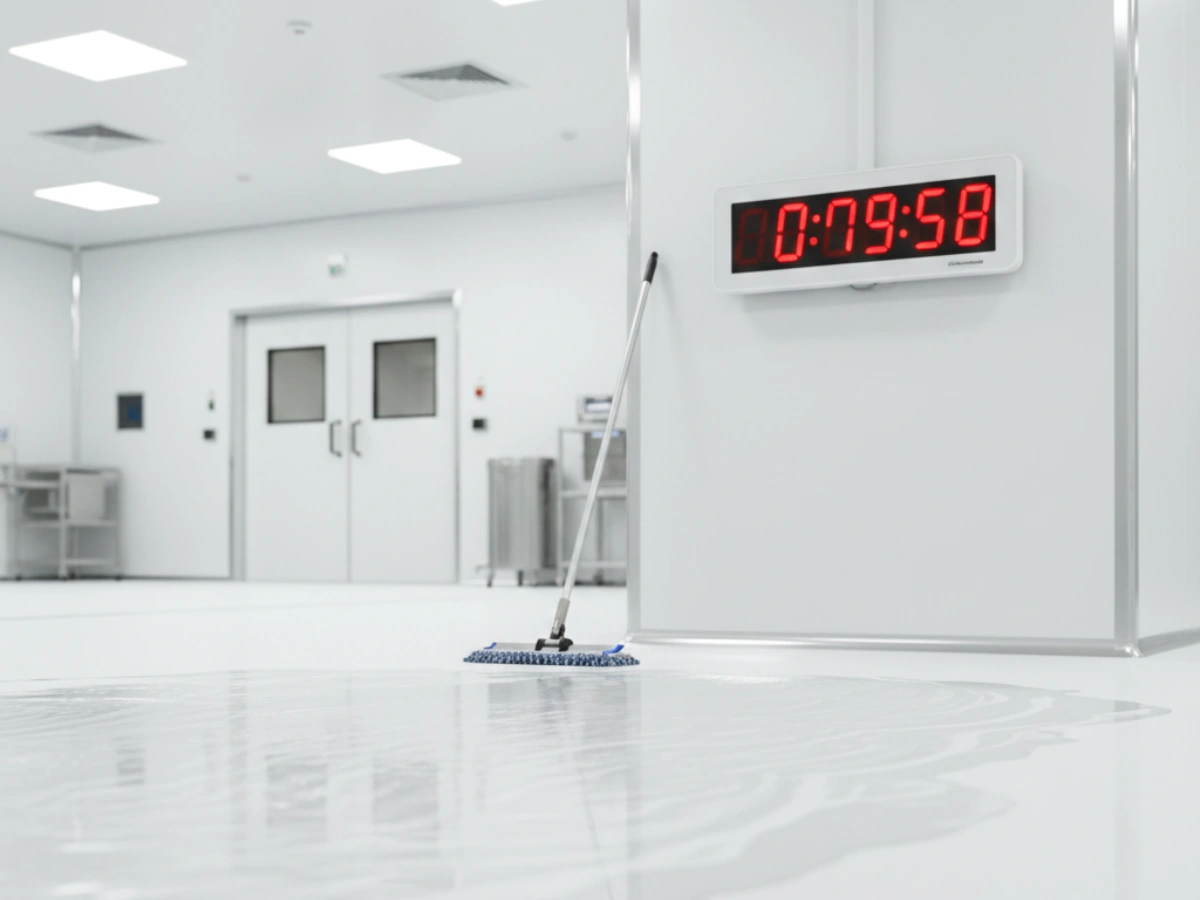
Disinfection is a chemical reaction requiring time. Surfaces must remain visibly wet for the full duration of thedisinfectant contact timevalidated by the facility.
Agent Type
Typical Target
Contact Time (Ref.)
70% Sterile IPA
Vegetative Cells
Remain wet; allow to air dry
Quaternary Ammonium
Broad Spectrum
10 Minutes (Site Validated)
Sporicidal (H2O2/PA)
Bacterial Spores
5–10 Minutes (Rotation)
Rotation Logic:Perform a weekly or monthly sporicidal "hit" to prevent the development of resistant microflora, documenting each cycle in the cleaning log.
Contact time: keep surfaces visibly wet for the full validated duration to achieve intended kill efficacy.
5. Sterile Handling & Aseptic Transfer
In high-grade zones, thesterile mop proceduremust include strict transfer protocols:
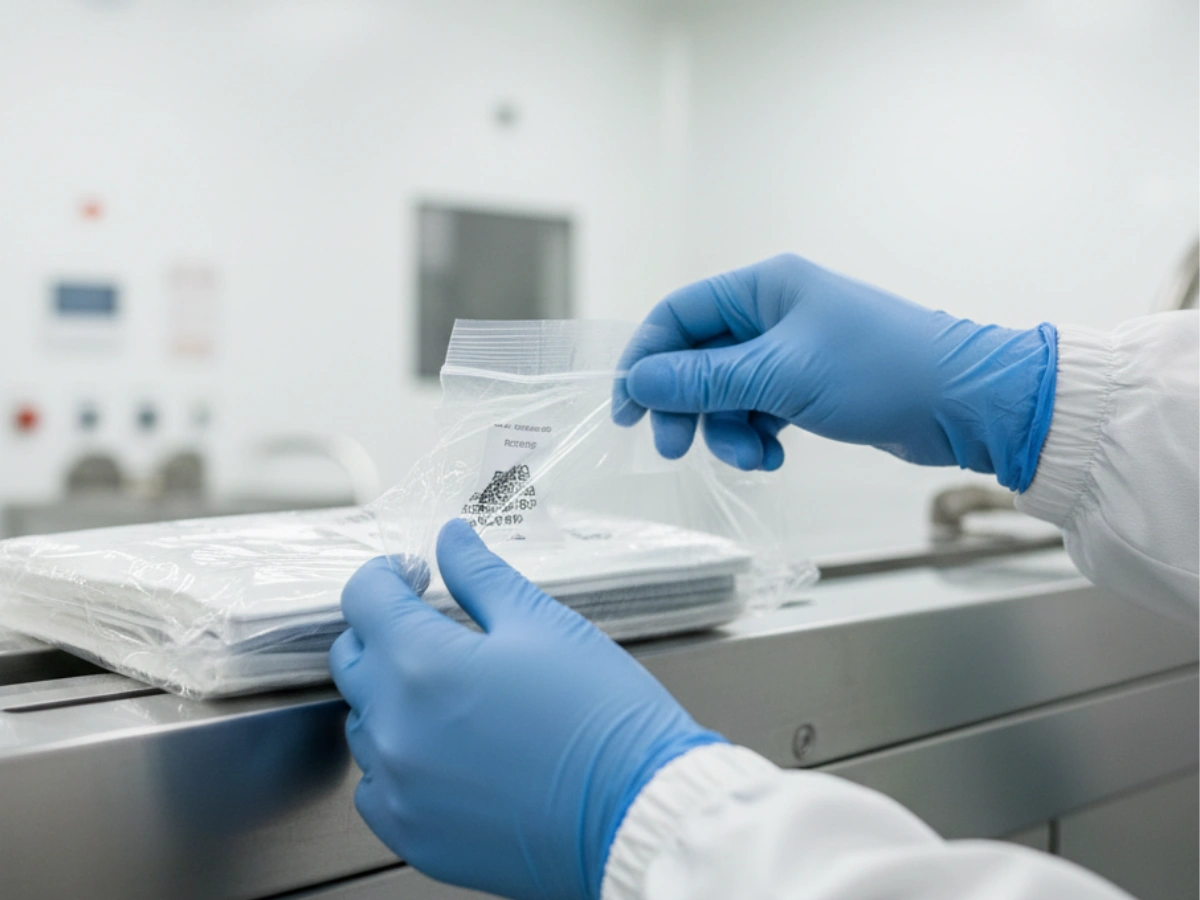
Opening:Use "peel-back" methods to remove the outer bag at the airlock boundary. The inner bag is removed only within the cleanroom.
Isolation:If a mop head touches the floor accidentally (when cleaning walls) or contacts a non-sterile surface, it must be discarded immediately.
Gloving:Sanitize gloves with sterile IPA after every mop head change.
Aseptic transfer: controlled peel-back and inner-bag handling reduces contamination risk at the boundary.
6. Documentation & Records (Audit-Ready)
In the eyes of a GMP auditor, "if it isn't documented, it didn't happen." Every cleaning session must be recorded with 100% traceability.
Logbook Fields:Room ID, date/time, disinfectant lot number,mop batch number, and operator signature.
Second Person Verification:Grade A cleaning must be witnessed and co-signed by a supervisor or QA lead.
Deviation Management:Record any EM (Environmental Monitoring) excursions or instances where contact time was not met, initiating a CAPA if necessary.
Audit-ready records: link cleaning execution to disinfectant lots and mop batch numbers for traceable evidence.
7. Training & Visual Aids
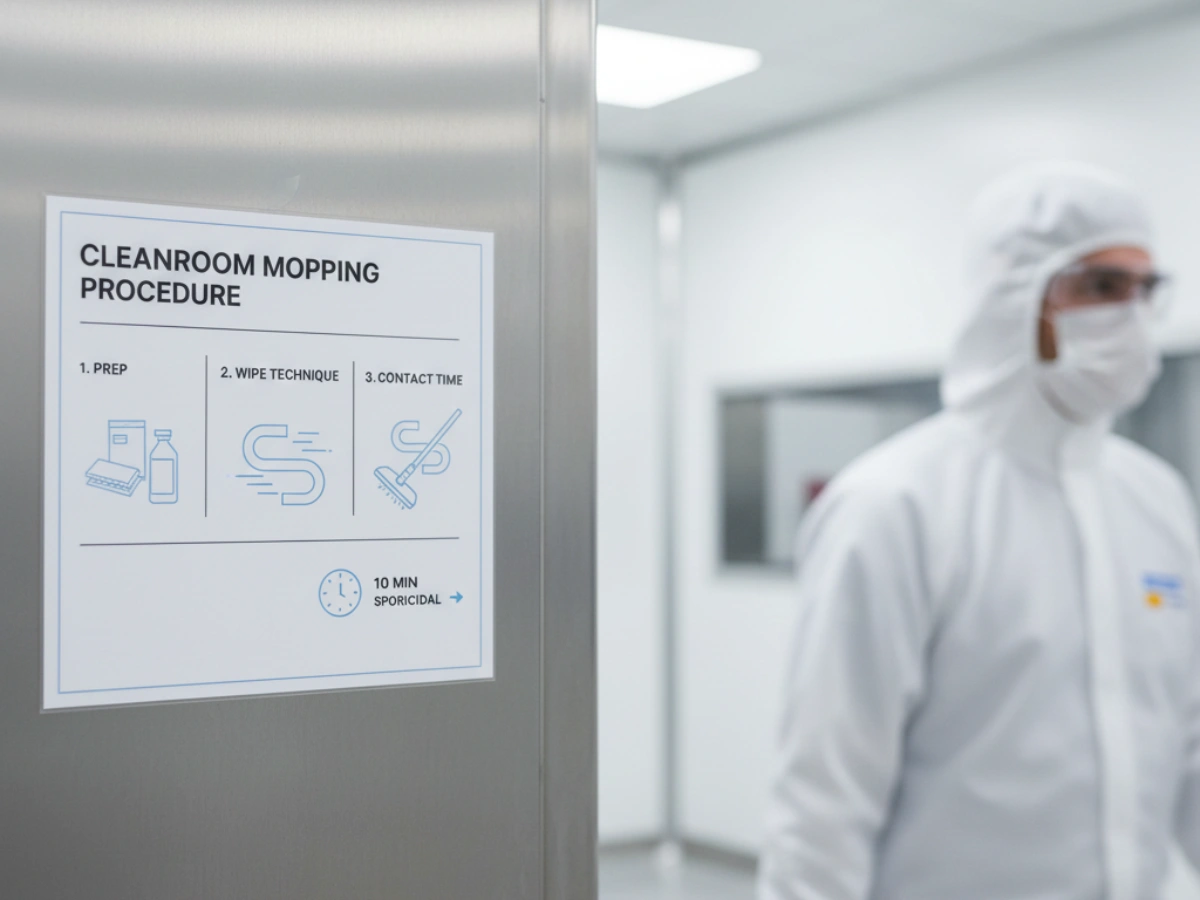
To ensure SOP compliance, facilities should post "SOP Quick Cards" at gowning exits. These cards should visually demonstrate the stroke pattern and list required contact times.
Audit Tip:Ensure all cleaning staff have a current training certificate on file specifically for this SOP version.





 Optimized by Seraphinite Accelerator